
A searing burner on a grill is a specialized, high-heat burner designed to quickly and intensely heat a small area of the grilling surface for searing meat. It produces very high temperatures, often above 700°F, to create a caramelized crust that locks in juices and enhances flavor.
This feature matters because searing is key to developing texture and flavor in steaks, chops, and other proteins by triggering the Maillard reaction. Searing burners also save time by delivering instant high heat without warming the entire grill to extreme temperatures, making the cooking process more efficient.
In this article, we will explore how searing burners work, their benefits, types of grills that use them, tips for using a searing burner effectively, and answer common questions. Understanding these can help you get the best grilling results whether you’re an amateur or a seasoned cook.
How a Searing Burner Works on a Grill
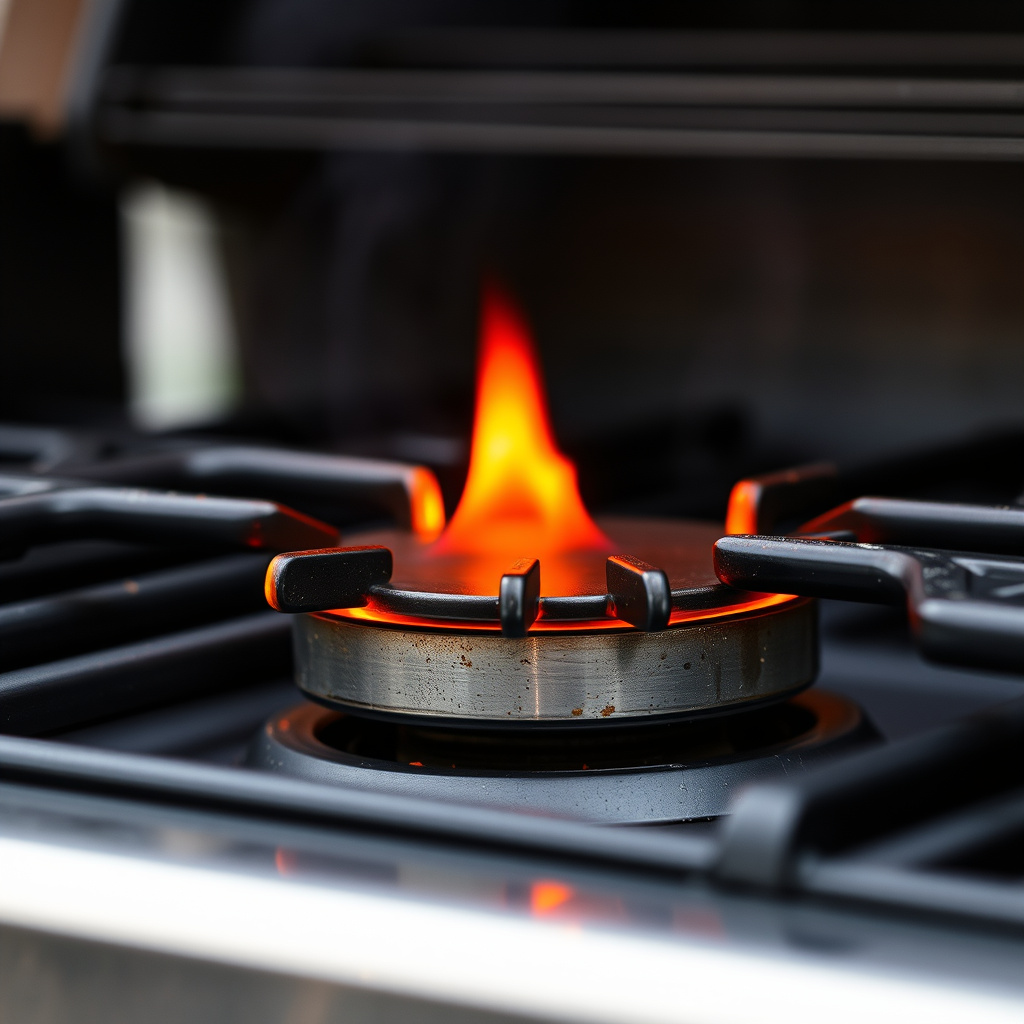
Mechanics of a Searing Burner
A searing burner functions by releasing a concentrated, intense flame focused on a small section of the grill. It uses a dedicated gas jet designed for higher gas flow, producing temperatures much higher than standard burners. This intense heat instantly chars the meat surface, creating the signature crust.
Most searing burners are located on the back or side of a gas grill. They often operate independently, allowing the cook to have a super-hot zone separate from the main cooking grates, ideal for finishing steaks or quickly caramelizing sauces.
Temperature and Heat Distribution
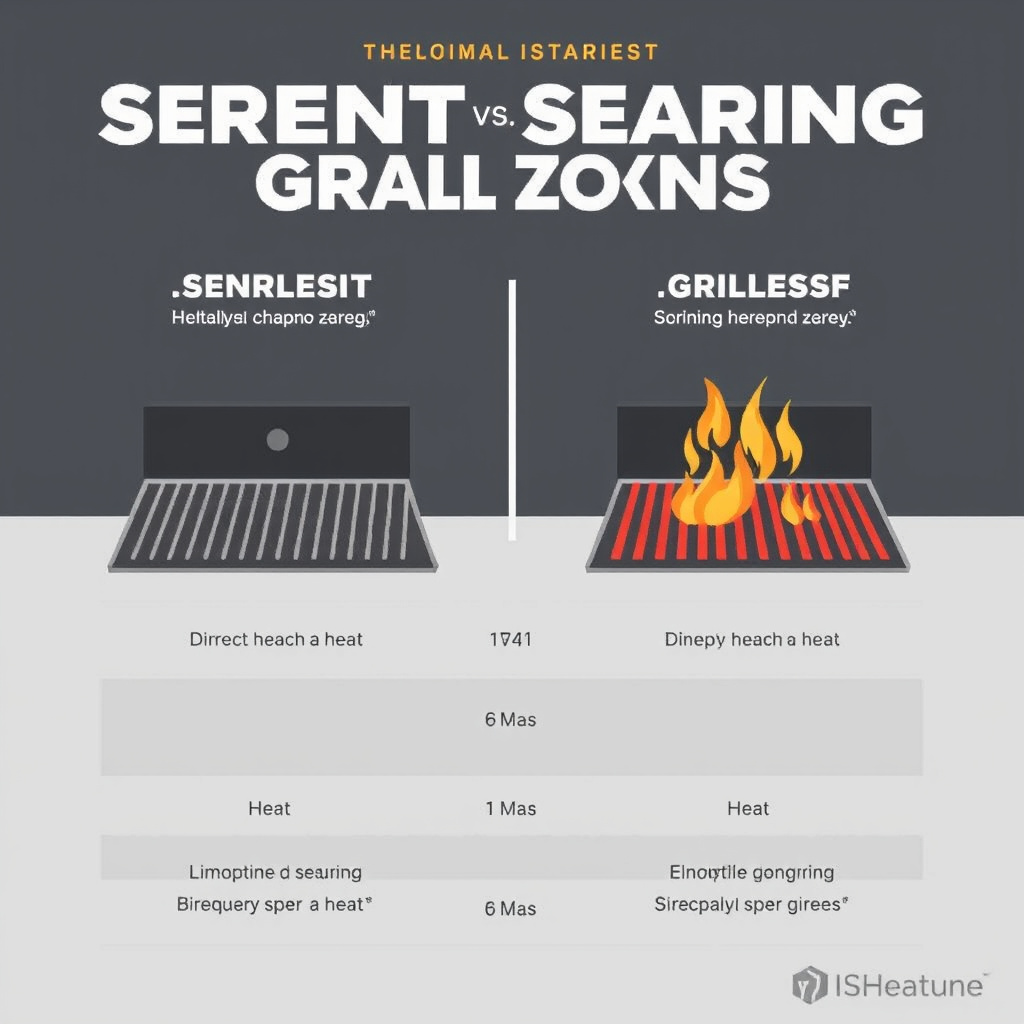
Searing burners routinely reach temperatures from 700°F to 900°F, much more than typical grill burners which run between 400°F to 600°F. This temperature difference is critical for effective searing.
Because the heat from a searing burner is so focused, the rest of the grill remains at a controlled cooking temperature, which is useful when cooking different foods at once. This separation helps avoid overcooking sensitive items while giving meats the hot sear they need.
Advantages of Using a Searing Burner on Your Grill
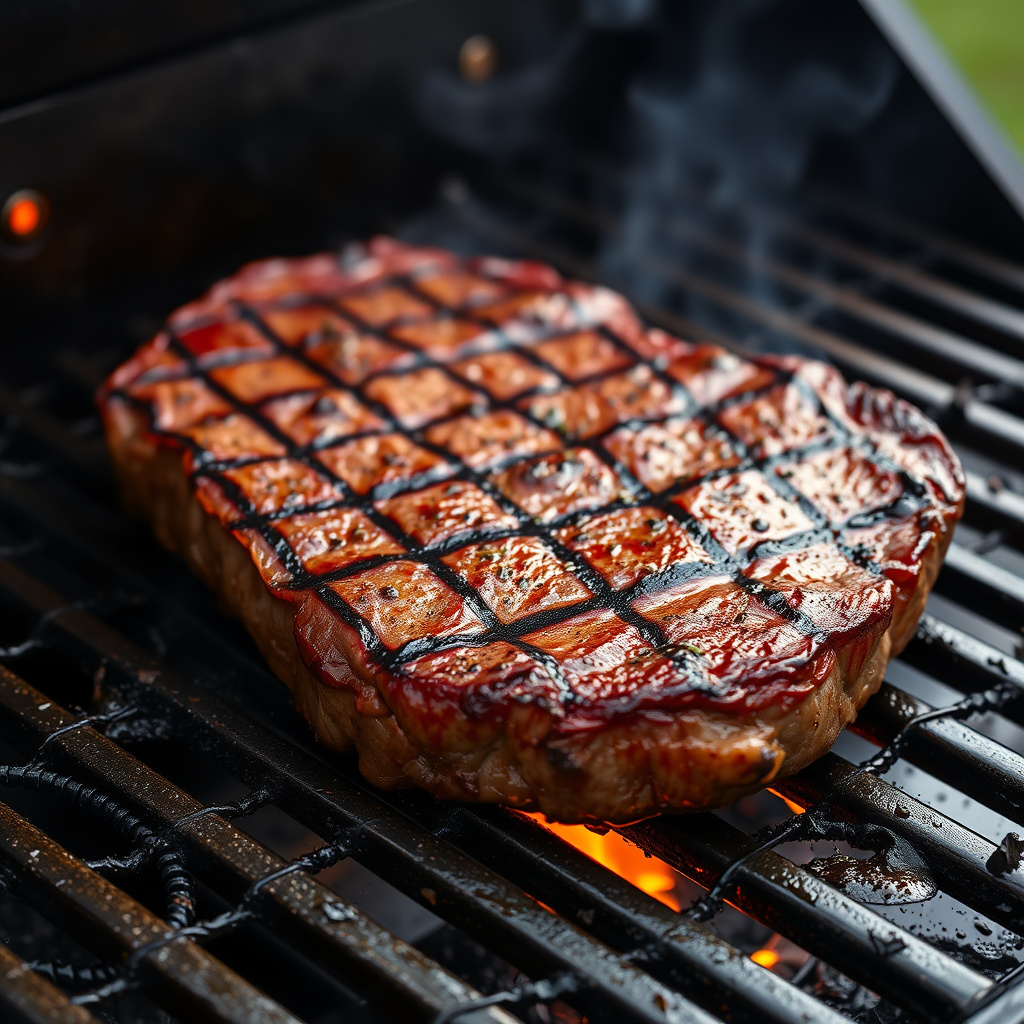
Enhanced Flavor and Texture
Utilizing a searing burner significantly improves the flavor profile of grilled meat. The instantaneous high heat triggers the Maillard reaction, which browns the surface and creates complex, savory notes. This process produces a pleasing crisp crust that contrasts perfectly with succulent interior meat.
This textural difference is what separates restaurant-quality steaks from ordinary grilled meat, making searing burners a popular upgrade for enthusiasts seeking to replicate professional results at home.
Time Efficiency and Cooking Control
Searing burners reduce the time required to develop a crust without overcooking the inside by heating a small, localized area intensely. This concentration allows cooks to sear meat quickly before moving it to cooler sections to finish cooking gently.
Additionally, having a searing burner gives more versatility and control during grilling sessions, enabling simultaneous multi-temperature cooking zones. This flexibility suits a variety of cooking styles and food types.
Grill Types Featuring Searing Burners
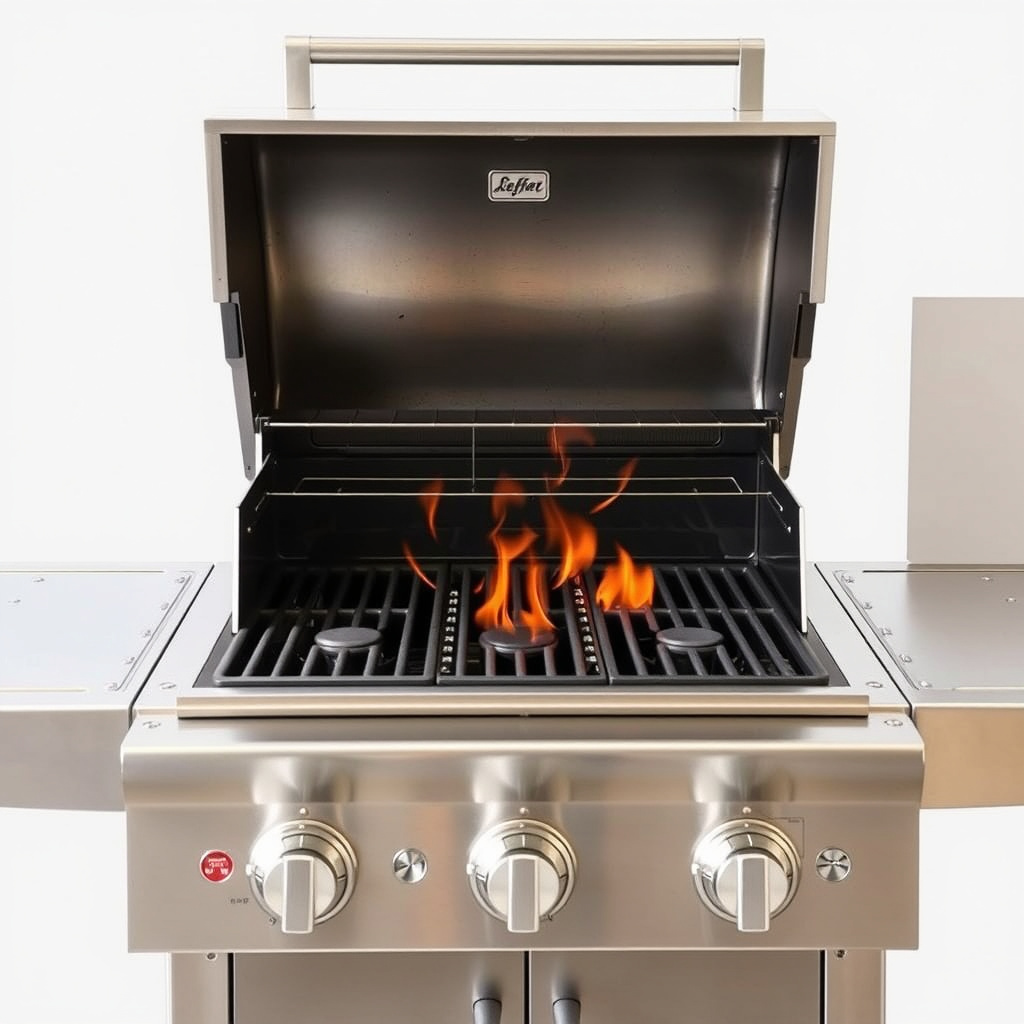
Gas Grills with Built-in Searing Burners
Many mid-to-high-end gas grills now include a dedicated searing burner as part of their multi-burner setup. These integrated designs allow easy access to a high-heat zone on the main grill deck or a side burner optimized for searing.
Popular models from brands like Weber, Char-Broil, and Broil King often highlight the searing burner feature in their specifications, appealing to those seeking professional-style grilling capabilities at home.
For more on this, see our related guide: What Is a Built In Grill? Understanding Features and Benefits.
Portion of Charcoal and Infrared Grills
Certain charcoal grills can simulate searing burner effects by creating direct flame zones, though the heat control is less precise. Infrared grills use a different technology that creates intense radiant heat similar to searing burners, often incorporated in higher-end gas models.
Infrared burners can reach and maintain the extremely high temperatures required for proper searing with less fuel consumption and faster heat-up times, making them a modern alternative to traditional searing burners.
Using a Searing Burner Effectively
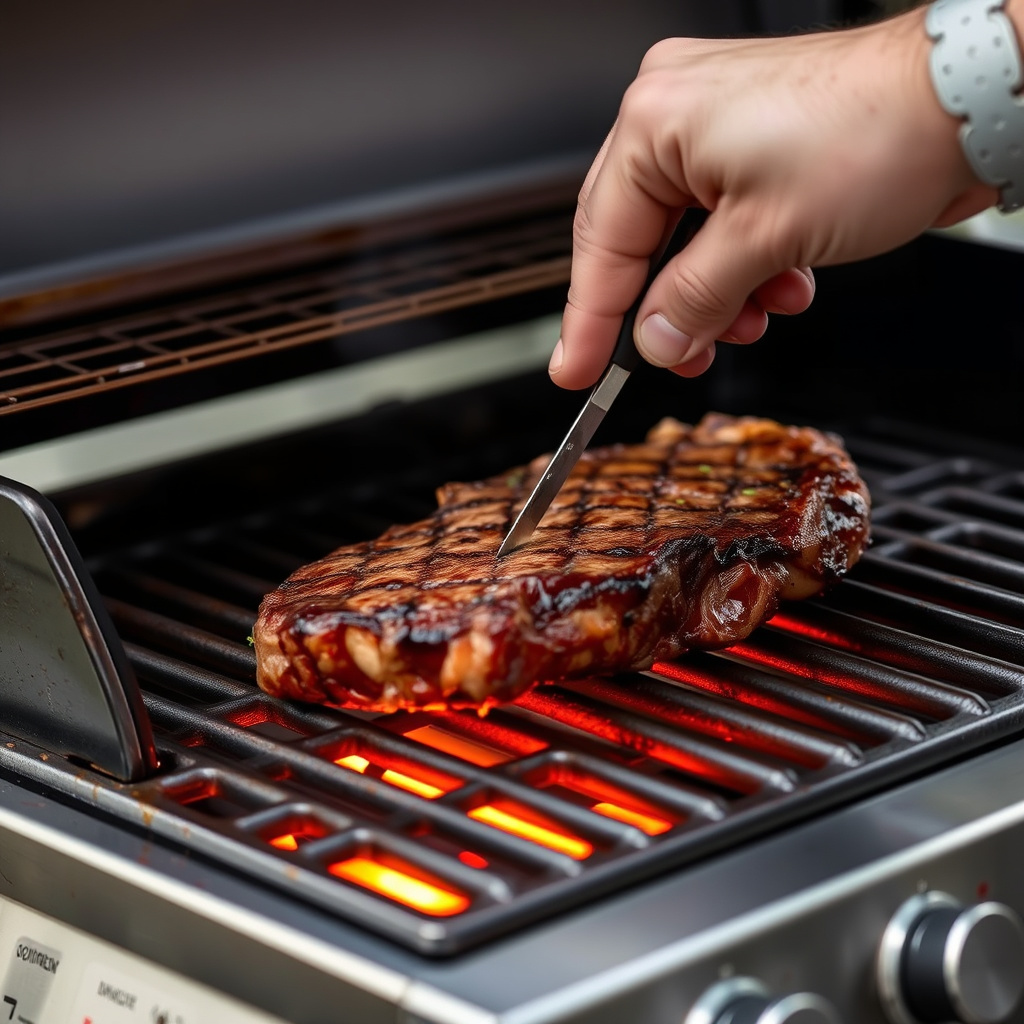
Preparation and Safety Tips
Before igniting the searing burner, preheat it for at least 5 to 10 minutes to reach the required temperatures. Use long-handled tools and heat-resistant gloves to protect yourself from intense heat since searing burners glow red and radiate extreme temperatures.
Keep a spray bottle of water nearby to manage flare-ups caused by dripping fat. Never leave food unattended on the searing burner to avoid burning or flare-induced fires.
- Preheat burner 5-10 minutes
- Use heat-resistant gloves
- Have water nearby for flare-ups
- Never leave food unattended
Techniques for Perfect Searing
Sear meat for 1-2 minutes per side over the searing burner to produce a rich crust, then move it to indirect heat zones to finish cooking to your desired doneness. Avoid pressing down on the meat to prevent juice loss.
Use a thermometer to check internal temperatures rather than relying solely on time. Rest the meat after searing to allow juices to redistribute, ensuring a juicy, flavorful final product.
- Sear 1-2 minutes per side
- Move to indirect heat to finish
- Use thermometer to check doneness
- Rest meat after cooking
Common Myths and Misunderstandings About Searing Burners
Searing Does Not Seal in Juices
Contrary to popular belief, searing does not 'seal in' juices inside the meat. Instead, the intense heat develops flavor and creates a crust, but moisture retention depends more on cooking temperature and time after searing.
Understanding this helps you focus on the entire cooking process, using the searing burner as a flavor enhancer rather than a moisture lock.
For more on this, see our related guide: What Is a Natural Gas Grill? Understanding Its Benefits and Features.
Not All High Heat Is Equal for Searing
Some might confuse achieving high surface temperature with simply cooking food faster. Searing burners produce specific intense heat levels briefly that create the Maillard reaction without overcooking the interior quickly.
Regular burners turned to max can’t always replicate this effect because their heat is less focused and the grill surface may not reach comparable temperatures in the searing zone.
Maintaining and Troubleshooting Your Searing Burner
Routine Cleaning and Care
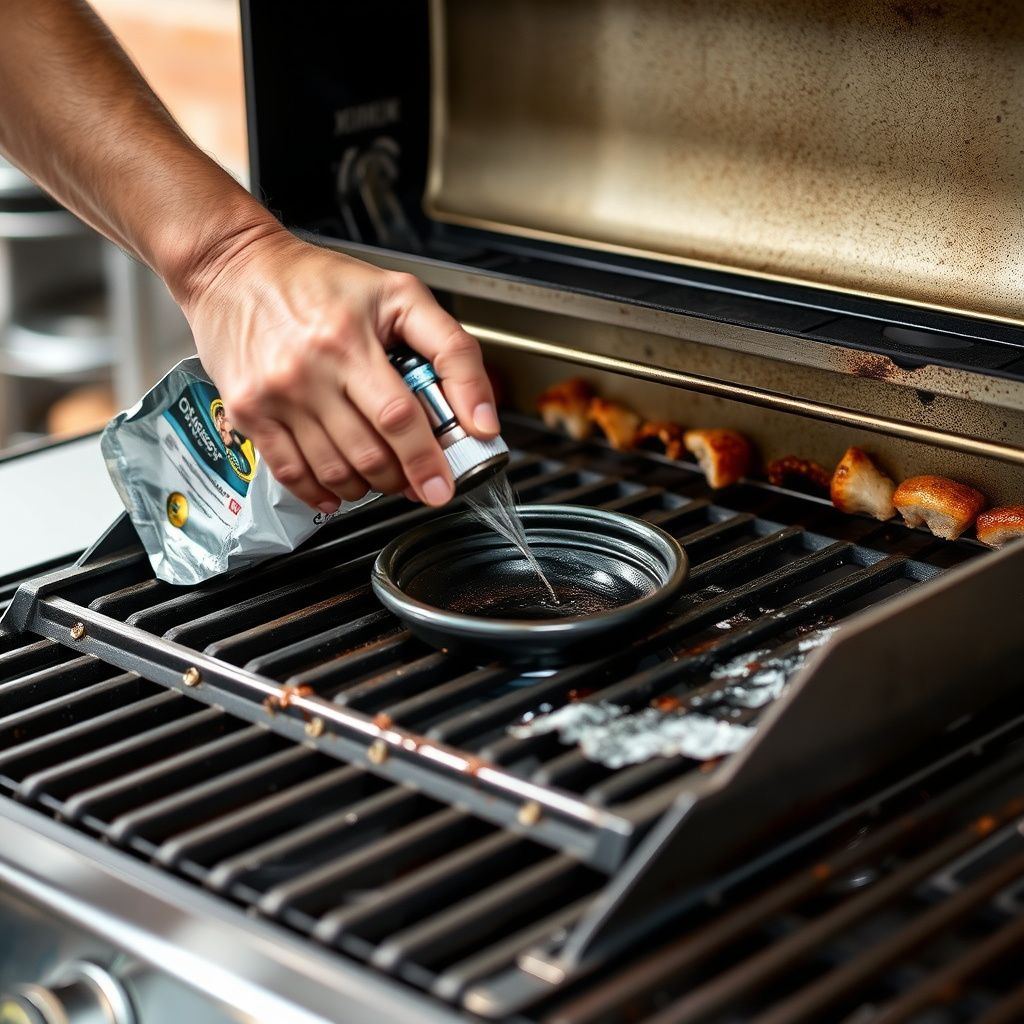
Keep the searing burner free of grease and debris to maintain proper flame intensity. After grilling, allow the burner to cool slightly, then use a grill brush to clean grates and wipe down burner surfaces.
Check for clogged gas ports regularly by inspecting flame color and intensity. A yellow or flickering flame signals blockage or gas pressure issues that require cleaning or professional servicing.
- Clean burner after each use
- Brush grill grates
- Inspect flame color regularly
- Clear blocked gas ports as needed
For more general information about grilling techniques and equipment, see Grilling on Wikipedia. Grilling on Wikipedia.
Common Problems and Fixes
If your searing burner fails to ignite or produces uneven heat, ensure gas lines and valves are open and free from obstructions. Dirt and spider webs often block burner tubes. Cleaning with compressed air or a pipe cleaner can restore flow.
For persistent flame issues, verify correct gas pressure and consult manufacturer service guides to replace or adjust parts as necessary.
- Check gas supply and valves
- Clear burner tubes with pipe cleaner
- Use compressed air to remove debris
- Consult manual for part replacement
Comparison of Grill Types with Searing Burners
Here’s how different grill categories featuring searing burners compare by heat source, temperature range, and typical price points.
| Category | Heat Source | Max Searing Temp | Price Range |
|---|---|---|---|
| Standard Gas Grill with Searing Burner | Propane/Natural Gas | 700-900°F | $300-$1000 |
| Infrared Gas Grill | Infrared Burner | 900-1100°F | $700-$2500 |
| Charcoal Grill (Simulated Searing) | Charcoal | 600-800°F | $100-$700 |
| High-End Infrared Charcoal Hybrid | Charcoal + Infrared | 1000-1200°F | $1000-$3000 |
Frequently Asked Questions
Can I use a searing burner for all types of meat?
While searing burners excel with steaks, chops, and thicker cuts, delicate items like fish or vegetables may burn at such high heat. Use searing burners selectively for meats that benefit from a quick crust.
How long should I preheat the searing burner?
Preheat the searing burner for 5 to 10 minutes until it glows red and reaches at least 700°F to ensure proper searing conditions.
Do all gas grills have searing burners?
No, searing burners are typically found on mid- to high-end grills. Entry-level models usually lack this feature and rely on standard burners.
Is infrared better than traditional searing burners?
Infrared burners reach higher temperatures faster and use fuel efficiently to create intense heat, but some purists prefer the flavor and control of traditional searing burners. Both have advantages.
How do I clean a searing burner safely?
Allow the burner to cool partially, then brush grates and wipe surfaces. Inspect burner tubes for blockages and clear obstructions with a pipe cleaner or compressed air.
Key Takeaways
- A searing burner delivers intense localized heat for perfect crust formation on grilled meats.
- It improves flavor by enabling the Maillard reaction without overcooking the interior.
- Gas grills with searing burners offer versatile heat zones and time efficiency.
- Proper preheating, use, and maintenance maximize searing burner performance.
Conclusion
Understanding how a searing burner functions can transform your grilling experience by adding a professional touch to your cooking. This specialized burner provides the specific heat intensity needed to produce rich, flavorful crusts quickly, separating it from traditional grilling. Appreciating this distinction aids in better control over cooking, allowing you to achieve both texture and juiciness in your meats.
Depending on your grilling style and budget, your best option might be a gas grill with an integrated searing burner for straightforward control and versatility, or an infrared-equipped model for even higher temperatures and efficiency. Charcoal aficionados can mimic searing using direct flame zones, but the concentrated heat of a dedicated searing burner typically produces more consistent results.
If you're considering upgrading your grill, evaluating models that include searing burners — or adding a standalone side searing burner — can significantly improve your options. Start by practicing with smaller steaks to master timing and positioning over the burner. This practical step moves you toward home-cooked meals that impress with visually striking grill marks and full flavor.



