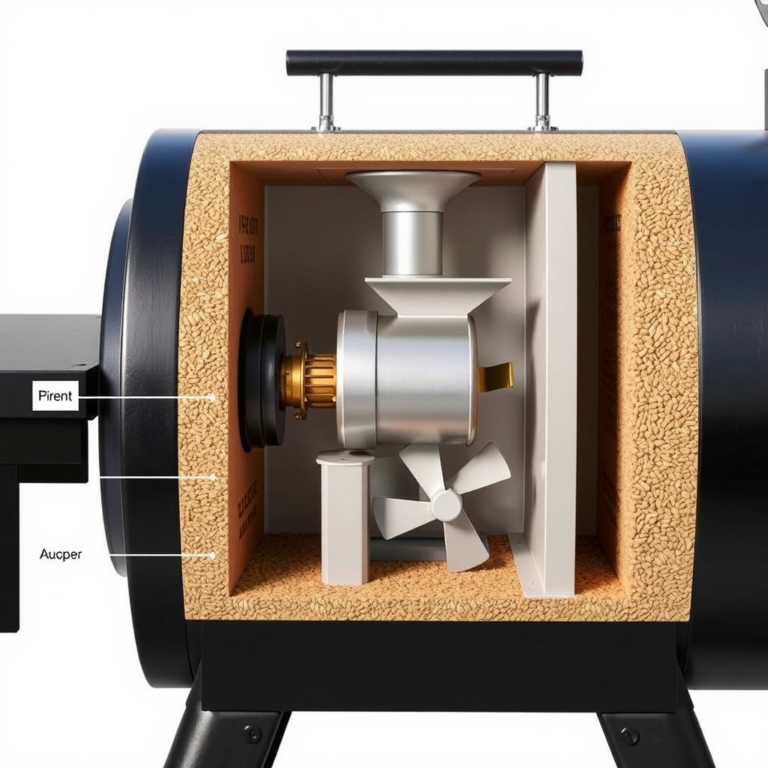
Kamado grills work by using thick ceramic insulation to retain heat and moisture, enabling precise temperature control for grilling, smoking, baking, and roasting. They use charcoal as fuel, with adjustable vents controlling airflow to regulate the cooking temperature efficiently.
This unique design results in consistent, evenly distributed heat and excellent moisture retention, which enhances food flavor and tenderness. Kamado grills combine traditional charcoal grilling with the versatility of an oven, making them suitable for a wide range of cooking styles and recipes.
In this article, we'll explore the core mechanics of kamado grills, their design features, how airflow and insulation affect cooking, and tips for getting the best results. We'll also compare kamado grills with other charcoal grills and highlight the benefits of their ceramic construction.
The Design and Construction of Kamado Grills
Ceramic Body and Its Impact on Cooking
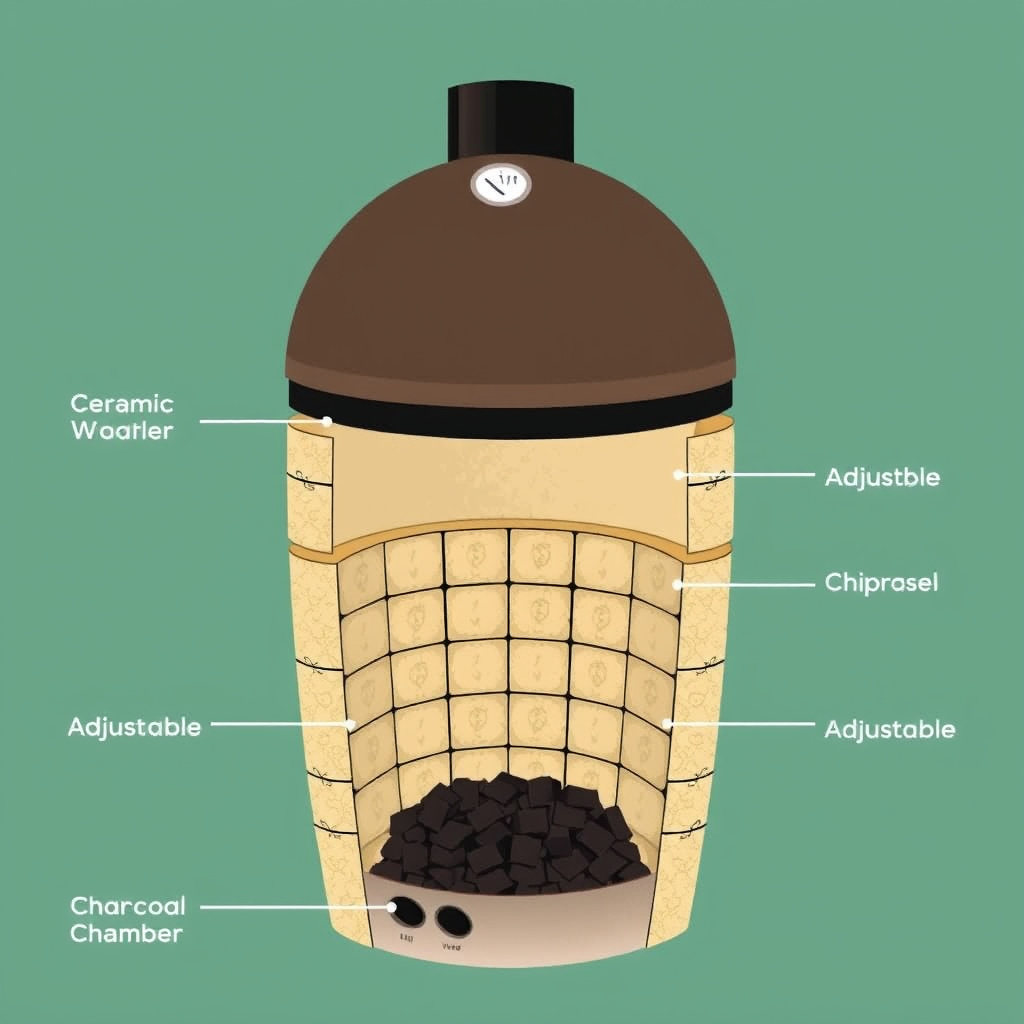
Kamado grills are distinguished mainly by their thick ceramic walls which provide exceptional heat retention and insulation. The ceramic holds heat much longer than metal grills, allowing for lower fuel use and more consistent temperatures over extended cooking times.
This ceramic insulation also minimizes temperature fluctuations caused by outside air temperature, wind, or repeated lid openings. It prevents excessive heat loss and helps retain moisture in the food by trapping steam inside the cooking chamber.
Shape and Structure for Versatile Cooking
The egg or oval shape of kamado grills encourages uniform heat circulation around the food. This creates a convection effect that cooks food evenly from all sides without hot spots.
The design facilitates multiple cooking techniques including direct grilling over hot coals, indirect cooking by placing a heat deflector between food and coals, and low-and-slow smoking or baking using charcoal with precise temperature control.
How Airflow Controls Kamado Grill Temperatures
The Role of Bottom and Top Vents
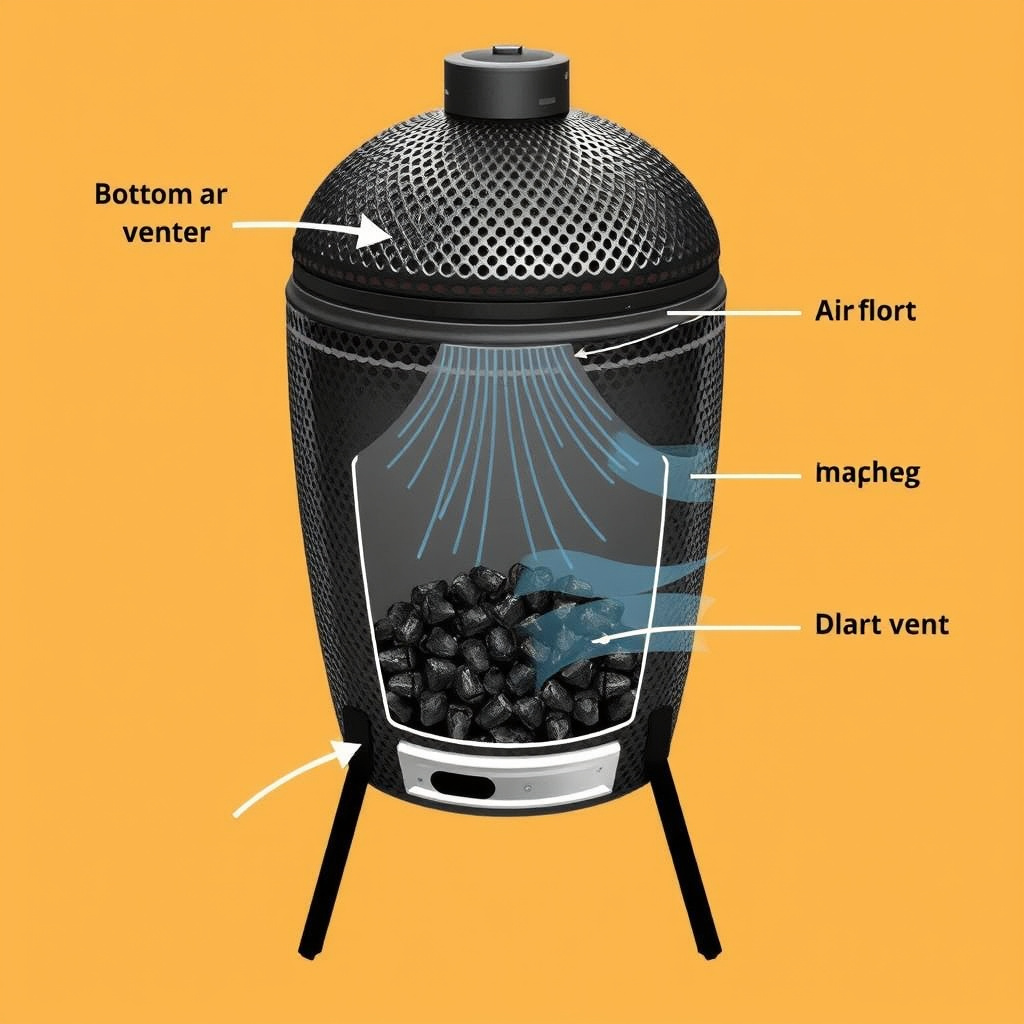
Kamado grills have adjustable bottom and top vents that regulate oxygen flow into the charcoal chamber. Opening the vents increases oxygen, causing the charcoal to burn hotter and raising the grill’s temperature.
Closing the vents restricts oxygen, slowing combustion and lowering heat. This precise airflow control enables cooks to adjust and maintain temperatures ranging from low smoking levels around 200°F up to searing temperatures above 700°F.
For more on this, see our related guide: How Do Charcoal Grills Work? A Complete Guide to Charcoal Grilling Mechanics.
Using Airflow to Maintain Stable Cooking Temperatures
Maintaining steady airflow is key to achieving stable cooking temperatures in kamado grills. Large adjustments often cause temperature swings, so slow, gradual vent changes are ideal for fine-tuning heat.
Experienced users often monitor temperature with built-in or external thermometers and make small vent adjustments periodically to keep the heat steady for hours during smoking or baking.
- Open vents fully for maximum heat
- Partially close vents for low-and-slow cooking
- Use both vents together for balance
- Avoid rapid or frequent vent changes
Fuel and Heat Sources in Kamado Grills
Choosing the Right Charcoal
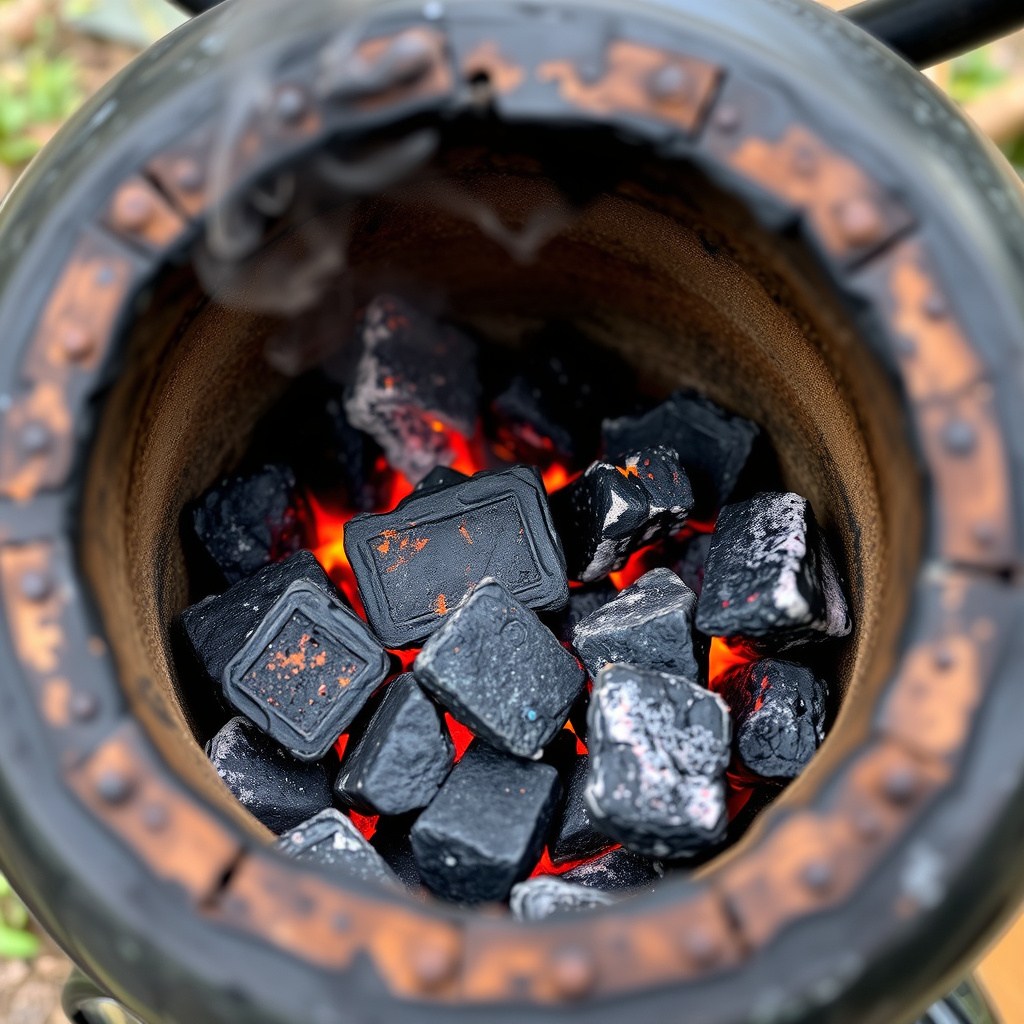
Natural lump charcoal is the preferred fuel for kamado grills because it burns hotter, cleaner, and produces less ash compared to briquettes. Its irregular shapes create air pockets that enhance airflow and combustion efficiency.
Quality lump charcoal also adds subtle woodsy flavors depending on the hardwood used, complementing the enhanced flavors developed by the kamado’s ceramic environment.
- Use hardwood lump charcoal
- Avoid quick-light or chemical-soaked briquettes
- Consider charcoal size for airflow
Starting and Maintaining a Fire
Fire in kamado grills can take longer to ignite due to the dense ceramic and limited airflow. Using a chimney starter or electric charcoal starter helps light coals evenly before placing them inside the grill.
Once lit, slowly open vents to build the temperature, then adjust vents carefully to maintain steady heat. The ceramic body keeps the fire going efficiently, reducing the need for frequent refueling during long cooks.
- Use a chimney starter for quick lighting
- Arrange coals for even heat
- Add charcoal gradually for long cooks
Using Kamado Grills for Different Cooking Techniques
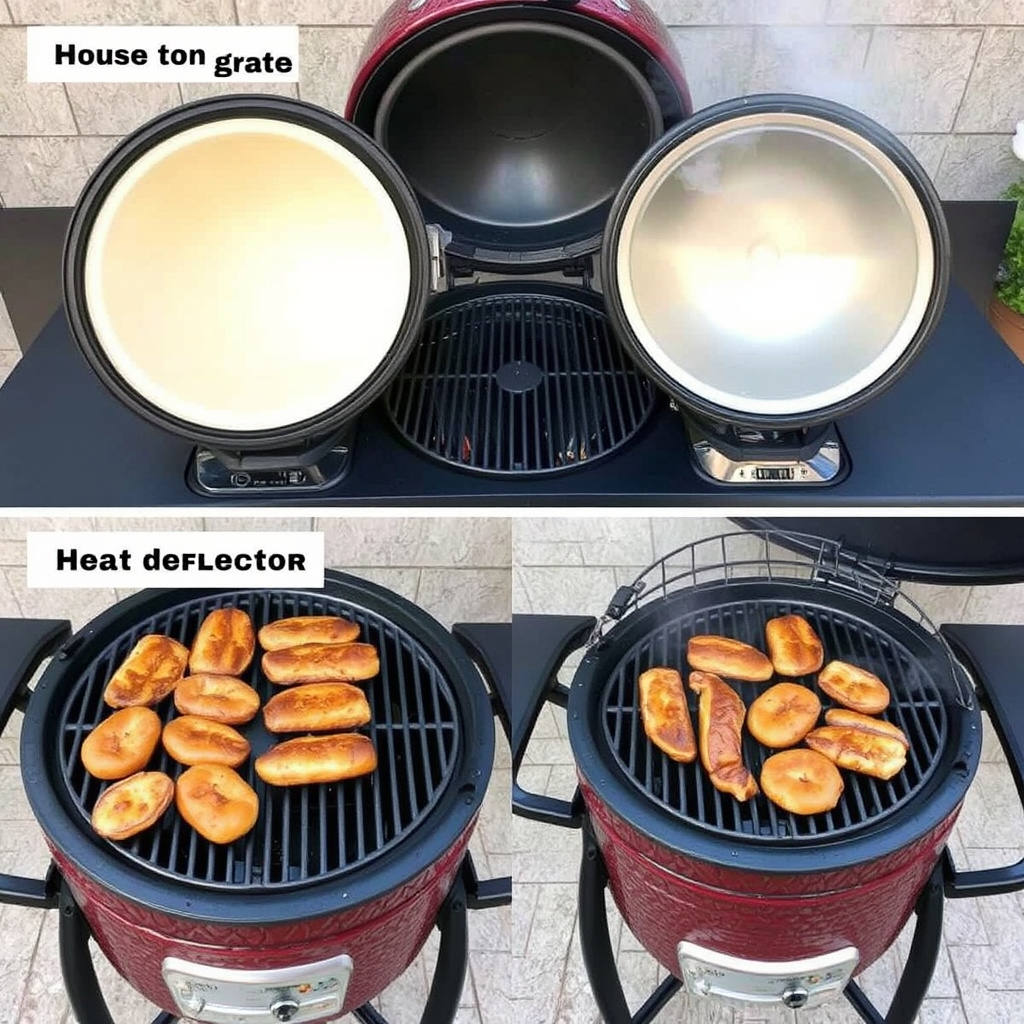
Direct Grilling and Searing
Kamado grills excel at direct grilling thanks to their ability to reach very high temperatures and maintain steady heat. The intense heat sears the surface meats quickly, creating flavorful crusts and locking in juices.
For direct grilling, coals are placed directly under the cooking grate, and vents adjusted to raise heat up to 600°F or more. These conditions are ideal for steaks, burgers, and vegetables.
For more on this, see our related guide: What Is a Kamado Grill? Understanding This Ceramic Cooking Classic.
Indirect Cooking and Smoking
For low-and-slow cooking or smoking, kamado grills use a heat deflector or ceramic plate to shield food from direct charcoal heat. This indirect method turns the grill into an oven or smoker with stable, low temperatures from 200°F to 300°F.
Adding wood chunks or chips can infuse smoke flavor, while slow airflow adjustments help maintain consistent temperatures during long cooks like brisket, ribs, or baked goods.
Cleaning and Maintenance of Kamado Grills
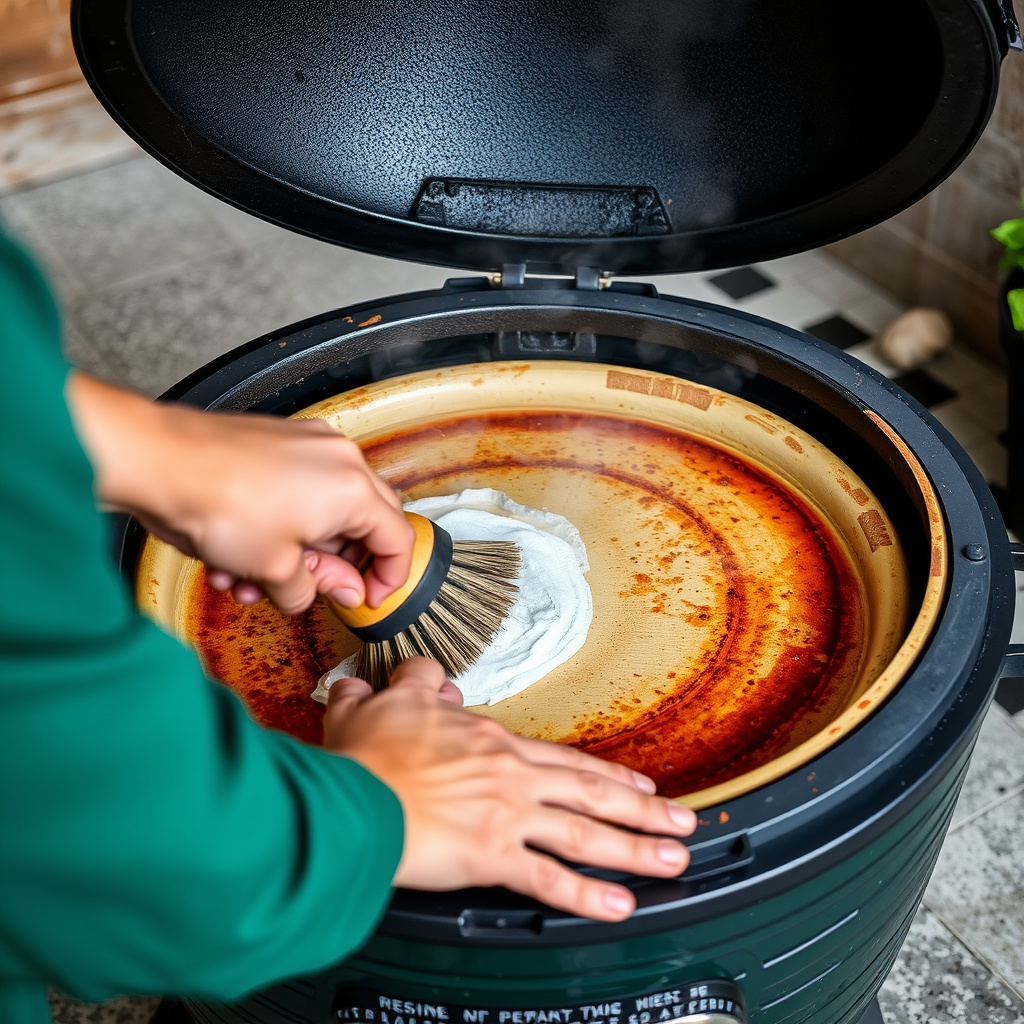
Regular Cleaning to Preserve Performance
Keeping the kamado grill clean ensures optimal airflow and prevents grease buildup, which can cause flare-ups. After each use, removing ash and wiping down the grill grate helps maintain hygiene and cooking quality.
Periodic deep cleaning of the ceramic interior and external surfaces avoids residue buildup that could affect heat distribution.
- Remove ashes after every cook
- Clean the grill grate with a wire brush
- Inspect ceramic for cracks or damage
For a detailed history and technical overview, check the Kamado grill Wikipedia page. Kamado grill Wikipedia page.
Maintaining Vents and Accessories
Vents should be checked regularly for ash or debris blocking airflow. Lubricate vent parts lightly with food-safe oil to keep them operating smoothly.
Accessories like heat deflectors or cooking grates may require occasional cleaning or replacement to maintain even heat and food safety.
Kamado Grills vs Other Charcoal Grills Comparison
Here's how kamado grills compare to traditional charcoal grills and other ceramic grills on key features and cooking abilities.
| Grill Type | Material | Heat Retention | Temperature Range | Versatility | Price Range |
|---|---|---|---|---|---|
| Kamado Grill | Thick Ceramic | Excellent – retains heat very well | 200°F to 700°F+ | High – grilling, smoking, baking | $400 to $2000+ |
| Traditional Charcoal Grill | Thin Steel/Aluminum | Low – heat dissipates quickly | 300°F to 700°F | Medium – mostly direct grilling | $50 to $500 |
| Other Ceramic Grill | Ceramic | Good – similar to kamado but varies | 250°F to 600°F | Medium to High – depends on design | $300 to $1500 |
| Electric Charcoal Smoker | Steel | Moderate – insulated but not ceramic | 200°F to 275°F | Low – mostly smoking | $200 to $600 |
Frequently Asked Questions
Can I use briquettes instead of lump charcoal in a kamado grill?
While you can use briquettes in a kamado grill, lump charcoal is preferred for its higher heat output, cleaner burn, and better airflow. Briquettes also produce more ash, which can clog vents and affect temperature control.
How long does it take for a kamado grill to heat up?
Kamado grills typically take 15 to 30 minutes to reach cooking temperatures, depending on the desired heat level and charcoal arrangement. Their thick ceramic walls slow initial heat-up but maintain heat longer once at temperature.
Do kamado grills smoke better than traditional grills?
Yes, the ceramic insulation and airtight design of kamado grills create a controlled environment ideal for smoking. This allows for consistent low temperatures and moisture retention, resulting in flavorful, tender smoked foods.
Are kamado grills difficult to maintain?
Kamado grills require regular ash removal and occasional cleaning of vents and cooking surfaces, but they are generally low maintenance. The ceramic construction is durable, but users should avoid sudden temperature changes to prevent cracking.
What cooking methods can I use on a kamado grill?
Kamado grills are versatile and support direct grilling, indirect cooking, smoking, baking, and roasting. Their temperature control abilities allow you to sear steaks or slowly smoke meats with excellent results.
Key Takeaways
- Kamado grills use thick ceramic insulation for superior heat retention and moisture control.
- Adjustable vents regulate airflow to maintain precise cooking temperatures from low-to-high heat.
- Natural lump charcoal fuels efficient burning and enhances flavor in kamado grills.
- Kamado grills support versatile cooking methods including grilling, smoking, baking, and roasting.
Conclusion
Understanding how kamado grills work highlights their unique ceramic construction and airflow system that set them apart from traditional grills. Their ability to retain heat and moisture allows for consistent cooking results, whether searing steaks or smoking ribs. Choosing the right grill comes down to how much versatility and temperature control you want in one device, and the kamado’s distinct design delivers both in abundance.
If you regularly cook a variety of foods and enjoy experimenting with different methods—like high-heat grilling, baking pizzas, or long smoke sessions—a kamado grill is ideal. For those who prefer simpler grilling with quick heat ups or tight budgets, other charcoal grills with less insulation might suffice. The ceramic grill benefits, such as gradual fuel consumption and durable heat retention, make kamados a top choice for barbecue enthusiasts willing to invest in versatility.
To start using a kamado grill effectively, invest in quality lump charcoal and practice adjusting the vents incrementally to master temperature control. Regular cleaning of ash and vents will preserve performance. With patience, you’ll enjoy flavorful meals cooked with a perfect balance of heat, smoke, and moisture. For additional technical details and care instructions, visiting this detailed resource on kamado grills can provide more guidance.