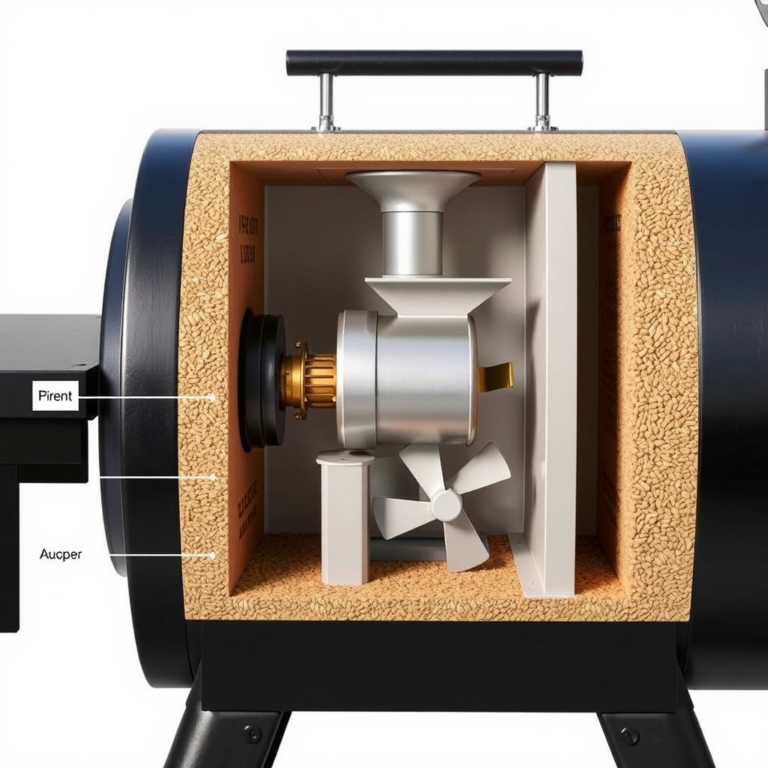
Infrared grills work by using infrared radiation to directly heat food, rather than relying on conventional convection methods. This technology generates intense heat quickly and evenly from specialized burners or ceramic plates that emit infrared waves, cooking food efficiently and sealing in moisture.
This method differs from traditional gas or charcoal grills that heat the air around the food, often leading to longer cooking times and increased flare-ups. Infrared grills produce higher temperatures with less fuel and minimize flare, which means better searing and juicier results for meats and vegetables.
This article explains the technology behind infrared grills, the different types available, how their unique heat transfer enhances cooking, and how to choose the best infrared grill for your backyard setup.
Understanding Infrared Grill Technology
How Infrared Burners Generate Heat
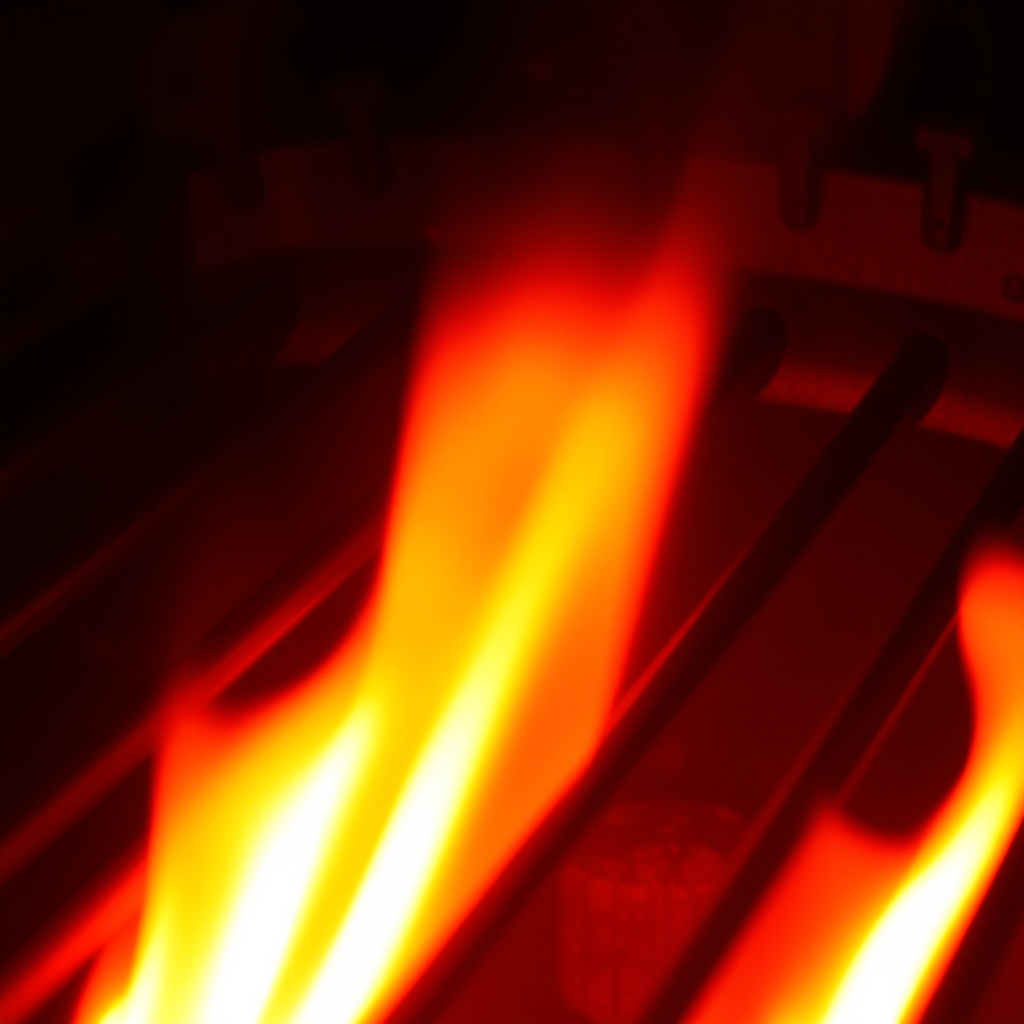
Infrared burners convert fuel, either gas or electricity, into infrared radiation that directly heats the grill surface and food. Unlike conventional burners that heat air, the infrared waves emit from a ceramic or metal plate heated to high temperatures, producing consistent radiant heat.
This process creates extremely high temperatures rapidly, often exceeding 1200°F, which is ideal for searing meat and achieving grill marks without drying out the interior.
Types of Infrared Heat Sources
Infrared grills typically feature either ceramic plates, metal tubes, or quartz burners as the heat source. Ceramic plates are popular for their ability to distribute heat evenly and retain it for longer periods.
Quartz infrared burners use electrically powered quartz tubes to provide responsive heat control, while metal tube burners offer durability and intense searing zones.
- Ceramic plates for even heat distribution
- Quartz burners for quick temperature adjustments
- Metal tube burners for robust grilling performance
Advantages of Using Infrared Grills
Faster Cooking and Reduced Flare-Ups
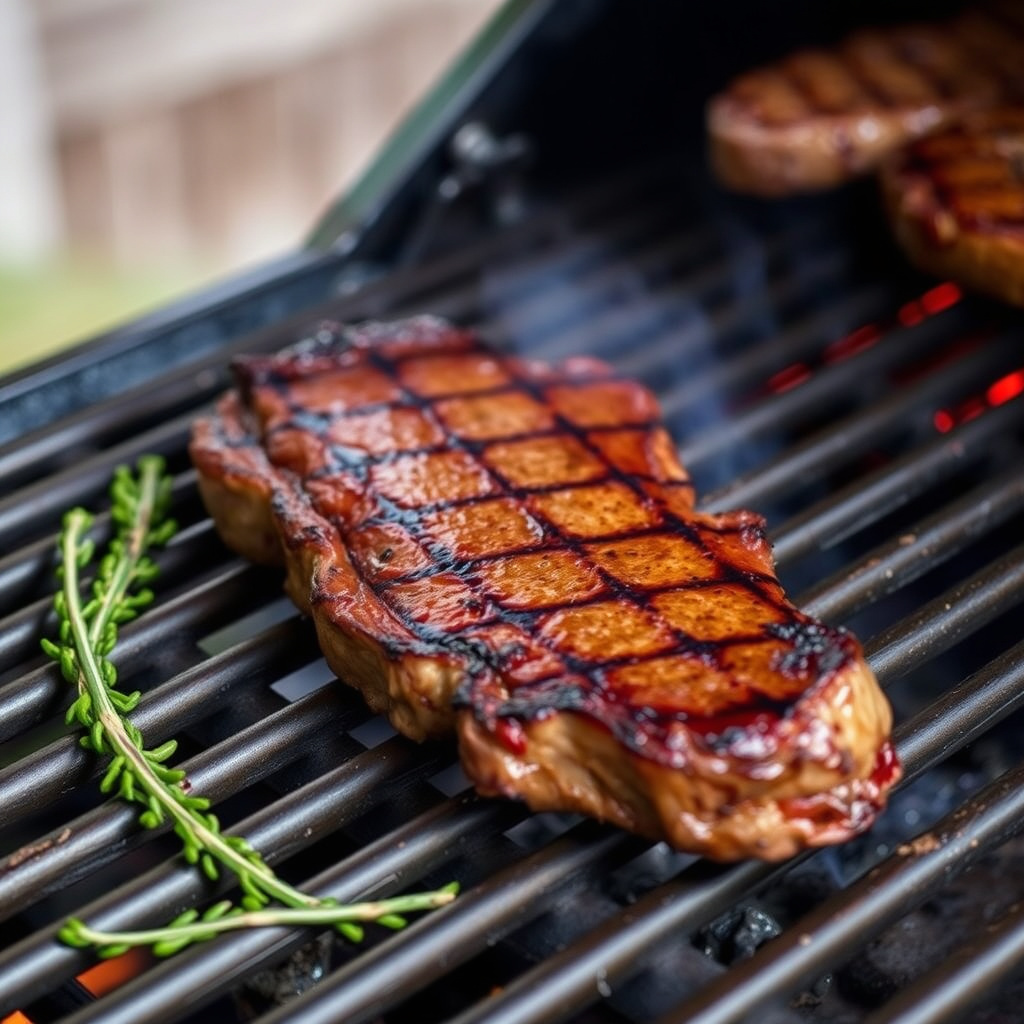
Infrared grills reach higher temperatures faster than traditional grills, cutting down cooking time significantly. Because they emit radiant heat directly onto the food surface, heat loss is minimized, allowing more efficient thermoregulation.
Since food juices don’t drip directly on the flame but onto the heat plates, flare-ups that char food and produce smoke are minimized, contributing to consistent cooking results.
Enhanced Flavor and Moisture Retention
The intense searing from infrared heat locks in natural juices, resulting in tender, flavorful meat. This method helps preserve moisture and nutrients that often escape during longer cooking times on conventional grills.
Infrared grills also excel at creating crisp, caramelized crusts on foods without drying out the interior, enhancing both taste and texture.
Infrared vs Traditional Gas and Charcoal Grills
Heat Distribution and Temperature Control
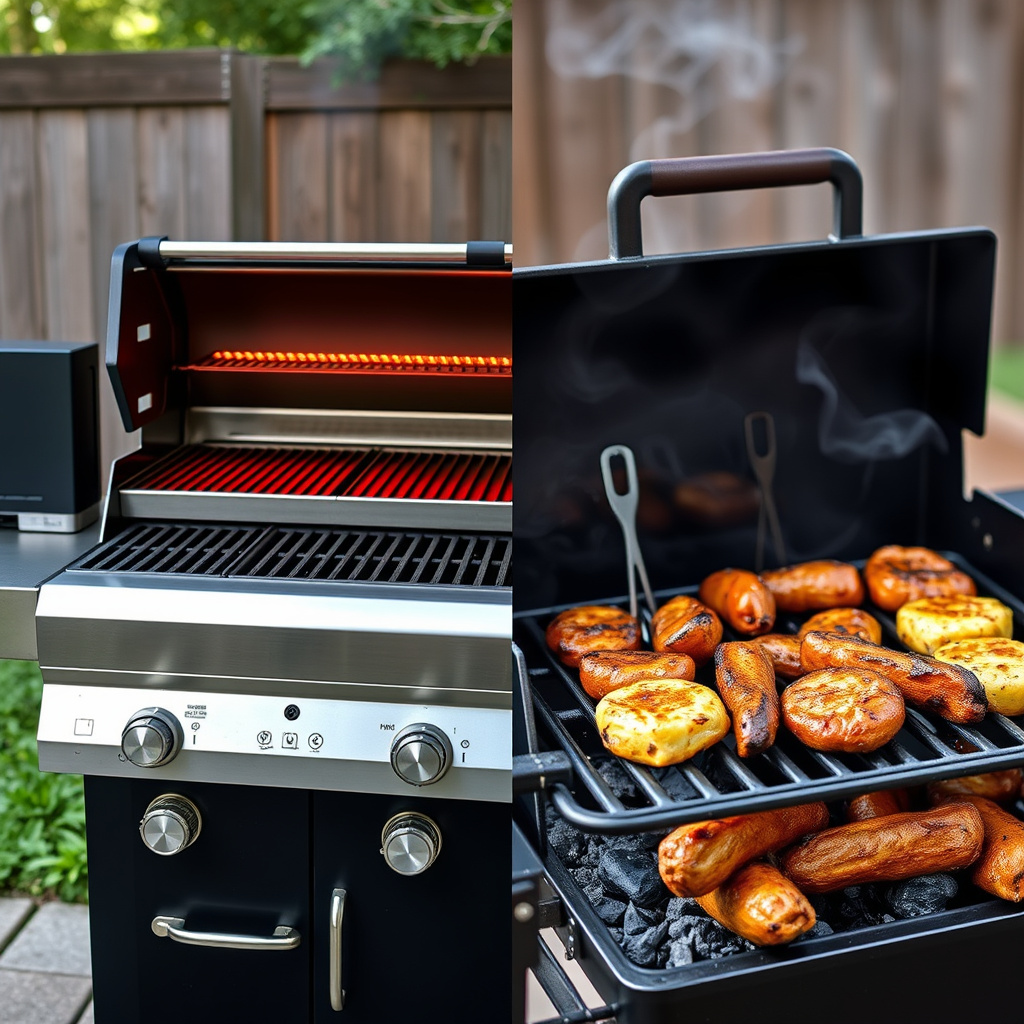
Traditional gas and charcoal grills heat by convection—warming the air inside the grill cavity. This can create uneven hot spots and temperature fluctuations. Infrared grills reduce temperature variation by radiating heat directly onto food surfaces.
However, infrared grills can sometimes be less forgiving with slow cooking techniques due to their intense heat, whereas charcoal grills offer more gradual heat build-up and smoky flavor profiles.
For more on this, see our related guide: How Do Gas Grills Work: A Simple Guide to Their Operation.
Fuel Efficiency and Maintenance
Infrared grills often use fuel more efficiently since heat is not wasted warming the surrounding air. They generally require less propane or electricity to operate at peak temperatures.
Maintenance differs, too. Infrared plates and burners may need periodic replacement, while charcoal and gas grills require ash disposal and burner cleaning.
Selecting the Best Infrared Grill for Your Backyard
Key Features to Look For
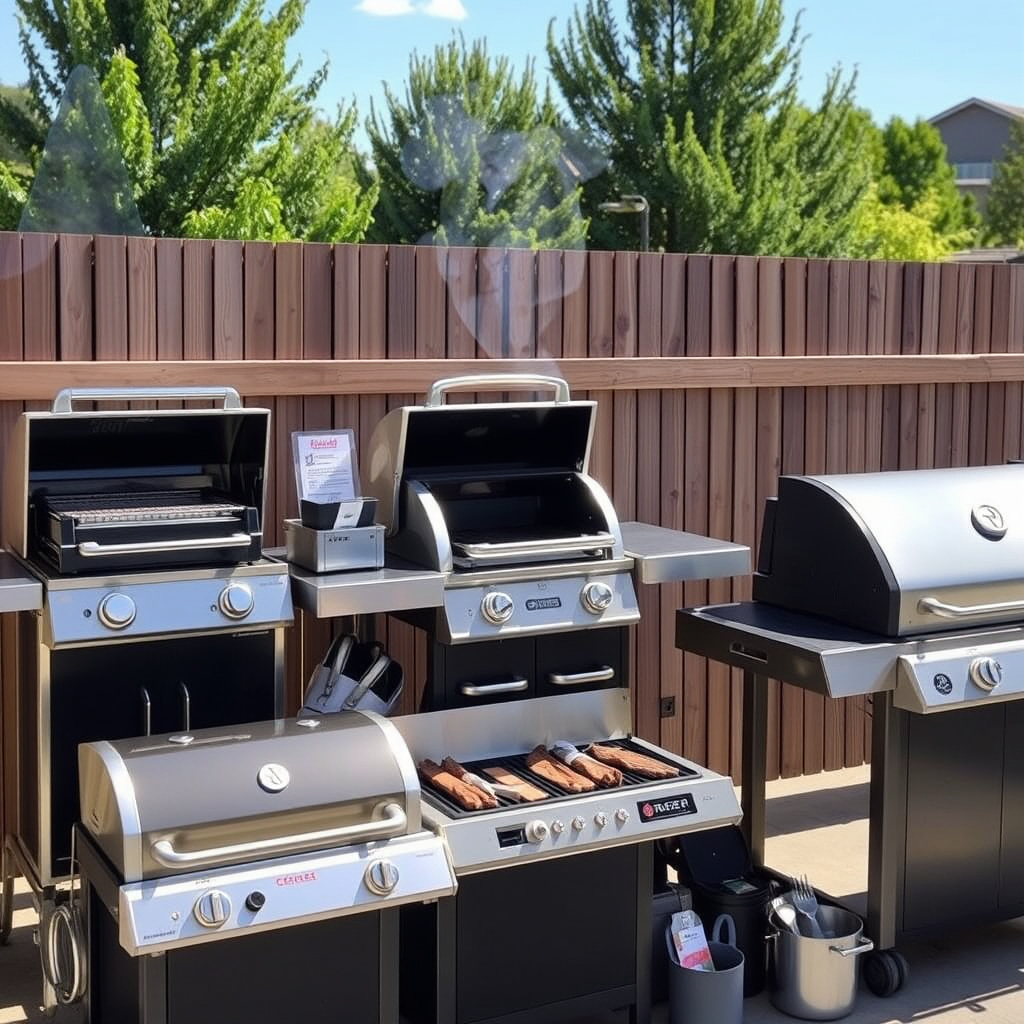
When shopping for an infrared grill, consider burner type, cooking surface size, heat output (measured in BTUs), and ease of cleaning. Models with adjustable heat zones and integrated searing plates are ideal for versatile cooking.
Durability features like stainless steel construction and rust-resistant components also prolong grill lifespan in outdoor environments.
- High BTU output for intense searing
- Ceramic or quartz burner type
- Stainless steel build for durability
- Removable plates for cleaning
Popular Brands and Models
Some top-rated infrared grills for backyard use include the Char-Broil TRU-Infrared series known for even heat, and the TEC Infrared Grill that features ceramic burners. The Solaire and Kalamazoo models offer premium, professional-grade options with large cooking areas.
Choosing a brand with strong customer support and warranty coverage can add peace of mind.
Operating and Maintaining Infrared Grills
Proper Ignition and Temperature Management
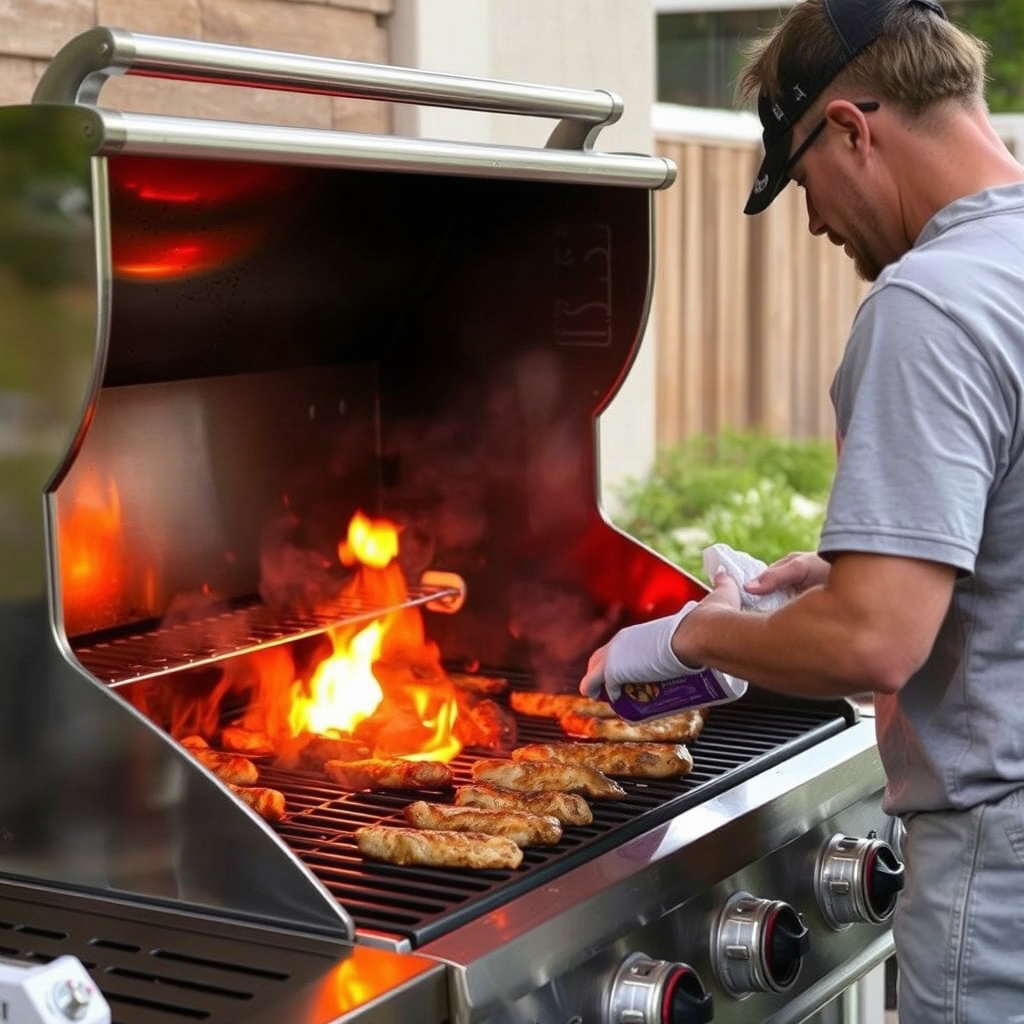
To start an infrared grill, open the lid and ignite the burners according to manufacturer instructions. Allow a few minutes for the ceramic or quartz elements to reach peak temperature before placing food on the grates.
Adjust heat zones if available, and use a reliable meat thermometer to monitor internal cooking temperatures to avoid overcooking.
For more on this, see our related guide: How to Build an Outdoor Kitchen with a Grill: A Step-by-Step Guide.
Routine Cleaning and Burner Care
Cleaning after each use is essential to maintain infrared grill performance. Remove grease and food debris from heat plates and cooking grates to prevent buildup that can obstruct heat radiation.
Check burners regularly for signs of wear or clogging and replace parts as recommended to keep the grill operating efficiently.
- Empty drip trays frequently
- Avoid harsh chemicals on ceramic plates
- Inspect burners for damage regularly
Common Infrared Grilling Techniques and Recipes
High-Heat Searing for Steaks and Burgers
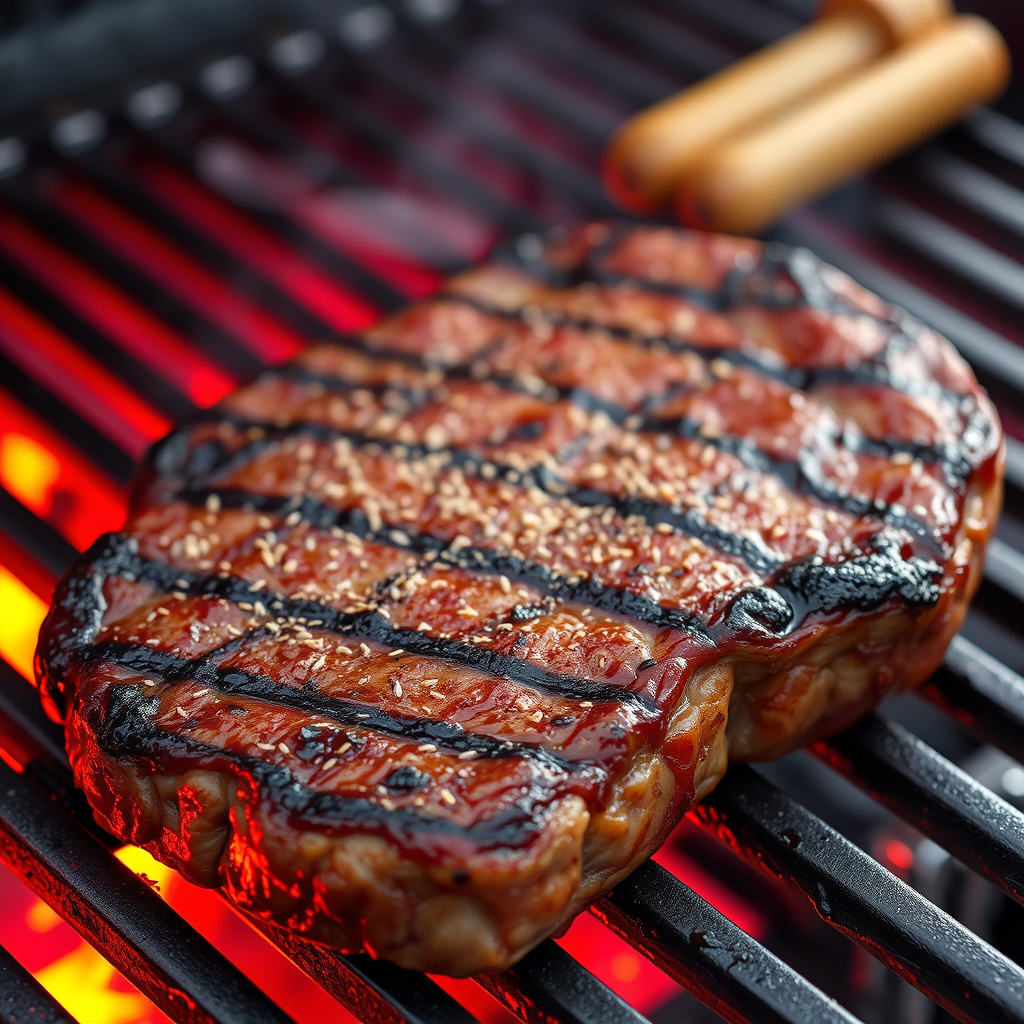
Infrared grills excel at searing thick cuts of meat, creating a flavorful crust while preserving juiciness. Preheat the grill to maximum temperature, place steaks directly on the heat plates for 2-3 minutes per side, then move to a cooler zone if needed to finish cooking.
This method results in the classic grilled texture and taste without prolonged cook times.
To better understand the scientific principles underlying infrared grill technology, you can refer to the Infrared radiation Wikipedia article. Infrared radiation Wikipedia article.
Grilling Vegetables and Seafood
Infrared grills can cook vegetables and seafood efficiently by providing intense heat that caramelizes natural sugars and locks moisture. Use indirect heat areas or lower heat zones for delicate items to avoid burning.
Marinades and oil coatings help vegetables cook evenly and prevent sticking.
Infrared Grill Burner Types Comparison
This table compares the main infrared burner types used in grills, highlighting their heat output, responsiveness, durability, and maintenance requirements.
| Burner Type | Heat Output (BTU) | Heat Responsiveness | Durability | Maintenance |
|---|---|---|---|---|
| Ceramic Plate | 12,000–15,000 per burner | Moderate (slow to heat/cool) | Can crack if mishandled | Low, avoid harsh cleaning |
| Quartz Burner | 10,000–13,000 per burner | High (quick heat adjustments) | Fragile but manageable | Moderate, protect quartz tubes |
| Metal Tube Burner | 15,000–20,000 per burner | Moderate | Very durable | Low, periodic cleaning |
Frequently Asked Questions
Are infrared grills suitable for slow cooking or smoking?
Infrared grills primarily produce intense, direct heat, making them better suited for high-temperature searing rather than slow cooking or smoking. Some models may offer indirect heat zones, but traditional smokers are preferable for slow, low-temperature cooking.
Do infrared grills consume more fuel than conventional grills?
No, infrared grills often use fuel more efficiently because they directly heat food rather than heating the air. This results in faster cooking and less fuel waste, so overall consumption can be lower than conventional gas grills.
Can I use regular grill accessories with an infrared grill?
Most standard grill accessories like covers and cleaning brushes can be used with infrared grills. However, some accessories designed for lower-temperature grills may not withstand the higher heat emitted by infrared burners.
How does infrared grilling affect food nutrition?
Because infrared grills cook faster and at higher temperatures, they help retain more moisture and nutrients by reducing the cooking time. This can lead to more flavorful and nutritious grilled food compared to conventional grills.
Is it safe to leave an infrared grill unattended while cooking?
While infrared grills reduce flare-ups, it's still important to supervise cooking to manage heat zones and prevent burning. Following manufacturer safety guidelines and never leaving grills completely unattended is recommended.
Key Takeaways
- Infrared grills use radiant heat for faster, more even cooking.
- They deliver high temperatures ideal for searing meat without flare-ups.
- Different burner types offer trade-offs in heat control and durability.
- Proper maintenance extends the life and performance of infrared grills.
Conclusion
Understanding how infrared grills work helps clarify the distinct advantages and considerations they offer over traditional grilling methods. The direct radiant heat from specialized burners or ceramic plates creates efficient, intense cooking that produces exceptional searing and juiciness. This technology significantly shortens cooking times while maintaining flavor and moisture, a combination that appeals to backyard chefs seeking performance and convenience.
When choosing an infrared grill, it’s wise to evaluate burner type, heat output, and size based on your grilling style and space. Ceramic plate-based infrared burners provide consistent heat and longevity, making them a solid choice for casual grilling. For those who want quicker temperature control, quartz infrared burners are excellent, though they require more careful handling. Premium options like the Solaire or Kalamazoo series provide large cooking areas and professional-grade features suitable for serious grill enthusiasts.
As a practical next step, consider the types of food you frequently grill and how intensively you use the grill. If searing steaks and burgers quickly is your priority, infrared models excel. For more varied cooking including slow roasting or smoking, pairing an infrared grill with a traditional charcoal or gas grill can offer versatility. Regardless of your choice, regular cleaning and maintenance are key to ensuring your infrared grill performs reliably for years.