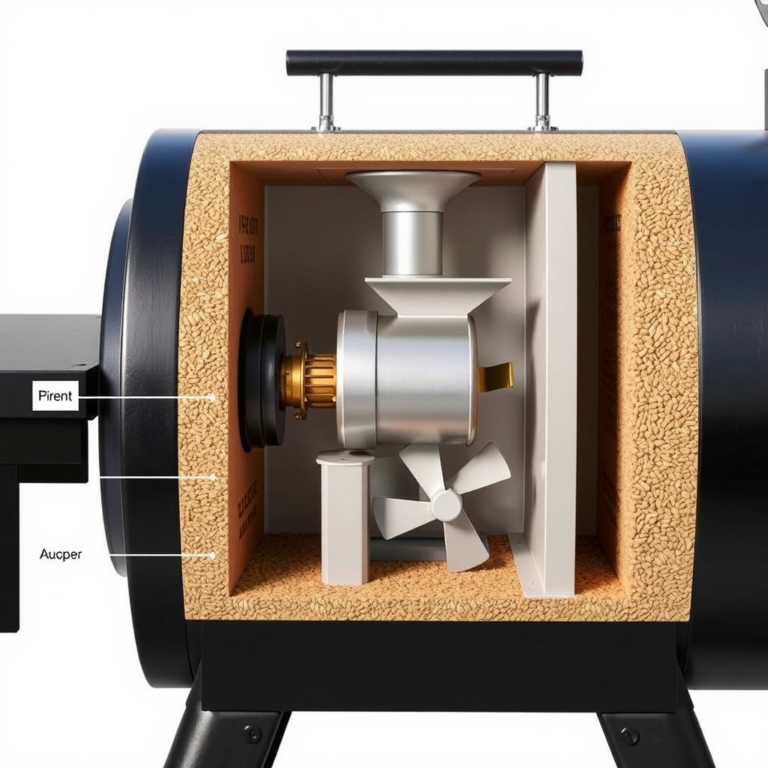
Charcoal grills work by burning charcoal briquettes or lump charcoal to produce heat for cooking food. The charcoal ignites through direct flame or with the aid of a chimney starter, creating glowing embers that radiate heat upwards toward the cooking grate. This radiant heat sears the food and imparts the signature smoky flavor unique to charcoal grilling.
Understanding the mechanics behind a charcoal grill matters because it influences how you manage temperature, smoke, and cooking times. Unlike gas grills, charcoal grills rely on controlling airflow through adjustable vents to regulate oxygen flow and, thus, combustion intensity. This precise management is what gives you versatility for everything from quick searing to low and slow barbecue.
This article will explain key components of charcoal grills, how the charcoal produces heat, methods for starting and maintaining fire, tips on heat control, smoke management, and safety precautions. By the end, you'll understand how to operate your charcoal grill confidently for delicious results.
How Charcoal Produces Heat in Charcoal Grills
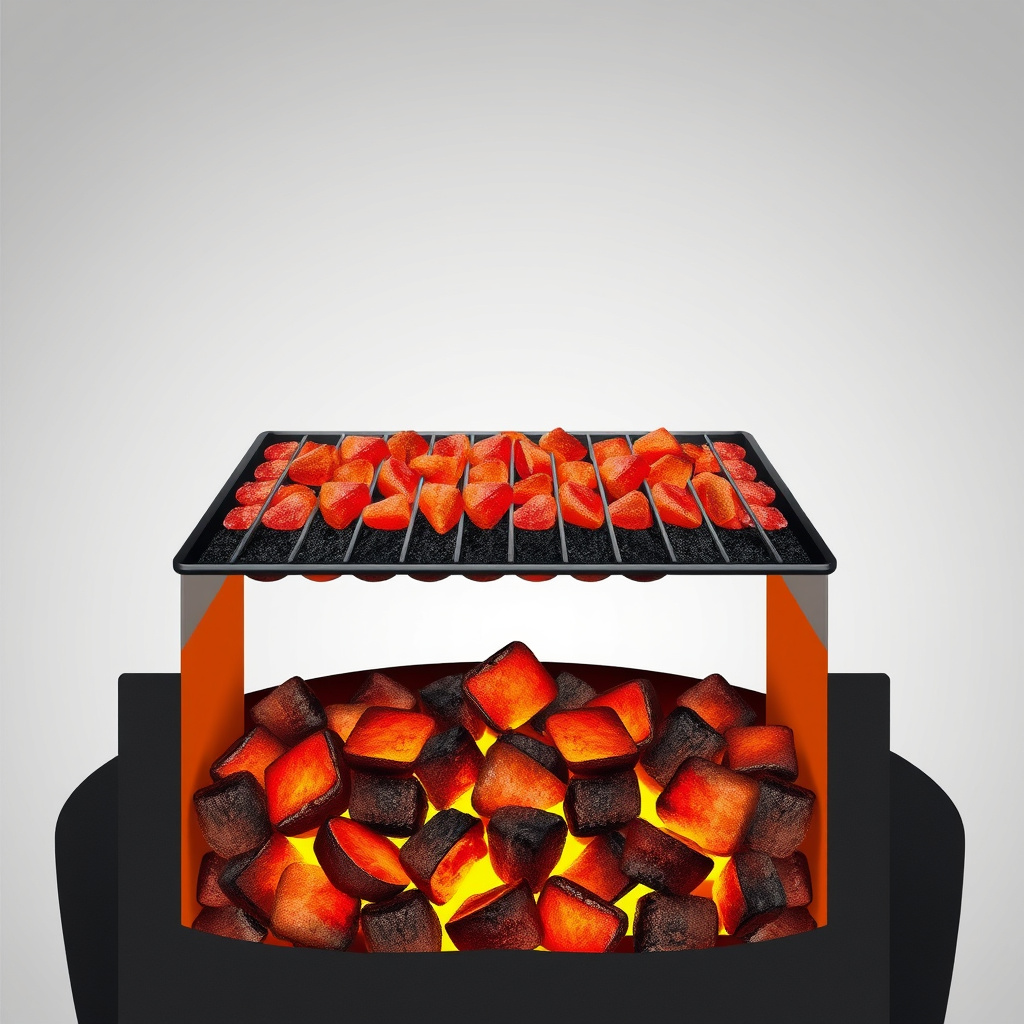
Ignition of Charcoal
Charcoal ignites when exposed to intense heat or direct flames, often facilitated by using lighter fluid or a chimney starter. The ignition process transforms solid charcoal into hot embers through combustion, releasing heat energy essential for cooking.
Proper ignition is critical to creating consistent cooking temperatures. Using a chimney starter is preferred for a cleaner, chemical-free method where newspaper ignites the charcoal indirectly, creating uniform hot coals after about 15-20 minutes.
- Use a chimney starter for chemical-free ignition
- Avoid overusing lighter fluid to prevent off-flavors
- Allow charcoal to ash over before cooking
Combustion and Heat Generation
Once ignited, charcoal undergoes combustion, a chemical reaction with oxygen producing carbon dioxide, heat, and light. The glowing embers radiate steady heat rather than a direct flame, ideal for even grilling.
The amount of oxygen available, regulated via air vents on the grill, influences combustion rate and therefore the heat output. More oxygen intensifies the fire; less oxygen slows it, allowing temperature adjustments.
Key Components of Charcoal Grills
Grill Body and Cooking Grate
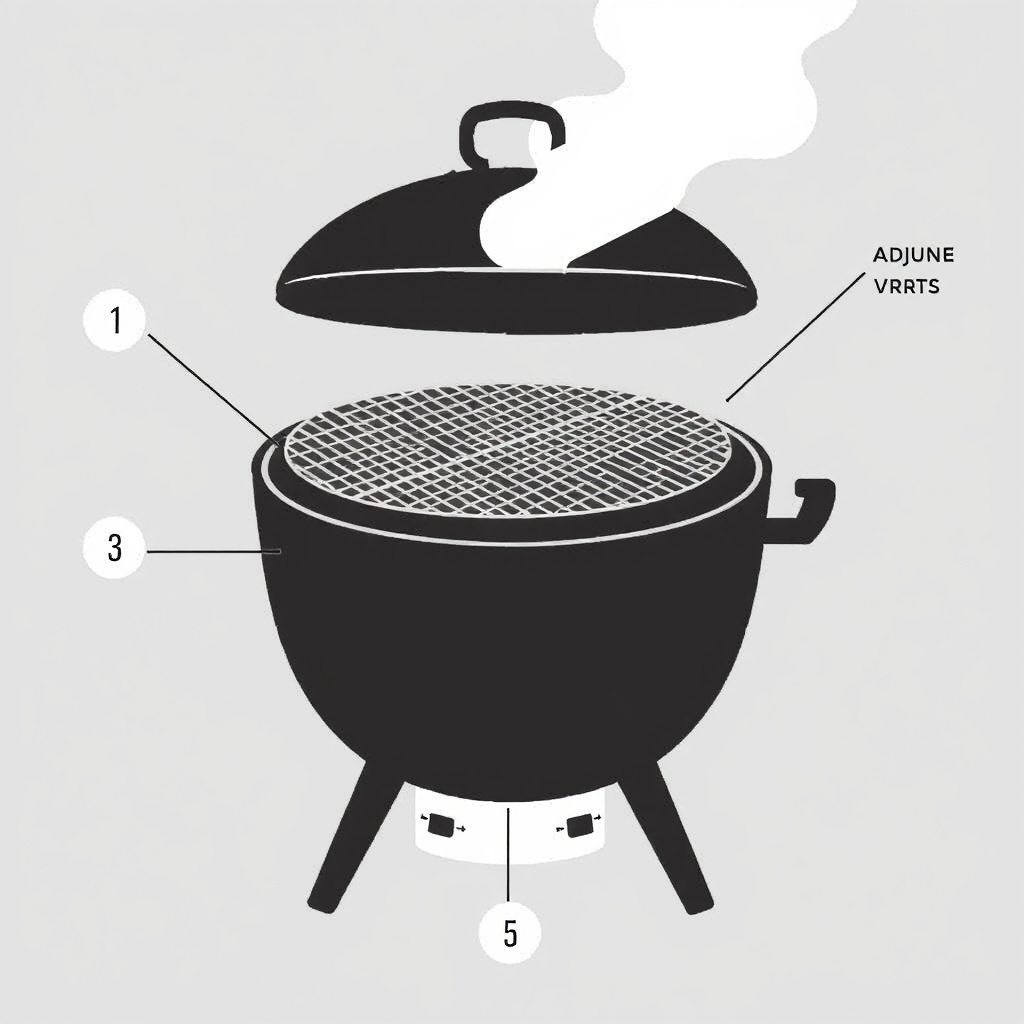
The grill body typically consists of a bowl (bottom) and a lid, often made of metal to withstand high temperatures. Inside is the cooking grate where food is placed, above the charcoal chamber.
The grate's distance from the coals affects cooking intensity. Some grills offer adjustable grates or multi-level cooking surfaces for direct and indirect grilling zones.
- Metal bowl and lid retain heat
- Cooking grate placed several inches above charcoal
- Adjustable height or multiple grate levels
Air Vents and Coal Grate
Air vents at the bottom and top of the grill regulate airflow, controlling the oxygen supply to the fire. Opening vents fully delivers maximum oxygen and higher temperatures; closing them lowers heat.
The coal grate separates charcoal from ash below, promoting better air circulation around the coals for efficient burning and preventing smothering.
- Bottom vents control oxygen inflow
- Top vents release heat and smoke
- Coal grate improves airflow and ash removal
Starting and Maintaining Fire in Charcoal Grills
Using a Chimney Starter
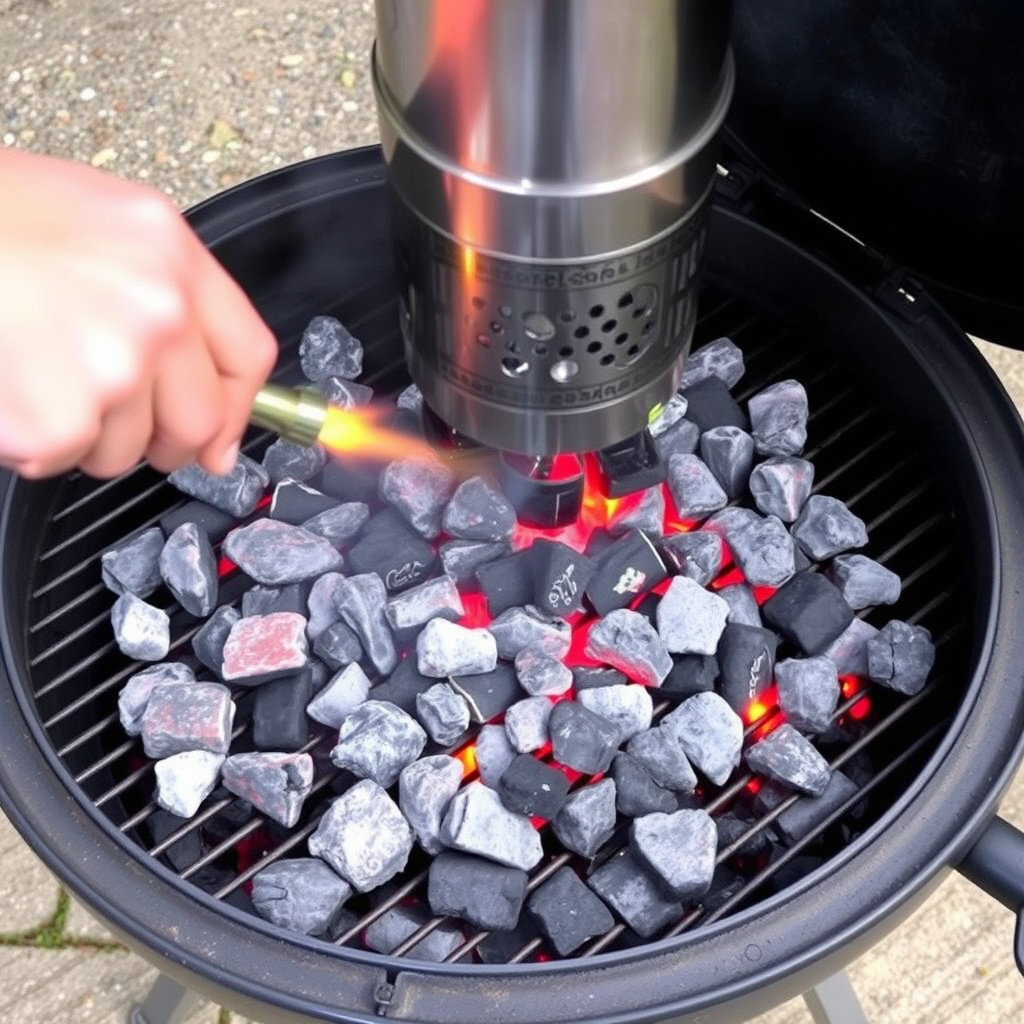
A chimney starter allows you to light charcoal efficiently without chemicals. Paper ignites beneath the metal cylinder filled with charcoal, causing the embers to heat evenly.
Once the coals are covered with gray ash, they are ready to be dumped into the grill. This method reduces flare-ups and retains pure charcoal flavor.
- Fill chimney with charcoal
- Ignite newspaper underneath
- Wait 15-20 minutes until coals ash over
For more on this, see our related guide: How Do Pellet Grills Work? A Clear Guide for BBQ Enthusiasts.
Managing Charcoal for Extended Cooking
For longer cook times, charcoal can be banked to one side of the grill for indirect heat or replenished gradually. Adjusting the air vents helps maintain consistent temperatures.
Adding wood chunks or charcoal midway can enhance smoke flavor and sustain heat during extended barbecuing.
- Bank coals for indirect cooking
- Adjust vents to control temperature
- Add charcoal or wood chunks as needed
Controlling Temperature and Heat Zones
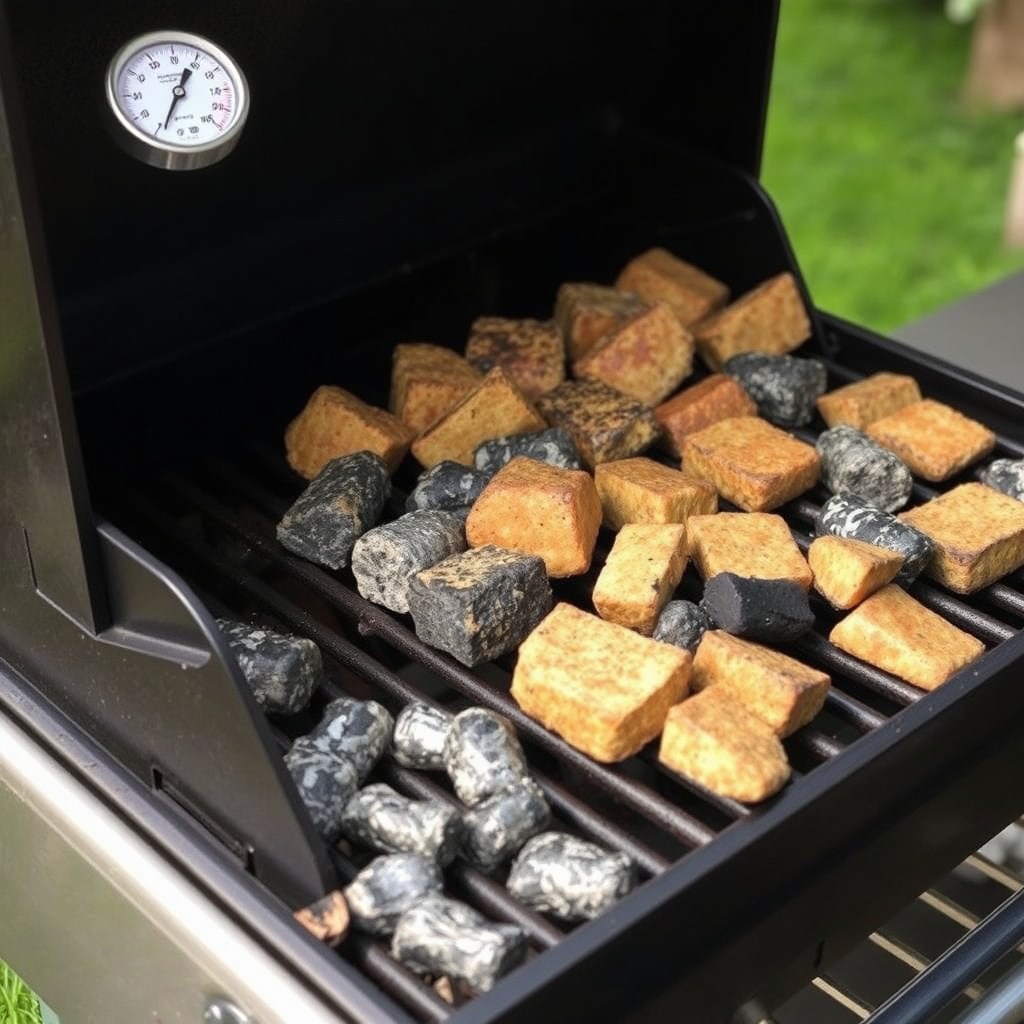
Charcoal Grill Heat Control Techniques
Heat control in a charcoal grill relies heavily on adjusting the amount and placement of charcoal as well as airflow via vents. Opening vents increases oxygen flow, raising temperatures quickly.
Creating zones with different heat levels allows for versatile cooking—direct high heat for searing, and indirect low heat for slow cooking or warming.
- Use bottom vent to increase or reduce oxygen
- Control top vent to regulate smoke and heat release
- Arrange charcoal for direct and indirect heat zones
Using the Grill Lid and Thermometers
Closing the grill lid traps heat and smoke inside, promoting even cooking. It also helps regulate temperature by limiting oxygen flow.
Many grills include built-in thermometers on the lid for monitoring internal temperature without opening the grill and losing heat.
Smoke Flavor and Its Role in Charcoal Grills
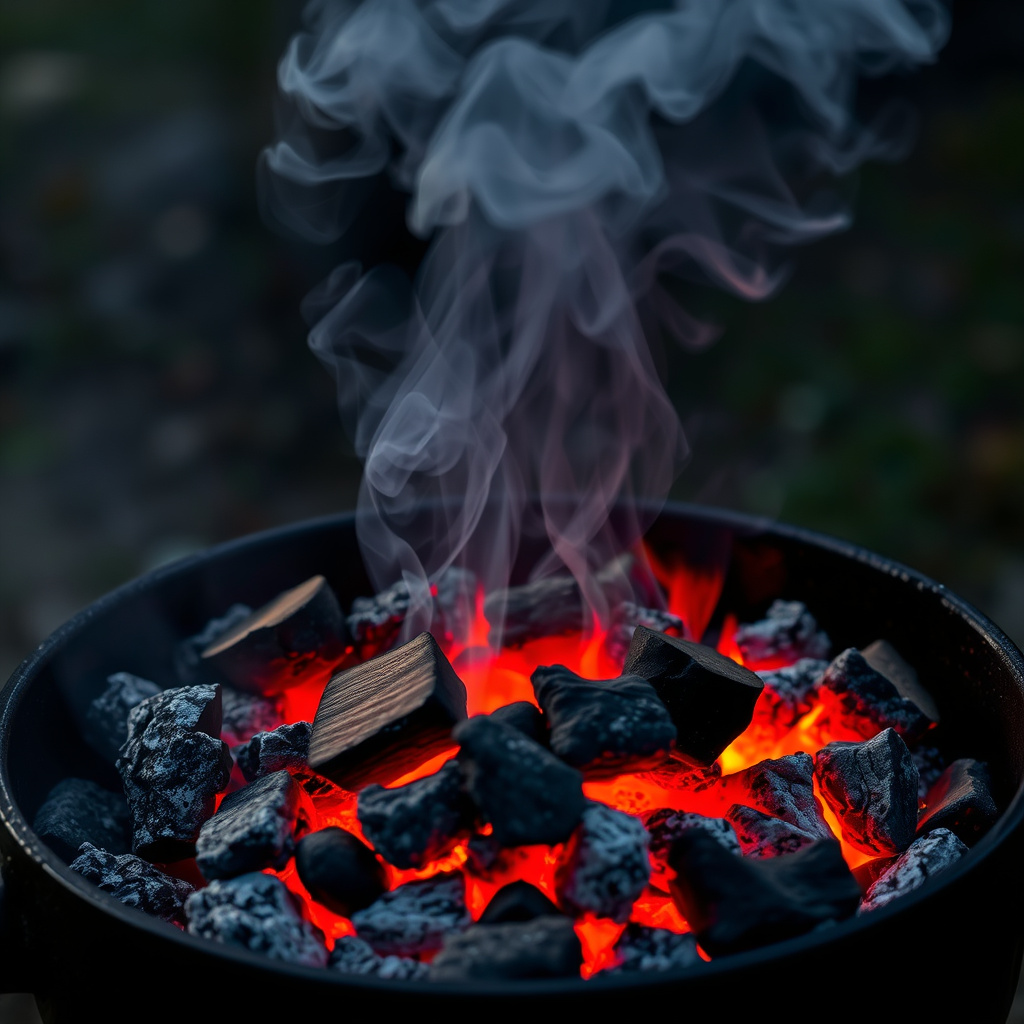
Source and Impact of Smoke
Smoke flavor comes primarily from burning charcoal and any wood chips or chunks added for aroma. The chemical compounds released during combustion infuse the food with distinctive smoky notes.
Temperature and airflow affect smoke quality; low, steady heat produces cleaner smoke, while high heat or insufficient oxygen can generate bitter, harsh flavors.
- Use hardwood charcoal for better smoke profile
- Add soaked wood chips for varied flavors
- Maintain proper airflow for clean smoke
For more on this, see our related guide: How Do Gas Grills Work: A Simple Guide to Their Operation.
Controlling Smoke for Desired Taste
Adjusting the grills' vents and managing fire intensity enables control over smoke density and duration. Longer cook times with moderate smoke yield deep, savory flavor.
Properly seasoned charcoal and avoiding flare-ups prevent unpleasant burnt tastes, enhancing the overall smoke experience.
Charcoal Grill Safety and Cleanup
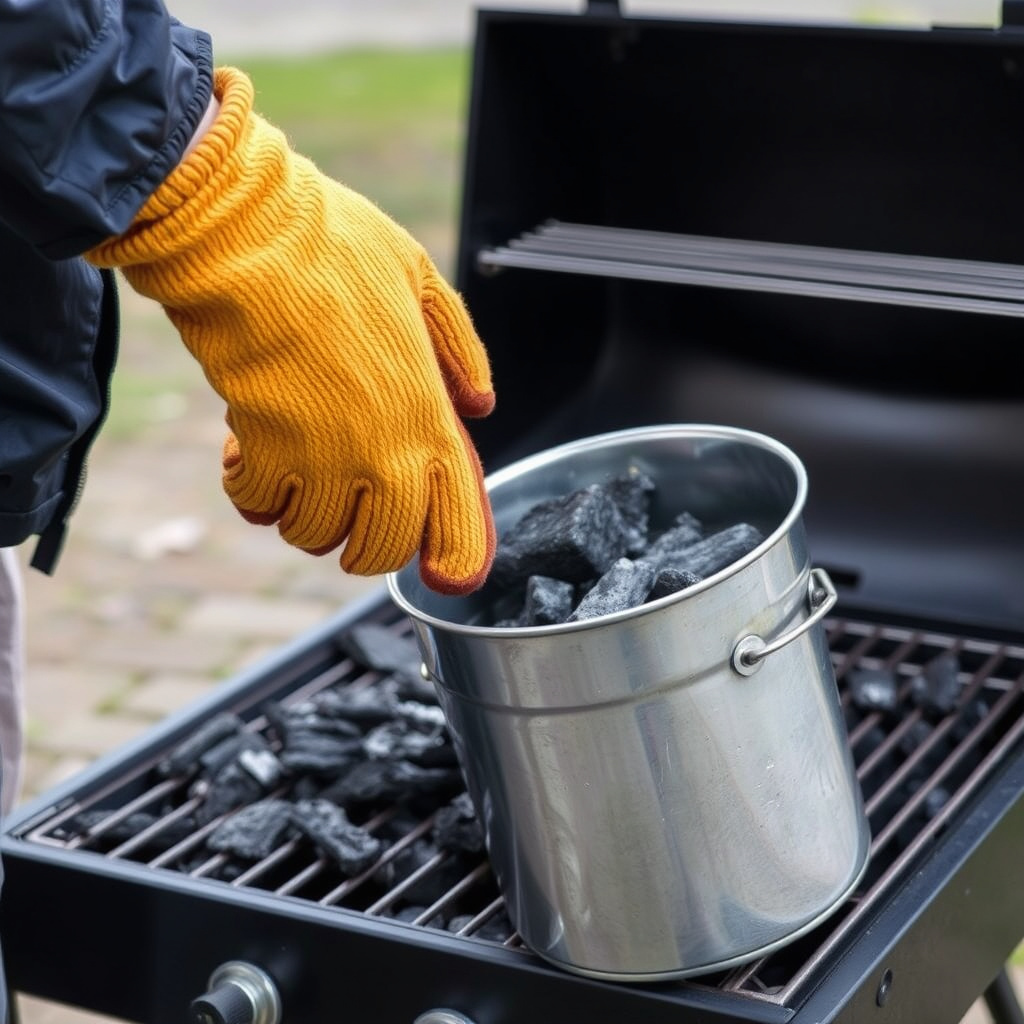
Safe Handling of Charcoal and Fire
Handling hot charcoal safely means using tools like tongs and heat-resistant gloves, avoiding direct contact with flames or embers, and never leaving the grill unattended.
Dispose of ashes only when fully cooled in a metal container to prevent fire hazards.
- Use chimney starter instead of lighter fluid
- Keep a fire extinguisher nearby
- Dispose of ashes safely after cooling
For readers interested in a broader historical and technical overview of charcoal grills, the charcoal grill Wikipedia page provides extensive information. charcoal grill Wikipedia page.
Cleaning and Maintenance
Regular cleaning involves removing ashes, scrubbing the cooking grate, and protecting the grill from rust when not in use. Clean vents and grates improve airflow and grilling efficiency.
Storing grills covered or indoors during prolonged downtime extends lifespan and performance.
- Remove ashes after each use
- Scrub cooking grate with wire brush
- Cover grill against weather exposure
Charcoal Grill Types Comparison
Here’s a comparison of popular charcoal grill types highlighting key features important for different grilling needs.
| Type | Fuel Source | Heat Control Method | Portability | Best Use Case |
|---|---|---|---|---|
| Kettle Grill | Charcoal briquettes or lump | Adjustable vents and charcoal placement | Medium – portable but heavier | Everyday grilling and smoking |
| Kamado Grill | Lump charcoal | Precision vent control with ceramic insulation | Low – heavy and fragile | Long slow cooks, high heat searing |
| Barrel Grill | Charcoal briquettes | Vents with basic adjustable charcoal rack | Low – bulky and heavy | Large capacity grilling for groups |
| Tabletop Charcoal Grill | Charcoal briquettes | Limited vent control, adjustable grate height | High – compact and portable | Camping, tailgating, small meals |
| Vertical Charcoal Smoker | Charcoal briquettes | Vents and water pan for temperature dampening | Medium – moderate portability | Low and slow smoking |
Frequently Asked Questions
Why does charcoal produce better flavor than gas grills?
Charcoal burns to produce smoke containing complex compounds that infuse food with rich, smoky flavors, which gas grills lack due to their cleaner-burning nature.
How long does charcoal typically burn during grilling?
Charcoal briquettes usually burn for about 45 minutes to an hour at cooking temperatures, depending on airflow and the amount used.
What is the difference between lump charcoal and briquettes?
Lump charcoal is made by burning wood without additives, burning hotter and cleaner; briquettes are compressed charcoal combined with fillers that burn more consistently but at lower heat.
How do I control flare-ups when grilling with charcoal?
Flare-ups can be minimized by trimming excess fat on meats, using indirect heat zones, and adjusting air vents to lower oxygen when flames rise.
Can I use charcoal grills for smoking foods?
Yes, charcoal grills can be set up for smoking by arranging coals on one side and adding wood chips, controlling temperature and smoke through ventilation.
Key Takeaways
- Charcoal grills rely on burning charcoal and airflow control to generate and regulate heat.
- A chimney starter offers a clean way to ignite charcoal without chemicals.
- Adjusting vents and charcoal placement creates versatile heat zones for varied cooking.
- Smoke flavor from charcoal and wood imparts a signature taste unique to charcoal grilling.
Conclusion
Understanding how charcoal grills work centers on mastering the combustion process and oxygen flow control through vents. By starting with well-ignited charcoal and managing air intake, grillers can create a stable cooking temperature tailored to specific foods. The grill’s design elements, such as the coal grate and cooking grate distance, also greatly influence heat distribution and efficiency. This knowledge forms the foundation for executing precise cooking techniques that maximize flavor and texture in grilled foods.
For practical use, choosing the right type of charcoal grill depends on your cooking style. A kettle grill offers versatile heat control ideal for most backyard grilling—all balanced by charcoal grill heat control techniques covered in this guide. Meanwhile, kamado grills excel at retaining heat for longer cooks and offer fine-tuned temperature regulation. Whether you favor quick searing or slow smoking, understanding how to control your charcoal fire with vents and coal arrangement will elevate your grilling experience.
If you’re new to charcoal grilling, start with a chimney starter and practice adjusting vents to get comfortable with temperature management. This hands-on approach will build confidence and highlight the flavor benefits charcoal brings. Investing time in proper fire maintenance, smoke management, and safety practices will turn charcoal grilling into a satisfying culinary skill that delights family and friends. For deeper technical details and historical background on charcoal grilling, consult resources like the linked charcoal grill information.