
A natural gas grill is an outdoor cooking appliance that uses natural gas as its fuel source instead of propane or charcoal. Connected directly to a household's natural gas line, it provides a continuous supply of fuel, eliminating the need to refill tanks. This setup allows for consistent heat and easier long-term use.
Many homeowners prefer natural gas grills because they are more cost-effective and environmentally friendly over time. Unlike propane tanks which require refills and replacements, natural gas grills connect permanently to a gas line, offering convenience and steady grilling performance. Additionally, natural gas is generally cleaner-burning, which means fewer emissions and less residue on your grill.
In this article, we'll explore how natural gas grills work, their main advantages and disadvantages, key features to look for, comparisons with other fuel types, and what to consider before installation. Whether you're a weekend griller or a backyard chef, understanding natural gas grills will help you decide if it's the right choice for your outdoor cooking needs.
How Natural Gas Grills Operate
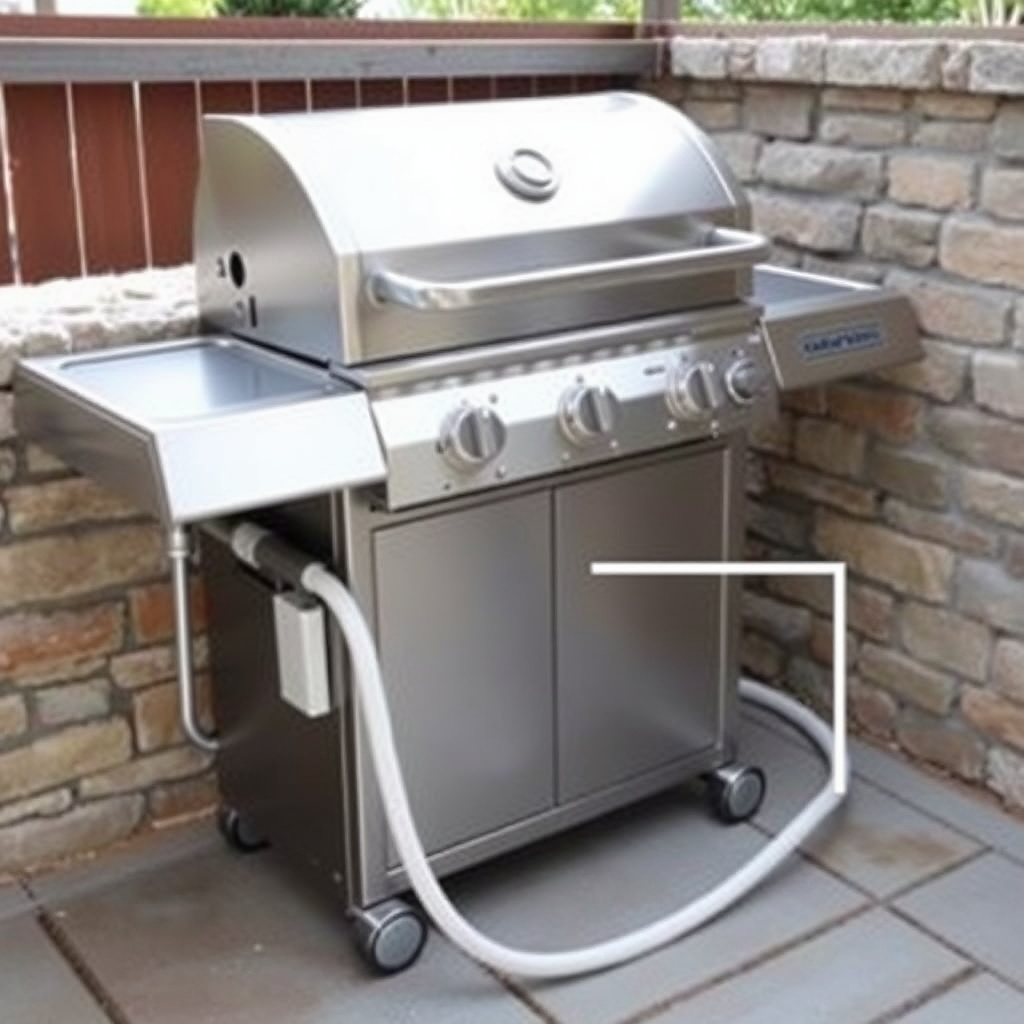
Fuel Source and Connections
Natural gas grills are supplied from the home's existing natural gas supply line, connected via a hose and regulator. This direct connection means you don’t need to worry about propane tank levels or refilling. Typically, a licensed professional installs the gas line if one isn’t already available outdoors.
The natural gas enters the grill through a flexible piping system and reaches the burners where it ignites to provide consistent flames. The gas regulator maintains pressure to ensure steady fuel flow regardless of household demands or outdoor temperature variations.
Ignition and Burners
Most natural gas grills feature electronic or push-button ignition systems for quick and safe starts. The burners themselves are usually made from stainless steel or cast iron, designed for even heat distribution across the cooking surface.
The grill typically includes multiple burners that can be adjusted independently, allowing for zones of varying temperatures. This setup lets you cook different foods simultaneously at the ideal heat levels without overheating or flare-ups.
Advantages of Choosing a Natural Gas Grill

Cost Efficiency Over Time
Natural gas grills offer significant savings because natural gas is usually less expensive than propane. Since the supply is continuous and purchased through your utility, you pay for the amount you use instead of buying disposable tanks.
Additionally, the absence of tank replacement or refilling logistics reduces ongoing maintenance costs and hassle. These factors make natural gas grills a more economical solution for frequent or serious grillers.
- Lower fuel costs compared to propane
- No need for tank refills or replacements
- Stable fuel availability
Environmental and Convenience Benefits
Natural gas burns cleaner than propane or charcoal, producing fewer greenhouse gas emissions. This characteristic appeals to eco-conscious consumers aiming to reduce their environmental footprint during outdoor cooking.
The permanent connection to the gas line means you never run out of fuel mid-grill, and there’s no need for storage space for bulky propane tanks. It also simplifies the grilling process with consistent heat delivery and quick startup.
- Cleaner burning fuel
- Continuous fuel supply
- No tank storage required
Disadvantages and Limitations
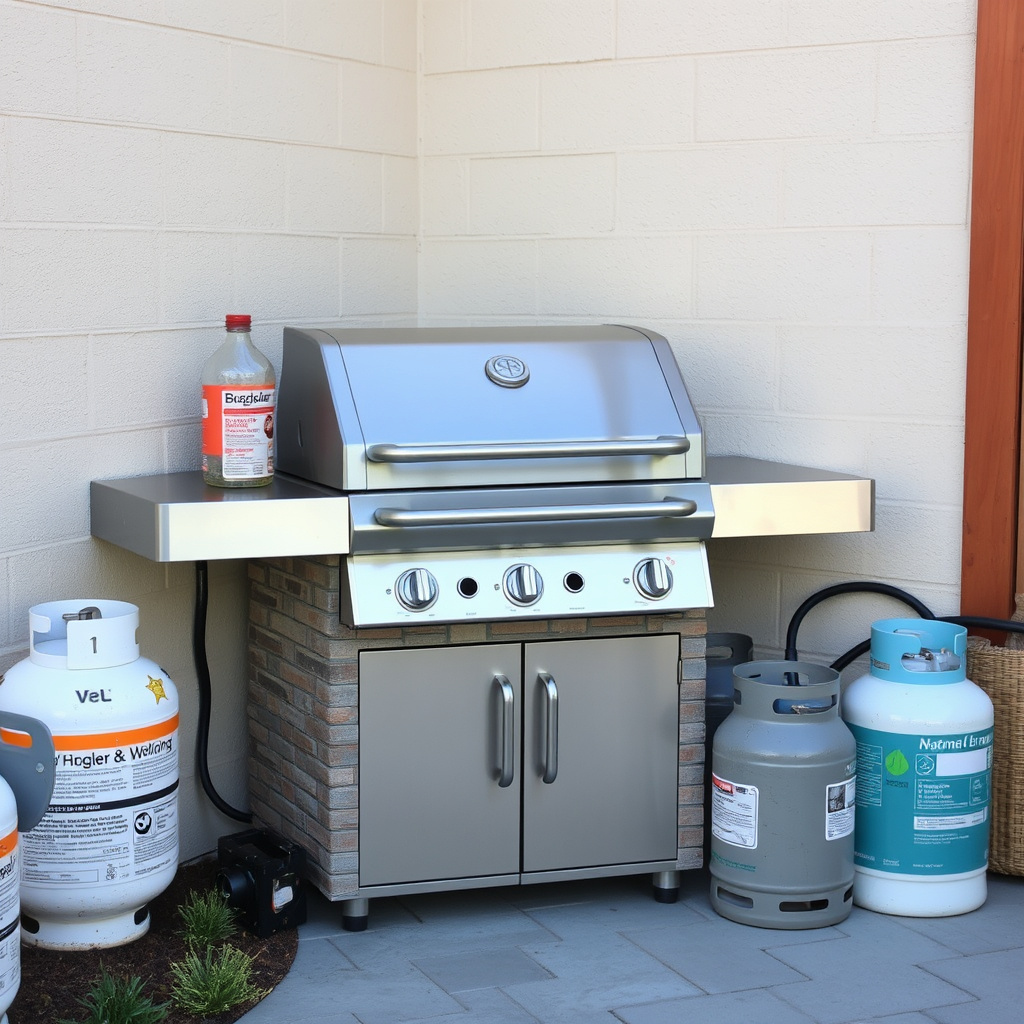
Installation Constraints
Installing a natural gas grill requires access to a natural gas line or adding a new outdoor connection, which typically involves professional plumbing services. This initial setup can be costly and time-consuming compared to simply buying a propane grill.
Homes in rural or remote areas without natural gas infrastructure cannot use these grills. Also, the location of the gas line may limit where you can place your grill in the backyard or patio.
- Requires professional installation
- Not available in all locations
- Limited grill placement options
For more on this, see our related guide: What Is a Gravity Fed Grill and How Does It Work?.
Portability and Flexibility
Since natural gas grills are permanently hooked up, they lack portability; moving them requires disconnecting gas lines and reconnecting elsewhere. This reduces flexibility for picnics, tailgating, or changing backyard layouts.
Natural gas grills generally have less powerful heat output compared to propane models, which might affect cooking certain dishes that need very high temperatures, such as searing steaks rapidly.
- Fixed installation limits portability
- Slightly lower maximum heat output
Key Features to Look for in a Natural Gas Grill
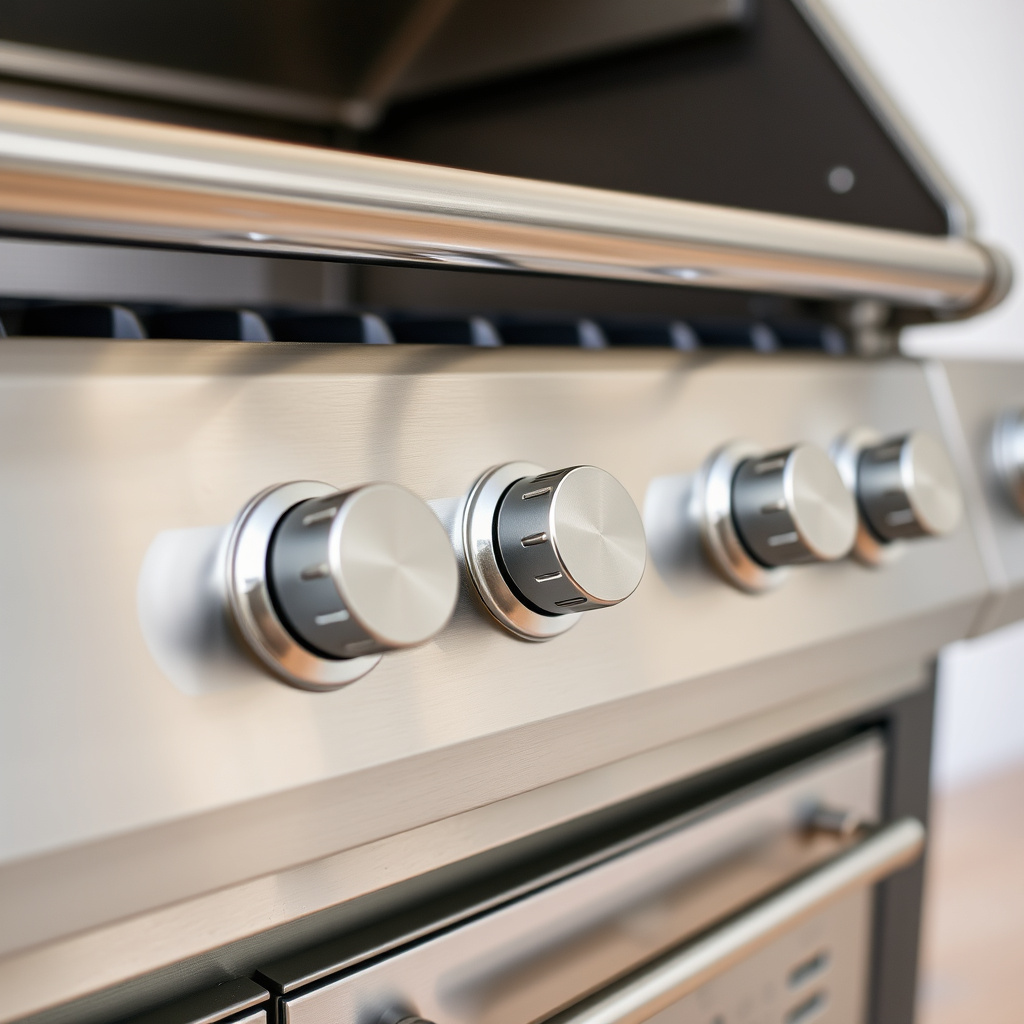
Burner Quality and Heat Distribution
High-quality burners made from materials like stainless steel or brass resist corrosion and distribute heat evenly across the grill surface. Look for grills offering adjustable multiple burners for creating different cooking zones.
Some models include heat shields or flavorizer bars over the burners, which vaporize drippings to add smoky flavor and reduce flare-ups for better grilling results.
- Stainless steel or brass burners
- Multiple independently controlled burners
- Flavorizer bars or heat shields
Additional Features and Accessories
Consider grills equipped with features like built-in thermometer gauges, side burners for sauces, warming racks, and rotisserie kits. These enhance cooking versatility and user convenience.
Other popular add-ons include storage cabinets, lighting systems for nighttime grilling, and tool hooks to keep utensils handy. Quality construction and rust-resistant finishes also increase grill longevity.
- Built-in thermometers
- Side burners and rotisserie options
- Storage cabinets and tool hooks
- Lighting systems
Comparing Natural Gas Grill vs Other Grill Types
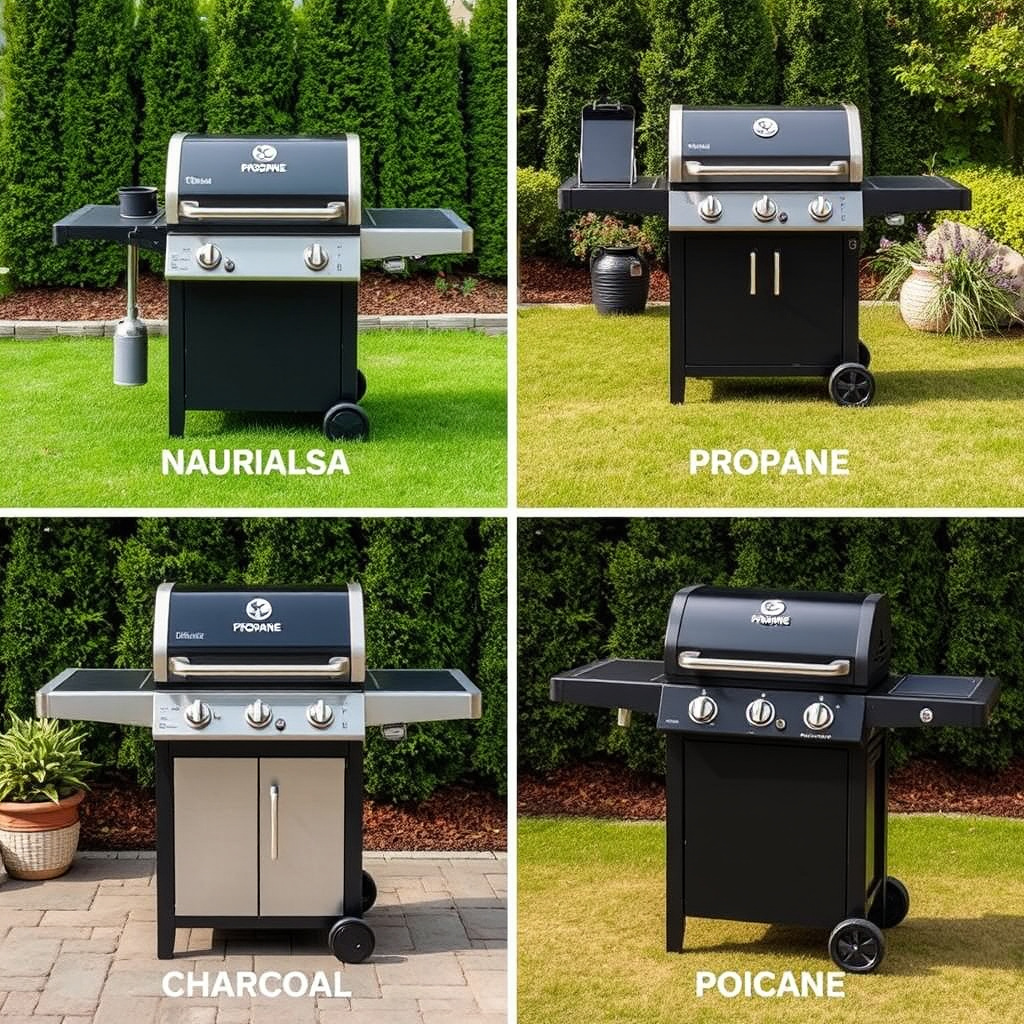
Natural Gas Grill vs Propane Grill
Natural gas grills provide a steady fuel supply from home lines, which is more cost-effective and convenient for frequent grilling. Propane grills are portable and ideal where natural gas isn’t available but require regular tank refills.
Propane typically burns hotter, making it better for searing, while natural gas grills offer cleaner emissions and long-term affordability. Your choice depends on usage frequency, location, and preferred grilling methods.
For more on this, see our related guide: What Is an Infrared Grill and How Does It Work?.
Natural Gas Grill vs Charcoal Grill
Charcoal grills deliver authentic smoky flavors and higher heat but need time to ignite and manage ash cleanup. Natural gas grills start with a push button and offer better temperature control and easier maintenance.
Natural gas grills suit busy households wanting consistent results without the mess, while charcoal appeals to traditionalists valuing flavor over convenience.
Installation and Safety Considerations for Natural Gas Grills
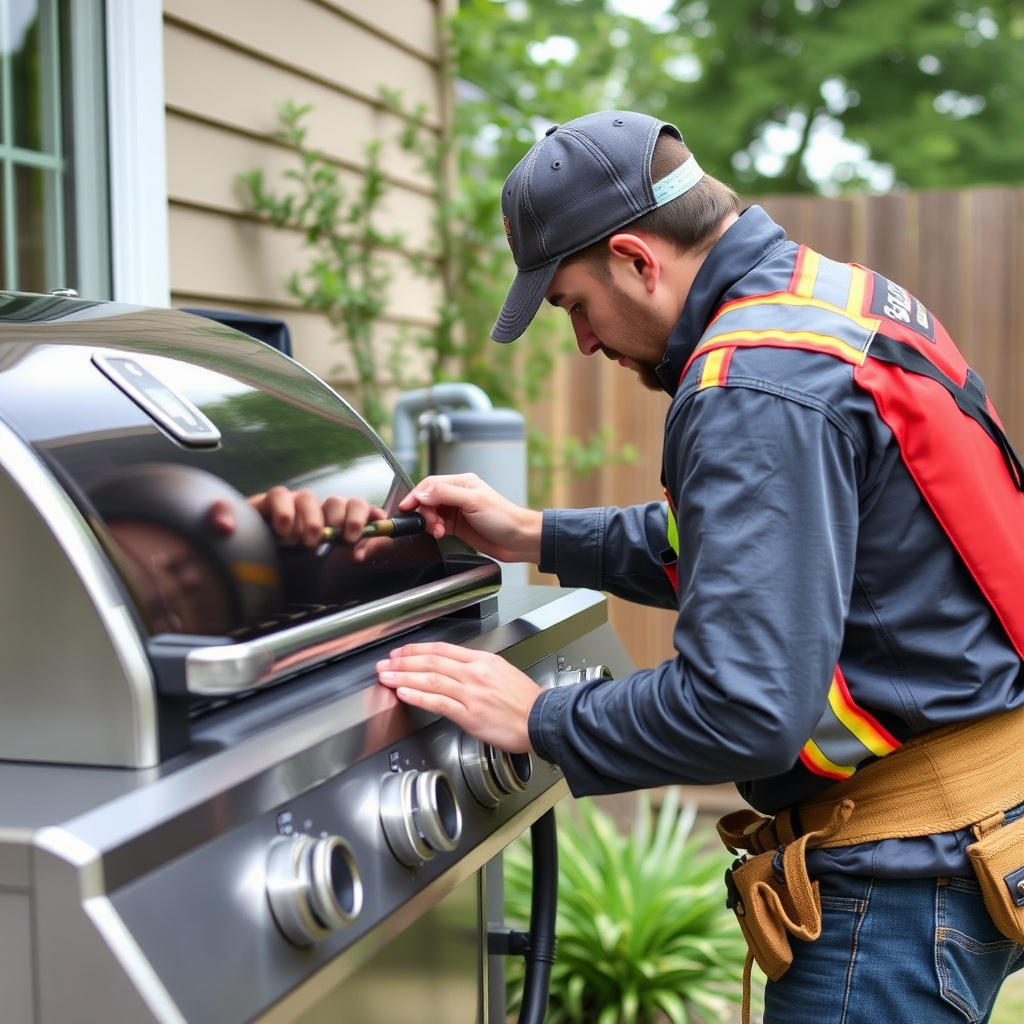
Professional Installation Requirements
Installing a natural gas grill’s connection requires a certified gas professional to ensure compliance with local codes and safe operation. They will install piping, regulators, and connectors to meet safety standards.
Failing to install properly can lead to gas leaks or unsafe grilling environments, so professional installation and periodic inspections are essential parts of ownership.
For additional insights into grilling technologies including natural gas grills, check this natural gas grill information on Wikipedia. natural gas grill information on Wikipedia.
Safety Tips and Maintenance
Regularly check hoses, fittings, and burners for signs of wear or leaks using soapy water tests. Always turn off the gas supply after cooking and keep the grill clean to avoid grease fires.
Proper ventilation and maintaining safe distances from buildings prevent fire hazards and carbon monoxide buildup when using natural gas grills.
- Check for leaks regularly
- Clean grease traps routinely
- Maintain proper ventilation
- Use certified installation professionals
Natural Gas Grill Category Comparison
Here is a comparison of popular natural gas grill categories based on size, burner number, price, and portability.
| Category | Number of Burners | Cooking Area (sq. in.) | Price Range | Portability |
|---|---|---|---|---|
| Compact Natural Gas Grills | 2-3 | 300-400 | $200-$400 | Portable with quick disconnect |
| Mid-size Natural Gas Grills | 3-4 | 400-600 | $400-$800 | Semi-portable, often freestanding |
| Premium Natural Gas Grills | 4-6 | 600-900 | $800-$2,000 | Usually fixed installation |
| Built-in Natural Gas Grills | 4-6 | 700-1,200 | $1,000-$3,500 | Fixed, designed for outdoor kitchens |
Frequently Asked Questions
Can I use a natural gas grill without a professional installation?
No, connecting a natural gas grill requires professional installation to ensure safety and compliance with local regulations. This prevents leaks and hazards.
Is natural gas cheaper than propane for grilling?
Generally, natural gas is less expensive than propane per unit of fuel, making it more cost-effective for frequent grillers over time.
Can I convert a propane grill to natural gas?
Yes, many propane grills can be converted to natural gas with a conversion kit, but professional installation is recommended for safety.
Are natural gas grills less powerful than propane grills?
Natural gas grills usually produce slightly lower maximum heat than propane grills but still offer sufficient heat for most grilling needs.
Do natural gas grills require special maintenance?
Maintenance involves regular cleaning, inspecting gas lines and burners for leaks, and ensuring proper ventilation, similar to other gas grills.
Key Takeaways
- Natural gas grills connect directly to home gas lines for continuous fuel supply.
- They offer cleaner burning, cost savings, and convenience over propane grills.
- Professional installation is required to guarantee safety and compliance.
- Not portable but ideal for permanent backyard grilling setups.
Conclusion
Choosing a natural gas grill involves weighing upfront installation costs against long-term fuel savings and convenience. These grills provide a steady and clean fuel source directly from your home's gas supply, enhancing grilling consistency and reducing recurring costs associated with propane tank refills. Proper installation and regular maintenance ensure safe, trouble-free use over many years, making them a worthwhile investment for avid outdoor cooks.
If you grill frequently or plan a fixed outdoor kitchen setup, natural gas grills including mid-size or premium categories fit well by combining versatility with efficiency. However, those needing portability or who live where natural gas lines aren’t accessible might prefer propane grills. Built-in natural gas grills integrate nicely into custom outdoor kitchens that maximize space and aesthetic appeal while delivering superior durability and performance.
To move forward, evaluate your home’s natural gas availability and consider professional installation quotes. Look at detailed features such as burner quality, ignition types, and accessory options tailored to your cooking style. Visiting a trusted retailer to see and test natural gas grills in person can help clarify your decision and ensure you pick the perfect model for your grilling needs.



