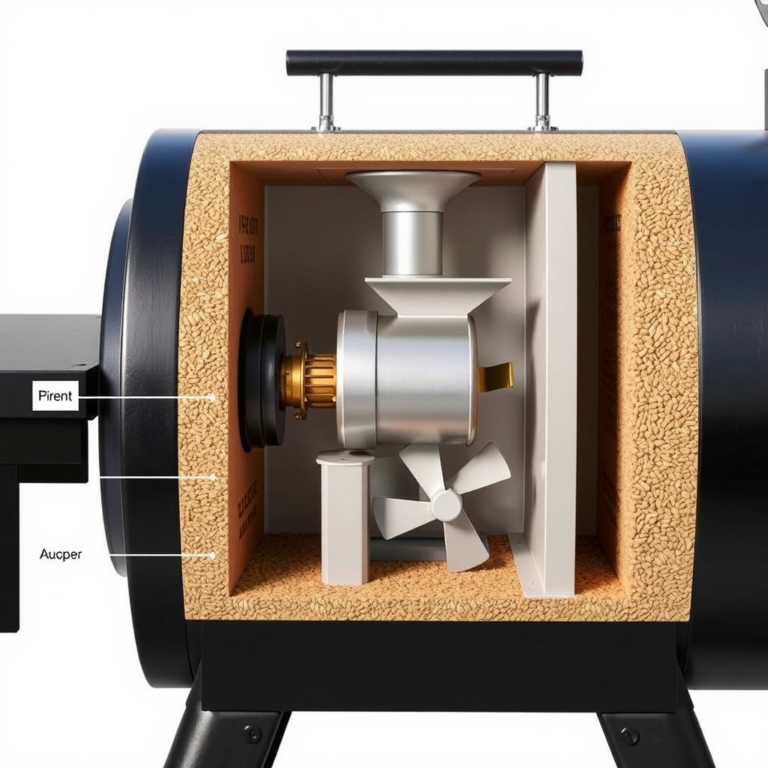
Electric grills work by converting electrical energy into heat through a heating element, which then cooks the food placed on the grill's surface. Unlike charcoal or gas grills, electric grills use an electrical resistance coil inside the unit that heats up when electricity flows through it, providing a consistent and controllable source of direct heat.
This design allows electric grills to be used in environments where open flames are prohibited or impractical, such as apartments, balconies, or indoor kitchens. The convenience of plugging in versus dealing with charcoal or propane makes them a popular choice for people seeking a simpler grilling experience without sacrificing flavor and texture.
In this article, we will explain the technology behind electric grills, explore their types and features, discuss how to use them properly, compare different models, and answer common questions. Whether you’re a beginner or considering an upgrade, understanding how electric grills work can help you pick the model that suits your needs best.
The Science Behind How Electric Grills Work
Heating Elements and Electricity Conversion
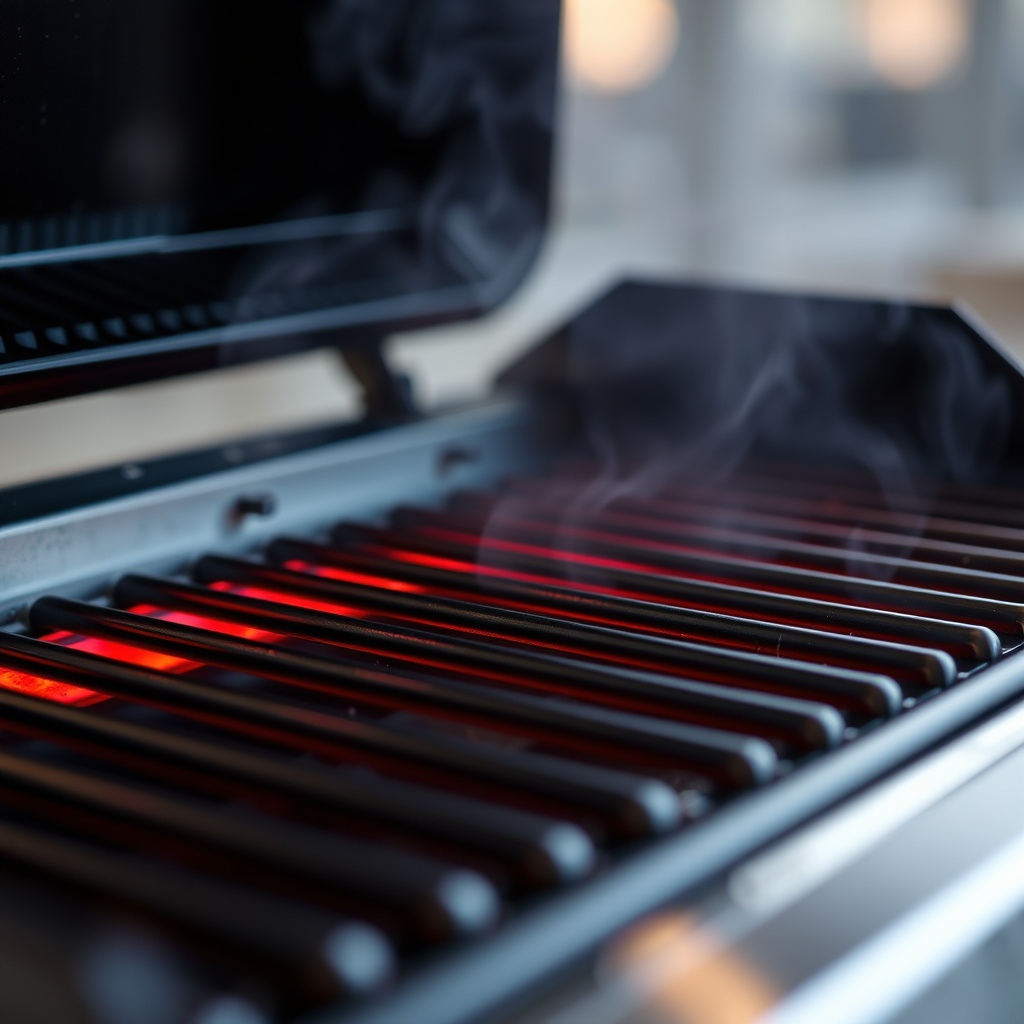
Electric grills operate by employing heating elements, usually made from metal coils or plates that resist electrical current. When electricity passes through these elements, they heat up rapidly due to resistance, similar to how an electric stove functions.
The heat generated is transferred directly to the grilling surface where the food rests. This method enables consistent temperature control through adjustable thermostats, eliminating the need for fuel refills or flame management.
Heat Distribution and Temperature Control
Quality electric grills feature design elements to distribute heat evenly over the grilling surface, such as aluminum plates or heat diffusers. These components prevent hot spots and ensure food cooks uniformly.
Thermostatic controls allow users to set and maintain precise cooking temperatures, enhancing food preparation and reducing the risk of burning or undercooking.
- Adjustable temperature settings
- Heat diffusers for even cooking
- Safety shutoff mechanisms
Types of Electric Grills and Their Applications
Indoor Electric Grills
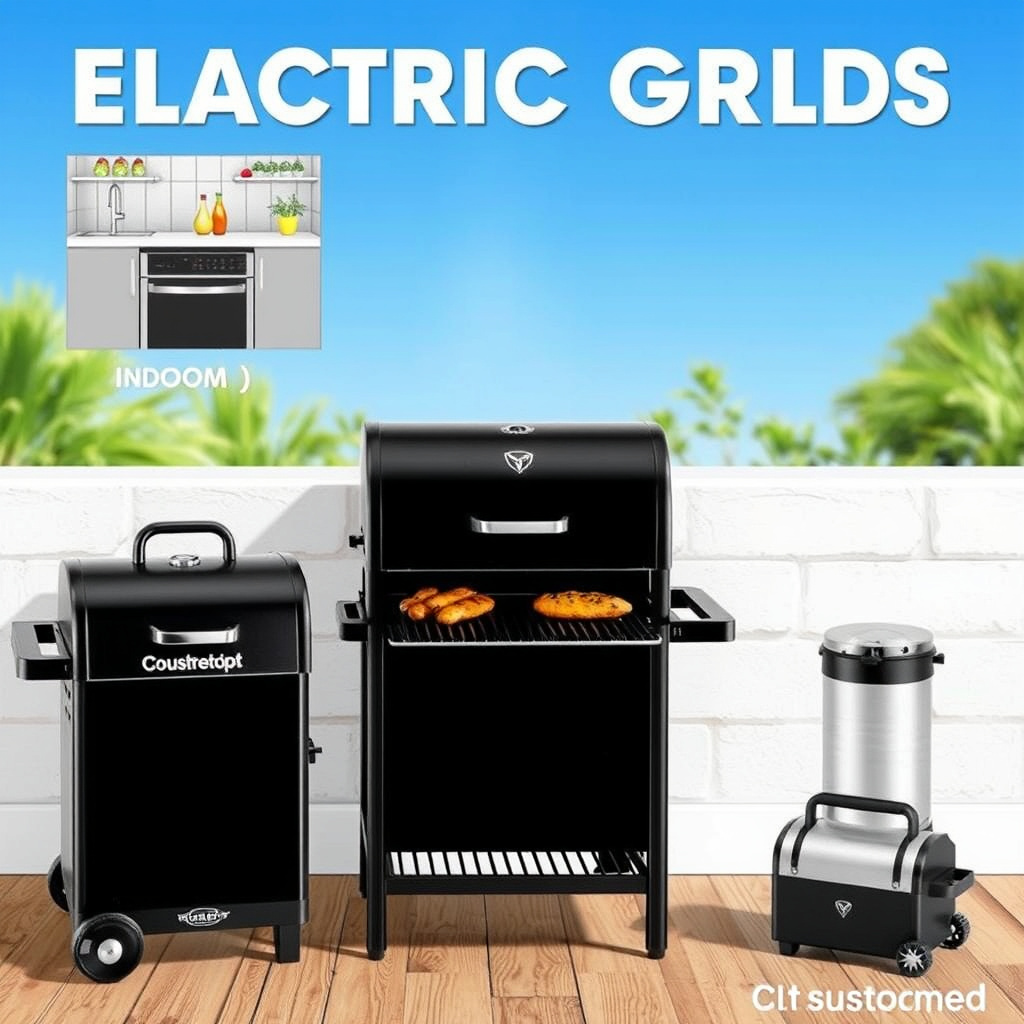
Indoor electric grills are designed compactly to fit on kitchen countertops, often equipped with non-stick grill plates and drip trays to handle grease. They are ideal for everyday cooking without smoke or open flames.
These grills excel at delivering grilled flavors for vegetables, sandwiches, and meat with minimal mess and easy cleanup, making them perfect for apartment dwellers.
- Compact size for kitchen use
- Non-stick grills with removable plates
- Drip tray for grease collection
Outdoor Electric Grills
Outdoor electric grills tend to be larger and more robust, designed to mimic traditional grilling experiences with higher wattage heating elements. They often offer grills with cast iron plates or grates for better searing performance.
They are convenient for balconies or patios where open flames are restricted, providing an alternative to gas or charcoal grills while still producing quality grilled food.
- Higher wattage heating elements
- Durable grates for searing
- Suitable for restrictions on open flames
Using an Electric Grill Safely and Effectively
Setup and Preheating Tips
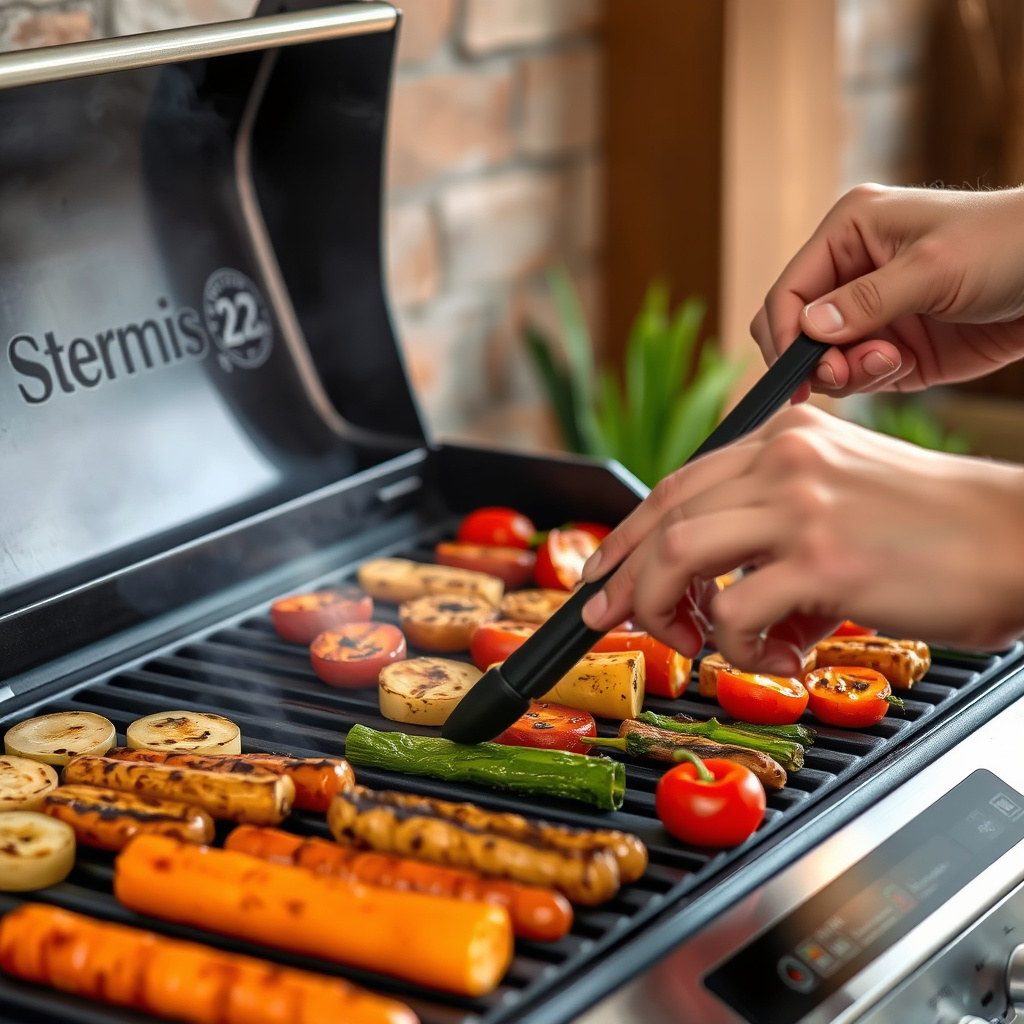
Before grilling, place your electric grill on a stable, heat-resistant surface near a grounded electrical outlet. Always check that all grill components are clean and dry to prevent electrical hazards.
Preheat the grill for about 5 to 10 minutes according to manufacturer instructions to ensure the cooking surface reaches the desired temperature, which helps in achieving proper searing and even cooking.
- Use a GFCI outlet for safety
- Ensure grill plates are clean
- Allow sufficient preheat time
For more on this, see our related guide: How Do Kamado Grills Work? A Complete Guide to Their Unique Cooking Style.
Cleaning and Maintenance
After use, unplug the grill and allow it to cool completely before cleaning. Remove grill plates if detachable and wash with warm soapy water or as recommended.
Routine maintenance like wiping down heating elements and checking for damage helps prolong the grill’s life and keeps it operating safely.
- Avoid immersing electrical parts in water
- Remove grease buildup regularly
- Inspect cords and plugs for wear
Advantages and Drawbacks of Electric Grills
Advantages of Using Electric Grills
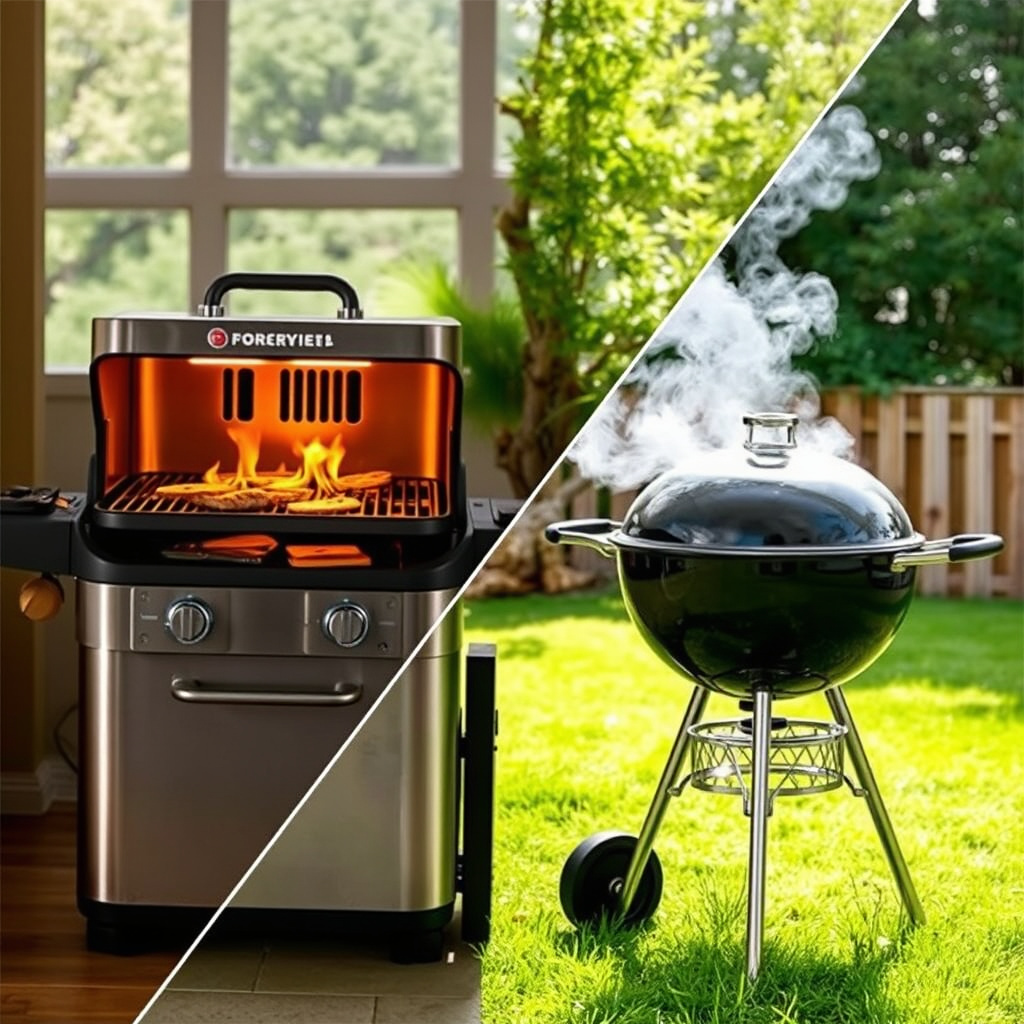
Electric grills offer consistent temperature control, are easy to operate, and produce less smoke compared to charcoal or gas grills. Their ability to be used indoors expands grilling possibilities without requiring outdoor space or ventilation.
They are also generally safer with automatic shutoff features and don’t require separate fuel, lowering ongoing costs and cleanup after use.
- Precise temperature control
- Indoor and outdoor use possible
- Low smoke and odor output
- No fuel storage needed
Limitations Compared to Traditional Grills
Despite their benefits, electric grills often lack the intense heat of charcoal or gas grills, which can affect searing and imparting smoky flavor. The electrical cord also limits mobility compared to portable gas grills.
They depend on electricity availability, making them unusable in outages or remote areas without power sources.
- Lower maximum heat output
- Requires electrical outlet
- Limited smoky flavor production
Features to Look for in the Best Electric Grill for Home Use
Key Performance Features
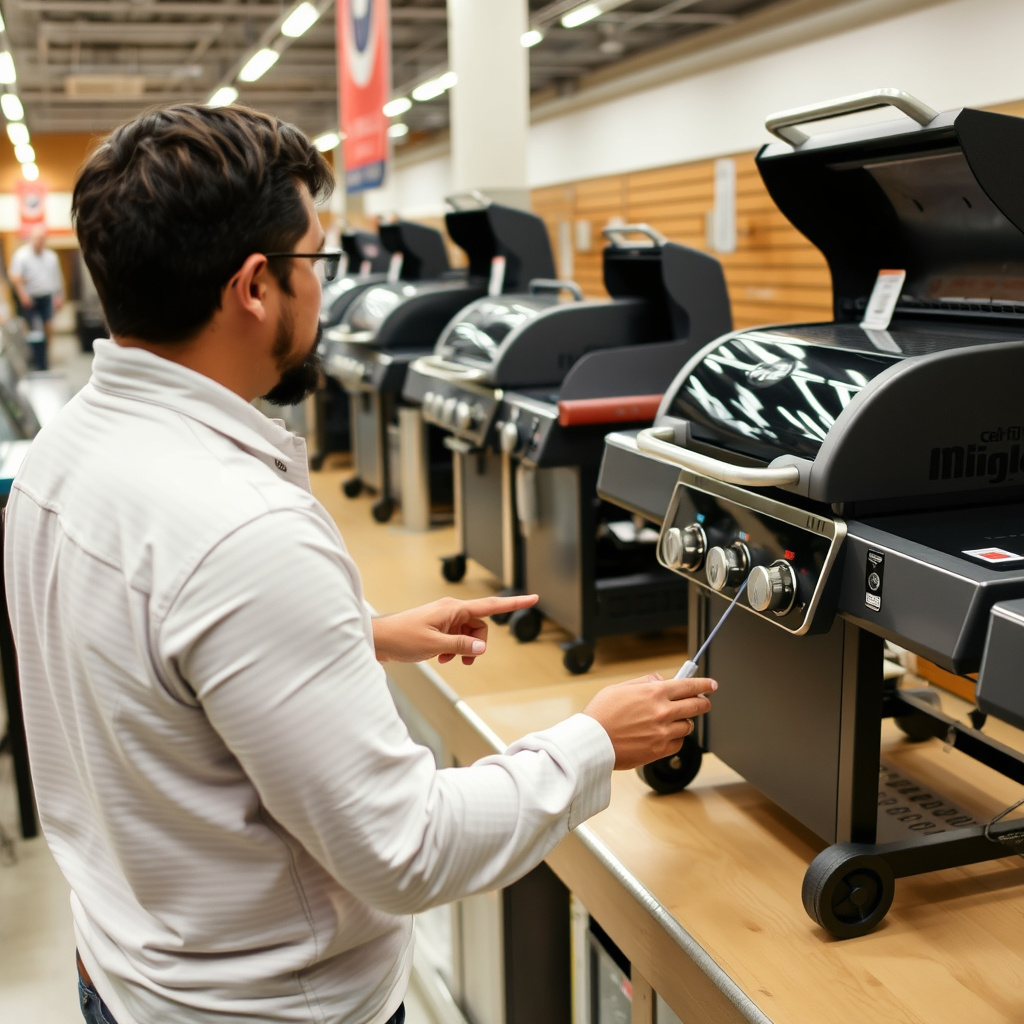
Look for models offering adjustable thermostat control for precise cooking temperatures and rapid heat-up times. Non-stick or cast iron cooking surfaces improve food release and searing capability.
Removable drip trays help manage grease effectively and simplify cleaning, both valuable features for frequent grillers.
- Adjustable temperature controls
- Durable non-stick or cast iron plates
- Removable drip trays
For more on this, see our related guide: How Do Infrared Grills Work: A Complete Guide to Infrared Grilling Technology.
Convenience and Safety Features
Consider grills with cool-touch handles, automatic shutoff timers, and indicator lights. Portability options like foldable legs or compact designs matter for limited spaces or outdoor use.
Ensure the power cord is long enough for your setup and that the grill has any appropriate safety certifications for peace of mind.
- Cool-touch handles
- Auto shutoff timers
- Sufficient power cord length
- Safety certifications
Electric Grill Maintenance and Longevity Tips
Regular Cleaning Routines
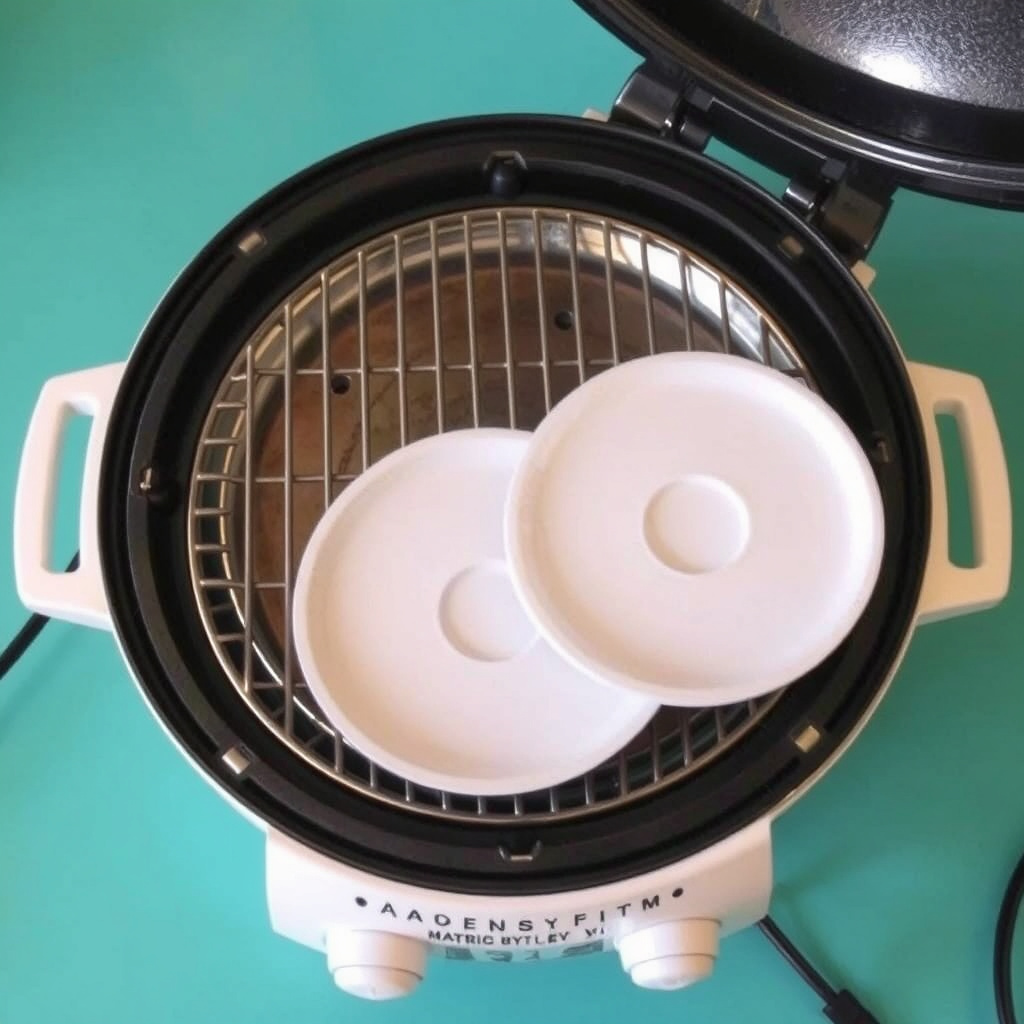
Clean grill plates after every use to prevent residue buildup that affects taste and grill efficiency. Use manufacturer-approved cleaners and avoid abrasive pads which can damage coatings.
Empty and wash drip trays frequently to reduce fire risks and unpleasant odors.
- Clean plates after each use
- Use gentle cleaning tools
- Regularly empty drip trays
For a technical overview of electric grills, the Electric grill Wikipedia article provides additional background. Electric grill Wikipedia article.
Storage and Handling Tips
Store your electric grill in a dry, dust-free place to protect electrical components. Disconnect and coil the power cord loosely without kinks to avoid damage.
Avoid dropping or rough handling, and check components periodically for wear that may require replacement.
- Keep in dry storage
- Carefully store power cord
- Inspect for parts wear
Electric Grills vs. Traditional Grills Category Comparison
This table compares electric grills with gas, charcoal, and pellet grills based on key features for informed decisions.
| Category | Heat Source | Temperature Range | Setup Ease | Smoke Production | Portability | Best Use Case |
|---|---|---|---|---|---|---|
| Electric Grills | Electric heating element | 200°F – 600°F | Very easy, plug-in | Low | Limited by power cord | Indoor/outdoor with restrictions |
| Gas Grills | Propane or natural gas | 250°F – 700°F+ | Moderate, connect fuel | Moderate | Moderate | Outdoor gatherings |
| Charcoal Grills | Burning charcoal | 300°F – 700°F+ | Time-consuming, charcoal | High | High | Authentic smoky flavor |
| Pellet Grills | Wood pellets | 180°F – 500°F | Moderate, pellets refilling | High | Low | Smoked meats |
Frequently Asked Questions
Can electric grills produce the same flavor as charcoal grills?
Electric grills generally don’t replicate the smoky flavor of charcoal grills as they lack wood smoke combustion. However, they deliver efficient grilling with some models including smoke-flavor additives or using wood chip trays.
Are electric grills safe to use indoors?
Yes, electric grills are safe for indoor use as they don’t produce open flames or significant smoke, reducing fire hazards and ventilation needs common with gas or charcoal grills.
How long does it take for an electric grill to preheat?
Most electric grills preheat within 5 to 10 minutes, depending on wattage and temperature settings, allowing for quick cooking readiness.
Do electric grills require special cleaning methods?
Cleaning electric grills involves removing and washing grill plates and drip trays with warm water and mild detergent, avoiding water exposure to electrical components.
Can I use an electric grill during a power outage?
No, electric grills require electricity to function and cannot operate without power. Alternative grilling methods like charcoal or gas grills work during outages.
Key Takeaways
- Electric grills use heated metal coils to convert electricity into cooking heat.
- They provide precise temperature control and low smoke output, suitable for indoor use.
- Types range from compact indoor grills to robust outdoor models mimicking traditional grills.
- Maintenance includes regular plate cleaning and safe storage for durability.
Conclusion
Understanding how electric grills work helps clarify their place among grilling options. They operate with heating elements that efficiently convert electricity to heat, offering consistent cooking performance without fuel hassles. This lets users grill indoors or in flame-restricted areas with ease. Their controlled temperatures and quick startup save time and reduce cleanup, features attractive to casual cooks and enthusiasts alike.
For those seeking a convenient grilling option, indoor electric grills provide space-saving designs perfect for apartments or quick meals, while outdoor electric grills come close to replicating traditional grilling with higher heat and durable grill surfaces. If smoky flavor is a priority, pellet or charcoal grills remain unmatched despite added complexity. Electric grills stand out for safety and simplicity, especially for families and small gatherings.
If you want to get started with an electric grill, first consider where you’ll use it and what foods you plan to prepare most. Opt for a model with adjustable temperature controls, removable plates, and safety features for ease of use and cleaning. Testing a budget-friendly countertop grill can help decide if electric grilling fits your lifestyle, paving the way for more advanced models in the future.