
A grill cover is a protective fabric or material that fits over your barbecue grill to shield it from weather elements like rain, snow, dust, and UV rays. It helps extend the life of your grill by preventing rust, corrosion, and dirt buildup.
Using a grill cover is essential if you frequently leave your grill outdoors. Exposure to moisture and sun can degrade the grill’s metal parts and damage electronic components. A durable cover stops this damage and helps maintain the grill’s appearance and performance.
This article explains what a grill cover is, outlines the different types available, what materials are most effective, and how to select one that fits your grill precisely. We'll also compare popular cover styles and answer common questions to help you protect your investment.
Understanding the Purpose of a Grill Cover
Protecting Against Weather Damage
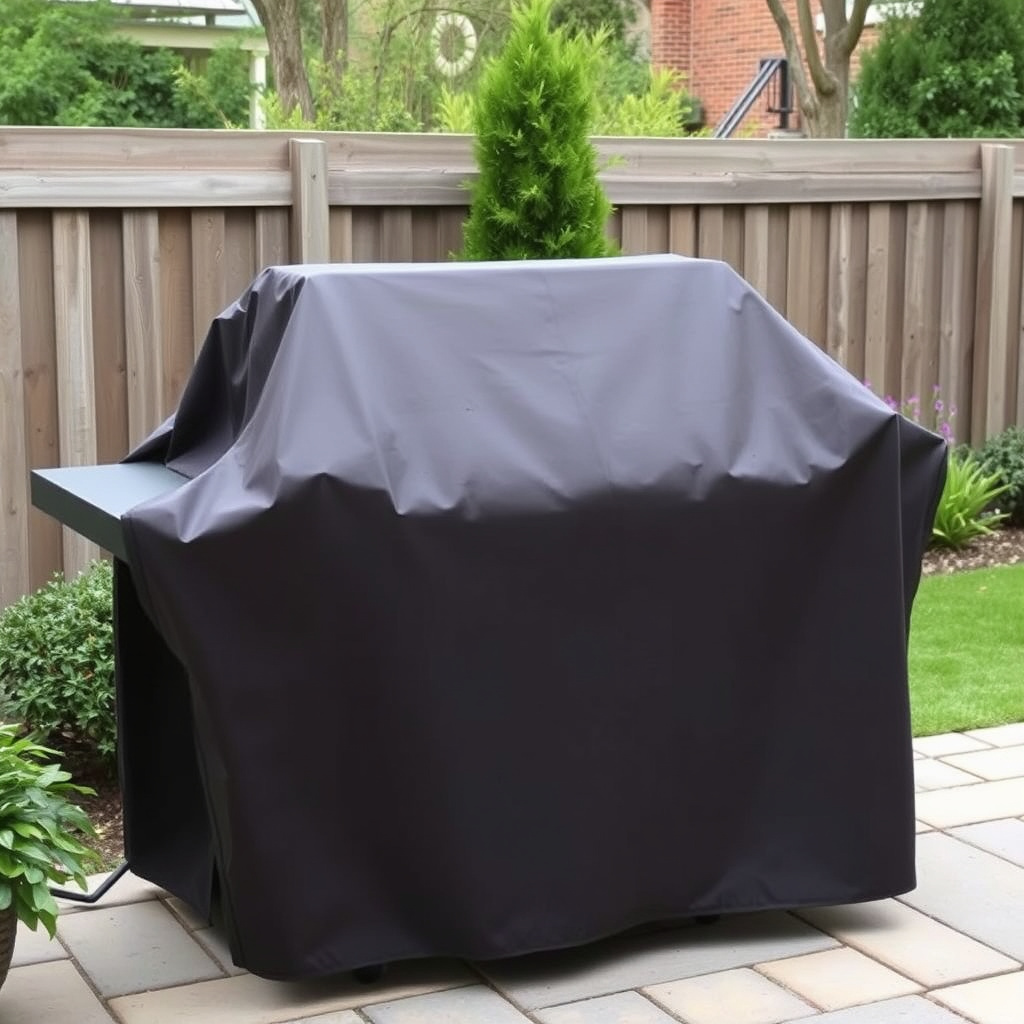
Grill covers guard against rain, snow, and UV rays, which can cause rust and fading on your barbecue. Moisture from rain or snow leads to corrosion, while sunlight can weaken paint and plastic handles over time.
By preventing direct exposure, grill covers minimize maintenance needs, so you spend less time cleaning rust or dealing with cracked components.
Preventing Dirt and Debris Accumulation
Outdoor grills are subject to dust, leaves, bird droppings, and pollen, all of which can dirty or clog the grill’s mechanics. A cover acts as a barrier to these contaminants, keeping your grill cleaner between uses.
This reduces the effort when cleaning and helps the grill function smoothly without blockages from debris obstructing vents or burners.
Common Types of Grill Covers
Universal Fit Grill Covers
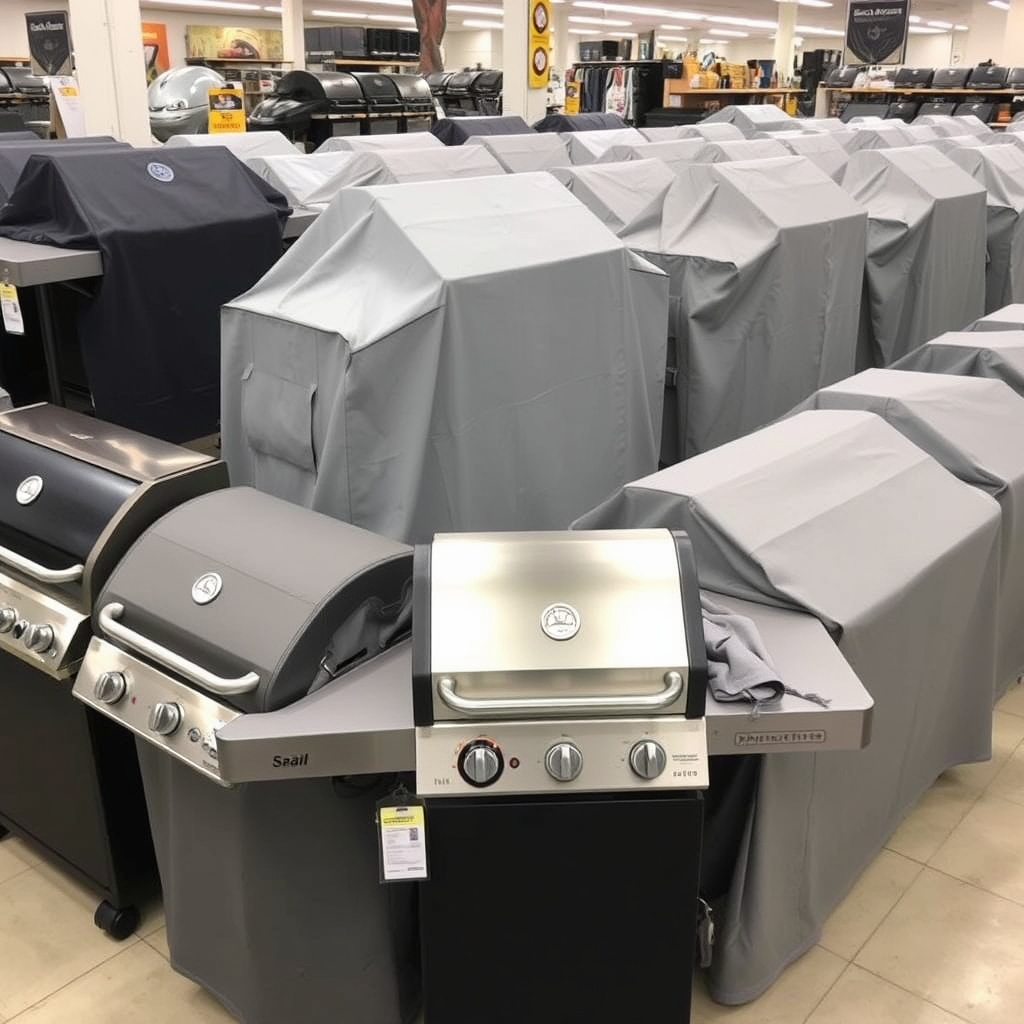
Universal grill covers come in standard dimensions intended to fit a broad range of grill shapes and sizes. They're cost-effective but may not snugly fit every model, risking coverage gaps during wind or heavy rain.
These covers are typically made of polyester or vinyl and provide basic protection, yet may flap or shift if not secured properly, exposing parts of the grill.
- Affordable
- Variety of sizes
- Less tailored fit
Custom-Fit Grill Covers
Custom-fit covers are designed to match the exact dimensions of specific grill models, offering a tighter seal against elements. These often use heavier materials and reinforced seams for durability.
They prevent water from pooling and reduce the risk of wind lifting the cover off, providing superior protection compared to universal options.
- Precise fit
- Durable materials
- Higher price
Materials Used in Grill Covers
Polyester Grill Covers
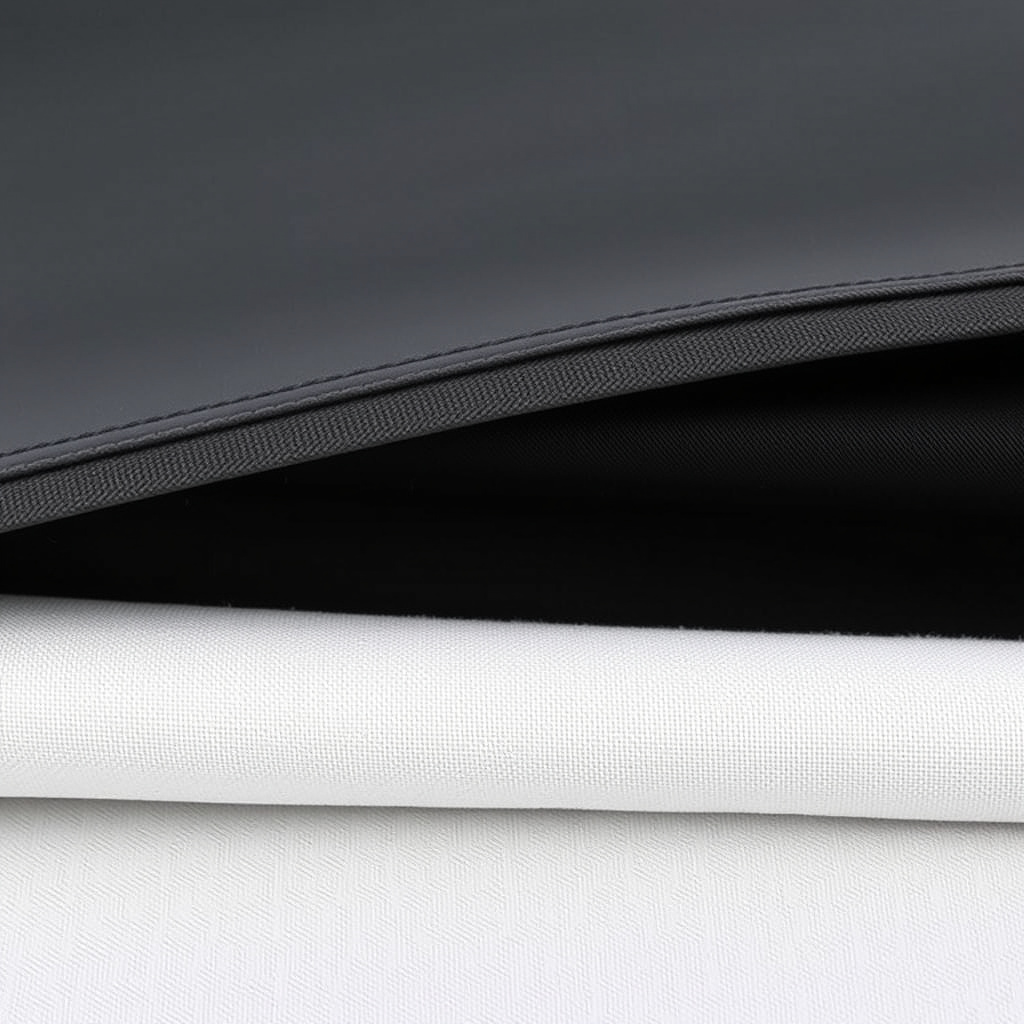
Polyester is lightweight and water-resistant, making it a popular choice. It generally includes a waterproof backing to enhance protection from rain and snow.
Because polyester is breathable, it helps prevent condensation underneath the cover, reducing rust risk.
- Water-resistant
- Breathable
- Lightweight
For more on this, see our related guide: What Is a Portable Grill? A Complete Guide to Portable Grills.
Vinyl Grill Covers
Vinyl grill covers are thicker and highly waterproof, suitable for very wet climates. However, they can trap moisture inside if not properly ventilated, potentially accelerating corrosion.
They are easy to clean with a damp cloth and tend to be more affordable but less breathable than polyester or canvas.
- Waterproof
- Easy to clean
- Less breathable
Features to Look for in Grill Covers
Ventilation and Breathability
Good grill covers have vents or breathable fabric to prevent moisture buildup beneath the cover. Moist environments promote rust and mold, so vents allow air circulation to keep the grill dry.
Look for mesh or adjustable vents to strike a balance between weather resistance and airflow.
- Side or top vents
- Breathable fabrics
- Reduces condensation
Fastening Mechanisms
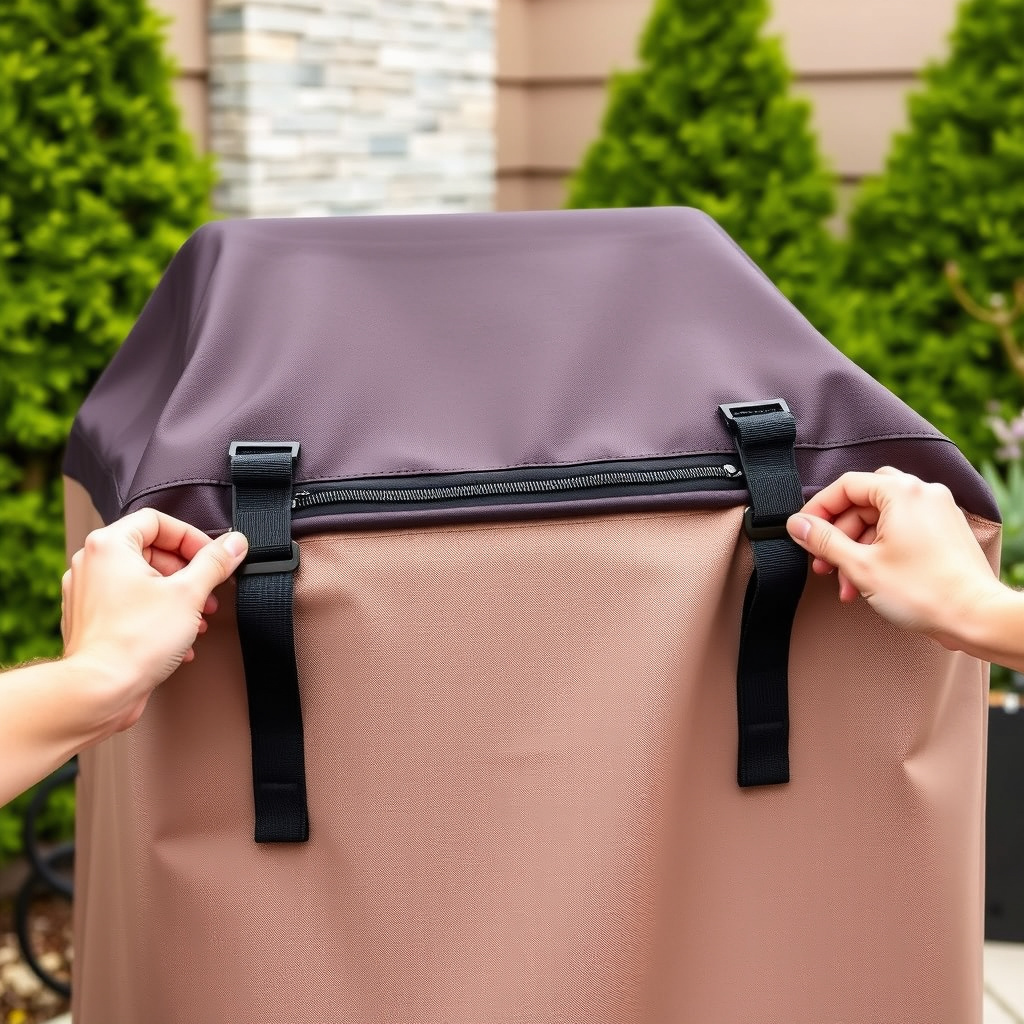
Secure straps, drawstrings, or buckles help keep the grill cover tightly in place during wind or storms. Without fastening systems, covers can blow off and damage the grill.
Some premium covers also include weighted corners or elastic hems for a snug, reliable fit.
- Adjustable straps
- Elastic hems
- Weighted corners
How to Choose the Best Grill Cover for Your Setup
Measuring and Fit Considerations
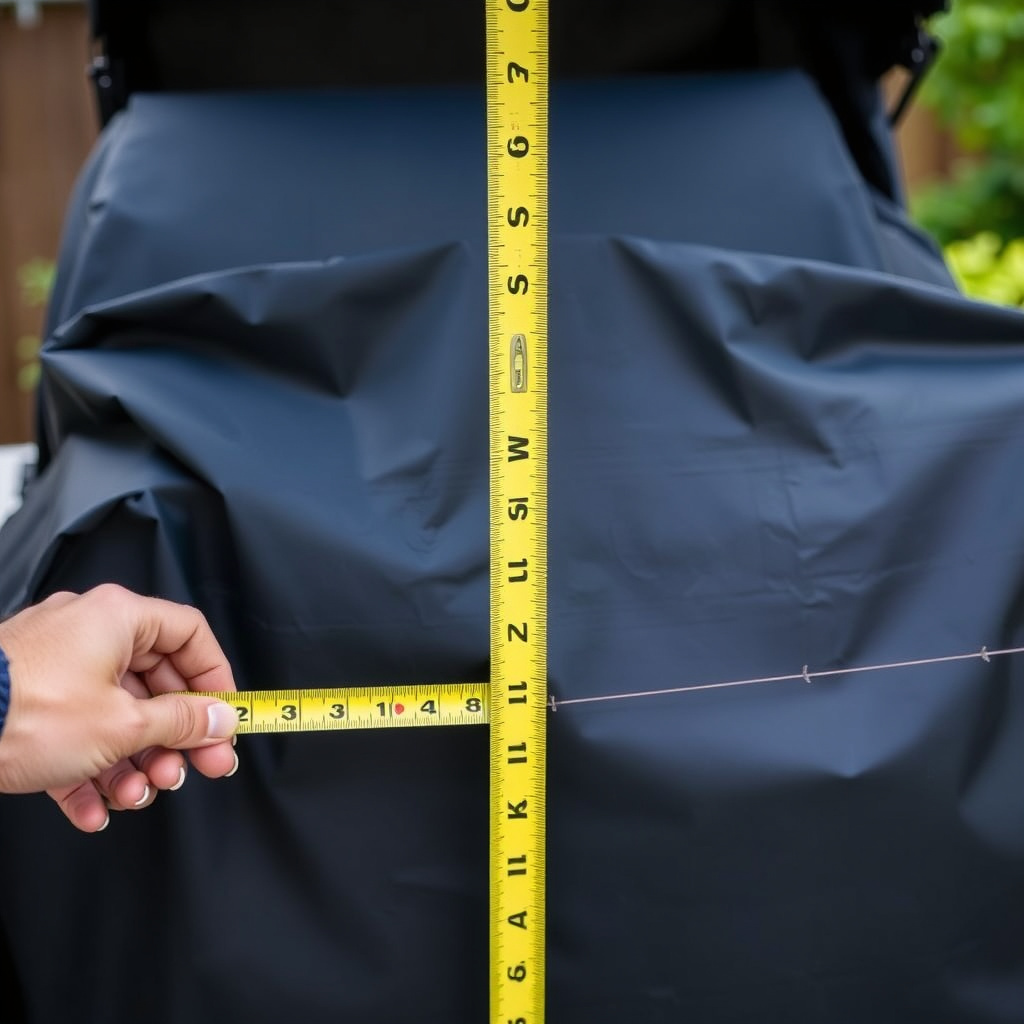
Measure your grill’s height, width, and depth precisely before selecting a cover. Accurate measurements ensure a proper fit that protects all parts like side shelves and wheels.
If you have a custom or irregular-shaped grill, prioritize custom-fit covers or adjustable universal covers that accommodate unique dimensions.
- Measure height, width, depth
- Account for side tables
- Consider cover shape
For more on this, see our related guide: What Is a Built In Grill? Understanding Features and Benefits.
Matching Cover Material to Climate
Consider your local weather: vinyl covers suit rainy climates due to waterproofing, while polyester or canvas with ventilation perform better in humid or variable weather.
In areas with strong sun exposure, UV-resistant fabrics will protect grill surfaces from fading and cracking.
- Waterproof for wet areas
- UV protection for sunny regions
- Breathable materials for humid zones
Maintaining Your Grill Cover for Longevity
Regular Cleaning Tips
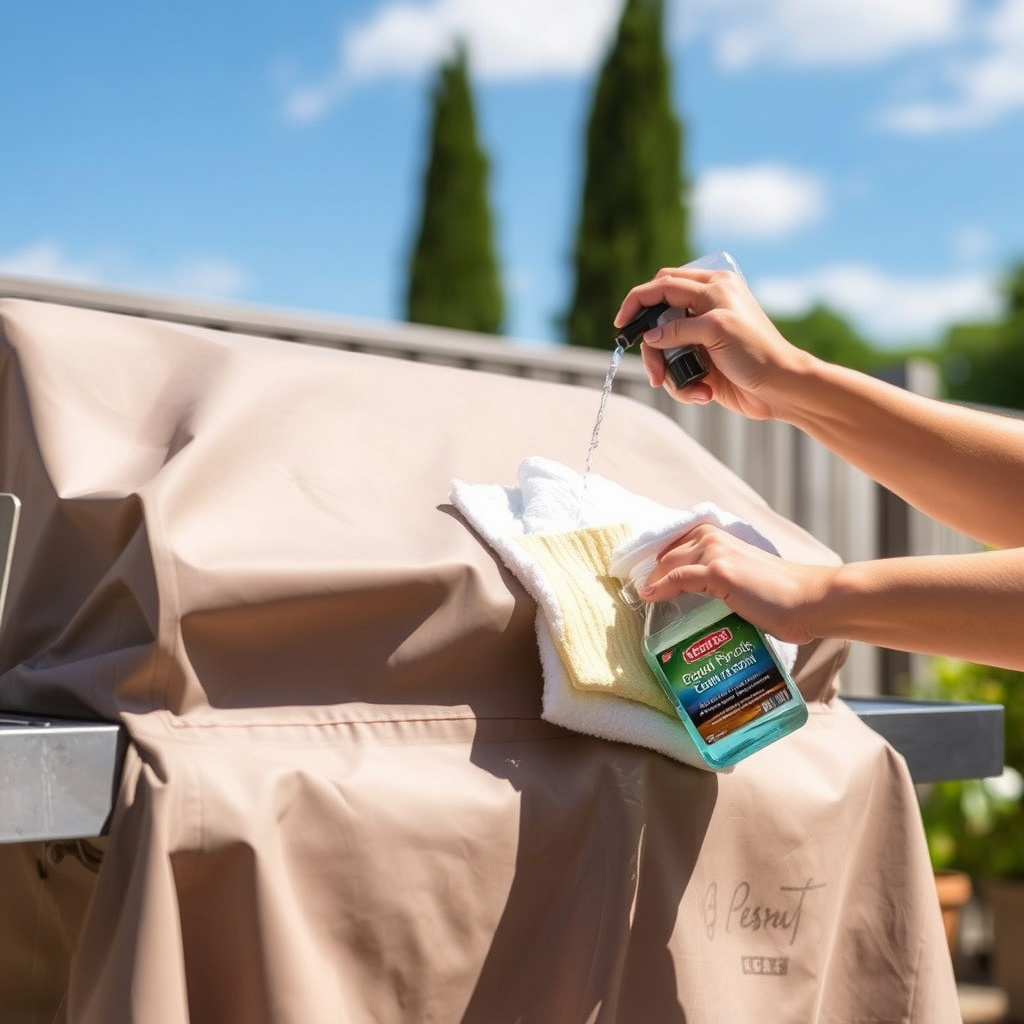
Clean your grill cover every few months with mild soap and water to remove dirt, bird droppings, and stains. Avoid harsh chemicals that degrade fabric and waterproof coatings.
Allow the cover to dry fully before placing it back on the grill to prevent mold and mildew.
- Use mild soap
- Rinse with clean water
- Air dry completely before use
For more details about grills and their maintenance, you can visit the Grill cover overview on Wikipedia. Grill cover overview on Wikipedia.
Storage Advice During Off-Season
When storing your grill indoors for winter or extended periods, clean and dry the cover thoroughly before folding it neatly. Store it in a cool, dry place to maintain fabric integrity.
Avoid compressing the cover tightly with heavy items, which can damage seams and waterproof layers.
- Clean and dry before storage
- Store in dry, ventilated area
- Keep away from heavy pressure
Grill Cover Material Comparison
This table compares common grill cover materials by durability, breathability, water resistance, and price range.
| Material | Durability | Breathability | Water Resistance | Price Range |
|---|---|---|---|---|
| Polyester | Moderate | High | Moderate | $ |
| Vinyl | High | Low | High | $ |
| Canvas | High | Moderate | Low (unless treated) | $$ |
| Nylon | Moderate | High | Moderate | $ |
Frequently Asked Questions
Can I use a grill cover year-round?
Yes, grill covers are designed to protect grills throughout all seasons, preventing weather and debris damage whether it’s snow, rain, or sun.
How do I clean a grill cover safely?
Use mild soap and water, gently scrub with a soft brush if needed, rinse thoroughly, and air dry before re-covering your grill.
Are custom grill covers worth the extra cost?
Custom covers provide a tight fit and longer-lasting protection, especially for uniquely shaped or high-end grills that need precise coverage.
Do grill covers protect against pests?
While they help block larger debris and some insects, grill covers are not designed to fully prevent small pests but reduce their access to the grill.
How do I prevent moisture buildup under the cover?
Choose a grill cover with ventilation features or breathable fabric to allow air circulation and reduce condensation beneath the cover.
Key Takeaways
- Grill covers shield grills from weather damage and dirt buildup.
- Choose between universal and custom-fit covers depending on your grill model.
- Material matters: polyester offers breathability, vinyl offers waterproofing.
- Features like ventilation and secure fasteners enhance grill cover performance.
Conclusion
Protecting your barbecue grill with a quality grill cover is one of the simplest ways to prolong its lifespan and retain its performance. By understanding the various materials and fits available, you can make a more informed choice that suits your local climate and grill dimensions. Effective covers help prevent corrosion, fading, and grime, reducing maintenance tasks and replacement costs over time.
If you have a standard-sized grill, a universal grill cover made from breathable polyester can offer sufficient protection for general outdoor use. For those with premium or tailored grills, custom-fit covers made of durable canvas or reinforced polyester are worth investing in for better protection and longevity. Consider your environment: waterproof vinyl covers work well in wet regions, while areas with intense sunlight benefit from UV-protective fabrics.
Start by accurately measuring your grill and assessing your typical weather exposure. Then, select a grill cover that balances material durability, breathability, and fit. Regular cleaning and proper off-season storage will help your cover last longer and keep your grill ready for serving up delicious meals all year round.



