
The fundamental difference between a gas grill and a charcoal grill lies in their fuel sources and cooking methods. Gas grills use propane or natural gas to generate steady, controllable heat, allowing for quick startup and precise temperature control. Charcoal grills burn charcoal briquettes or lump charcoal, producing a smokier flavor but requiring more time to heat and maintain cooking temperatures. Understanding how these two types operate is critical for choosing the right grill based on your cooking style and flavor preferences.
This distinction affects many aspects of grilling—from how you manage heat and flavor to cleanup and portability. Gas grills often appeal to those seeking convenience and consistency since they light quickly and allow easy heat adjustments. Meanwhile, charcoal grill enthusiasts often enjoy the richer taste imparted by charcoal smoke and appreciate the traditional grilling experience, though it demands more attention during cooking.
In this article, we will examine several facets of gas and charcoal grills including heat control, flavor impact, cooking speed, maintenance, safety, and cost. By breaking down these categories, you can better decide whether a gas or charcoal grill better matches your backyard cooking setup.
Heat Control and Cooking Performance Differences
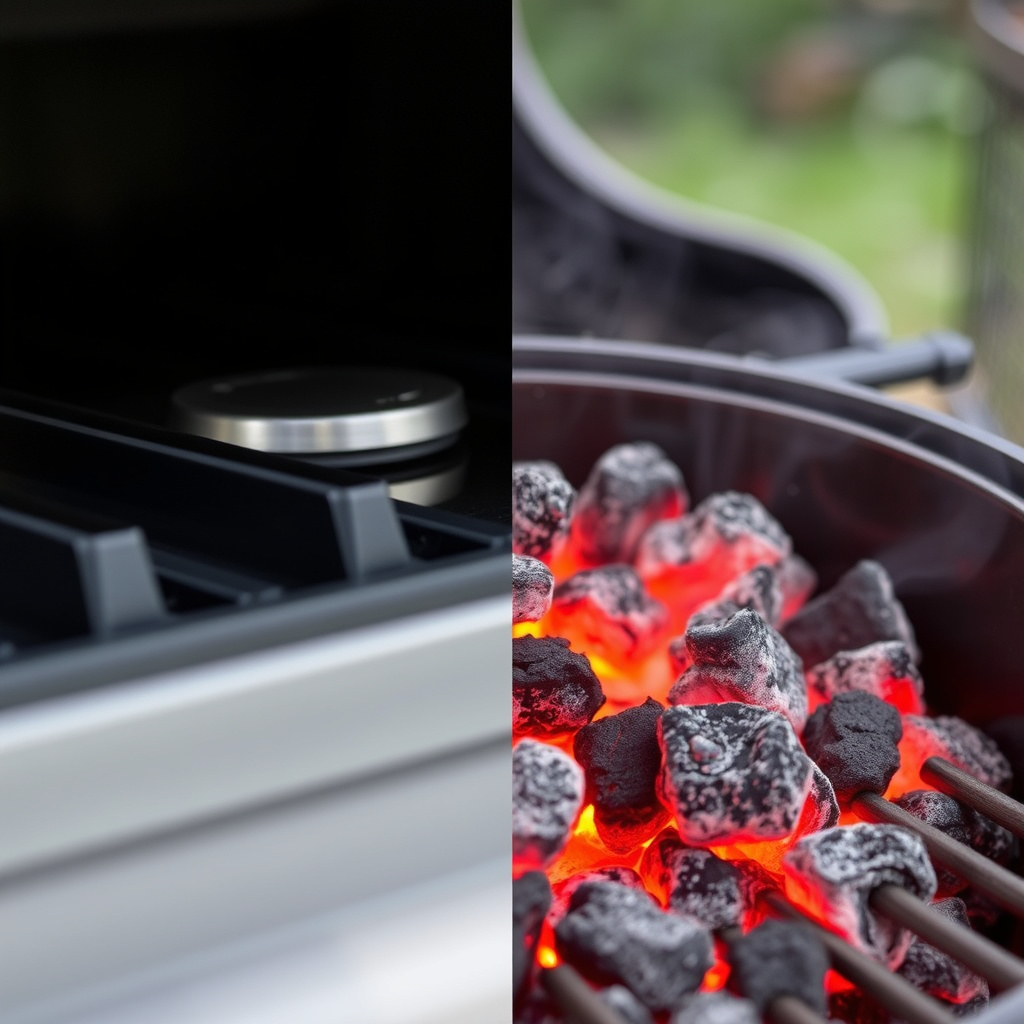
Gas Grill Heat Control Precision
Gas grills offer exceptional control over cooking temperatures through adjustable knobs that regulate the flow of propane or natural gas to burners. This lets you easily set consistent heat levels for searing, slow cooking, or grilling multiple foods at once. Many models feature multiple burners and built-in thermometers that further enhance temperature management.
This precise heat control means shorter cooking times and less monitoring, making gas grills convenient for quick meals or entertaining guests without extensive grilling experience.
Charcoal Grill Heat Variability and Management
Charcoal grills rely on the arrangement and amount of charcoal and airflow to control heat zones, making temperature management more hands-on. Adjusting vents increases or decreases oxygen flow to the coals, influencing how hot they burn. Cooking over charcoal often requires experience to maintain steady heat for longer durations.
While it can be more challenging to regulate, this method allows for creating distinct heat zones for direct searing versus indirect cooking, providing versatility for various recipes.
- Control via charcoal placement
- Adjust air vents to regulate airflow
- Requires more frequent monitoring
Flavor Profiles and Cooking Experience
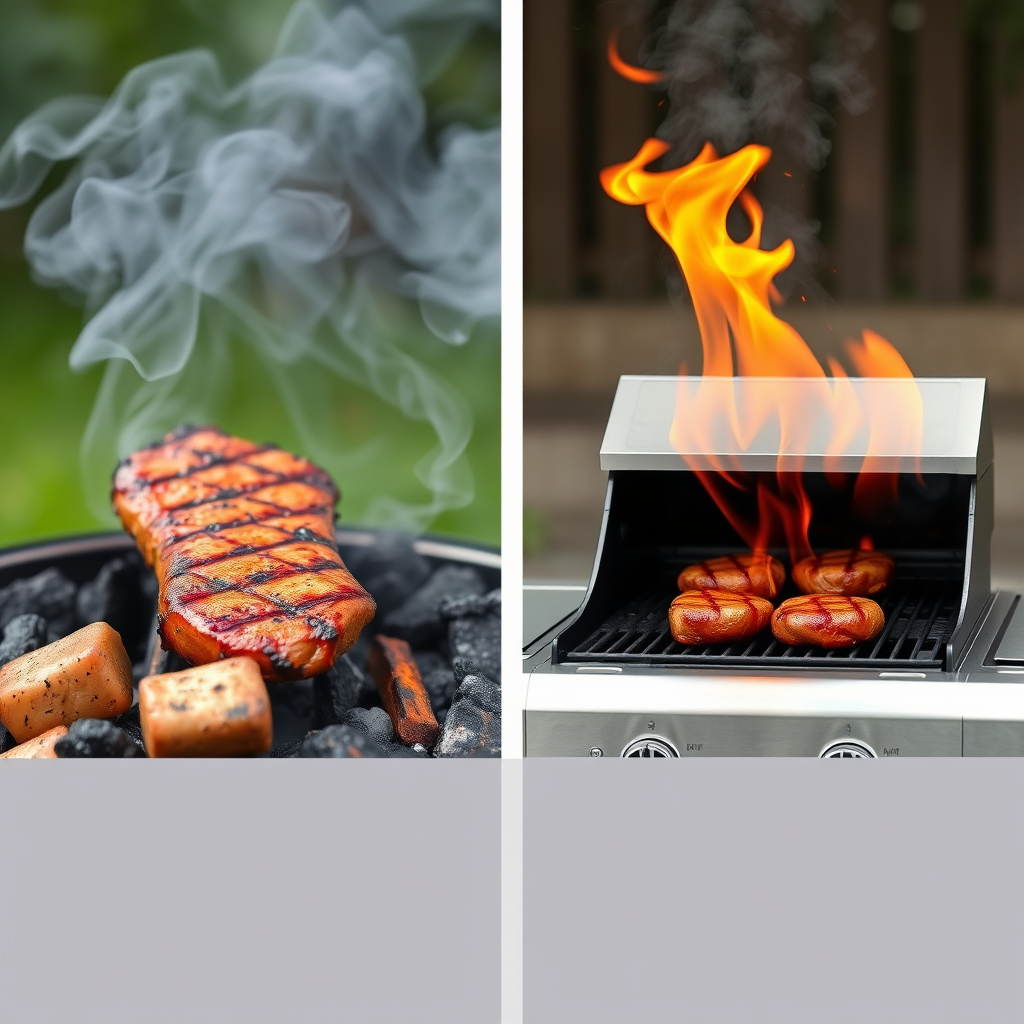
Gas Grill Flavor Characteristics
Gas grills provide a cleaner cooking flavor since the fuel burns without producing smoke or ash. This neutrality allows the natural taste of meats and vegetables to shine without added smoky notes.
However, some gas grill owners use wood chips or smoker boxes to introduce additional flavors, though these additions typically don’t compare to the rich smokiness of charcoal.
Charcoal Grill’s Signature Smoky Taste
The combustion of charcoal produces smoke rich in compounds that infuse foods with a distinct smoky flavor favored by many grilling enthusiasts. This flavor can vary depending on the type of charcoal used—lump charcoal tends to burn hotter and cleaner than briquettes, which may contain additives.
This sensory aspect creates a traditional outdoor cooking ambiance that some find more satisfying and authentic.
- Smoky aroma enhances grilled foods
- Flavor changes based on charcoal type
- Requires controlling smoke to avoid bitterness
Setup, Convenience, and Maintenance
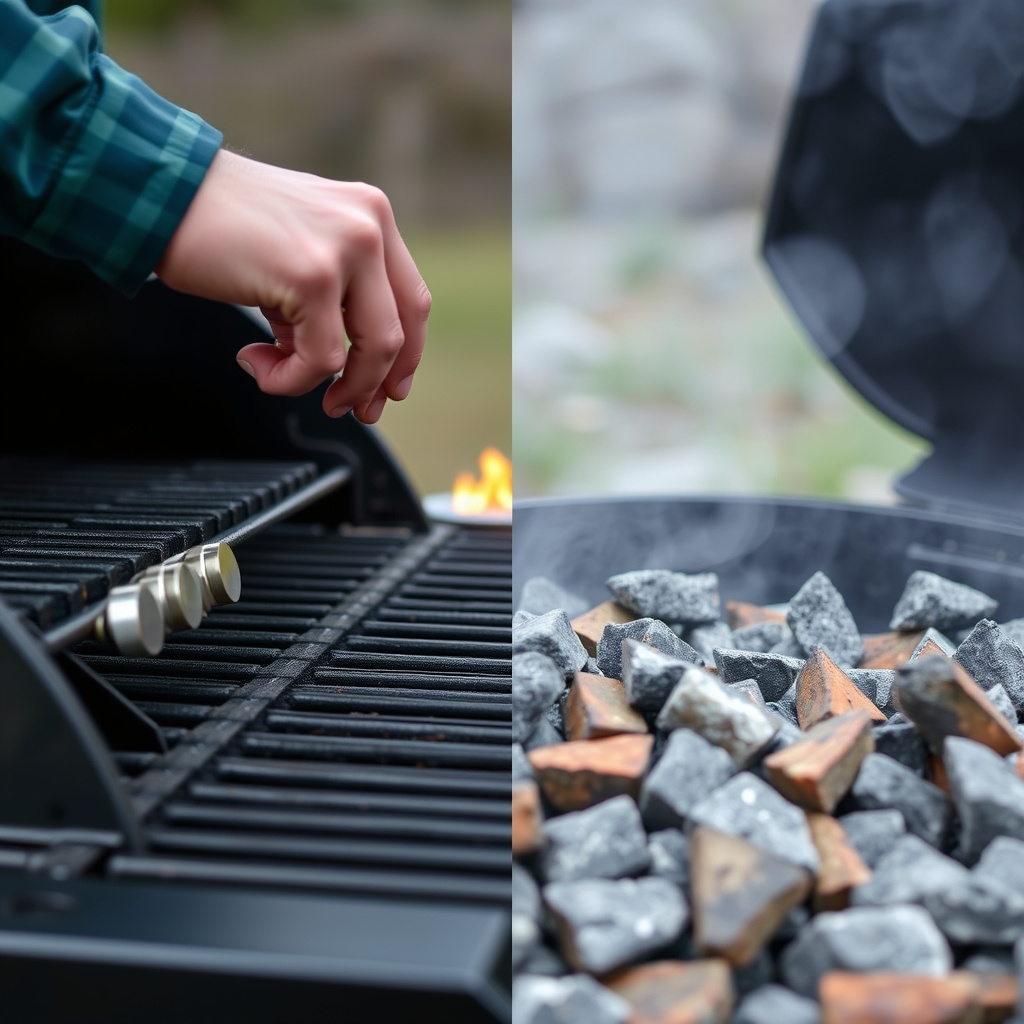
Gas Grill Setup and Cleanup
Gas grills offer quick ignition through an electronic or push-button starter, making them ready to cook in minutes. Cleanup generally involves scraping grates and occasionally emptying grease trays, with no ash disposal required.
Their design often includes features like removable drip pans and easy-to-clean surfaces that reduce post-grilling hassle.
- Instant ignition
- No ash residue
- Simple grease management
For more on this, see our related guide: What Is a Searing Burner on a Grill? Understanding Its Purpose and Benefits.
Charcoal Grill Preparation and Tidying
Charcoal grills need more time upfront to prepare: lighting charcoal, waiting for coals to ash over, and arranging heat zones. Cleaning involves disposing of ashes and scrubbing grates more thoroughly.
This can make the charcoal grilling process feel more involved but is part of the ritual enjoyed by many backyard cooks who prefer the hands-on experience.
- Longer startup time
- Ash disposal required
- More grunt work for cleanup
Safety Considerations for Gas and Charcoal Grills
Gas Grill Safety Measures
Gas grills require attention to gas connections to prevent leaks. Regular checks of hoses and fittings are important. Modern grills often include safety valves and ignition cutoffs to reduce danger.
Always ensure the grill is placed in a well-ventilated area away from combustible materials when operating.
- Inspect gas lines regularly
- Use outdoors only in open spaces
- Keep propane tanks upright and secure
Charcoal Grill Safety Precautions
Charcoal grills involve handling hot coals and ash, which continue emitting heat after cooking. It’s essential to fully extinguish coals with water or sand and dispose of ashes safely to avoid fire hazards.
Proper placement on a stable, non-flammable surface minimizes risk, as does supervising flames at all times.
- Never leave coals unattended
- Extinguish ashes completely
- Keep grill away from flammable surfaces
Cost and Longevity Factors
Initial and Operational Costs of Gas Grills
Gas grills typically come with a higher upfront price due to more complex components and materials required. Operating costs include purchasing propane or hooking into a natural gas line.
However, gas grills are generally durable and require minimal fuel per cooking session, which may offset initial investment over time.
For more on this, see our related guide: What Is a Portable Grill? A Complete Guide to Portable Grills.
Charcoal Grill Expense and Replacement Needs
Charcoal grills are often more affordable initially but require ongoing purchases of charcoal, which can add up depending on usage frequency. Some cheaper models may need replacement or repairs more often due to exposure to heat and elements.
Choosing quality materials for charcoal grills can increase longevity despite the lower initial cost.
Portability and Storage Considerations
Gas Grills Portability Challenges
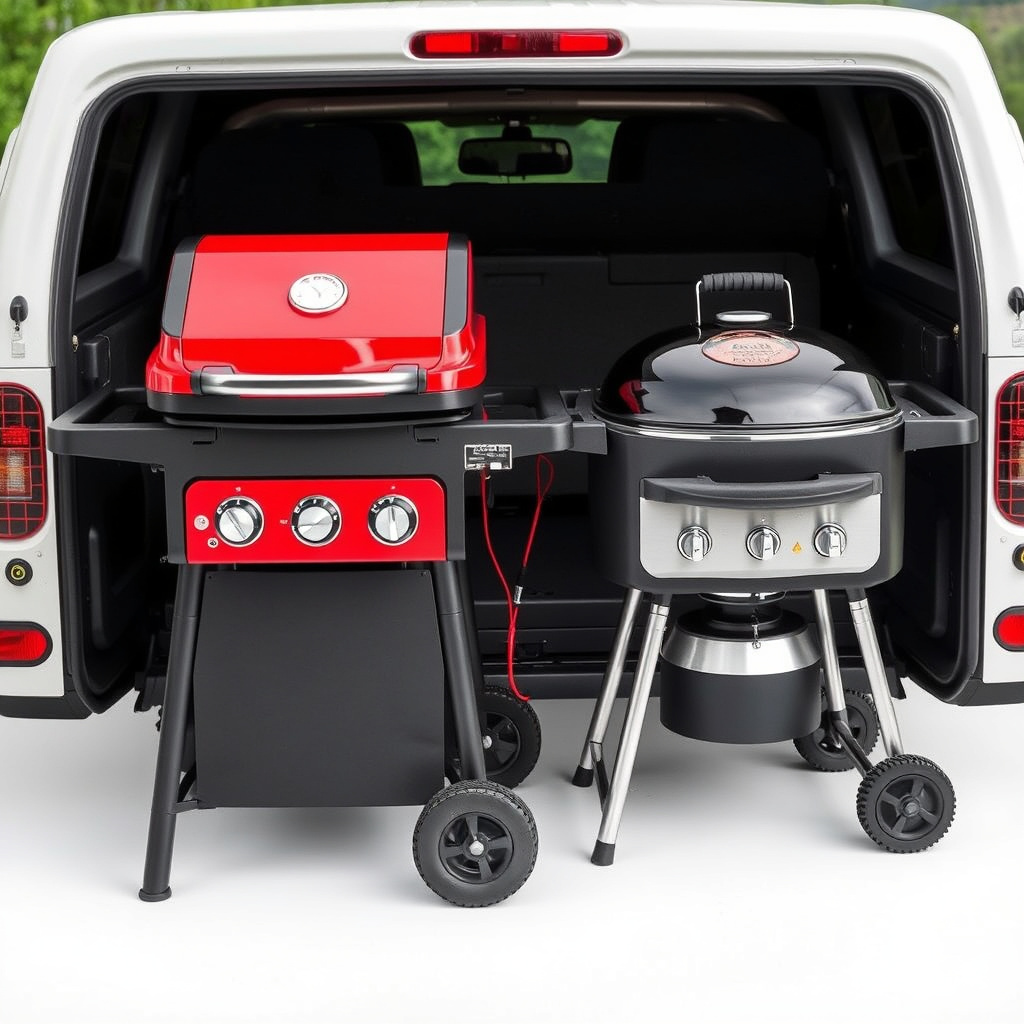
Large gas grills can be bulky and heavier, especially with attached propane tanks, limiting portability. Smaller gas grill models do exist but often have less cooking area.
Storage requirements may include protecting delicate components and maintaining gas lines.
- Heavier, less transportable
- Tank size affects mobility
- Requires secure storage for gas
For a broader understanding of different grilling methods and their history, the grilling techniques on Wikipedia provide useful insights. grilling techniques on Wikipedia.
Charcoal Grills Portability Advantages
Charcoal grills offer more compact and lightweight options, such as small kettle grills or portable models easy to carry for camping or tailgating.
They require no fuel tank, so they are easier to transport and store in small spaces.
- Lightweight designs available
- No fuel tanks required
- Ideal for outdoor trips
Gas vs Charcoal Grill Category Comparison
Here’s a detailed comparison of the main categories where gas and charcoal grills differ to help guide your choice.
| Category | Gas Grill | Charcoal Grill |
|---|---|---|
| Fuel Type | Propane or natural gas | Charcoal briquettes or lump charcoal |
| Heat Control | Precise via adjustable burners | Variable via charcoal arrangement and vents |
| Flavor | Clean, neutral taste | Smoky, rich flavor from burning charcoal |
| Startup Time | Minutes with push-button ignition | 15-30 minutes to heat coals |
| Cleanup | Easy grease tray and grill scrapes | Ash disposal plus grate cleaning |
| Portability | Often heavy and less portable | Many lightweight and portable models |
| Cost | Higher initial, lower fuel cost | Lower initial, ongoing charcoal cost |
| Safety | Gas leak risks; needs ventilation | Hot coals risk; requires ash management |
Frequently Asked Questions
Can I use wood chips on a gas grill to get smoky flavor like charcoal?
Yes, you can add soaked wood chips in a smoker box on a gas grill to create some smoky flavor, though it’s usually less intense or complex compared to traditional charcoal grilling.
Which grill heats better for high-temperature searing?
Charcoal grills generally reach higher peak temperatures, producing excellent searing heat; however, high-end gas grills with multiple burners can also achieve strong searing performance.
Is cleanup harder with charcoal grills?
Charcoal grill cleanup typically requires disposing of ash and cleaning the grates more thoroughly, making it more involved than the straightforward grease management of gas grills.
Are gas grills more expensive to run over time?
Gas grills have a higher upfront cost but use fuel efficiently, so the cost over time may be reasonable. Charcoal grills have lower initial cost but require frequent charcoal purchases which can add up.
Which grill type is safer for beginners?
Gas grills offer easier startup and controlled flames, often making them safer for beginners. However, proper use and safety checks are essential for both types to prevent accidents.
Key Takeaways
- Gas grills provide precise heat control and quick startup for convenient cooking.
- Charcoal grills offer signature smoky flavors and high-temperature searing.
- Maintenance and cleanup are simpler with gas grills due to no ash disposal.
- Portability favors charcoal grills for outdoor activities like camping.
Conclusion
Choosing between a gas and charcoal grill ultimately depends on your personal preferences for flavor, convenience, and usage style. Gas grills excel with precise temperature control, easy ignition, and less mess, making them suitable for those who want fast, consistent results in their backyard. Charcoal grills demand more hands-on time but reward with unmatched smoky flavors and a classic grilling experience. Evaluating your priorities will guide you towards the right option for your lifestyle and culinary goals.
If you value tasting rich smokiness and enjoy the ritual of managing coals and vents, a charcoal grill is a worthy choice that connects you to traditional outdoor cooking. For frequent grilling with fast turnaround, versatility, or entertaining guests, a gas grill might better fit your needs thanks to temperature adjustments and rapid heat delivery. Additionally, portability needs may tip the scale: portable charcoal models are excellent for picnics and camping, whereas gas grills often remain stationary in backyards due to heavier components.
If you are undecided, trying to cook with both types before buying may clarify your preferences. Alternatively, consider getting a hybrid grill that supports both gas and charcoal fuel to enjoy the benefits of each. Ultimately, investing in quality equipment and familiarizing yourself with its operation will contribute most to memorable, delicious grilling.



