
A built in grill is a permanently installed grilling unit designed to be integrated into an outdoor kitchen setup or a custom-built grilling island. Unlike portable grills, a built in grill is fixed in place, often connected to a gas line or electrical source, offering a seamless and durable cooking solution for outdoor spaces.
These grills elevate the outdoor cooking experience by combining professional-quality grilling with a stylish, space-efficient design. Their installation typically includes surrounding countertops and cabinetry, creating a dedicated area for cooking and entertaining that blends with your backyard or patio.
In this article, we'll explore the core benefits of built in grills, key features to consider during selection, installation tips, material options, maintenance guidance, and a comparison of popular grill types. Whether upgrading your backyard or designing from scratch, this guide will help you understand built in grills comprehensively.
Key Features and Advantages of a Built In Grill
Durability and Weather Resistance
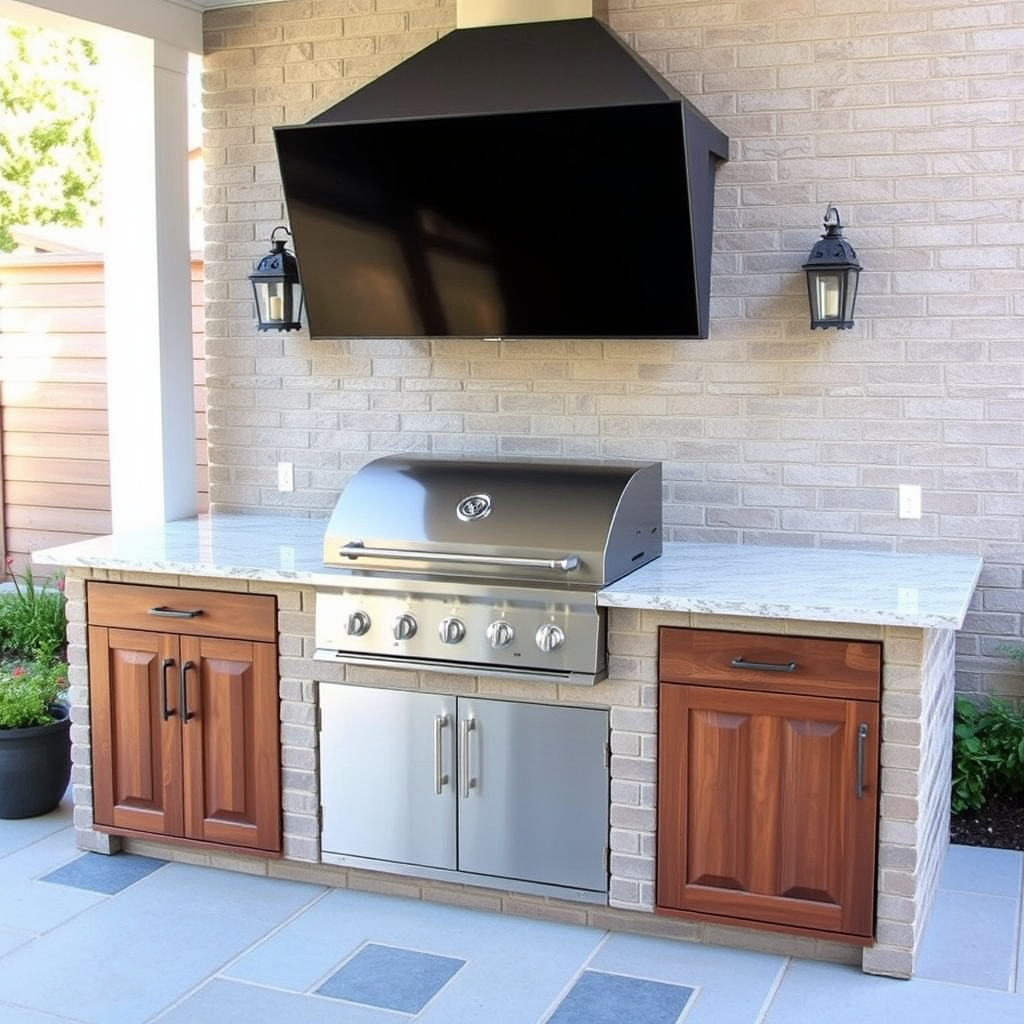
Built in grills are constructed with high-quality materials such as stainless steel, which resists rust and corrosion even under harsh outdoor conditions. Their fixed installation protects internal components, making them more durable than many portable grills.
These grills often come with heavy-duty construction standards that help them withstand temperature fluctuations, moisture, and UV exposure, ensuring reliable performance year-round.
Design Integration and Aesthetic Appeal
One of the most praised aspects of built in grills is how well they can blend into custom outdoor kitchens. Their sleek designs can be incorporated into stone, brick, or tile countertops to create a unified cooking space.
This integration boosts the overall outdoor aesthetic, creating an inviting gathering spot with ample workspace and storage tailored to your needs.
Choosing the Right Built In Grill for Your Outdoor Kitchen
Fuel Types: Gas, Charcoal, and Electric Options
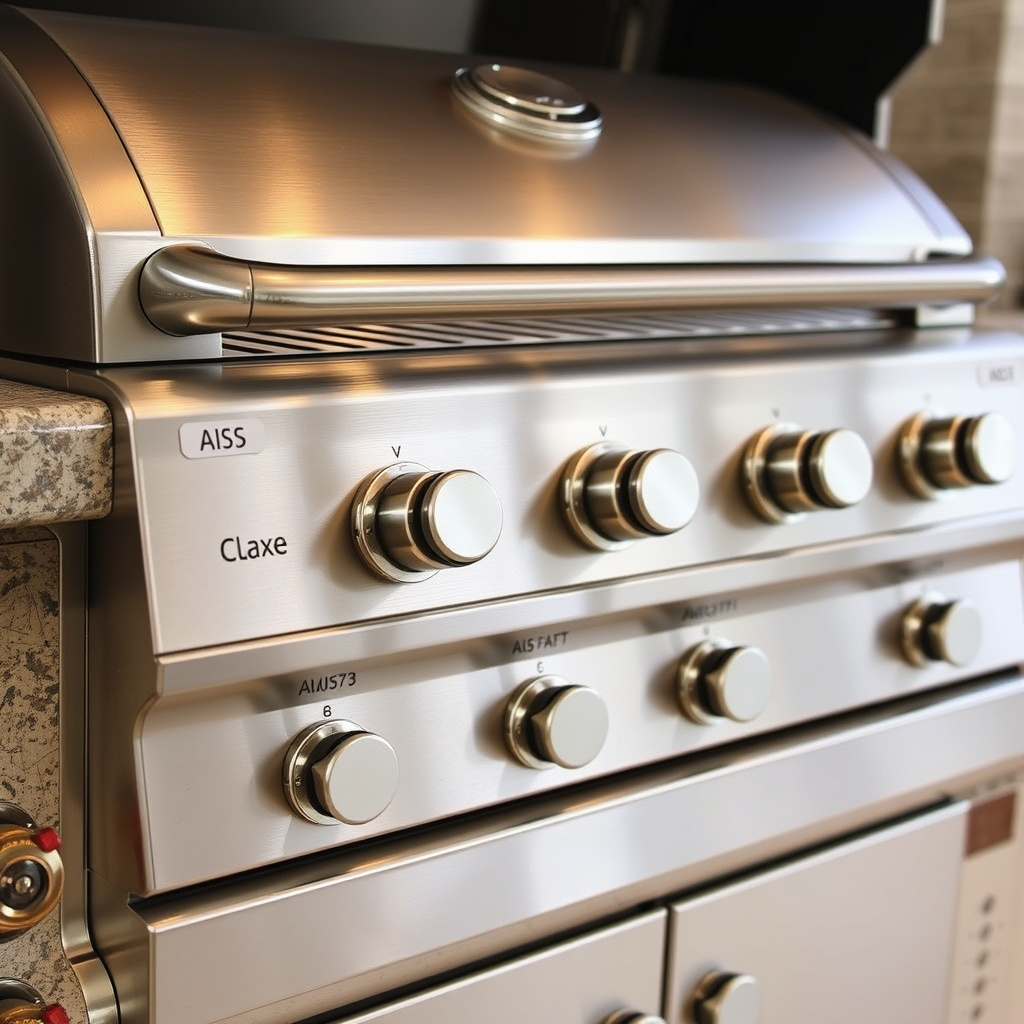
Built in grills can operate on propane gas, natural gas, charcoal, or electricity. Gas grills are popular for their convenience and consistent heat, while charcoal models offer traditional smoky flavors but need more manual effort.
Electric built in grills are less common outdoors but provide ignition ease and are suitable for spaces with electrical hookups and restrictions on open flames.
- Propane: Portable gas option, can be connected permanently.
- Natural Gas: Requires fixed gas line for continuous fuel supply.
- Charcoal: Best for flavor, needs proper venting and cleanup.
- Electric: Easy use, limited outdoor applications.
Size and Burner Configuration
Built in grills come in a range of sizes from compact two-burner units to large multi-burner options exceeding 60 inches, appropriate for cooking for families or large gatherings.
Consider burner types and zones to best suit your cooking style; some models feature infrared burners or side burners for added versatility.
Installation Considerations for Built In Grills
Proper Ventilation and Safety
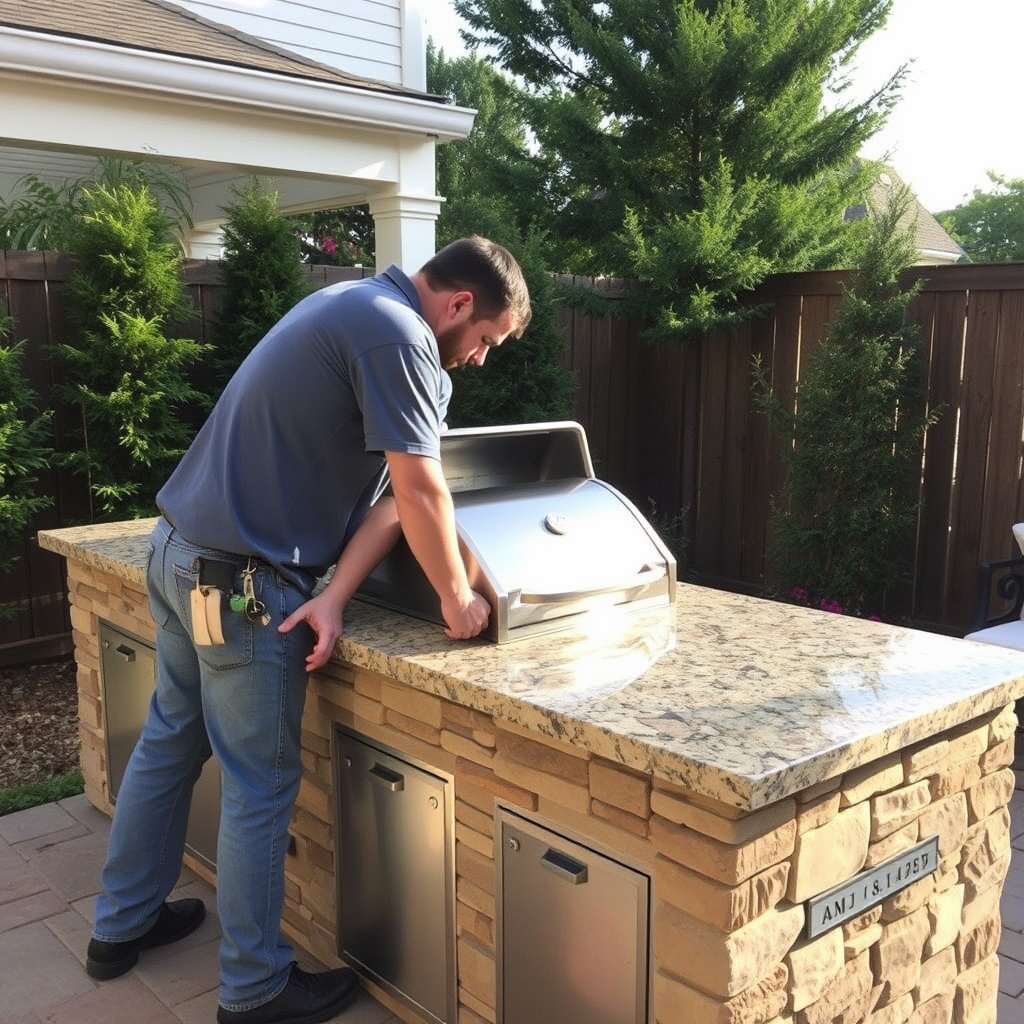
Installing a built in grill requires careful attention to ventilation to prevent gas buildup and ensure smoke dispersal. It’s essential to follow local building codes and manufacturer instructions.
Safety distances from combustible materials and adequate airflow help maintain safe operation and prolong grill life.
- Maintain clearance from walls and cabinets.
- Install ventilation openings or hoods if enclosed.
For more on this, see our related guide: What Is a Natural Gas Grill? Understanding Its Benefits and Features.
Gas Line or Electrical Hookup
Professional installation of gas lines or electrical connections is strongly recommended to comply with code regulations and ensure a reliable, safe setup.
Natural gas installations typically require a licensed plumber, while electric built in grills need proper grounding and weatherproof wiring.
Materials and Build Quality in Built In Grills
Stainless Steel Grades and Benefits
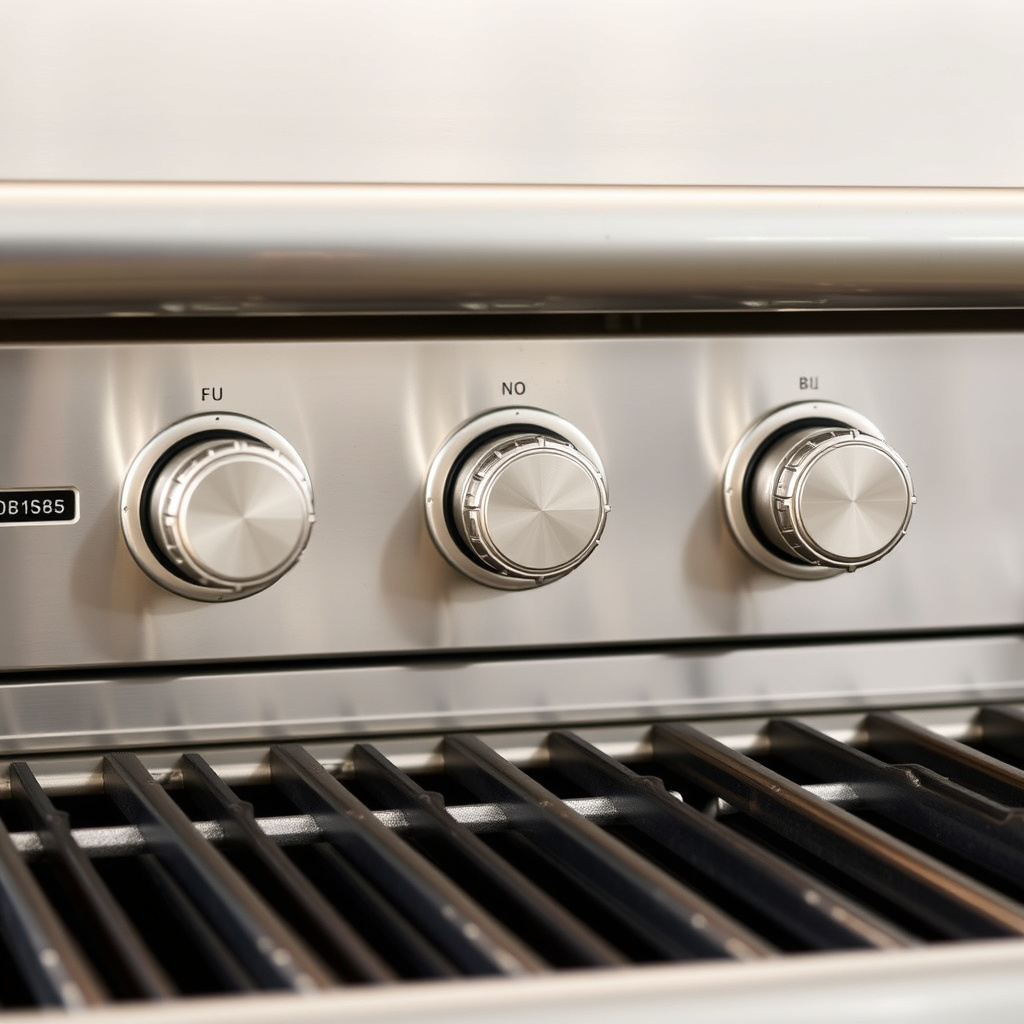
Most built in grills use 304-grade stainless steel, prized for its corrosion resistance and aesthetic longevity. Higher-end grills may use thicker steel gauges for increased durability.
Proper maintenance of stainless steel panels helps maintain appearance and protects against weather damage over time.
Other Materials: Cast Iron and Porcelain Coatings
Cooking grates may be made from cast iron for excellent heat retention or coated with porcelain to reduce sticking and simplify cleaning.
Some grills combine materials to balance durability, heat conduction, and ease of use.
- Cast iron grates require seasoning but offer superior searing.
- Porcelain-coated grates resist rust and are easier to clean.
Maintenance Tips for Long-Lasting Performance
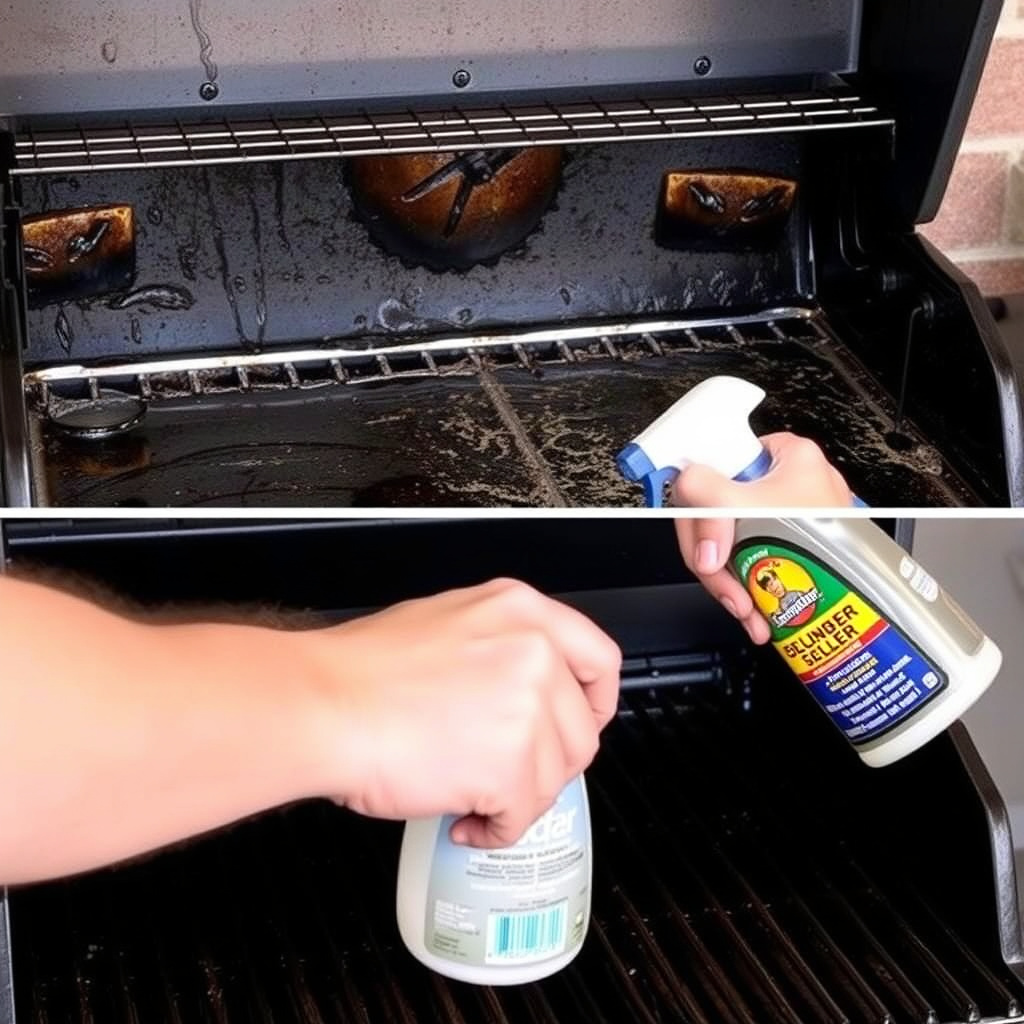
Regular Cleaning and Inspection
Routine cleaning of grill grates, drip trays, and burners prevents grease buildup that can cause flare-ups or damage components.
Seasonal inspection of gas connections, igniters, and structural supports helps catch potential issues early, extending grill lifespan.
- Clean grates after every use.
- Check for rust or wear periodically.
For more on this, see our related guide: What Is a Gravity Fed Grill and How Does It Work?.
Protective Covers and Weatherproofing
Using a weather-resistant cover when the grill is not in use helps shield it from rain, snow, and dust accumulation.
Occasional application of stainless steel polish or sealants can also guard against surface corrosion.
- Choose covers that fit snugly and ventilate moisture.
- Avoid abrasive cleaners that damage finishes.
Built In Grill Accessories and Upgrades
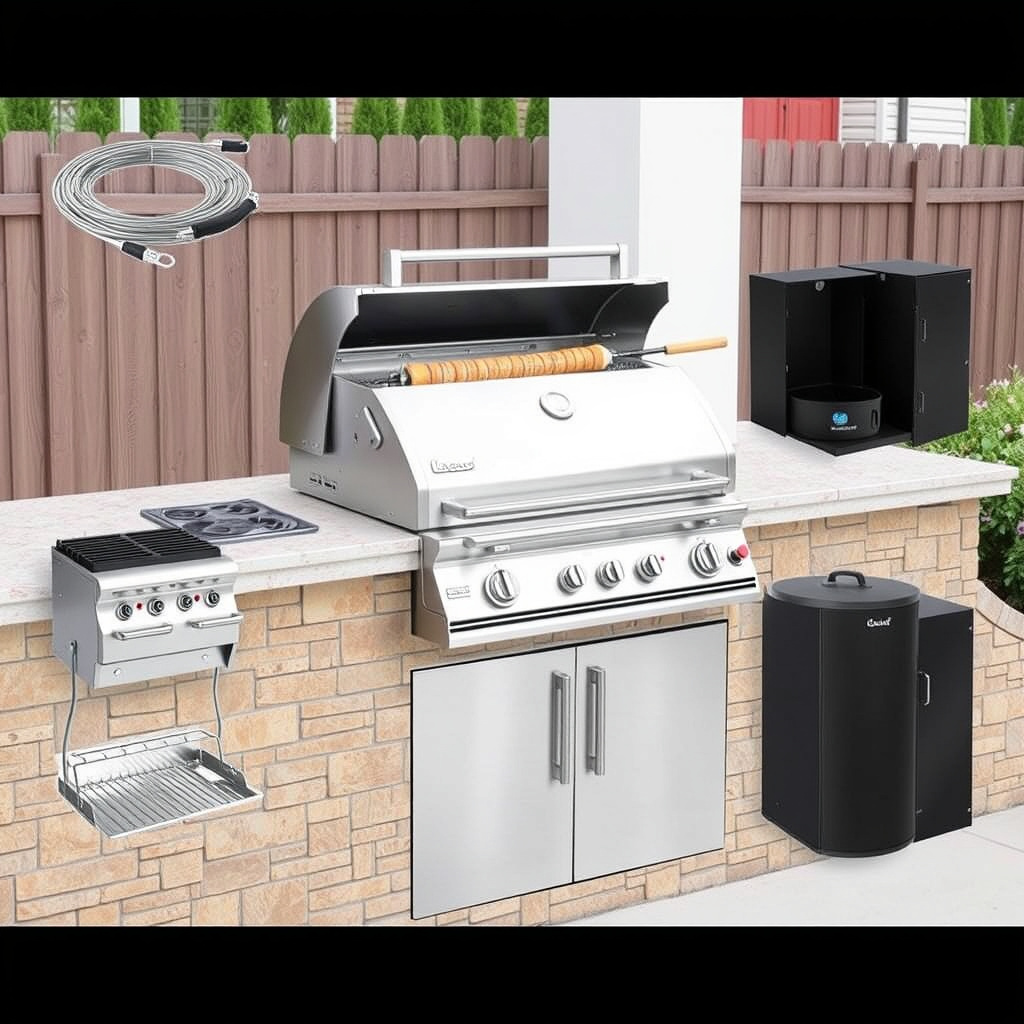
Enhancing Functionality with Accessories
Adding side burners, rotisserie attachments, or searing stations to built in grills can expand cooking options, allowing for diverse meal preparation simultaneously.
Smoker boxes and infrared burners provide specialized cooking methods to create complex flavors.
- Side burners for sauces or side dishes.
- Rotisserie kits for even roasting.
- Smoker boxes for infused smoky taste.
For more details on various outdoor grilling options and history, you can explore this thorough overview on Wikipedia. outdoor grilling options.
Storage and Lighting Options
Built in grill islands often include cabinets or drawers designed specifically for fuel tanks, utensils, and cleaning tools, improving organization and convenience.
Integrated lighting options enhance usability during evening cooking sessions.
Built In Grill Fuel Type Comparison
Here is a comparison of the main fuel types used in built in grills, highlighting their pros and cons for different outdoor cooking needs.
| Fuel Type | Ease of Use | Flavor Impact | Maintenance | Installation Requirements |
|---|---|---|---|---|
| Propane Gas | High – quick startup, adjustable heat | Moderate – clean flavor | Moderate – occasional cleaning | Portable or fixed hookup |
| Natural Gas | Very High – continuous supply, steady heat | Moderate – minimal flavor impact | Low – easy upkeep | Fixed gas line needed |
| Charcoal | Low – longer startup, manual heat control | High – classic smoky taste | High – frequent ash disposal | Requires ventilation, no fixed line |
| Electric | Very High – simple ignition, temperature control | Low – lacks smoky flavor | Low – easy cleaning | Requires electrical outlet |
Frequently Asked Questions
Can I convert a portable grill into a built in grill?
Some portable grills can be adapted for built in installation if the design allows for secure mounting and proper ventilation, but it often requires custom work and professional assessment.
How often should I clean my built in grill?
Cleaning grill grates after each use and performing a thorough cleaning every few months will keep your built in grill functioning well and prevent grease fires.
Are built in grills more expensive than freestanding grills?
Built in grills generally have higher upfront costs due to installation and materials, but they offer long-term value and durability that justify the investment.
Is professional installation necessary for a built in grill?
Professional installation is highly recommended to ensure safety, code compliance, and proper connection of gas or electrical lines.
What maintenance is needed to prevent rust on a built in grill?
Regular cleaning, using stainless steel polish, and covering the grill when not in use helps prevent rust and preserves the grill's appearance.
Key Takeaways
- Built in grills provide durable, integrated outdoor cooking solutions with permanent installation.
- Choosing the right fuel type and size depends on cooking style and outdoor kitchen design.
- Installation requires attention to ventilation, safety, and professional gas or electric hookups.
- Maintenance including cleaning and protective covers extends grill lifespan and performance.
Conclusion
Selecting a built in grill involves balancing several factors including fuel type, size, materials, and installation specifics to create a tailored outdoor cooking environment. Considering how you plan to use the grill—whether for casual family meals or larger entertaining events—helps focus your choices on features that matter most. Functionality combined with style will ensure your built in grill brings lasting satisfaction to your outdoor living space.
For those valuing convenience and consistent performance, natural gas built in grills excel, fitting seamlessly into outdoor kitchens with reliable fuel supply and easy controls. Charcoal built in grills suit enthusiasts who prioritize smoky flavor and traditional grilling methods, though they require more cleanup and ventilation planning. If space and lighting enhancements are important, consider models supporting accessories like side burners and integrated storage to optimize your setup.
The next step is defining your outdoor space’s layout and consulting with installation professionals to confirm gas or electrical supply needs and local codes. Research brands and models matching your preferred features and budget, then plan for regular maintenance to keep your built in grill in top condition. This approach will help you enjoy the full benefits and pleasures of outdoor cooking all year long.



