
A flat top grill is a cooking device featuring a smooth, flat metal surface that heats evenly to cook a variety of foods directly on its surface. Unlike traditional grill grates, it provides a continuous, solid cooking area ideal for searing, frying, or sautéing. The flat surface allows for cooking smaller or delicate ingredients without them falling through gaps and supports a range of cooking styles from breakfast to dinner.
This type of grill is popular in both residential kitchens and professional settings due to its versatility and efficiency. Because it heats evenly and retains heat well, it offers consistent cooking results and makes turning or moving food easy. Additionally, flat top grills accommodate different temperatures on their surface, allowing simultaneous cooking of different foods, which is convenient in busy meal preparations.
In this article, you'll learn the key features of flat top grills, their construction details, how they differ from traditional grills, and the benefits they offer. We'll also explore cooking techniques unique to this appliance and compare popular flat top grill categories to help you decide which one might be right for your culinary needs.
Design and Construction of a Flat Top Grill
Materials and Build Quality
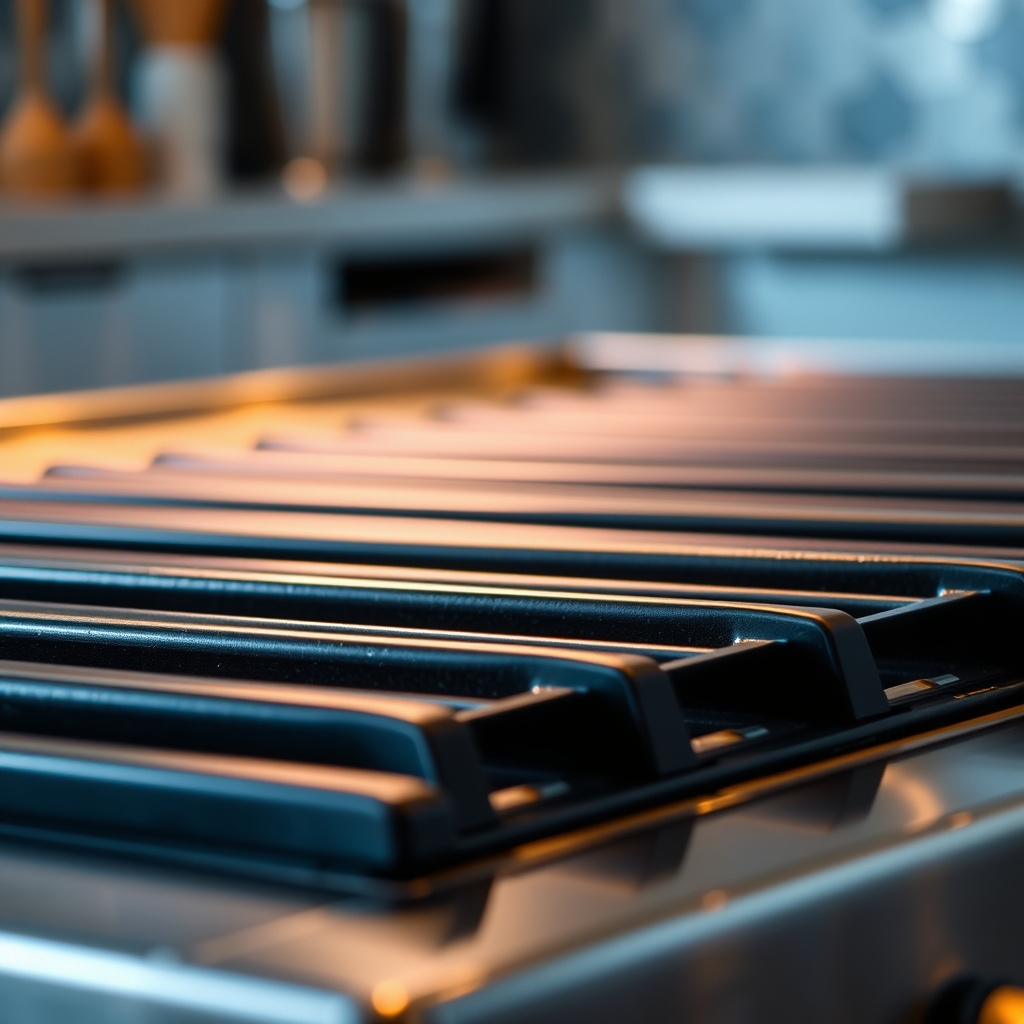
Most flat top grills are made from heavy-gauge steel or cast iron tops to optimize heat retention and even cooking. Steel provides a smooth, durable surface that can resist warping under high heat, while cast iron offers excellent heat distribution but requires regular maintenance to prevent rusting. The base typically includes a sturdy frame with burners powered by gas or electric elements underneath.
The thickness of the cooking surface affects heat stability; thicker plates hold temperature longer but take more time to preheat. Modern flat top grills often have a seasoning or enamel coating to protect against rust and food sticking. The choice of materials and build quality influences the grill's longevity, maintenance needs, and price range.
- Heavy-gauge steel or cast iron surface
- Gas or electric heating options
- Varied thickness for heat retention
- Protective coatings for durability
Burner and Heat Control Systems
Flat top grills feature multiple burners beneath the cooking surface, allowing cooks to create temperature zones on different parts of the grill. This zoned heating enables simultaneous preparation of dishes that require different heat levels, such as searing meat on high heat while gently warming vegetables.
Precise heat control is achieved through adjustable knobs or digital thermostats. More advanced models offer infrared burners or electronic ignition for better accuracy and energy efficiency. Understanding burner configurations is key for matching the grill to specific cooking needs, whether for home use or commercial applications.
- Multiple burners for heat zones
- Adjustable knobs or digital controls
- Infrared and electronic ignition options
- Energy-efficient burner designs
Main Cooking Applications of a Flat Top Grill
Versatility Across Different Dishes
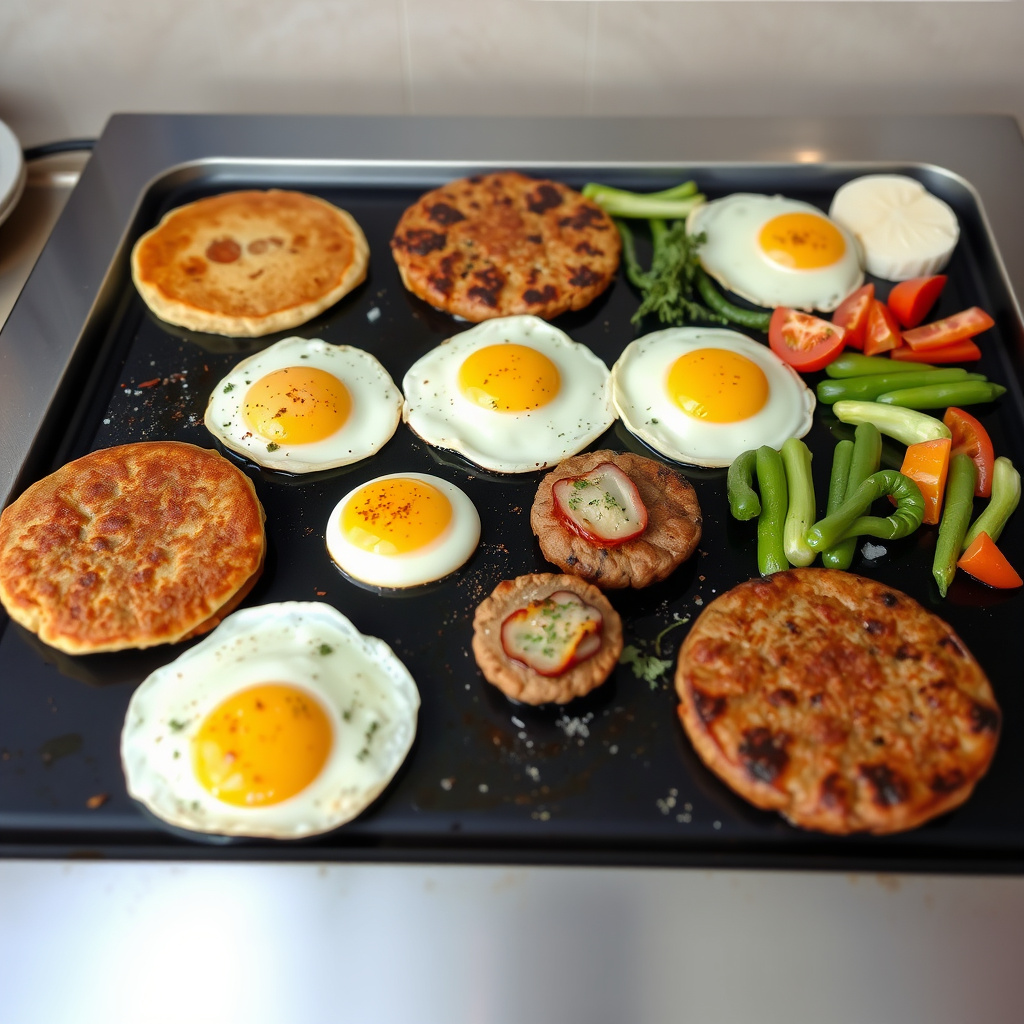
Flat top grills excel at preparing diverse meals, from breakfast staples like eggs and pancakes to lunch and dinner dishes such as burgers, stir-fries, and fajitas. The flat, uninterrupted surface allows for easy flipping, turning, and spreading ingredients evenly without risk of food falling through grates.
Because the surface cooks consistently, delicate foods like seafood and vegetables benefit from gentle heat, while meats can sear effectively to lock in juices. This versatility makes flat top grills an essential tool in diners, food trucks, and home kitchens alike.
For more on this, see our related guide: How to Grill Chicken Breast Perfectly Every Time.
Advantages Over Traditional Grills
Unlike traditional charcoal or gas grills with open grates, flat top grills don’t produce flame flare-ups that can burn food. Their smooth surface also evenly distributes oils and sauces, reducing food sticking and facilitating even browning. They are easier to clean since food residue doesn’t get trapped between grill bars.
Flat top grills allow cooking of smaller or irregular-shaped items that would otherwise fall through grill grates, expanding the range of possible recipes. They also often come with side grease traps or collection systems to improve cleanup and food safety.
Maintenance and Cleaning Tips for Flat Top Grills
Routine Cleaning Practices
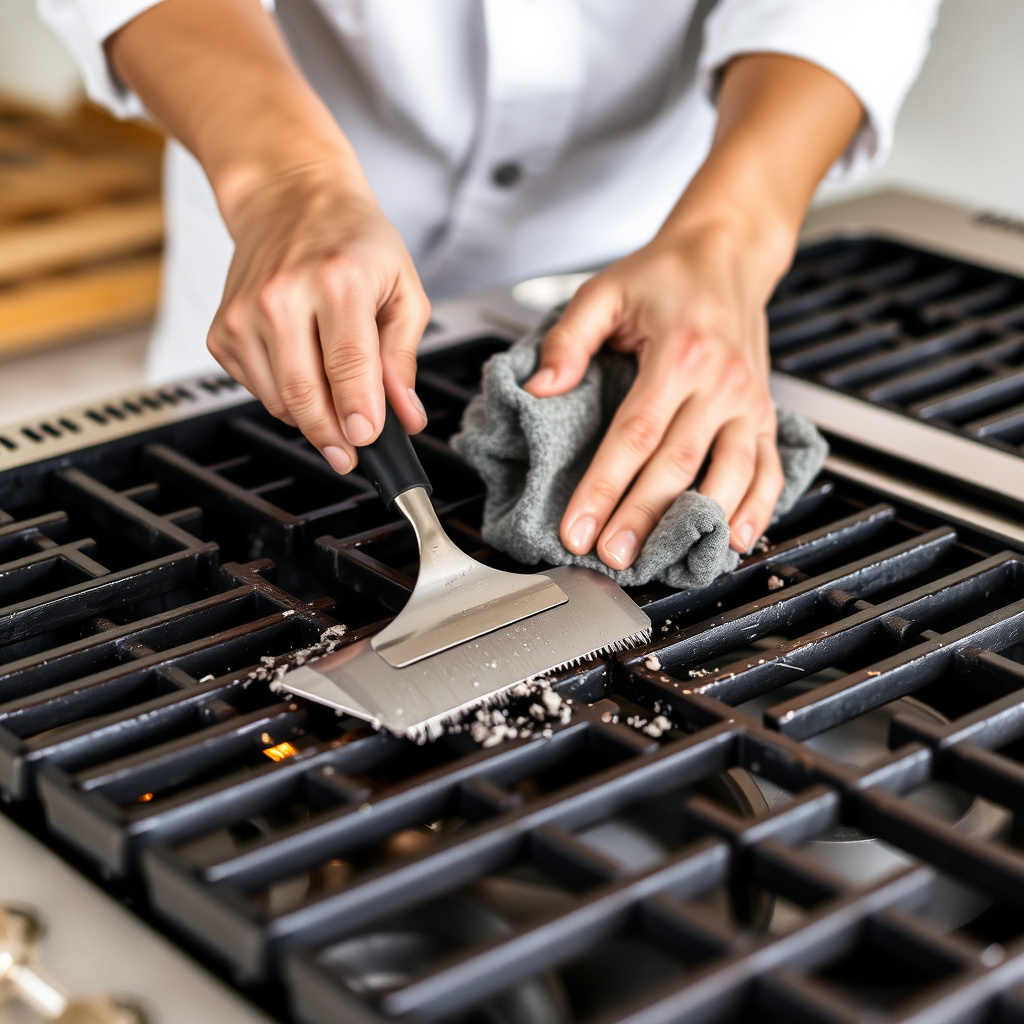
Cleaning is straightforward: after cooking, the grill surface is still warm but not hot, use a metal scraper or spatula to remove food residues. Follow by wiping down with a damp cloth or grill brush to clear grease and particles. Some cooks apply a thin layer of oil afterward to maintain the seasoning and prevent rusting, especially on cast iron surfaces.
Regular cleaning after every use preserves flavor quality and prevents buildup that could cause sticking or uneven heating. Avoid harsh chemicals or abrasive brushes that can damage protective coatings.
- Scrape food residue while warm
- Wipe with damp cloth or grill brush
- Light oiling to maintain seasoning
- Avoid strong chemicals or abrasives
Deep Cleaning and Maintenance
Periodically, perform a deeper clean by heating the grill to burn off residues, then using specialized grill cleaners if recommended by the manufacturer. Check burner jets and gas hoses for blockages or wear if gas-powered, and replace any faulty parts to maintain safety and performance.
Proper storage during off-seasons, such as covering the grill to protect against moisture and dust, extends the lifespan. Inspect the surface regularly for scratches or rust spots and re-season as needed to keep cooking surfaces in prime condition.
- Heat clean for residue burn-off
- Inspect and maintain burner parts
- Cover and store properly when not in use
- Reseason cast iron as needed
Choosing the Right Flat Top Grill for Your Needs
Home vs Commercial Use Models
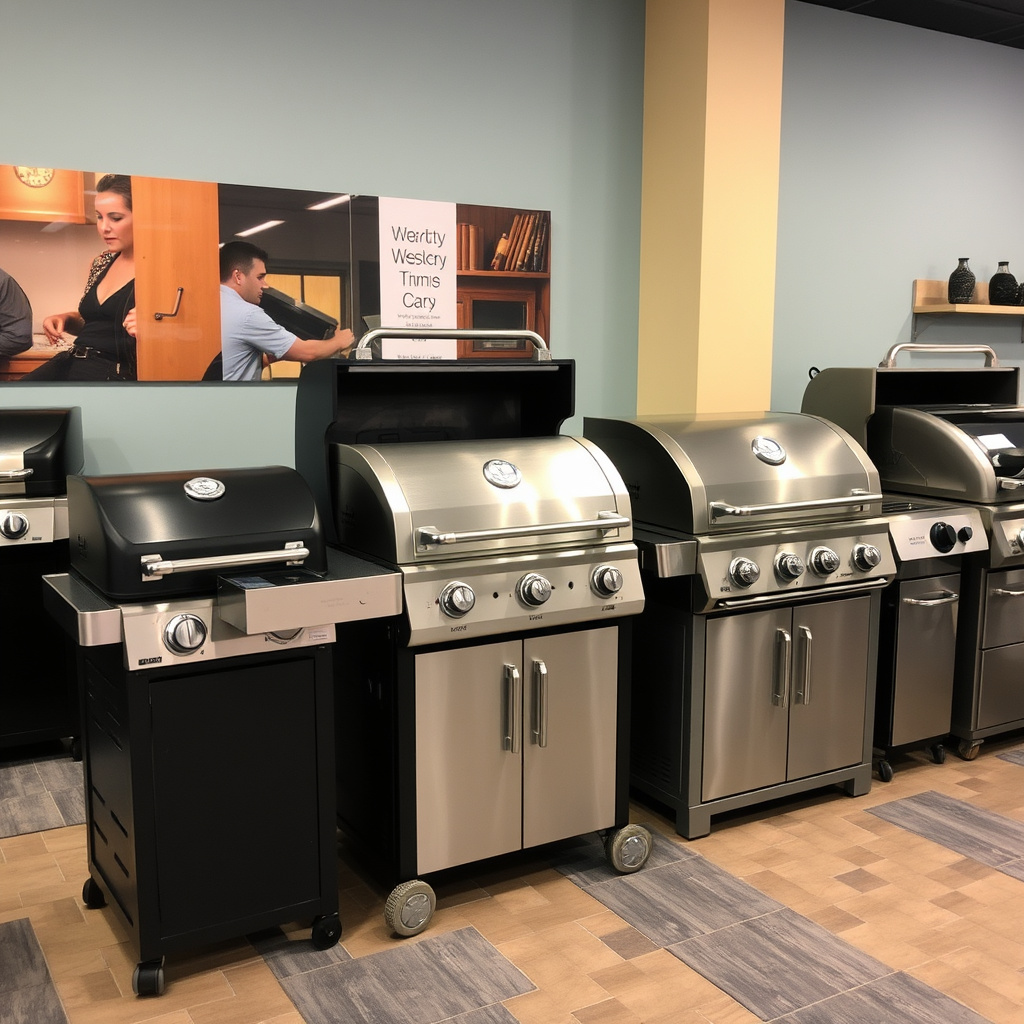
Flat top grills for home kitchens generally feature compact sizes with simpler burner setups and often electric heating options for indoor use. These models prioritize space efficiency, ease of cleaning, and moderate heat output suitable for family meals.
Commercial units are larger, with multiple high-output burners, heavier-duty construction, and features designed for heavy continuous use, such as grease management systems and durable knobs. Choosing based on where and how frequently the grill will be used helps maximize value and lasting performance.
- Home models tend to be compact and electric-friendly
- Commercial models have multiple high-output burners
- Commercial grills include advanced grease management
- Select size and power based on usage frequency
For more on this, see our related guide: How to Grill Burgers Perfectly Every Time.
Fuel Types: Gas, Electric, and Propane
Gas-powered flat top grills offer quick heating, sustained high temperatures, and are common in commercial kitchens where natural gas lines are available. Propane versions provide portability and can be used outdoors where hookups are unavailable.
Electric flat top grills are convenient for indoor use, producing even heat without emissions or open flames. Selection depends on your setting, fuel availability, and desired control over cooking temperatures.
- Gas grills for fast, high heat and fixed locations
- Propane grills for portable outdoor cooking
- Electric grills for indoor convenience and no open flames
- Consider fuel availability and installation needs
Cooking Techniques on a Flat Top Grill
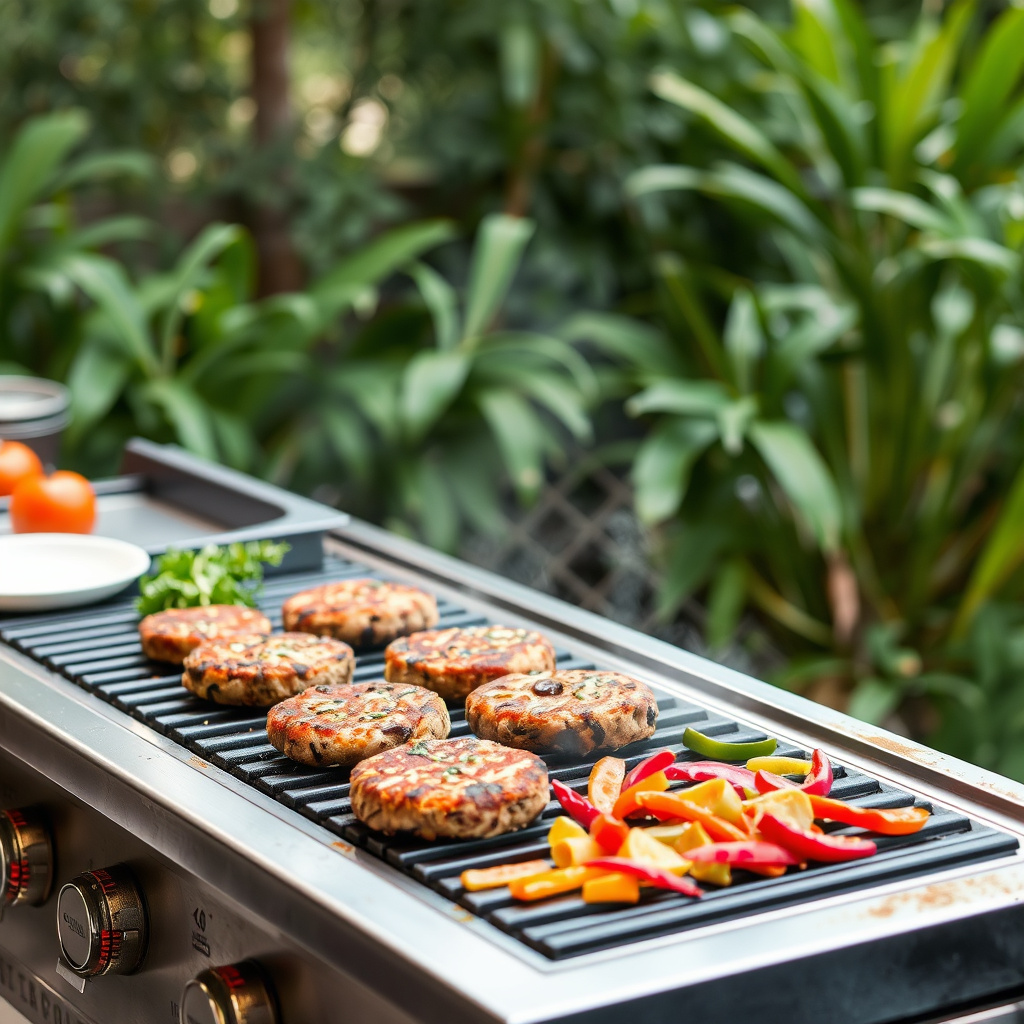
Effective Searing and Browning
Achieving a good sear is easier on a flat top grill due to the consistent, direct heat across its smooth surface. Preheating the grill well ensures the surface is hot enough to create the Maillard reaction that browns meats and vegetables beautifully without sticking.
Season your food and grill surface lightly with oil to avoid sticking and flip at the right moments for even crust development. Mastering these techniques enhances flavor and texture for steaks, fish, and burgers.
- Preheat grill thoroughly before cooking
- Use light oil to prevent sticking
- Flip food intentionally to develop crust
- Control heat zones for delicate items
For more technical background and history, visit the flat top grill overview on Wikipedia. Flat top grill overview on Wikipedia.
Simultaneous Multi-Item Cooking
One of the benefits of a flat top grill is its ability to hold distinct temperature zones, allowing cooking of different items simultaneously. For example, you can sear chicken on a high-heat zone while gently warming tortillas or sautéing vegetables on a cooler section.
This technique speeds up meal preparation and optimizes the surface usage, making it ideal for busy cooking scenarios such as brunch services or family dinners requiring multiple dishes.
- Divide grill surface into heat zones
- Cook high-heat items alongside gentle warming foods
- Monitor food placement and timing carefully
- Use different spatulas to avoid cross-contamination
Flat Top Grill Types Comparison
Here's a comparison of popular flat top grill types categorized by fuel, size, and typical use to help decide which fits your cooking style.
| Type | Fuel Source | Surface Size | Best For | Price Range |
|---|---|---|---|---|
| Compact Electric | Electric | 12-18 inches | Small kitchens, indoor use | $100-$300 |
| Portable Propane | Propane | 18-24 inches | Outdoor cooking, mobility | $200-$500 |
| Commercial Gas | Natural Gas | 24-48 inches | Restaurants, heavy-duty cooking | $1000-$4000 |
| Cast Iron Home Grill | Gas or Electric | 20-30 inches | Versatile home cooking | $400-$800 |
| Tabletop Flat Top | Electric or Propane | 10-15 inches | Small meals, quick snacks | $80-$200 |
Frequently Asked Questions
Can you cook everything on a flat top grill?
While highly versatile, some foods requiring open flames or char-grill marks might not be ideal on a flat top grill. However, a large range of dishes from eggs to steaks and stir-fries can be cooked effectively.
How do you clean a flat top grill after use?
The best method is to scrape off food residue while the surface is warm, then wipe with a damp cloth. Applying a thin oil layer afterward helps protect the surface.
Are flat top grills suitable for indoor use?
Electric flat top grills are well-suited for indoor cooking due to no open flames or emissions, but gas or propane models require proper ventilation and outdoor use.
What is the difference between a flat top grill and a griddle?
A flat top grill is essentially a thick metal cooking surface that can be heated by different fuel sources and used like a griddle. The terms are often used interchangeably, but flat top grills usually refer to larger, more robust units.
How important is seasoning a cast iron flat top grill?
Seasoning is vital for cast iron flat tops to create a natural, non-stick surface and prevent rust. Regular oiling and heating maintain this protective layer.
Key Takeaways
- Flat top grills feature smooth metal surfaces for versatile, even cooking.
- Construction materials and burner options affect performance and maintenance.
- They excel in cooking varied dishes simultaneously with distinct heat zones.
- Choosing the right model depends on fuel type, size, and intended use.
Conclusion
Understanding what a flat top grill is and how it functions helps in selecting the right appliance that matches your cooking habits and space. Its smooth heated surface offers versatility beyond traditional grills, making it a valuable tool for anyone looking to expand their culinary options. By factoring in build materials, burner configurations, and fuel types, you can identify a grill that offers reliable, consistent heat and suits indoors or outdoors usage.
For home cooks wanting convenient breakfasts and simple family dinners, compact electric or cast iron flat top grills provide ease of use and maintenance. Outdoor enthusiasts or food vendors may prefer portable propane models for mobility, while commercial kitchens benefit from larger, multi-burner gas-powered units designed for continuous high-volume cooking. Each option offers distinct strengths tailored to different cooking environments and meal preparation needs.
If you're looking to add versatility and efficiency to your kitchen, exploring flat top grills is worthwhile. Start by evaluating your cooking frequency, meal types, and available fuel sources. Then consider tested models from reputable brands in your price range. With the right choice, a flat top grill can be an indispensable cooking surface that elevates the quality and variety of meals you prepare.



