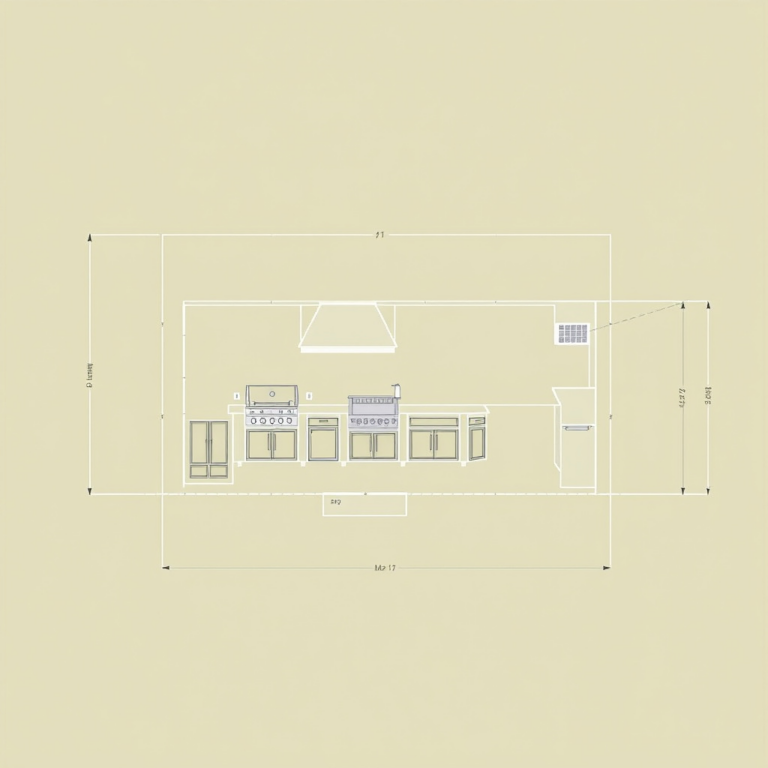
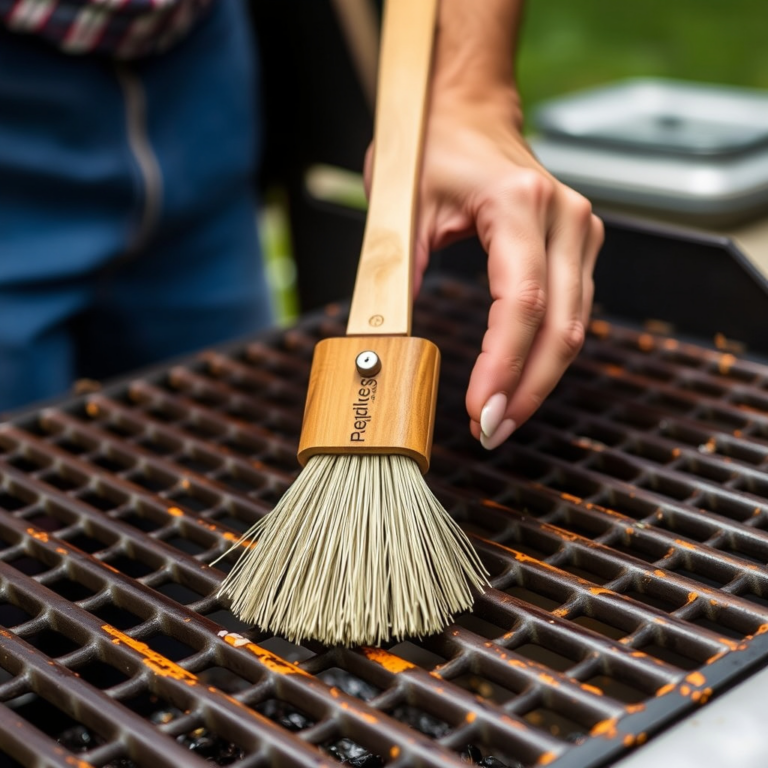
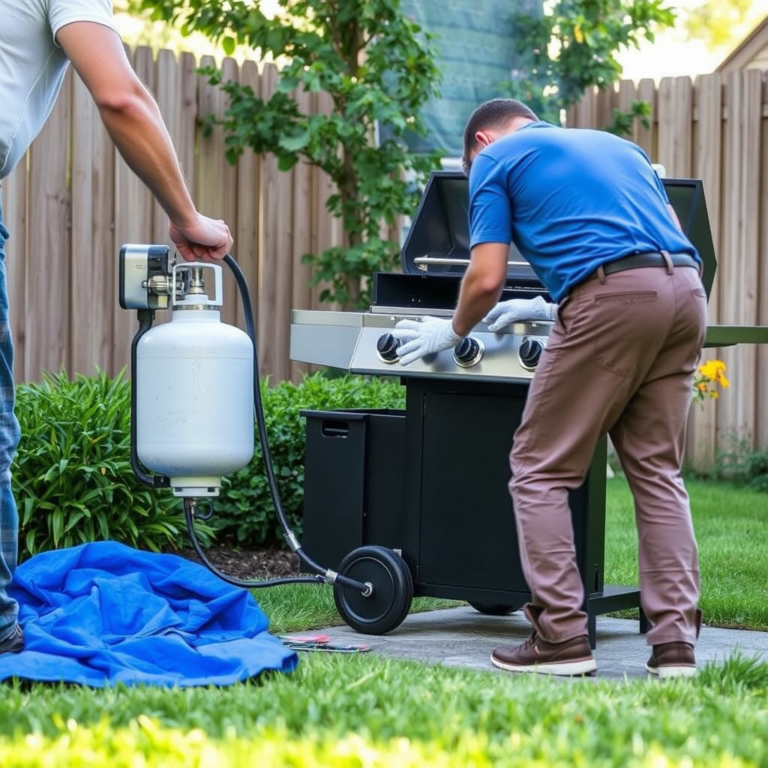
A griddle is a flat cooking surface used for frying, searing, and grilling various foods. It differs from a standard frying pan by offering a larger, flat area that allows cooking multiple items at once. Common in both commercial and home kitchens, griddles come in electric, stovetop, and outdoor designs.
Griddles matter because they provide even heat distribution and accommodate foods like pancakes, bacon, burgers, and vegetables all at once. Their large surface makes cooking quick and efficient while enabling consistent browning and caramelization, which stovetop pans sometimes struggle to achieve.
This article will explore different types of griddles, key features to look for, cooking tips, maintenance advice, and comparisons to help you choose the right griddle for your needs and boost your culinary results.
Types of Griddles and Their Uses
Electric Griddles
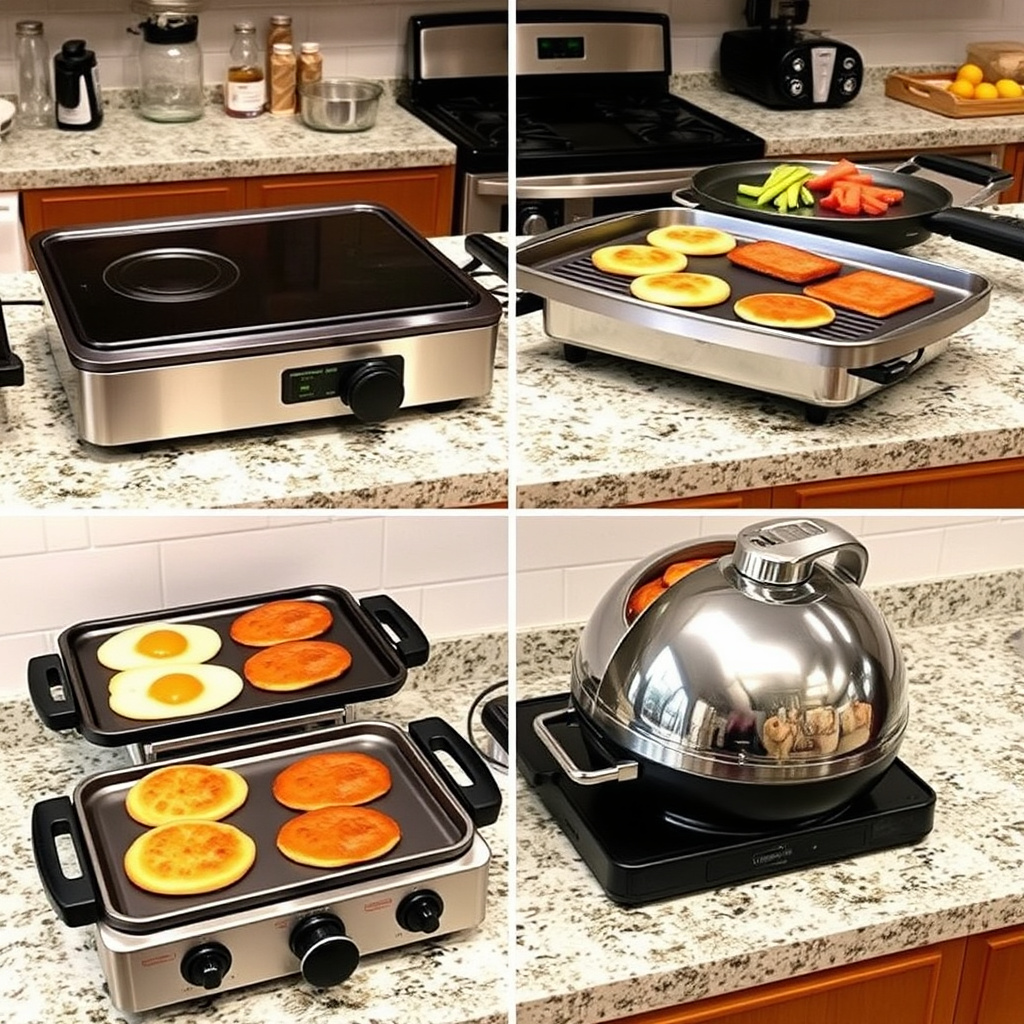
Electric griddles offer a convenient flat surface with adjustable temperature settings controlled via a built-in thermostat. They typically plug into a standard outlet and heat evenly across their surface, ideal for indoor breakfast cooking like pancakes and eggs.
Because they are often nonstick, electric griddles are easy to clean and usually feature drip trays for excess grease. They come in small to extra-large sizes depending on cooking needs and kitchen space.
- Even heating across the surface
- Adjustable temperature control
- Nonstick coating
- Drip tray for grease
Stovetop Griddles
Stovetop griddles sit directly on gas or electric burners and can be made of cast iron, aluminum, or steel. They often have ridged or smooth surfaces and provide versatility because you can move them between burners or take them off to plate food.
Cast iron stovetop griddles excel at retaining and radiating heat, making them great for searing steaks or grilling sandwiches. However, they require seasoning and careful maintenance to prevent rust.
- Fits over one or two burners
- Material options: cast iron, aluminum, steel
- Versatile cooking surfaces
- Requires seasoning and care (cast iron)
Materials and Construction of Griddles
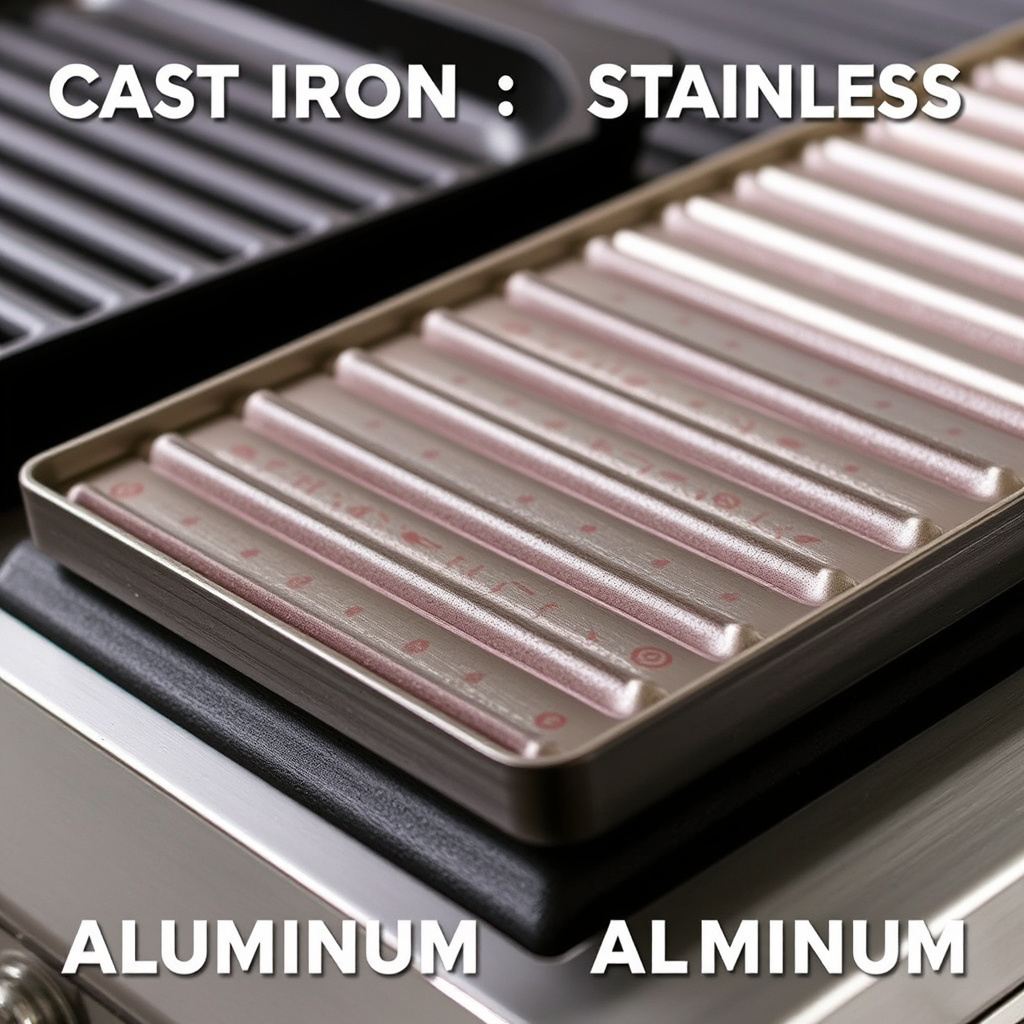
Cast Iron Griddles
Cast iron griddles are prized for heat retention and durability. Once properly seasoned, they develop a natural nonstick surface that can last decades. They excel at high-temperature searing and even browning.
Their heavy weight and need for maintenance may be drawbacks for some users. However, they’re ideal for those who value traditional cooking techniques and longevity.
- Excellent heat retention
- Long-lasting if maintained
- Natural nonstick with seasoning
- Heavy and requires upkeep
For more on this, see our related guide: How to Season a Blackstone Griddle for Perfect Non-Stick Cooking.
Aluminum and Stainless Steel Griddles
Aluminum griddles heat quickly and are lighter than cast iron, often with nonstick coatings for easier release and cleaning. Stainless steel griddles offer durability and resist rust but may have hotspots without a layered base.
Both types are popular in electric griddles and stovetop pans designed for quick meals and easier maintenance.
- Lightweight and heats up fast (aluminum)
- Durable and rust-resistant (stainless steel)
- Often includes nonstick coatings
- May have uneven heating without layering
How to Use a Griddle Effectively
Cooking Techniques on Griddles
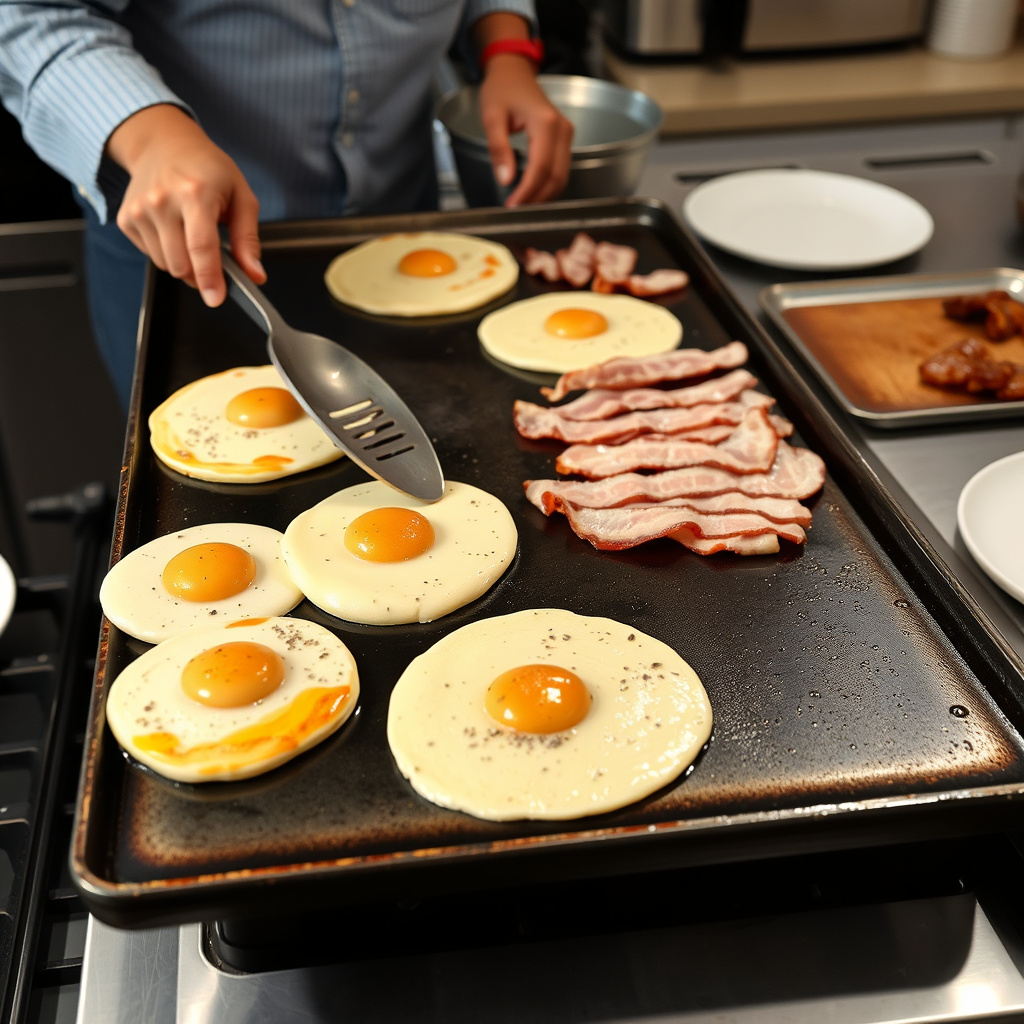
Griddles allow simultaneous cooking of multiple foods with direct contact to a consistent heat source. Common foods include breakfast staples like eggs, pancakes, and sausages, as well as burgers, sandwiches, and grilled vegetables.
Maintaining medium heat allows even cooking while avoiding burning. Preheating the griddle before adding food helps in achieving the right sear or browning.
- Cook multiple items simultaneously
- Preheat before cooking
- Use medium heat for even results
- Perfect for breakfast and grilling
Tips to Prevent Food from Sticking
To prevent sticking, apply a light coat of oil or butter on the griddle surface after preheating. Using nonstick surfaces or well-seasoned cast iron also reduces sticking tendencies.
Avoid moving delicate foods like pancakes too early; wait until edges look set. Cleaning the griddle promptly after use avoids residue buildup that can cause sticking on future cooking sessions.
- Preheat and oil the surface
- Use seasoned or nonstick griddles
- Wait to flip delicate foods until edges firm
- Clean immediately after cooking
Maintenance and Cleaning of Griddles
Cleaning Electric Griddles
Most electric griddles have removable plates or surfaces that make cleaning simple. Always unplug before cleaning and let cool. Use warm, soapy water and nonabrasive sponges to wipe off grease and food residue.
Avoid immersing the entire unit in water. Regular cleaning prevents buildup that affects heat transfer and longevity.
- Unplug and cool before cleaning
- Use warm soapy water with soft sponge
- Do not submerge electric parts
- Clean regularly to maintain performance
For more on this, see our related guide: What Is a Flat Top Grill? Understanding Its Uses and Benefits.
Maintaining Cast Iron Griddles
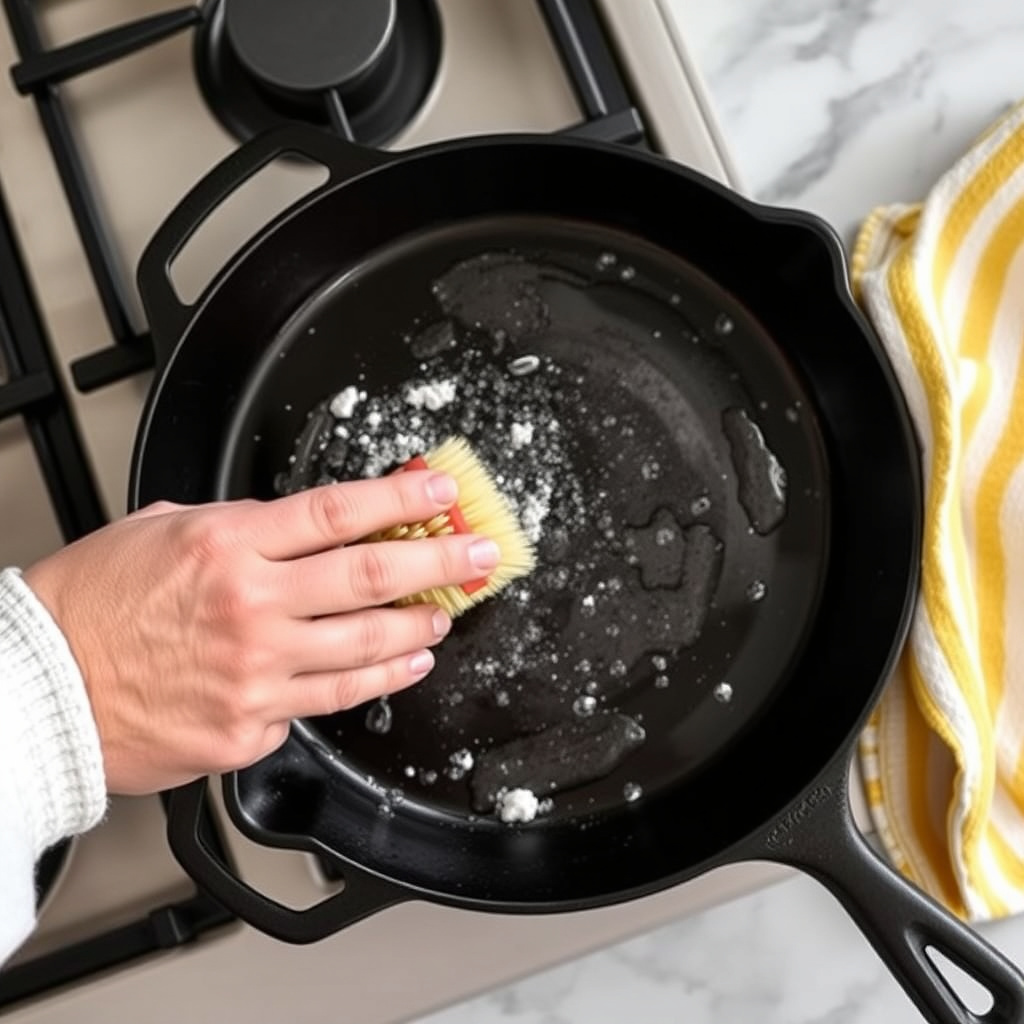
After cooking, wipe cast iron griddles with a paper towel, then rinse with hot water without soap to keep seasoning intact. Dry them thoroughly to prevent rust, then apply a thin oil layer before storage.
If rust appears, scrubbing and reseasoning the surface restores cooking quality. Avoid soaking cast iron or using harsh detergents that strip seasoning.
- Wipe and rinse with hot water (no soap)
- Dry completely to avoid rust
- Apply light oil coat before storing
- Reseason if rust develops
Comparing Griddles to Other Cookware
Griddles vs. Frying Pans
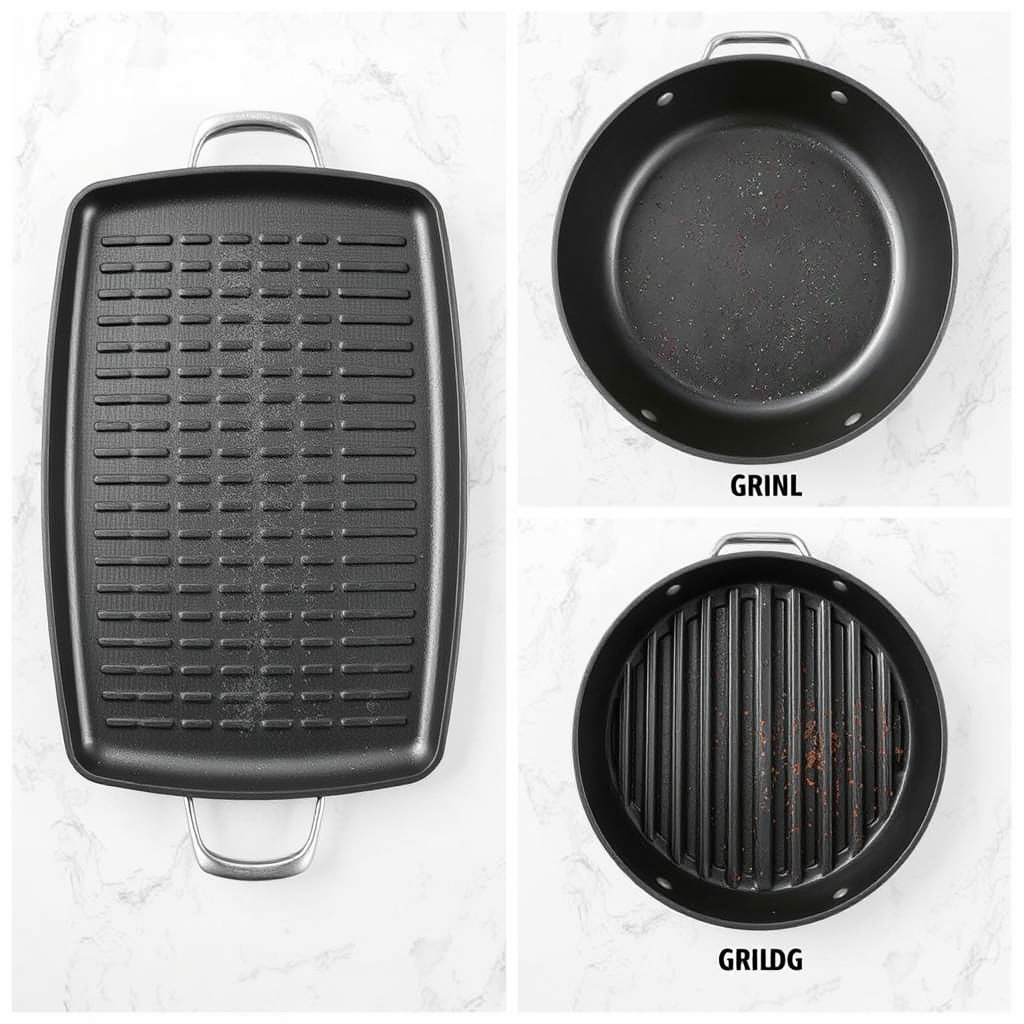
Griddles offer a larger flat surface than frying pans, making them better for cooking multiple items at once. Frying pans provide deeper sides and are better suited for dishes with sauces or liquids.
While frying pans excel for sautéing or frying single ingredients, griddles provide efficiency for breakfasts and grilling multiple foods simultaneously.
- Griddles: large, flat surface for multiple items
- Frying pans: higher sides, suited for sauces
- Griddles ideal for breakfast and grilling
- Pans better for frying single dishes
For additional details about griddles, the Griddle page on Wikipedia provides a thorough overview. Griddle page on Wikipedia.
Griddles vs. Outdoor Grills
Outdoor grills use open flames with grates allowing smoke flavor and charring, while griddles provide a flat surface without direct flame, resulting in even cooking without grill marks or smoky taste.
Griddles are perfect indoors and great for delicate foods, whereas grills excel at smoky barbecue flavor but require outdoor space and weather considerations.
- Griddles: flat, even heat, indoor-friendly
- Grills: open flame, smoky flavor, outdoor use
- Griddles prevent flare-ups and sticking
- Grills create distinctive char and smoke
Griddle Types Comparison
Here’s a comparison of popular griddle types highlighting their features, pros, and best uses to help you decide.
| Type | Heat Source | Material | Size Range | Best For |
|---|---|---|---|---|
| Electric Griddle | Electric | Aluminum/Stainless Steel with nonstick | Medium to large | Indoor breakfast and multitasking |
| Stovetop Cast Iron | Gas/Electric stove | Cast Iron | Small to medium | Searing, grilling, long-lasting use |
| Stovetop Aluminum | Gas/Electric stove | Aluminum with nonstick | Small to medium | Quick cooking, lighter weight |
| Outdoor Griddle | Gas/Propane/Charcoal | Steel, cast iron | Large | Outdoor gatherings and grilling variety |
Frequently Asked Questions
What foods can I cook on a griddle?
Griddles are versatile and ideal for cooking pancakes, eggs, bacon, burgers, grilled sandwiches, vegetables, and even some seafood.
How do I clean a cast iron griddle?
After use, wipe off residue, rinse with hot water without soap, dry thoroughly, and apply a thin coat of oil to maintain seasoning and prevent rust.
Can I use a griddle on any type of stove?
Most stovetop griddles are compatible with gas and electric ranges, but induction stoves require griddles made of magnetic materials like cast iron or certain stainless steels.
Are electric griddles easy to store?
Electric griddles are generally compact and have flat profiles, making them easy to store in cabinets or countertops when not in use.
Do griddles require oil for cooking?
Using a small amount of oil or butter helps prevent sticking and enhances browning on most griddles, especially those without nonstick coatings.
Key Takeaways
- A griddle is a flat cooking surface ideal for multiple foods at once
- Electric and stovetop griddles offer different heating and cleaning benefits
- Cast iron griddles provide superior heat retention but need seasoning
- Proper use and maintenance extend the life and performance of any griddle
Conclusion
Understanding what a griddle is and how it functions helps clarify whether it fits your cooking style and needs. This flat surface cookware excels at cooking multiple foods quickly and evenly, suitable for breakfast, grilling, and simple searing. Choosing the right griddle depends on your preference between electric convenience, the traditional benefits of cast iron, or portability for outdoor use. Consider how you plan to use the griddle and your kitchen setup to find the best match.
If you often cook breakfast foods like pancakes and eggs indoors, an electric griddle with nonstick surfaces offers easy temperature control and cleaning. For those who enjoy high-heat searing and don’t mind maintenance, a cast iron stovetop griddle delivers unmatched heat retention and depth of flavor. Outdoor enthusiasts may prefer a large steel griddle designed for gas or propane, perfect for gatherings. Aluminum stovetop models strike a balance between weight and quick heating for everyday meals.
After selecting a griddle, make sure to follow proper cooking techniques such as preheating, using moderate fats to prevent sticking, and avoiding overcrowding the surface. Regular cleaning based on the type of griddle extends its life and performance. With these guidelines, using a griddle can enhance your cooking efficiency and enjoyment, letting you prepare a wide range of dishes with consistent results.