
Grilling chicken breast well means balancing heat and timing to keep the meat juicy and tender without drying it out. Start by flattening the chicken to an even thickness and using medium heat so it cooks through evenly. Monitor internal temperature closely, aiming for 165°F to ensure safety without overcooking.
Chicken breast is one of the leanest cuts, which makes it prone to drying out on the grill. That’s why getting the technique right matters — it impacts texture and flavor more than seasoning alone. Proper grilling results in a golden crust while preserving moistness inside.
This article covers the entire process from prepping your chicken breast, choosing the right heat and grill type, to marinating options, flipping technique, and resting methods. By understanding each step, you’ll avoid common pitfalls and enjoy reliably delicious grilled chicken every time.
Preparing Chicken Breast for Grilling
Trimming and Flattening
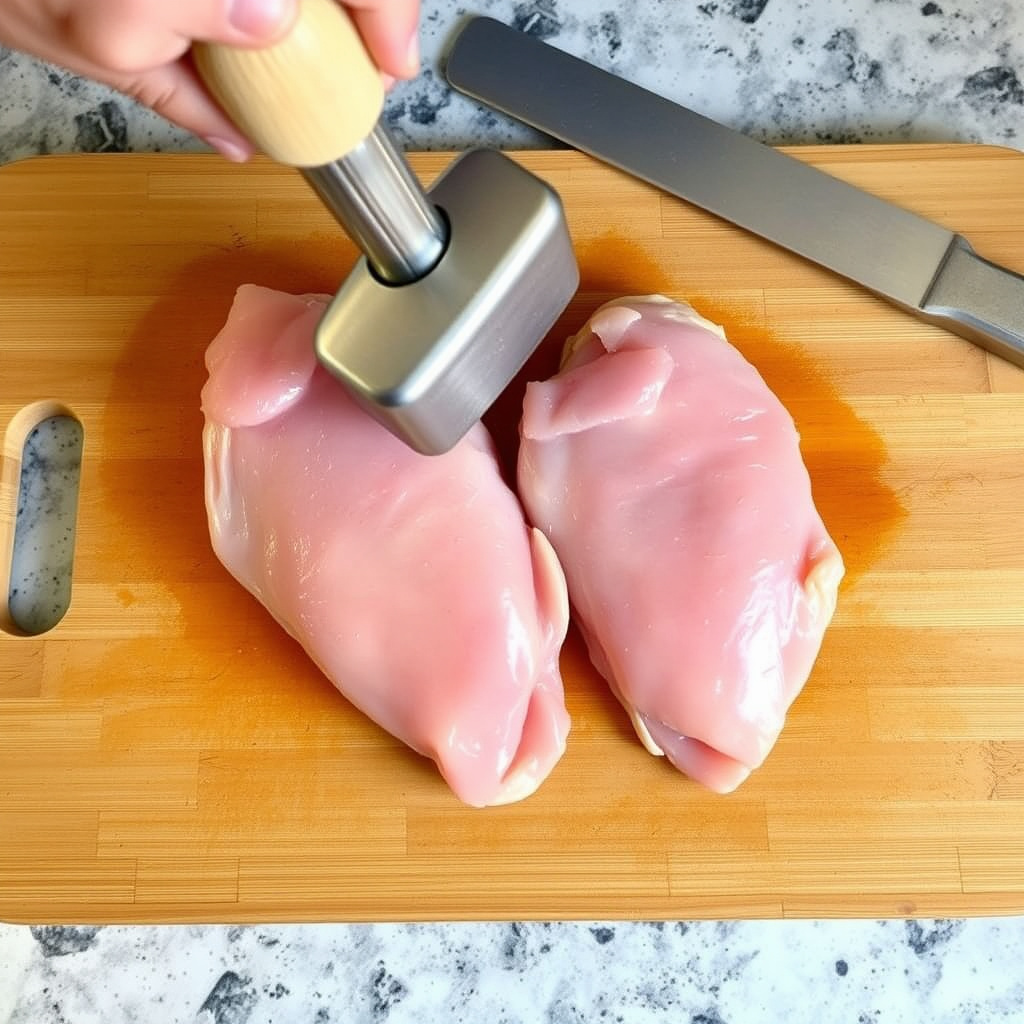
Before placing chicken breasts on the grill, trim off any excess fat or cartilage. Then, pound them to a uniform thickness, ideally around 3/4 inch. This promotes even cooking and prevents thin edges from drying out before the center is cooked.
Flattening chicken breasts can be done using a meat mallet or rolling pin. Cover the meat with plastic wrap to avoid splattering, and work gently to avoid tearing the fibers.
- Trimming improves texture and removes tough bits
- Uniform thickness ensures consistent cooking
- Use plastic wrap to keep surfaces clean
Selecting Marinades and Seasonings
Marinating the chicken breast enhances flavor while helping it stay moist during grilling. Acidic marinades with lemon, vinegar, or yogurt break down proteins slightly, tenderizing the meat.
For best results, marinate your chicken for at least 30 minutes up to 4 hours. Avoid salty marinades that can dry the meat if left too long. Use herbs, spices, and garlic to add layers of flavor.
- Use acidic ingredients for tenderizing
- Limit marination time to prevent drying
- Incorporate herbs for aroma and taste
Grilling Techniques to Master Chicken Breast
Choosing Heat Levels and Grill Types
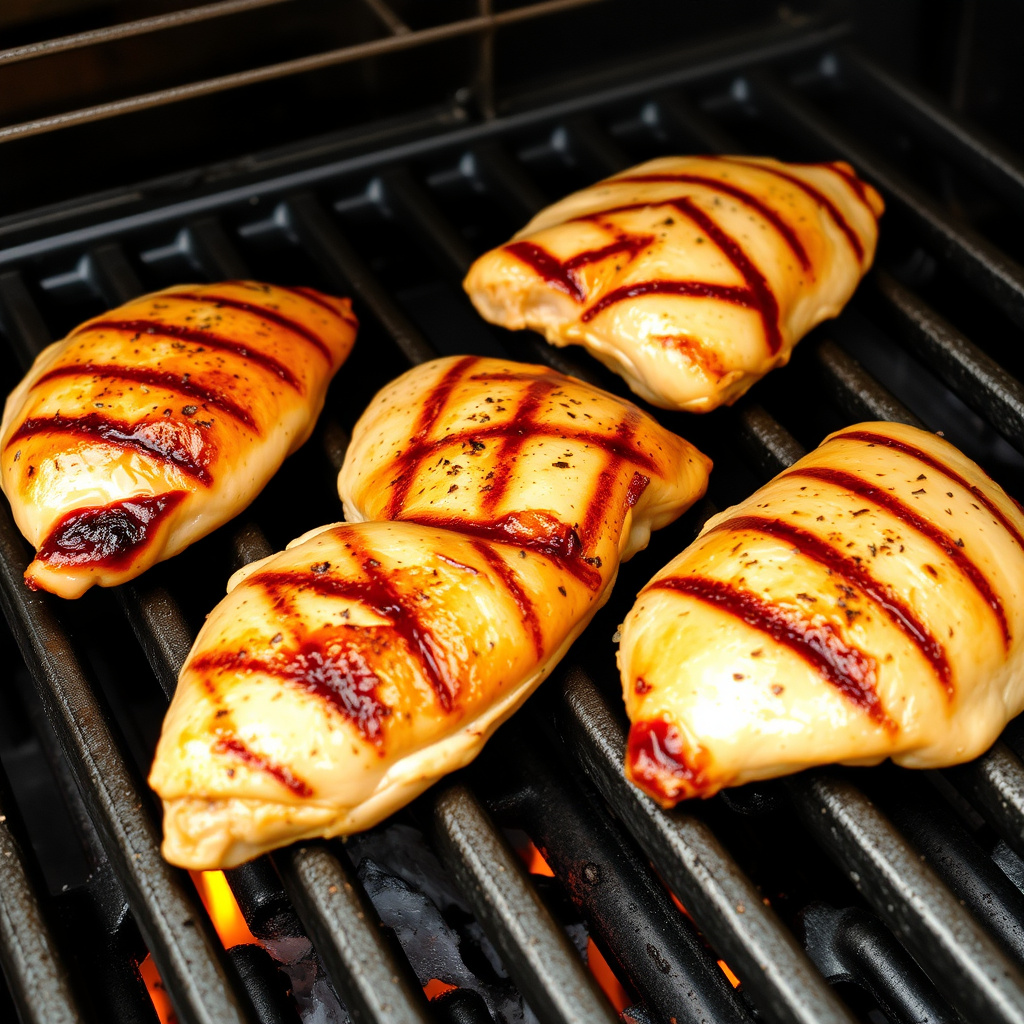
Medium heat (about 350°F to 400°F) is ideal for grilling chicken breast, allowing the exterior to brown without burning while cooking the interior thoroughly. High direct heat risks charring the surface before the inside is done.
Gas grills provide precise temperature control, while charcoal grills impart a smoky flavor but require more attention to heat zones. Use two-zone setups on charcoal grills: one side for direct heat and the other for indirect cooking.
- Maintain medium heat for even cooking
- Gas grills offer easier regulation
- Charcoal adds smoky flavor with two-zone setup
For more on this, see our related guide: How to Grill Chicken Perfectly Every Time: A Complete Guide.
Proper Flipping and Timing
Grill chicken breast for about 6-7 minutes on the first side, then flip once to finish. Avoid flipping multiple times to build a good sear and avoid moisture loss.
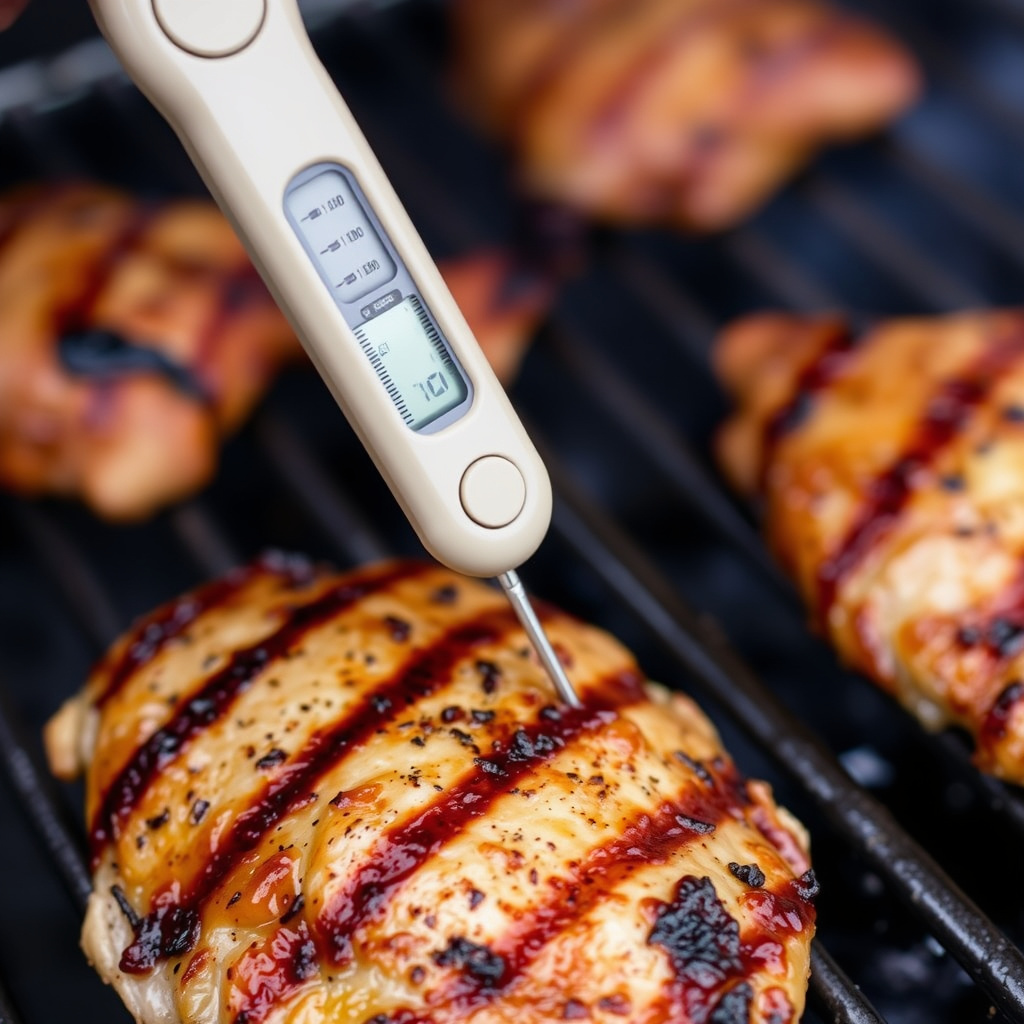
Use a thermometer inserted into the thickest part to check doneness. The target internal temperature is 165°F. Once reached, remove the chicken promptly to prevent overcooking.
- Flip once during grilling
- Grill 6-7 minutes per side
- Use thermometer for precise doneness
Resting and Serving Grilled Chicken Breast
Resting for Juiciness
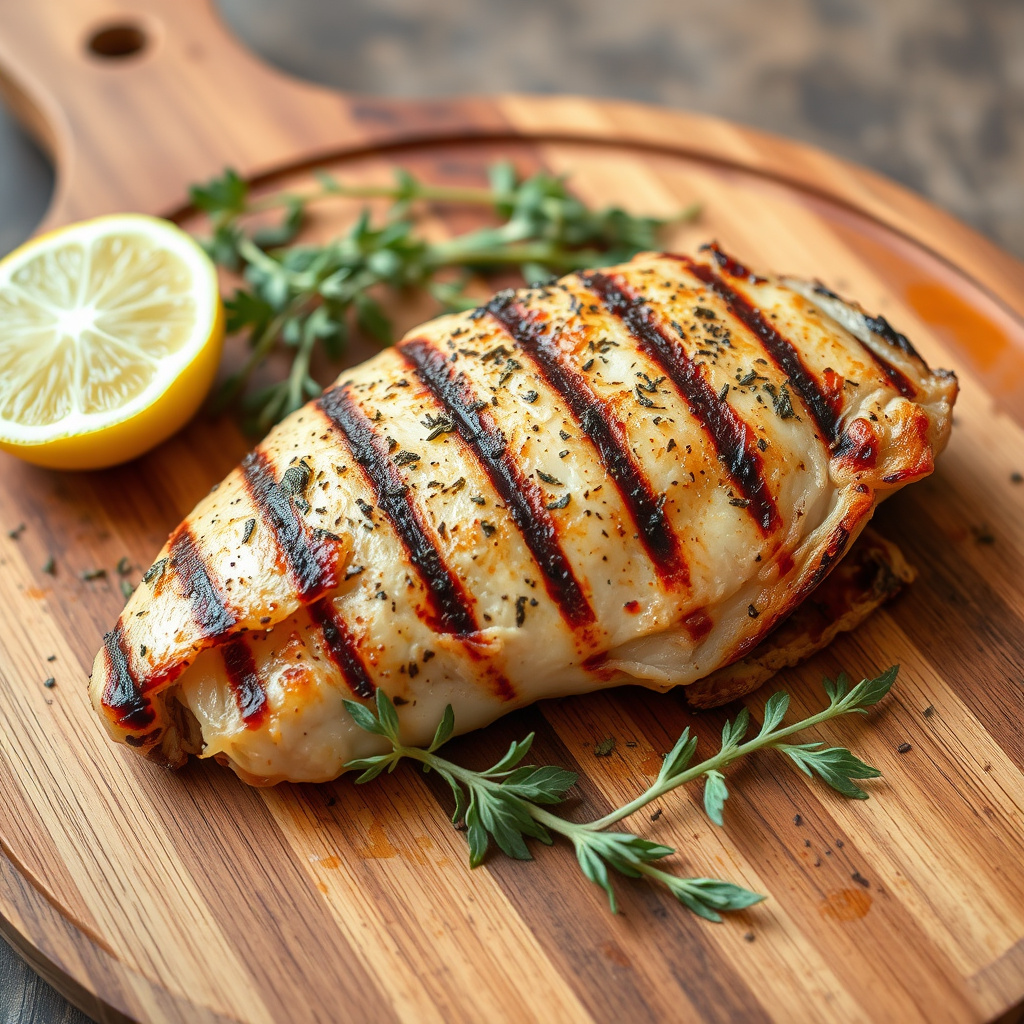
Let cooked chicken breast rest for 5 to 10 minutes after grilling. This allows juices to redistribute within the meat, preventing dry texture when cut.
Cover loosely with foil during resting to keep it warm without steaming the crust.
- Resting preserves moisture
- Cover loosely with foil
- Avoid cutting immediately after cooking
Serving Suggestions
Serve grilled chicken breast sliced against the grain to maximize tenderness. Pair it with light salads, grilled vegetables, or your choice of sauces like chimichurri or tzatziki.
Grilled chicken breast adapts easily to various cuisines, from Mediterranean to Asian-inspired dishes given its neutral flavor profile.
- Slice against the grain for tenderness
- Pair with fresh vegetables or sauces
- Customize with cuisine-specific sides
Safety and Handling Tips for Chicken Breast
Avoiding Cross-Contamination
Use separate cutting boards and utensils for raw and cooked chicken to prevent bacterial contamination. Wash hands thoroughly after handling raw meat.
Clean the grill grates before cooking to remove old residue and reduce the risk of harmful bacteria.
- Separate raw and cooked meat tools
- Wash hands thoroughly
- Clean grill before use
Internal Temperature Guidelines
Cooking chicken to 165°F is critical for safety, killing harmful pathogens like Salmonella. This temperature ensures the meat is safe to consume while still maintaining juiciness.
Use instant-read digital thermometers for accuracy, inserting into the thickest part without touching bone.
- 165°F target internal temperature
- Use instant-read thermometer
- Insert into thickest part of meat
Troubleshooting Common Chicken Breast Grilling Issues
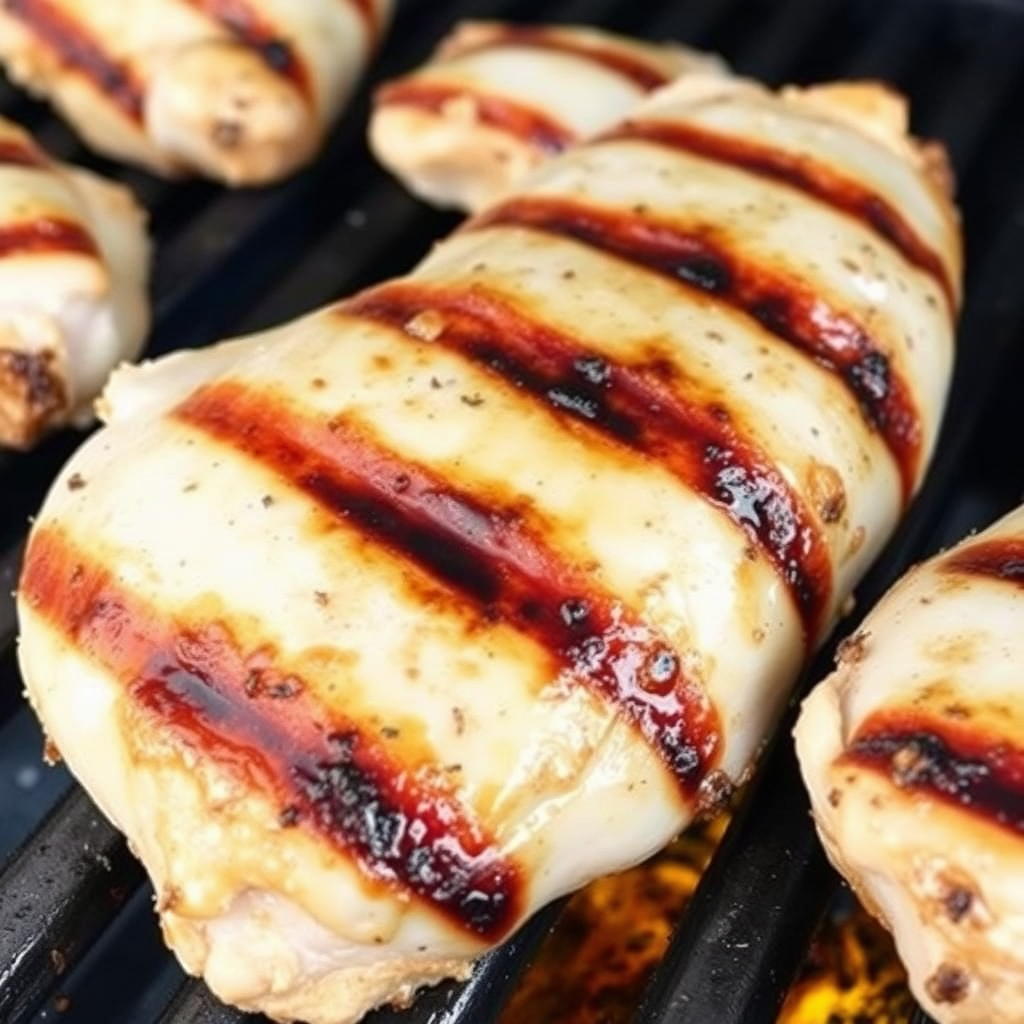
Dealing with Dry or Tough Results
Dry chicken usually results from cooking at too high heat or overcooking. Prevent this by lowering heat and monitoring time closely.
Marinating with oil and acid before grilling also helps retain moisture during cooking.
- Cook at medium heat
- Monitor internal temperature
- Use marinade to keep moist
For detailed guidance on safe cooking temperatures to avoid foodborne illness, visit the USDA’s grilled chicken safety guidelines. grilled chicken safety guidelines.
Preventing Sticking to the Grill
Oiling the grill grates and chicken surface before cooking reduces sticking. Make sure the grill is hot enough before placing chicken down so it sears immediately.
Avoid moving the chicken prematurely; let a proper sear form before attempting to flip.
- Preheat grill thoroughly
- Oil grates and meat lightly
- Flip only after sear forms
Comparison of Chicken Breast Grilling Methods
This table compares various approaches to grilling chicken breast, highlighting heat type, flavor impact, and ease of control for informed choices.
| Method | Heat Source | Flavor Profile | Ease of Temperature Control | Ideal For |
|---|---|---|---|---|
| Gas Grill | Gas (Propane or Natural Gas) | Clean, neutral | High | Quick, consistent grilling |
| Charcoal Grill | Charcoal Briquettes | Smoky, rich | Medium | Traditional smoky flavor |
| Electric Grill | Electric Element | Mild, less smoky | High | Indoor or small-space grilling |
| Pellet Grill | Wood Pellets | Smoky with wood nuances | High | Low-maintenance, smoky results |
| Pan Grilling | Stovetop Pan | Neutral, no smoke | High | Indoor option with grill marks |
Frequently Asked Questions
How long should I grill chicken breast?
Depending on thickness and heat level, chicken breast usually takes about 12 to 15 minutes total on a medium grill, around 6-7 minutes per side.
Is it necessary to marinate chicken breast before grilling?
Marinating isn’t mandatory but improves flavor and tenderness. Acidic marinades help break down fibers, making the meat juicier.
Can I grill chicken breast without flattening it?
You can, but uneven thickness leads to uneven cooking—thin edges may dry while the center is undercooked.
How can I tell when grilled chicken breast is done without a thermometer?
Cutting into the thickest part helps; meat should be white with clear juices, no pink. Still, a thermometer is most reliable for safety.
Why does my chicken breast stick to the grill?
Sticking commonly occurs if the grill isn’t hot enough, or if the meat and grates aren’t oiled properly. Let the meat sear before moving it.
Key Takeaways
- Flatten chicken breast to even thickness for uniform cooking
- Use medium heat on the grill to avoid dryness
- Marinate with acidic ingredients to enhance moisture and flavor
- Rest grilled chicken for several minutes before slicing
Conclusion
Grilling chicken breast successfully centers on controlling heat and preparation. Flattening the meat prevents uneven cooking, while medium heat lets the exterior develop golden grill marks without overcooking the interior. Careful attention to temperature and timing removes guesswork and guards against dryness, producing juicy, tender results.
Selecting the right approach depends on your grill type and flavor preferences. Gas grills offer precise control for consistent cooking, charcoal imparts a smoky depth, and indoor electric grills provide convenience. Marinating with the best chicken marinade for grilling can make an impactful difference, particularly when you want added zest without sacrificing moisture.
Next time you fire up the grill, remember these techniques for prepping, cooking, flipping, and resting your chicken breast. Keep a digital thermometer handy to monitor doneness, and give the meat time to settle before slicing. These steps will help you achieve professional-quality grilled chicken that’s as flavorful as it is tender.



