
Grilling burgers is all about balancing heat, timing, and preparation to achieve juicy, flavorful patties with a satisfying sear. Start with quality ground beef, season well, and preheat your grill to medium-high heat. Place the patties on the grill, cook for about 3-4 minutes per side, flipping only once for a perfect crust and interior doneness.
The importance of grilling burgers well cannot be overstated: a properly grilled burger locks in juices and develops the Maillard reaction that gives the iconic grilled flavor. Overcooking or pressing the patties can dry them out, while insufficient heat may leave them undercooked or pale. These factors influence both flavor and food safety.
This article will cover the key steps to grill burgers successfully, including meat selection, preparing the patties, grill setup, cooking techniques, timing, and finishing touches like cheese and toppings. You'll also find a comparison of different burger types and answers to common grilling questions.
Selecting and Preparing the Meat for Grilling Burgers
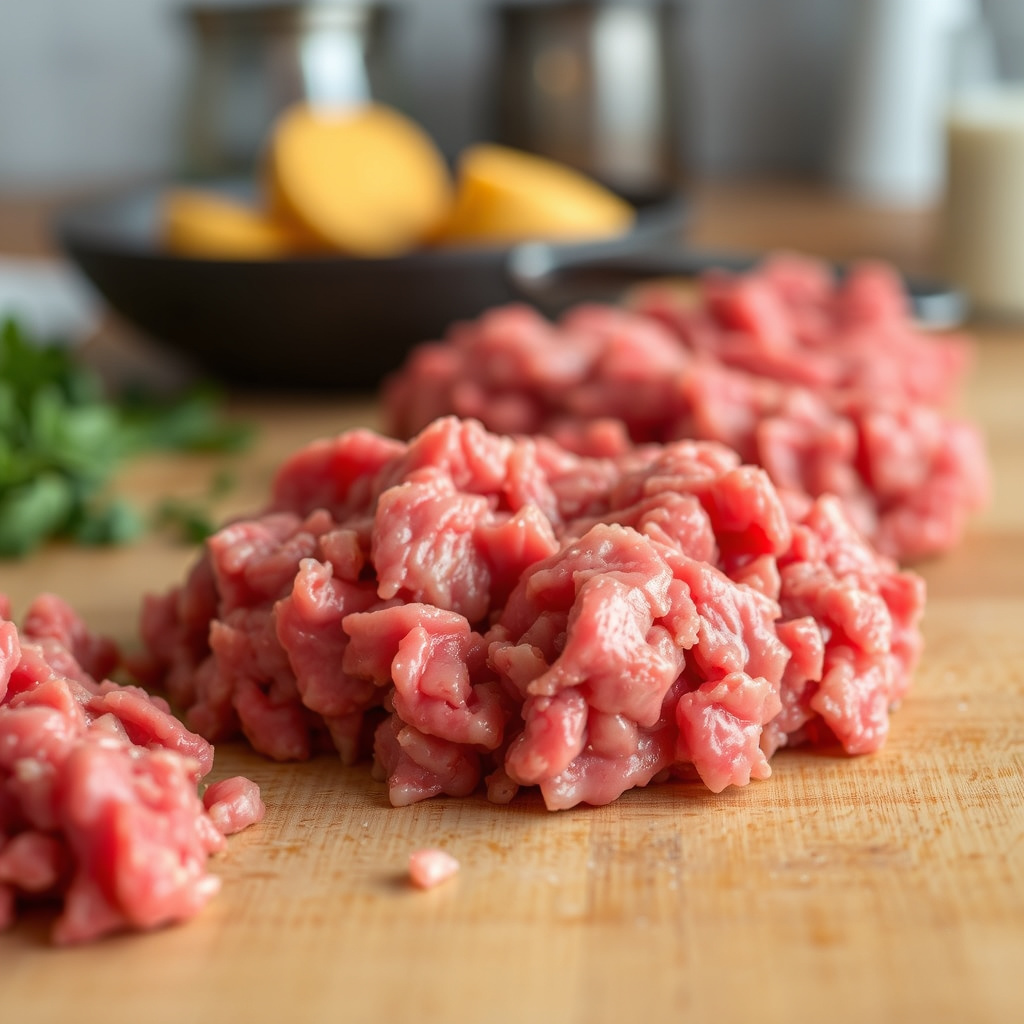
Choosing the Right Ground Beef
Select ground beef with 15-20% fat for juicy burgers—the fat melts during grilling, adding flavor and moisture. Leaner beef results in drier patties, while very fatty blends can cause flare-ups on the grill.
Grass-fed and grain-fed options offer different flavor profiles; grain-fed is richer while grass-fed tends to be leaner with a gamier taste. Freshness and grind coarseness affect texture and should be balanced for burger patties.
- Ideal fat content: 15-20%
- Avoid pre-seasoned meat for control
- Freshly ground preferred
Forming Burger Patties Correctly
Gently shape the patties without compacting the meat too much to keep a tender texture. Aim for about ¾-inch thickness and slightly larger diameter than the bun since the burger will shrink while cooking.
Make a shallow indentation in the center of each patty to reduce puffing up during grilling, which helps the burger cook evenly and maintain a flat shape.
- Use light hand pressure
- Indent center to prevent bulging
- Keep patties uniform in size
Setting Up Your Grill for Perfect Burger Grilling
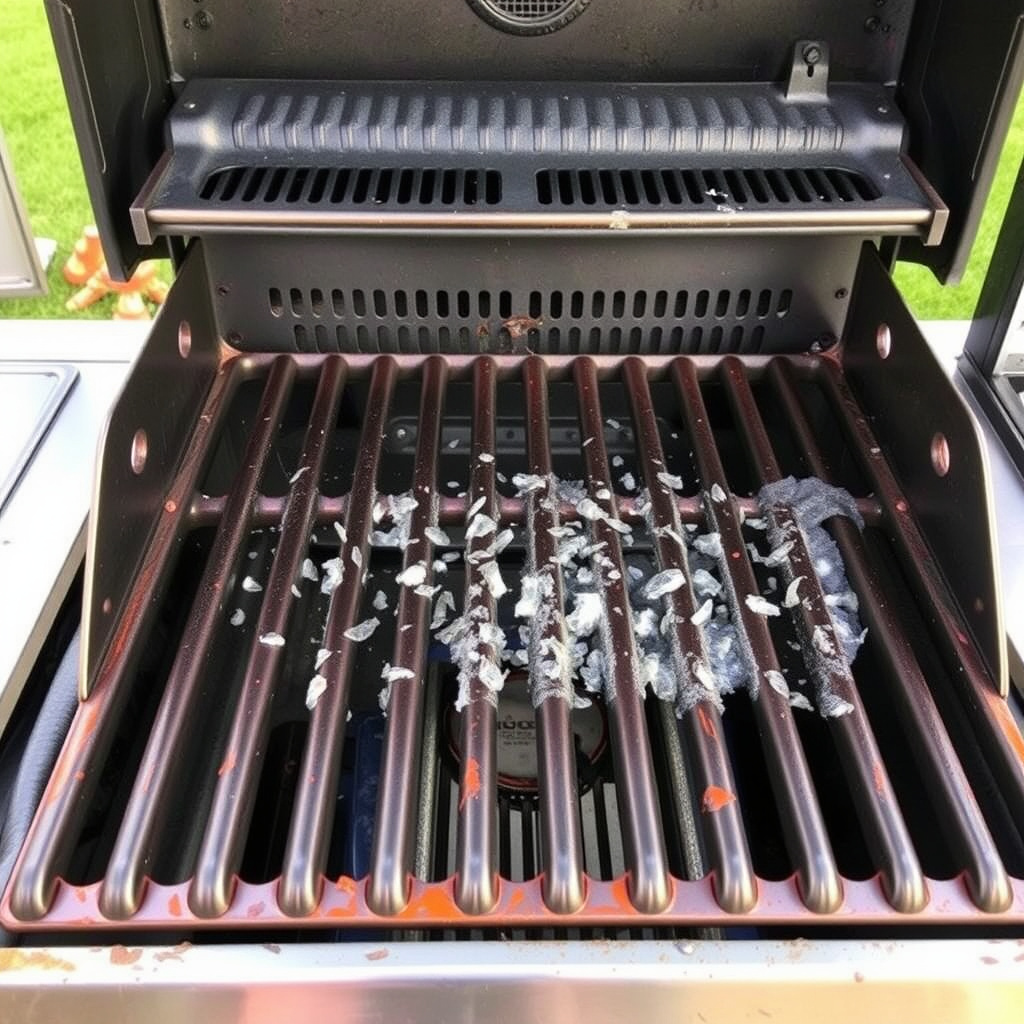
Preparing the Grill Surface
Clean your grill grate thoroughly to prevent sticking. Preheat the grill to medium-high heat (around 375-450°F) about 10-15 minutes before cooking to achieve a good sear.
Oil the grate lightly using a paper towel dipped in oil and tongs to avoid flare-ups and promote easy flipping of the burgers.
- Preheat grill to 375-450°F
- Clean grill grates
- Oil grates lightly before cooking
For more on this, see our related guide: How to Use a Meat Thermometer on a Grill for Perfectly Cooked BBQ.
Managing Heat Zones
If using a charcoal grill, set up two heat zones: direct heat for searing and indirect heat for finishing thicker burgers without burning. Gas grills can mimic this by adjusting burners accordingly.
Start the patties on direct heat for a crust, then move to indirect heat to reach desired doneness without charring the outside.
- Create direct and indirect zones
- Sear first on direct heat
- Finish cooking on indirect heat
Mastering the Cooking Technique to Grill Burgers
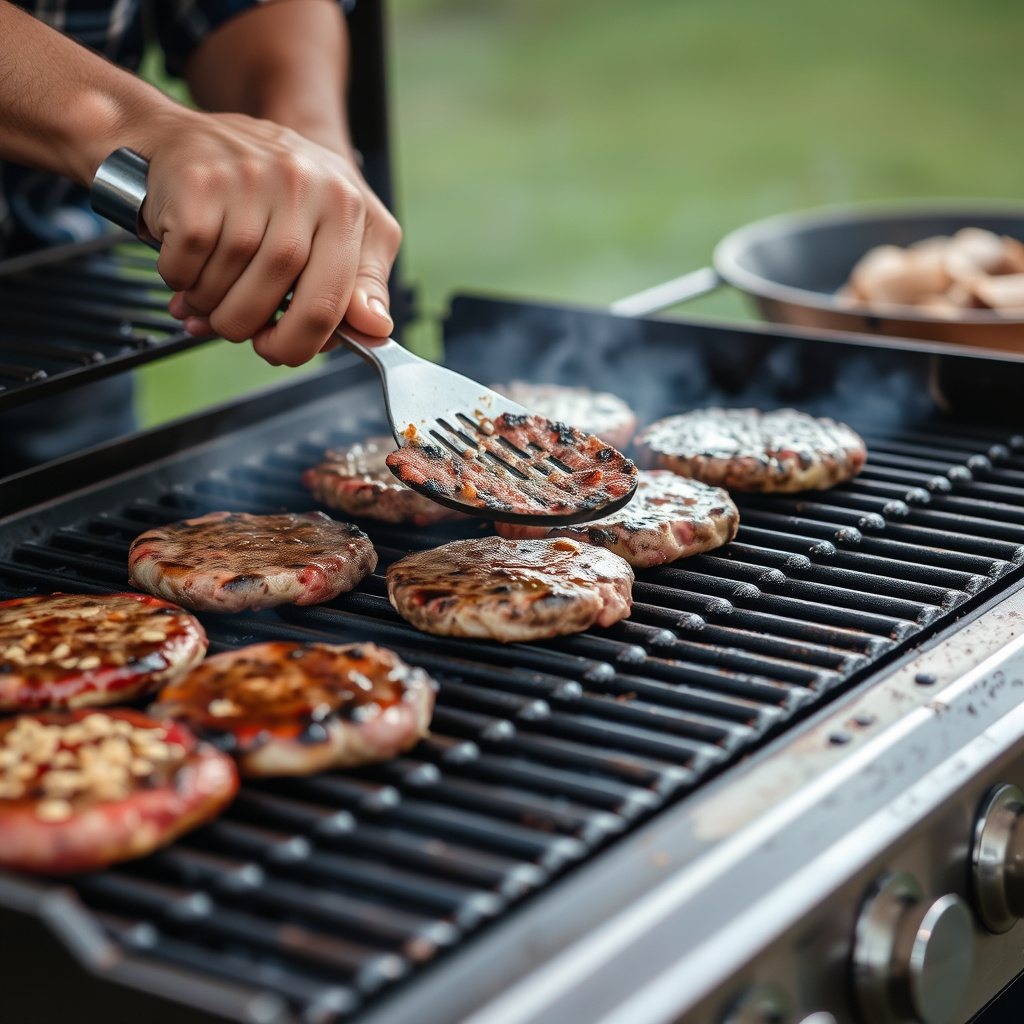
Timing and Flipping Burgers
Grill each side of the burger patties for about 3-4 minutes depending on thickness, flipping only once to develop a caramelized crust. Pressing the patties squeezes out juices, so avoid this common mistake.
Check internal temperature using a meat thermometer: 160°F is recommended by the USDA for ground beef to ensure safety without overcooking.
- Flip burgers once during cooking
- Cook 3-4 minutes per side
- Avoid pressing patties
Adding Cheese and Toppings
Add cheese about 1 minute before burgers finish cooking, covering the patties to melt the cheese evenly. Popular options include cheddar, American, and Swiss cheese.
Prepare buns by toasting briefly on the grill for added flavor and texture. Toppings should complement but not overpower the grilled flavor, such as lettuce, tomato, onions, pickles, and condiments.
- Melt cheese last minute
- Toast buns briefly
- Use fresh toppings
Troubleshooting Common Burger Grilling Issues
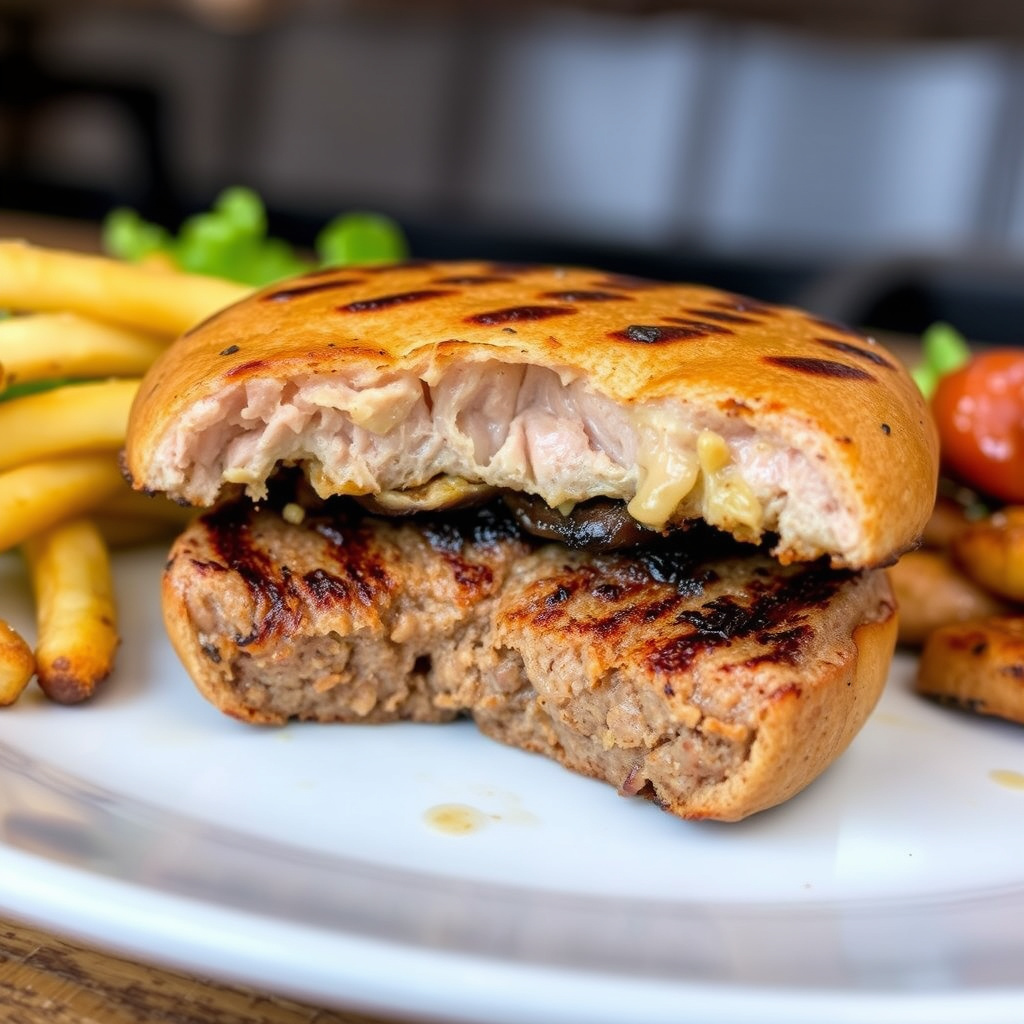
Avoiding Dry or Overcooked Burgers
Overcooking is the main cause of dry burgers; monitor time and temperature closely and remove from heat immediately when done. Using a meat thermometer helps prevent guesswork.
Use fattier ground beef blends and avoid pressing to retain juiciness. Rest burgers for a few minutes after cooking to redistribute juices throughout the patty.
- Cook to 160°F internal temp
- Rest burgers 3-5 minutes
- Use 15-20% fat content beef
For more on this, see our related guide: How to Use a Grill Thermometer for Perfectly Cooked Meats Every Time.
Preventing Sticking and Flare-Ups
Proper grill cleaning and oiling prevents patties from sticking. Managing flare-ups is important; move burgers away from direct flames if they start to char excessively.
Trim excess fat if flare-ups persist and avoid squeezing fat-heavy patties which cause excessive drippings.
- Clean and oil grill grates
- Control flare-ups by moving patties
- Avoid pressing burger juices out
Flavor Variations and Serving Suggestions for Grilled Burgers
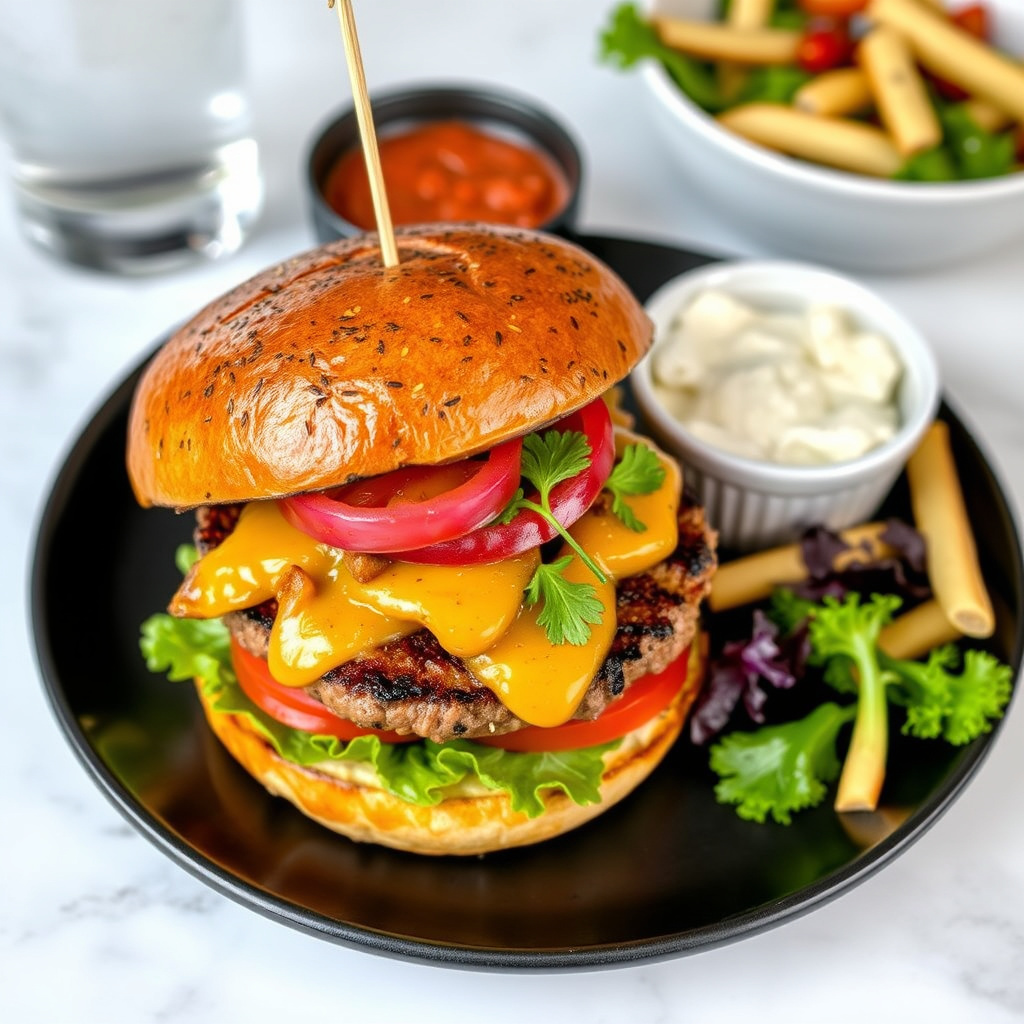
Experimenting with Seasonings and Mix-Ins
Simple salt and pepper seasoning is classic, but adding garlic powder, smoked paprika, or onion powder can enhance flavor. Mixing in finely chopped herbs or bacon bits creates unique burger profiles.
Avoid overmixing ingredients into the patty as it can toughen the texture. Season just before grilling to keep flavors vibrant.
- Use simple seasoning blends
- Add herbs or bacon bits sparingly
- Season right before grilling
For further information on burger cooking methods, see the grilling burgers guide on Wikipedia. grilling burgers guide on Wikipedia.
Pairing Burgers with Sides and Beverages
Classic accompaniments include fries, coleslaw, grilled vegetables, or salad. Beverage options range from craft beer and soda to iced tea depending on preference and occasion.
Choosing complementary side dishes enhances the meal without overshadowing the burger's taste.
- Serve with fries or grilled veggies
- Pair with beer or iced tea
- Balance flavors with fresh sides
Burger Patty Types Grilling Comparison
Here is a comparison of popular burger patty types and their grilling characteristics to help you pick the right style for your taste and skill level.
| Patty Type | Fat Content | Flavor Profile | Grill Difficulty |
|---|---|---|---|
| Classic Ground Beef | 15-20% | Juicy, beefy, rich | Medium |
| Grass-Fed Beef | 10-15% | Lean, robust, earthy | High |
| Ground Turkey | 7-10% | Mild, lean, delicate | Medium |
| Plant-Based | Varies | Savory, textured | Easy |
| Lamb Burger | 15-20% | Gamey, rich | Medium |
Frequently Asked Questions
How long should I grill a burger to get it medium rare?
For medium rare, grill each side for about 3 minutes and remove the burger when the internal temperature reaches 130-135°F. Use a meat thermometer to check without guessing.
Can I season burger patties ahead of time?
It's best to season patties just before grilling to maintain freshness. Salt draws moisture out if applied too early, which can affect juiciness.
How do I prevent my burgers from sticking to the grill?
Make sure the grill grates are clean and well-oiled before cooking. Preheating the grill and not moving the burger too soon also helps prevent sticking.
Is it safe to eat burgers cooked to medium rare?
Ground beef should be cooked to an internal temperature of 160°F for safety. Consuming undercooked ground beef carries a risk of foodborne illness.
Should I press burger patties while grilling?
Pressing burgers squeezes out juices, leading to drier patties. Avoid pressing to keep them moist and flavorful.
Key Takeaways
- Use ground beef with 15-20% fat for the best juiciness and flavor
- Preheat and oil your grill to prevent sticking and promote searing
- Flip burgers only once and avoid pressing to maintain moisture
- Finish cooking to 160°F internal temperature for food safety
Conclusion
Grilling burgers well requires attention to meat selection, grill preparation, and proper cooking technique. Starting with ground beef that has enough fat, shaping uniform patties with a center indentation, and managing grill heat all play critical roles. Cooking the burgers over medium-high heat and flipping just once allows a flavorful crust to form without overcooking, while resting them after grilling ensures juices stay locked inside. This process produces a burger that is both juicy and safe to eat.
Depending on your taste and dietary preference, different patty types — from classic ground beef to grass-fed or plant-based — offer a range of flavor and difficulty levels. For first-timers, classic ground beef offers the best balance of flavor and ease. Those seeking bold flavor might try lamb burgers, while leaner options like ground turkey need careful timing to avoid dryness. Seasoning simply with salt and pepper highlights the grilled flavor, while toasting buns and adding fresh toppings complete the experience.
The next step is to gather your ingredients and practice these techniques on your grill. Pay close attention to timing and internal temperature for best results. Experiment with seasoning and toppings to find your favorite variation. With practice, grilling burgers becomes a rewarding and delicious skill for backyard cookouts and everyday meals alike.



