
A smoker grill is a specialized outdoor cooking device that uses low heat and smoke from burning wood or charcoal to cook food slowly, infusing it with rich, smoky flavor. Unlike traditional grills that rely on direct heat, smoker grills provide a controlled environment where meat and other foods cook indirectly over several hours, making the result tender and flavorful.
Smoker grills have gained popularity among barbecue enthusiasts because they produce a unique taste and texture impossible to get from conventional grilling. By maintaining consistent temperatures and adding aromatic wood smoke, these grills transform tougher cuts into succulent meals and create that sought-after smoky crust known as bark.
This article will explain the basic design and operation of smoker grills, compare popular types, discuss fuel options, outline essential features, and offer tips for choosing the right smoker grill to match your cooking style and experience. Whether you want to master backyard BBQ or explore long, slow smoking sessions, understanding the fundamentals of smoker grills will set you up for delicious success.
How Smoker Grills Work: The Basics
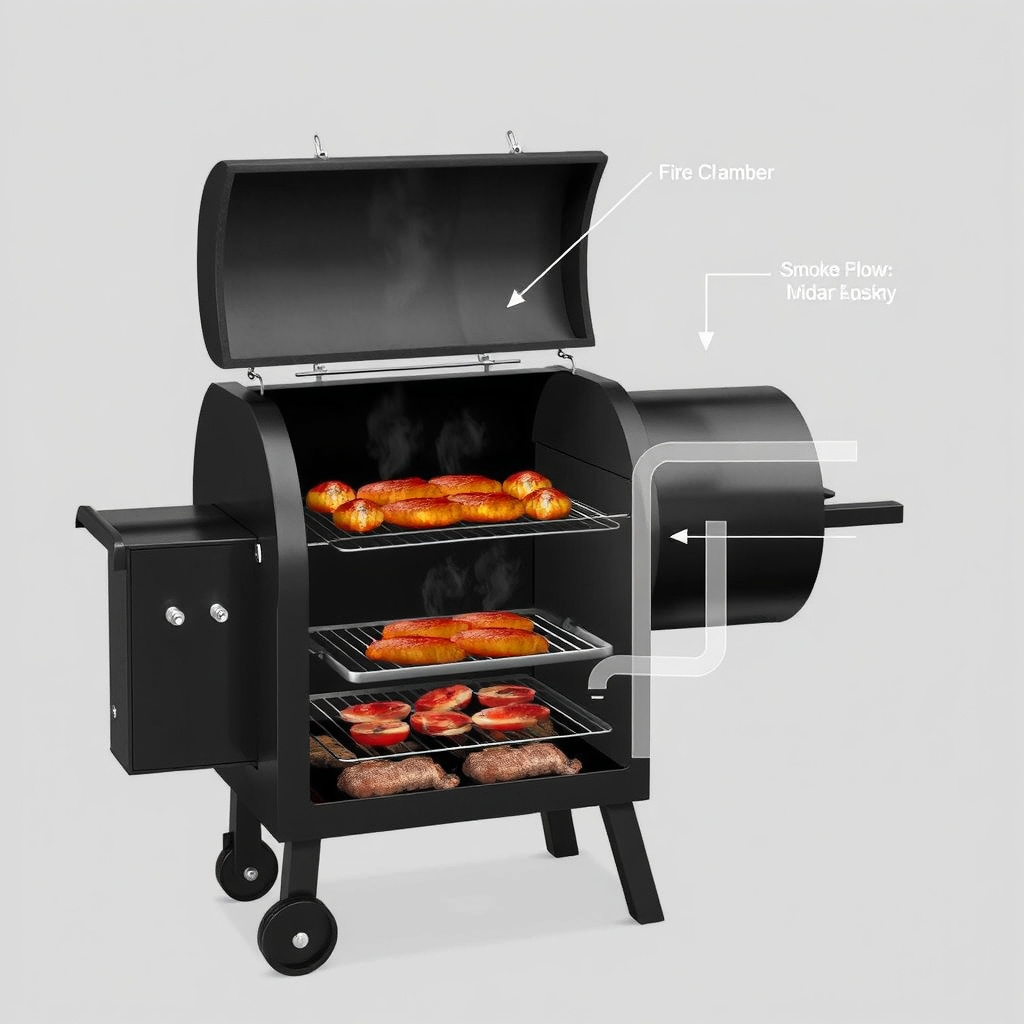
Indirect Heat Cooking Method
Smoker grills use indirect heat by separating the fire source from the cooking area. Heat and smoke generated in a firebox or charcoal chamber flow into the main cooking chamber where food is placed, creating a steady, moderate temperature environment that cooks food slowly and evenly without direct flames.
This method allows for temperatures typically ranging from 225°F to 275°F, much lower than direct grilling, which preserves moisture and gradually breaks down connective tissues in meats, resulting in tender, juicy dishes.
The Role of Wood Smoke
Adding wood chips or chunks to the heat source produces smoke that imbues food with distinct flavors. Different types of wood like hickory, mesquite, apple, or cherry each contribute unique smoky notes, which vary from intense and robust to mild and sweet.
Controlling smoke levels is important; too much smoke can cause bitter flavors, while too little may leave food bland. Proper ventilation and steady airflow in the smoker grill are key factors for achieving balanced smoke flavor.
- Hickory – bold, bacon-like flavor
- Mesquite – strong, earthy and sweet
- Apple – mild and fruity
- Cherry – sweet and subtle
Types of Smoker Grills
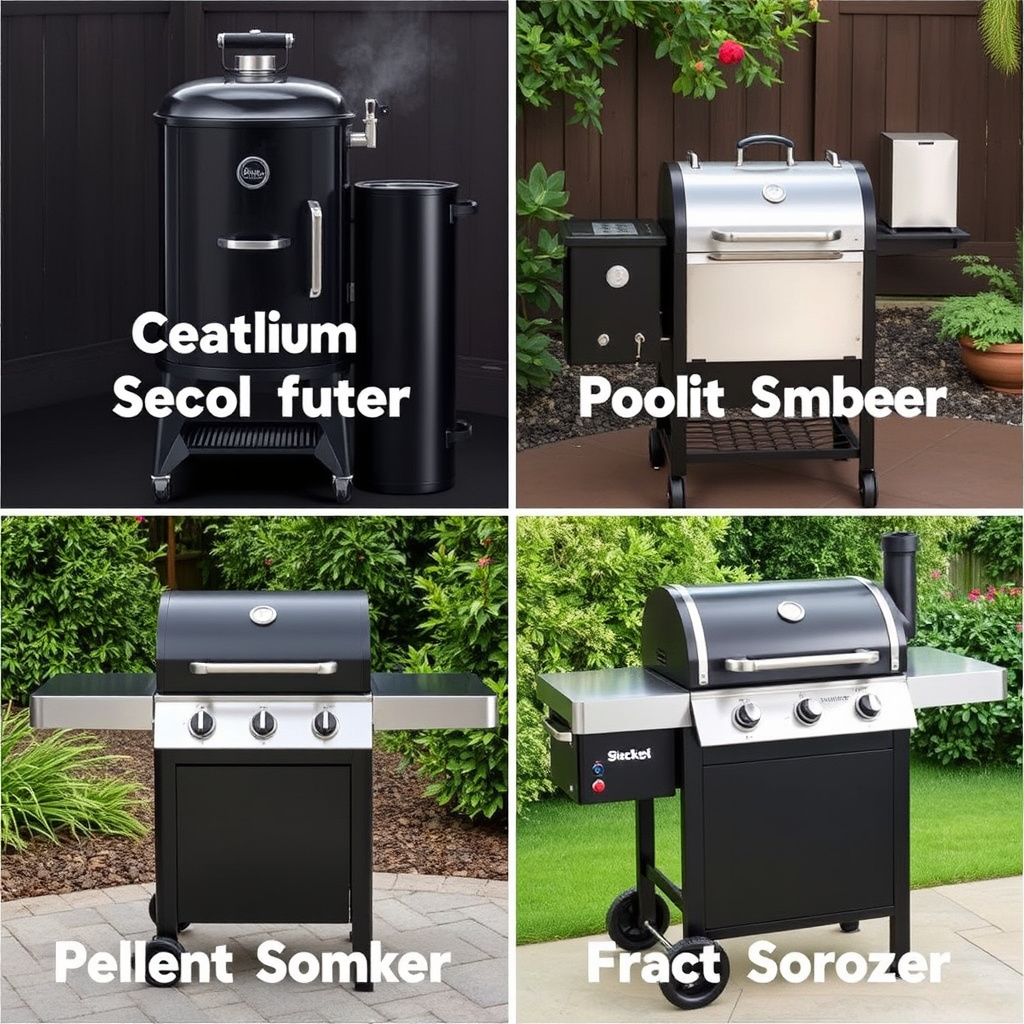
Charcoal and Offset Smokers
Traditional charcoal smokers or offset smokers feature a separate firebox attached to the cooking chamber. Charcoal burns low and slow, while wood chunks generate smoke. This style offers authentic flavor and full manual control over temperature and smoke but requires more time and attention.
Offset smokers are favored by BBQ purists who enjoy managing fire and airflow directly, learning skills that bring out deep smoky character in brisket, ribs, and pork shoulder. The learning curve and maintenance are steeper, so this option suits experienced pitmasters.
Electric and Pellet Smokers
Electric smokers use heating elements and a small wood chip tray to produce smoke, offering simple temperature control via digital settings. They are convenient, producing consistent results with minimal effort, making them well-suited for beginners or those with limited outdoor space.
Pellet smokers combine electric heat with wood pellets fed automatically via an auger, providing precise temperature control and a distinctive wood smoke flavor. Pellet smokers are versatile, easy to use, and popular for everyday backyard BBQ cooking.
Fuel Options and Their Effects
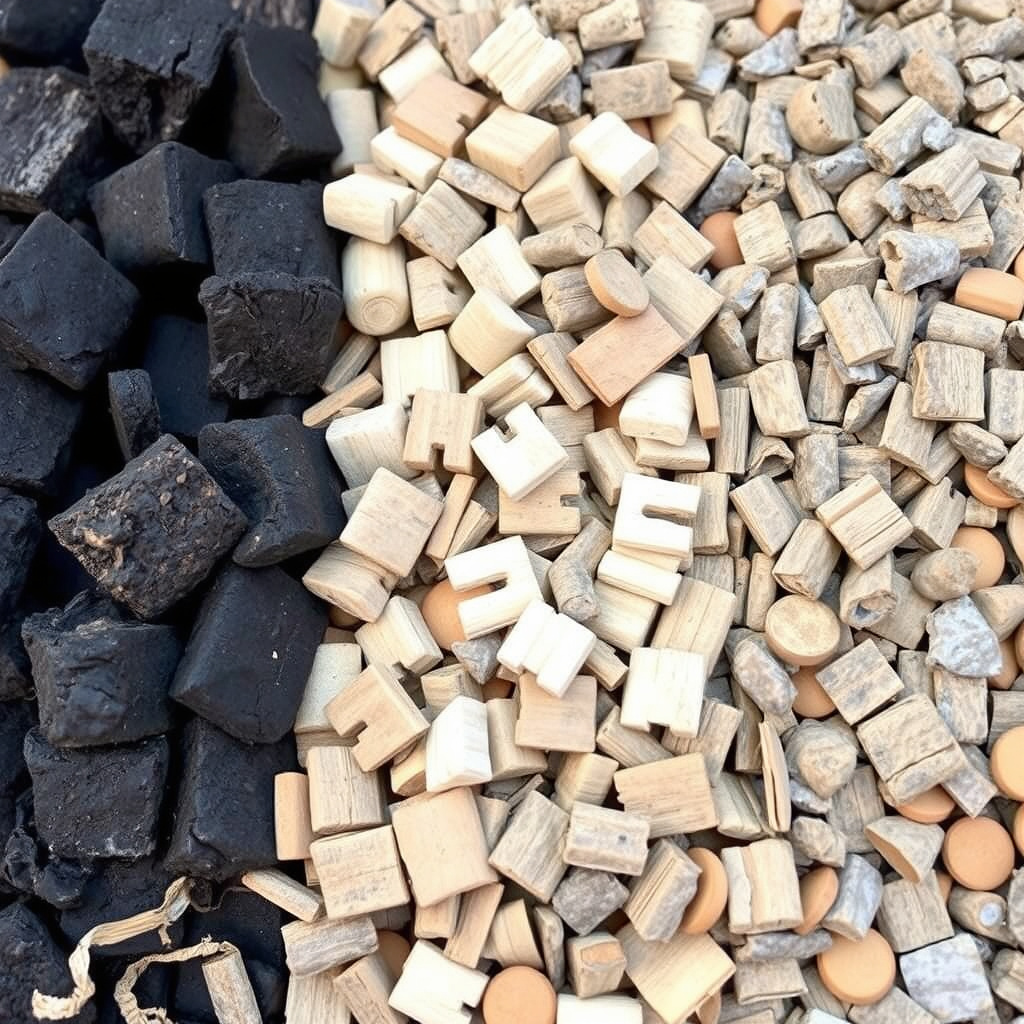
Charcoal and Lump Coal Choice
Charcoal briquettes burn evenly and maintain steady temperatures, favored for longer cooking sessions. Lump charcoal burns hotter but faster and produces less ash, offering cleaner smoke and more flavor variability.
Selecting between briquettes and lump charcoal depends on personal preference, the smoker type, and desired temperature stability. Adding wood chunks to either can enhance flavor complexity.
- Briquettes – uniform size, long burn time
- Lump charcoal – natural wood, faster ignite
For more on this, see our related guide: How to Use a Smoker Box on a Gas Grill for Perfectly Smoked Flavors.
Wood Chips vs. Pellets
Wood chips are often soaked before adding to the heat source to extend smoke production but burn quickly and need frequent replenishing. Wood chunks last longer and provide more sustained smoke at a gentle pace.
Pellets are compressed sawdust pieces designed for pellet grills, feeding fire automatically for even smoke. They come in various wood flavors, giving consistent smoke output with little user intervention.
Key Features to Consider in a Smoker Grill
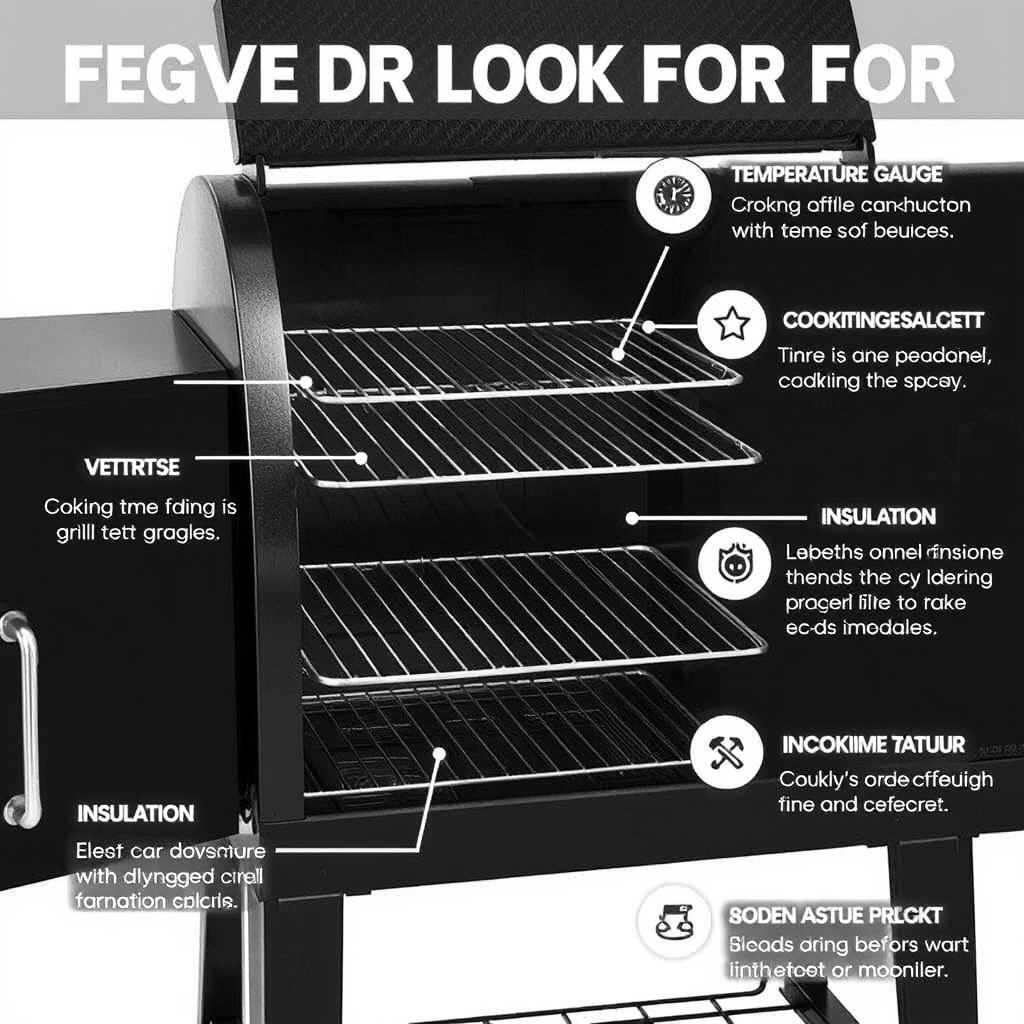
Temperature Control and Insulation
A good smoker grill must allow accurate temperature control to maintain the low and steady heat required for smoking. Adjustable air vents regulate airflow, which is the primary way to control heat in charcoal smokers.
Insulation in cooker walls helps retain heat and withstand cold weather smoking sessions. Digital or analog built-in thermometers and separate probe options let you monitor ambient and internal food temperatures easily.
- Adjustable dampers for airflow
- Built-in temperature gauges
- Double-walled construction for insulation
Cooking Capacity and Portability
The cooking surface area defines how much food you can smoke at once. Smaller smokers are great for casual use or limited space, while larger models suit gatherings or competitions.
Portability varies widely; some smokers weigh over 100 pounds and require permanent outdoor placement, while compact electric or pellet smokers often feature wheels and handles for easy moving.
Using a Smoker Grill: Practical Tips
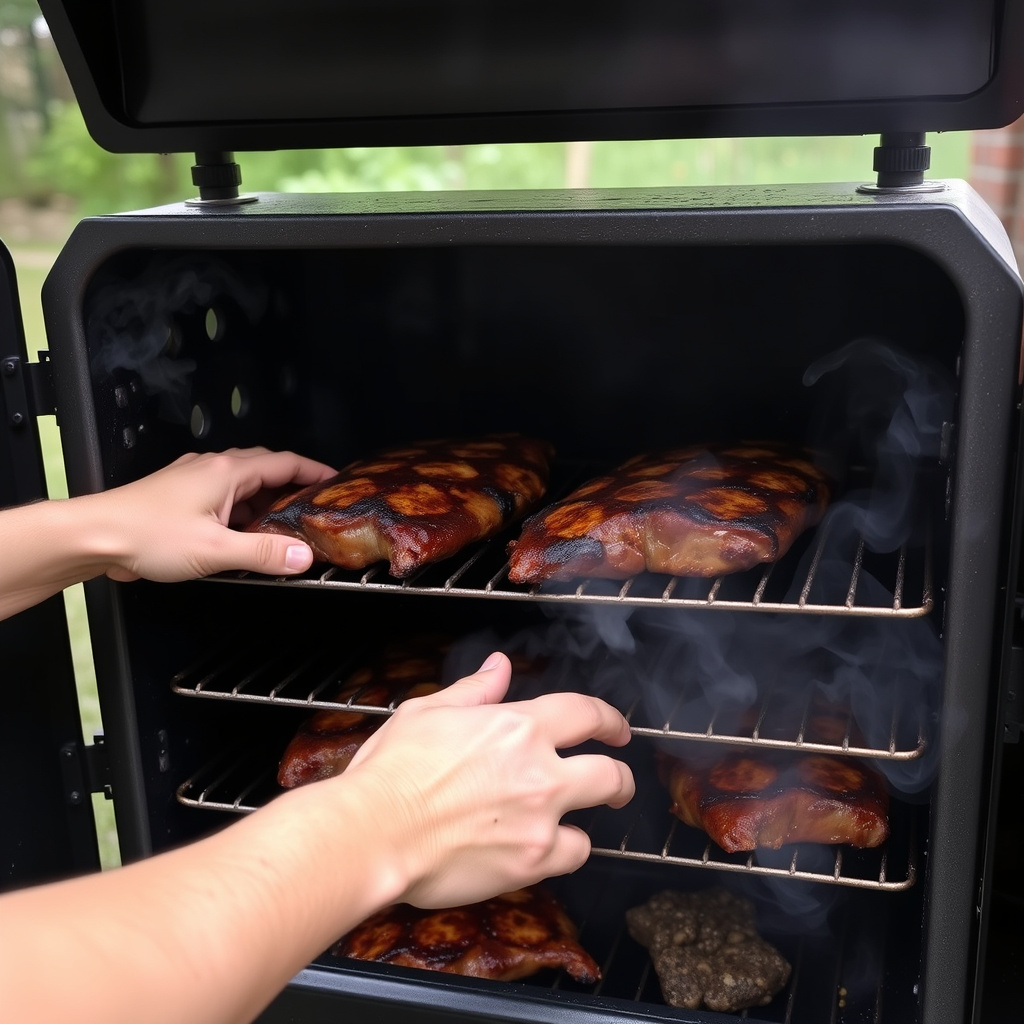
Preparing and Starting Your Smoker
Before lighting your smoker grill, clean the cooking grates and set up the fuel source according to the manufacturer’s instructions. For charcoal smokers, arrange coals in a two-zone fire setup to provide both direct and indirect heat zones.
Add wood chips or chunks after coals have developed hot embers. Preheating the cooking chamber before placing food helps stabilize temperature and improves smoke infusion.
For more on this, see our related guide: How to Use a Smoker Grill: A Practical Guide for Perfect BBQ.
Managing Temperature and Smoke
Keep the smoker lid closed as much as possible to retain heat and smoke. Use vents to adjust airflow gradually; opening them increases temperature and oxygen flow, while closing lowers it.
Monitor temperatures regularly using dual probes, one for ambient smoker temperature and one for meat internal temperature. Add fuel and wood sparingly to maintain a steady smoke without overwhelming the food.
- Avoid excessive smoke buildup
- Do frequent temperature checks
- Resist opening lid to maintain stable heat
Cleaning and Maintenance of Smoker Grills
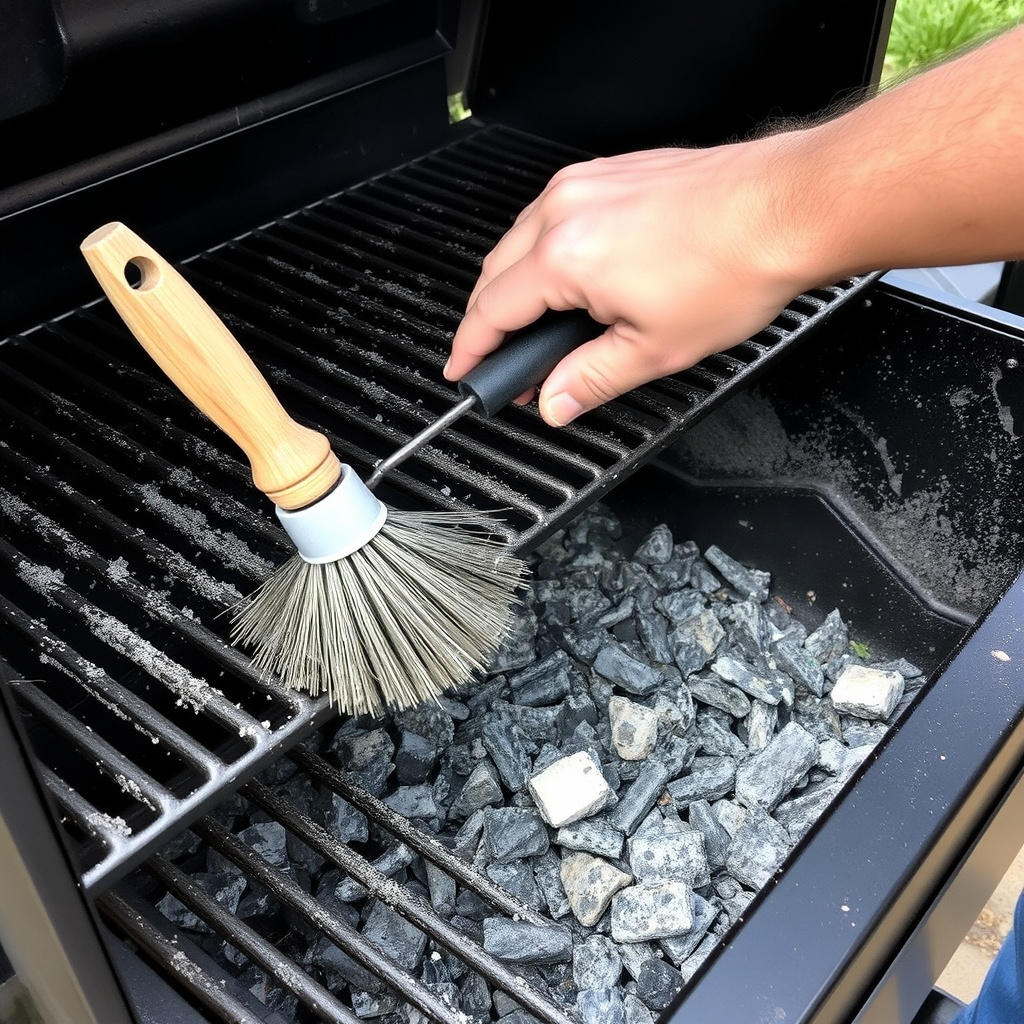
Routine Cleaning After Use
After each smoking session, scrape food residues from cooking grates with a wire brush while still warm. Dispose of ash from charcoal or wood to prevent buildup, which can affect airflow and temperature control.
Wipe down surfaces and empty drip pans to avoid grease fires or odors. Regular cleaning prolongs the smoker’s lifespan and maintains food quality.
For a detailed overview of smoking food and its history, you can visit the smoking (food) Wikipedia article. smoking (food) Wikipedia article.
Long-Term Maintenance Tips
Inspect seals, gaskets, and hinges periodically for wear and replace as needed to preserve airtight construction. Apply heat-resistant paint or coatings on exterior surfaces if rust appears.
Store the smoker under a weather-resistant cover or indoor location to shield it from rain and humidity, especially in colder months.
Smoker Grill Types Comparison
Here’s a clear comparison of popular smoker grill categories, highlighting key features like fuel type, ease of use, and flavor profile to help you decide.
| Type | Fuel Source | Temperature Control | Flavor Authenticity | Ease of Use | Price Range |
|---|---|---|---|---|---|
| Charcoal Smoker | Charcoal & Wood Chunks | Manual Vents | Very High | Moderate-to-Challenging | $$ |
| Offset Smoker | Charcoal & Wood Logs | Manual Airflow | Highest | Challenging | $$$ |
| Electric Smoker | Electric + Wood Chips | Digital Controls | Moderate | Easy | $$ |
| Pellet Smoker | Wood Pellets (Electric) | Digital/Augered Feed | High | Easy-to-Moderate | $$$ |
| Gas Smoker | Propane Gas + Wood Chips | Manual or Digital | Moderate | Easy | $$ |
Frequently Asked Questions
What is the main difference between a smoker grill and a regular grill?
A smoker grill cooks food using indirect heat and smoke over a long period, while a regular grill uses direct, high heat for faster cooking without smoke infusion.
Can I use a regular grill as a smoker grill?
You can adapt some grills for smoking by using smoking boxes or wood chips and indirect cooking methods, but dedicated smoker grills provide better temperature and smoke control.
How long does it take to smoke meat on a smoker grill?
Smoking times vary widely depending on meat type and size but generally range from 1 to 12 hours at temperatures between 225°F and 275°F.
What wood is best for smoking meat?
Common woods like hickory, mesquite, apple, and cherry each give distinct flavors; choosing depends on your taste preference and the type of meat you're smoking.
Are electric smoker grills good for beginners?
Yes, electric smokers offer consistent temperature control with minimal effort, making them ideal for those new to smoking and seeking convenience.
Key Takeaways
- Smoker grills cook food indirectly using low heat and smoke for rich, tender results.
- Different smoker types offer varying levels of control, flavor authenticity, and ease of use.
- Choosing the right fuel and understanding smoke management are essential for great taste.
- Regular cleaning and maintenance keep your smoker grill performing well over time.
Conclusion
Understanding what a smoker grill is and how it operates is the foundation for crafting delicious, smoky dishes that impress. The device’s ability to combine slow cooking with wood smoke imparts flavors and textures unmatched by traditional grilling in a relatively simple format. When deciding on a smoker grill, consider your cooking goals, available space, and willingness to manage fuel and temperature manually. Balancing these factors will guide you towards a model suited to your routine.
For those starting out or seeking ease, electric or pellet smokers provide reliable temperature control and decent smoke flavor with less hands-on management. More experienced cooks who enjoy firecraft often prefer charcoal or offset smokers for their authentic smoke profiles and full manual control. Each smoker type has advantages depending on your skills and desired results, so matching smoker attributes to your specific needs will increase enjoyment and success.
If you want to get your feet wet quickly, an electric smoker combined with good quality wood chips offers a practical entry point. Investing time in learning how to control temperatures and airflow will pay off over many flavorful smoking sessions. Exploring different woods and cooking techniques can expand your smoker grill use well beyond beginner recipes, turning your backyard into a true BBQ haven.



