
To use a smoker grill successfully, start by selecting the right type of smoker and understanding its fuel source, whether charcoal, wood, or pellets. Fire up your smoker by lighting the fuel and bringing it to a stable cooking temperature, usually between 225°F and 250°F. Next, prepare your meat by seasoning or marinating it, then place it inside the smoker away from direct heat. Maintain consistent temperature by monitoring vents and adding fuel as needed throughout the cooking process until your meat reaches the desired internal temperature.
Smoking meat is a slow cooking method that infuses unique flavors by gently cooking with smoke from smoldering wood chips or chunks. This technique allows tough cuts to become tender and juicy over several hours. Controlling temperature and smoke flow is key because fluctuations can dry out meat or leave it undercooked. Knowing how to manage each phase—starting your fire, choosing wood types, and maintaining heat—makes the difference between a memorable barbecue and a disappointing meal.
This article will cover essential steps for using a smoker grill: smoking equipment types, preparing the smoker, selecting the best wood for smoking meat, managing temperature during cooking, and common pitfalls to avoid. We'll also compare popular smoker styles and offer answers to common questions, helping you master the art of smoking meat with confidence.
Types of Smoker Grills and How They Work
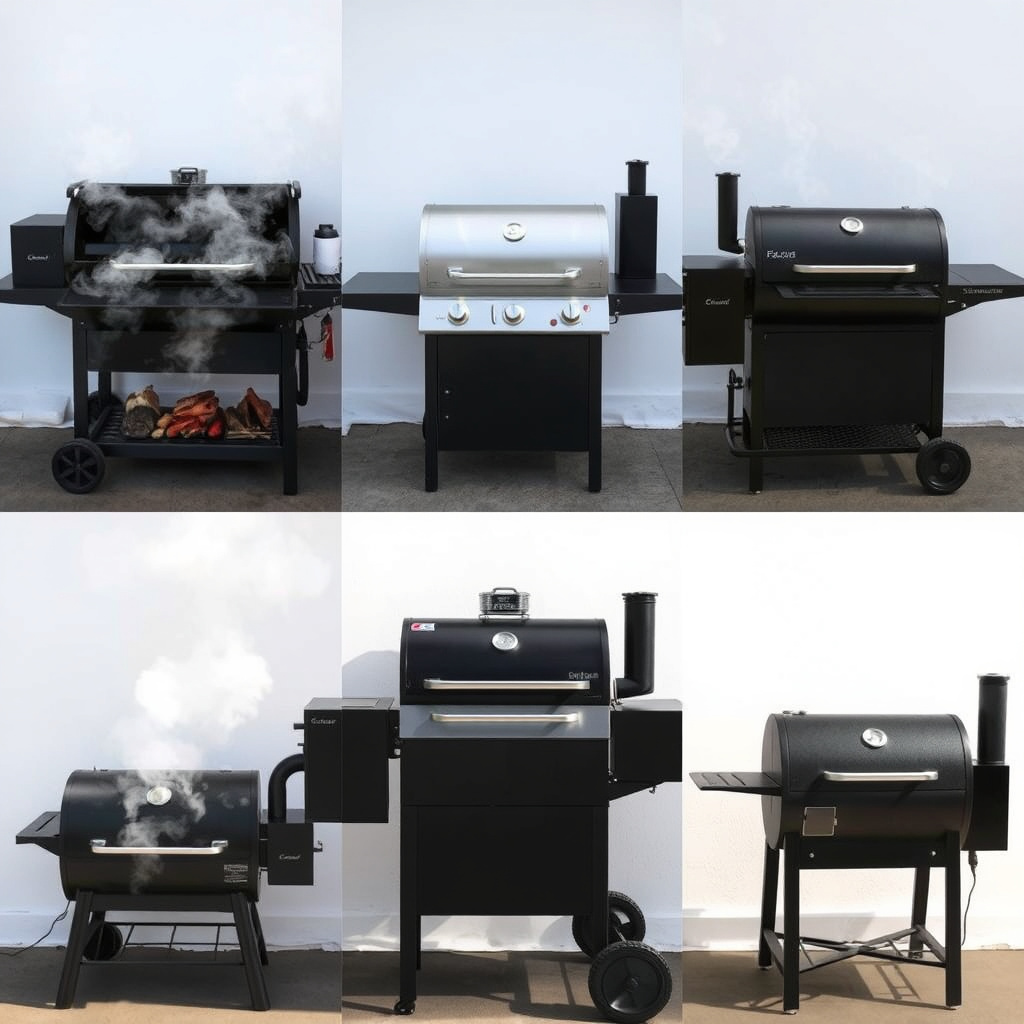
Charcoal Water Smokers
Charcoal water smokers, such as the classic bullet style, use charcoal briquettes or lump charcoal as their main heat source. The smoker includes a water pan between the charcoal and meat to maintain moisture and moderate temperature through water evaporation, helping produce tender, juicy results.
These smokers are known for excellent smoke flavor buildup because the charcoal burns hot while the water acts as a buffer. However, users must regularly monitor charcoal and water levels and adjust vents to maintain a steady temperature, usually between 225°F to 250°F.
- Affordable and widely available
- Traditional smoky flavor
- Requires manual temperature control
- Best for patient, hands-on cooks
Electric and Pellet Smokers
Electric smokers use heating elements alongside wood chips to generate smoke and maintain consistent temperatures automatically. Pellet smokers burn compressed wood pellets as fuel and offer precise temperature control via digital controllers.
These models appeal to users looking for convenience and less active management than charcoal smokers. While they may provide less of the deep traditional smoke flavor, their uniform heat and ease of use make them popular for beginners and busy cooks.
- Easy temperature control
- Less hands-on management
- Dependence on electricity or pellets
- Consistent cooking results
Preparing Your Smoker Grill for Use
Cleaning and Seasoning the Smoker
Before your first cook, remove any factory coatings by heating the smoker and applying a light coat of cooking oil inside. This seasoning process helps build a protective coating that prevents rust and improves smoke circulation.
Subsequent cooks require cleaning out ashes and leftover food residue to avoid off-flavors. Keep grates oiled to maintain nonstick surfaces and prevent rusting.
- Clean thoroughly before first use
- Season metal surfaces with cooking oil
- Remove ashes after each cook
- Oil grates regularly
Loading Fuel and Water
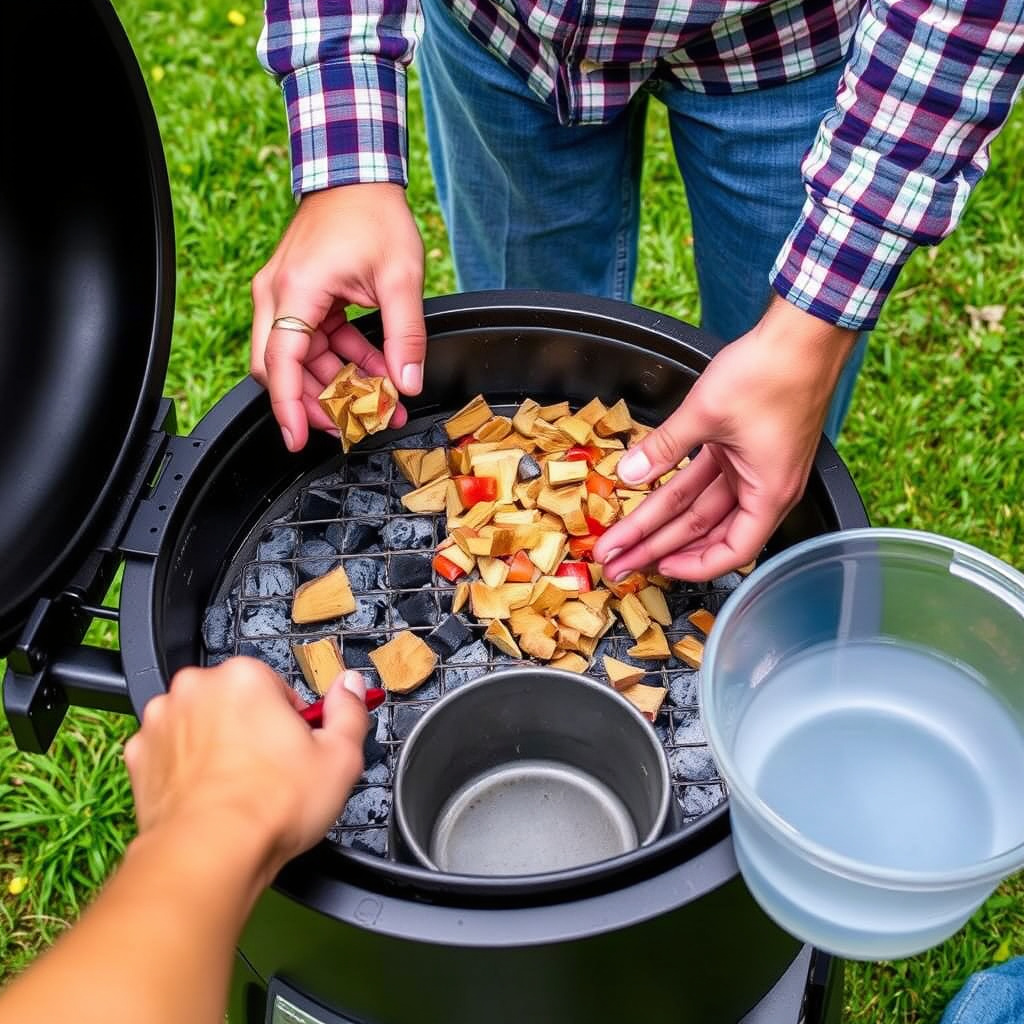
For charcoal smokers, arrange charcoal in a firebox or charcoal chamber to encourage a steady burn. Add wood chunks or chips on top or in a smoker box for flavor. Fill the water pan about halfway to maintain humidity inside the cooking chamber.
Electric and pellet smokers require loading the designated fuel chamber according to manufacturer instructions, and water pans—if present—should be filled similarly to charcoal models.
- Use quality charcoal or pellets
- Add wood chunks for smoke flavor
- Keep water pan filled during cooking
- Follow manufacturer guidelines
Selecting the Best Wood for Smoking Meat
Popular Wood Types and Their Flavors
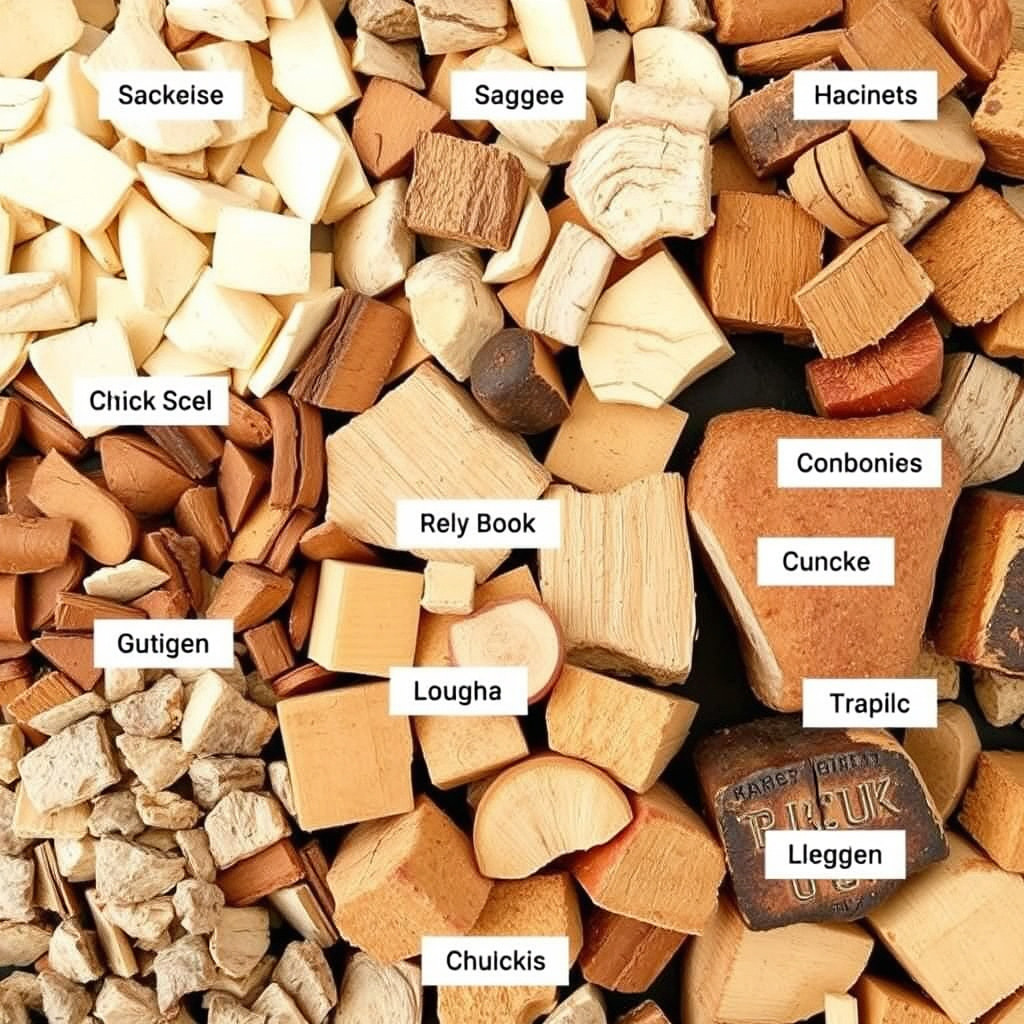
Different woods impart distinct flavor profiles to smoked meat. Hickory provides strong, bacon-like smoke ideal for pork and ribs, while fruit woods like apple or cherry offer a sweeter, milder flavor suitable for poultry and pork.
Mesquite delivers a robust, earthy smoke best in short cooks or with beef, but can overpower lighter meats. Oak is a classic all-purpose wood with a medium smokiness that works well for many meats.
- Hickory – strong, hearty flavor
- Apple – sweet and mild
- Mesquite – bold, intense
- Oak – balanced and versatile
For more on this, see our related guide: How to Use a Pellet Grill: A Step-by-Step Guide for Perfect Outdoor Cooking.
Using Wood Chips vs. Chunks
Wood chips are smaller, burn quickly, and are excellent for shorter smoking sessions or when supplemental smoke is desired. Chunks burn slower and provide steadier smoke over longer periods, making them ideal for low-and-slow cooks.
Soaking wood chips in water before adding them to the smoker helps them smolder rather than burn quickly, extending smoke production and preventing flare-ups.
- Chips for quick bursts of smoke
- Chunks for prolonged smoking
- Soak chips to prolong smoldering
- Mix wood types for complex flavors
Managing Temperature in Your Smoker Grill
Controlling Airflow and Heat
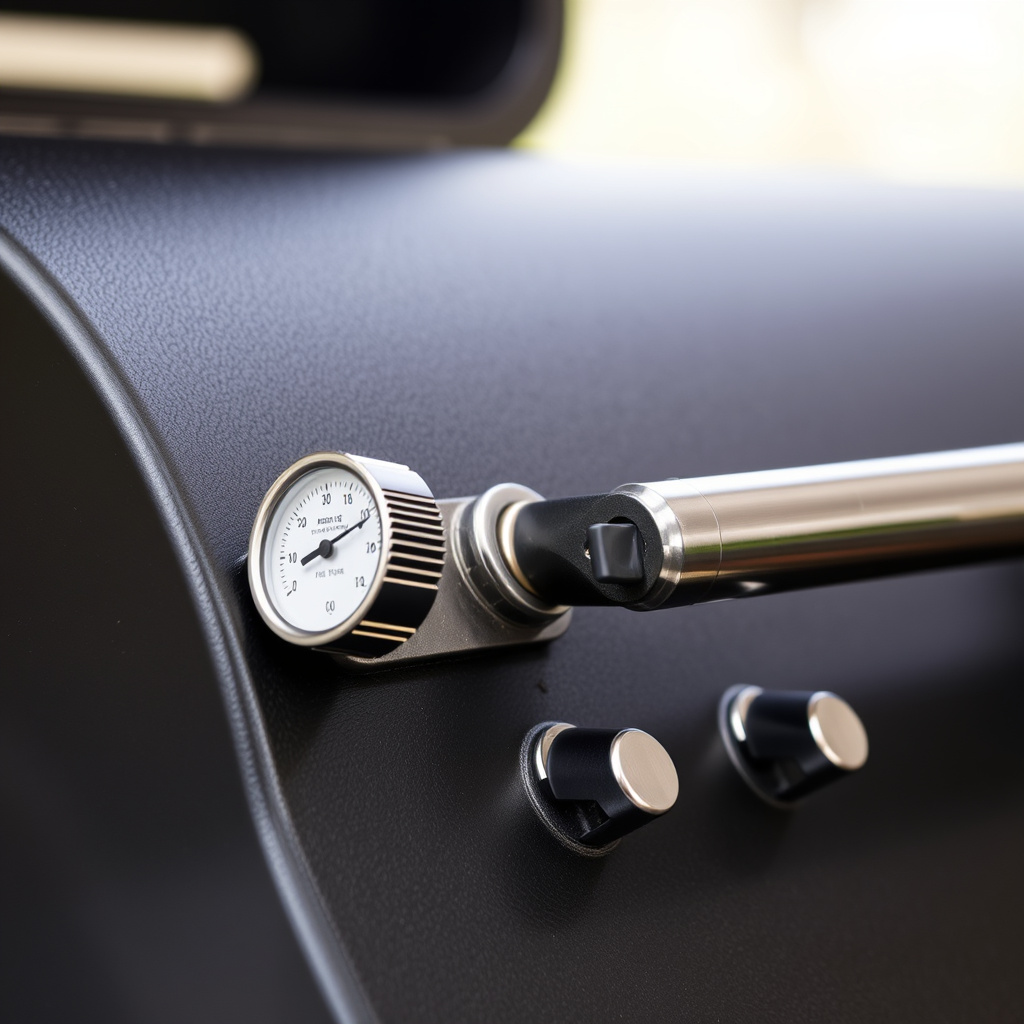
The key to temperature control in smoker grills is regulating airflow via adjustable vents near the firebox and chimney. Opening vents increases oxygen flow, making the fire hotter, while closing them slows the burn and lowers temperature.
Maintaining a steady temperature around 225°F to 250°F promotes even cooking and proper smoke penetration. Frequent vent adjustments may be needed to respond to weather changes or fuel consumption.
- Adjust intake vents for oxygen control
- Use chimney damper to regulate smoke flow
- Monitor temperature closely
- Adapt to wind and weather conditions
Using a Thermometer for Accurate Cooking
Built-in smoker thermometers often read ambient chamber temperature but can be inaccurate. Using a digital probe thermometer to monitor meat internal temperature ensures perfectly cooked results.
Place the probe in the thickest part of the meat and avoid bones or fat. Target temperatures vary by meat type and doneness preference, but using a thermometer prevents guesswork.
- Use quality digital probes
- Regularly check ambient and meat temps
- Avoid temperature spikes by controlling vents
- Know your meat’s ideal internal temperature
Smoking Techniques and Timing
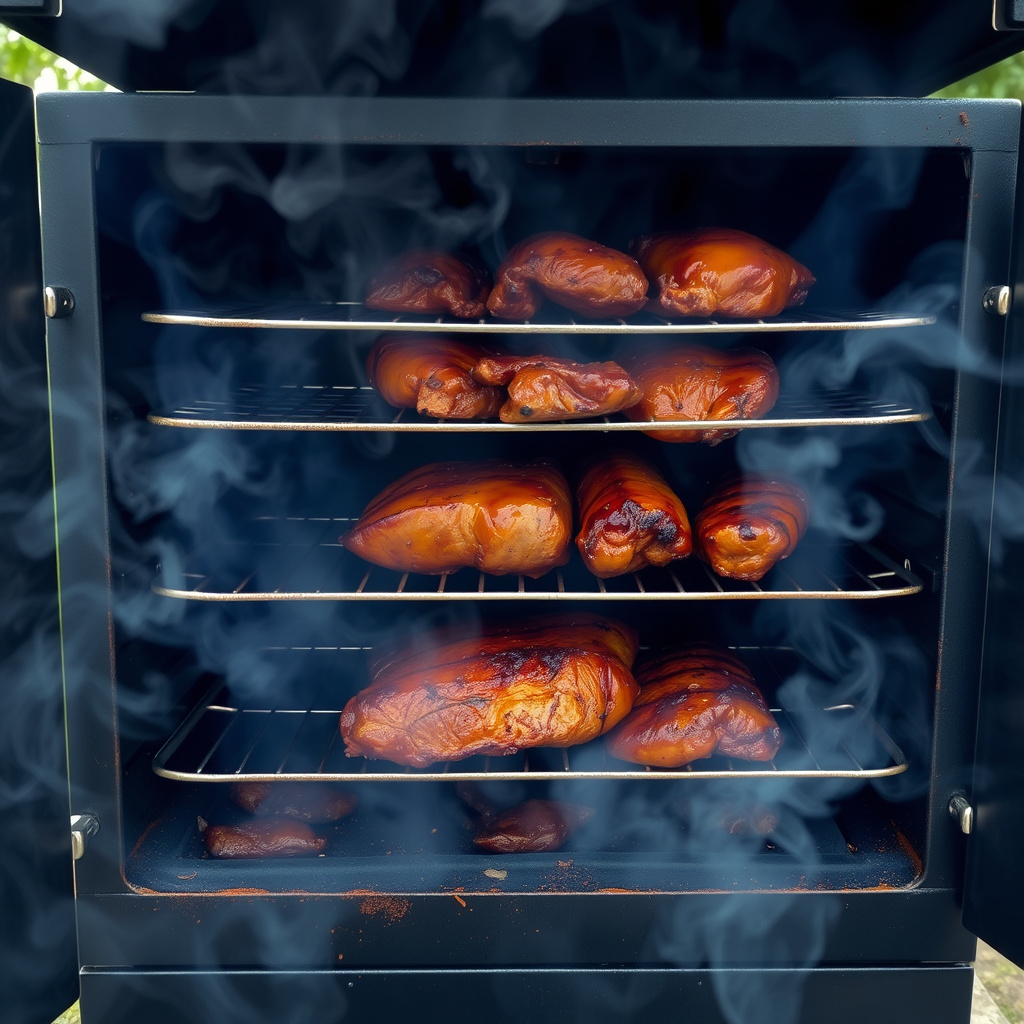
Low and Slow Smoking Method
Smoking meat low and slow at temperatures around 225°F to 250°F allows connective tissues to break down tenderly while absorbing smoky flavor. This method can take several hours depending on meat size and cut.
Plan your cook by estimating time based on weight, usually about 1.5 to 2 hours per pound for large cuts like brisket or pork shoulder. Patience during this process rewards with tender, flavorful meat.
- Maintain stable low temperatures
- Allow plenty of time for large cuts
- Avoid opening smoker frequently
- Use a water pan for moisture retention
For more on this, see our related guide: How to Use a Charcoal Grill for Perfect Barbecue Every Time.
Hot and Fast Smoking Technique
Hot and fast smoking cooks meat at higher temperatures around 300°F to 350°F, cutting the cooking time dramatically while still adding smoke flavor. This method suits thinner cuts or smaller items like chicken wings or sausages.
While easier to manage, hot and fast carries a higher risk of drying out meat without close monitoring. Use this technique if time is limited but watch internal temperature carefully.
- Higher temperature for shorter cooks
- Best for thin or small cuts
- Requires close temperature control
- Can produce crispy bark quickly
Common Challenges and How to Avoid Them
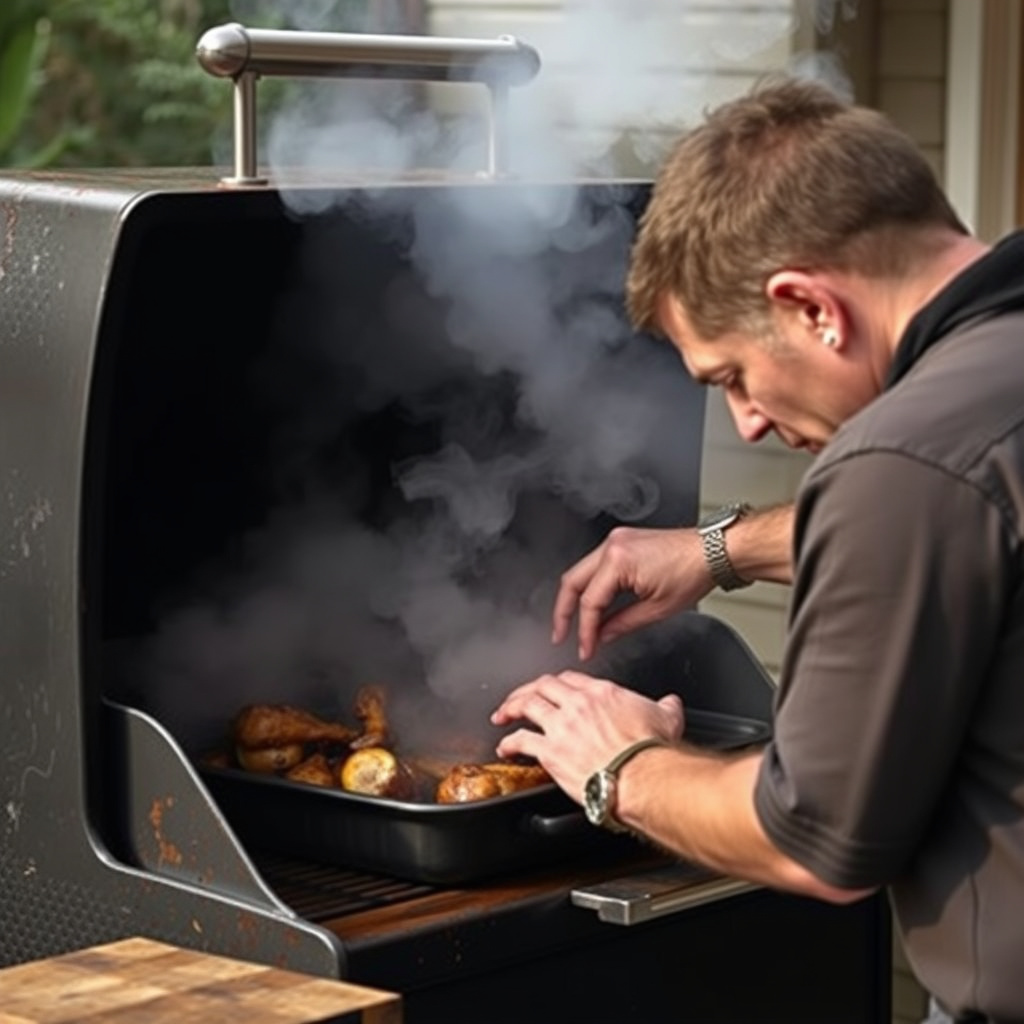
Avoiding Temperature Fluctuations
Inconsistent heat is one of the biggest challenges using a smoker grill. This often results from poor insulation, wind, or incorrect vent adjustments that allow too much or too little oxygen to the fire.
Use drafts or windbreaks to shield your smoker and establish stable vent settings early. Resist the urge to open the smoker frequently as heat loss will disrupt temperature balance.
- Position smoker away from wind
- Adjust vents slowly
- Keep smoker closed during cook
- Check fuel levels regularly
For a deeper understanding of smoking techniques and history, visit this comprehensive guide on smoking food techniques. smoking food techniques.
Handling Dry Meat and Over-Smoking
Meat can dry out if smoked for too long or at too high a temperature. Excessive smoke can also impart a bitter taste if wood is green or burning too hot.
Avoid these issues by maintaining moderate temps, using seasoned wood, and including water in the smoker for humidity. Brining or marinating meat beforehand also helps retain moisture during cooking.
- Use dry, seasoned wood only
- Maintain moderate temperature
- Include a water pan
- Consider brining meats
Smoker Grill Types Comparison
This table compares key aspects of popular smoker grill types to help you choose a model suited to your skills and cooking style.
| Smoker Type | Fuel Source | Ease of Use | Flavor Authenticity | Typical Price Range |
|---|---|---|---|---|
| Charcoal Water Smoker | Charcoal + Wood | Moderate – requires vent management | High – traditional smoky flavor | $150 – $400 |
| Electric Smoker | Electric + Wood Chips | Easy – thermostat controlled | Medium – milder smoke flavor | $200 – $500 |
| Pellet Smoker | Compressed Wood Pellets | Very easy – digital controls | Medium-high – consistent smoke | $400 – $1000 |
| Offset Smoker | Charcoal + Wood Logs | Challenging – hands-on fire control | Very high – rich smoke flavor | $300 – $800 |
Frequently Asked Questions
Can I use any type of wood in my smoker grill?
Not all wood is suitable for smoking. Avoid softwoods like pine or cedar due to resin content that produces unpleasant flavors. Use hardwoods like hickory, oak, or fruitwoods that burn cleanly and offer desirable smoke aromas.
How often should I check the smoker temperature during cooking?
Check your smoker's temperature every 30 to 60 minutes to maintain a steady cooking range. Frequent adjustments early in the cook help stabilize heat, but avoid opening the smoker too often to prevent heat loss.
Is it necessary to soak wood chips before smoking?
Soaking wood chips in water before adding them prolongs smoldering and prevents quick burning, creating a steadier smoke for shorter cooks. However, for longer smoking with chunks, soaking is usually not needed.
What internal temperature should smoked meat reach for safety?
Safe internal temperatures vary by meat type: 165°F for poultry, 190°F to 205°F for brisket or pork shoulder to break down collagen, and 145°F for beef steaks. Use a meat thermometer to verify doneness.
How can I prevent my smoked meat from drying out?
Maintain low, steady cooking temperatures, keep a water pan in the smoker to add humidity, use marinades or brines before cooking, and avoid over-smoking or cooking meat too long.
Key Takeaways
- Start with stable temperatures between 225°F and 250°F for best results.
- Choose wood types wisely to match the flavor with meat cuts.
- Maintain moisture using water pans and brining techniques.
- Regularly monitor temperatures and manage airflow for steady heat.
Conclusion
Using a smoker grill successfully hinges on understanding its unique method of slow, indirect cooking fueled by smoke. The core of the process involves controlling heat through airflow and selecting the right fuel source for flavor. Whether you choose a traditional charcoal water smoker, an electric model, or a pellet smoker, careful preparation and attention during the cook will greatly influence the end result. Patience and consistent monitoring form the foundation of producing tender, smoky meat that pleases every palate.
Different smoker types suit different users: hands-on cooks benefit from charcoal and offset smokers, which offer authentic flavor but demand active fire management. Beginners or those seeking convenience will appreciate electric and pellet smokers for their user-friendly temperature control, albeit with somewhat milder smoke profiles. Selecting the best wood for smoking meat can further tailor the flavor experience—from the robust notes of hickory to the subtle sweetness of fruit woods—making it essential to match wood and meat thoughtfully.
If you're ready to use your smoker grill, start by seasoning your equipment and learning to regulate temperature with your vents and thermometer. Experiment with small cuts on your first attempts, focusing on steady cooking and smoke balance. With practice, you'll gain confidence to tackle larger pieces and more complex flavor combinations. Take the time to explore different woods, cooking times, and techniques, and soon smoking meat will become a rewarding and delicious part of your cooking routine.



