
Using a smoker box on a gas grill is a straightforward way to infuse your grilled foods with savory smoke flavors. Simply fill the smoker box with your preferred wood chips, heat it on the grill alongside your food, and let the smoke work its magic. This method allows gas grill users to enjoy authentic smoked tastes without investing in a dedicated smoker.
Gas grills excel at quick cooking and temperature control but lack built-in smoke generation. Adding a smoker box creates that smoky atmosphere by slowly burning wood chips, which envelop your meal in aromatic smoke. This subtle flavor enhancement can transform ordinary grilled meats, vegetables, and even cheeses into memorable dishes.
This article will guide you through selecting and preparing the smoker box, choosing the right wood chips, positioning the box on your gas grill, and tips for managing smoke intensity and cook times. Whether you're new to smoking or want to improve your technique, this guide covers everything to make your next cookout a success.
Choosing and Preparing Your Smoker Box
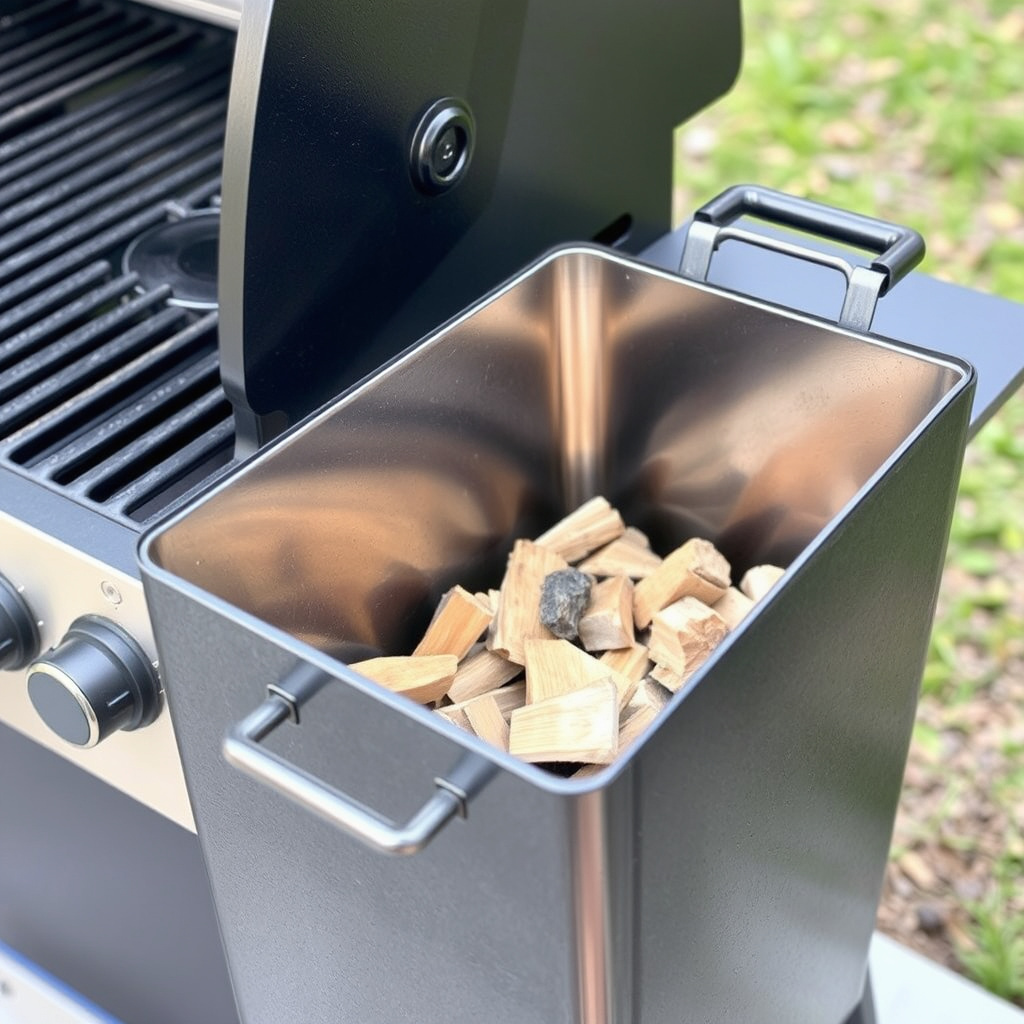
Types of Smoker Boxes for Gas Grills
Smoker boxes come in stainless steel, cast iron, and ceramic varieties. Stainless steel smoker boxes resist rust and are lightweight, ideal for frequent use. Cast iron versions hold heat longer but require more upkeep to prevent corrosion. Ceramic smoker boxes distribute heat evenly, producing steady smoke but can be fragile.
Some smoker boxes feature hinged lids or perforations for better smoke flow. Consider the size as well: smaller boxes work well for brief smoking sessions, while larger boxes hold more wood for extended cooks. Matching the box size to your grill's burner setup optimizes smoke generation.
- Stainless steel: lightweight, rust-resistant
- Cast iron: excellent heat retention
- Ceramic: even heat, delicate
- Sizes: small (1-2 cups), medium (3-4 cups), large (5+ cups)
Preparing the Smoker Box Before Use
Before adding wood chips, soak them in water for 30 minutes to an hour. This slows their burn rate, producing consistent smoke without catching fire. Some cooks prefer soaking in other liquids like apple juice or beer for additional aroma.
Once soaked, drain the chips to avoid excessive steam. Fill the smoker box loosely to allow air circulation. Avoid overpacking as it can starve the chips of oxygen and reduce smoke production.
- Soak wood chips in water or liquids for 30-60 minutes
- Drain excess liquid before filling smoker box
- Fill loosely to promote airflow
Selecting the Right Wood Chips
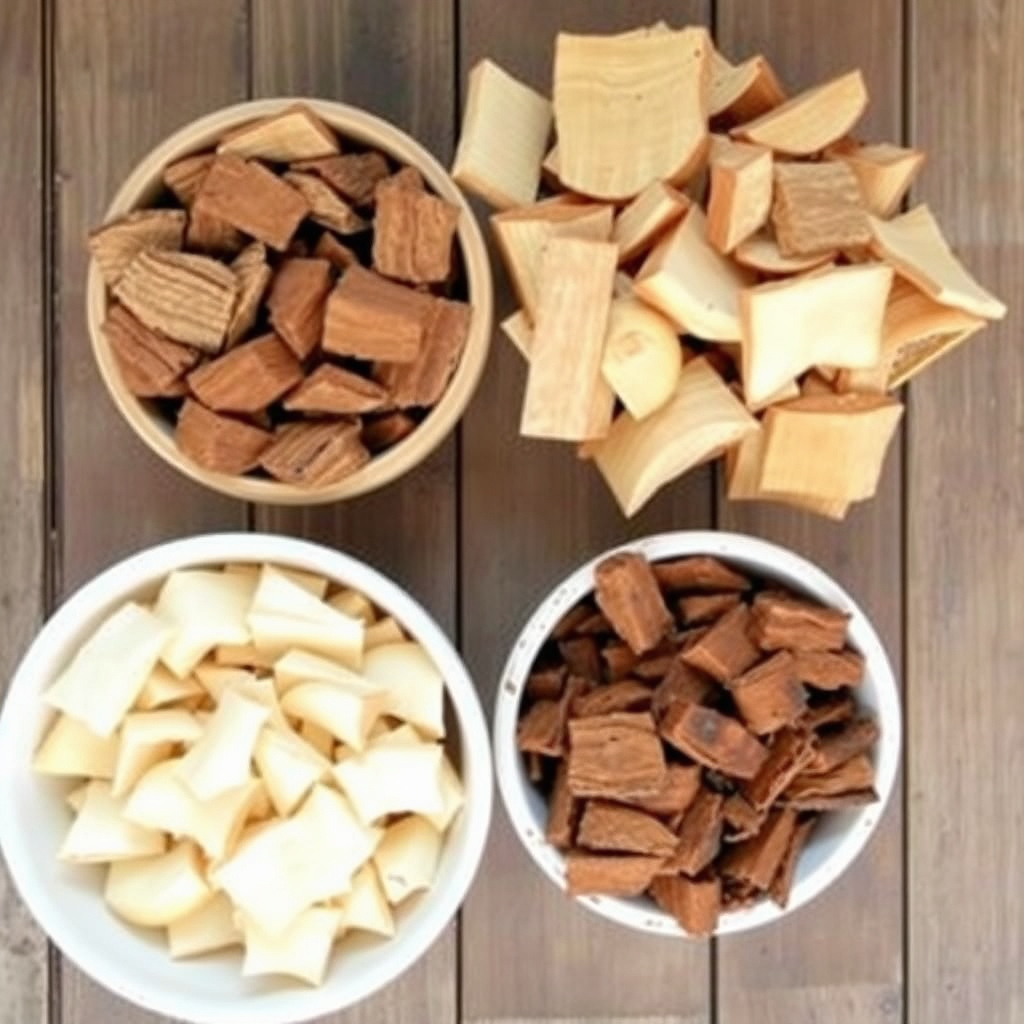
Popular Wood Chip Varieties for Gas Grills
Different wood chips impart unique flavors. Hickory provides a strong, classic smoky taste ideal for beef and pork. Apple and cherry woods offer mild, sweet smoke great for poultry and fish. Mesquite burns hot with an intense earthy flavor suited for quick grilling sessions.
Avoid woods from softwood trees like pine or fir as they produce unpleasant resinous smoke, which can spoil your food. Choose hardwood chips labeled specifically for grilling or smoking.
- Hickory: hearty, savory flavor
- Apple: mild, fruity sweetness
- Cherry: subtle, sweet smoke
- Mesquite: strong, earthy aroma
- Avoid softwoods like pine
For more on this, see our related guide: How to Use Wood Chips on a Gas Grill for Enhanced Flavor.
How Much Wood Chip to Use
The amount of wood chips depends on the smoker box size and cooking duration. For short smokes under an hour, 1 to 2 handfuls of soaked chips suffice. Longer smokes require periodic refills to maintain consistent smoke output.
Overloading the box can cause uneven burning and overpowering smoke taste. Start with a modest amount and add more in increments. Keeping track of the wood chip level helps control smoke intensity and flavor.
- Use 1-2 handfuls for smokes under 60 minutes
- Refill smoker box for longer cooking sessions
- Avoid overfilling to prevent charring
Positioning the Smoker Box on Your Gas Grill
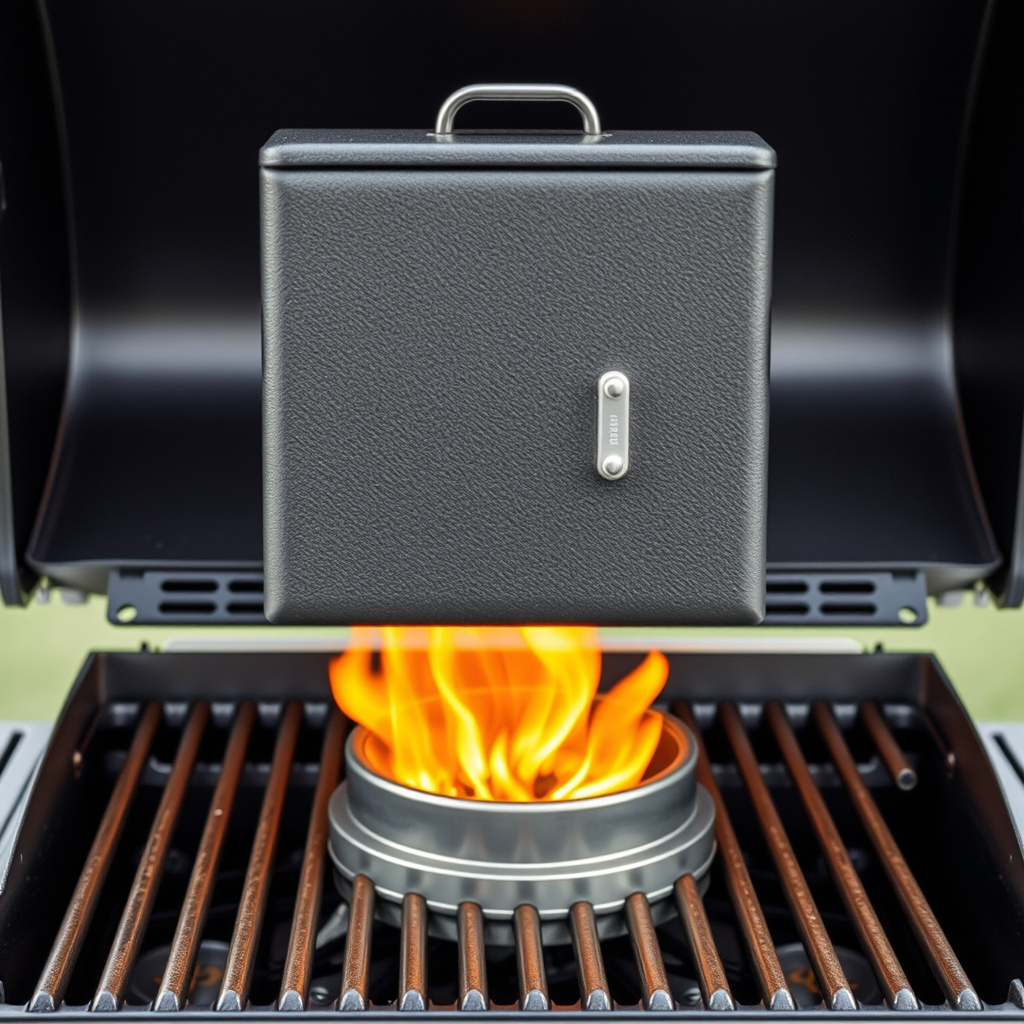
Best Placement for Consistent Smoke
Place the smoker box directly over an active burner on your gas grill to ensure steady heat flow that ignites the wood chips. This will generate smoke steadily rather than sporadic bursts. If your grill has multiple burners, choose a middle burner for even heat distribution.
For indirect cooking, place the smoker box on a burner turned on low and cook food away from that heat source. This method gently infuses smoke while avoiding flare-ups or intense direct heat on the food.
- Position over lit burner for even smoke
- Use middle burners for best heat balance
- For indirect grilling, place food opposite smoker box
Using Foil Packets as an Alternative
If you lack a smoker box, create a foil packet with damp wood chips. Poke holes in the foil to allow smoke to escape and place it on the burner just like a smoker box. This DIY method provides flexibility but can be tricky to handle and may clog burner ports if too wet.
Keep some extra foil packets ready to replace depleted chips during long smokes. Be cautious when handling hot foil packets to avoid burns.
- Make foil packet with soaked wood chips
- Poke holes to release smoke
- Replace packets periodically
- Handle with protective gloves
Controlling Smoke and Temperature During Cooking
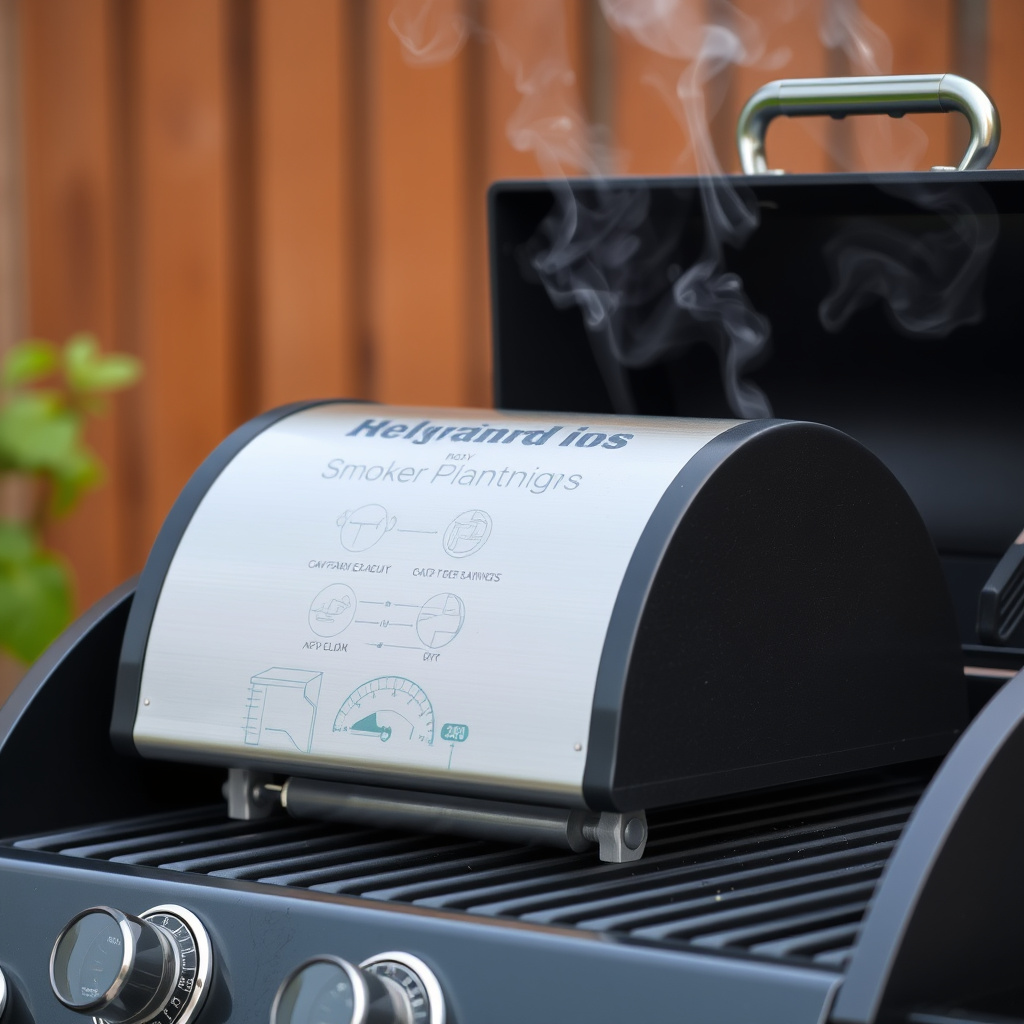
Managing Smoke Levels for Balanced Flavor
Too much smoke can impart a bitter taste, while too little yields a faint smoky flavor. Adjust the number of wood chips and burner heat to control smoke density. Start with a small amount of chips and add more gradually to find the right balance for your palate.
Consider cooking time: longer cooks benefit from slow, steady smoke generation, while short cooks may need higher heat for quick smoke bursts.
- Start with modest chip amounts
- Adjust burner heat to regulate smoke
- Avoid excessive smoke to prevent bitterness
For more on this, see our related guide: How to Use a Charcoal Grill for Perfect Barbecue Every Time.
Temperature Control Tips for Smoking on Gas Grills
Maintain grill temperature between 225°F and 275°F for consistent smoking. Avoid flare-ups by keeping grease away from burners. Use built-in grill thermostats or a separate probe thermometer for accurate readings.
Consider using the indirect cooking method by switching off one burner and placing food on the opposite side. This reduces direct heat risk and allows the smoker box to produce steady smoke without charring the food.
- Maintain grill temp at 225°F-275°F
- Use indirect heat for even cooking
- Monitor with accurate thermometer
Cleaning and Maintaining Your Smoker Box
Cleaning After Each Use
Allow the smoker box to cool completely before handling. Remove used wood chips and ash buildup to prevent clogging the vents and rust formation. Wash the box with warm soapy water and a brush to remove residue.
Dry thoroughly before storage to avoid corrosion. Routine cleaning extends the smoker box’s lifespan and ensures consistent smoke flavor during future cooks.
- Cool completely before cleaning
- Remove ashes and leftover chips
- Wash with warm soapy water
- Dry before storing
For additional background on smoking methods and equipment, see smoker box details on Wikipedia. smoker box details on Wikipedia.
Preventing Rust and Damage
Store smoker boxes in a dry place out of direct moisture. For cast iron boxes, apply a light coat of cooking oil after cleaning to prevent rust. Avoid abrasive cleaning tools that could scratch and weaken the metal surface.
Inspect smoker boxes regularly for cracks or warping, which can negatively affect smoke output and safety.
- Store in dry environment
- Oil cast iron boxes after use
- Avoid harsh scrubbing tools
- Check for cracks and warping
Smoker Box Material Comparison
Here's a comparison of common smoker box materials highlighting heat retention, durability, and maintenance ease.
| Material | Heat Retention | Durability | Maintenance | Best Use |
|---|---|---|---|---|
| Stainless Steel | Medium | High | Easy to clean, resists rust | Frequent use, longevity |
| Cast Iron | High | Very durable | Requires seasoning to prevent rust | Long smoking sessions, heat retention |
| Ceramic | High | Fragile | Clean gently to avoid cracks | Even heat distribution, delicate cooking |
| Aluminum | Low | Moderate | Lightweight but less durable | Portable, light grilling |
Frequently Asked Questions
Can I use any type of wood chips in a smoker box on a gas grill?
Only hardwood wood chips designed for smoking should be used. Softwoods like pine produce harmful sap and unpleasant flavors. Popular choices include hickory, apple, cherry, and mesquite.
Do I need to soak wood chips before placing them in the smoker box?
Soaking wood chips is recommended to slow their burning and produce steady smoke instead of quick flames or burnt pieces.
Where is the best place to put the smoker box on a gas grill?
Place the smoker box directly over a lit burner to ensure consistent heat and smoke production, usually a middle burner for balance.
How often should I refill the smoker box with wood chips during cooking?
For longer smoking sessions over an hour, check and add wood chips every 30 to 60 minutes to maintain a steady smoke level.
Will using a smoker box affect my grill’s temperature control?
Adding a smoker box may slightly influence temperature, but maintaining a consistent burner setting and monitoring thermometers helps keep cooking temps steady.
Key Takeaways
- Place the smoker box over a lit burner for reliable smoke generation.
- Soak wood chips before use to produce steady, flavorful smoke.
- Choose the right wood type and amount to match your food and cook time.
- Clean and maintain your smoker box regularly to prolong its life.
Conclusion
Adding a smoker box to your gas grill is a practical, accessible way to enjoy smoked flavors without a dedicated smoker. Your decision process should focus on selecting a durable smoker box material, appropriate wood chips, and mastering placement on your grill. These factors collectively influence the quality and consistency of smoke flavor infused into your grilled meals. Paying close attention to how you manage smoke levels and temperature will enhance taste and prevent unpleasant bitterness or dryness in your food.
For casual weekend cooks, stainless steel smoker boxes paired with mild fruitwood chips like apple or cherry deliver easy, balanced smoke flavor—ideal for chicken and fish. If you prefer extended smoking sessions with robust flavors, a cast iron smoker box with hickory or mesquite chips works well for beef or pork. Using the indirect heat method in tandem with the smoker box is helpful for temperature control and flavor infusion when cooking larger cuts or delicate items. Foil packet smoker boxes provide a budget-friendly, flexible alternative but require some care to prevent flare-ups or clogging.
Getting started involves preparing your smoker box by soaking wood chips, placing it correctly on your gas grill burner, and monitoring smoke and temperature throughout cooking. Try smaller wood chip amounts first and adjust according to your taste preferences. Maintaining and cleaning your smoker box after use will help you enjoy consistent smoking experiences over many grill sessions. Experiment with different wood types and grill setups to find the smoky flavor that makes your outdoor cooking uniquely yours.



