
A kamado grill is a traditional style ceramic charcoal cooker known for its excellent heat retention and versatility in cooking. It functions as a grill, smoker, and oven, allowing users to sear, smoke, bake, or roast with remarkable flavor and consistency.
The origins of the kamado grill date back thousands of years to ancient Japan, making it a culinary device with deep cultural roots. Its ceramic construction traps heat and moisture efficiently, reducing fuel consumption while providing a stable cooking environment.
This article will explain the key features of kamado grills, discuss their benefits and drawbacks, explore different types and sizes, and offer guidance on choosing the best kamado grill to fit your outdoor cooking needs.
History and Design of Kamado Grills
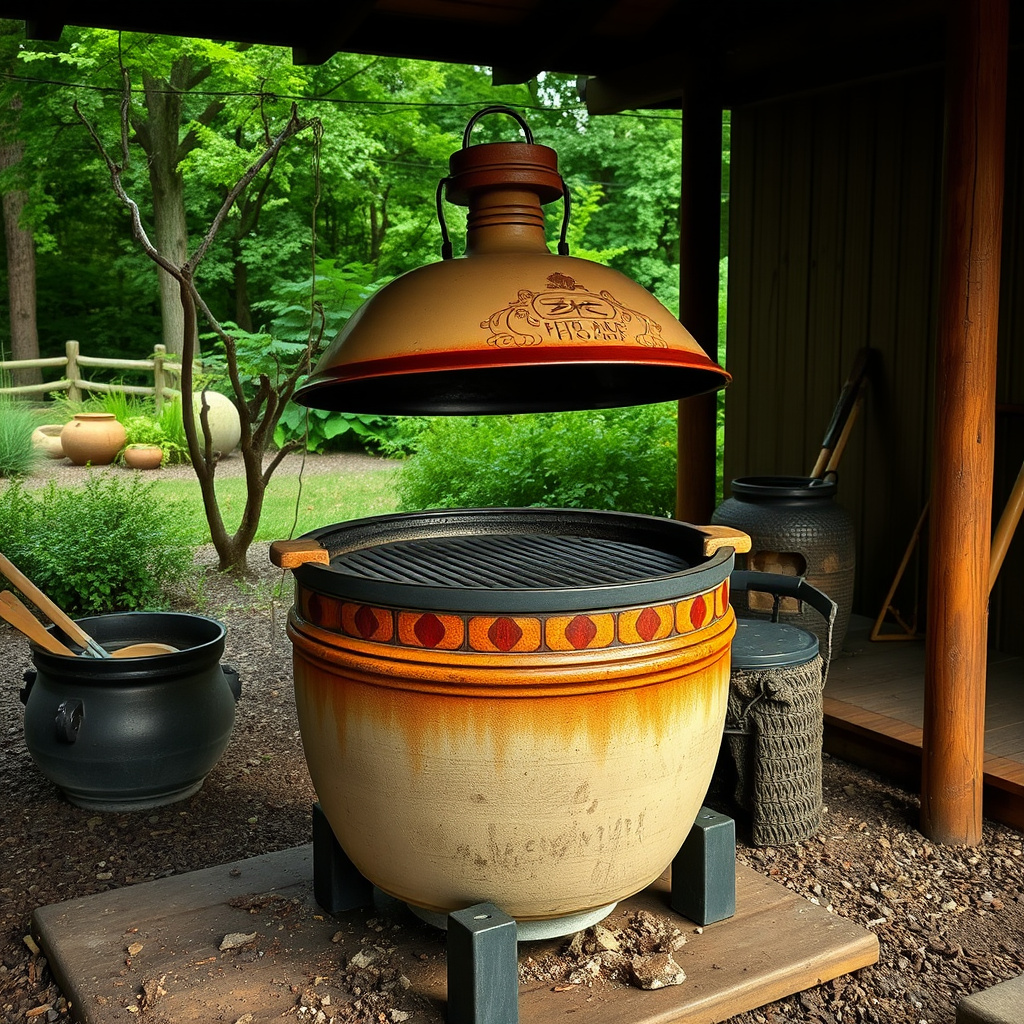
Origins of Kamado Grills
Kamado grills have their roots in ancient Japan, where they were used for cooking rice and other dishes over centuries. Made primarily from ceramic, these grills evolved into modern designs that balance tradition with innovations in materials and technology.
The design centers around a thick ceramic body with an insulated lid, which allows for precise temperature control and long cooking times. This makes kamado grills uniquely suited for diverse cooking techniques.
Key Design Features
A kamado grill's hallmark is its heavy ceramic shell, which locks in heat and moisture, making it different from metal grills. It typically includes adjustable vents to control airflow and temperature efficiently.
Its egg-shaped design maximizes heat circulation inside the cooking chamber, which helps food cook evenly. Accessories such as multi-level racks and deflector plates expand its cooking versatility.
- Thick ceramic walls for heat retention
- Adjustable top and bottom vents
- Egg-shaped dome for airflow
- Multi-functional cooking capability
How a Kamado Grill Works
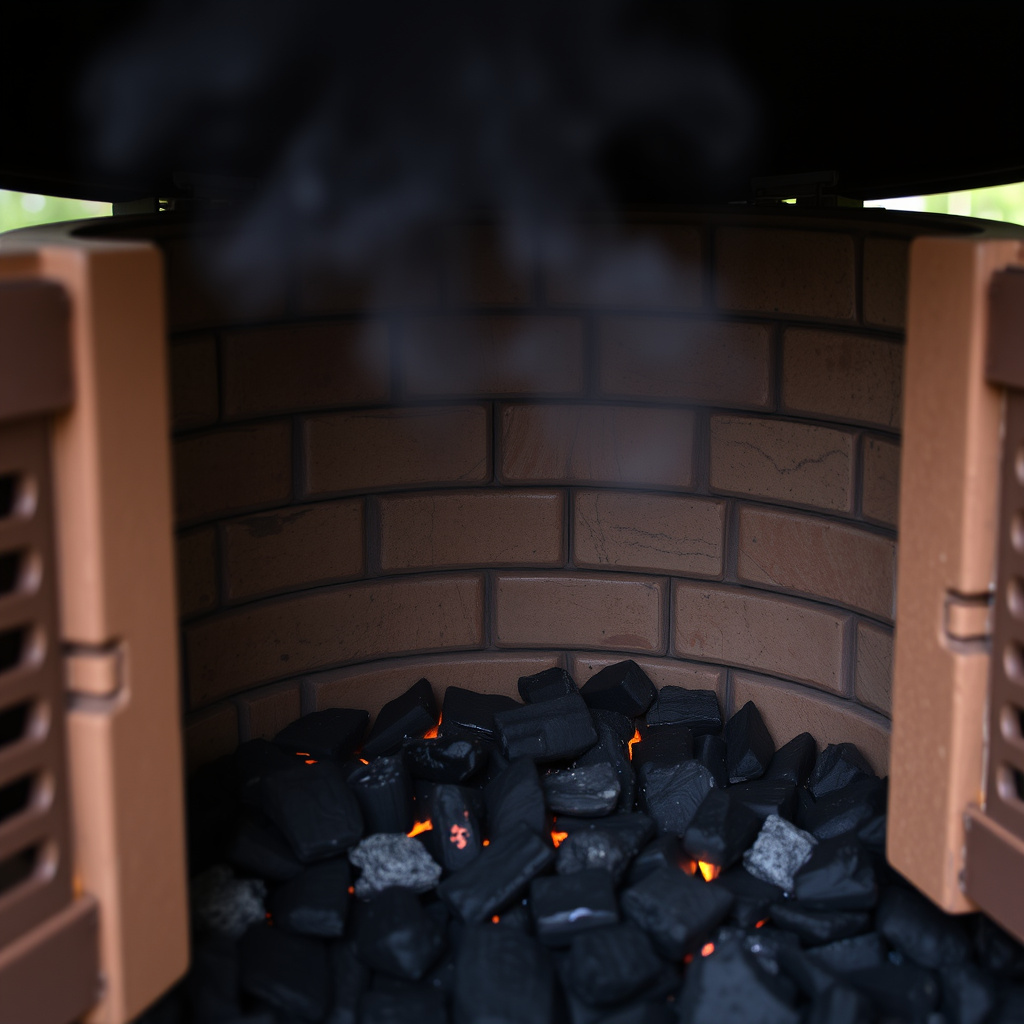
Heat Regulation and Fuel Efficiency
Kamado grills use lump charcoal as the primary fuel source because it burns hotter and cleaner than briquettes. The ceramic retains heat extremely well, so once at temperature, the grill requires only minor adjustments to maintain steady heat.
Vents on the top and bottom of the grill control airflow, which directly influences cooking temperature. Consumers benefit from the kamado grill’s fuel efficiency; fewer charcoal briquettes are needed over long cooking periods.
Versatile Cooking Methods
Kamado grills excel at various cooking styles. Their design allows for high-heat searing, slow smoking, indirect baking, and roasting with precise temperature control from about 200°F to 750°F or higher.
The ceramic insulation keeps food moist during long cooks, making them ideal for barbecue enthusiasts and home chefs who want the flexibility of grill and smoker in one device.
Benefits of Using a Kamado Grill
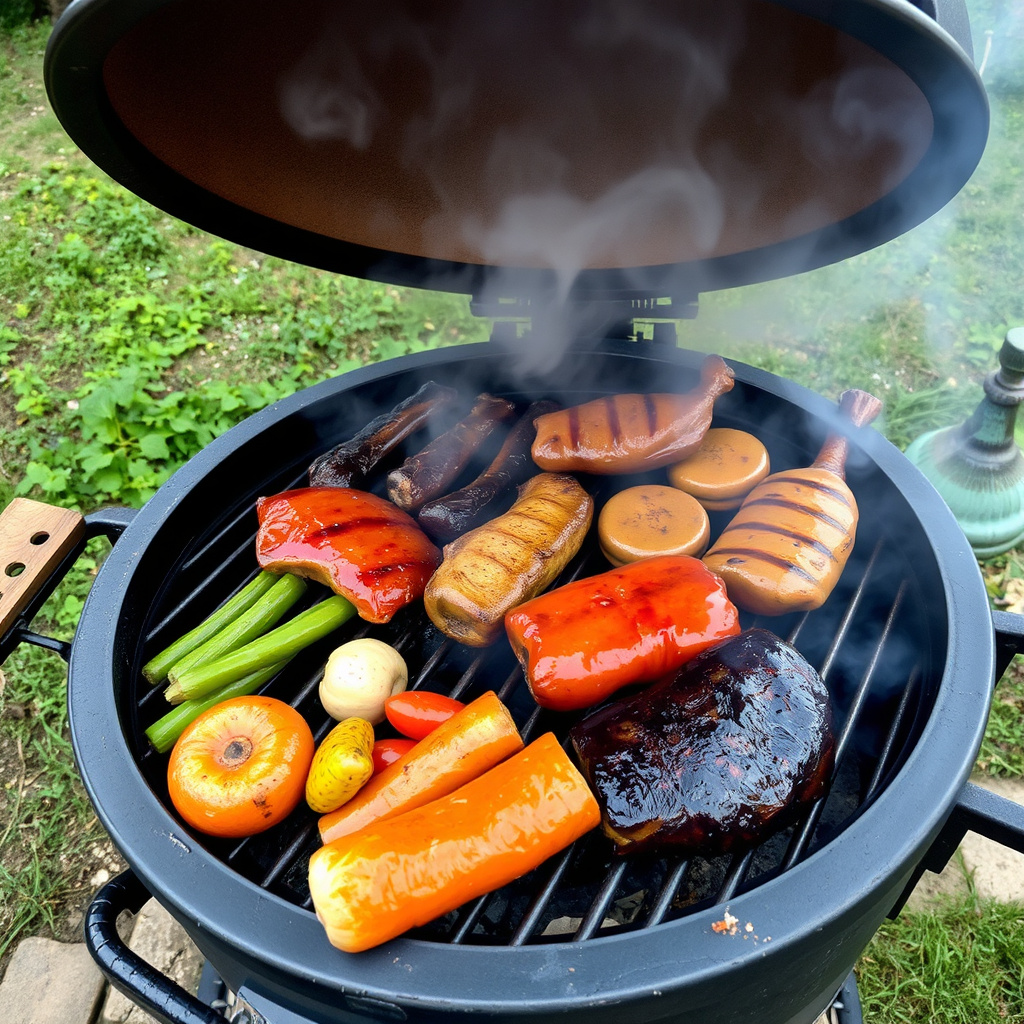
Superior Heat Retention and Flavor
The ceramic body of a kamado grill retains heat much better than a typical metal grill, which contributes to consistent cooking temperatures and reduced fuel usage.
Charcoal fuel combined with ceramic walls produces a smoky flavor that some grillers believe enhances the taste of grilled food compared to gas grills or electric smokers.
For more on this, see our related guide: What Is a Charcoal Grill? A Complete Guide to Charcoal Grilling.
Durability and Weather Resistance
High-quality kamado grills are built to last many years due to their sturdy ceramic construction, which resists rust and corrosion unlike metal grills.
Their thick construction also means outdoor cooks can often grill in cooler or windier weather without losing heat, increasing their usability throughout the year.
Considerations and Drawbacks of Kamado Grills
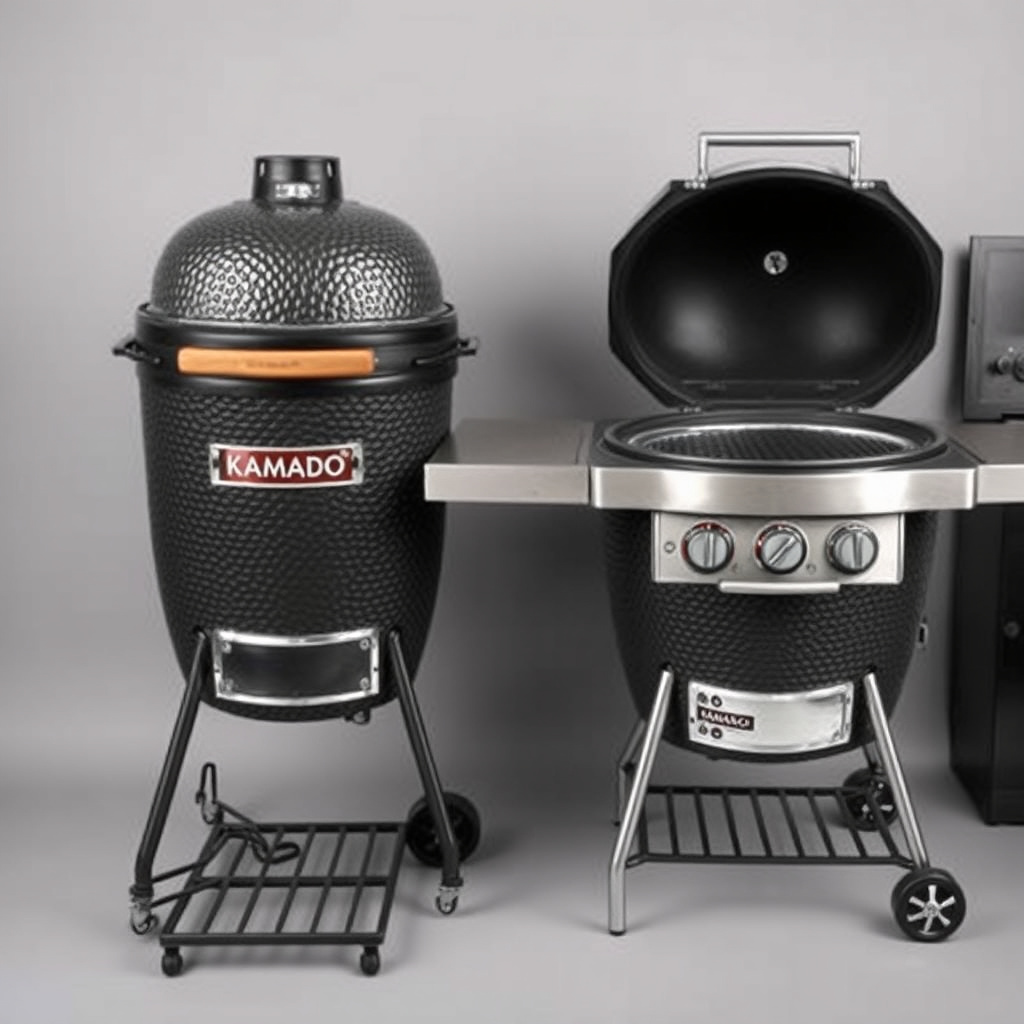
Weight and Portability
Kamado grills can be quite heavy, especially models made from thick ceramic, which can complicate moving and setup. This reduces portability compared with lighter metal grills.
Users should plan for a stable, permanent spot for their kamado grill, and some models come with specialized carts to help with mobility.
Initial Cost and Maintenance
Kamado grills tend to have a higher upfront price point than standard charcoal or gas grills due to their materials and craftsmanship.
While ceramic is durable, it can crack if dropped or mishandled, and occasional maintenance like gasket replacement and vent cleaning is required to maintain performance.
Choosing the Right Kamado Grill for Your Needs
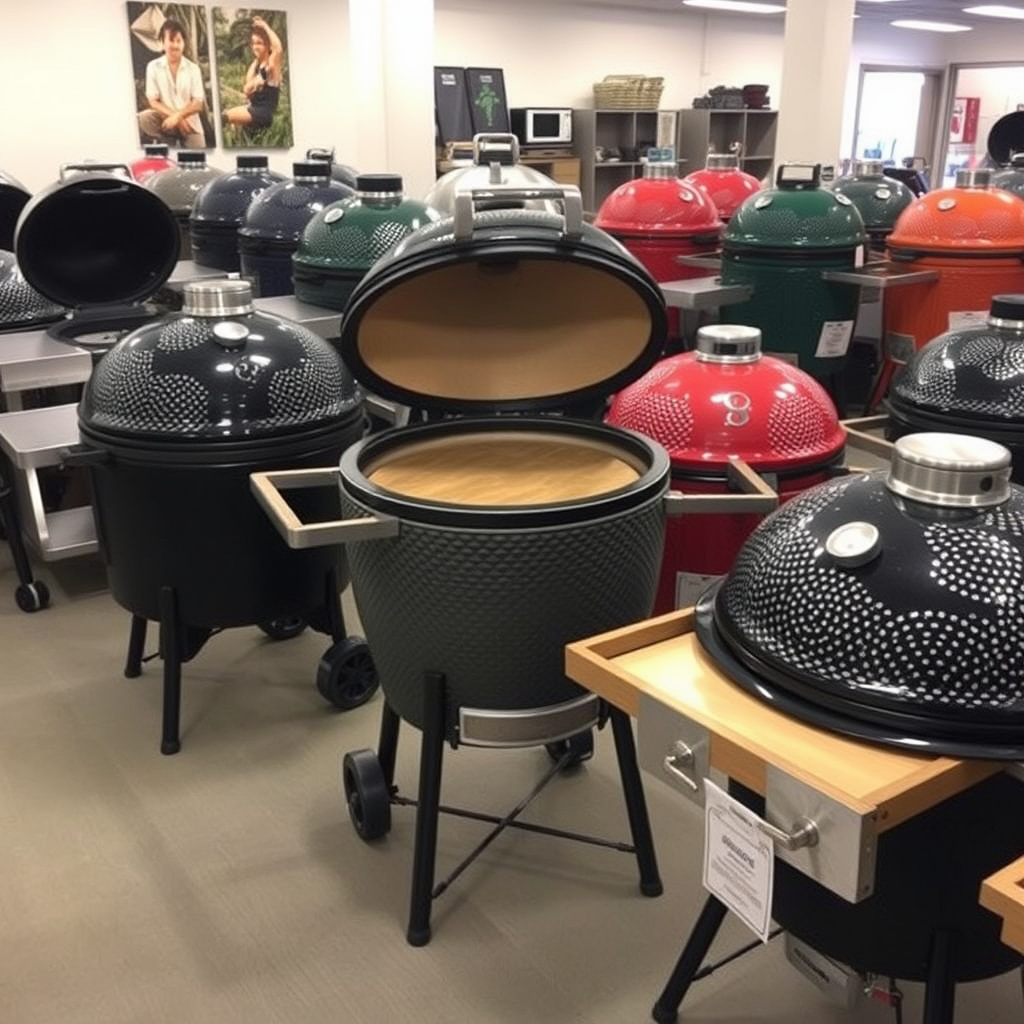
Size and Cooking Capacity
Kamado grills come in a range of sizes from small portable models suited for camping to large home versions for entertaining multiple guests. Size will directly impact cooking capacity and weight.
Consider your typical cooking volume and storage space before choosing. A smaller model is easier to move but less suited for big parties, while larger grills offer greater versatility.
- Small (13-16 inch cooking area)
- Medium (18-22 inch cooking area)
- Large (24+ inch cooking area)
For more on this, see our related guide: What Is Indirect Heat Grilling and How to Master It.
Popular Brands and Features
Several brands excel in the kamado grill market, such as Big Green Egg, Kamado Joe, and Primo. They offer unique features like hinged lids, advanced venting, and warranty coverage.
Keep an eye out for extras like heat deflectors, multi-level cooking grids, and temperature controllers which elevate the cooking experience.
Using and Maintaining Your Kamado Grill
Lighting and Temperature Control
Proper ignition of lump charcoal combined with adjusted ventilation allows precise temperature management. Avoid flare-ups by adding charcoal gradually and regulating airflow carefully.
Regular monitoring of vents and the built-in thermometer supports steady cooking conditions, especially during long smoking or baking sessions.
For more on the kamado grill’s origins and historical development, see the Kamado grill history on Wikipedia. Kamado grill history on Wikipedia.
Cleaning and Upkeep Tips
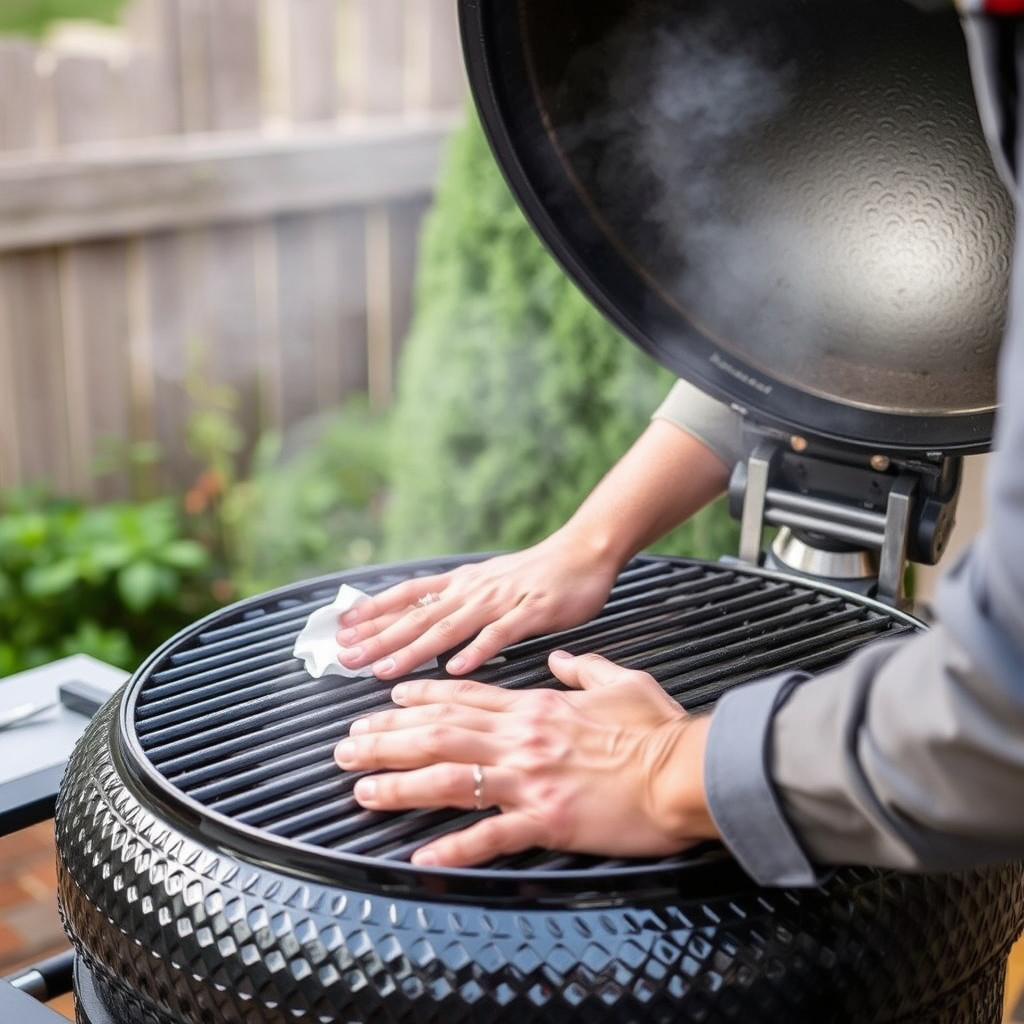
After each use, remove ashes and clean the grill grates to prevent buildup. Avoid harsh chemicals; warm soapy water is sufficient for most parts.
Inspect gaskets annually and replace when worn to keep the grill airtight. Ceramic surfaces should be handled carefully to prevent chips or cracks.
- Remove ashes after cooling
- Clean grates with brush
- Check and replace gasket yearly
- Handle ceramic with care
Kamado Grill Category Comparison
Here's how different kamado grill sizes rank in cooking area, weight, and typical price range, helping you find the right fit.
| Category | Cooking Surface Diameter | Weight (lbs) | Typical Price Range (USD) |
|---|---|---|---|
| Small | 13-16 inches | 50-70 lbs | $400-$700 |
| Medium | 18-22 inches | 100-150 lbs | $800-$1400 |
| Large | 24+ inches | 150-250 lbs | $1500-$2500 |
| Portable Kamado | 12-14 inches | 25-40 lbs | $300-$600 |
Frequently Asked Questions
What fuel does a kamado grill use?
Kamado grills primarily use lump charcoal because it burns cleaner, hotter, and produces less ash compared to briquettes.
Can I use a kamado grill in cold weather?
Yes, the thick ceramic walls retain heat well, allowing effective cooking in cooler or windy conditions, though temperature adjustments may be necessary.
Is a kamado grill easy to move?
Most kamado grills are heavy due to their ceramic construction and are better suited for stationary use, although some models come with carts for mobility.
How do I clean a kamado grill?
After cooking, remove ashes once cool, brush grates clean, and occasionally wash surfaces with mild soap and water. Regular gasket inspection is recommended.
Do kamado grills maintain temperature well?
Yes, kamado grills excel at consistent temperature control thanks to their ceramic insulation and adjustable airflow vents.
Key Takeaways
- Kamado grills offer versatile cooking through excellent heat retention and airflow control.
- Ceramic construction provides durability and unique smoky flavor enhancement.
- Models vary widely in size and features; choose based on cooking needs and space.
- Proper maintenance ensures longevity and consistent cooking performance.
Conclusion
Understanding what a kamado grill is and how it operates helps clarify its appeal to outdoor cooking enthusiasts. Its unique ceramic design and efficient fuel use allow versatile cooking styles from high-heat grilling to slow smoking. When choosing any grill, considering factors like size, portability, and maintenance needs will guide you towards the best fit for your lifestyle and cooking preferences. The kamado grill is not just a grill but a durable culinary tool that combines tradition with functionality.
If you seek a robust smoker and grill combo, medium to large kamado grills offer ample cooking space and temperature stability for entertaining guests or smoking delicate cuts. For casual or portable use, smaller models deliver convenience without sacrificing flavor. Brands such as Big Green Egg and Kamado Joe stand out for their quality craftsmanship and innovative features, often including helpful accessories to expand cooking methods.
Before committing, measure your available outdoor space and set a realistic budget because high-quality kamado grills represent a longer-term investment. Starting with a mid-range model often balances price and performance well. Once you acquire a kamado grill, learning to manage airflow and fuel will unlock impressive results that elevate your grilling experience. A kamado grill can become the centerpiece of your outdoor cooking setup for years.



