
A charcoal grill is a type of outdoor cooking appliance that uses burning charcoal to generate heat for grilling food. Unlike gas or electric grills, a charcoal grill relies on charcoal briquettes or lump charcoal to produce intense, smoky heat that imparts distinctive flavors to meats and vegetables. It typically consists of a firebox for the charcoal, a grill grate where food is placed, and an adjustable vent system to control airflow and cooking temperature.
Many grill enthusiasts favor charcoal grills because they offer a more traditional and versatile cooking style. The smoky aroma that results from charcoal combustion can enhance the taste of grilled food in a way gas grills usually cannot replicate. Additionally, charcoal grills are often more affordable and portable, making them popular choices for backyard cooks as well as camping or picnic outings.
This article will explain how charcoal grills operate, outline their main components, review different charcoal grill types, and give you practical tips on choosing and maintaining a charcoal grill for your cooking needs.
How a Charcoal Grill Works
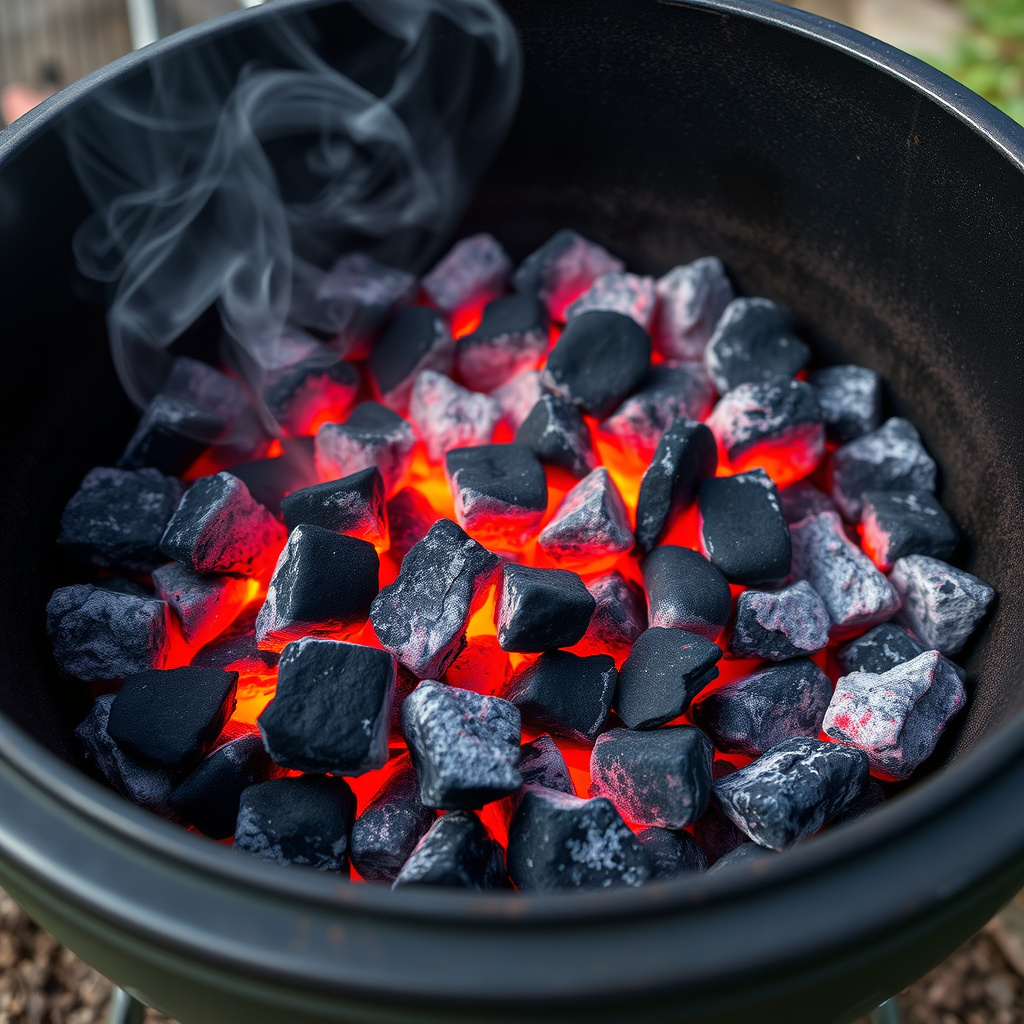
The Basics of Charcoal Combustion
Charcoal grills function by burning charcoal briquettes or lump charcoal to produce heat. When ignited, the charcoal generates high temperatures that cook food placed on the grill grate above. The combustion process also creates smoke, which cooks the food slowly and adds a rich smoky flavor.
Controlling airflow is key to managing the temperature in a charcoal grill. Vents on the bottom and top allow oxygen to reach the burning charcoal and regulate how hot the fire gets. Opening the vents increases oxygen flow and heat, while closing them lowers the temperature.
Components of a Charcoal Grill
A charcoal grill generally consists of a firebox or bowl where the charcoal is placed, a cooking grate positioned above the coals, and adjustable vents for airflow control. Some models include a lid that traps heat and smoke, allowing for more even cooking and the possibility of indirect grilling.
Additional features might include ash catchers to collect residue for easier cleanup, side tables for food prep, and wheels or handles for portability.
Types of Charcoal Grills
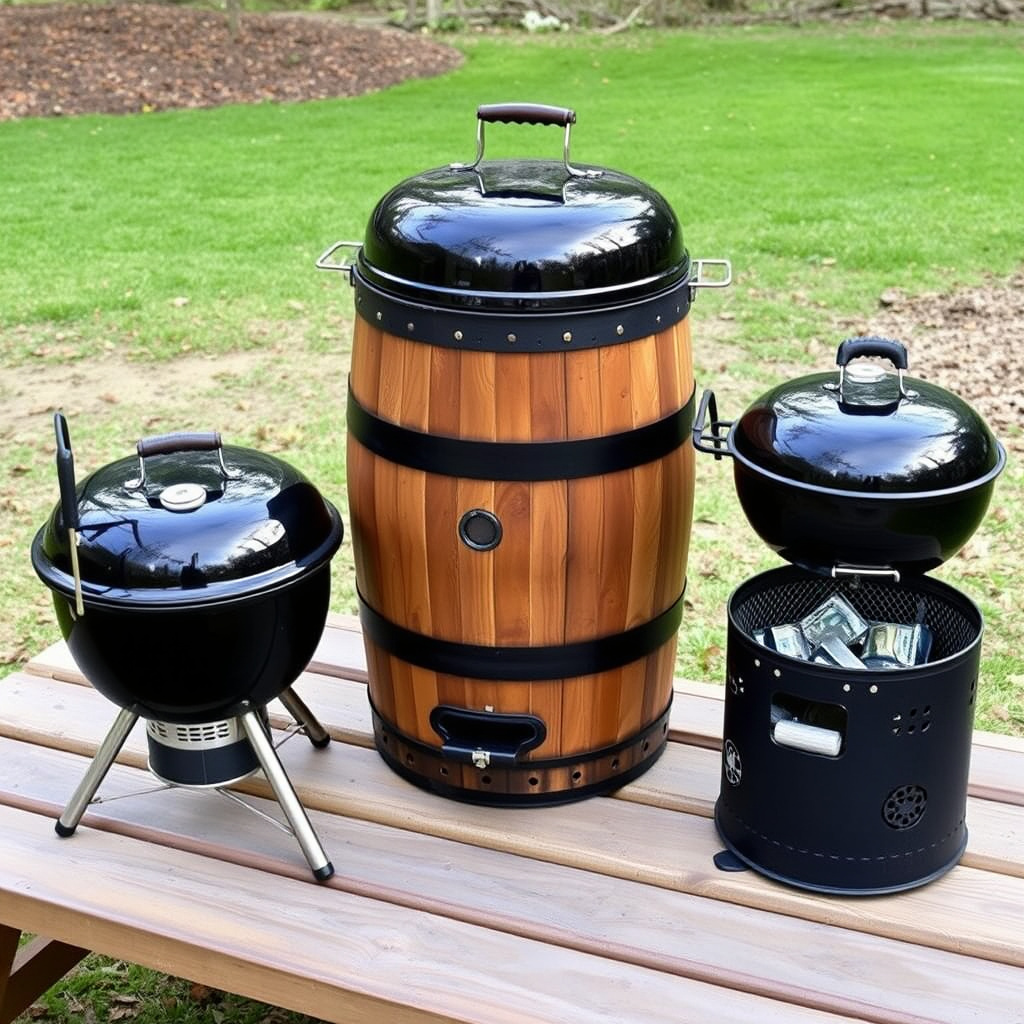
Kettle Charcoal Grills
Kettle grills are round, domed charcoal grills typically made from steel with a lid. They are popular for their ability to provide both direct and indirect heat, making them versatile for various cooking methods.
The spherical shape helps circulate heat evenly, and the adjustable vents allow for precise temperature control. Kettle grills often have a cooking grate with a hinged section for adding charcoal without removing the food.
- Common sizes range from 18 to 22 inches in diameter
- Usually equipped with wheels for portability
- Often include a removable ash catcher
Barrel and Offset Charcoal Grills
Barrel grills are typically larger and shaped like a horizontal cylinder. They often have separate fireboxes attached for smoking or indirect cooking. Offset grills provide a way to cook by indirect heat, which is ideal for barbecuing larger cuts of meat.
These types of grills are favored by enthusiasts who enjoy slow cooking and smoking, as they allow better heat and smoke distribution through the grill chamber.
- Designed for long, low-heat cooking
- More complex vent systems for better control
- Typically heavier and less portable
Choosing the Right Charcoal Grill
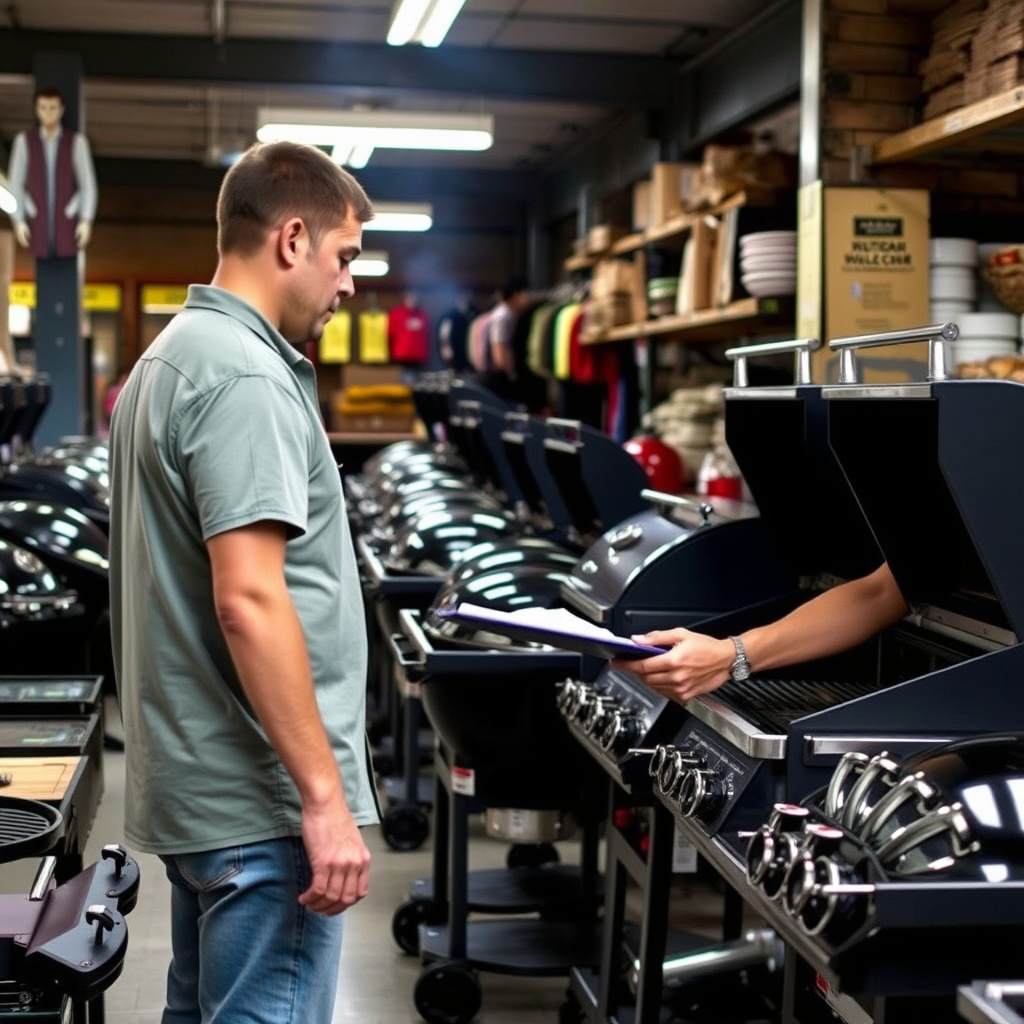
Evaluating Size and Capacity
Choosing a charcoal grill size depends on how many people you plan to cook for and where you intend to use the grill. Smaller, portable grills are great for camping or small patios, while larger kettle or barrel grills can handle cooking for a family or group.
Consider the cooking surface area and whether the grill provides features like multiple racks or warming trays. More space allows you to multitask and cook diverse foods simultaneously.
For more on this, see our related guide: How Long Does Charcoal Burn? A Practical Guide for Grilling and Heating.
Material and Build Quality
Charcoal grills come in various materials, including steel, cast iron, and porcelain-coated metals. Porcelain coatings help resist rust and make cleaning easier, while heavy gauge steel offers good heat retention.
Look for sturdy construction, secure vent mechanisms, and lids that seal well to maintain heat. Quality grills last longer and perform better under repeated use.
Charcoal Grill Maintenance and Safety
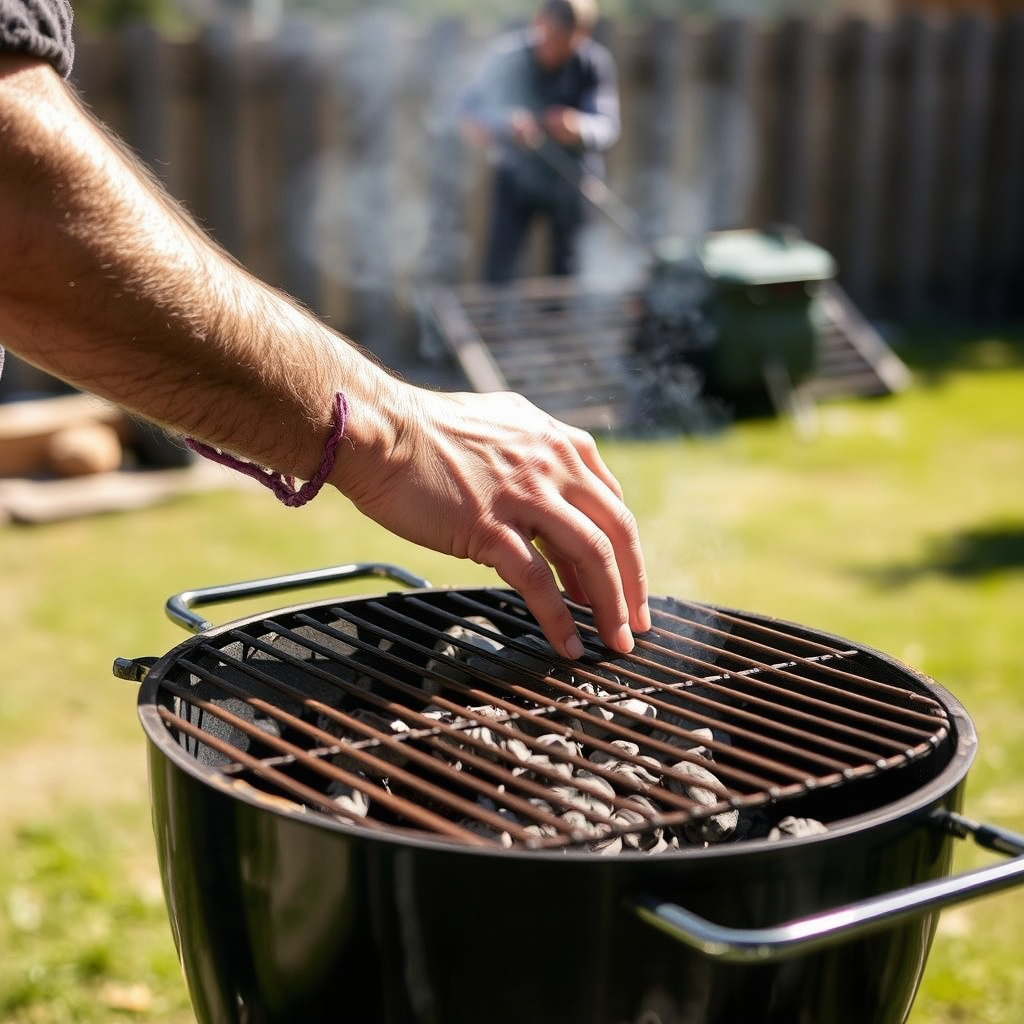
Cleaning and Ash Disposal
After grilling, it’s essential to remove the ashes promptly to avoid airflow blockage and corrosion. Many grills come equipped with ash catchers or trays for easy cleanup.
Grill grates should be brushed down while still warm to remove food residue. Periodic deep cleaning prevents buildup that can affect flavor and cooking efficiency.
- Use a wire brush for grate cleaning
- Empty ashes into a metal container after they’ve cooled completely
- Avoid water on hot surfaces to prevent warping
Safety Measures When Using Charcoal Grills
Always place your charcoal grill on a stable, non-flammable surface away from flammable materials like decks or brush. Never leave a lit grill unattended, especially around children or pets.
Use long-handled tools and heat-resistant gloves to avoid burns. When extinguishing, close vents and the lid to starve the charcoal of oxygen, and never dispose of hot ashes in combustible trash bins.
- Keep a fire extinguisher nearby
- Avoid using lighter fluid excessively
- Never grill indoors or in enclosed spaces
Charcoal Grill Accessories and Enhancements
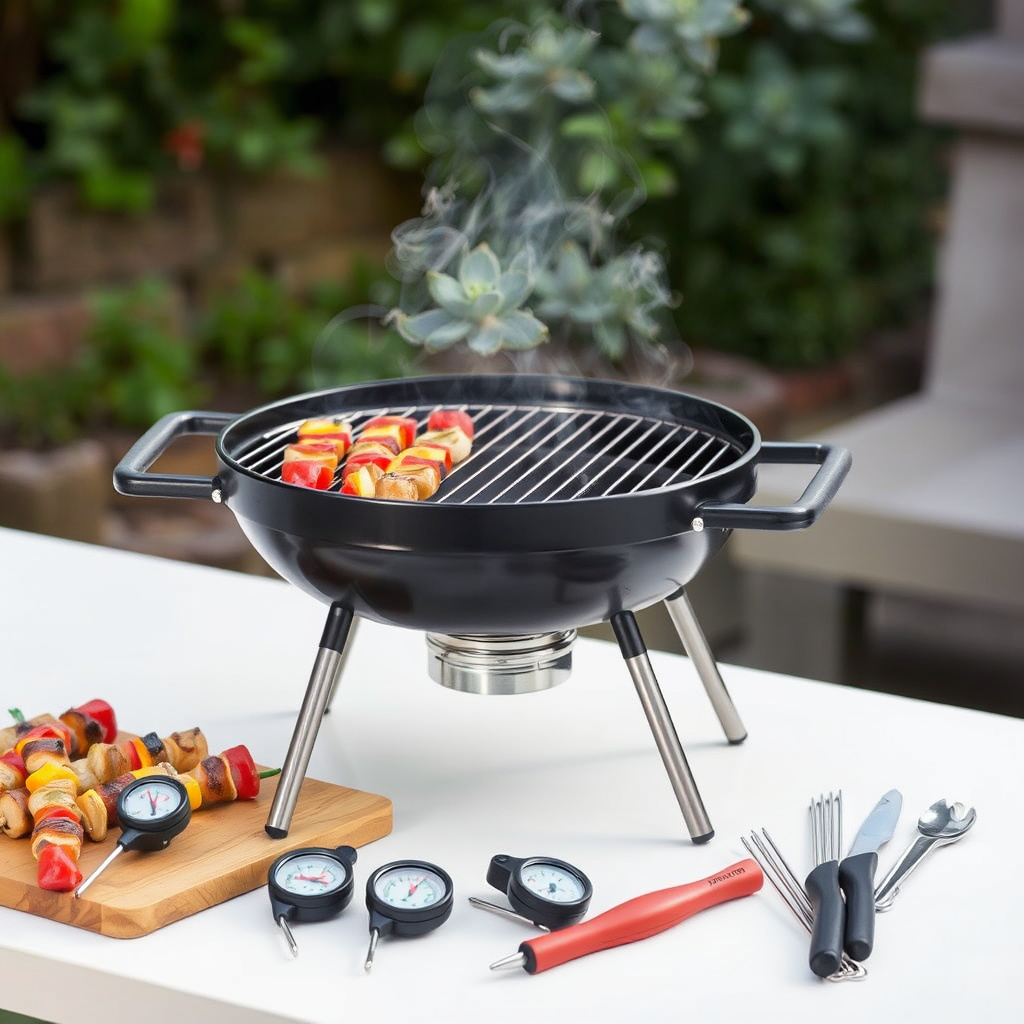
Essential Charcoal Grill Accessories
Certain accessories improve convenience and cooking quality on charcoal grills. Thermometers provide accurate temperature readings, allowing better heat management.
Grill brushes, charcoal chimneys, and heat-resistant gloves enhance safety and ease of use. Woks and rotisserie attachments expand cooking versatility.
- Charcoal chimney for quick, even lighting
- Grill basket for vegetables or small items
- Digital or analog grill thermometers
For more on this, see our related guide: How to Grill Steak on a Charcoal Grill: A Step-by-Step Guide.
Smoking and Flavor Enhancements
Adding wood chips or chunks to the charcoal can introduce distinct smoky flavors to foods. Many charcoal grill users experiment with different types of hardwood to customize taste profiles.
Smoke boxes or wrapped foil packets placed on the coals help contain and distribute smoke uniformly, enhancing subtle flavor penetration.
- Use soaked hardwood chips for longer smoke duration
- Avoid softwoods which produce harsh flavors
- Experiment with hickory, mesquite, applewood, or cherry wood
Charcoal Grill Cooking Techniques
Direct vs Indirect Grilling
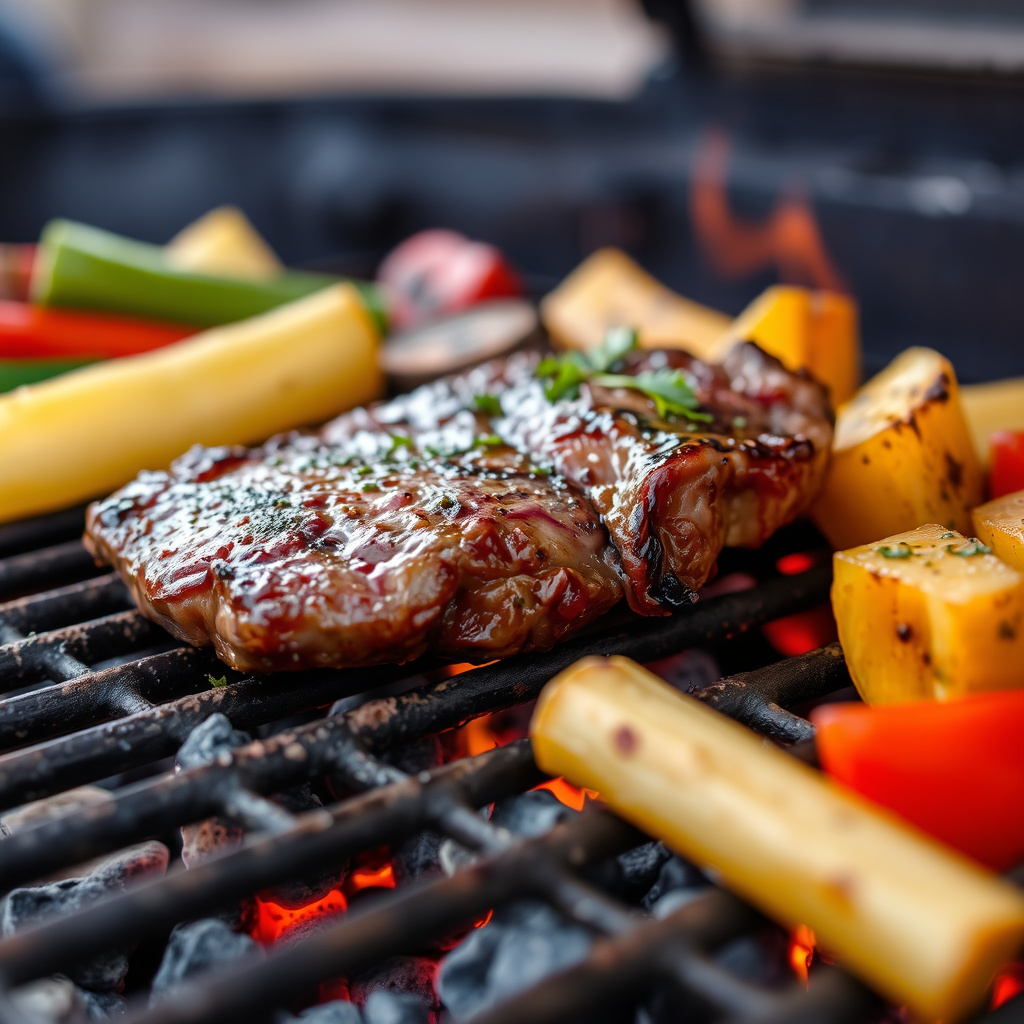
Direct grilling involves placing food directly over hot coals for quick cooking, ideal for burgers, steaks, and vegetables. This method suits foods that cook quickly and benefit from searing.
Indirect grilling places food away from the heat source, usually on unlit parts of the grill. It is perfect for larger cuts like roasts or whole poultry that require slower cooking without burning.
For a deeper understanding of charcoal grills and their history, you can visit the charcoal grill information on Wikipedia. Charcoal grill information on Wikipedia.
Temperature Control and Monitoring
Managing temperature is challenging because charcoal burns intensely and unevenly. Adjusting vents allows airflow control to maintain the target heat level. Periodic charcoal addition may be needed for long cooks.
Move food closer or farther from coals or raise the grill grate if height-adjustable. Use a reliable thermometer to monitor internal food temperatures and ensure safety.
Charcoal Grill Category Comparison
Here’s a comparison of common charcoal grill types highlighting key features, size, and portability to help you decide which fits your needs best.
| Category | Size Range | Portability | Heat Control | Best Uses |
|---|---|---|---|---|
| Kettle Grill | 18-22 inches | High | Excellent via vents | Versatile grilling and smoking |
| Barrel/Offset Grill | Large, 22+ inches | Low | Precise, with multiple vents | Low-and-slow BBQ and smoking |
| Portable Grill | 10-16 inches | Very high | Basic vent control | Camping, picnics, small spaces |
| Kamado Grill | 18-24 inches | Medium | Superior heat retention | Grilling, smoking, baking |
| Tabletop Charcoal Grill | Small, 12-15 inches | High | Limited, basic vents | Small-portion grilling, tailgating |
Frequently Asked Questions
What type of charcoal is best for grilling?
Lump charcoal burns hotter and cleaner than briquettes, providing a natural flavor; briquettes burn longer and more evenly. The choice depends on cooking style and flavor preference.
How do I start a charcoal grill quickly?
Use a charcoal chimney for fast ignition without lighter fluid. Fill it with charcoal, light newspaper underneath, and wait until coals are covered with white ash before spreading.
Can I use a charcoal grill indoors?
No, charcoal grills produce carbon monoxide, which is dangerous in enclosed spaces. Always use charcoal grills outside in well-ventilated areas.
How do I control temperature on a charcoal grill?
Adjust the bottom and top vents to regulate oxygen flow. Opening vents increases heat, closing vents reduces it. You can also control temperature by moving charcoal placement or raising the grill grate.
Is a charcoal grill harder to clean than a gas grill?
Yes, charcoal grills require more cleanup due to ash and soot, but regular maintenance and using ash catchers make cleaning manageable.
Key Takeaways
- Charcoal grills use burning charcoal to impart rich, smoky flavor through direct or indirect heat.
- Kettle grills are versatile and portable, while barrel and offset grills excel at low-and-slow cooking.
- Proper maintenance and safety practices extend grill life and ensure safe use.
- Accessories like chimneys and thermometers enhance convenience and cooking precision.
Conclusion
Deciding on a charcoal grill involves balancing factors such as cooking style, size, and portability. Understanding how these grills operate, from the combustion of charcoal to temperature control through vents, helps you anticipate your needs. Whether you’re seeking the all-around capability of a kettle grill or aiming for authentic low-and-slow BBQ with a barrel or offset model, knowing the strengths and limits of each type helps guide your purchase.
For casual weekend grillers or those frequently on the move, a portable charcoal grill offers convenience without compromising flavor. For those passionate about traditional smoking or barbecuing large cuts, larger barrel grills with offset fireboxes provide excellent heat management. Kamado-style grills add flexibility, combining ceramic heat retention with charcoal's flavor benefits. Your choice should align with where and how you cook, as well as the volume of food you plan to prepare.
Once you decide on a type, investing in essential accessories like a charcoal chimney starter and a quality grill thermometer can make your cooking experience more enjoyable and precise. Remember to prioritize safety by setting up your grill on stable, noncombustible surfaces and following safe charcoal disposal practices. With the right charcoal grill and proper care, you’ll be ready to enjoy authentic, flavorful grilled meals outdoors.



