
Grilling steak on a charcoal grill begins with preparing the coals to create a two-zone fire, allowing for both direct searing and indirect cooking. Start by lighting the charcoal and spreading it so one side of the grill has hot coals, while the other remains cooler. This setup provides controlled heat needed to cook the steak evenly with a flavorful crust.
Using charcoal imparts a unique smoky aroma and flavor to the steak that gas grills cannot replicate, making it a favorite method among grilling enthusiasts. Managing the heat zones properly ensures the steak cooks to the desired doneness without burning on the outside, while also allowing it to rest and finish cooking in the cooler zone.
This guide will cover every aspect of grilling steak on a charcoal grill—how to prep the grill, choose the right steak cut, manage temperature zones, grill timing, seasoning tips, and resting techniques. By the end, you'll be ready to confidently grill mouthwatering steaks that showcase the full potential of charcoal grilling.
Preparing Your Charcoal Grill for Steak
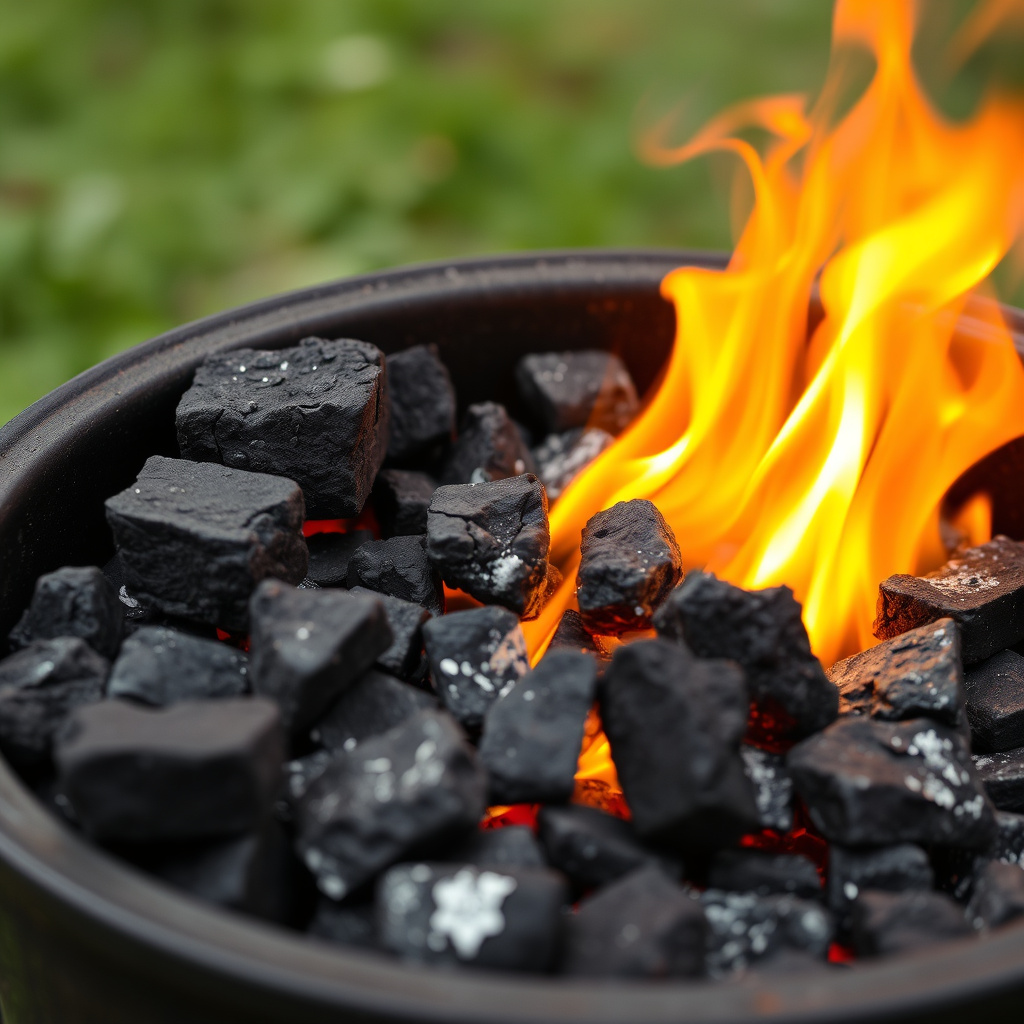
Setting Up a Two-Zone Fire
Creating two separate heat zones on your charcoal grill is essential for controlled cooking. Pile your lit charcoal to one side of the grill to produce intense, direct heat for searing. Leave the opposite side without coals for indirect heat to finish cooking the steak gently.
This configuration allows you to quickly sear the steak over hot coals and then move it to the cooler side to achieve the preferred internal temperature without burning the exterior. It also provides flexibility to adjust cooking speed depending on steak thickness.
- Arrange coals in a single pile on one side
- Leave the other side free of coals
- Use a chimney starter for even lighting
- Adjust vents to regulate airflow and heat
Cleaning and Oiling the Grates
Before placing steak on the grill, clean the grates thoroughly using a wire brush to remove any residue from prior use. A clean grate prevents sticking and helps achieve clean grill marks.
After cleaning, oil the grates by dipping a folded paper towel in a high-smoke-point oil like canola or grapeseed. Using tongs, wipe the oil evenly across the hot grates. This step creates a non-stick surface vital for a perfect sear.
Selecting and Preparing Your Steak
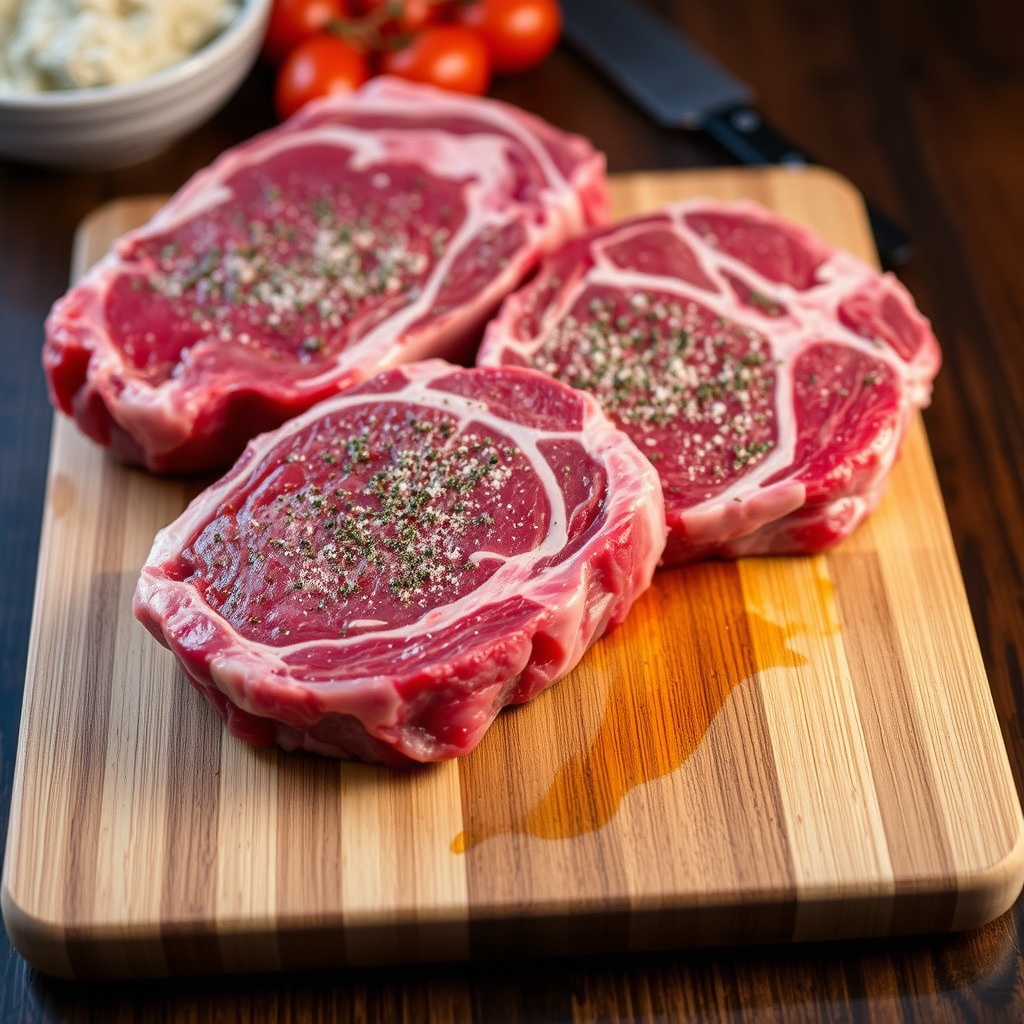
Choosing the Right Cut
Thicker cuts such as ribeye, strip steak, or filet mignon are ideal for charcoal grilling because they withstand high heat and develop rich flavor without overcooking quickly. Aim for steaks that are at least 1 to 1.5 inches thick.
Marbling—the fat within the muscle—is another critical factor; it melts during cooking, keeping the steak juicy and adding depth to the flavor profile. Prime or choice grades often offer the best marbling.
Seasoning Techniques for Charcoal-Grilled Steak
A simple seasoning of coarse kosher salt and freshly ground black pepper is often best for charcoal-grilled steak to highlight the meat’s natural flavors enhanced by smoke. Apply salt at least 40 minutes before grilling or just before placing the steak on the grill.
Some cooks like to add a light coating of oil to help the seasoning adhere and to improve crust formation. Avoid heavy marinades for high-quality cuts, as they can mask the smoky char character.
- Use kosher salt and coarse black pepper
- Season 40 minutes prior or right before grilling
- Lightly coat with oil if desired
- Avoid heavy marinades
Mastering the Grilling Process
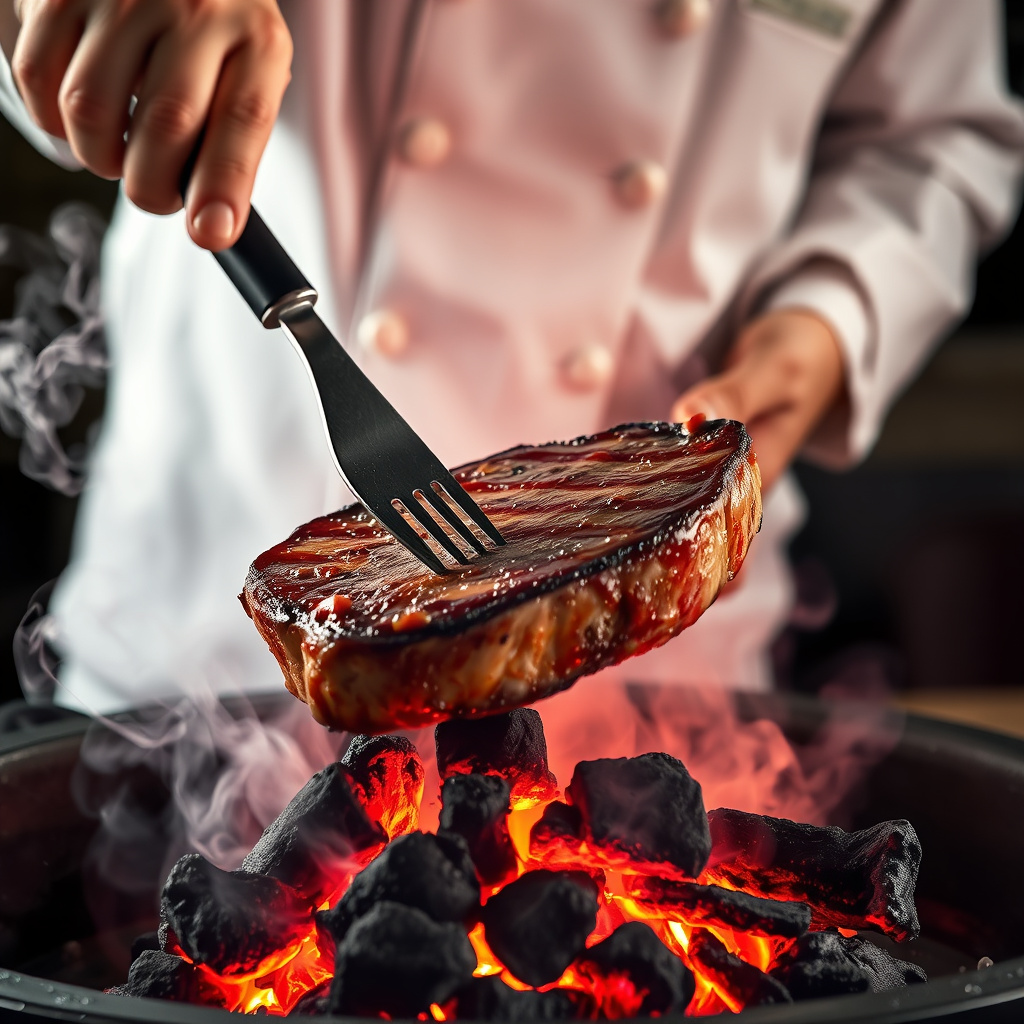
Achieving the Perfect Sear
Place the steak directly over the hot coals for searing. High heat caramelizes the surface proteins, creating the flavorful crust known as the Maillard reaction. Sear each side for 2-3 minutes without moving the steak to develop grill marks.
Use tongs to flip only once during searing to retain juices. Avoid pressing the steak down, as that squeezes moisture out and dries the meat.
- Sear 2-3 minutes per side over direct heat
- Do not move the steak while searing
- Flip only once with tongs
- Avoid pressing the steak
For more on this, see our related guide: How to Grill Steak on a Gas Grill: A Step-by-Step Guide for Perfect Results.
Finishing the Cook with Indirect Heat
After searing, move the steak to the cooler, indirect heat side to finish cooking through without burning. This step allows the internal temperature to rise evenly and reach your desired doneness.
Use an instant-read meat thermometer to monitor temperature closely. For medium-rare, target about 130-135°F internal temperature before resting.
- Transfer steak to indirect heat after searing
- Cook until internal temp reaches target doneness
- Use a thermometer for accuracy
- Avoid overcooking by monitoring closely
Resting and Serving Your Grilled Steak
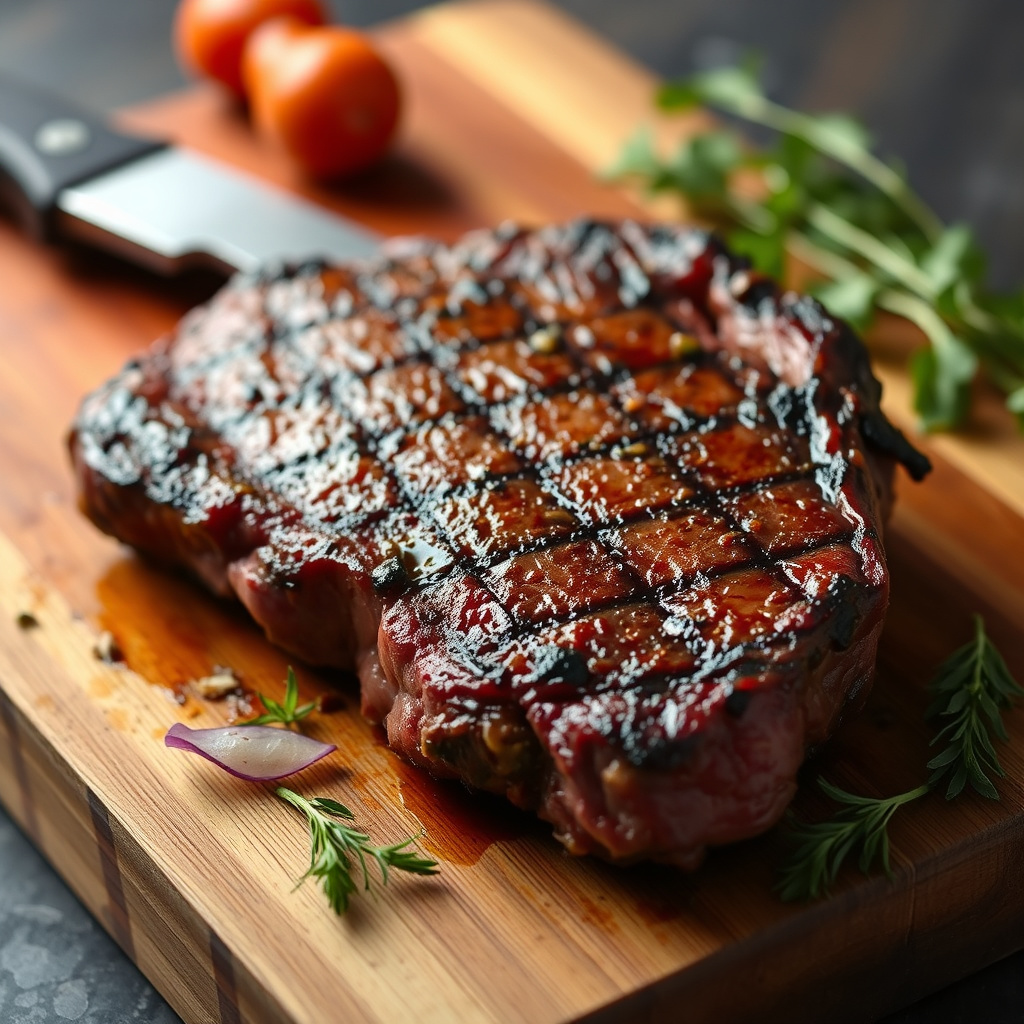
Why Resting Matters
Resting steak after grilling allows the juices to redistribute throughout the meat fibers rather than spilling out when cut. This makes the steak juicier and more tender.
Let the steak rest for 5-10 minutes tented loosely with aluminum foil. Avoid trimming resting time; it is essential for peak eating quality.
- Rest for 5-10 minutes tented with foil
- Juices redistribute for better moisture
- Improves tenderness and flavor
Optimal Serving Suggestions
Serve steak sliced against the grain to maximize tenderness. Accompany with simple sides like grilled vegetables, roasted potatoes, or a fresh salad to complement the smoky steak flavor.
A finishing pat of herb butter or a drizzle of good olive oil can elevate the eating experience. Serve immediately after resting to enjoy the steak at its best.
Maintaining Your Charcoal Grill
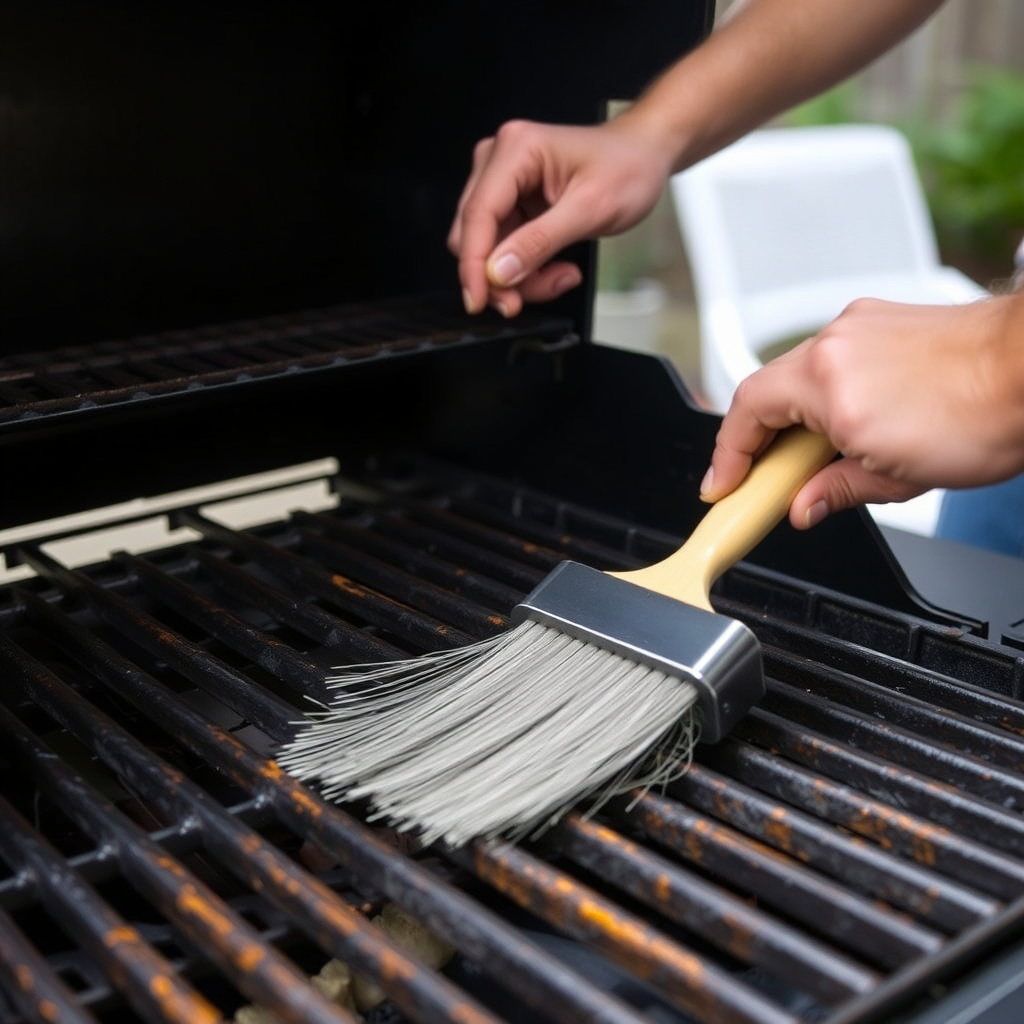
Cleaning After Each Use
Clean grill grates after each cook session while still warm to remove residue that can cause sticking and flare-ups during future cooking.
Use a sturdy wire brush or grill scraper. Dispose of ashes safely once fully cooled to keep airflow unobstructed.
- Brush grates warm after cooking
- Clean ash after cooling
- Inspect vents for blockages
For more on this, see our related guide: How to Grill Steak Perfectly Every Time: A Step-by-Step Guide.
Proper Storage and Care
Store your charcoal grill covered to protect it from the elements, which can cause rust and damage. Remove charcoal before long-term storage to prevent moisture buildup.
Check for rust spots or wear periodically and treat or replace parts as needed to extend grill life.
- Use a grill cover outdoors
- Empty charcoal after use
- Check for corrosion regularly
Advanced Tips for Flavor and Technique
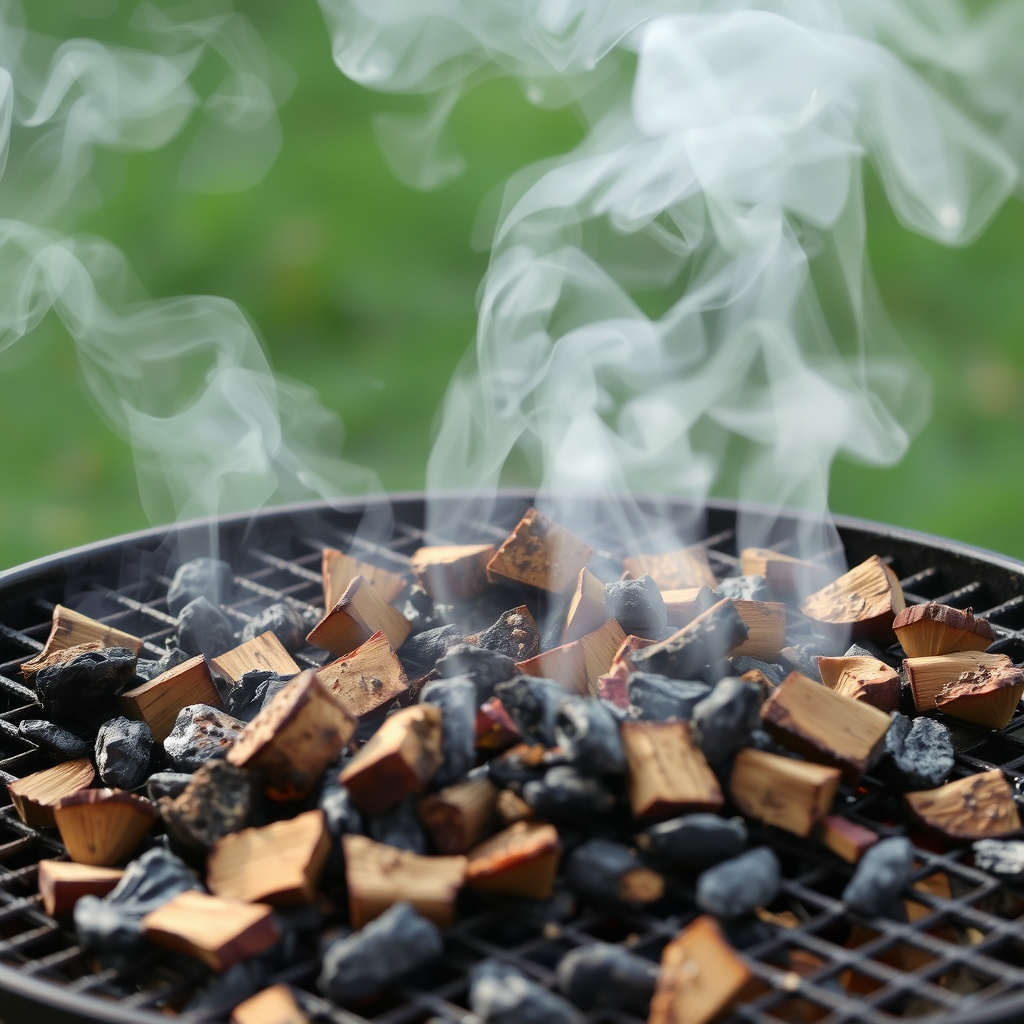
Adding Smoke for Enhanced Flavor
Introduce hardwood smoking chips such as hickory, oak, or mesquite to the coals to impart deeper smoky notes to your steak. Soak chips in water beforehand to slow burning and extend smoke production.
Place chips directly on hot coals or in a smoker box to modulate smoke quantity according to your flavor preference.
- Soak wood chips 30 minutes before use
- Add to coals for smoke infusion
- Choose wood type based on flavor profile
- Control smoke intensity with chip amount
For more detailed insights into charcoal grilling techniques, you can visit the comprehensive Charcoal grilling basics article. Charcoal grilling basics.
Using a Meat Thermometer Effectively
A meat thermometer is vital for perfectly cooking steak without guesswork. Insert the probe into the thickest part away from bones for the most accurate reading.
Pull the steak from the grill 5°F below your target temperature as carryover heat will continue to cook it during resting.
- Insert into thickest part of steak
- Remove steak 5°F before target temp
- Avoid touching bone or fat with probe
Charcoal Grill Types for Steak Grilling Comparison
Explore common charcoal grill types to find which suits steak grilling best based on heat control, portability, and cooking area.
| Grill Type | Heat Control | Portability | Cooking Surface Area | Price Range |
|---|---|---|---|---|
| Kettle Grill | Excellent with adjustable vents | High | Medium (200-300 sq in) | $100-$300 |
| Barrel Grill | Good with multiple vents and charcoal zones | Medium | Large (300-500 sq in) | $150-$400 |
| Kamado Grill | Superior with ceramic insulation and precise vents | Low to Medium | Medium (200-400 sq in) | $500-$1500 |
| Tabletop Charcoal Grill | Limited, mostly small vents | Very High | Small (100-150 sq in) | $50-$150 |
| Catalytic Charcoal Grill | Good for steady indirect heat | Low | Medium to large (250-500 sq in) | $200-$500 |
Frequently Asked Questions
How do I know when my charcoal is ready for grilling steak?
Charcoal is ready when it's covered with grayish-white ash, usually 15-20 minutes after lighting. The coals should be glowing red beneath the ash, indicating even high heat ideal for searing steak.
Can I use marinade on steak before grilling on charcoal?
While marinades can add flavor, they are not necessary for high-quality cuts. Marinades with sugar can cause flare-ups. A simple salt and pepper seasoning lets the steak’s natural flavor and charcoal smoke shine.
What internal temperature should steak reach for medium-rare?
Aim for an internal temperature of about 130-135°F (54-57°C) for medium-rare. Use a meat thermometer to check and remove the steak from heat slightly before this to rest and reach final temperature.
How do I prevent steak from sticking to the grill?
Clean and oil the grates before grilling. Also, place the steak on a properly heated grill and avoid moving it too soon. The crust forms and releases once a good sear is achieved.
Is it better to use lump charcoal or briquettes for grilling steak?
Lump charcoal burns hotter and lighter with less ash, offering great flavor but variable heat. Briquettes provide consistent heat and longer burn, making them easier to manage for steady cooking.
Key Takeaways
- Create a two-zone fire for searing and gentle cooking
- Choose thick, well-marbled cuts for best results
- Sear steaks over direct heat and finish on indirect heat
- Rest steak after grilling for juiciness and flavor
Conclusion
Grilling steak on a charcoal grill combines controlled heat management with the distinctive smoky flavor only charcoal can produce. The decision-making process centers on creating two heat zones to balance searing and gradual cooking, selecting the right steak cut to withstand the fire’s intensity, and applying precise seasoning and timing. Understanding these elements gives you mastery over your grill and confidence whether cooking for friends or special occasions.
Specific recommendations include using a kettle or kamado charcoal grill as they provide excellent heat control tailored to steak grilling. Thick ribeye or strip steaks respond beautifully on charcoal due to their marbling and size. Applying coarse salt early enhances flavor and texture, while resting periods after cooking ensure the steak maintains its juices. Adding wood chips can layer additional flavors if you enjoy a deeper smoky profile.
Your next step is to prepare your grill by building a reliable two-zone fire and gather your preferred steak cut. Focus on mastering the sear then finishing on indirect heat, and rely on a thermometer to check doneness accurately. With practice, you’ll create juicy, tender, flavorful steaks that demonstrate the full potential of grilling with charcoal.



