
Charcoal typically burns between 1 to 3 hours depending on several factors like charcoal type, size, airflow, and how it’s piled. Briquettes tend to burn longer and more consistently, usually around 2 to 3 hours, while lump charcoal burns faster, about 1 to 2 hours, but can reach higher temperatures.
Understanding how long charcoal burns matters because it impacts cooking duration and heat control during grilling or heating. Burn time affects how often you need to add fuel and when to start or end cooking, which can make or break your meal’s outcome.
This article explores the variables that influence charcoal burn time, compares different charcoal types, and offers practical tips to maximize fuel efficiency whether you’re barbecuing, smoking, or heating your space.
Types of Charcoal and Their Typical Burn Times
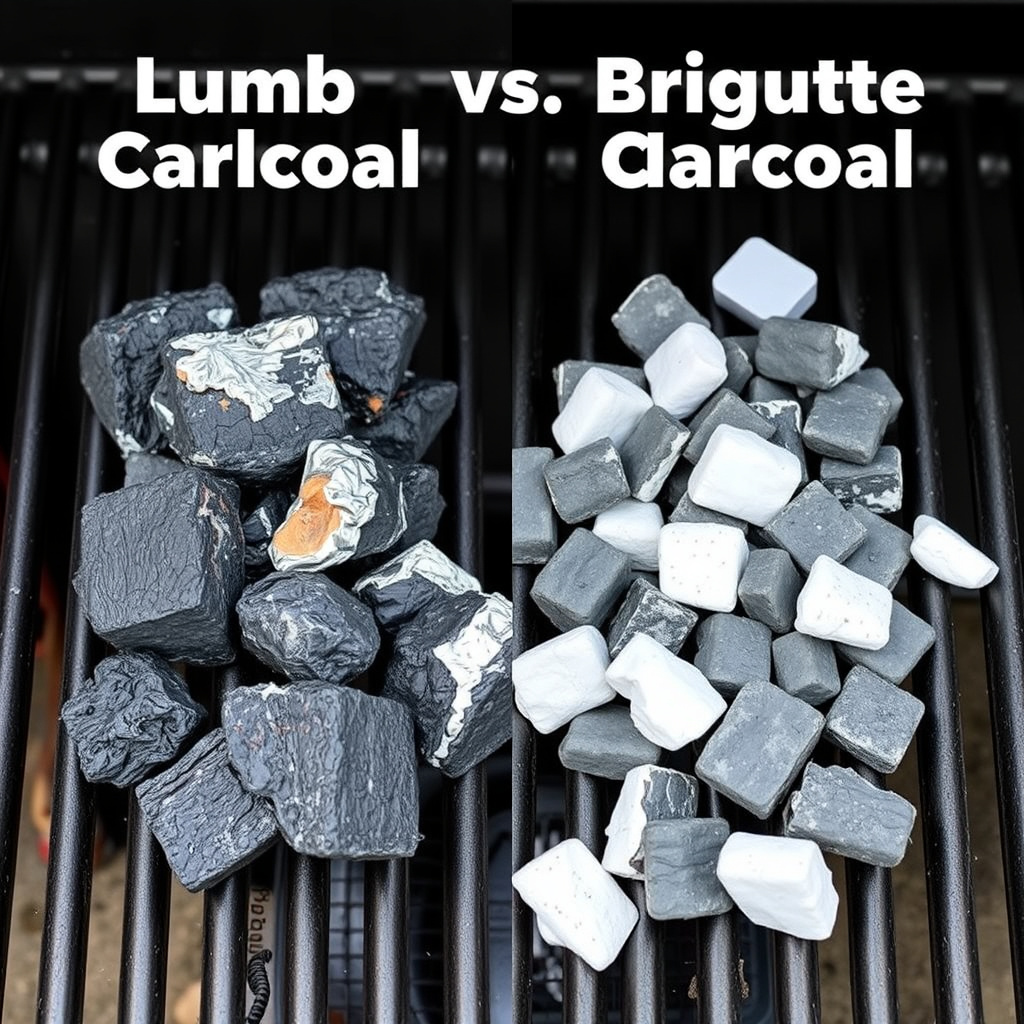
Lump Charcoal Burn Duration and Characteristics
Lump charcoal is made by burning wood in the absence of oxygen, resulting in irregular chunks with varying sizes. It lights faster and burns hotter than briquettes but usually for a shorter period, typically 60 to 90 minutes per load.
Its natural composition means burn time can vary more based on the type of wood and chunk size. The quick, intense heat from lump charcoal is great for searing but requires attentive management for longer cooks.
- Burns 1 to 1.5 hours on average
- Provides higher temperatures
- Variable burn depending on chunk size and wood type
Briquette Charcoal Burn Duration and Characteristics
Charcoal briquettes are made from compressed charcoal dust mixed with binders. These uniform pieces burn steadier and longer than lump charcoal, around 2 to 3 hours, making them a favorite for longer grilling sessions.
While briquettes generate lower peak temperatures than lump charcoal, their consistent shape and heat output offer predictable burn time and easy temperature control.
- Burns for 2 to 3 hours
- Consistent size provides steady heat
- Lower peak temperatures suitable for smoking and slow cooking
Factors Influencing Charcoal Burn Time
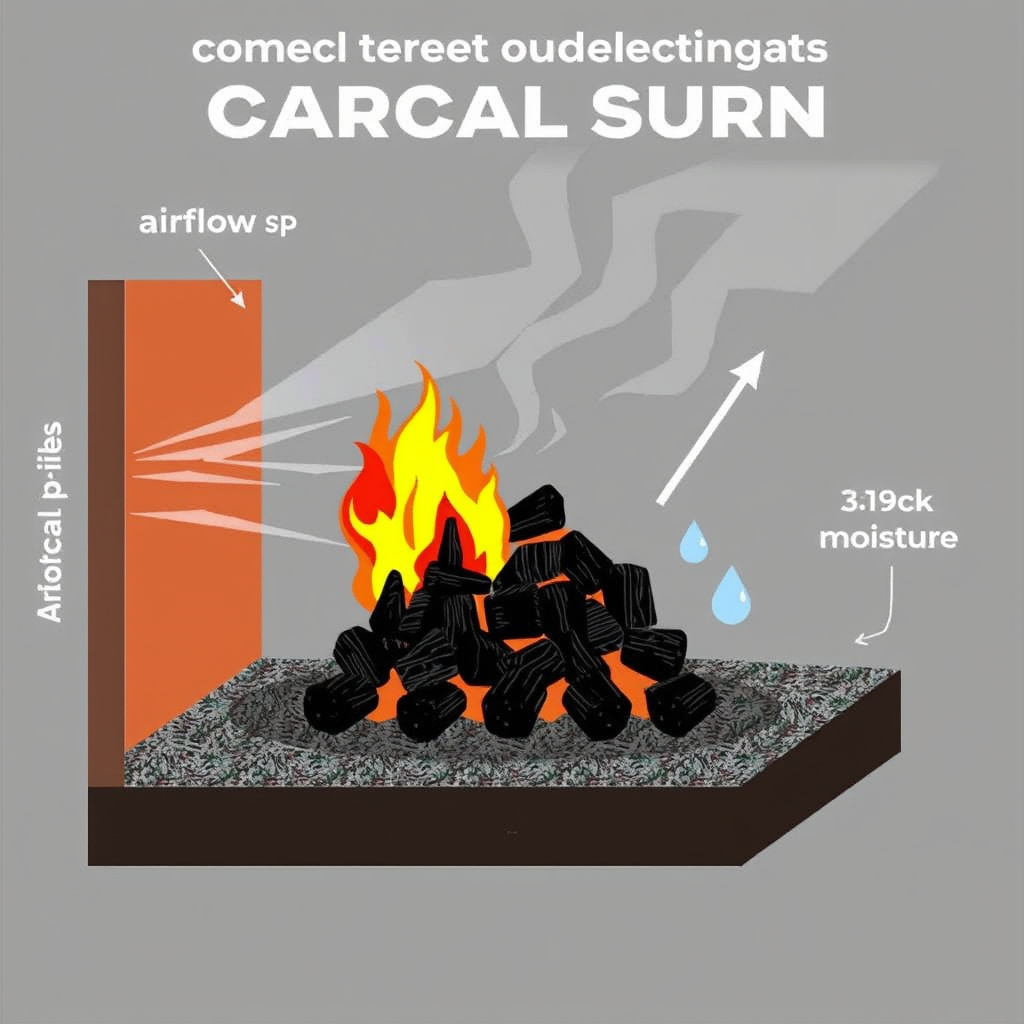
Impact of Airflow and Oxygen Supply
Airflow is critical to charcoal combustion. Proper ventilation supplies enough oxygen for the charcoal to burn effectively, whereas restricted airflow slows the burn or causes incomplete combustion.
Adjusting vents on grills or smokers can lengthen or shorten charcoal burn time by controlling oxygen levels. Too much airflow can burn charcoal faster, while limited airflow can cause uneven burning.
- Increased airflow quickens burn
- Reduced airflow extends burn but risks smoky flavor from incomplete combustion
- Vent controls regulate oxygen supply
For more on this, see our related guide: How Long to Grill Burgers: Perfect Timing for Juicy Results.
Effect of Charcoal Size and Pile Arrangement
Smaller pieces of charcoal ignite faster and burn quicker, reducing overall burn time. Conversely, larger chunks last longer but require higher ignition heat to catch fire thoroughly.
How charcoal is arranged affects airflow and heat retention. A dense pile burns slower with retained heat, while spread-out charcoal burns faster but less evenly.
- Small pieces: fast burn rate
- Large chunks: longer burn time
- Compact piles hold heat and prolong burn
Using Charcoal Efficiently for Grilling
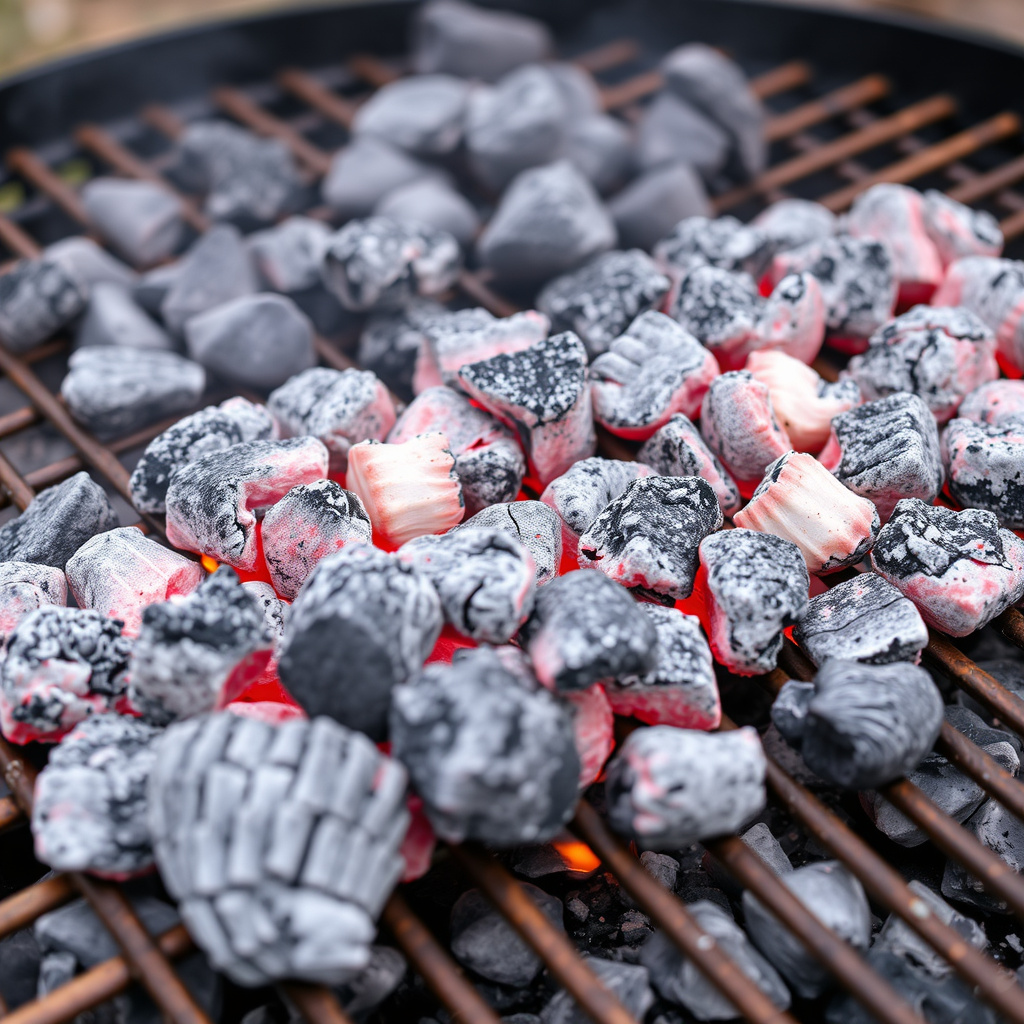
Techniques to Extend Charcoal Burn Time
Using methods such as the snake or minion method allows you to layer coals in ways that provide steady, long-lasting heat. These arrangements slow fuel consumption by controlling the rate charcoal ignites.
Controlling grill vents and avoiding opening the lid unnecessarily conserves heat and oxygen balance, which helps extend how long your charcoal lasts during a cooking session.
- Snake and minion methods for slow, steady burn
- Limit lid openings to retain heat
- Adjust vents to manage oxygen supply
When to Add More Charcoal During Cooking
Adding fresh charcoal mid-cook is often necessary for longer grilling sessions. Timing is key: add new charcoal as the existing coals are nearing the end of their burn to maintain consistent heat without temperature dips.
Pre-lighting the new charcoal before adding it reduces disruptions and prevents smoke flavor issues, ensuring smooth heat integration.
- Add charcoal when existing coals fade
- Pre-light new coals for best integration
- Plan fuel replenishment for multi-hour cooks
Safety and Environmental Considerations with Charcoal Burn
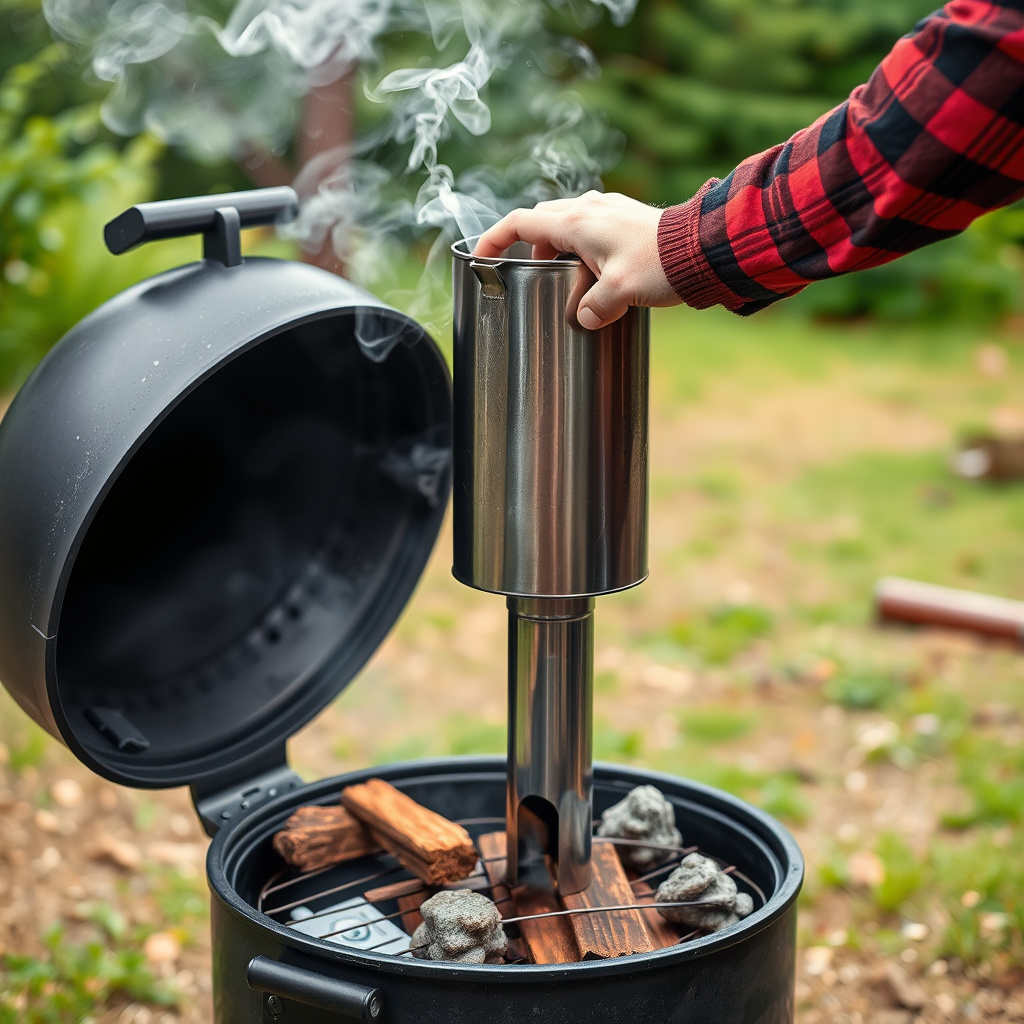
Safe Charcoal Ignition and Handling Practices
Using a chimney starter or electric charcoal starter can reduce the need for chemical fire starters, improving safety by avoiding toxic fumes. Always light charcoal in well-ventilated outdoor spaces to prevent hazardous buildup of carbon monoxide.
Never leave burning charcoal unattended, and let charcoals cool completely before disposal to prevent accidental fires.
- Use chimney starters or electric igniters
- Light charcoal outdoors or in ventilated areas
- Avoid chemical starters when possible
- Cool coals fully before disposal
For more on this, see our related guide: How to Use a Charcoal Chimney Starter for Quick, Even Grill Lighting.
Environmental Impact of Charcoal Use
Charcoal production can contribute to deforestation and carbon emissions, depending on sourcing. Opting for sustainably produced charcoal or lump charcoal from responsibly harvested wood reduces environmental harm.
Efficient burning practices minimize smoke emissions and fuel waste, promoting a more eco-friendly grilling experience.
- Choose sustainably sourced charcoal
- Use efficient lighting and burn methods
- Limit smoke and ash pollution
Charcoal Alternatives and Their Burn Times
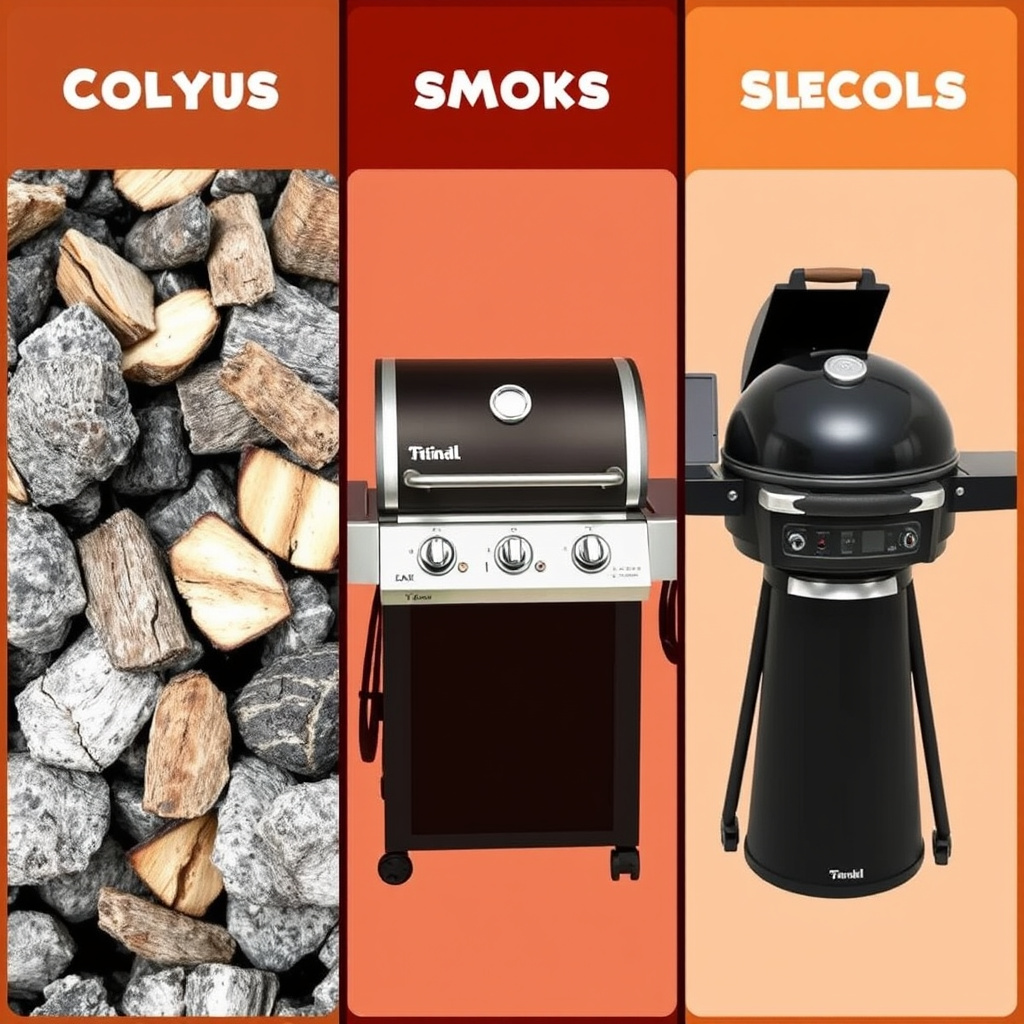
Wood and Wood Products as Charcoal Alternatives
Wood chunks and chips burn at varying rates depending on wood type and moisture content; generally, they burn faster than charcoal but impart strong smoky flavor. They are often used alongside charcoal for flavor enhancement rather than as sole fuel.
Hardwoods like hickory and oak last longer and produce steadier heat than softwoods, making them better for grilling and smoking.
- Faster burn than charcoal
- Adds smoky flavor
- Hardwoods have longer burn times than softwoods
For a detailed overview of charcoal and its production, the charcoal Wikipedia article offers extensive background and technical insights. charcoal Wikipedia article.
Gas and Electric Grill Burn Time Comparison
Gas grills run as long as fuel (propane or natural gas) is supplied but do not involve burn time in the traditional sense since fuel consumption is continuous and controlled by knobs.
Electric grills provide steady heat as long as they have power but lack the combustion characteristics of charcoal, meaning no burn duration limits but different cooking nuances.
- Gas grills: burn time depends on propane availability
- Electric grills: no burn time, continuous heating via electricity
- Different flavor profile compared to charcoal
Comparison of Charcoal Types and Alternatives
This table compares lump charcoal, briquettes, wood chunks, gas grills, and electric grills based on burn time, heat level, and typical uses.
| Type | Burn Time | Heat Level | Flavor Impact | Ease of Use |
|---|---|---|---|---|
| Lump Charcoal | 1-1.5 hours | High | Strong smoky | Medium |
| Briquettes | 2-3 hours | Medium | Mild smoky | Easy |
| Wood Chunks | 0.5-1 hour | Variable | Intense smoky | Medium |
| Gas Grill | Depends on fuel | Adjustable | None | Very Easy |
| Electric Grill | Continuous | Steady | None | Very Easy |
Frequently Asked Questions
How do I know when my charcoal is ready for cooking?
Charcoal is ready when it’s covered with white-gray ash, indicating it’s hot and burning steadily. This usually takes 15-20 minutes after lighting lump charcoal or briquettes.
Can I reuse charcoal after grilling?
Partially burnt charcoal can sometimes be reused if it still has solid pieces with good heat potential. However, its burn time and heat output will be reduced compared to fresh charcoal.
Does adding lighter fluid affect charcoal burn time?
Lighter fluid helps ignite charcoal quickly but doesn’t extend the burn time. Excess fluid may cause flare-ups or unpleasant chemical smells, so use sparingly or choose chimney starters instead.
What’s the safest way to dispose of used charcoal?
Allow charcoal to cool completely (ideally soak in water), then dispose of ashes in a non-combustible container. Never discard hot ashes in trash or near flammable materials.
How can I make charcoal burn longer on my grill?
Use briquettes for longer burn time, arrange coals using slow burn methods like the snake, manage airflow with vents, and avoid frequent lid openings to maintain steady heat.
Key Takeaways
- Charcoal burn time varies by type: briquettes last 2-3 hours, lump charcoal about 1-1.5 hours.
- Airflow and charcoal arrangement significantly affect how long charcoal burns.
- Using slow-burn methods extends cooking time and improves fuel efficiency.
- Proper safety practices and sustainable sourcing reduce risks and environmental impact.
Conclusion
Determining how long charcoal burns requires understanding the differences in charcoal types and the factors that influence their combustion. Lump charcoal burns hotter but for shorter durations, while briquettes provide steady and longer-lasting heat. Airflow control, charcoal size, and arrangement are key variables that can be tweaked to fit different cooking needs and prolong burn time. This knowledge helps you plan your grilling or heating sessions effectively without running out of fuel unexpectedly or overheating your food.
For those seeking straightforward, longer grill times, briquettes are a reliable choice due to their predictable burn duration of up to three hours, suitable for slow cooking or smoking. Conversely, lump charcoal is ideal for high-heat searing and shorter cook sessions lasting around an hour or so. Employing strategies like the snake method or minion method can stretch your charcoal usage further, providing controlled heat over extended periods. If sustainability matters, selecting charcoal from responsible sources alongside efficient burn techniques will minimize environmental impact.
Ultimately, a practical next step is to experiment with both lump charcoal and briquettes to identify which burn characteristics align with your cooking style. Accompanying this with proper airflow adjustments and charcoal piling methods can transform your grilling experience. Remember to follow safety guidelines during ignition and disposal to safeguard yourself and the environment. With this understanding of how long charcoal normally burns, you are equipped to optimize fuel use, enhance cooking outcomes, and enjoy your outdoor cooking sessions with confidence.



