
A gas grill is a type of outdoor cooking appliance that uses propane or natural gas as fuel to produce heat for grilling food. Unlike charcoal grills, gas grills heat up quickly and offer easy temperature control through adjustable burners, making them convenient for efficient cooking.
Gas grills matter because they combine the flavor of outdoor grilling with the practicality of quick ignition and consistent heat. This allows cooks to grill meats, vegetables, and more with precision and less hassle, which is why many people prefer gas grills for casual backyard barbecues and gatherings.
This article explains the essential features of gas grills, the different types available, how to evaluate their quality, safety tips, and maintenance advice. Along the way, we’ll also compare various gas grill categories to help you find the one best suited for your needs.
Understanding Gas Grill Components and Function
Key Parts of a Gas Grill
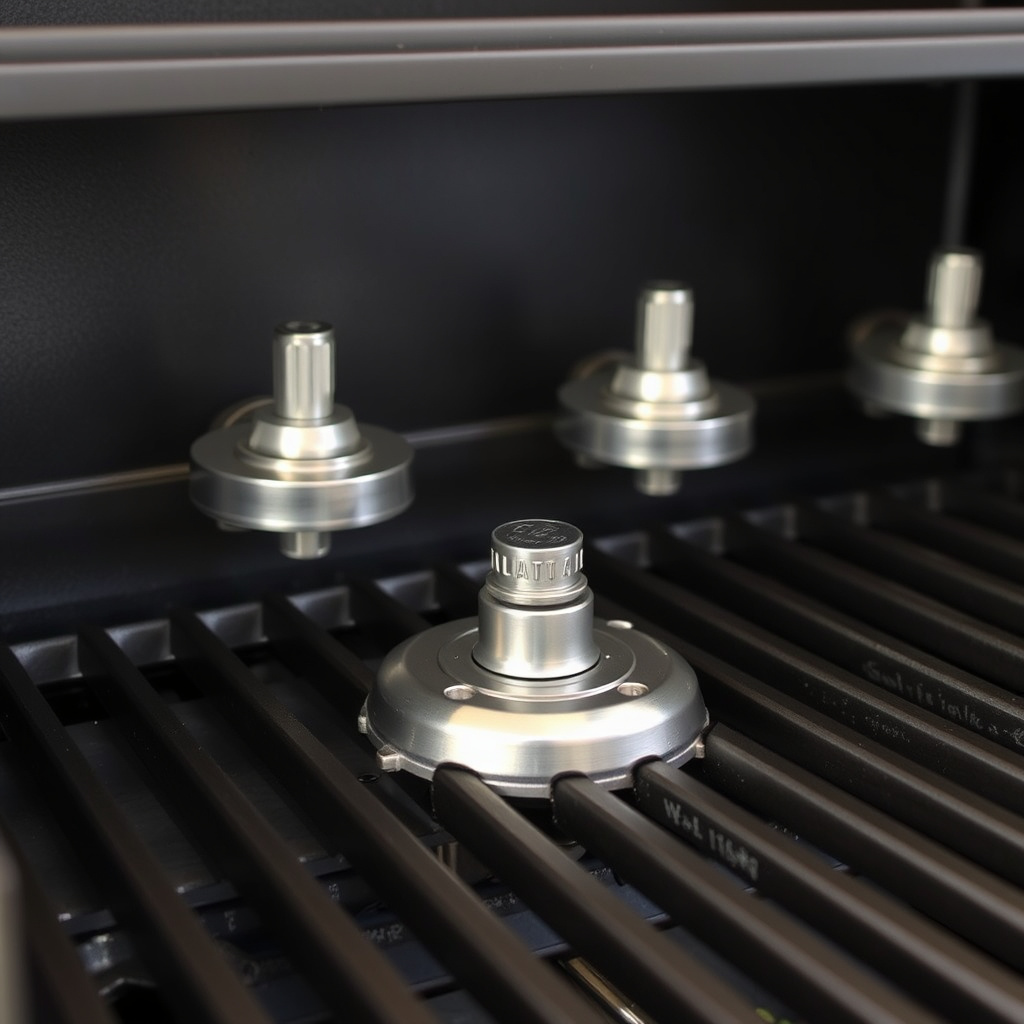
A gas grill typically consists of burners, a cooking surface, a fuel source, and an ignition system. The burners produce flames using the gas supply, while grill grates hold your food. Most models include a control panel for adjusting heat and a lid to retain temperature and smoke.
The fuel source can be either a propane tank or a connection to a natural gas line. An ignition system, often a push-button or electronic spark, lights the gas. Quality of materials like stainless steel influences heat retention and durability.
- Burners: stainless steel or cast iron
- Cooking grates: porcelain-coated or stainless steel
- Fuel type: propane tank vs. natural gas connection
- Ignition system: manual, electric, or push-button
How Gas Grills Work
Gas flows from the fuel source through valves to the burners, where it mixes with oxygen and ignites. The heat produced cooks food from below on the grill grates. Temperature is controlled by adjusting gas flow, offering precise heat settings.
Unlike charcoal grills that rely on burning charcoal briquettes, gas grills avoid ash and long warm-up times, making them more user-friendly, especially for quick meals or frequent grilling.
Types of Gas Grills You Can Choose From
Portable Gas Grills
Portable gas grills are compact and lightweight, designed for travel, camping, or small balconies. They operate on small propane tanks and usually have fewer burners, limiting cooking space but enhancing mobility.
These grills are perfect for those who want easy, quick outdoor cooking without sacrificing space. Their simple setup and lightweight build make them user-friendly for on-the-go grilling.
- Compact size
- Single or dual burners
- Small propane tanks
- Lightweight for transport
Cart and Built-In Gas Grills
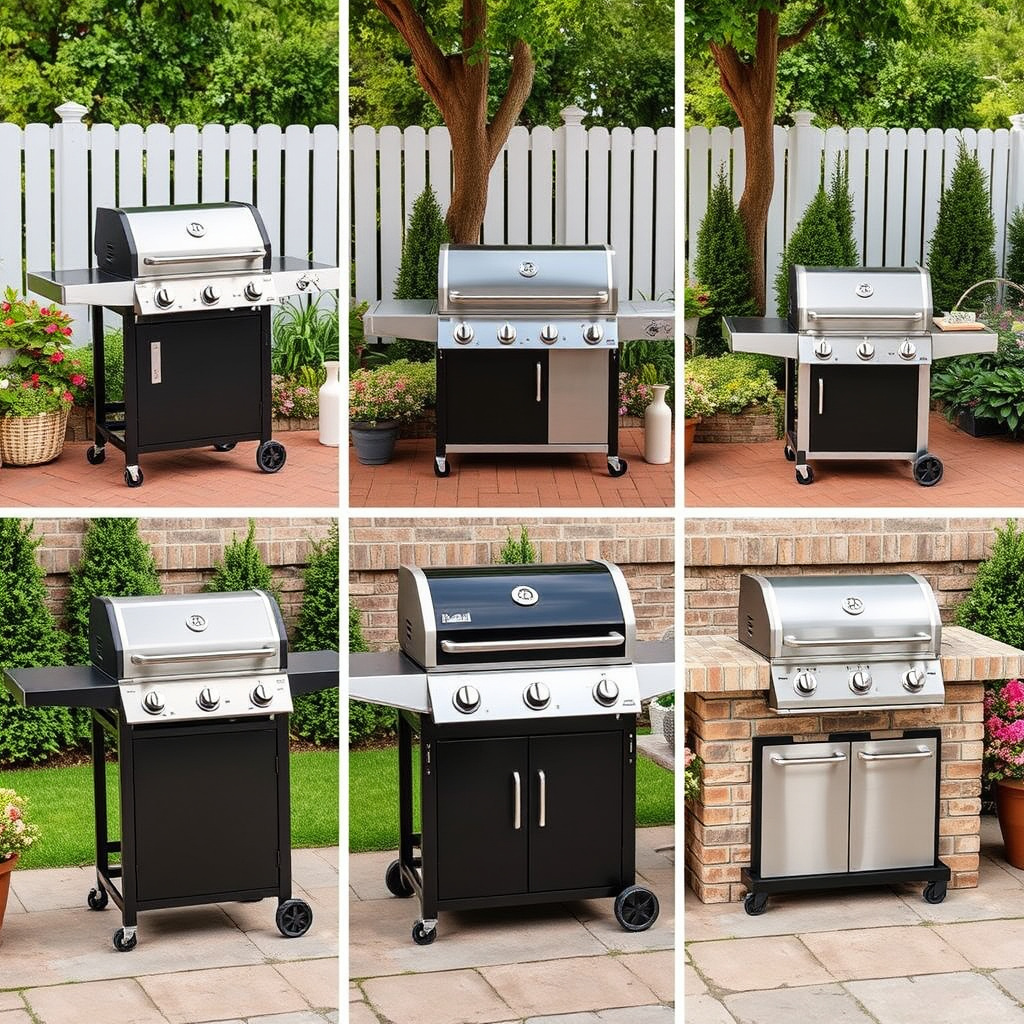
Standard cart grills typically offer two to four burners, an ample cooking area, and side shelves, making them suitable for backyard use. Built-in grills integrate into outdoor kitchen designs with permanent installation and may include advanced features.
Built-in models value aesthetics and functionality but are less portable. Cart grills balance size and convenience, often coming with storage space for fuel and tools.
- Multiple burners for versatile heat zones
- Side shelves for prep space
- Built-in grills for permanent outdoor kitchens
- Storage cabinets or shelves
Evaluating Gas Grill Performance and Features
Heat Output and Burner Quality
BTU (British Thermal Unit) ratings indicate heat output but don’t always translate to better grilling. High-quality burners and grill material improve heat distribution, retention, and durability, crucial for consistent cooking.
Look for grills with stainless steel or cast iron burners, which last longer and promote even heat. Adjustable burners enable different temperature zones that help cook multiple foods simultaneously.
- BTU rating vs. actual cooking area
- Burner material and longevity
- Adjustable heat zones
- Infrared burners as advanced heating option
For more on this, see our related guide: What Is High Heat on a Gas Grill? Understanding Temperature for Perfect Grilling.
Additional Features to Consider
Side burners, warming racks, built-in thermometers, and rotisserie kits add value and versatility. These features cater to enthusiasts wanting precise control or expanded cooking options beyond simple grilling.
Some grills include smart technology like temperature monitoring apps or automatic ignition, improving convenience. Durability features like rust-resistant coatings and solid wheels contribute to long-term satisfaction.
- Side burner for sauces or sides
- Warming rack for indirect heating
- Built-in temperature gauge
- Smart grilling technology
Safety and Maintenance Tips for Gas Grills
Safe Operation Practices
Always check for leaks in gas hoses and connections before lighting a grill. Use the grill outdoors in a well-ventilated area to avoid gas buildup. Follow manufacturer instructions carefully when connecting propane tanks or natural gas lines.
Never leave a lit grill unattended and avoid wearing loose clothing that could catch fire. Turn off gas supply immediately after cooking to prevent leaks.
- Regular leak checks with soapy water
- Proper ventilation
- Safe handling of propane tanks
- Closing gas supply after use
Cleaning and Maintenance
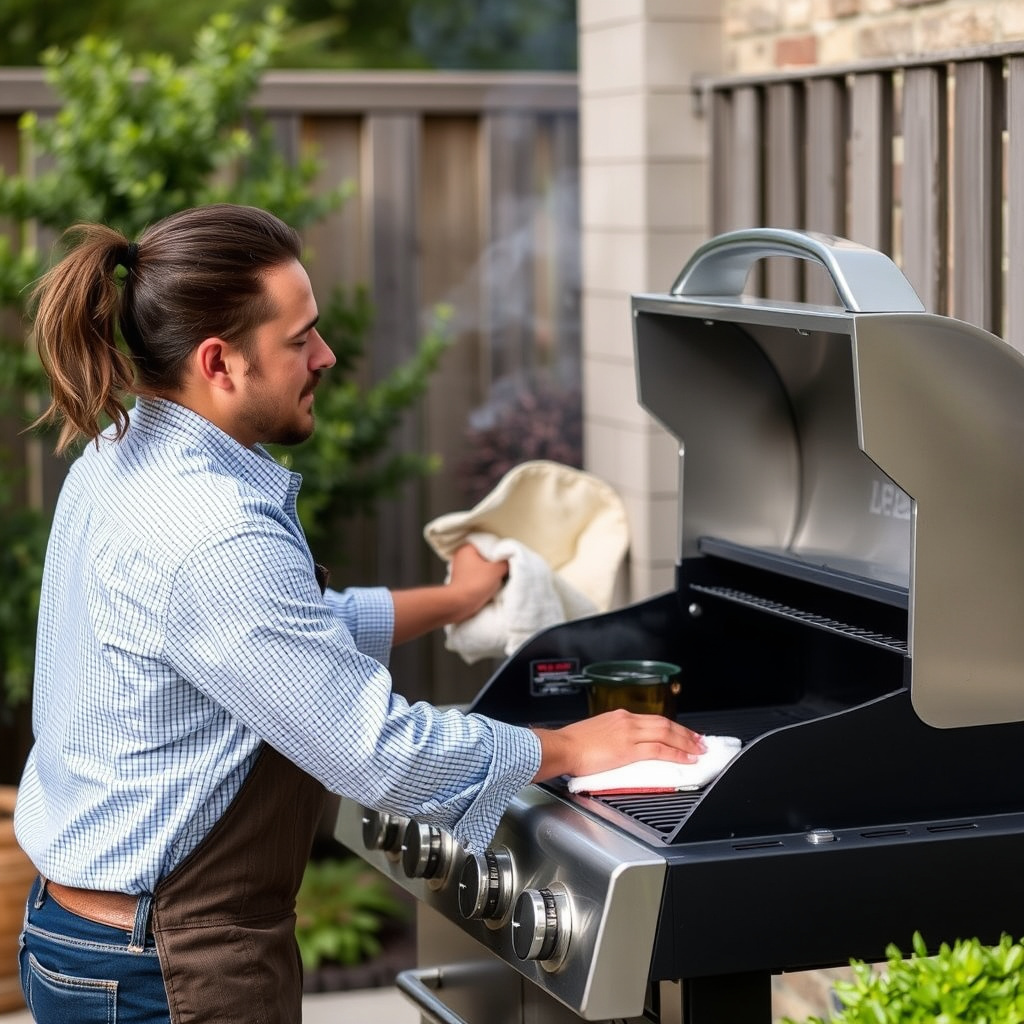
Keep the grill grates clean by scraping off residue after each use. Empty grease traps regularly to prevent flare-ups. Inspect burners for blockages and replace worn parts to maintain heat efficiency.
Cover your grill when not in use to protect it from weather damage. Annual deep cleaning helps extend the lifespan and keeps performance steady.
- Scrape and clean grill grates
- Empty grease trays
- Check and clean burners
- Use grill covers
How to Choose the Best Gas Grill for Your Needs
Assessing Size and Cooking Capacity
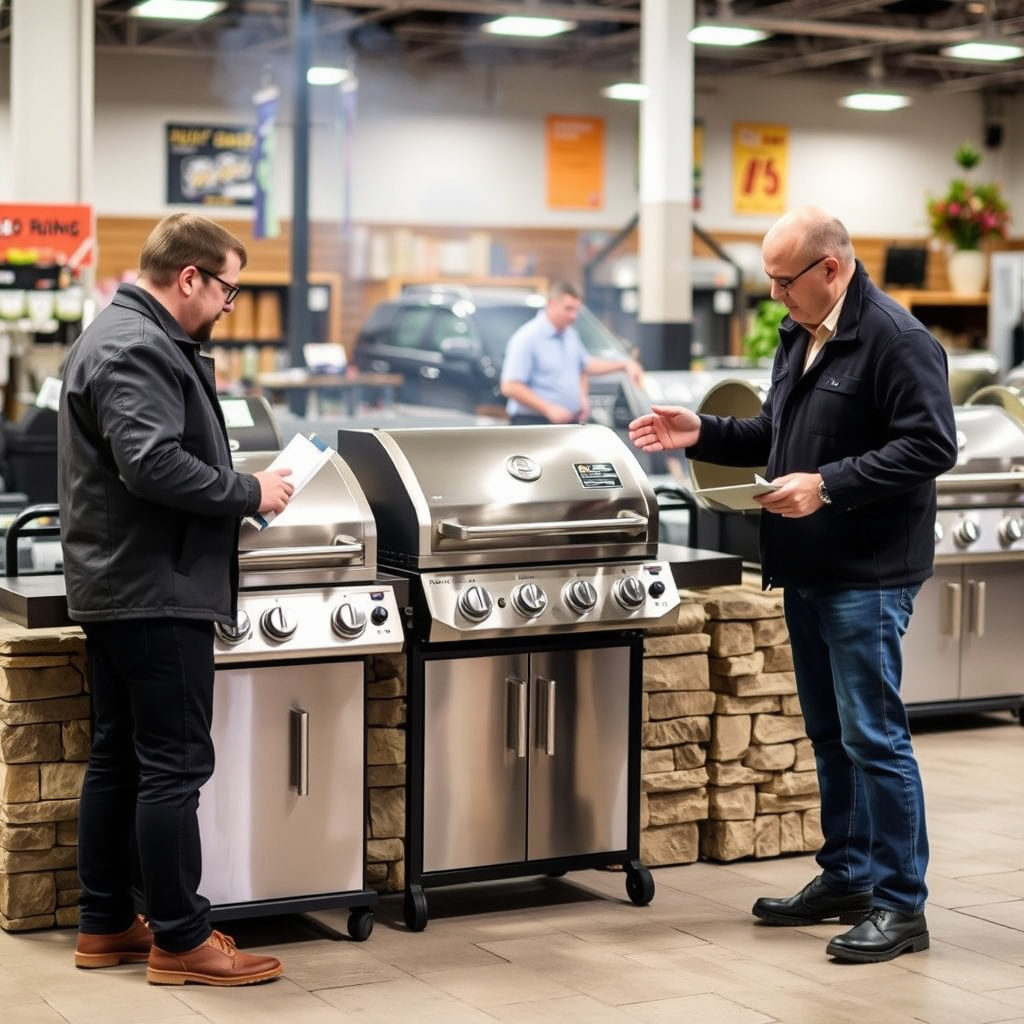
Choose a grill size based on your typical cooking volume. Small grills suit singles or couples, while larger models better serve families or parties. Cooking area in square inches tells how many burgers or steaks you can cook simultaneously.
Also factor in available space for the grill’s footprint and any storage besides fuel and accessories. More burners may mean a larger cooking surface but also a bigger size.
- Cooking area in square inches
- Number of burners
- Grill dimensions and weight
- Available outdoor space
For more on this, see our related guide: How Long to Preheat a Gas Grill for Perfect Grilling Results.
Budget and Feature Priorities
Set a budget but consider what features and build quality you value most. Basic gas grills come at a lower price but lack extras like side burners or smart tech. Premium models offer durability and versatility but cost more upfront.
Balance initial investment with long-term usage needs, keeping secondary features such as the best gas grill for backyard entertaining in mind if that matches your lifestyle.
- Entry-level vs. premium grills
- Feature prioritization
- Long-term durability considerations
- Secondary keyword usage: best gas grill for backyard
Fuel Type Considerations: Propane vs. Natural Gas
Propane Gas Advantages and Disadvantages
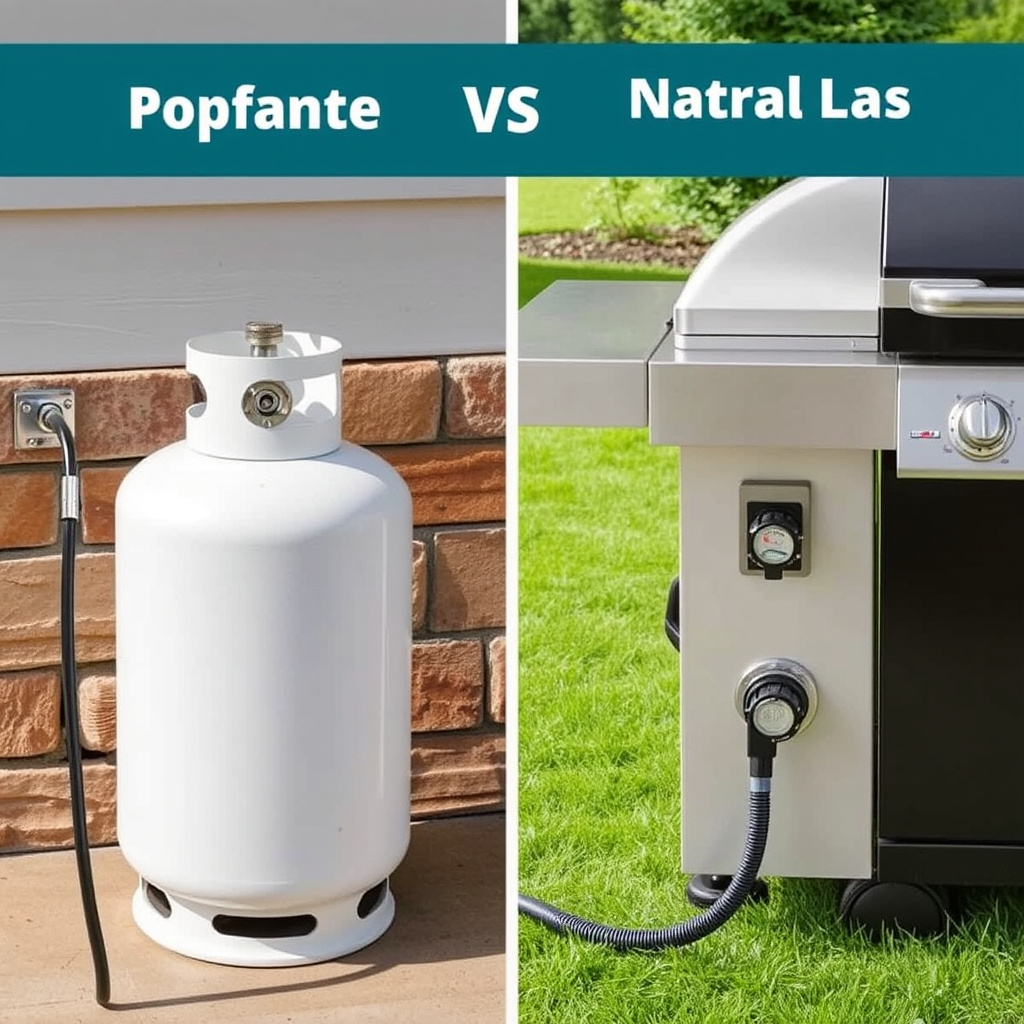
Propane tanks offer portability and independence from home utility connections. They allow you to place grills away from buildings or in various outdoor locations. However, propane tanks need refilling or replacement which can add recurring costs.
Many portable and mid-range gas grills use propane due to its convenience, making it a popular fuel choice for casual grillers.
- Highly portable
- Requires tank refills
- Suitable for various outdoor areas
- Widely available fuel
For a broader understanding of grilling equipment, including gas grills, see the detailed Gas grill overview on Wikipedia. Gas grill overview on Wikipedia.
Natural Gas: Pros and Cons
Natural gas grills connect directly to your home's gas lines, offering an uninterrupted fuel supply with no tank replacements. This setup requires professional installation but reduces long-term fuel expenses.
These grills usually have lower operating costs but lack portability, anchoring your grill permanently to one spot in your backyard or patio.
- Connects to home gas line
- No refilling needed
- Requires professional installation
- Less portable
Gas Grill Types Comparison
This table compares common gas grill categories based on size, fuel type, portability, and price range to help you identify the best fit.
| Type | Fuel Source | Cooking Area (sq. in.) | Portability | Price Range |
|---|---|---|---|---|
| Portable Grill | Propane | 150-250 | High | $100-$300 |
| Cart Grill | Propane or Natural Gas | 400-700 | Medium | $300-$800 |
| Built-In Grill | Natural Gas | 600-1000 | Low | $800-$2000 |
| Infrared Gas Grill | Propane | 400-600 | Medium | $500-$1200 |
| Compact Balcony Grill | Propane | 100-200 | High | $150-$350 |
Frequently Asked Questions
Is a gas grill better than a charcoal grill?
Gas grills offer faster startup and easier temperature control than charcoal grills, making them more convenient for regular use. Charcoal grills provide a distinct smoky flavor some prefer, but gas grills excel in consistency and quick cooking.
Can I use a gas grill indoors?
No, gas grills should never be used indoors or in enclosed spaces due to carbon monoxide risks. Always operate gas grills outdoors in well-ventilated areas.
How often should I clean my gas grill?
Clean the grill grates after each use and perform a deep cleaning, including burners and grease traps, at least once a year to maintain performance and safety.
What’s better for a gas grill: propane or natural gas?
Propane offers portability and easy setup with tanks, while natural gas provides a continuous supply with lower fuel costs but requires fixed installation. Choose based on your grilling location and convenience.
Can I convert a propane grill to natural gas?
Yes, many propane grills can be converted to natural gas with a conversion kit, but it should be done by a professional to ensure safety and proper function.
Key Takeaways
- Gas grills use propane or natural gas for fast, controllable grilling heat.
- Various types include portable, cart, and built-in models for different uses.
- Consider grill size, burner quality, and fuel type when choosing.
- Safety checks and regular cleaning help maintain grill performance.
Conclusion
Choosing a gas grill hinges on matching your cooking habits with features and size that fit your outdoor space and lifestyle. Focus on burner quality and fuel type since these impact cooking efficiency and convenience the most. The main keyword guides understanding how gas grills deliver fast, reliable heat for everyday and special grilling sessions.
For casual backyard cooks, a mid-sized cart grill fueled by propane usually blends convenience with sufficient cooking area. If permanent installation is an option and you grill frequently, a natural gas built-in grill offers cost savings and effortless fuel supply. Portable models serve travelers and small spaces well, while infrared gas grills add innovative heat options for precise cooking.
Start by assessing where and how often you plan to grill, then pick a gas grill that balances your budget with must-have features. Test models in store if possible and read reviews focused on durability and heat consistency. With the main keyword insight about gas grills, you’re ready to elevate your outdoor cooking effectively.



