
The general guideline for how long to preheat a gas grill is about 10 to 15 minutes with the lid closed. During this time, the grill reaches the ideal temperature range of 400 to 500 degrees Fahrenheit for direct cooking. Preheating is essential for even cooking and proper searing.
Understanding how long to preheat your gas grill matters because it directly impacts how your food cooks. Insufficient preheating leads to temperature fluctuations and unevenly cooked meals, while too long can waste fuel and risk overheating. Getting this timing right helps you cook steaks, burgers, chicken, and veggies to perfection.
This article will explore key aspects of preheating a gas grill including the factors influencing preheat time, tips to know when the grill is ready, common mistakes to avoid, and how to maintain consistent temperature throughout cooking. We’ll also compare various gas grill models and their heating performances.
Understanding Gas Grill Preheating Times
Why Preheating Duration Varies
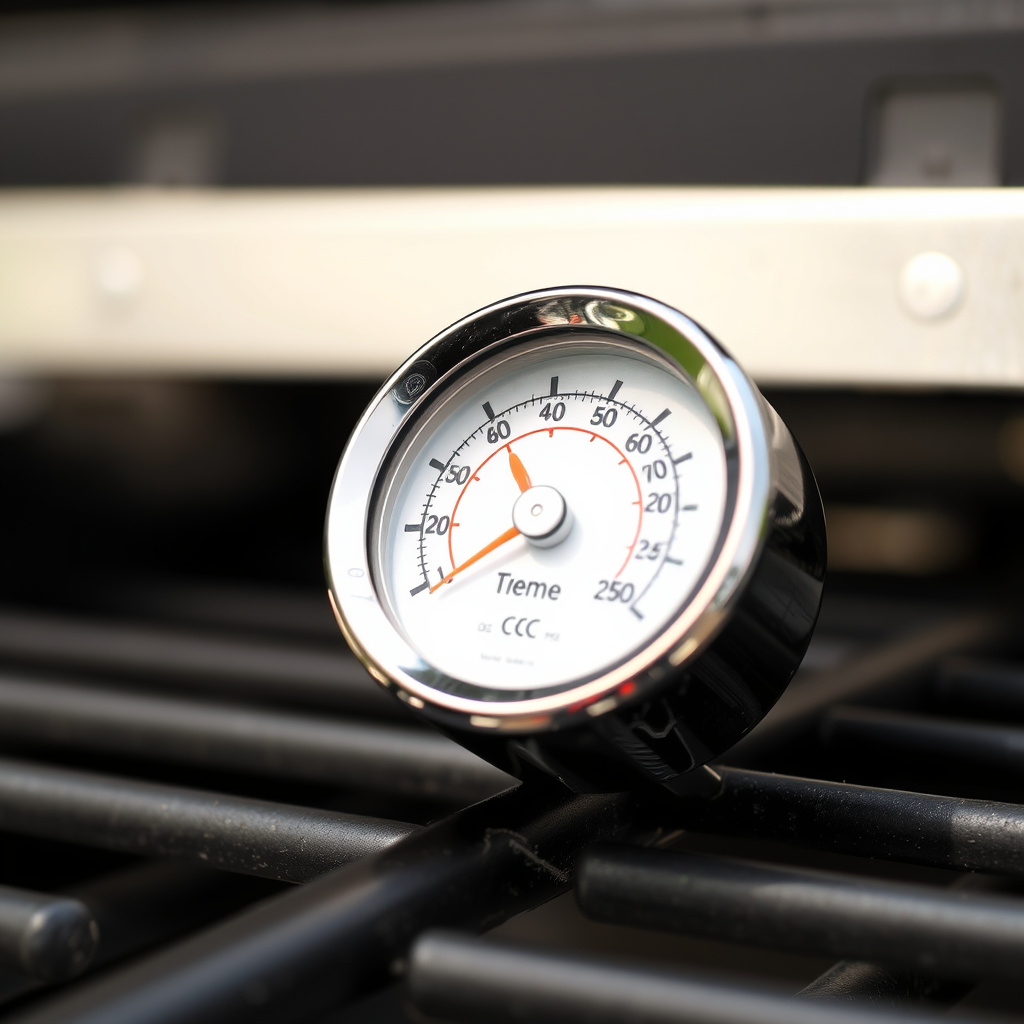
Preheating duration depends on several factors including the grill size, BTU output, ambient temperature, and fuel type. Larger grills with higher BTUs typically heat up faster, while smaller or lower-output models may take longer. Outdoor temperature and wind can also affect heating efficiency.
Gas grills usually reach their cooking temperature range in 10 to 15 minutes. However, colder weather or high altitude might require extra time. Additionally, keeping the lid closed traps heat more efficiently, reducing preheat time, whereas opening it frequently lets heat escape and extends the process.
- Grill size and burner power influence heat-up speed
- Weather conditions and wind affect efficiency
- Keeping the lid closed maintains heat and speeds preheating
Typical Preheat Times for Different Cooking Styles
For direct grilling where high heat is essential, such as searing steaks or burgers, preheating for 10 to 15 minutes works best. This ensures the grates reach around 450-500°F, allowing food to cook evenly with appealing grill marks.
Lower temperature cooking like indirect grilling or slow roasting requires less intensive preheating, about 5 to 10 minutes to stabilize around 300-350°F. Adjusting burner settings after preheating helps maintain these moderate temperatures efficiently.
- High heat direct grilling: 10–15 minutes
- Medium heat indirect grilling: 5–10 minutes
How to Know When Your Gas Grill Is Fully Preheated
Using Built-in Thermometers Effectively
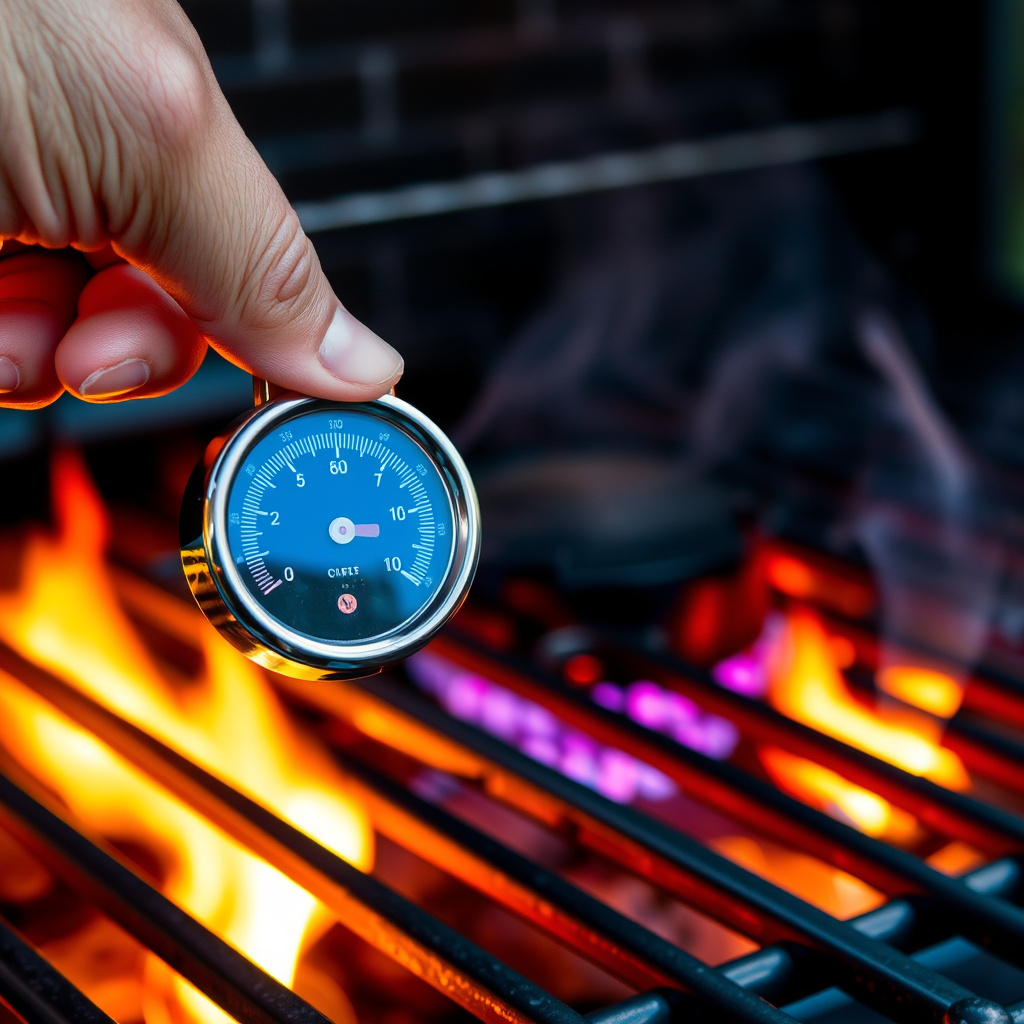
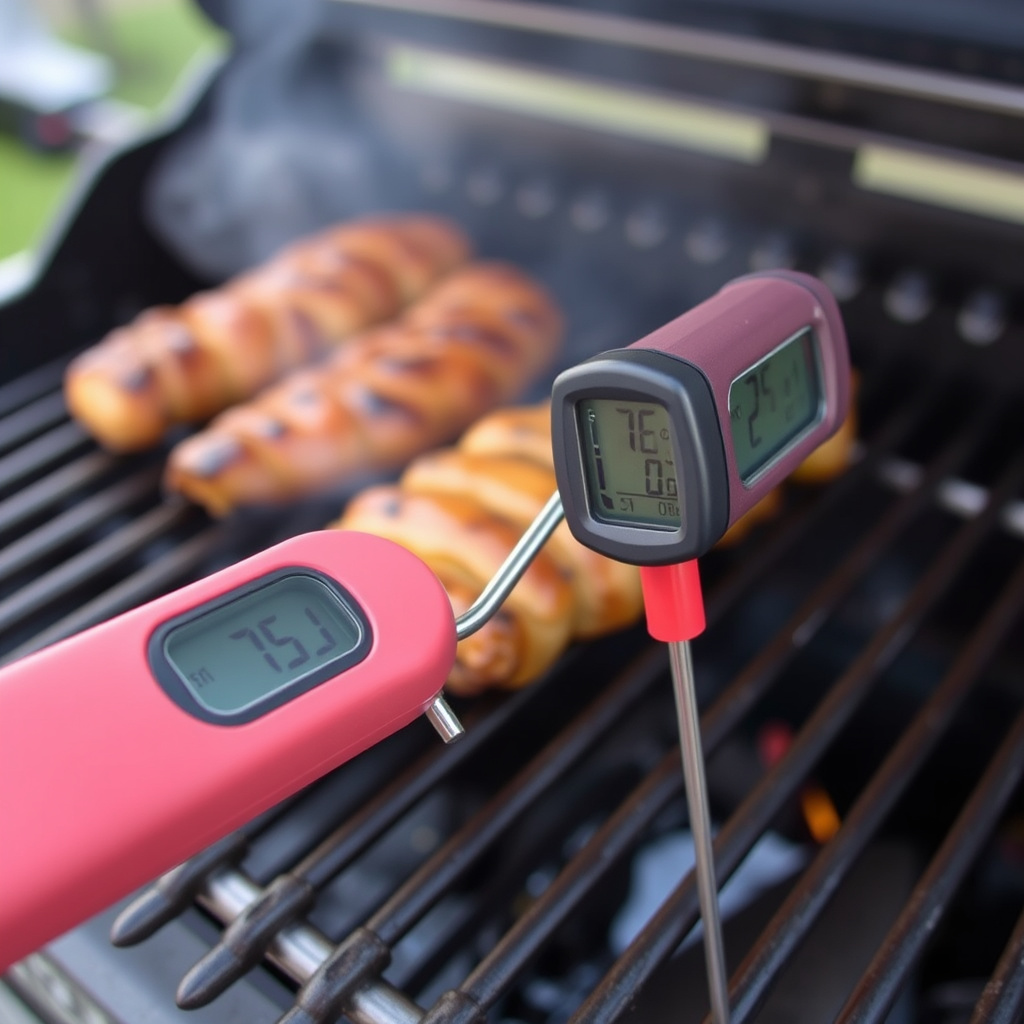
Most gas grills come with a lid-mounted thermometer which provides a convenient way to gauge internal temperature. When it reads the target range for your cooking method (typically 400-500°F for direct heat grilling), the grill is ready.
However, built-in thermometers can sometimes be inaccurate due to placement or calibration issues. It helps to cross-check with an external digital probe thermometer placed near the cooking grate for a precise reading.
- Check thermometer needle to confirm target temperature
- Use external thermometer for greater accuracy
- Wait for stable reading with lid closed
Visual and Physical Cues
Beyond thermometers, you can also rely on visual and physical indicators. Proper preheating will cause grill grates to glow faintly red in very high heat, and you may notice flames steadying and quieting. Additionally, placing your hand about five inches above the grill grate helps gauge heat intensity; a few seconds of tolerable heat means the grill is ready.
Using the water test, sprinkle a few drops on the grates. If they dance and evaporate immediately, it confirms the grill has reached a desirable cooking temperature.
- Grates glowing red at high heat
- Steady, quiet flames under the grates
- Water droplets evaporate instantly
Common Mistakes That Affect Gas Grill Preheating
Opening the Lid Too Often
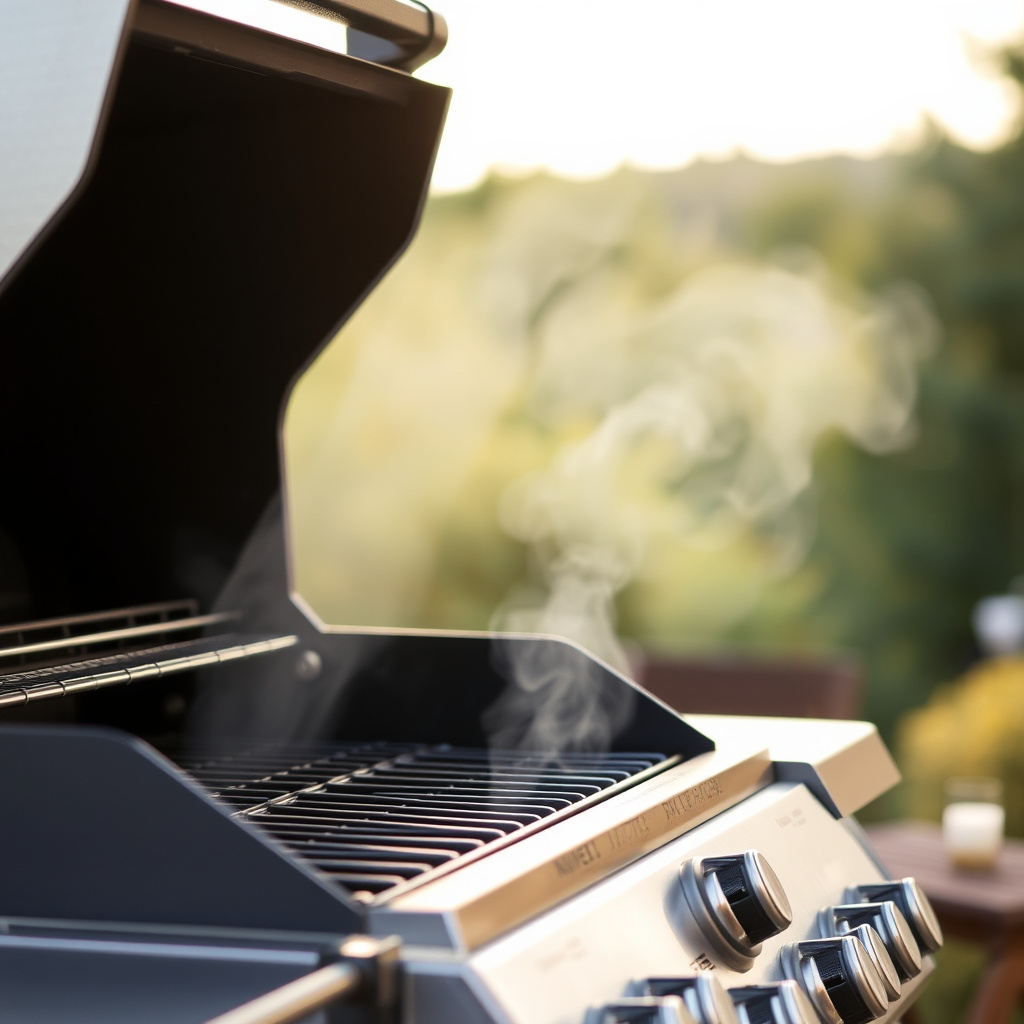
Frequently lifting the grill lid during preheating lets heat escape and extends the time needed to reach the desired temperature. This disrupts the heat balance and can cause uneven cooking later on.
To counter this, keep the lid closed from start to finish during the preheating phase. Only open it when placing food or adjusting burners after the grill is hot.
- Loss of trapped heat prolongs preheating
- Uneven temperature distribution inside the grill
- Recommendation: minimize lid openings
For more on this, see our related guide: How Long to Grill Hot Dogs for Perfectly Juicy Results.
Ignoring Weather Impact
Outdoor conditions such as cold air, wind, and humidity can influence how long to preheat a gas grill. Wind blowing across open grills cools them down, requiring longer preheat time to compensate.
Positioning your grill in a sheltered area and accounting for weather factors by adding a few extra minutes to your preheat routine helps maintain consistent temperatures.
- Wind lowers grill temperature
- Cold weather extends preheat time
- Shelter grill from wind if possible
Tips to Speed Up Gas Grill Preheating
Regular Grill Maintenance
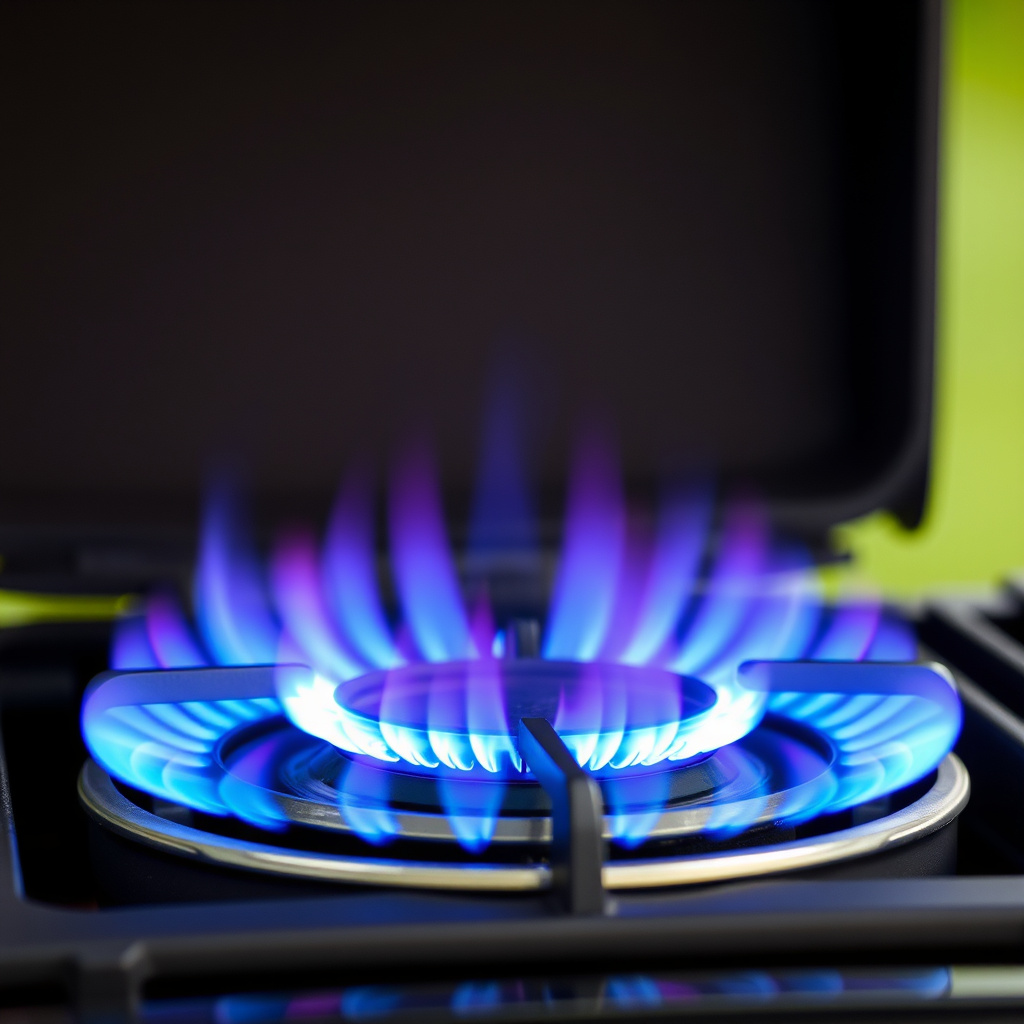
Keeping burners clean and free of obstructions optimizes gas flow and heat output, allowing faster and more even preheating. Regularly removing grease buildup and checking burner holes for blockage prevents flame irregularities.
Inspecting propane levels and gas supply connections also ensures steady fuel delivery for a strong, consistent heat-up process.
- Clean burners frequently to prevent clogging
- Check propane tank level before grilling
- Perform leak and connection inspections
Preheating Strategies
Starting all burners on high immediately and closing the lid right away helps heat ramp up quickly. Avoid turning burners on sequentially or leaving lid open during preheat as this prolongs time and wastes fuel.
For colder days, preheating for a few minutes longer ensures the grill reaches stable cooking temperature despite heat loss to the environment.
- Turn on all burners to high initially
- Keep lid closed during preheat
- Extend preheat time in cold conditions
Maintaining Temperature After Preheating a Gas Grill
Adjusting Burners for Cooking Phase
After preheating, reduce burner heat to maintain a stable cooking temperature suited to your food type. For searing, keep burners high; for slower cooking, dial them down to medium or low to avoid burning.
Consistent monitoring ensures that the grill does not overheat or cool off too quickly. Adjust burners gradually rather than making abrupt changes to preserve temperature balance.
- Lower burner settings after searing phase
- Use gradual adjustments for steady heat
- Match heat level to cooking requirements
For more on this, see our related guide: How Long to Grill Salmon: Perfect Timing for Juicy Flavor.
Using Heat Zones and Accessories
Creating heat zones with burners set at different levels lets you shift foods between direct high heat and indirect lower heat areas. This maximizes grill versatility and helps control cooking temperature after preheating.
Using accessories like grill mats or lava rock trays can also help retain and evenly distribute heat, stabilizing temperature during longer cook times.
- Set burners at different temperatures for zones
- Use grill mats or lava rock trays to aid heat retention
- Move food between zones to control doneness
Safety Considerations When Preheating a Gas Grill
Checking Gas Connections Before Use
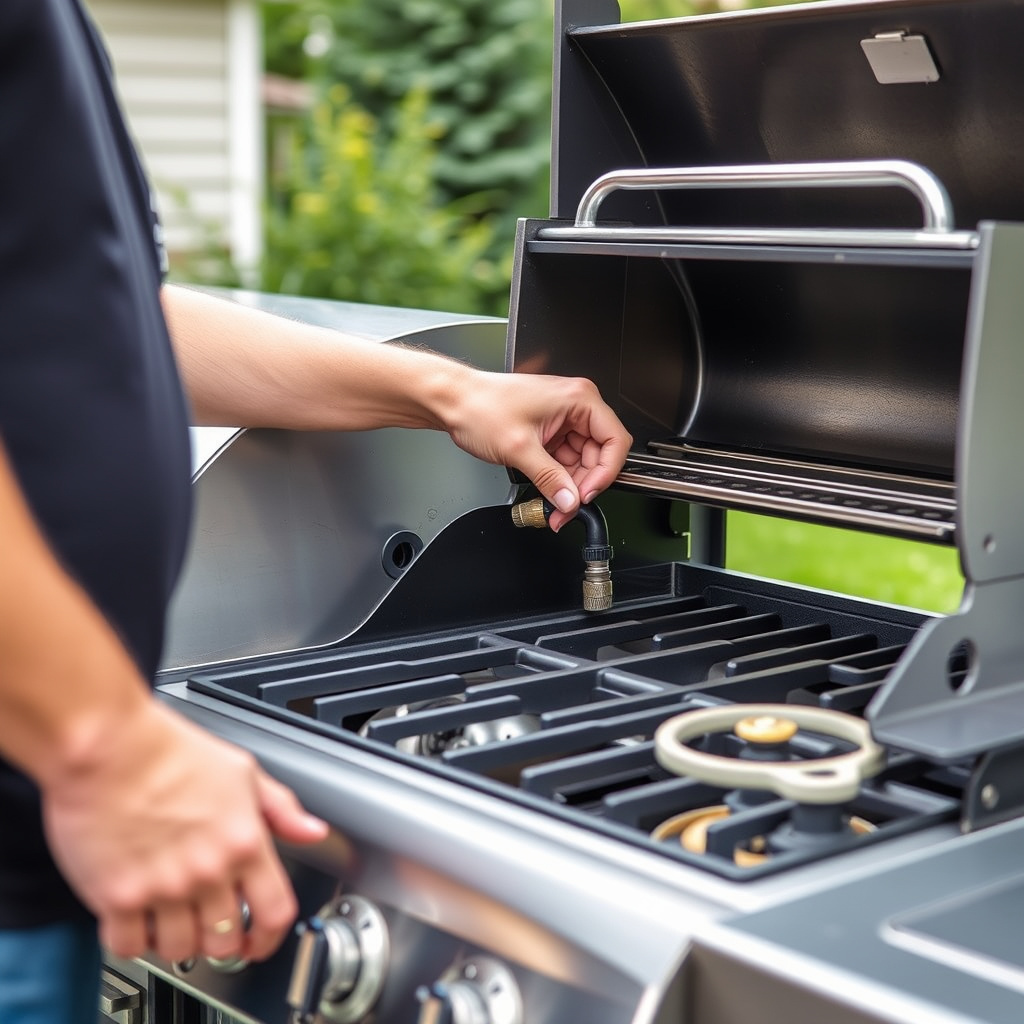
Always inspect propane tanks and hose connections for leaks or damage before preheating. A simple soap and water test can reveal leaks by forming bubbles around joints.
Tighten any loose fittings and replace damaged hoses to prevent gas leaks that pose fire or explosion risks during ignition or heating.
- Do soap test for leaks on gas connections
- Ensure tight and secure fittings
- Replace worn hoses promptly
For more detailed technical background on gas grills, you can visit the Wikipedia page on Gas Grill. Wikipedia page on Gas Grill.
Proper Ventilation and Positioning
Use your gas grill in well-ventilated outdoor spaces only. Avoid enclosed areas or garages that trap gas fumes and increase hazard chances.
Position grill away from flammable materials, structures, and overhanging trees. Clear the surrounding area before lighting burners to maintain a safe environment.
- Grill outdoors in open, ventilated areas
- Keep grill away from combustibles
- Clear the area of debris before preheating
Gas Grill Preheat Time by Grill Type Comparison
Here’s a comparison of preheat times across different gas grill types to help you choose your best option based on heating speed and fuel efficiency.
| Grill Type | Typical Preheat Time | BTU Range | Fuel Efficiency |
|---|---|---|---|
| Portable Gas Grills | 10-12 minutes | 8,000–12,000 | Medium |
| Standard Home Gas Grills | 10-15 minutes | 20,000–60,000 | High |
| Premium High-BTU Grills | 7-10 minutes | 60,000–100,000+ | Lower |
| Built-In Gas Grills | 10-15 minutes | 30,000–80,000 | High |
| Infrared Gas Grills | 5-8 minutes | 12,000–50,000 | Very High |
Frequently Asked Questions
Is it necessary to preheat a gas grill every time?
Yes, preheating ensures the grill reaches the correct temperature for cooking. It helps food cook evenly, develops proper grill marks, and reduces sticking.
Can I open the grill lid while preheating?
Opening the lid during preheating lets heat escape, extending the time needed to reach temperature and causing uneven heat buildup. It’s best to keep it closed.
How do I know if my grill is too hot after preheating?
If the thermometer reads above 550°F or flames are large and roaring, the grill may be hotter than needed. Lower the burners to reach the ideal cooking temperature.
Does weather affect gas grill preheat time?
Yes, cold, wind, and humidity can lengthen preheat time by dispersing heat. You may need to add a few minutes in such conditions.
What if my grill doesn’t reach desired temperature after 15 minutes?
Check for fuel supply issues, burner clogs, or thermometer errors. Cleaning burners and verifying propane levels often resolves heating problems.
Key Takeaways
- Preheat a gas grill 10–15 minutes with lid closed for even heat
- Use grill thermometer and physical cues to confirm readiness
- Avoid opening the lid too early to prevent heat loss
- Maintain grill cleanliness to speed up preheating
Conclusion
Understanding how long to preheat a gas grill is essential for consistent, delicious grilling results. The key is to reach and maintain the correct temperature as quickly and steadily as possible. Assess your specific grill’s size, BTU output, and the weather conditions you grill in. Keeping the lid closed during this phase traps heat and promotes even temperature buildup, making a huge difference in your cooking outcome.
Gas grill preheating generally takes between 10 to 15 minutes, especially for standard home models used for direct high-heat cooking. Portable grills with lower BTUs or infrared models designed for quick heat-up will need less time, sometimes just 5 to 8 minutes. Additionally, paying attention to gas supply, burner cleanliness, and minimizing lid openings speeds this process. Using the thermometer and simple tests like the water droplet evaporation method confirms the grill’s readiness. Safety checks on gas connections and positioning will keep your grilling safe and worry-free.
For practical next steps, set a timer once your grill ignites, keep the lid shut, and prepare your food so it’s ready to hit the grates as soon as your thermometer indicates proper temperature. Practicing these techniques improves grilling quality and efficiency over time. If you want to learn more about gas grills’ heating characteristics, visiting reputable sources can provide additional insights.



