
High heat on a gas grill typically ranges from 450°F to 550°F or higher, providing intense direct heat ideal for searing meat and locking in juices quickly. This temperature range creates a caramelized crust on steaks, burgers, and other proteins, making it essential for achieving that classic grilled flavor. Understanding what high heat entails allows you to adjust your grill’s burners and control cooking outcomes accurately.
Knowing the precise temperature range for high heat matters because grilling involves more than just flames—it’s about reaching and maintaining the right temperature for your food. Too low, and you won’t get that crisp exterior; too high, and you risk burning or uneven cooking. Different foods require different heat levels, so mastering these temperature zones is key to developing great grilling skills and ensuring food safety.
This article will explore gas grill temperature ranges, how to measure and regulate high heat, and practical tips for grilling various foods at this temperature. You’ll learn how to control your gas grill’s burners for high heat cooking, why it’s important for searing, and common troubleshooting advice. By the end, you will be confident using high heat settings to enhance your outdoor cooking.
Understanding Gas Grill Temperature Settings
What Defines High Heat on a Gas Grill
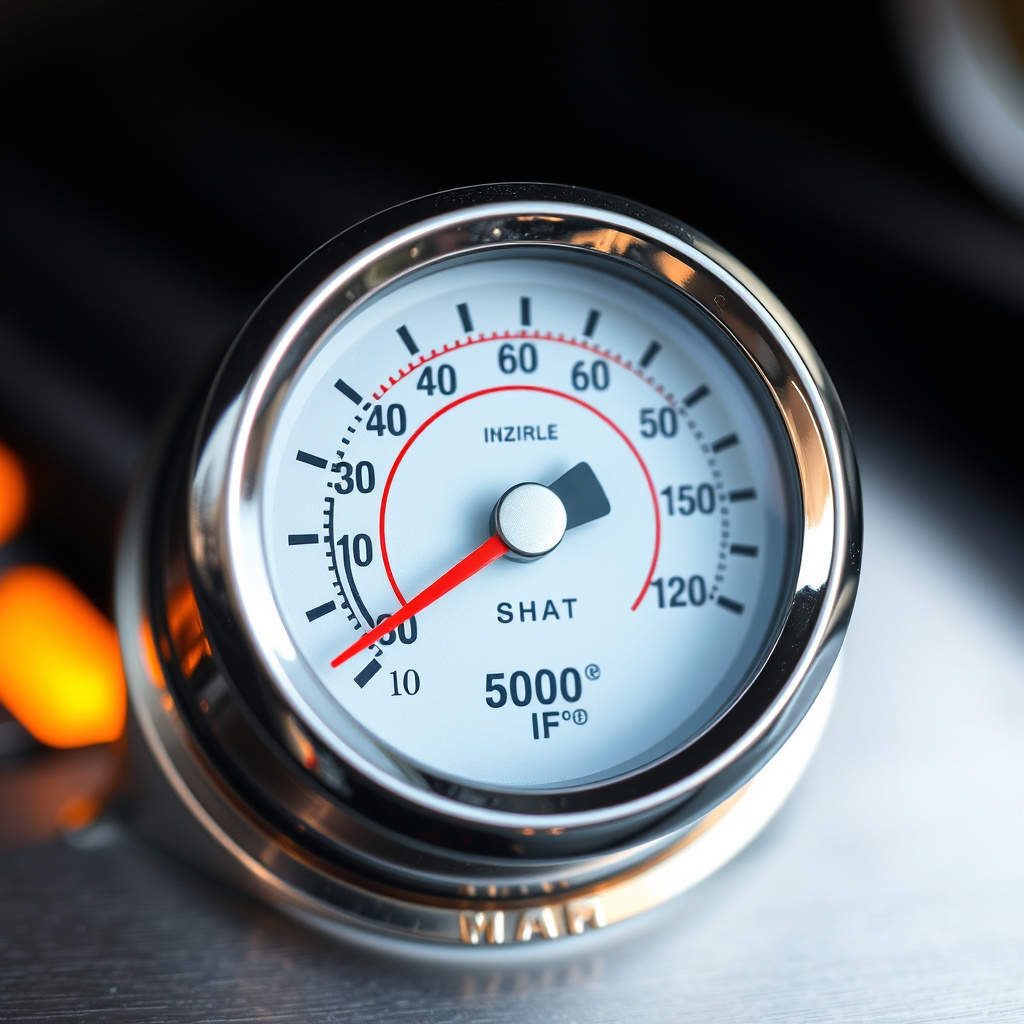
High heat on a gas grill is generally categorized between 450°F and 550°F, but some grills can reach temperatures above 600°F. This intense heat zone is used primarily for searing foods quickly, producing a browned and flavorful crust while keeping the inside juicy. Many gas grills come with built-in thermometers that help you monitor temperatures, though they can sometimes read inaccurately depending on placement.
Achieving and maintaining this high heat requires controlling the grill’s burners precisely. You'll usually set the burners to high, preheat the grill for 10–15 minutes, and use the lid to trap heat. It’s also beneficial to understand your gas grill’s individual heat output (measured in BTUs) to estimate how quickly it can reach and sustain high heat.
How Gas Grill Temperature Settings Affect Cooking
Different temperature settings on a gas grill dramatically impact the cooking outcome. Lower heat (around 250°F to 350°F) is suitable for slow cooking and smoking, while medium heat (350°F to 450°F) is ideal for cooking foods evenly without burning. High heat accelerates cooking time and is particularly useful for foods requiring quick searing, such as steaks, chops, and vegetables.
Using the appropriate temperature setting means avoiding burnt exteriors or undercooked centers. On gas grills, controlling heat zones—like a hot side for searing and a cooler side for finishing—allows for versatility. This understanding of gas grill temperature settings improves flavor, texture, and safety.
Measuring and Maintaining High Heat on a Gas Grill
Using Built-In Thermometers and External Tools
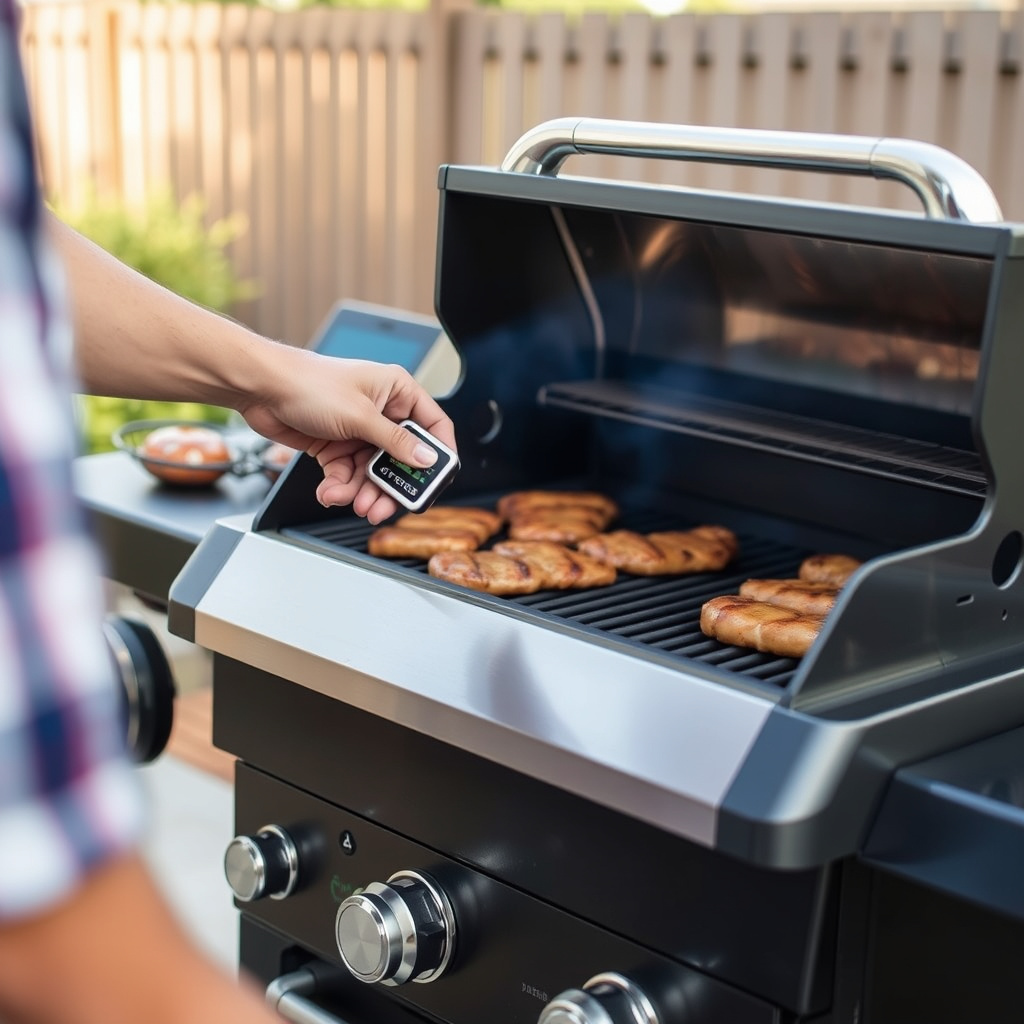
Most gas grills come equipped with built-in lid thermometers, which give a general sense of the internal temperature. These often measure the air temperature near the grill lid rather than the cooking surface, so they may not perfectly reflect actual food temperature. For more accuracy, you can use infrared thermometers or grill surface probes placed directly on the grates.
External temperature tools help ensure your grill reaches and maintains high heat consistently. These devices are especially handy when searing meat, as surface temperature influences crust formation. Regularly checking and adjusting burners can stabilize heat levels and prevent temperature fluctuations that might affect cooking times.
- Infrared temperature gun for grill grate temperature
- Wireless temperature probes for meat and grill
- Gas grill built-in lid thermometer
For more on this, see our related guide: Understanding What Medium Heat on a Grill Means for Perfect Cooking.
Tips for Maintaining High Heat During Cooking
To maintain high heat on a gas grill, preheat with the lid closed for at least 10–15 minutes on full burner output. Avoid opening the lid frequently, since this causes heat loss and temperature drops. If you’re cooking larger cuts, create a two-zone fire: one side burner on high for searing and the other on low or off for finishing.
Keep burner ports clean and ensure propane or natural gas flow is steady. Wind and ambient temperature can also influence grill heat, so be mindful if you’re cooking in cold or windy conditions. Adjusting fuel flow and keeping the lid closed typically preserves the high heat environment needed for quick searing.
Why High Heat Matters for Different Types of Food
High Heat for Meat Searing and Flavor
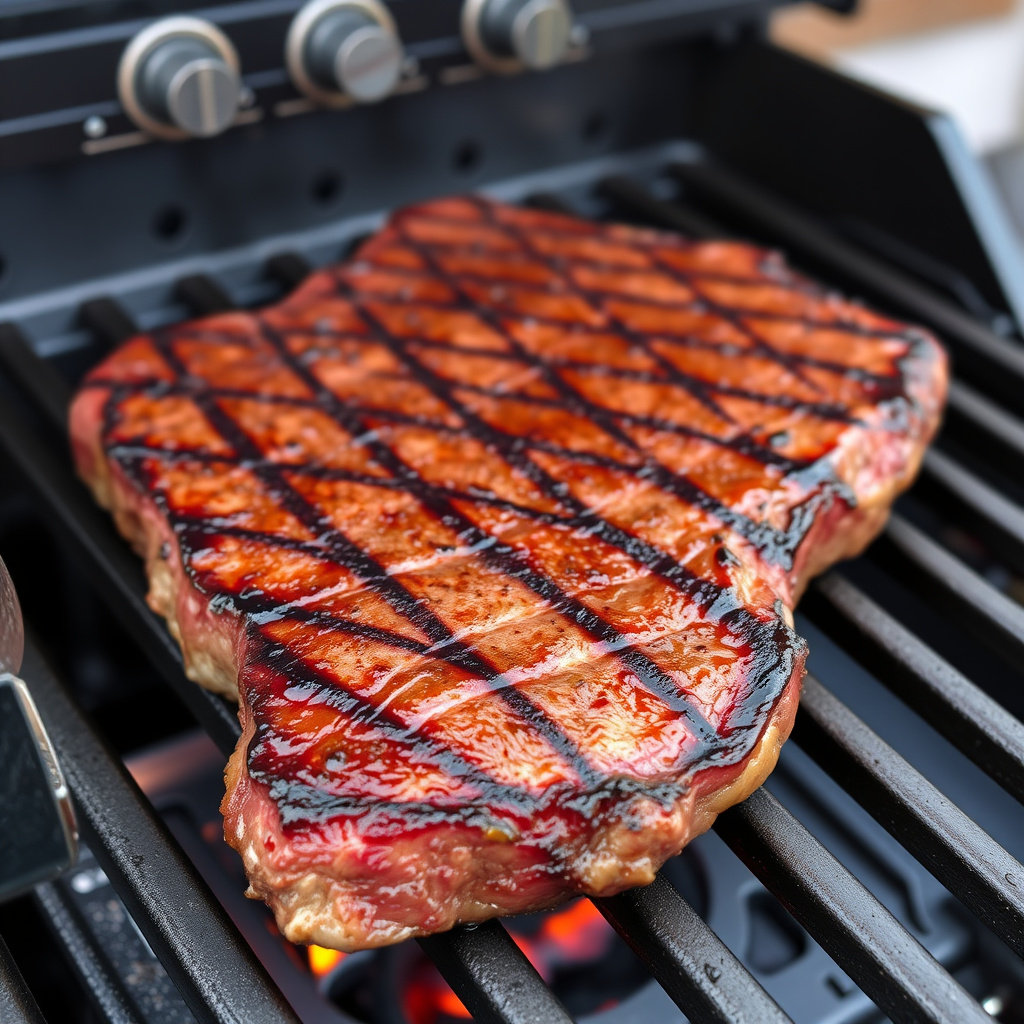
High heat quickly caramelizes the surface of meats, producing a Maillard reaction that creates intense flavors and appealing textures. Steaks, burgers, pork chops, and lamb often benefit most from searing at high temperatures before finishing cooking at medium or lower heat.
Without sufficient high heat, meats can cook unevenly or dry out. Searing locks in juices and adds a crisp exterior that contrasts with the tender interior. Choosing the right high heat level depends on the cut and thickness of the meat, but generally, hotter is better for quick, flavorful crusts.
Grilling Vegetables and Other Foods on High Heat
Vegetables like peppers, zucchini, and asparagus also respond well to high heat, which quickly chars their skins and enhances natural sweetness. However, they typically require shorter cooking times due to delicate textures. Overexposure to intense heat can cause burning, so careful timing or indirect heat zones help.
Seafood such as shrimp and scallops benefit from brief high heat searing to avoid becoming tough. Foods cooked on high heat often require constant attention and flipping to prevent flare-ups and ensure even cooking without charring.
Troubleshooting Common High Heat Issues on Gas Grills
Fixing Uneven Heat and Burner Problems
Uneven heat across the grill surface commonly results from clogged burner tubes or inconsistent gas flow. Cleaning burners regularly with brushes and compressed air can prevent blockages. Checking for leaks and ensuring propane tanks are full also helps maintain steady burner output.
If one side of the grill is hotter than the other despite burner settings, swapping or repositioning burners might balance heat. Some grills allow burner replacement or professional servicing. Uneven heat can cause hotspot burning or raw patches, so addressing these problems keeps grilling results consistent.
For more on this, see our related guide: What Is the Best Temperature for Grilling: A Practical Guide.
Managing Flare-Ups and Smoke on High Heat
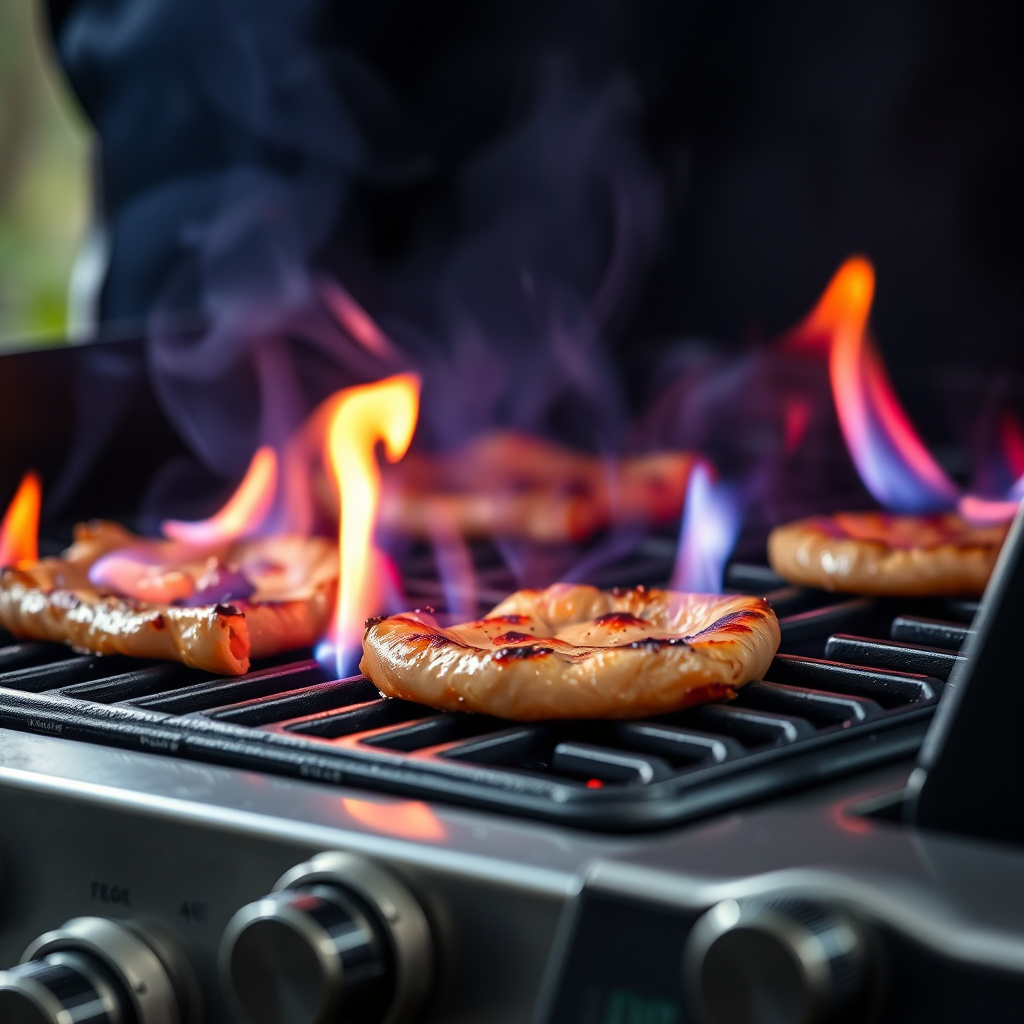
Flare-ups occur when fat drips onto flames, causing bursts of fire that can char food. To minimize flare-ups on high heat, trim excess fat from meat and use drip trays. Moving food away from direct flames during flare-ups prevents burning.
Too much smoke from fat burning or flare-ups indicates the need for cleaner grates and proper temperature control. Keeping grill grates clean and managing airflow by adjusting vents improves smoke management. Keeping a spray bottle of water handy helps tame small flare-ups quickly.
Adjusting and Using Gas Grill Temperature Settings Safely
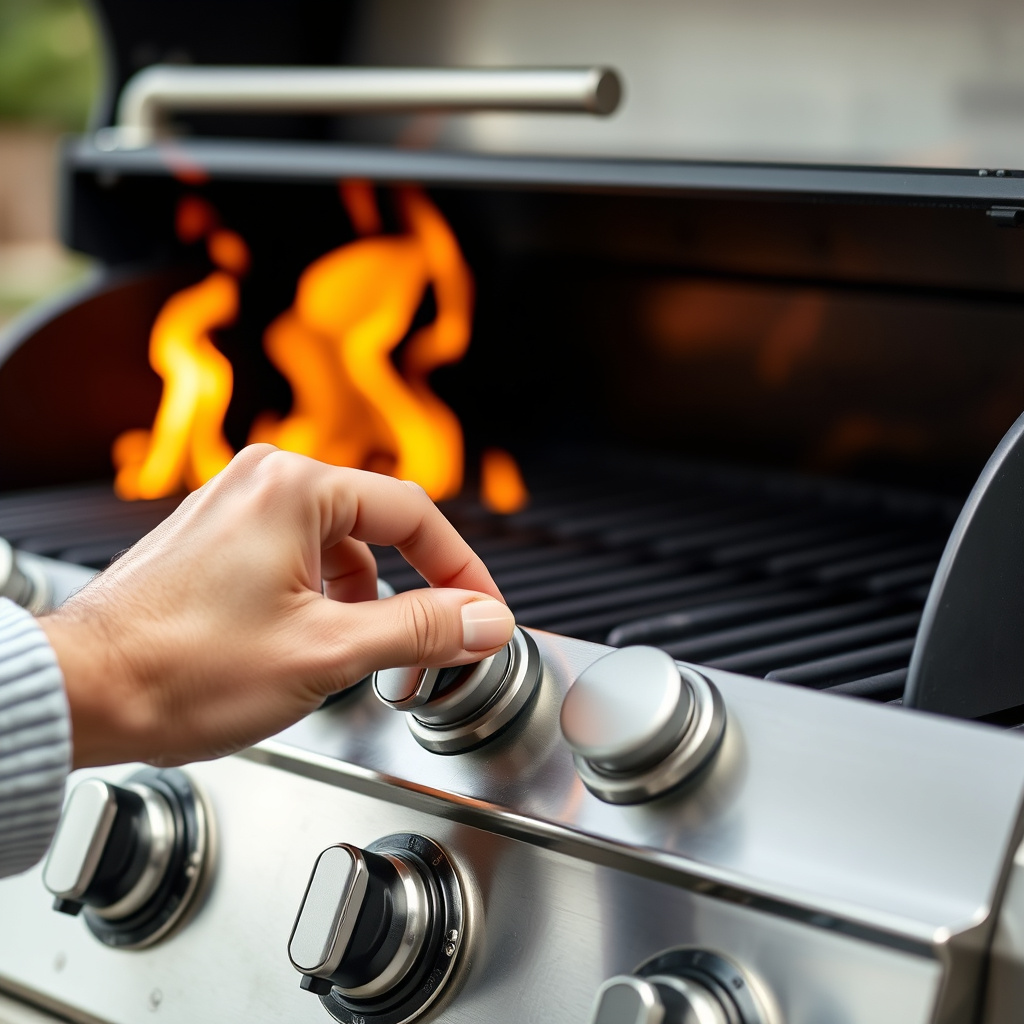
Controlling Gas Flow and Avoiding Gas Leaks
Accurate temperature control on a gas grill involves adjusting control knobs to modulate gas flow. Gradually increasing or decreasing burner intensity helps maintain stable temperatures, especially when cooking multiple foods at once.
Regularly inspecting gas connections and hoses for leaks using soapy water prevents dangerous gas build-ups. Always turn off gas supply immediately after cooking and store propane tanks safely. Safe operation extends grill longevity and prevents accidents.
- Use soapy water test for leaks
- Tighten loose connections
- Turn off gas after use
- Store propane tanks upright and outdoors
For more detailed information about grilling techniques and temperature considerations, visit the Wikipedia page on gas grilling. gas grill temperature information.
Preheating and Cooling Down the Grill Properly
Preheating a gas grill on high heat for 10 to 15 minutes ensures the grates reach the proper searing temperature. This step also burns off residue and sterilizes grates. Avoid placing food on the grill too early to prevent sticking.
After cooking, allow the grill to cool with the lid closed to preserve heat for slower cooling and to minimize flare-ups. Turning off burners first then closing valves on gas supply prevents gas leaks. Cleaning grates while still warm increases ease.
Gas Grill Heat Levels Category Comparison
Here’s a comparison of common gas grill heat level categories showing typical temperature ranges and best uses.
| Heat Level | Temperature Range (°F) | Best For | Cooking Time Frame |
|---|---|---|---|
| Low Heat | 200-300 | Slow cooking, smoking, delicate foods | 30+ minutes |
| Medium Heat | 300-450 | General cooking, thicker cuts, vegetables | 15-30 minutes |
| High Heat | 450-550+ | Searing steaks, burgers, quick cooking | 5-15 minutes |
| Very High Heat | 550-700 | Extreme searing, pizza baking | 2-10 minutes |
Frequently Asked Questions
What temperature is considered high heat on a gas grill?
High heat on a gas grill usually falls between 450°F and 550°F, which is ideal for searing and cooking foods quickly over direct flames.
How long should I preheat my gas grill to reach high heat?
Preheat your gas grill for 10 to 15 minutes on the highest burner setting with the lid closed to reach and stabilize high heat temperatures.
Can all foods be cooked on high heat?
No, only certain foods like steaks and vegetables benefit from high heat; delicate or thicker items may require lower temperatures to cook thoroughly without burning.
How can I tell if my gas grill is truly at high heat?
Use the built-in thermometer, or better yet, an infrared thermometer pointed at the grill grates to accurately gauge if the surface temperature is within the high heat range.
What causes flare-ups during high heat grilling?
Flare-ups happen when dripping fat hits flames, causing sudden fires that can char food. Keeping fat trimmed and managing flame contact helps prevent flare-ups.
Key Takeaways
- High heat on a gas grill ranges between 450°F and 550°F, ideal for searing.
- Using accurate temperature tools improves cooking results and safety.
- Different foods need specific heat zones for best flavor and texture.
- Maintaining burner cleanliness and gas flow avoids uneven heating.
Conclusion
Understanding what constitutes high heat on a gas grill is essential to successful outdoor cooking. Generally ranging from 450°F to 550°F, high heat is used primarily for searing foods quickly and creating flavorful crusts while locking in juices. Proper control over temperature zones on your grill can make the difference between perfectly grilled steaks and burnt or undercooked meals. By knowing your grill’s temperature capabilities, how to measure and maintain heat, and the best foods suited to high heat cooking, you enhance your grilling skills significantly and cook more confidently.
If you frequently cook thick cuts of meat like steaks or pork chops, using high heat settings will help you achieve that desirable sear while preserving interior moisture. Vegetables and seafood benefit from shorter exposure to high heat for a quick char without drying out. Setting up your gas grill with a two-zone fire, preheating the grill appropriately, and keeping burners clean ensures steady performance. Monitoring your grill with built-in or external thermometers helps regulate temperature and avoid flare-ups for safer, reliable cooking sessions.
To improve your grilling experience further, start by practicing temperature adjustments using your grill’s control knobs and test surface temperatures with an infrared thermometer. Clean your grill regularly and handle gas connections with care to maintain consistent high heat performance. With these practical steps and insights into gas grill temperature settings, you can master high heat cooking, preparing delicious and evenly cooked meals for your next barbecue.



