
A pellet grill is an outdoor cooking appliance that uses compressed wood pellets as fuel to produce heat and smoke for grilling, smoking, roasting, and baking food. It’s designed with an electronic control system that regulates temperature automatically, making it easier to maintain consistent heat compared to traditional charcoal or gas grills. The main advantage is its ability to deliver wood-fired flavor with precise temperature control, ideal for both low-and-slow smoking and high-heat searing.
Pellet grills have gained popularity among backyard chefs because they combine convenience with authentic smoky taste, often associated with traditional wood smokers. Unlike charcoal grills, which require frequent attention to manage burning fuel, pellet grills use an auger system to feed pellets into a fire pot steadily, regulated by a thermostat. This technology allows for set-and-forget cooking, freeing users from constant monitoring while still achieving delicious results.
This article will explain the key components of pellet grills, how they work, the benefits they provide, and what to consider when choosing one. We’ll also compare pellet grills to other types of grills and provide answers to common questions. Whether you want to understand the mechanics or decide if a pellet grill fits your outdoor cooking needs, this guide covers everything you need to know.
How a Pellet Grill Operates
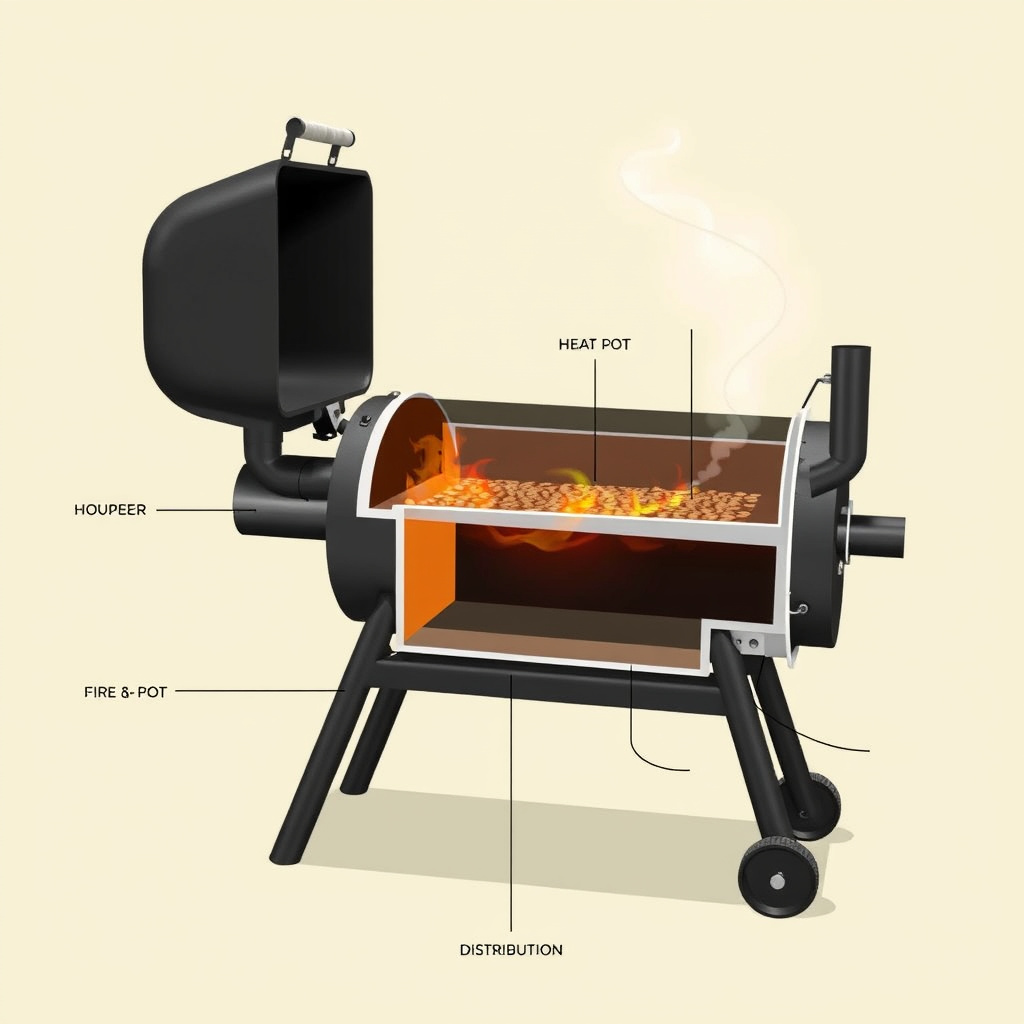
Key Components and Their Roles
A pellet grill consists mainly of a hopper that holds wood pellets, an auger that delivers pellets to the fire pot, a burn pot where pellets ignite, and a fan that circulates heat and smoke inside the cooking chamber. The electronic control board manages the auger speed based on temperature feedback, ensuring a steady cooking environment.
This setup allows for consistent temperature control unlike traditional grills because the system automatically feeds fuel as needed and modulates airflow. The heat and smoke generated imbue food with a rich, smoky flavor while maintaining even cooking temperatures.
- Hopper stores wood pellets
- Auger feeds pellets into fire pot
- Fire pot ignites pellets
- Fan circulates heat and smoke
- Electronic controller manages temperature
Temperature Control and Cooking Versatility
Pellet grills come with digital controllers that let users set precise cooking temperatures usually ranging from 180°F to 500°F or higher. The grill automatically cycles the auger and fan to keep the chamber at the target temperature.
Because of this accuracy, pellet grills handle multiple cooking styles—from low-and-slow smoking to grilling and even baking. This flexibility makes them appealing to those who want both smoke flavor and ease of use in one appliance.
Benefits of Using a Pellet Grill
Flavor and Consistency
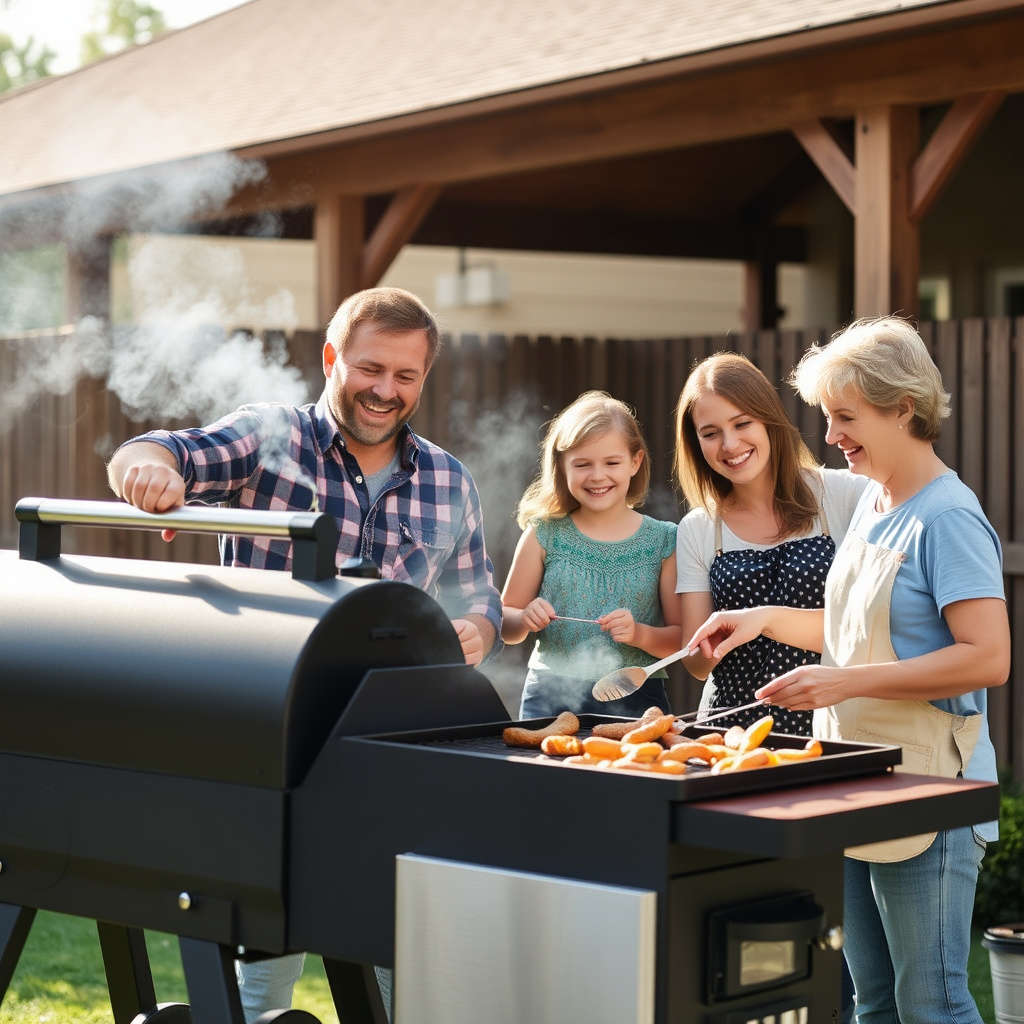
The use of real hardwood pellets means pellet grills impart a distinctive smoky aroma and taste to food, which is often compared favorably to traditional smokers. Unlike gas grills, the smoke comes from natural wood fuels rather than chemical additives.
Temperature consistency is another benefit, as the digital control system prevents wide fluctuations, resulting in more even cooking and better texture in meats and other dishes.
Ease of Use and Convenience
Pellet grills are largely hands-off once you start cooking. The automatic feeding of pellets and temperature regulation remove much of the guesswork and monitoring required with charcoal grills.
Additionally, many models can be programmed remotely through Wi-Fi or smartphone apps, allowing users to check and adjust cooking status without being near the grill.
Choosing a Pellet Grill: Key Features to Consider
Size and Cooking Area
Pellet grills come in various sizes, typically measured by their cooking grate area. Smaller grills can be ideal for beginners or limited outdoor space, while larger models are suited for entertaining multiple guests or cooking large cuts of meat.
Consider how much food you plan to prepare at once and how much storage space you have before selecting a grill size.
- Small: under 300 sq. in. cooking area
- Medium: 300-600 sq. in.
- Large: over 600 sq. in.
For more on this, see our related guide: How to Use a Pellet Grill: A Step-by-Step Guide for Perfect Outdoor Cooking.
Control Features and Connectivity
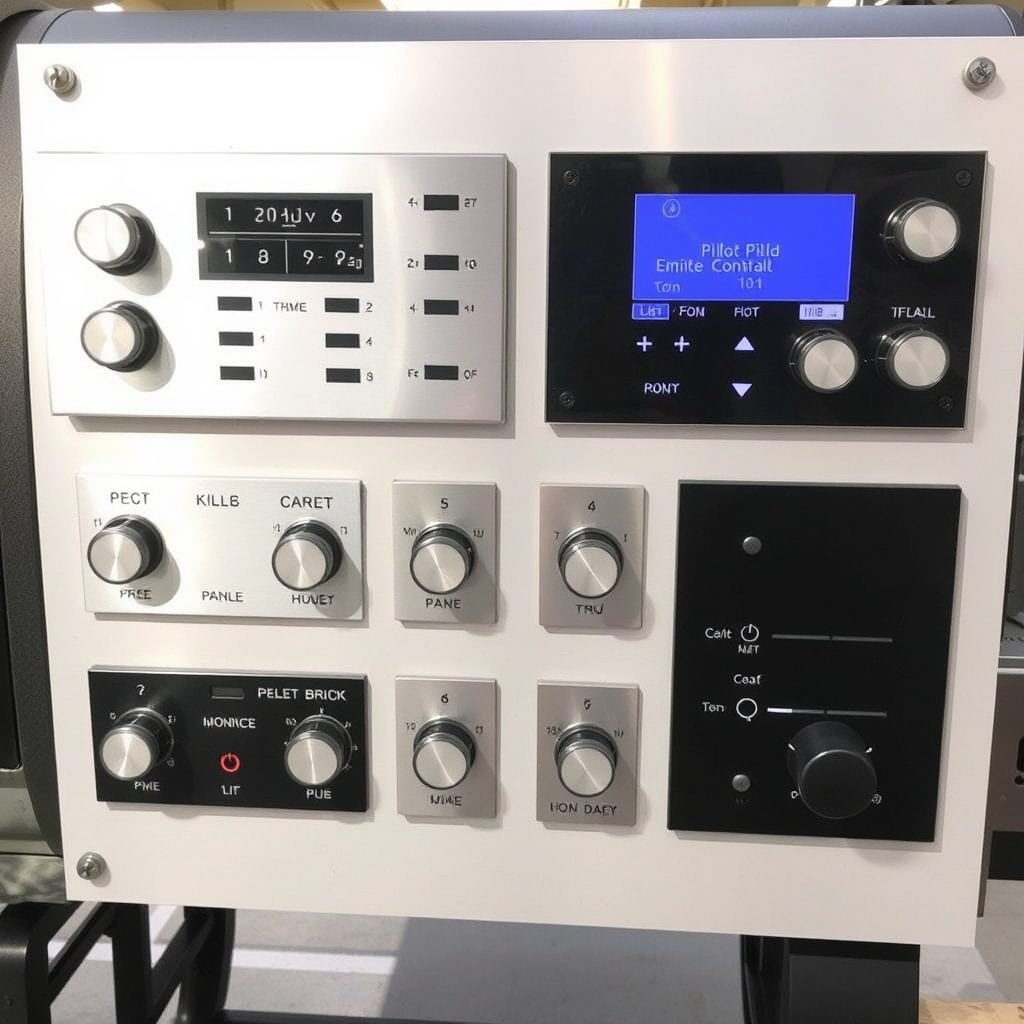
Basic models offer manual digital controls with temperature knobs, whereas advanced grills feature digital temperature probes, preset cooking modes, and Wi-Fi connectivity.
These high-tech options provide more precise cooking management and remote monitoring, which may be desirable for the best pellet grill for beginners and experienced pitmasters alike.
Pellet Grill Maintenance and Fuel Storage
Cleaning Tips to Extend Grill Life
Regular cleaning of the burn pot to remove ash, wiping down cooking grates, and emptying the hopper of unused pellets helps maintain optimal performance and prevents pellet moisture damage.
Proper ash removal ensures good airflow inside the grill, reducing the risk of flare-ups or inconsistent heat, which are critical for maintaining consistent cooking results.
- Clean burn pot after each use
- Wipe grates regularly
- Empty hopper during off-season
Pellet Storage Guidelines
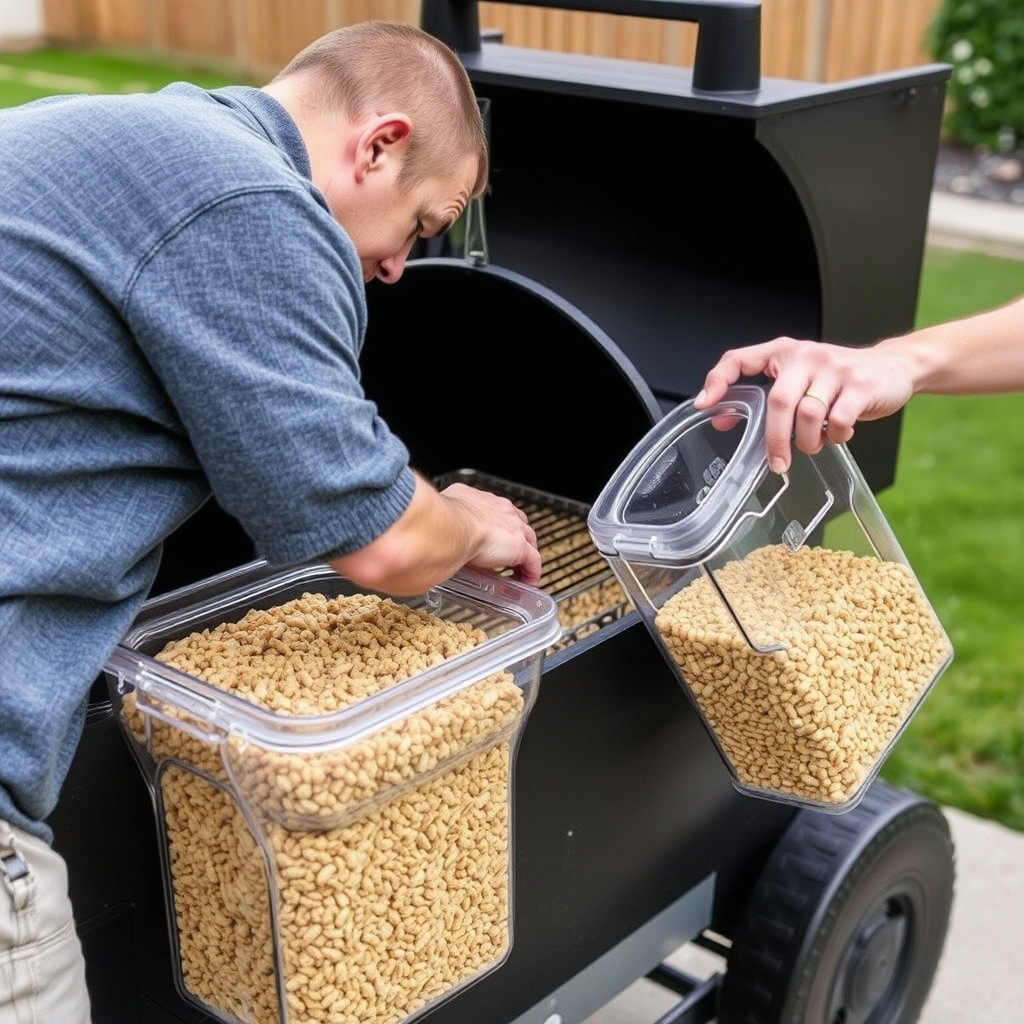
Wood pellets absorb moisture and can swell or crumble if exposed to humidity. Storing pellets in airtight containers in a dry environment keeps them reliable and helps maintain clean burning.
Buying quality pellets made from 100% hardwood without fillers also improves burn quality and flavor.
- Use airtight bins or bags
- Store in cool, dry place
- Choose high-quality hardwood pellets
Pellet Grills Compared to Other Grill Types
Pellet Grills vs. Charcoal Grills
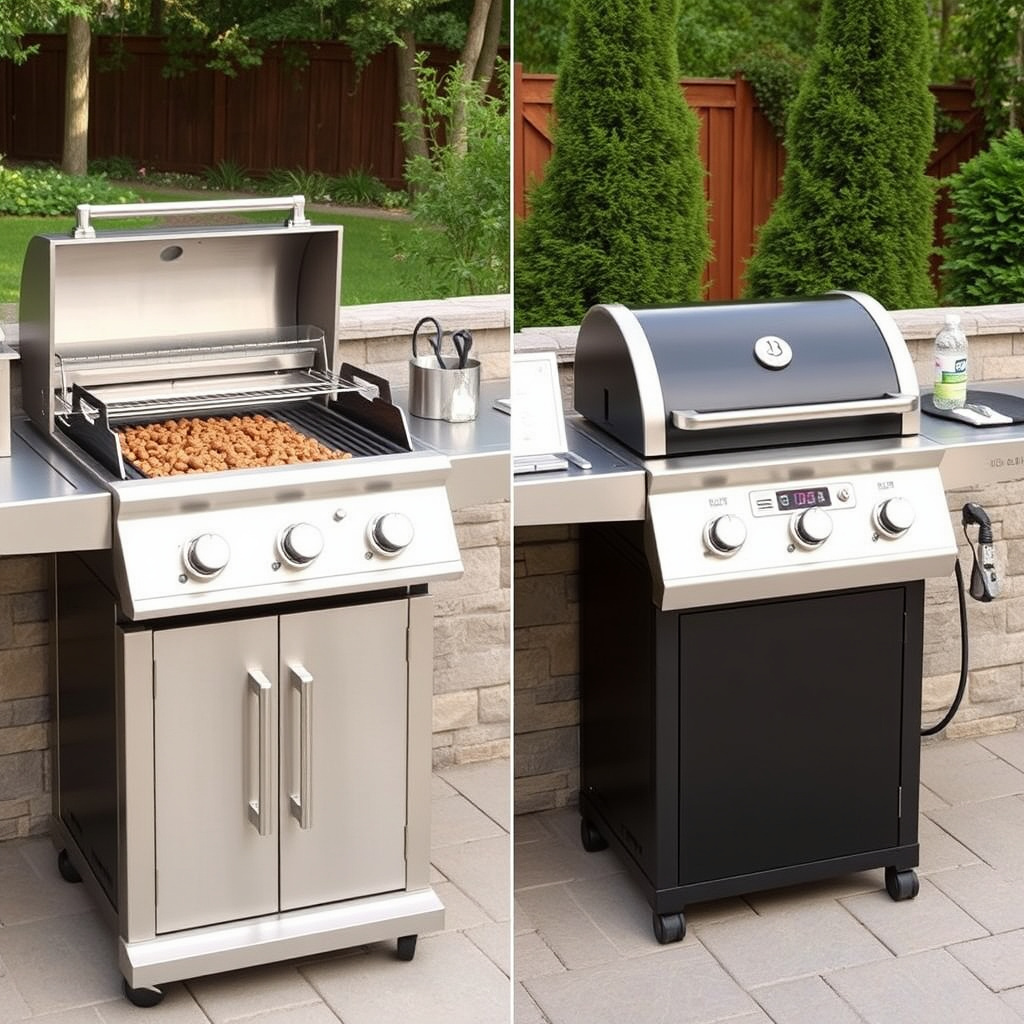
Charcoal grills offer classic smoky flavor but require manual fuel management and produce inconsistent heat. Pellet grills automate temperature control, providing steadier cooking with less effort and cleaner smoke.
While charcoal allows more hands-on flame control, pellet grills suit those who want wood-smoked flavor with convenience and predictability.
For more on this, see our related guide: How to Light a Pellet Grill: Step-by-Step Guide for Perfect BBQ.
Pellet Grills vs. Gas Grills
Gas grills heat up quickly and are easy to use but lack authentic smoke flavor since they burn propane or natural gas.
Pellet grills fill a niche by combining remotely controlled heat management with genuine wood smoke, appealing to barbecue enthusiasts who prioritize flavor without manual intervention.
Using a Pellet Grill for Different Cooking Styles
Smoking and Low-and-Slow Cooking
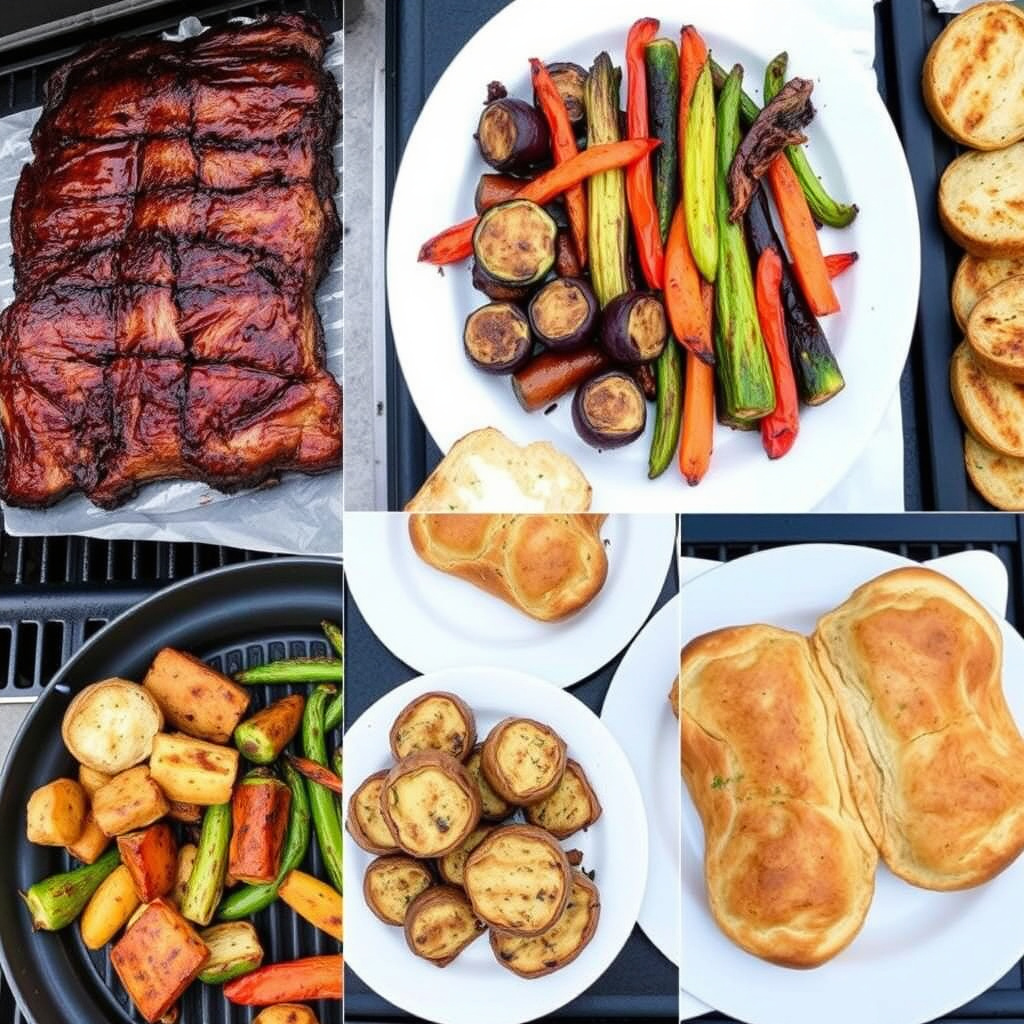
Set your pellet grill’s temperature between 180°F and 250°F for long, slow cooking sessions. This draws smoke flavor deep into meats, tenderizing tough cuts like brisket or pork shoulder while preserving moisture.
The consistent temperature control of pellet grills is especially beneficial for this style, preventing temperature spikes that can dry out food.
For a broader technical overview and history of pellet grills, see this pellet grill Wikipedia article. Pellet grill Wikipedia article.
Grilling and High-Heat Searing
Most pellet grills can reach temperatures above 450°F, allowing for direct grilling and searing steaks or burgers. Using a cast iron grate or placing food close to the primary heat source enhances sear marks and flavor.
This versatility makes pellet grills a great all-in-one outdoor cooking tool for a variety of dishes.
Pellet Grill Category Comparison
Here's a quick comparison of popular pellet grill categories to match your cooking preferences and budget.
| Category | Typical Cooking Area (sq. in.) | Temperature Range (°F) | Average Price Range | Best For |
|---|---|---|---|---|
| Compact | 200-300 | 180-450 | $200-$400 | Small families, beginners |
| Mid-size | 300-600 | 180-500 | $500-$900 | Enthusiasts, moderate gatherings |
| Large | 600-1000+ | 180-580 | $900-$1500+ | Frequent cooks, large groups |
| High-tech Smart | 400-700 | 180-550 | $1000-$2000+ | Tech-savvy users, precise control |
Frequently Asked Questions
What type of wood pellets should I use in a pellet grill?
Use 100% hardwood pellets designed for grilling without fillers or additives. Popular flavors include hickory, mesquite, apple, and cherry, which influence the smoke flavor.
Can I grill at high temperatures on a pellet grill?
Yes, many pellet grills reach temperatures above 450°F, suitable for searing steaks and quick grilling, though some models have a maximum lower than traditional gas grills.
How often do I need to clean my pellet grill?
You should clean the burn pot and remove ash after every few uses and wipe down cooking grates regularly. Deep cleaning a couple of times per season helps performance.
Does a pellet grill require electricity?
Yes, pellet grills need electricity to power the auger, fans, and electronic controller, so you must have a power source near your cooking area.
Are pellet grills suitable for baking?
Absolutely. The precise temperature control and indirect heat make pellet grills excellent for baking bread, pizza, and desserts outdoors.
Key Takeaways
- Pellet grills use wood pellets and electronic controls for steady heat and smoke.
- They combine authentic smoky flavor with ease of use and versatile cooking options.
- Choosing the right size and features depends on your cooking volume and preferences.
- Proper maintenance and quality pellet storage extend grill life and performance.
Conclusion
Understanding what a pellet grill is and how it works helps clarify why so many backyard cooks favor this style of outdoor cooking. By using an automated feed system for wood pellets and an electronic thermostat, pellet grills deliver consistent heat and wood-fired flavor without the usual hands-on fuss associated with charcoal or wood smokers. This reliable temperature regulation enables both beginners and experienced grillers to achieve delicious results with less effort, making pellet grills a user-friendly yet authentic smoking and grilling method.
When deciding on a pellet grill, assess how much cooking space you need and the level of technological control that fits your style. Smaller compact models suit casual cooks or those new to pellet grilling, while larger grills and smart-enabled models provide extra capacity and remote monitoring for enthusiasts who want more precision. The best pellet grill for beginners often includes straightforward digital controls without overwhelming features, while advanced users might prefer Wi-Fi connectivity and presets. Ultimately, the choice depends on how often and what types of food you want to prepare outdoors.
If you're interested in enhancing your outdoor cooking experience with wood-fired flavor and automated convenience, exploring pellet grills is a practical next step. Consider testing a model at a store or reading user reviews focused on the specific features that matter to you. Keeping up with proper pellet storage and regular maintenance will also maximize your grill’s lifespan and performance, helping you enjoy great smoked and grilled meals season after season.



