
The best temperature to grill vegetables typically ranges from 350°F to 450°F (175°C to 230°C). This range allows vegetables to cook evenly, caramelize nicely, and develop a smoky char without burning or drying out. Grilling at too low a temperature results in soggy, undercooked vegetables, while too high a heat risks charring without cooking through.
Getting the temperature right matters because vegetables have different water contents and densities. Root vegetables like carrots and potatoes need higher, steady heat and longer cooking times, whereas tender vegetables such as zucchini and bell peppers cook much faster and require more careful temperature control. Knowing the correct temperature to grill vegetables helps preserve texture, flavor, and nutrients.
This article covers how to set your grill’s temperature, temperature guidelines for various vegetables, indirect vs. direct grilling methods, grill tools to monitor heat, tips for preparation, and some common mistakes to avoid. Whether using gas or charcoal, you’ll learn practical advice on mastering the perfect temperature to grill vegetables.
Grill Temperature Basics for Vegetables
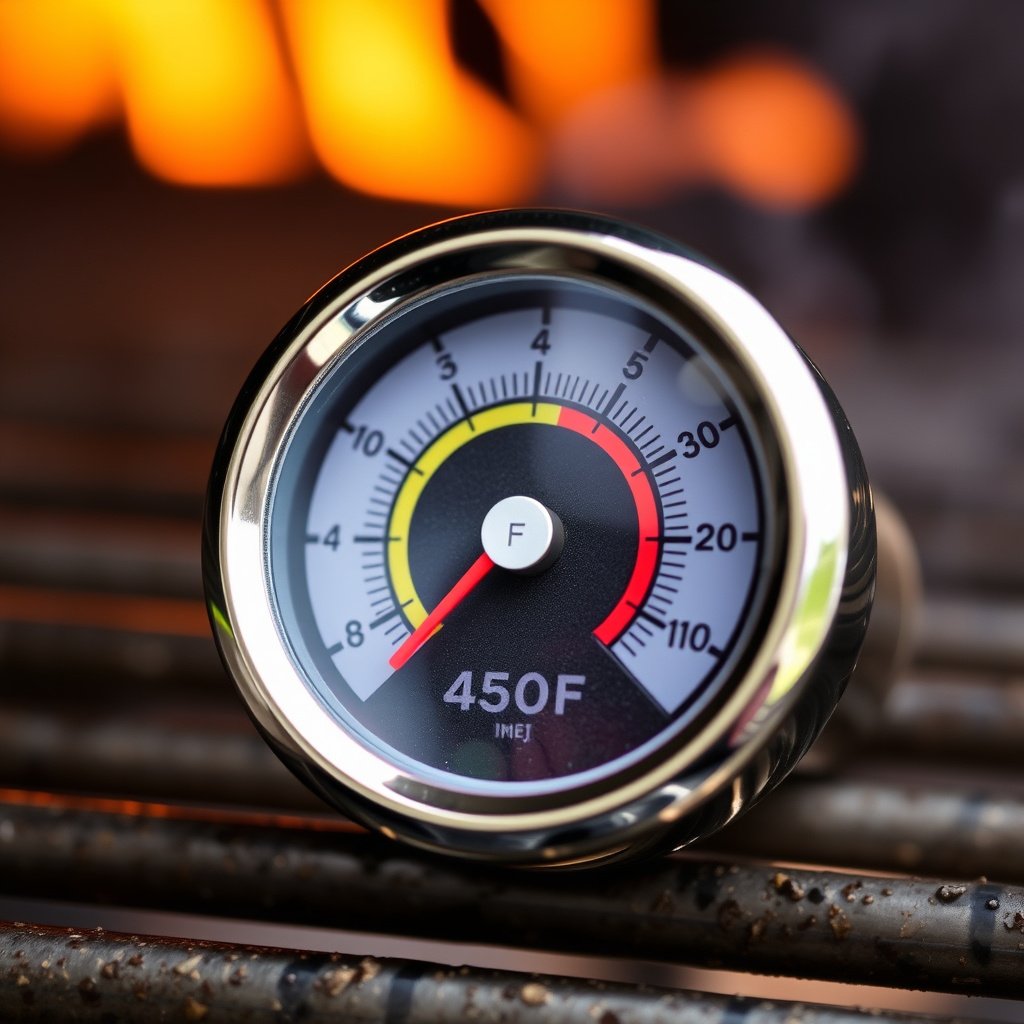
Understanding Heat Zones on Your Grill
Grill heat zones are areas on your grill with different temperatures, allowing you to cook vegetables at various intensities simultaneously. Zone cooking is essential because some vegetables need quick searing at high heat, while others benefit from slower, indirect grilling.
By arranging coals or adjusting gas burners, you can create hot direct zones (450°F or higher) and cooler indirect zones (around 350°F). This flexibility helps avoid burning delicate vegetables while gently cooking denser ones.
- Direct heat for quick searing
- Indirect heat for slow cooking
- Use zones for mixed vegetable platters
- Adjust zones based on vegetable type
Gas vs. Charcoal Temperature Control
Gas grills offer precise temperature control through burner adjustments, making it easier to maintain the recommended 350°F to 450°F range for grilling vegetables. The built-in thermometer lets you monitor heat without lifting the lid.
Charcoal grills require arranging coals and managing airflow to control temperature, which is a bit trickier but rewarding. Using a chimney starter for even coals and a grill thermometer helps achieve the desired temperature to grill vegetables.
Ideal Grilling Temperatures for Different Vegetables
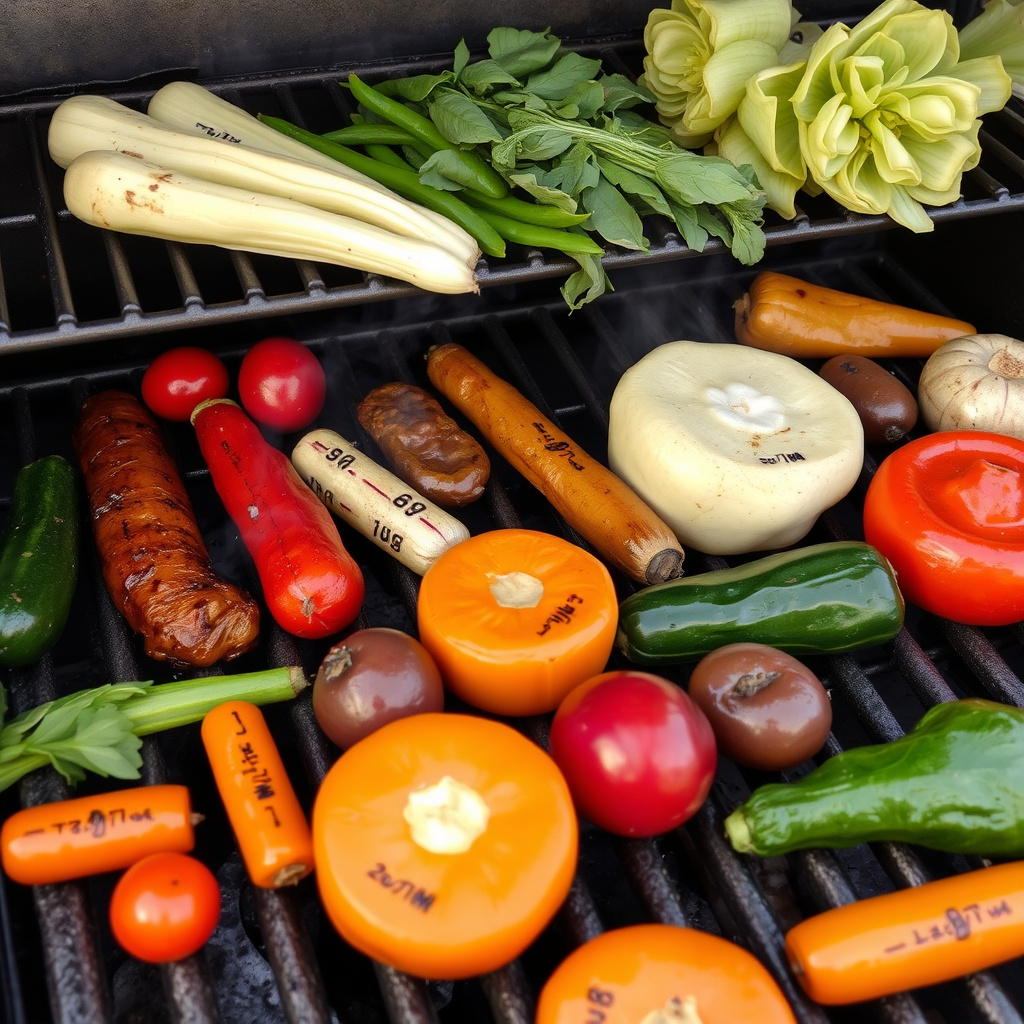
High-Heat Vegetables (400°F to 450°F)
Vegetables that grill well at higher temperatures include bell peppers, zucchini, eggplant, and asparagus. This range creates great caramelization and grill marks within 5 to 10 minutes without overcooking the interior.
For these vegetables, quick grilling over direct heat produces tender yet crisp textures that retain their natural sugars and smoky flavor.
- Bell peppers
- Zucchini and summer squash
- Eggplant slices
- Asparagus spears
Medium-Heat Vegetables (350°F to 400°F)
Denser vegetables like mushrooms, corn on the cob, onions, and tomatoes benefit from medium heat. Cooking in this range allows them to soften and develop sweetness gradually while avoiding burnt edges.
These vegetables often require turning several times and might be cooked indirectly or with a combination of direct and indirect heat to manage cooking pace.
- Mushrooms
- Corn on the cob
- Onions
- Tomatoes
Preparation and Techniques to Optimize Grilling
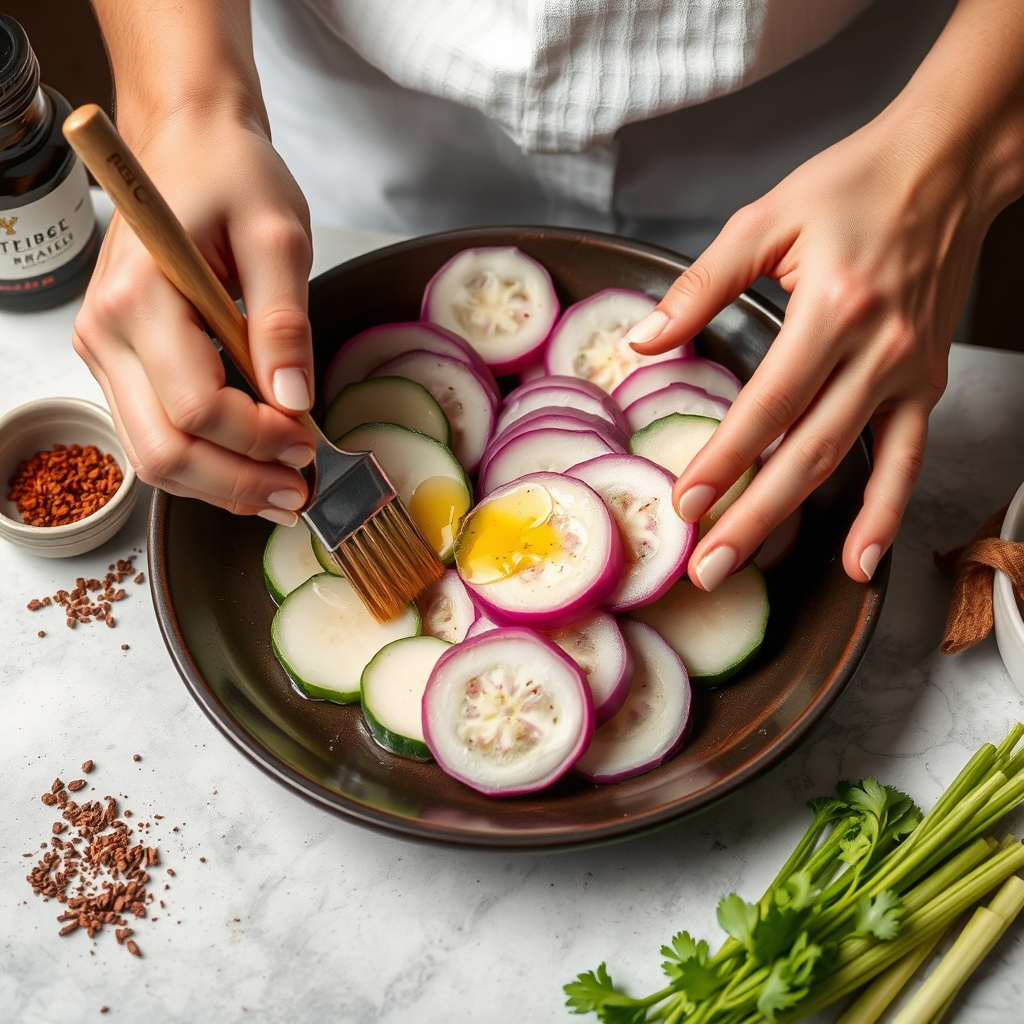
Marinating and Oiling Vegetables
Applying oil before grilling helps prevent sticking and enhances heat transfer to the vegetables. Marinating adds flavor and can protect vegetables from charring quickly against the grill’s high heat.
Use oils with high smoke points, such as avocado or canola oil. Avoid sugary marinades that might burn easily. Keep marinating time moderate – 15 to 30 minutes is usually enough for vegetables.
- Use high smoke point oils
- Lightly coat or brush oil
- Avoid thick sugary marinades
- Marinate 15-30 minutes
For more on this, see our related guide: What Temperature to Grill Ribs for Tender, Juicy Results.
Cut Size and Skewering
Cut vegetables into uniform sizes so they cook evenly. Thicker pieces require longer time and slightly lower heat. Smaller, thinner slices grill quickly and char faster.
Skewers are helpful for grilling small or delicate vegetables, making them easier to turn and preventing them from falling through the grates. Use metal skewers or soaked wooden ones.
- Cut uniformly
- Use skewers for small pieces
- Adjust size by vegetable type
Direct vs. Indirect Grilling Methods for Vegetables
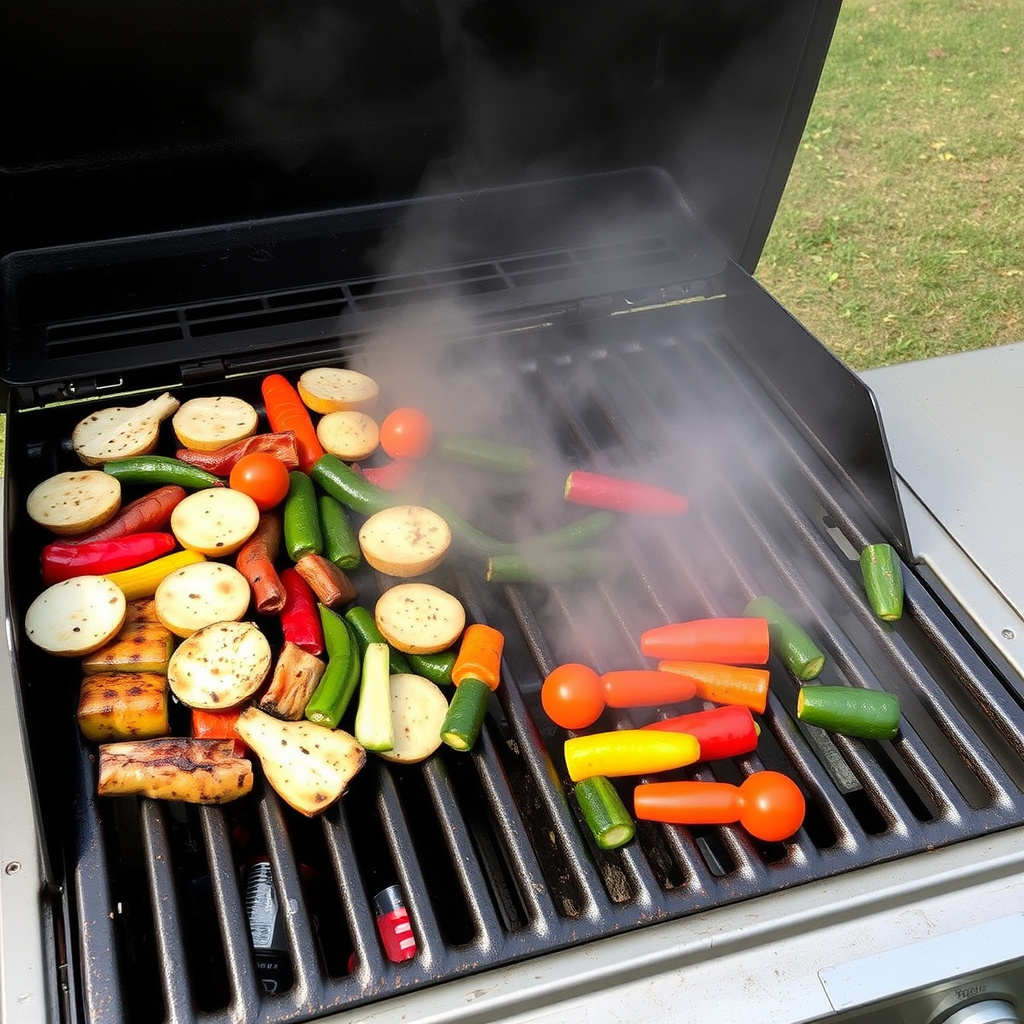
Direct Grilling for Quick Cooking
Direct grilling means placing vegetables directly over heat sources between 400°F and 450°F. This method suits quick-cooking, tender vegetables like peppers or asparagus for crisp-tender results with grill marks.
However, it requires constant attention and frequent turning to prevent flare-ups and uneven charring.
Indirect Grilling for Even Cooking
Indirect grilling involves placing vegetables away from direct flames, typically around 350°F. This slower approach allows denser vegetables like potatoes and corn to cook thoroughly without burning.
Indirect grilling pairs well with covered grills to trap heat and moisture for a more steamed effect combined with smoky flavor.
Common Mistakes and How to Avoid Them
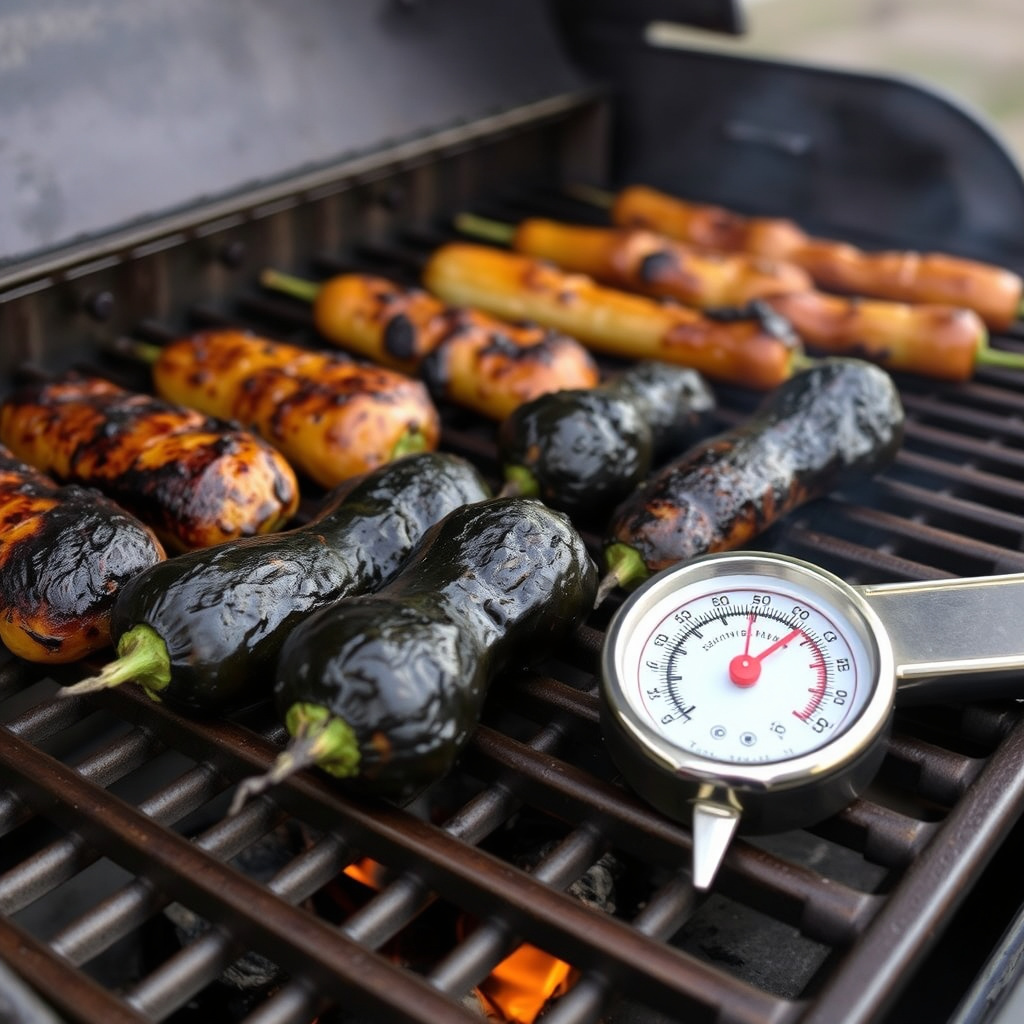
Grilling at Too High or Too Low Temperatures
One common error is grilling vegetables too hot, above 450°F, which burns the outside before the inside cooks. Conversely, too low heat under 300°F results in pale, mushy veggies lacking caramelization.
Using a reliable grill thermometer and managing heat zones avoids these pitfalls and improves consistency.
For more on this, see our related guide: How Long to Grill Shrimp: Perfect Timing for Juicy Results.
Overcrowding the Grill
Placing too many vegetables close together on the grill reduces airflow and heat distribution, causing uneven cooking and steaming rather than grilling.
Leave space between pieces for smoke and heat circulation. Cook in batches if necessary to maintain the right grilling temperature.
Tools and Accessories to Monitor Grill Temperature
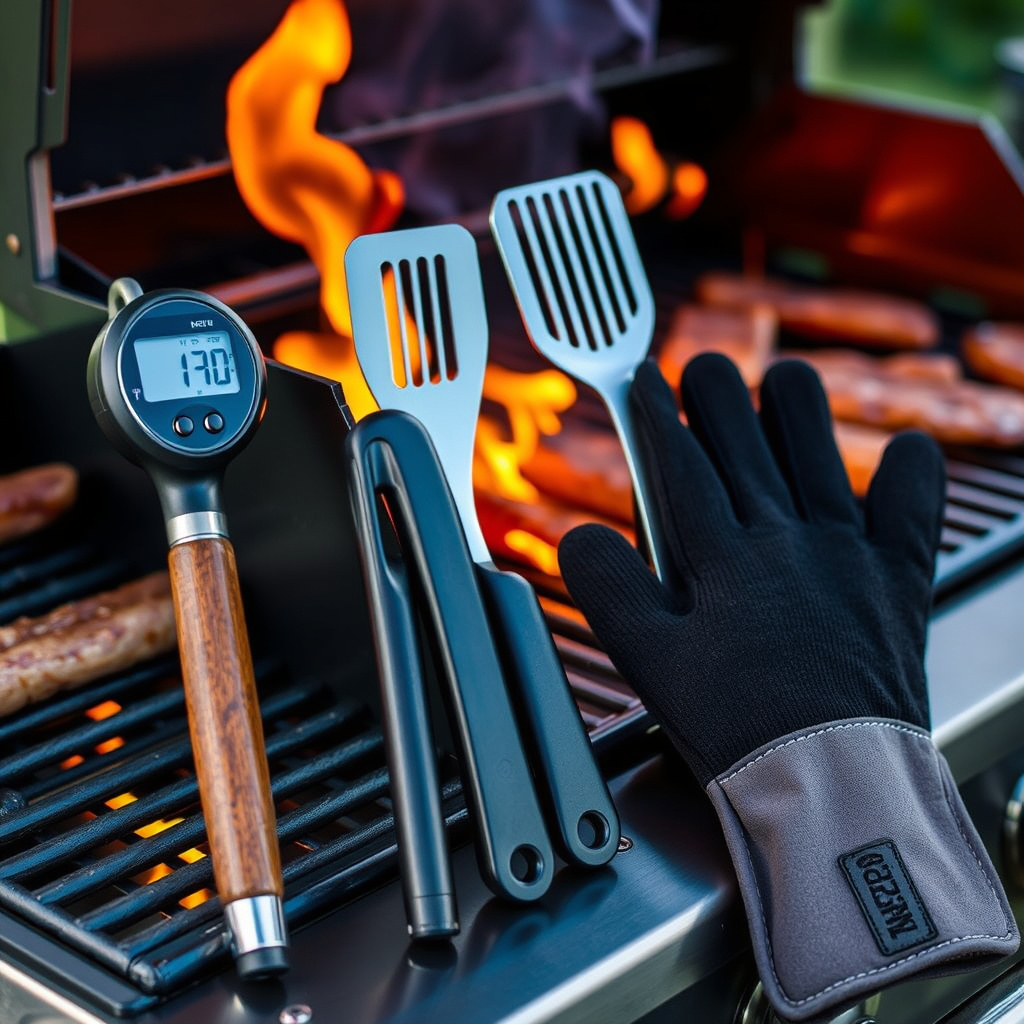
Using a Grill Thermometer
A grill thermometer provides accurate temperature readings right at the cooking surface, crucial for setting the correct temperature to grill vegetables. Built-in lid thermometers often read ambient air temperature and can be misleading.
Digital probe thermometers with instant readouts offer the best precision when managing multiple vegetables with different temperature needs.
For official safety tips and grilling advice from a trusted source, see this grilling vegetables guide from USDA. Grilling vegetables guide from USDA.
Additional Helpful Tools
Long-handled tongs, grill baskets, and skewers all contribute to easy handling and even cooking of vegetables. Heat-resistant gloves improve safety when turning food or adjusting vents on charcoal grills.
A timer or grilling app helps track cooking times for varied vegetable types, avoiding over or under cooking.
Grilling Temperature Range Comparison for Popular Vegetables
This table summarizes temperature ranges and ideal cooking methods for common vegetables on the grill.
| Vegetable | Ideal Temperature Range | Direct or Indirect Heat | Approximate Cooking Time |
|---|---|---|---|
| Bell Peppers | 400°F – 450°F | Direct | 5-7 minutes |
| Zucchini | 400°F – 450°F | Direct | 5-8 minutes |
| Corn on the Cob | 350°F – 400°F | Indirect | 15-20 minutes |
| Potatoes | 350°F – 400°F | Indirect | 30-40 minutes |
| Asparagus | 400°F – 450°F | Direct | 3-5 minutes |
| Mushrooms | 350°F – 400°F | Indirect/Direct | 10-15 minutes |
Frequently Asked Questions
Can I grill frozen vegetables without thawing them?
Grilling frozen vegetables directly is not recommended. Thawing first ensures even cooking. Frozen veggies release extra moisture, leading to steaming rather than grilling and possibly mushy textures.
What is the best way to prevent vegetables from sticking to the grill?
Applying a light coat of oil with a high smoke point and preheating the grill properly helps keep vegetables from sticking. Clean grill grates also reduce sticking issues.
How can I tell when grilled vegetables are done?
Vegetables are done when they have softened but remain slightly firm, show char marks, and taste tender with caramelized edges. Cooking times vary; frequent checking helps prevent overcooking.
Is indirect grilling always necessary for root vegetables?
Indirect grilling is preferable for dense root vegetables because it cooks them thoroughly without burning the exterior. Combining indirect heat with pre-cooking methods, like boiling, speeds up grilling.
Are there vegetables that should not be grilled?
Some vegetables with high water content, like lettuce or cucumbers, don't grill well as they wilt quickly and lose flavor. Instead, use them fresh or in salads.
Key Takeaways
- Grill vegetables between 350°F and 450°F for best results
- Use direct heat for quick-cooking, tender veggies and indirect heat for dense, slow-cooking ones
- Apply oil and cut vegetables evenly to avoid sticking and uneven cooking
- Monitor grill temperature with a thermometer to prevent burning or undercooking
Conclusion
Choosing the right temperature to grill vegetables hinges on understanding the specific needs of each type—tender vegetables thrive at higher direct heat while dense roots benefit from moderate indirect heat. Balancing these factors will produce vegetables that are flavorful, tender, and beautifully charred without becoming soggy or burnt. Incorporating techniques like zone cooking and using appropriate tools helps maintain consistent temperatures and achieve even cooking.
For example, grilling bell peppers and asparagus at 400°F to 450°F over direct heat brings out their natural sweetness and smokiness within minutes. Root vegetables such as potatoes and corn require a lower temperature range around 350°F with indirect heat to cook through without burning. Using marinades with high smoke point oils, along with skewers or baskets, improves handling and enhances flavor development while preventing sticking.
If you’re new to grilling vegetables, start by measuring grill temperature with a reliable grill thermometer and setting distinct heat zones. Prepare vegetables by cutting them uniformly and brushing on oil. Experiment with direct and indirect methods according to your vegetable mix, and always leave space for airflow on the grill. Applying these steps ensures success in grilling vegetables to perfection every time.



