
The best temperature to grill ribs is generally around 225°F to 250°F, which allows for slow cooking over indirect heat. This temperature range breaks down connective tissues and fat gradually, resulting in tender, juicy ribs with a flavorful crust.
Maintaining a consistent temperature within this range matters because ribs need time to become tender without drying out or burning. Cooking ribs too fast at high heat can cause toughness, while too low a temperature might extend grill time unnecessarily without improving texture.
This article covers the optimal temperatures for different grilling methods, how to manage your grill temperature effectively for ribs, and tips for timing and seasoning that produce the best outcomes for various types of ribs.
Understanding the Ideal Temperature to Grill Ribs
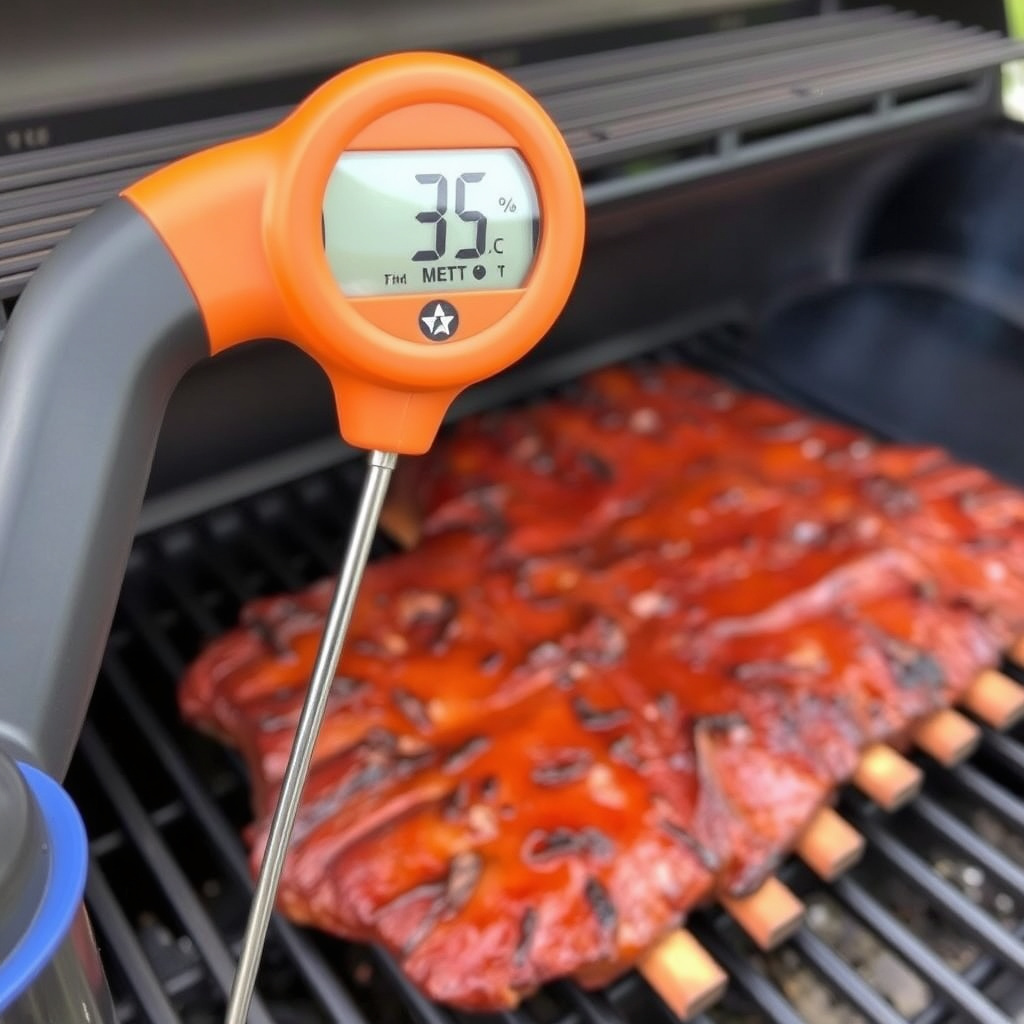
Low and Slow: The Key to Tender Ribs
Cooking ribs at a low temperature between 225°F and 250°F allows collagen in the meat to melt over time, resulting in tender texture and juicy flavor. This low-and-slow approach also encourages smoke penetration, enhancing taste.
Using indirect heat at these temperatures prevents the ribs from top-side charring too quickly, giving time for the meat to soften while the fat renders properly. This is considered the classic approach by pitmasters for both pork and beef ribs.
Why High Heat Isn’t Suitable for Ribs
Grilling ribs above 300°F can cause the outside to burn or become tough before the inside cooks properly. High temperatures also tend to dry out the meat fast, resulting in less enjoyable texture and flavor.
Fast cooking methods might work for thin or pre-cooked ribs but are generally not recommended for fresh ribs where tenderness is key. Maintaining a stable temperature in the recommended low range avoids these issues.
Grill Types and Their Temperature Control Capabilities
Charcoal Grills and Temperature Management
Charcoal grills provide excellent flavor but require more skill to keep the temperature steady. Arranging coals on one side and placing ribs on the opposite side creates indirect heat, supporting a grilling temperature between 225°F and 250°F.
Adding wood chunks intermittently can enhance smoke flavor without spiking the temperature. Use a reliable grill thermometer to monitor and adjust vents for precise control.
- Set up for indirect cooking with coals on one side
- Adjust vents to regulate oxygen and maintain desired temperature
- Use a chimney starter to light coals efficiently
Gas Grills and Temperature Stability
Gas grills offer more consistent temperature control, making it easier to keep the grill at the best grilling temperature for ribs. Set burners on low and use indirect heat by turning off burners directly under the ribs.
Monitor grill temperature with built-in gauges and consider using an external thermometer for accuracy, especially since built-in thermometer readings are often inaccurate at low temperatures.
- Turn off burners directly below ribs for indirect heat
- Keep grill lid closed as much as possible to maintain stable temperature
- Consider a smoker box for added wood smoke flavor
Timing and Temperature: How Long to Grill Ribs
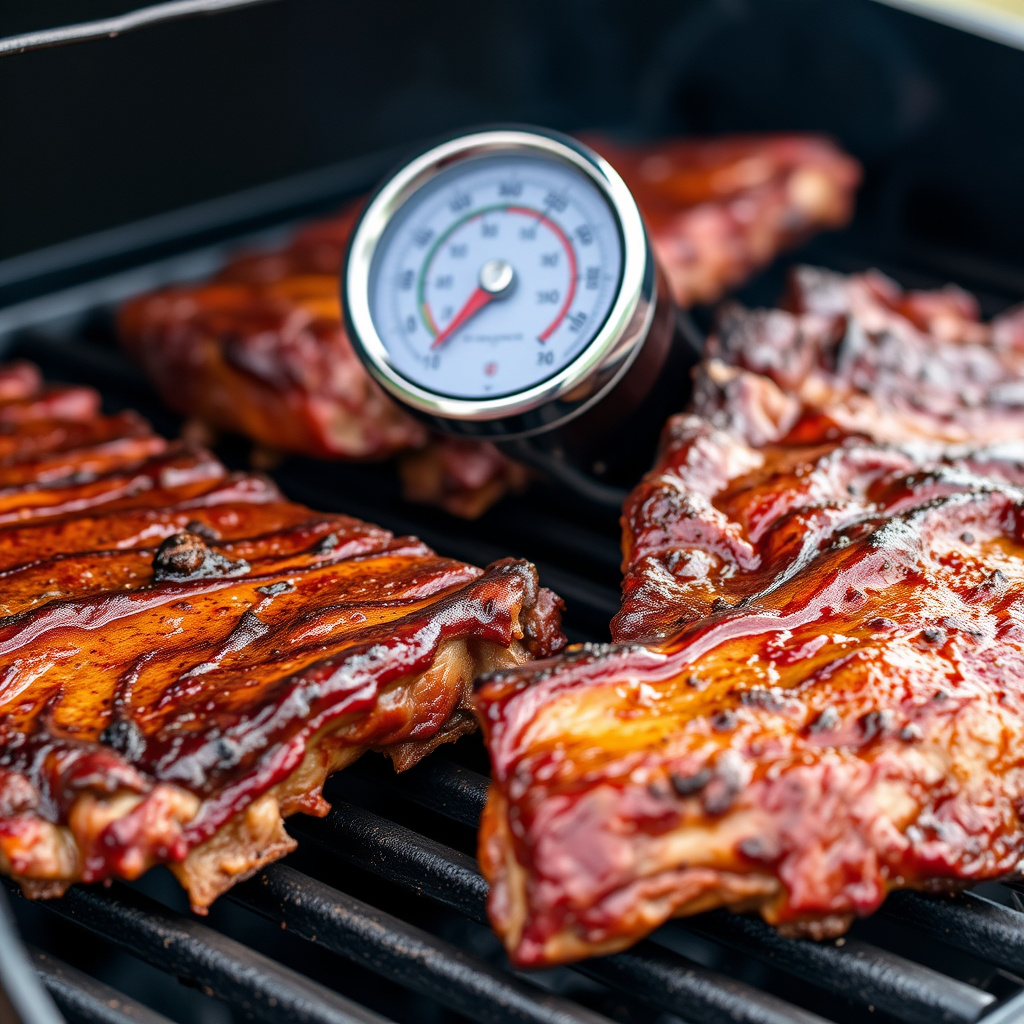
Typical Cooking Times at Recommended Temperatures
At 225°F to 250°F, pork ribs usually take 4 to 6 hours to reach tender doneness. Beef ribs might require a bit longer, typically 5 to 7 hours, depending on size and thickness.
Cooking time can vary based on factors like grill stability, meat thickness, and whether ribs are baby back or spare ribs, so periodic checking is essential.
- Baby back ribs: 4 to 5 hours
- Spare ribs: 5 to 6 hours
- Beef ribs: 5 to 7 hours
For more on this, see our related guide: How Long to Grill Ribs: Timing for Tender, Juicy Results.
Using Temperature to Judge Doneness
Besides timing, the internal temperature of ribs can indicate doneness. For pork ribs, an internal temperature around 190°F to 203°F generally signals tender meat ready to eat.
Use a meat thermometer in the thickest part of the ribs to monitor doneness rather than relying solely on time. This helps manage variables related to grill differences and meat cut variations.
Flavor Techniques and Temperature Impact
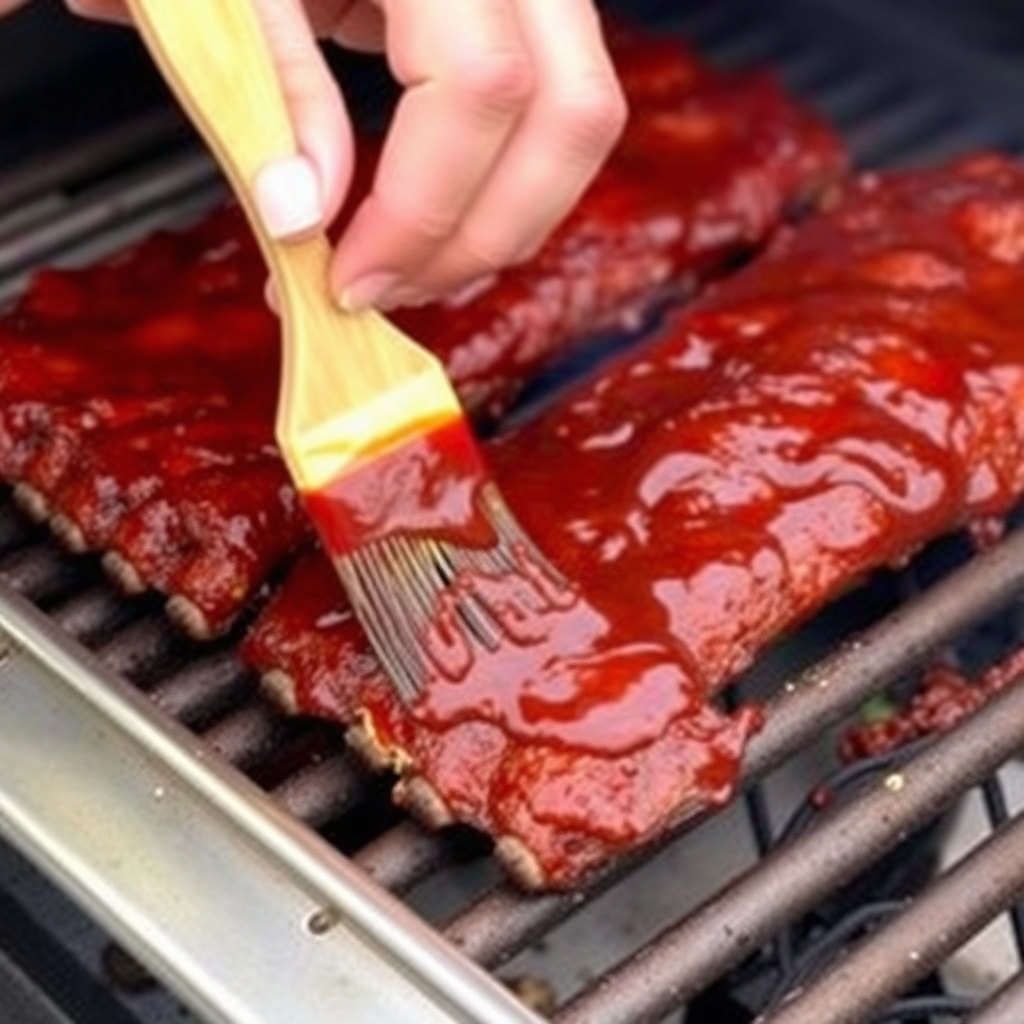
How Temperature Affects Saucing and Glazing
Applying barbecue sauce too early during a low-temperature cook can cause sugary sauces to burn. Instead, sauce ribs during the last 20 to 30 minutes of grilling at the recommended temperature to develop a rich glaze without charring.
Temperature control is vital here, as maintaining the grill temperature around 225°F to 250°F prevents burning the sauce and keeps flavors balanced.
Smoke Flavor and Temperature Relationship
The best grilling temperature for ribs facilitates adequate smoke absorption, usually happening below 275°F. At lower temperatures, smoke particles penetrate the meat more effectively.
Too hot a grill produces less smoke flavor as fuel burns too quickly, while too cool can result in inefficient combustion. Keeping consistent temperature allows for ideal smoke exposure.
Tips for Accurate Temperature Monitoring
Choosing the Right Thermometer
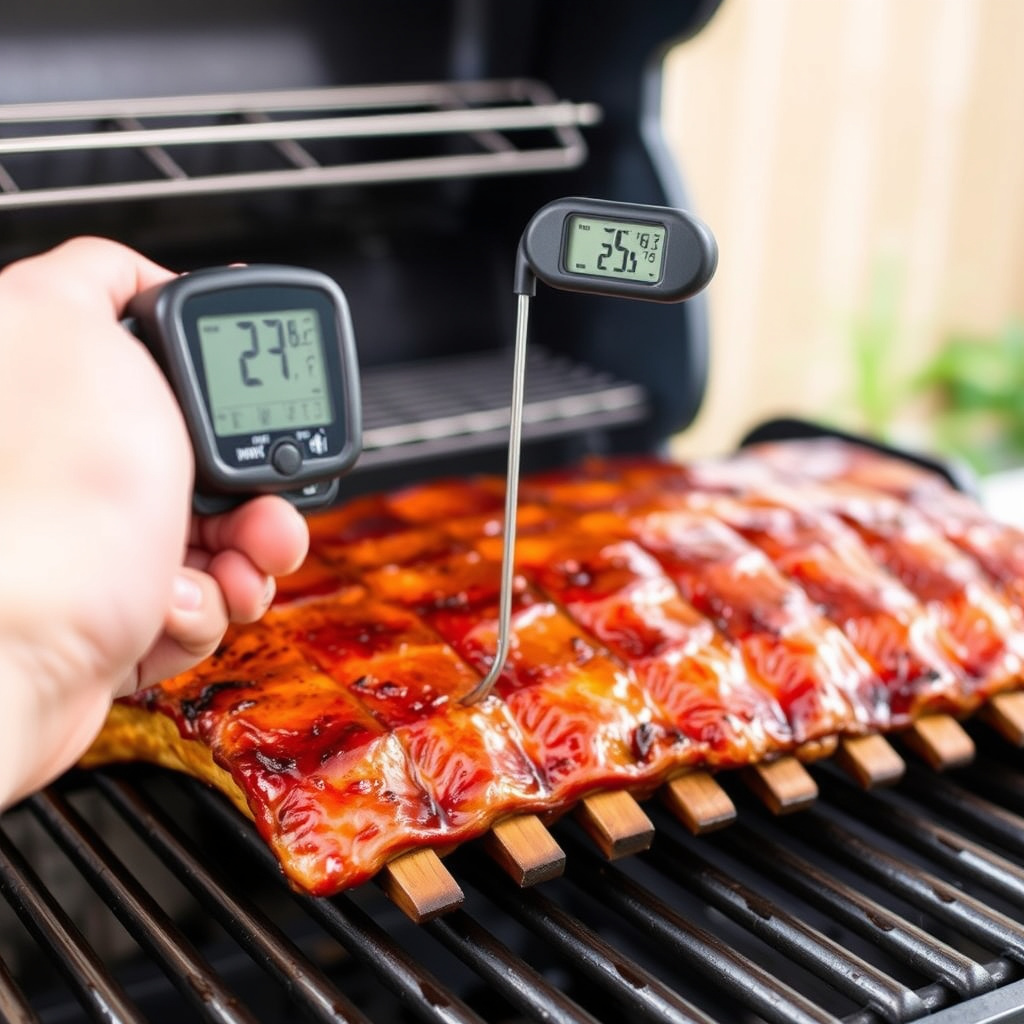
A reliable digital probe thermometer is essential for tracking both grill and meat temperatures. Instant-read thermometers allow quick checks without opening the grill lid often.
Wireless thermometer systems can provide monitoring without disturbing the cooking process, which helps keep temperature stable during the entire rib grilling session.
- Look for thermometers with temperature alert features
- Choose probes that can handle high heat environments
- Consider models with multiple probes for simultaneous grill and meat readings
For more on this, see our related guide: How to Grill Vegetables: A Step-by-Step Guide for Perfect Results.
Best Practices for Temperature Checks
Check grill temperature at grill grate level near the food as it can differ from built-in gauge readings. Insert meat thermometer probes into the thickest part of the ribs away from bones for accurate internal temps.
Limit grill lid openings during cooking to avoid temperature drops. Use thermometer alarms to know when adjustments are necessary.
Choosing Between Direct and Indirect Heat for Ribs
Why Indirect Heat Is Preferred for Ribs
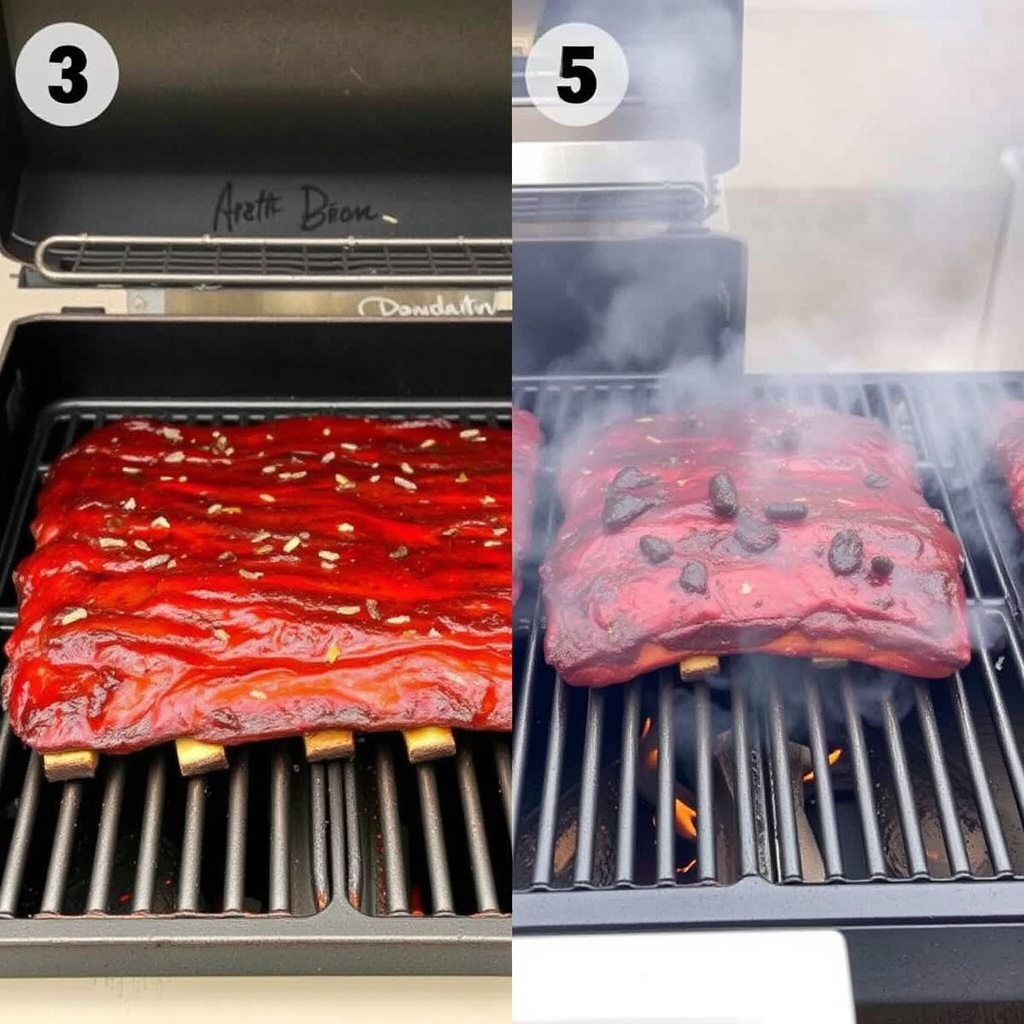
Indirect heat allows ribs to cook slowly without exposure to direct flames, preventing burning and encouraging tenderization. It suits the low-and-slow temperature range for ribs perfectly.
Most rib recipes and cooking guides recommend indirect grilling for consistent results and to avoid flare-ups from dripping fats.
For more detailed information on grilling temperatures and barbecue techniques, see the grilling ribs temperature guidelines on Wikipedia. grilling ribs temperature guidelines.
Situations Where Direct Heat May Be Used
Direct heat is sometimes used briefly at the end of cooking to caramelize a sauce or add a smoky crust. This quick sear phase usually lasts only a few minutes per side following a long slow cook.
Generally, direct heat is avoided during the main grilling phase because it raises the grill temperature beyond what is ideal for ribs.
Grilling Temperature Category Comparison for Ribs
Here’s a comparison of grilling methods and their typical temperature ranges, cooking times, and flavor profiles for ribs.
| Grill Type | Temperature Range (°F) | Average Cooking Time | Flavor Impact | Ease of Temperature Control |
|---|---|---|---|---|
| Charcoal Grill | 225-250 | 4-6 hours | Smoky, rich | Moderate |
| Gas Grill | 225-250 | 4-6 hours | Clean smoke flavor, less intense | High |
| Electric Smoker | 225-250 | 5-7 hours | Deep smoke infusion | High |
| Oven (Smoking Alternative) | 225-275 | 3-5 hours | Mild smoky flavor | High |
| High Heat Direct Grill | 350+ | 30-45 mins | Charred, less tender | Easy but risky |
Frequently Asked Questions
Can I grill ribs at 300 degrees?
Grilling ribs at 300 degrees is generally too hot for slow cooking. It risks drying out or toughening the meat before it softens properly. For tender ribs, sticking to 225-250 degrees works better.
How do I know when ribs are done on the grill?
Ribs are done when the internal temperature reaches around 190-203°F and the meat pulls back slightly from the bone ends. They should feel tender when gently pressed.
Should I wrap ribs while grilling to control temperature?
Wrapping ribs in foil, also called the ’Texas crutch,’ helps retain moisture and can speed cooking. It also helps maintain temperature consistency by insulating the meat.
Is it better to cook ribs with the lid open or closed?
Cooking ribs with the grill lid closed maintains a stable temperature and allows smoke to circulate, which is essential for even cooking and flavor.
What’s the best wood to use when grilling ribs for smoke flavor?
Hardwoods like hickory, apple, cherry, or oak provide complementary smoke flavors that enhance ribs without overpowering the meat’s natural taste.
Key Takeaways
- Grill ribs best between 225°F and 250°F using indirect heat for tender results.
- Use a reliable thermometer to monitor both grill and meat temperatures carefully.
- Wrap ribs during cooking to retain moisture if preferred, but maintain low and slow heat.
- Sauce ribs near the end of grilling to avoid burning sugary glazes.
Conclusion
Choosing the proper temperature to grill ribs centers on a balance between slow cooking and heat consistency. Maintaining temperatures between 225°F and 250°F with indirect heat gives connective tissue time to break down and fat to render, producing tender, flavorful meat. Equally important is controlling flare-ups and preventing drying out by monitoring both grill and internal meat temperatures accurately. This careful approach transforms raw ribs into a savory final dish with a desirable texture.
For practical application, charcoal grills add authentic smoky depth but require attention to vents for temperature control. Gas grills provide steadier heat and are easier to manage for beginners aiming for the best grilling temperature for ribs. If time is tight, electric smokers or even roasting in an oven at similar temperatures can yield respectable results. Wrapping ribs midway can reduce cooking time and lock in moisture, while applying sauce late preserves its flavor without charring.
The next step for rib enthusiasts is to invest in a digital thermometer and experiment with low-and-slow methods across different grill types. Understanding how temperature impacts meat texture and smoke flavor will help tailor grilling techniques to personal preferences. With patience and consistent temperature control, you can enjoy perfectly grilled ribs that impress family and friends alike.



