
The best temperature for grilling depends on what you're cooking, but generally, maintaining a grill temperature between 350°F and 450°F produces excellent results. This range allows for proper caramelization, thorough cooking, and a good sear without burning the outside.
Grilling at the right temperature balances cooking speed and flavor development. Too low heat can cause food to dry out, while excessively high heat risks charring or undercooking the interior. Getting temperature right enhances texture, juiciness, and safety by ensuring the food is cooked through.
This article explains recommended temperature ranges for different foods, explores how to measure and control grill heat, and offers strategies for managing direct and indirect cooking zones. You’ll gain a clearer understanding of how to tailor your grilling routine to achieve the tastiest results.
Understanding Grill Temperature Zones
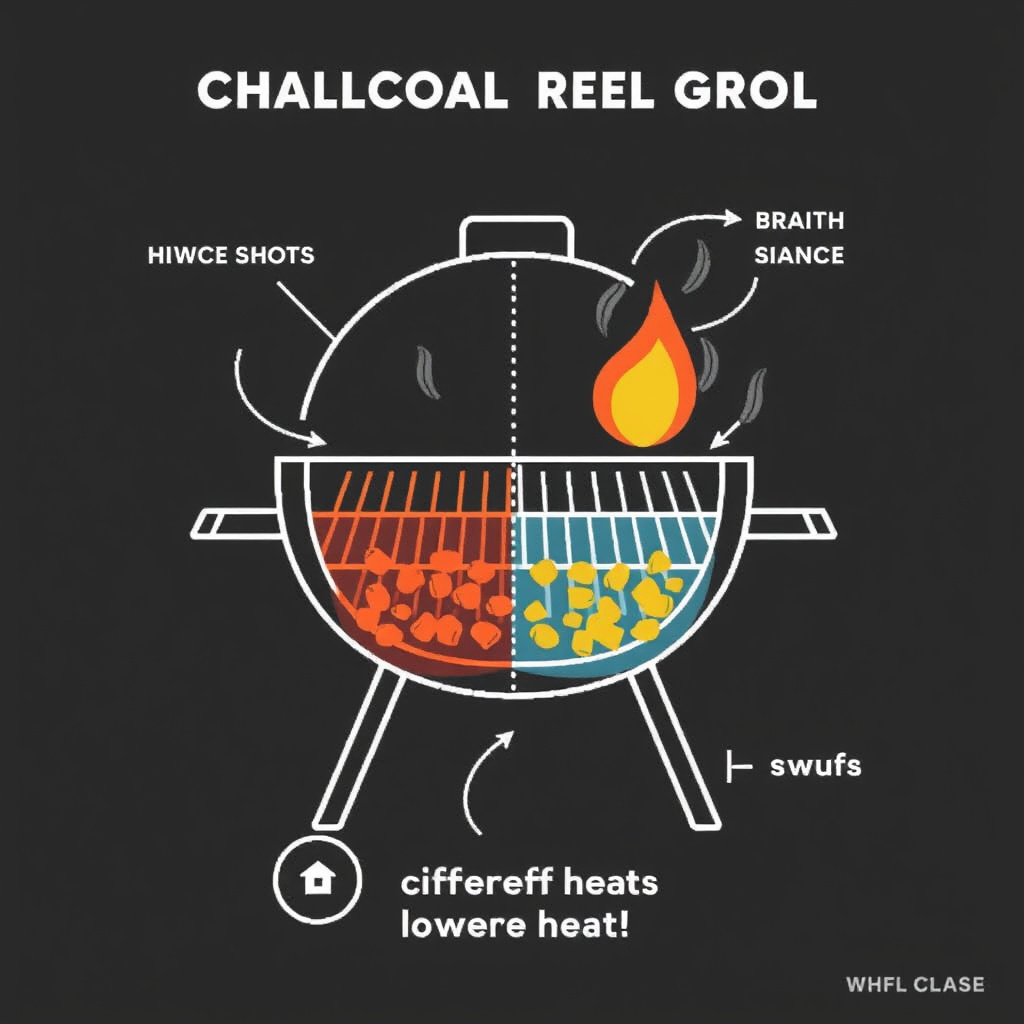
Direct vs. Indirect Heat Explained
Direct heat grilling involves placing food directly over the flame or coals, typically reaching temperatures of 450°F or higher. This method is ideal for fast-cooking items that benefit from a quick sear, such as steaks or burgers.
Indirect heat uses areas of the grill away from the flame where temperatures hover between 250°F and 350°F. It's suitable for larger cuts of meat or delicate foods that require slower cooking to become tender without burning.
How Temperature Zones Affect Cooking Outcomes
High heat zones create a Maillard reaction, forming a flavorful crust while locking in juices. However, overexposure can char food and yield a bitter taste.
Lower temperature zones allow for gradual cooking, enabling even heat distribution and preventing flare-ups. This balance helps maintain texture and moisture for thick or fibrous meats.
Recommended Temperatures for Different Grilled Foods
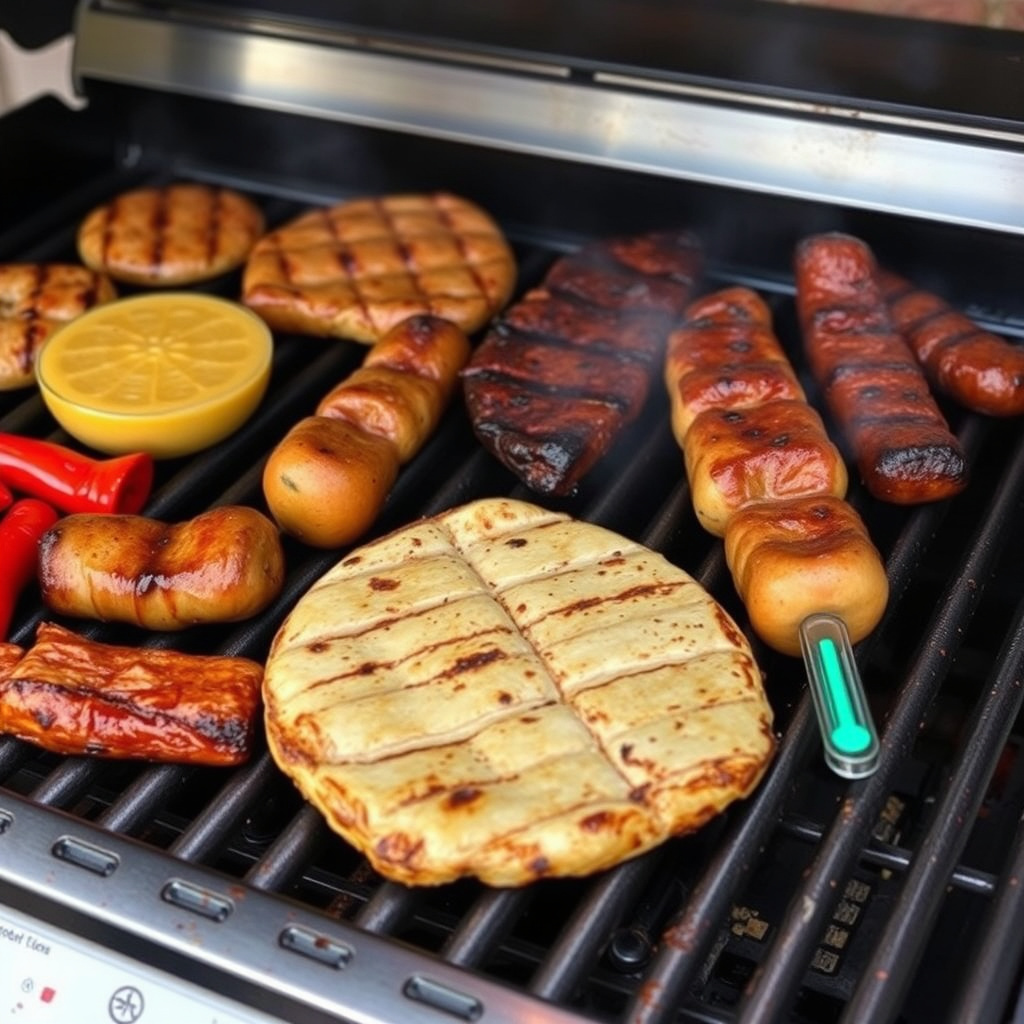
Meats: Steaks, Chicken, and Pork
Steaks are best grilled at high heat around 450°F to 500°F to quickly sear the exterior while keeping the inside juicy. Chicken requires a medium temperature of 350°F to 400°F to cook thoroughly without burning skin.
Pork chops and ribs usually benefit from medium to medium-low heat between 300°F and 400°F. This ensures tenderness and reduces the risk of toughening or dryness.
- Steak: 450°F to 500°F (high heat)
- Chicken: 350°F to 400°F (medium heat)
- Pork: 300°F to 400°F (medium to medium-low heat)
Vegetables and Seafood
Vegetables generally favor medium heat between 350°F and 400°F, which cooks them evenly while preventing burning. Thicker veggies like potatoes can handle slightly lower temperatures for longer periods.
Seafood is delicate; cooking at medium heat, roughly 300°F to 375°F, helps avoid overcooking and maintains moist texture without sticking.
- Vegetables: 350°F to 400°F (medium heat)
- Seafood: 300°F to 375°F (medium heat)
How to Measure and Control Grill Temperature
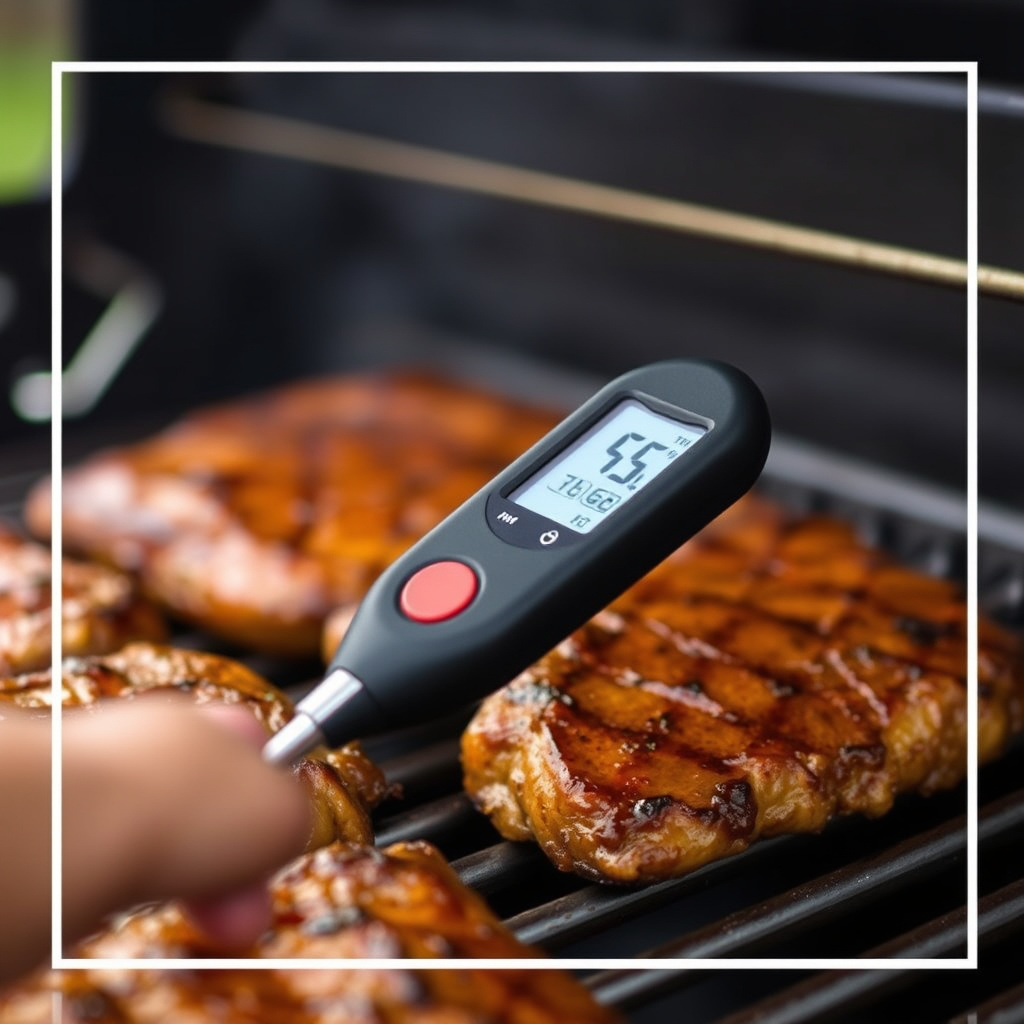
Using Built-in and External Thermometers
Most grills come with a built-in thermometer on the lid that measures ambient air temperature, but this doesn’t always reflect cooking surface heat. External digital thermometers or infrared guns provide more accurate readings of grill grates and food core temperature.
Regularly checking temperature helps adjust vents on charcoal grills or burner controls on gas models, maintaining the ideal grilling heat consistently.
- Built-in grill thermometers measure air temperature
- External thermometers measure food and surface temperatures
- Infrared thermometers provide quick surface readings
For more on this, see our related guide: What Temperature to Grill Vegetables for Perfect Results Every Time.
Adjusting Ventilation and Fuel for Temperature Control
For charcoal grills, opening vents increases oxygen flow, boosting temperature, while partially closing them lowers heat. Managing the amount and placement of charcoal also impacts cooking zones.
Gas grills use burner knobs to set specific heat levels. Combining this with lid position (open/closed) affects temperature stability during grilling sessions.
Common Temperature Mistakes to Avoid When Grilling
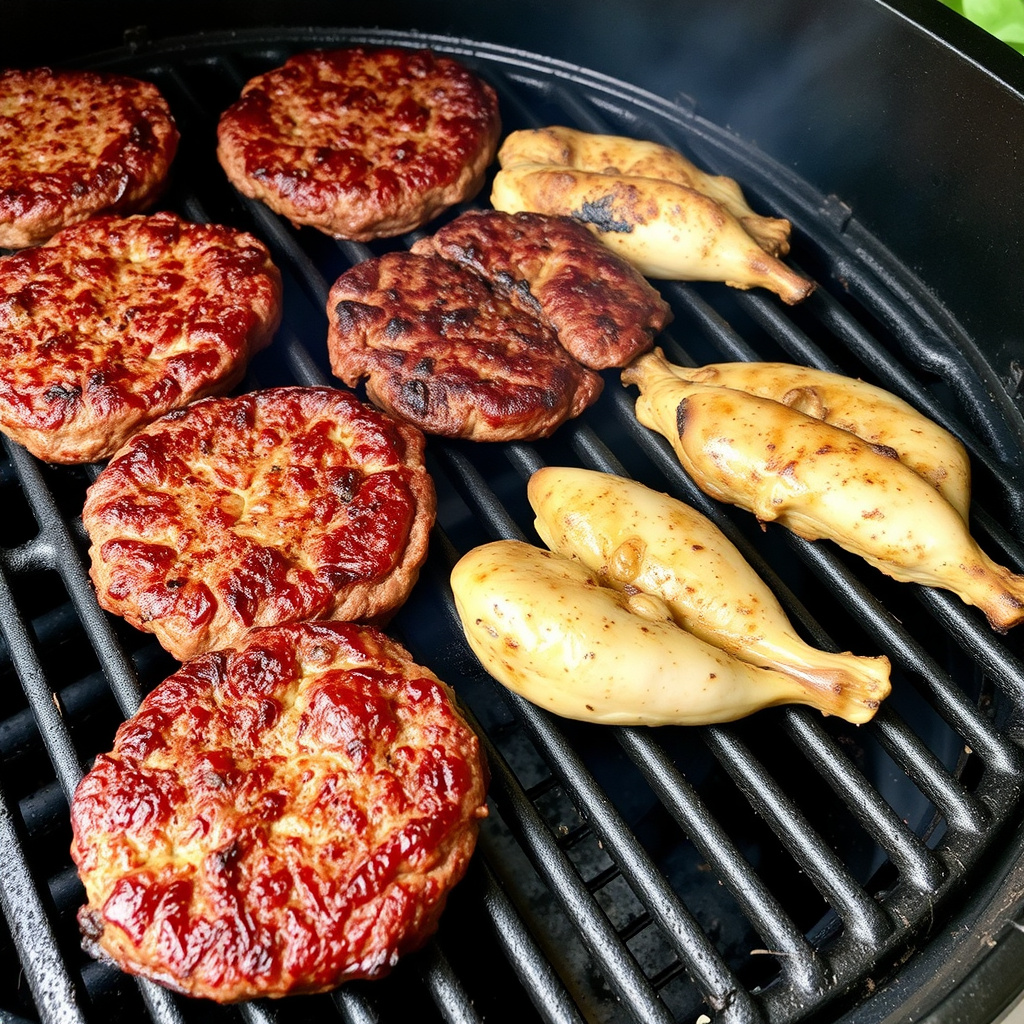
Overheating and Flare-ups
Overheating the grill can cause flare-ups, burning food before the inside cooks properly. High fat content in meats can drip and ignite flames, so keeping the temperature controlled minimizes charring.
Using a two-zone fire setup helps prevent flare-ups by letting you move food to cooler areas if flames flare unexpectedly.
- Avoid grilling directly over open flames for long
- Manage fat drippings to reduce flare-ups
- Use indirect heat zones as a safety buffer
Undercooking Due to Low Temperature
Too low grill temperatures risk leaving food undercooked or dry from prolonged cooking times. Monitoring heat and raising the temperature when necessary stops this problem.
Slow cooking certain cuts with indirect heat ensures tenderness without compromising safety or texture.
Techniques for Maintaining Consistent Grilling Heat
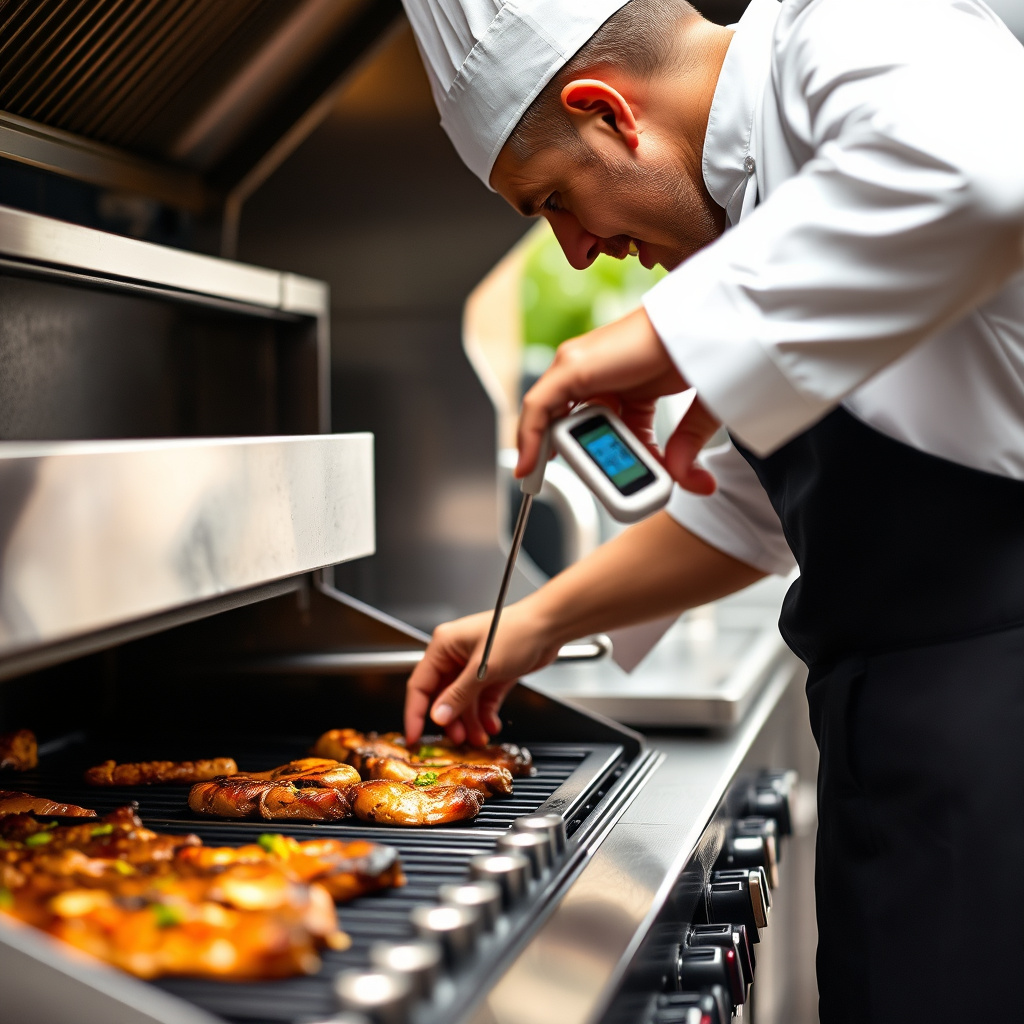
Charcoal Grill Heat Management
Adding charcoal incrementally rather than all at once allows for steady temperature control. Spreading coals unevenly creates clean direct and indirect zones.
Using a grill lid helps trap heat evenly. Monitoring vents carefully balances oxygen intake to maintain stable heat over cooking time.
- Add charcoal gradually
- Create distinct heat zones
- Use grill lid to hold temperature
For more on this, see our related guide: What Temperature to Grill Hot Dogs for Perfect Results Every Time.
Gas Grill Temperature Control Tips
Gas grills deliver precise heat through burner settings, enabling easy temperature adjustments. Closing the lid retains warmth and speeds cooking, while opening it cools the grill and controls flare-ups.
Regular cleaning of burners and grease trays helps maintain effective heat distribution for consistent grilling heat.
- Adjust burner knobs precisely
- Keep grill lid closed for even cooking
- Clean burners and trays regularly
Why Temperature Matters for Food Safety and Taste
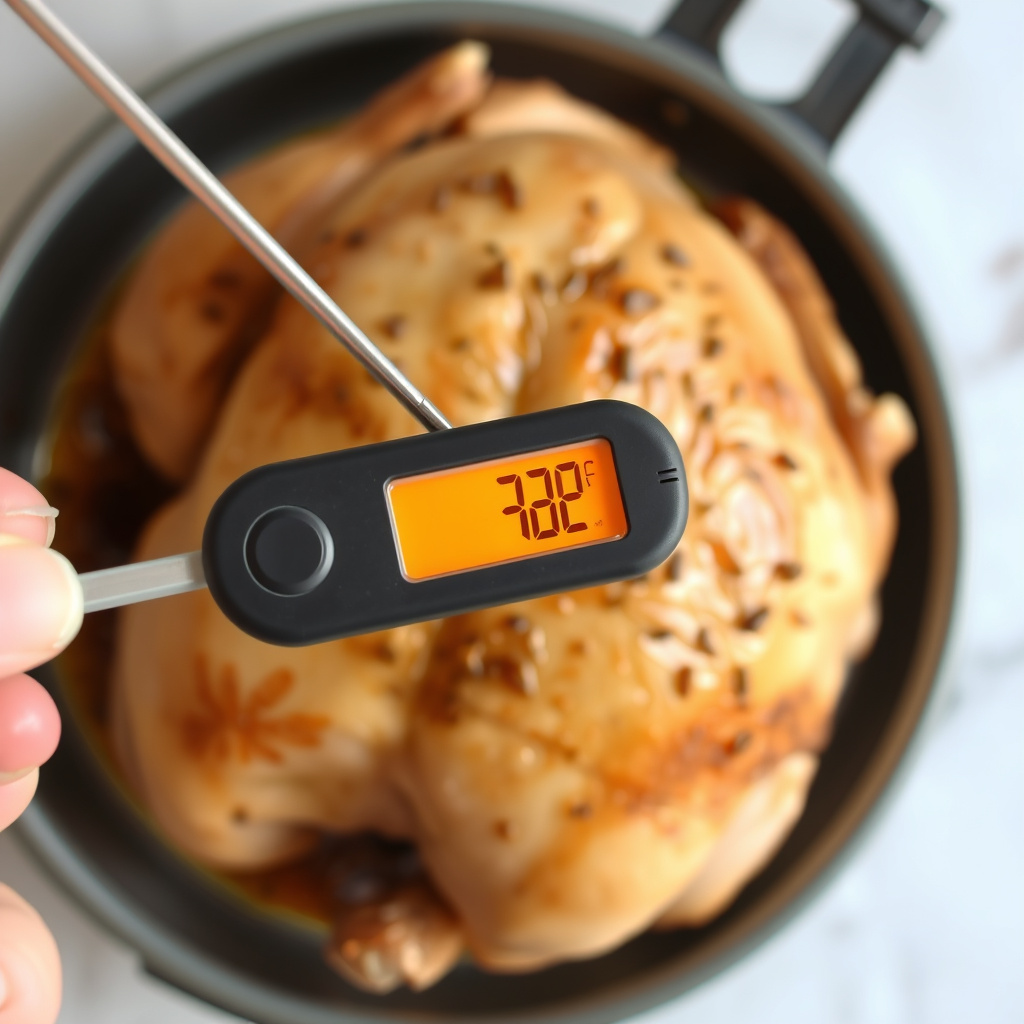
Ensuring Proper Internal Cooking Temperatures
Grilling at the right temperature helps meat reach safe internal temperatures recommended by food safety authorities to avoid foodborne illnesses. For instance, chicken should hit at least 165°F internally.
Using a reliable meat thermometer ensures that safety guidelines are met without overcooking, preserving juiciness and texture.
- Chicken: 165°F internal temperature
- Steak: varies by doneness, 130-160°F range
- Pork: 145°F with resting
The USDA provides detailed grilling temperature guidelines to help ensure food safety and proper cooking times. grilling temperature guidelines.
Heat's Role in Developing Flavor and Texture
Heat triggers chemical reactions like Maillard browning that develop complex flavors and crisp textures. Grilling temperature influences how quickly and evenly these reactions happen, impacting overall taste and mouthfeel.
Balancing heat prevents burning or drying out, offering succulent, flavorful results from your grilling efforts.
Grilling Temperature Range Comparison by Food Type
This table summarizes ideal temperature ranges for common grilled foods and their corresponding cooking styles for best results.
| Food Type | Recommended Grill Temp (°F) | Cooking Method | Ideal Heat Zone |
|---|---|---|---|
| Steak | 450-500 | Fast sear and cook | Direct high heat |
| Chicken | 350-400 | Even cooking with skin crisp | Medium heat |
| Pork | 300-400 | Slow cook and tenderize | Medium to indirect heat |
| Vegetables | 350-400 | Roast and char without burning | Medium heat |
| Seafood | 300-375 | Gentle cook preserving moisture | Medium heat |
Frequently Asked Questions
What temperature should I set my grill for burgers?
Grilling burgers at about 450°F allows for a good sear and juicy interior. High direct heat cooks them quickly while developing a flavorful crust.
Can I grill vegetables at high heat?
Most vegetables do better at medium heat, around 350°F to 400°F, which prevents burning and ensures even cooking, especially for thicker varieties.
How do I know when my grill has reached the right temperature?
Use a built-in thermometer or an external grill thermometer to check ambient and surface temperatures accurately before placing food on the grill.
Is indirect heat always better for larger cuts of meat?
Indirect heat is preferred for larger cuts because it cooks them slowly and evenly, preventing the exterior from burning while the inside reaches a safe temperature.
Why did my grilled chicken burn on the outside but stay raw inside?
This often happens when the grill is too hot or direct heat is used for too long. Reducing temperature or using indirect heat helps cook the inside thoroughly without burning the exterior.
Key Takeaways
- Maintain grill temperatures between 350°F and 450°F for most foods
- Use direct heat for quick searing and indirect heat for slower, even cooking
- Measure temperature with reliable thermometers, not just ambient gauges
- Adjust vents and fuel to keep consistent grilling heat throughout cooking
Conclusion
Finding the best temperature for grilling involves understanding the cooking needs of your ingredients, the type of heat your grill provides, and how to monitor and adjust that heat in real-time. Grilling is both an art and a science that balances the application of heat to develop flavor, texture, and food safety. Whether you’re working with steaks, chicken, pork, vegetables, or seafood, paying close attention to the specific temperature ranges that suit each will elevate your grilling experience.
For quick-cooking items like steaks and burgers, aim for the higher end of the temperature spectrum around 450°F to 500°F to achieve a satisfying sear. Meanwhile, chicken and pork benefit from medium heat between 300°F and 400°F to cook thoroughly without burning. Vegetables and seafood flourish with medium, steady heat that preserves moisture and taste. Implementing techniques such as creating distinct direct and indirect heat zones, combined with frequent temperature monitoring, can help you achieve consistent results. Using a two-zone fire method on charcoal grills, or precise burner adjustments on gas models, gives you control over the grilling environment.
The next step is to apply these principles with a focus on practical grill management tools—invest in a good digital thermometer and experiment with vent adjustments or burner settings to maintain your ideal grilling heat. By mastering temperature control, you not only guarantee food safety but also maximize flavor and juiciness. This knowledge transforms grilling from guesswork into a repeatable, enjoyable cooking method that consistently delivers satisfying meals.



