
The ideal time to grill shrimp is typically between 2 to 4 minutes total, depending on size and heat level. Shrimp cook very quickly on a grill and usually require just about 1 to 2 minutes per side over medium-high heat to become opaque and firm. Overcooking shrimp can lead to a dry, rubbery texture, so timing is key for the best results.
Grilling shrimp perfectly matters because their delicate meat easily overcooks yet delivers great flavor when done right. Shrimp size, marinade, and grill temperature all influence cooking time, which is why watching closely and turning at the right moment is essential to avoid losing moisture and tenderness. Properly grilled shrimp can be the highlight of any meal.
This article explains how long to grill shrimp based on size, preparation, and grill type. It also covers grilling methods, temperature guidelines, and tips to get consistent, juicy shrimp every time you fire up the grill.
Understanding Shrimp Size and Its Impact on Grill Time
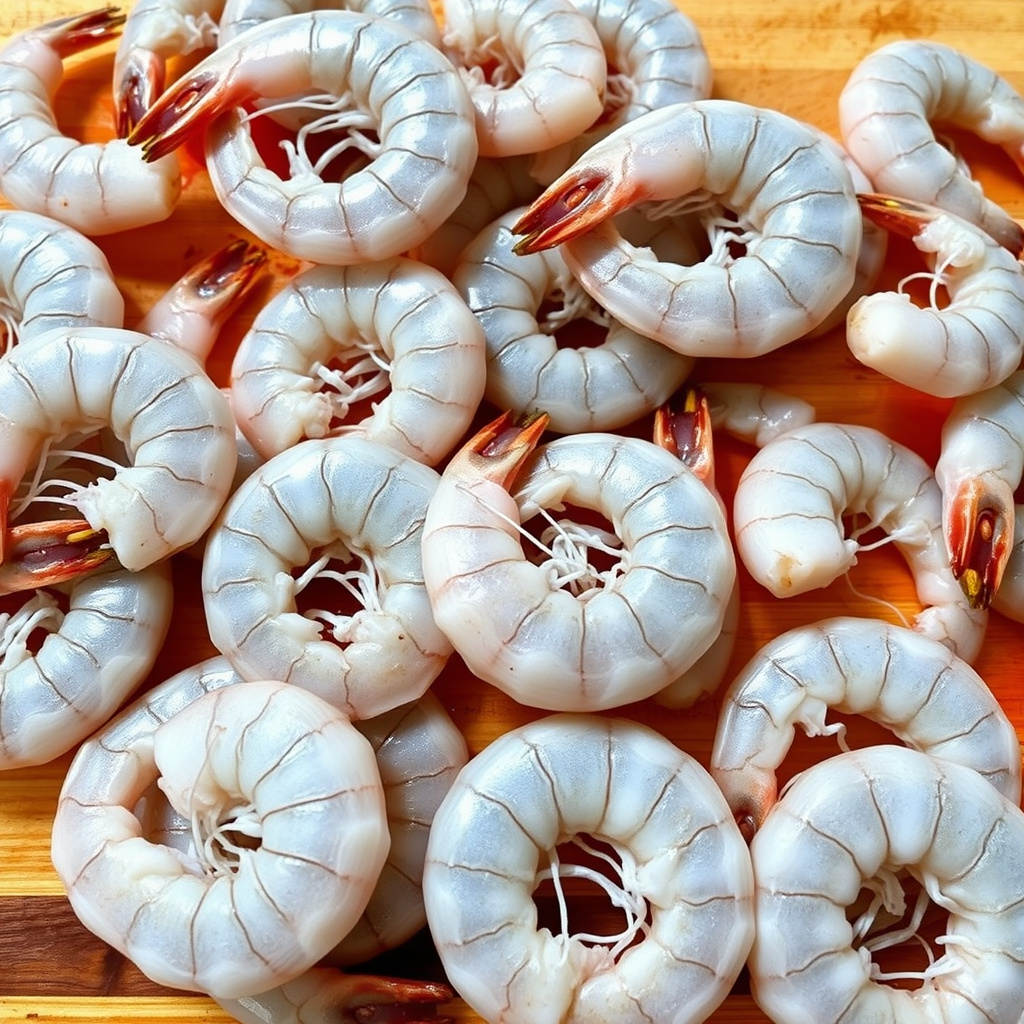
How Shrimp Size Determines Cooking Duration
Shrimp are commonly categorized by count per pound, such as 16-20 (large) or 31-40 (small). Larger shrimp need slightly more time on the grill, usually around 4 minutes total, whereas smaller shrimp cook faster, around 2 to 3 minutes. Keeping shrimp size in mind helps predict precise grilling times and prevents overcooking.
For jumbo shrimp, grilling 2 minutes each side on medium-high heat usually ensures thorough cooking. Medium shrimp require about 1.5 minutes per side. The goal is to cook them just until they turn pink and opaque with slight grill marks, which indicates doneness.
- Extra large shrimp (16-20 count): 4 minutes total
- Medium shrimp (26-30 count): 3 minutes total
- Small shrimp (31-40 count): 2-3 minutes total
Testing for Doneness Beyond Time
While timing guidelines work well, using visual cues and feel can be more reliable. Cooked shrimp curl into a loose 'C' shape. If they curl into a tight 'O', they’re likely overcooked. The flesh should be opaque and firm but still tender to the bite.
If using a thermometer, shrimp are done at an internal temperature of roughly 120°F to 140°F. Because shrimp cook quickly, frequent checking helps avoid overshoot and keeps the texture just right.
Grill Preparation and Temperature Control
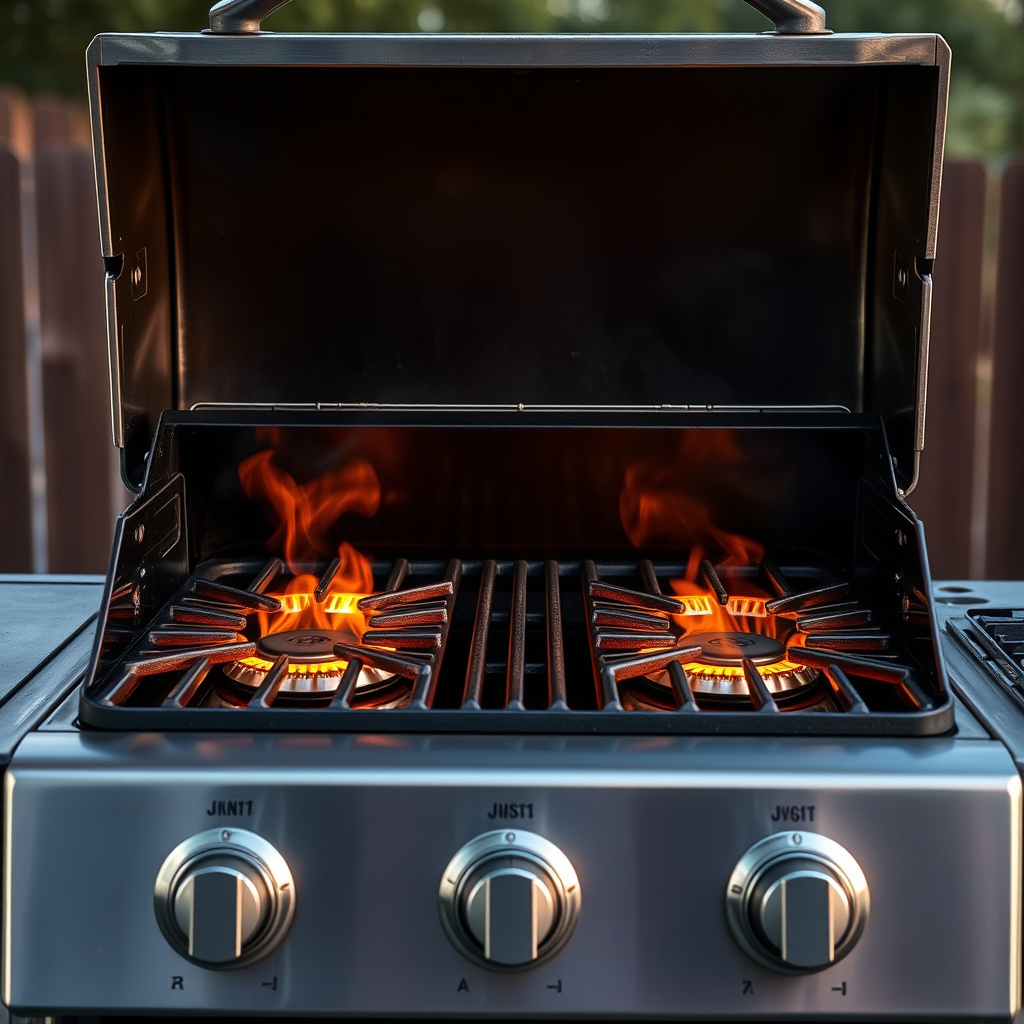
Setting the Best Grill Temperature for Shrimp
Medium-high heat (about 375°F to 450°F) is ideal for grilling shrimp. This temperature allows for a quick sear that locks in juices without burning the delicate surface. Preheating the grill thoroughly before placing shrimp on prevents sticking and provides those desirable grill marks.
Avoiding fluctuating temperatures during cooking helps maintain an even sear and consistent doneness. Using a grill thermometer can help monitor exact heat levels and avoid guessing.
- Preheat grill to medium-high (375°F to 450°F)
- Use direct heat for 1-2 minutes per side
- Close lid while grilling to maintain temperature
For more on this, see our related guide: How to Grill Kabobs Perfectly Every Time: A Step-by-Step Guide.
Preparing the Grill Grate to Prevent Sticking
Shrimp skinless and peeled can stick easily on grill grates, so cleaning and oiling the grate just before cooking is key. Applying a thin coating of oil with a paper towel or brush creates a non-stick surface that lets shrimp sear evenly.
Using skewers or a grill basket is another effective way to keep shrimp intact and facilitate even cooking without losing any pieces between the grates.
- Clean grill grates thoroughly
- Oil grates or use non-stick spray
- Use skewers or grill basket for extra support
Effective Shrimp Grilling Techniques
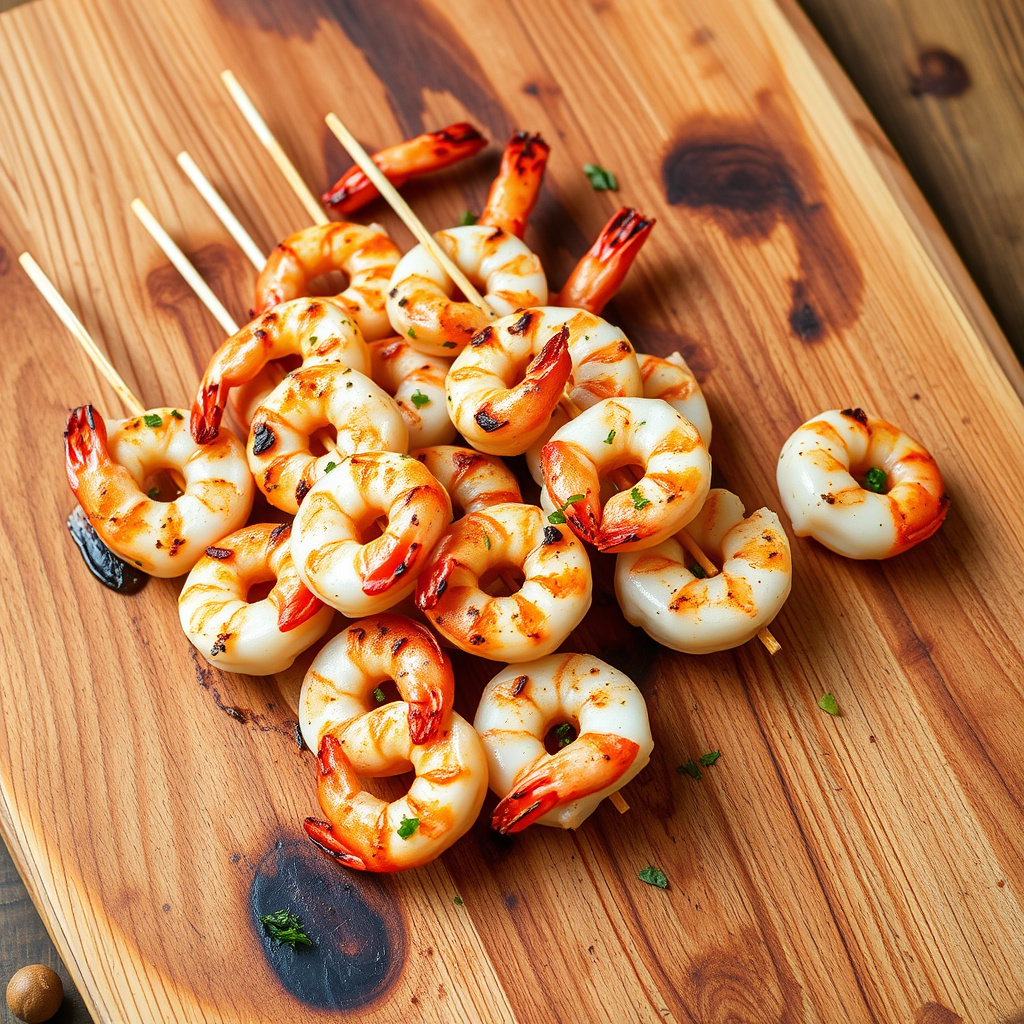
Grilling Shrimp on Skewers
Skewering shrimp is a popular method that makes flipping easier and keeps the shrimp aligned. Thread shrimp through the tail and head end, ensuring shells (if retained) are off to speed cooking. This method typically requires around 2-3 minutes per side over medium-high heat.
Skewers also make marinating simpler and grilling consistent by keeping shrimp stable and exposed evenly to the heat source, which enhances flavor development.
Using a Grill Basket or Foil
A grill basket or foil pouch is ideal for smaller or peeled shrimp that might fall through grates. These tools hold shrimp steady, allowing quick flipping without loss. Cook time remains similar, with roughly 2 minutes per side, depending on shrimp size.
Grill baskets also allow stirring mid-cook, which is convenient for evenly coated shrimp when using marinades or spice blends.
Marinating and Seasoning for Better Results
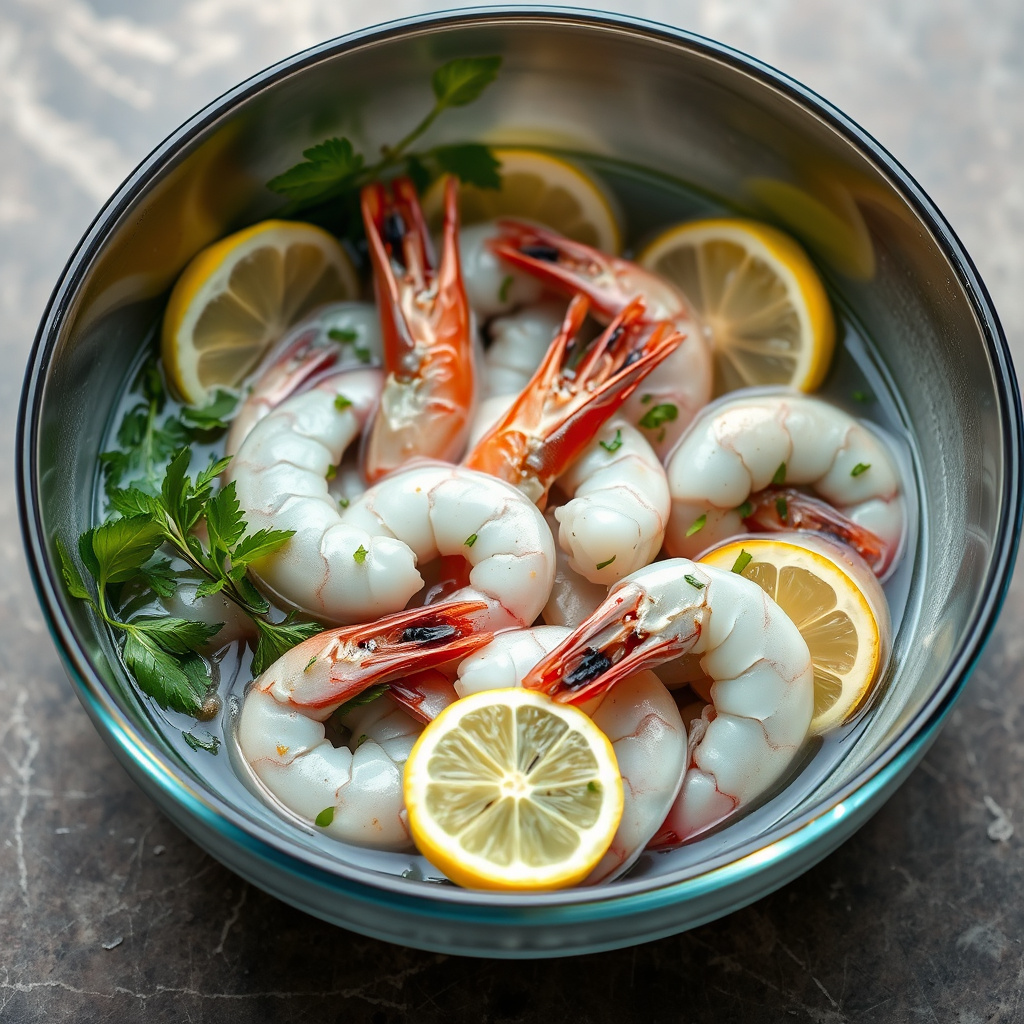
How Marinating Changes Grill Time
Marinating shrimp usually doesn’t significantly change grilling time but can tenderize them slightly and impart flavor. Acidic marinades with lemon juice or vinegar only need 15-30 minutes to avoid starting to 'cook' the shrimp prematurely.
Shrimp marinated too long can become mushy or rubbery when grilled, so timing the marinade duration carefully alongside grilling is beneficial for best texture.
- Use short marinating times (15-30 minutes)
- Avoid acidic marinades for more than 1 hour
For more on this, see our related guide: How to Grill Vegetables: A Step-by-Step Guide for Perfect Results.
Recommended Seasoning Blends for Grilled Shrimp
Classic seasoning blends for shrimp include combinations of garlic, paprika, cumin, chili powder, and fresh herbs. These spices complement shrimp’s natural sweetness while enhancing the smoky grill flavor.
Light salt and pepper seasoning also works well to highlight freshness. Applying seasoning just before grilling ensures the flavors don’t draw out moisture prematurely.
- Garlic powder and paprika blend
- Cumin and chili powder mix with lime zest
- Simple salt, pepper, and herb rub
Serving Suggestions and Safety Tips
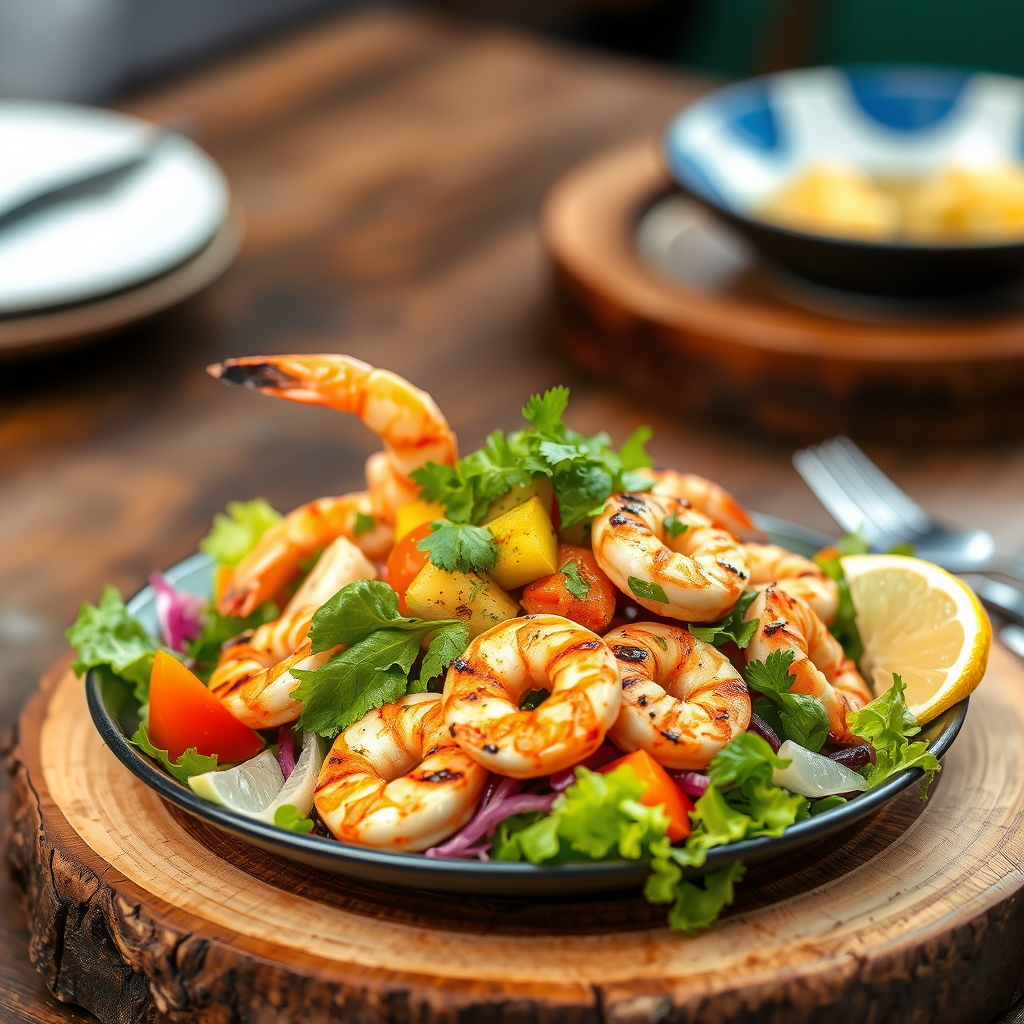
Serving Grilled Shrimp Safely and Deliciously
Serve grilled shrimp immediately to enjoy peak tenderness. Shrimp cool quickly and may toughen if left out too long. Pairing with fresh salads, rice pilaf, or grilled vegetables creates a balanced meal.
Using cooked shrimp in tacos, pastas, or atop green salads is another popular option, showcasing its juicy grilled flavor alongside complementary ingredients.
For authoritative shrimp cooking safety and handling tips, consult these US Department of Agriculture shrimp cooking guidelines. shrimp cooking guidelines.
Food Safety When Grilling Shrimp
Always start with fresh or properly thawed shrimp. Avoid cross-contamination by using separate utensils for raw and cooked shrimp. Cook to an internal temperature of 120°F to 140°F to avoid foodborne illness.
Refrigerate leftovers promptly and reheat thoroughly if needed. These practices keep shrimp safe and delicious post grilling.
- Keep raw and cooked shrimp separate
- Cook shrimp to at least 120°F internal temperature
- Store leftovers within 2 hours
Shrimp Grilling Category Comparison
Here’s how different shrimp grilling methods and sizes compare on time, ease, and flavor impact.
| Method | Shrimp Size | Grill Time | Ease of Use | Flavor Outcome |
|---|---|---|---|---|
| Skewers | Large (16-20) | 4 minutes total | Easy to flip | Even char and flavor |
| Grill Basket | Medium (26-30) | 3 minutes total | Very easy, no loss | Delicate smoke infusion |
| Direct Grate | Small (31-40) | 2-3 minutes total | Moderate, careful flipping | Crispy edges |
| Foil Packet | Various | 4-5 minutes total | Easy, retains moisture | Juicy but less char |
Frequently Asked Questions
Can frozen shrimp be grilled without thawing?
It’s best to thaw shrimp fully before grilling to ensure even cooking. Grilling frozen shrimp can result in uneven texture and longer, unpredictable cook times.
Why did my shrimp turn rubbery after grilling?
Overcooking is the main cause of rubbery shrimp. Shrimp cook very fast; removing them from the grill as soon as they turn opaque and curl into a loose C shape prevents toughness.
Should shrimp be peeled before grilling?
Peeling shrimp before grilling is common for easier eating, but leaving shells on can add flavor and protect the meat. It’s a matter of personal preference and recipe.
How do I prevent shrimp from sticking to the grill?
Clean and oil the grill grates well before cooking. Using skewers or a grill basket can also help keep shrimp from sticking and tearing.
What is the best marinade to use for grilled shrimp?
Marinades with garlic, citrus, olive oil, and mild spices enhance grilled shrimp. Avoid overly acidic or salty marinades that can break down the meat texture.
Key Takeaways
- Grill shrimp 2-4 minutes total depending on size, turning once
- Use medium-high heat and well-oiled grates to prevent sticking
- Marinate briefly and monitor shrimp closely to avoid overcooking
- Choose skewers or grill baskets for easier handling and even cooking
Conclusion
Determining how long to grill shrimp depends mainly on size, grill temperature, and preferred cooking method. Since shrimp cook quickly, paying close attention to visual cues like color and curl shape is vital alongside timing. These factors combine to produce juicy, tender shrimp with perfect grill marks without drying out. Balancing quick, even heat and the right turn timing helps avoid the common pitfall of rubbery seafood.
For everyday grilling, using medium to large shrimp on skewers over medium-high direct heat provides an easy, reliable technique. Alternatively, a grill basket suits smaller shrimp or those with delicate marinades, minimizing loss and allowing frequent flipping. Light seasoning or short marinating times further enhance natural flavor and texture. Whichever method you choose, removing shrimp from heat immediately when opaque guarantees satisfying results.
Next time you prepare grilled shrimp, preheat your grill to medium-high, oil the grates, and plan for about 2 to 4 minutes total cook time depending on shrimp size. Use skewers or a basket if handling smaller shrimp or marinades. Stay vigilant and turn only once to keep shrimp juicy and tender. With these steps, you’ll transform simple shrimp into a delicious grilled centerpiece ideal for numerous dishes.



