
The best temperature to grill hot dogs is around medium heat, specifically between 350°F and 400°F. This range allows hot dogs to cook thoroughly while getting that desirable smoky flavor and a nicely browned exterior without burning or drying out. Maintaining this temperature ensures even heating through the hot dog’s casing and filling.
Understanding the temperature is key because hot dogs cook quickly, typically in 5 to 7 minutes. Too high a heat causes the casing to burst before the inside is warm, while too low a heat results in dried-out hot dogs lacking the grilled texture you want. The right temperature strikes a balance, making outdoor grilling results delicious and satisfying.
This article covers how to maintain the right grilling temperature, grill setup options, signs that your grill is at the correct heat, and how different grill types affect the cooking process. We’ll also compare grilling methods and offer tips to make your hot dog cookout a success.
Preparing Your Grill for the Ideal Temperature
Gas Grill Temperature Control
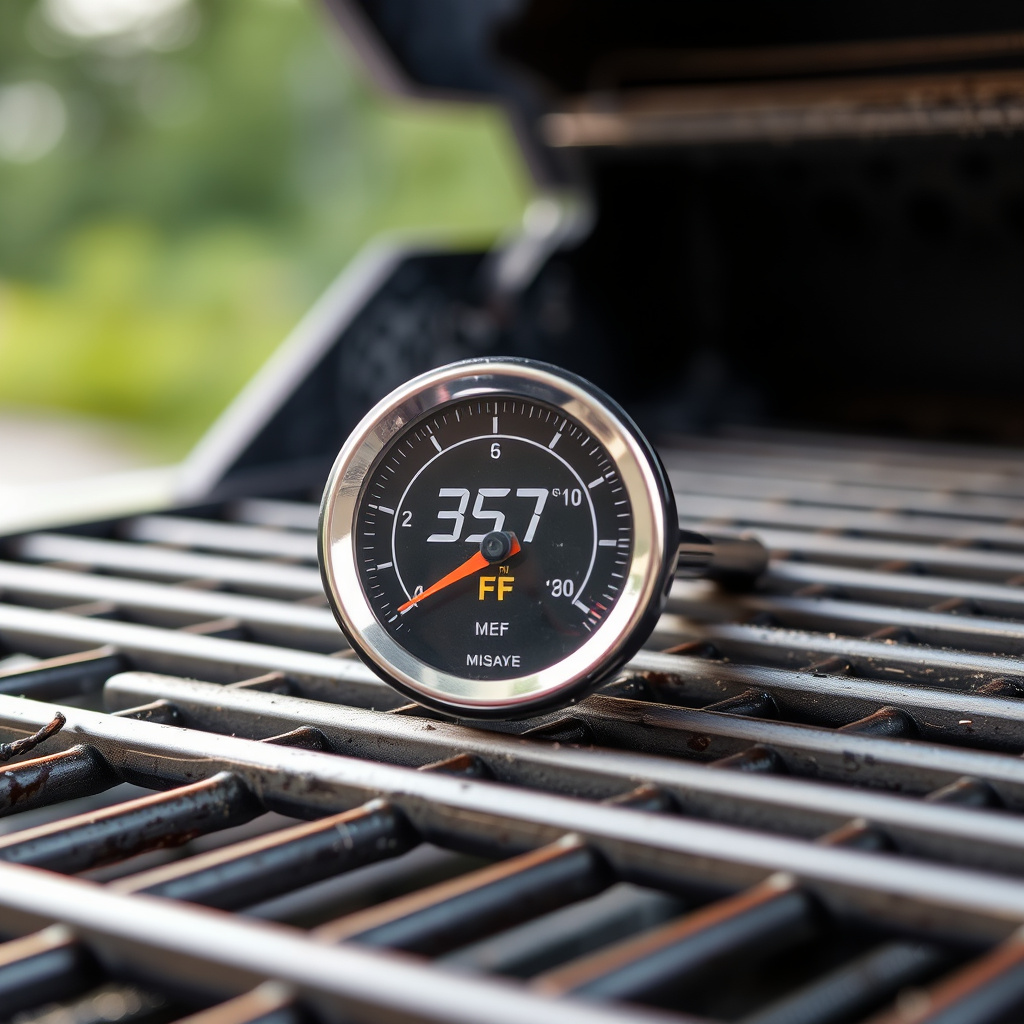
Gas grills allow precise control over the heat, making it easier to maintain the ideal 350°F to 400°F zone for grilling hot dogs. Preheat your grill with all burners on high, then lower the flame to medium or medium-low to hold steady heat.
Use the built-in thermometer on the grill lid to monitor the temperature. Adjust the burner knobs gradually while keeping the lid closed to maintain consistent heat. Avoid opening the lid repeatedly as this causes temperature fluctuations, affecting even cooking.
- Preheat grill with burners high for 10 minutes
- Adjust burners to medium for steady 350°F-400°F range
- Use built-in grill thermometer for monitoring
- Keep grill lid closed during cooking
Charcoal Grill Temperature Management
Charcoal grilling requires more attention to temperature by managing the charcoal amount and airflow. Arrange briquettes evenly and allow them to ash over for about 15 minutes until glowing red and covered with gray ash to reach the medium heat zone.
Adjust vents to control airflow—opening them increases heat, while closing them reduces it. Use a grill thermometer or an instant-read meat thermometer near the grill surface to check and stabilize the temperature between 350°F and 400°F before placing hot dogs on the grates.
- Light charcoal and wait for ashing over
- Spread briquettes evenly for uniform heat
- Adjust vents to control airflow and temperature
- Use thermometer to monitor grill heat
How to Recognize the Correct Grilling Temperature
Using Grill Thermometers
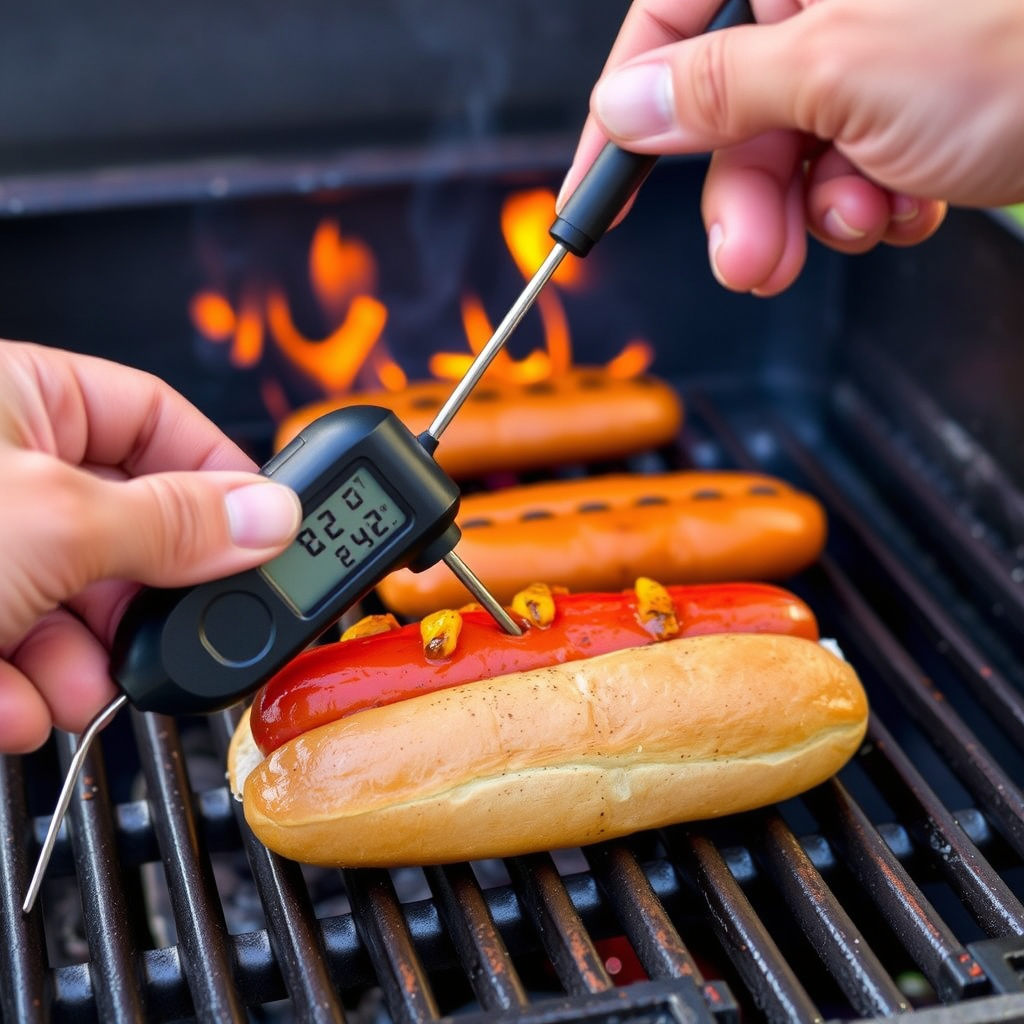
The most reliable way to know if your grill is at the right temperature is by using a grill thermometer. Most gas grills come with built-in thermometers which give a fairly accurate reading of ambient grill heat.
For portable grills without thermometers, an instant-read thermometer can measure the air temperature just above the grill grates. This helps verify if the heat is within the ideal 350°F to 400°F range needed for perfect hot dog grilling.
- Check built-in grill thermometer if available
- Use instant-read thermometer as backup
- Measure air temperature near grates before cooking
For more on this, see our related guide: How Long to Preheat a Gas Grill for Perfect Grilling Results.
Visual and Tactile Indicators
Experienced grillers sometimes judge grill temperature by how long they can hold their hand above the grate. Holding it about 5 inches above the grill surface for about 4 to 5 seconds generally matches medium heat.
Also, watch the hot dog during cooking: if the casing chars too quickly or bursts, the heat is likely too high. Conversely, if it hardly browns or cooks unevenly, the temperature might be too low.
- Hand test: count seconds you can hold hand at 5 inches above grill
- Observe hot dog casing for signs of cooking intensity
- Adjust heat as needed based on these feedback cues
Steps to Grill Hot Dogs Perfectly at the Right Temperature
Prepping Hot Dogs and Grill Surface
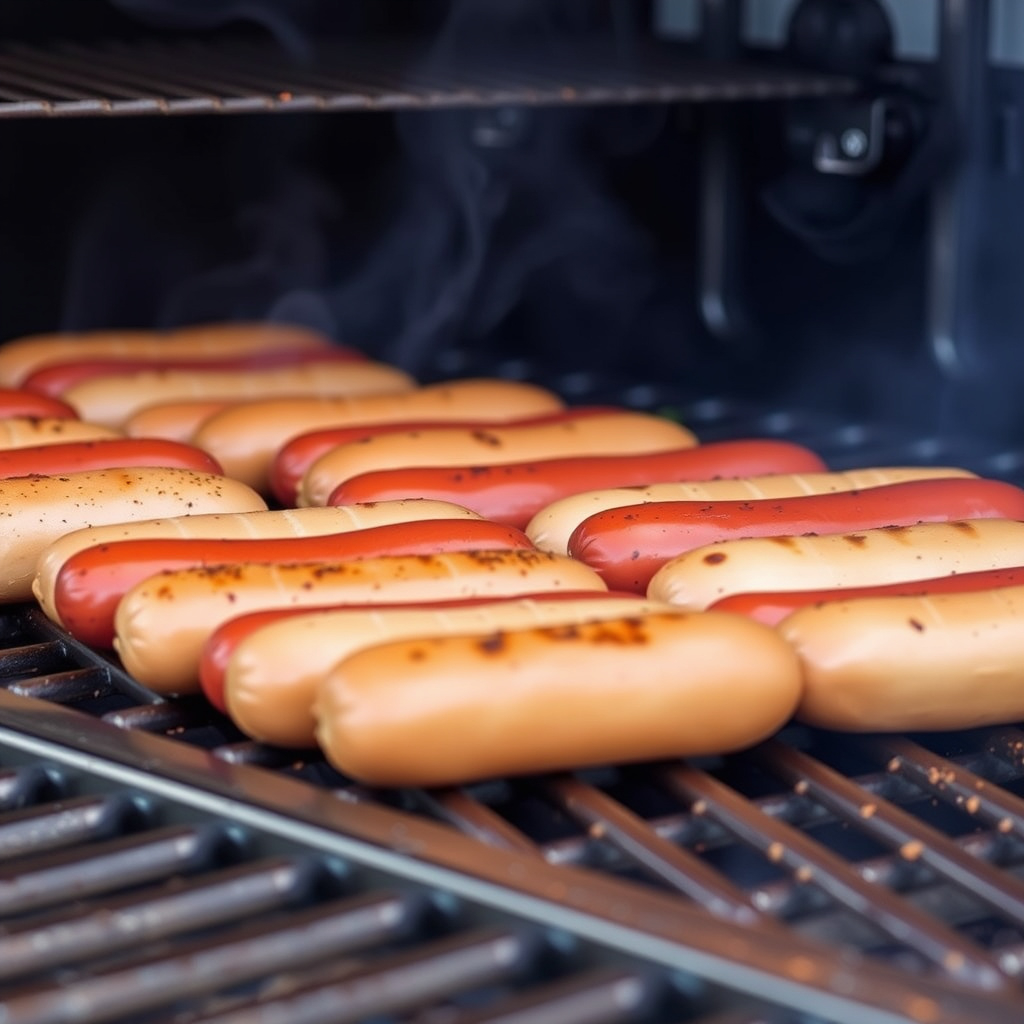
Before placing hot dogs on the grill, lightly oil the grill grates to prevent sticking and prepare the hot dogs by piercing them a few times with a fork or knife to stop them from bursting. This helps juices simmer inside while grilling evenly.
Bring hot dogs to room temperature if possible, so they cook consistently. A lightly oiled and preheated grill ensures the hot dogs get grill marks without tearing or sticking to the surface.
- Lightly oil grill grates with high smoke point oil
- Pierce hot dogs 3-4 times to prevent bursting
- Let hot dogs come to room temperature beforehand
Grilling Execution and Timing
Place hot dogs perpendicular to grill grates over direct medium heat (350°F-400°F). Turn them every 1 to 2 minutes to create even grill marks on all sides and avoid burning any spots. Most hot dogs will cook through in 5 to 7 minutes.
Monitor carefully toward the end of cooking so the casing crisps nicely without splitting open. Use tongs for gentle turning instead of a fork to keep juices inside and maintain the appearance of the hot dogs.
- Grill hot dogs over direct medium heat
- Turn every 1-2 minutes for even cooking
- Cook for approximately 5-7 minutes total
- Use tongs to avoid piercing the casing
Alternative Hot Dog Cooking Methods and Grill Settings
Using a Grill Pan Indoors
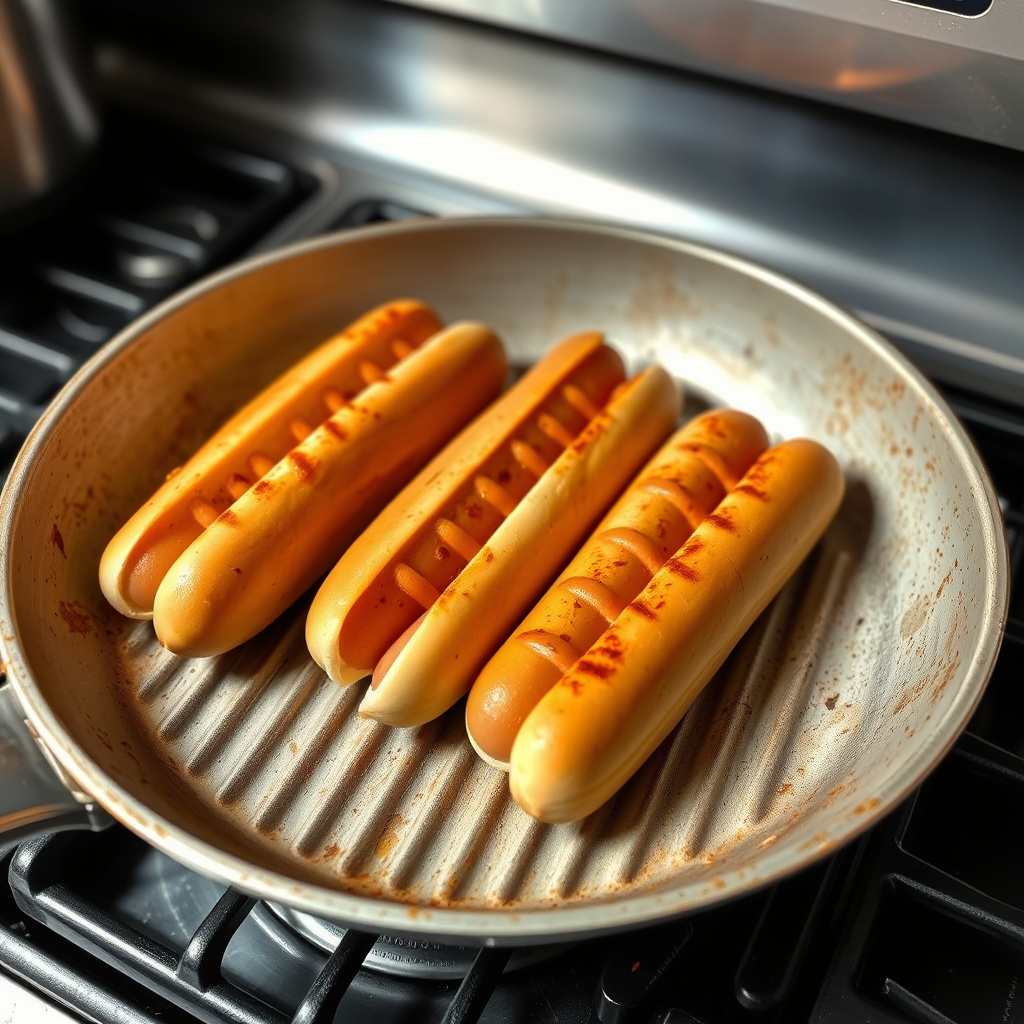
If outdoor grilling isn’t available, a grill pan heated to medium-high on a stovetop provides a good alternative. Heat the pan until it reaches about 350°F, then place hot dogs with the ridged side down for grill marks.
Turn hot dogs frequently to mimic outdoor grilling and cook evenly for 5-7 minutes, making sure not to overcook as indoor pans can cook faster than open grills.
- Preheat grill pan over medium-high heat
- Use ridges to create grill marks
- Turn hot dogs regularly for even cooking
For more on this, see our related guide: How Long to Grill Hot Dogs for Perfectly Juicy Results.
Adjusting Heat for Different Types of Hot Dogs
Thicker or specialty hot dogs, such as bratwursts or smoked sausages, might require slightly lower heat and longer cooking times to cook through without burning the outside. Keeping the grill temperature closer to 325°F to 350°F helps manage this.
Lighter or pre-cooked hot dogs can handle 375°F to 400°F safely since they mainly need warming and grill marks without extended cooking time.
- Lower heat for thicker sausages: 325°F-350°F
- Higher heat for pre-cooked hot dogs: 375°F-400°F
- Adjust cooking time according to type and thickness
Cleaning and Maintaining Your Grill for Consistent Heat
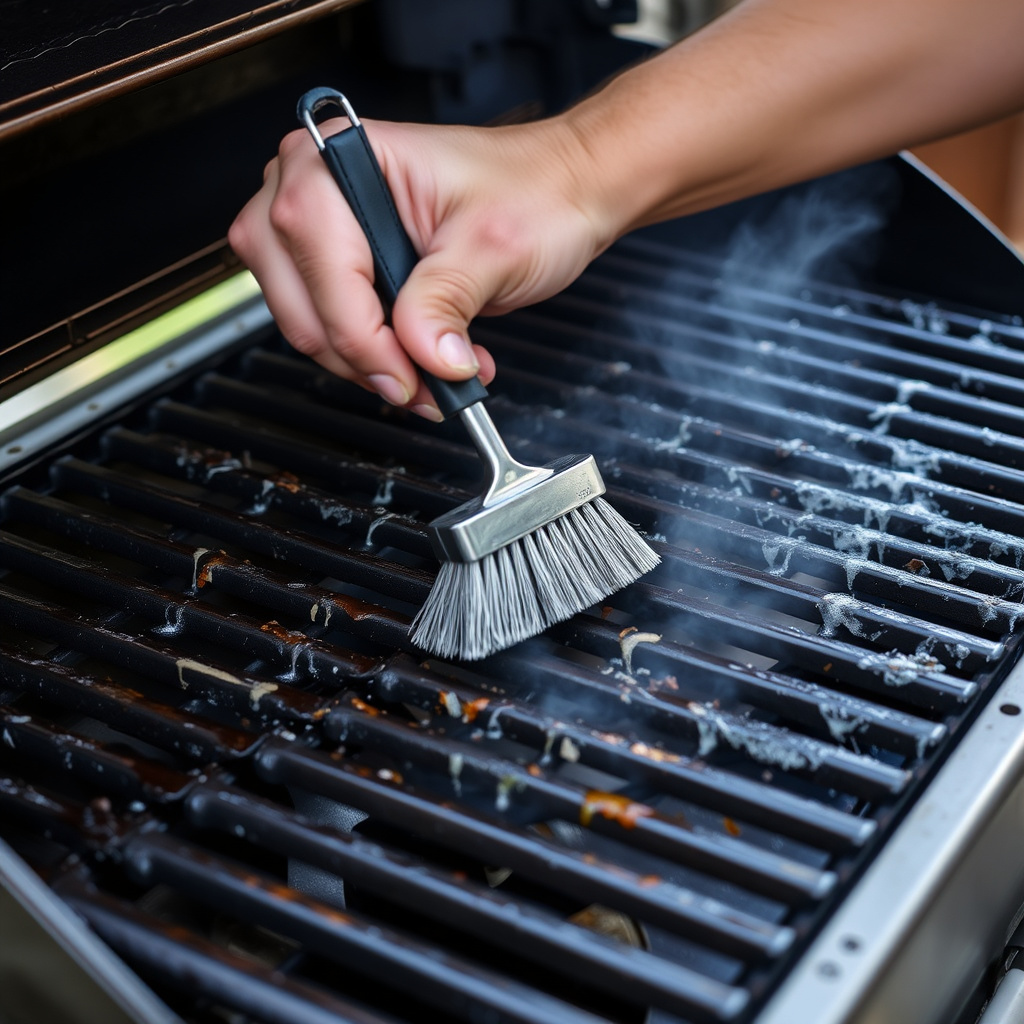
Importance of Cleaning for Heat Control
A clean grill promotes even heat distribution and prevents flare-ups caused by leftover grease or food particles. This stability is crucial for maintaining the correct temperature when grilling hot dogs.
Regular removal of charred residue with a wire brush after each use helps keep the grill performing well and reduces the risk of hot spots and unexpected temperature spikes.
- Clean grill grates after every grilling session
- Remove grease buildup to avoid flare-ups
- Inspect grill components for wear to maintain heating
For more detailed information about hot dog cooking methods and history, see this grilling hot dogs basics page. Grilling hot dogs basics.
Routine Maintenance Tips
Periodically check gas grill burners for clogs and clean as needed to ensure efficient and even flame distribution. Charcoal grills benefit from regularly removing ash buildup to maintain airflow and consistent heat.
Cover your grill when not in use to protect it from the elements, preventing rust and prolonging its ability to hold steady temperatures.
- Clean gas burners to prevent clogging
- Remove ash from charcoal grills frequently
- Cover grill to protect from weather damage
Grilling Methods Comparison for Hot Dogs
A side-by-side look at how different grill types and methods impact cooking time, heat control, flavor, and convenience when grilling hot dogs.
| Method | Temperature Control | Cooking Time | Flavor Profile | Convenience |
|---|---|---|---|---|
| Gas Grill | Excellent – precise burner control | 5-7 minutes | Smoky, even char | High – fast start and easy cleanup |
| Charcoal Grill | Moderate – requires vent adjustment | 6-8 minutes | Rich, smoky, intense char | Moderate – longer prep and cleaning |
| Grill Pan | Good – stovetop control | 5-7 minutes | Mild grill marks, less smoky | High – indoor use any time |
| Electric Grill | Good – thermostat control | 5-7 minutes | Light char, less smoky | High – indoor and easy operation |
Frequently Asked Questions
Can I grill hot dogs on high heat?
Grilling hot dogs on high heat can cause the casing to split and the outside to burn before the inside is heated through. Medium heat between 350°F and 400°F is better for cooked, juicy hot dogs.
How long does it take to grill a hot dog?
It usually takes about 5 to 7 minutes on a properly heated grill. Turn hot dogs every couple of minutes to ensure even cooking and grill marks on all sides.
Should I pierce hot dogs before grilling?
Piercing hot dogs prevents the casing from bursting by allowing steam to escape. Use a fork or small knife to make a few shallow slits before grilling.
Is it necessary to preheat the grill?
Yes, preheating the grill to around 350°F to 400°F creates the ideal cooking environment, helps prevent sticking, and ensures even, quick cooking.
What if I don’t have a grill thermometer?
You can estimate medium heat by holding your hand about 5 inches above the grill surface; if you can hold it there for about 4 to 5 seconds comfortably, the temperature is close to medium.
Key Takeaways
- Grill hot dogs at 350°F to 400°F for the best texture and flavor.
- Use medium heat to avoid burnt casing and uneven cooking.
- Adjust grill type and heat settings based on hot dog thickness and type.
- Maintain grill cleanliness to ensure consistent temperature control.
Conclusion
Grilling hot dogs is quick but requires attention to temperature to avoid common issues like burst casings or uneven cooking. By targeting the 350°F to 400°F range, you create the ideal heat environment that cooks hot dogs thoroughly while producing the classic smoky, charred exterior. Knowing how to control heat on different grills and using visual or thermometer-based cues supports dependable cooking every time.
For those using a gas grill, medium burner settings provide precise temperature control within the ideal zone. Charcoal grilling offers enhanced smoky flavor but demands more careful airflow management to sustain the right heat. Indoors, a grill pan mimics outdoor grilling effectively if heated properly. Selecting heat between 350°F and 400°F applies across all methods, with slight variations for specialty or thicker sausages.
If you want reliably juicy, flavorful grilled hot dogs with perfect grill marks, start by setting up your grill to hold between 350°F and 400°F and maintain that heat throughout cooking. Monitor using thermometers or hand tests, and adjust as you go. Following these guidelines ensures enjoyable hot dogs every time you grill.



