
Grilling vegetables is a simple technique that brings out their natural sweetness and adds a smoky depth you won't get from other cooking methods. To grill vegetables successfully, start with fresh, firm produce, cut them evenly, and use direct heat with occasional turning until they are tender and charred to your liking.
Mastering how to grill vegetables offers an excellent way to enhance flavors without added fats, making it a healthy and delicious addition to any meal. The smoky char combined with the caramelized edges can transform humble veggies into the star of your barbecue or weeknight dinner.
This guide will walk you through preparing vegetables for the grill, choosing the right equipment and techniques, seasoning options, and specific cooking times for popular vegetables. Whether you're using a gas grill, charcoal, or a grill pan, you'll find practical tips for perfect grilled vegetables every time.
Preparing Vegetables for Grilling
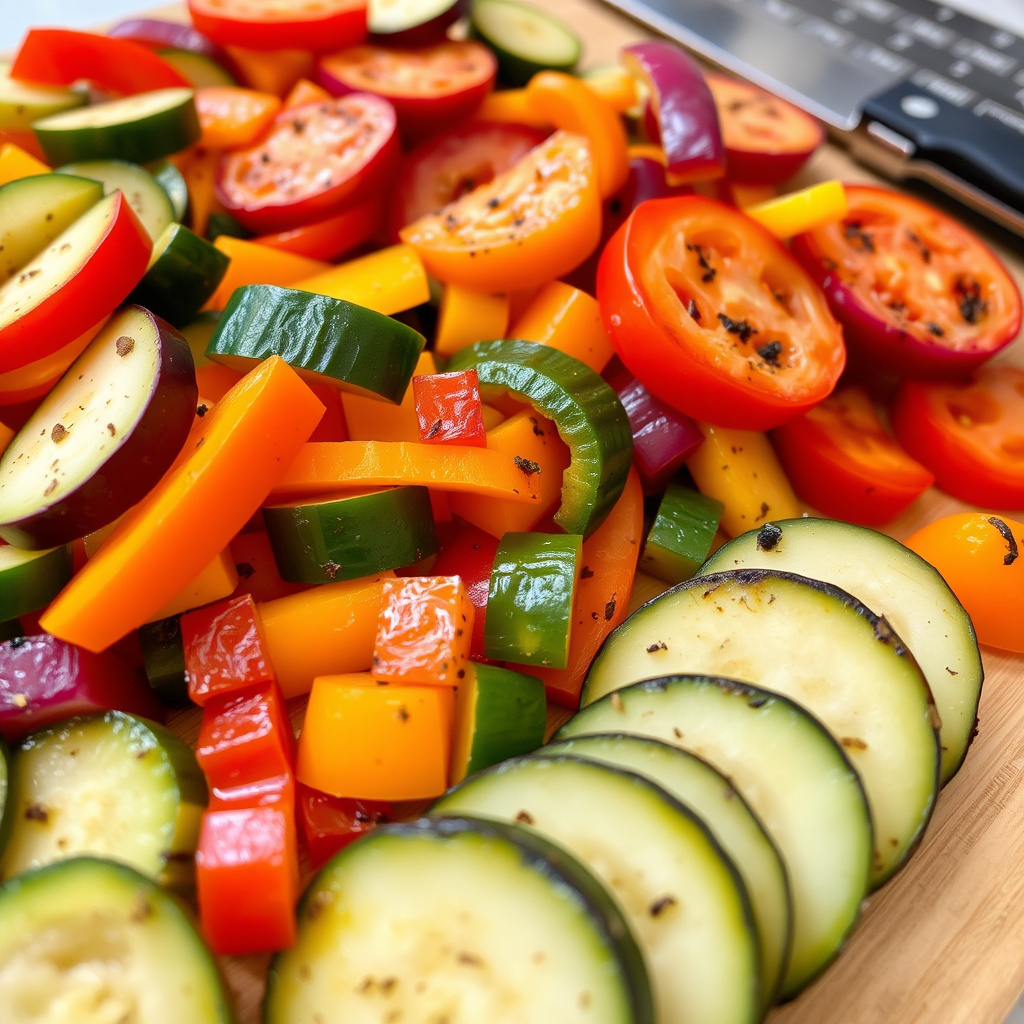
Selecting and Cutting Vegetables
Choosing the best vegetables for grilling starts with looking for firm, fresh, and ripe produce. Varieties like bell peppers, zucchini, eggplant, asparagus, and mushrooms grill especially well due to their texture and moisture content.
Cut vegetables into uniform pieces to ensure even cooking. Thick slices or chunks avoid falling through the grill grates, while smaller vegetables can be skewered or placed in a grill basket for convenience.
- Cut bell peppers into wide strips
- Slice zucchini and eggplant lengthwise
- Keep asparagus spears whole but trim tough ends
- Use skewers for cherry tomatoes or mushrooms
Marinating and Seasoning Techniques
Marinating vegetables infuses them with flavor and helps retain moisture during grilling. Use oil-based marinades with herbs, garlic, lemon juice, or balsamic vinegar for best results. Avoid acidic marinades for too long as they can soften vegetables excessively.
If you prefer to keep it simple, brushing vegetables with olive oil and sprinkling with salt and pepper before grilling can highlight their natural taste while preventing sticking.
- Marinate vegetables for 15–30 minutes
- Use oil to prevent flare-ups
- Season just before grilling to avoid watery veggies
- Add fresh herbs after grilling for brightness
Grilling Techniques and Equipment
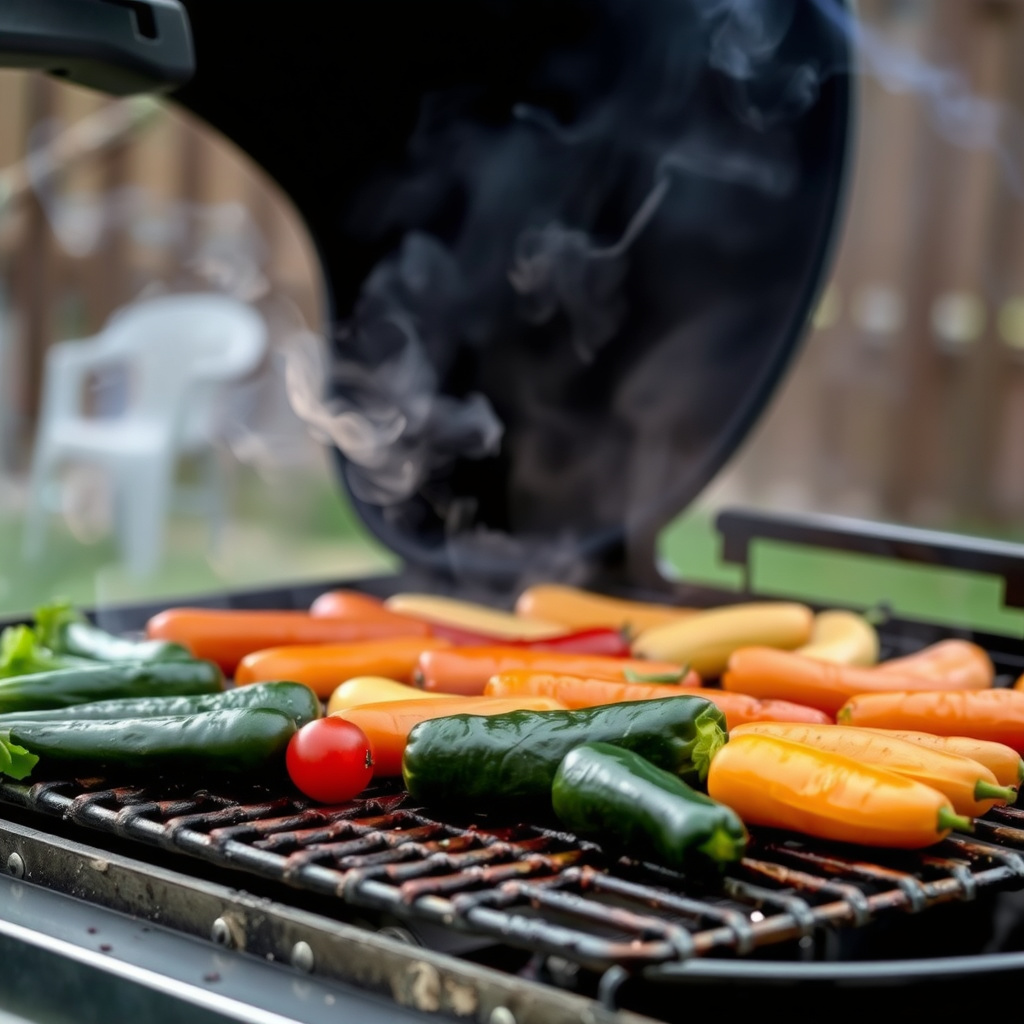
Using Direct vs. Indirect Heat
Direct heat grilling is ideal for vegetables because it quickly caramelizes their surface and seals in juices. Place vegetables directly over the flame or coals and turn frequently to avoid burning, grilling until tender with char marks.
Indirect heat works for denser vegetables that take longer to cook, like potatoes or whole onions. Place vegetables away from the fire to cook gently, finishing with a brief direct sear if desired.
- Use direct heat for quick-cooking vegetables
- Employ indirect heat for thicker or root vegetables
- Preheat grill to medium-high before grilling
- Close lid to maintain consistent temperature
For more on this, see our related guide: How to Grill Shrimp Perfectly: A Beginner’s Guide to Juicy, Flavorful Seafood.
Tools for Effective Vegetable Grilling
A heavy-duty grill grate ensures even cooking and distinct sear marks on vegetables. Grill baskets or perforated trays catch small pieces and make turning easier without losing them through the grates.
Long-handled tongs and brushes help flip and oil vegetables safely. Skewers made of metal or soaked wood work well for smaller or delicate veggies like cherry tomatoes.
- Use grill baskets for small vegetables
- Employ long-handled tongs for flipping
- Consider skewers for bite-sized pieces
- Keep a brush handy for applying oil
Cooking Times for Popular Grilled Vegetables
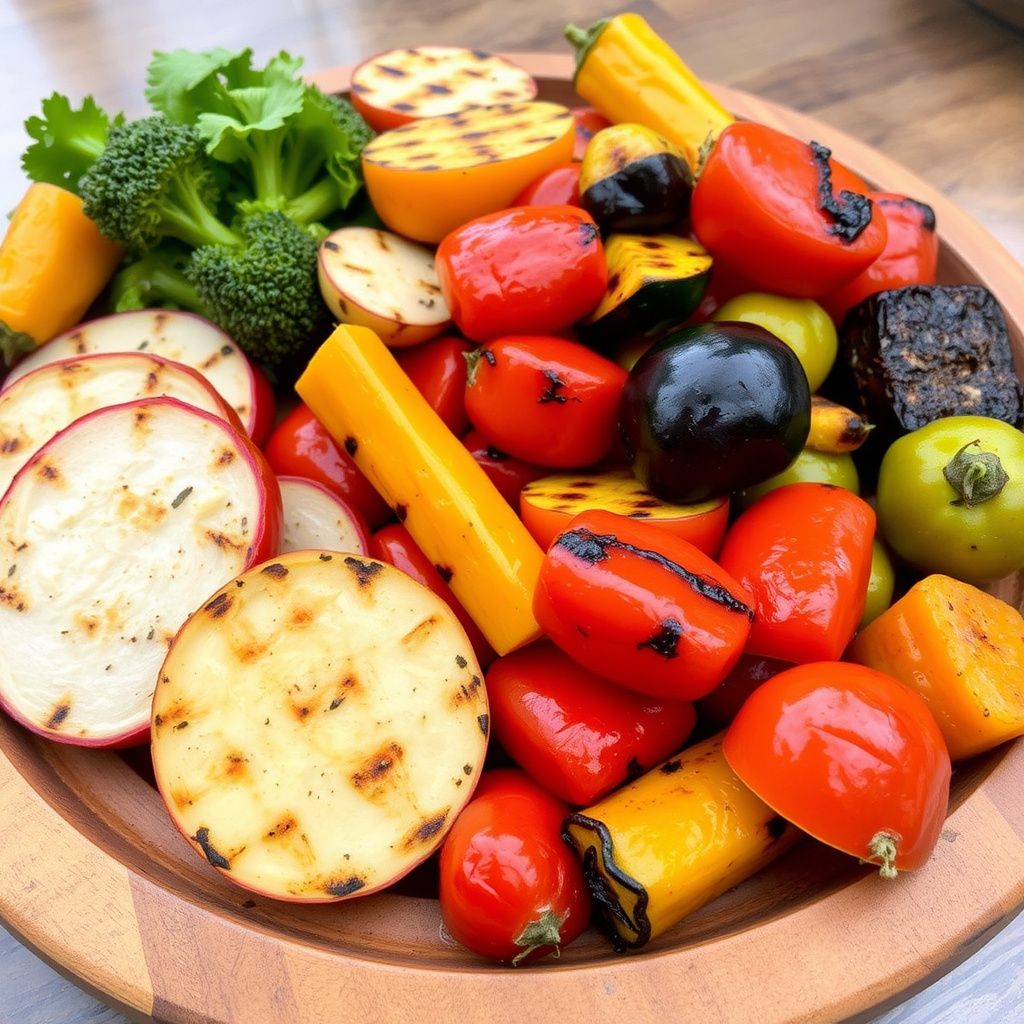
Quick-Cooking Vegetables
Vegetables like asparagus, cherry tomatoes, bell peppers, and zucchini cook quickly on the grill, usually within 5 to 10 minutes. Turn frequently and watch for blistered skin and slight charring to avoid overcooking.
Grill cherry tomatoes on skewers or in baskets for even exposure to heat and ease of turning, which helps maintain their shape without bursting prematurely.
- Asparagus: 5-7 minutes
- Bell peppers: 8-10 minutes
- Zucchini slices: 5-7 minutes
- Cherry tomatoes (skewered): 4-6 minutes
Longer-Cooking Vegetables
Root vegetables like sweet potatoes, carrots, and whole onions require longer cooking times due to their density. Slice them thicker or parboil briefly to reduce grilling time to about 15-20 minutes.
Eggplant should be cut into half-inch thick slices and cooked for around 10-15 minutes turning occasionally until soft and tender.
- Sweet potatoes: 15-20 minutes
- Carrots: 15-20 minutes
- Onions (halved or thick slices): 15-20 minutes
- Eggplant slices: 10-15 minutes
Enhancing Flavor and Presentation
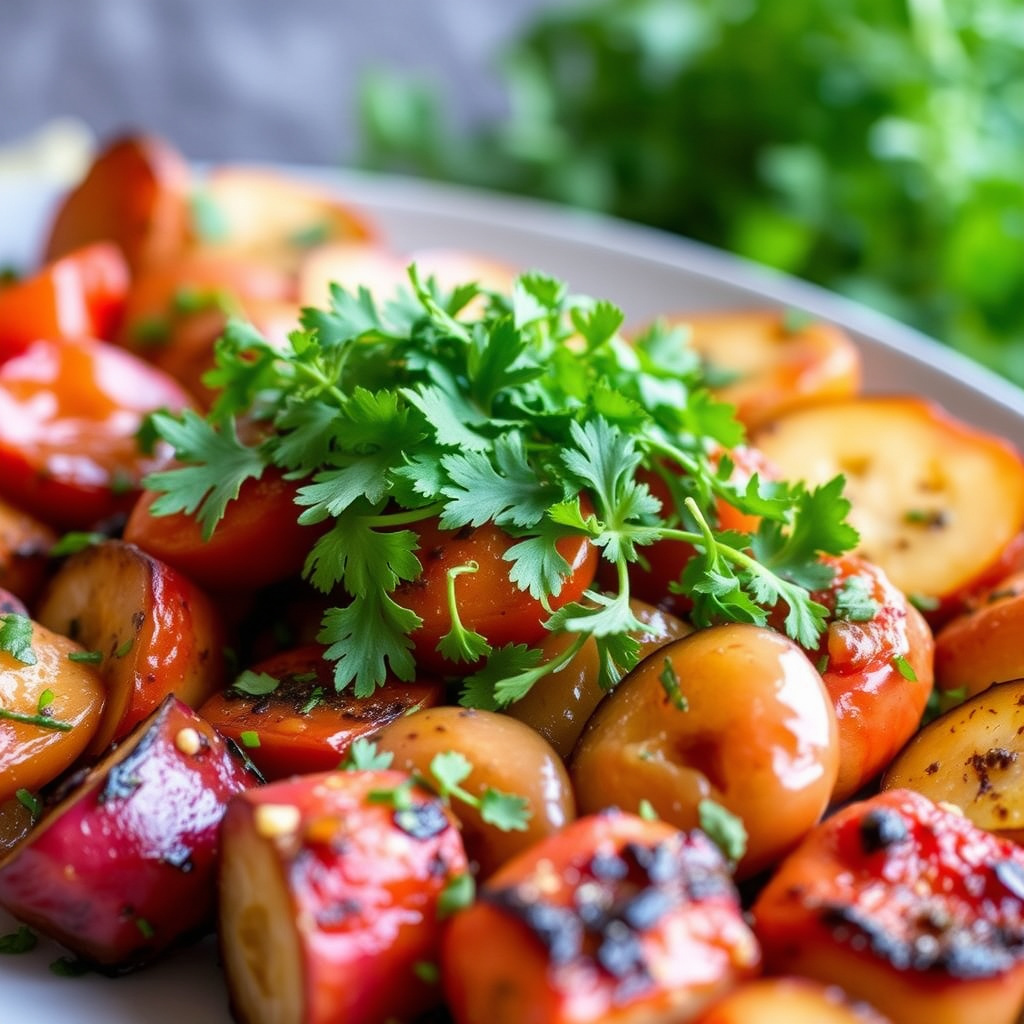
Serving Suggestions
Serve grilled vegetables as a colorful side dish, tossed into salads, or layered into sandwiches and wraps. Adding fresh herbs like parsley, basil, or cilantro after grilling adds brightness and contrast to the smoky flavor.
You can also drizzle grilled vegetables with flavored oils, balsamic glaze, or sprinkle with toasted nuts or cheese for extra texture and taste.
- Use fresh herbs for garnish
- Add a sprinkle of feta or goat cheese
- Drizzle with lemon juice or balsamic glaze
- Serve immediately for best texture
For more on this, see our related guide: How to Grill Ribs Perfectly: A Step-by-Step Guide for Tender, Flavorful BBQ.
Storage and Reheating Tips
Grilled vegetables can be refrigerated in airtight containers for up to four days. Reheat gently in a skillet or oven to retain texture rather than microwaving, which can make them soggy.
You can also serve leftover grilled vegetables cold in salads or blended into pestos and dips, making them versatile beyond the grill.
- Store in airtight containers
- Reheat in a skillet over medium heat
- Avoid microwaving for best texture
- Use leftovers in salads or sauces
Health Benefits of Grilled Vegetables
Nutritional Advantages
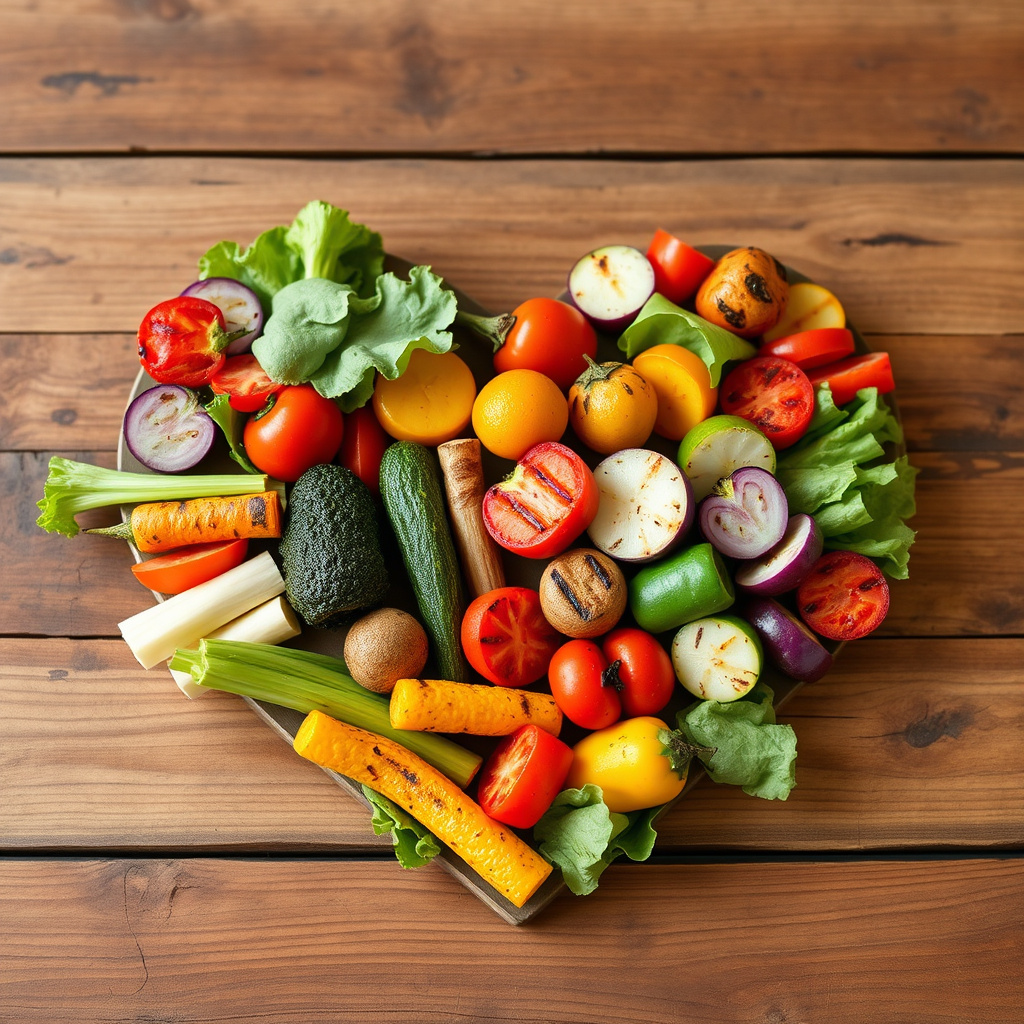
Grilling vegetables helps retain their vitamins and minerals better than boiling or frying since they cook quickly and without excessive water. The minimal use of oil keeps calorie counts low, making grilled veggies a nutritious option.
Antioxidants in vegetables can become more bioavailable after grilling, enhancing their health benefits, while the natural sugars caramelize to create flavorful, low-calorie dishes.
For more detailed information on grilling methods and food science, see grilling vegetables on Wikipedia. Grilling vegetables on Wikipedia.
Supporting a Balanced Diet
Incorporating a variety of grilled vegetables provides dietary fiber essential for digestion and helps maintain blood sugar levels. Grilled vegetables add color, texture, and volume to meals, contributing to satiety with fewer calories.
Choosing how to grill vegetables thoughtfully supports dietary goals, whether for weight management, heart health, or general wellbeing.
Grilled Vegetables Category Comparison
This table compares common vegetable categories for grilling based on preparation ease, cooking time, and flavor impact.
| Category | Ease of Preparation | Average Cooking Time | Flavor Profile | Best Usage |
|---|---|---|---|---|
| Soft Vegetables (Zucchini, Bell Peppers) | Easy | 5-10 minutes | Sweet and smoky | Side dishes, salads |
| Root Vegetables (Carrots, Sweet Potatoes) | Moderate (requires slicing or parboiling) | 15-20 minutes | Earthy, caramelized | Hearty sides, mains |
| Small Vegetables (Cherry Tomatoes, Mushrooms) | Easy (skewers or baskets handy) | 4-8 minutes | Juicy, smoky | Appetizers, skewers |
| Dense Vegetables (Eggplant, Onions) | Moderate (thick slicing) | 10-15 minutes | Rich, soft | Sandwiches, sides |
| Asparagus and Green Beans | Easy (trim ends and grill) | 5-8 minutes | Fresh, crisp with char | Light sides, salads |
Frequently Asked Questions
How do I prevent vegetables from sticking to the grill?
Brush vegetables lightly with oil before grilling and ensure the grill grate is clean and preheated. Using a grill basket or skewers can also prevent sticking, especially with smaller or delicate veggies.
Can I grill frozen vegetables?
Grilling frozen vegetables is not ideal as they release excess moisture and cook unevenly. It's better to thaw and pat them dry first or grill fresh vegetables for best texture and flavor.
What type of oil is best for grilling vegetables?
Use oils with high smoke points such as olive oil, avocado oil, or grapeseed oil. These oils withstand grill heat without burning and add a pleasant flavor to the vegetables.
How do I know when grilled vegetables are done?
Grilled vegetables are done when they are tender but not mushy, with visible char marks and slight caramelization. Test by piercing with a fork; it should go in easily but the vegetable should still hold its shape.
Is it necessary to marinate vegetables before grilling?
Marinating is optional but enhances flavor and helps retain moisture. A quick 15-30 minute marinade with oil and herbs can improve taste, but simple oil and seasoning also work well.
Key Takeaways
- Use fresh, firm vegetables cut into uniform pieces for even grilling
- Marinate or oil vegetables to enhance flavor and prevent sticking
- Grill over direct heat for quick-cooking vegetables and indirect heat for dense ones
- Serve grilled vegetables immediately or store properly for later use
Conclusion
Knowing how to grill vegetables well can transform simple ingredients into flavorful dishes that complement any meal. Starting with careful selection and preparation of the vegetables, combined with the right grilling methods, makes a noticeable difference in taste and texture. Attention to cooking times, heat levels, and turning frequency ensures vegetables come off the grill tender, smoky, and visually appealing.
For quick weekday meals, soft vegetables like zucchini and bell peppers provide fast grilling times and vibrant flavors. When planning for more substantial sides, root vegetables and eggplant offer hearty textures and deep caramelization when grilled properly over indirect heat. Using tools like grill baskets or skewers can greatly improve cooking control and ease, especially for small or delicate vegetables.
To make the most of grilled vegetables, try simple seasoning with olive oil and herbs or experiment with marinades to add complexity. Serving grilled vegetables fresh maximizes their flavor and texture, but leftovers can be repurposed in salads or sauces. With these techniques and tips, anyone can enjoy the delicious benefits of grilled vegetables as a healthy, versatile part of their cooking repertoire.



