
The best temperature to grill pork chops is between 350°F and 400°F. This range allows the pork chops to sear properly while cooking through to a safe internal temperature without drying out. Using medium-high heat helps develop a flavorful crust and ensures juicy meat inside.
Grilling pork chops at the right temperature matters because cooking too hot can char the outside while leaving the inside undercooked, and too low heat results in tough, dry pork. The ideal temperature balances browning and even cooking, making the pork safe and delicious.
This article will explain the grilling temperature for pork chops, factors affecting heat settings, how to check doneness, and tips for maintaining moisture. It also breaks down different grill types and recommended temperature zones, so you can master pork chop grilling with confidence.
Understanding Ideal Grilling Temperature for Pork Chops
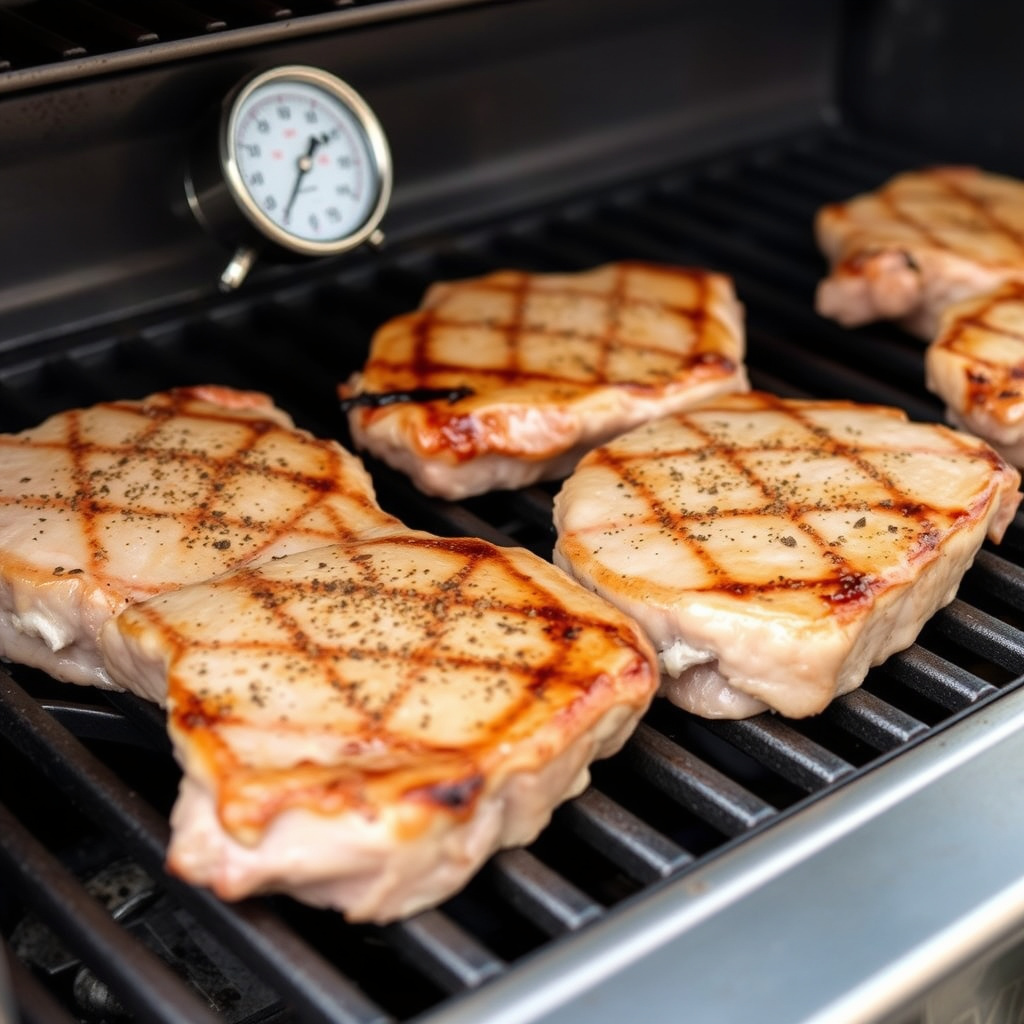
Why 350°F to 400°F Works Best
Grilling pork chops between 350°F and 400°F creates a balance between caramelizing the surface and cooking the interior thoroughly. At this temperature, the Maillard reaction enhances flavor and color without scorching the meat.
Temperatures in this range give enough control over cooking speed, preventing exterior from burning while avoiding the interior being underdone or dry. It also helps achieve the USDA recommended internal temperature of 145°F safely.
- Promotes caramelization
- Prevents overcooking
- Retains juiciness
Avoiding Common Grilling Temperature Mistakes
Cooking pork chops over excessively high heat (above 450°F) often leads to burnt outsides and raw interiors. Conversely, grilling at a temperature below 300°F can cause uneven cooking and dryness, as the meat cooks too slowly and loses moisture.
Managing heat zones on your grill can help avoid these extremes. Indirect heat can be used alongside direct grilling to maintain consistent cooking temperatures, especially for thicker cuts.
- Too high heat chars surface
- Too low heat dries meat
- Use zones to control heat
Choosing the Right Internal Temperature for Safe, Juicy Pork Chops
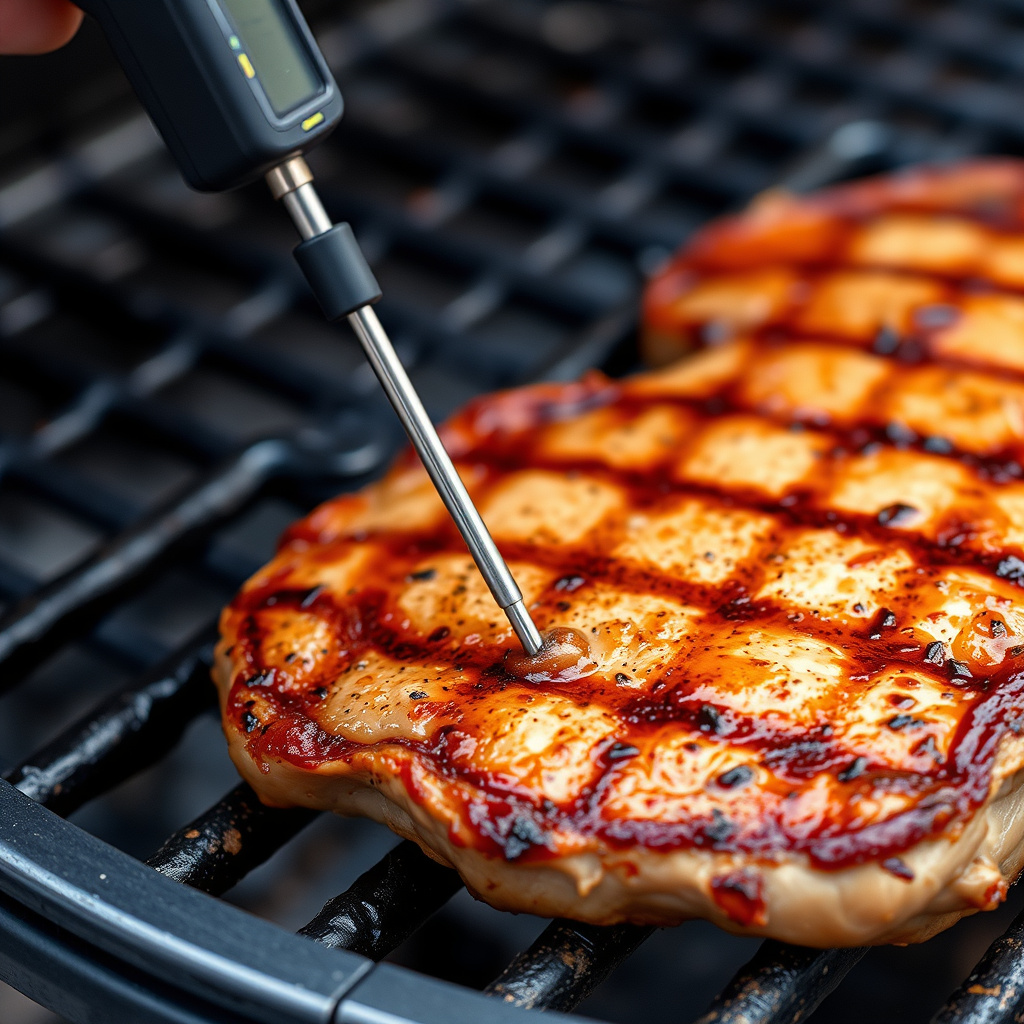
USDA Recommended Pork Chop Temperature
The USDA advises cooking pork to an internal temperature of 145°F, followed by a three-minute rest. This guideline ensures the pork is safe to eat while remaining juicy and tender.
Using a digital meat thermometer accurately measures internal heat, preventing overcooking and dryness. Removing pork chops at 145°F is ideal for medium doneness and juicy texture.
- Cook to 145°F internal
- Allow 3 minutes rest
- Use a meat thermometer
Signs Your Pork Chop is Done Without a Thermometer
For those grilling without a thermometer, visual and tactile cues can help estimate doneness. Pork chops should feel firm but still spring slightly when pressed.
Juices running clear instead of pink also indicate they're sufficiently cooked. However, relying solely on these signs risks under or overcooking, so a thermometer is recommended.
Best Grills and Temperature Settings for Pork Chops
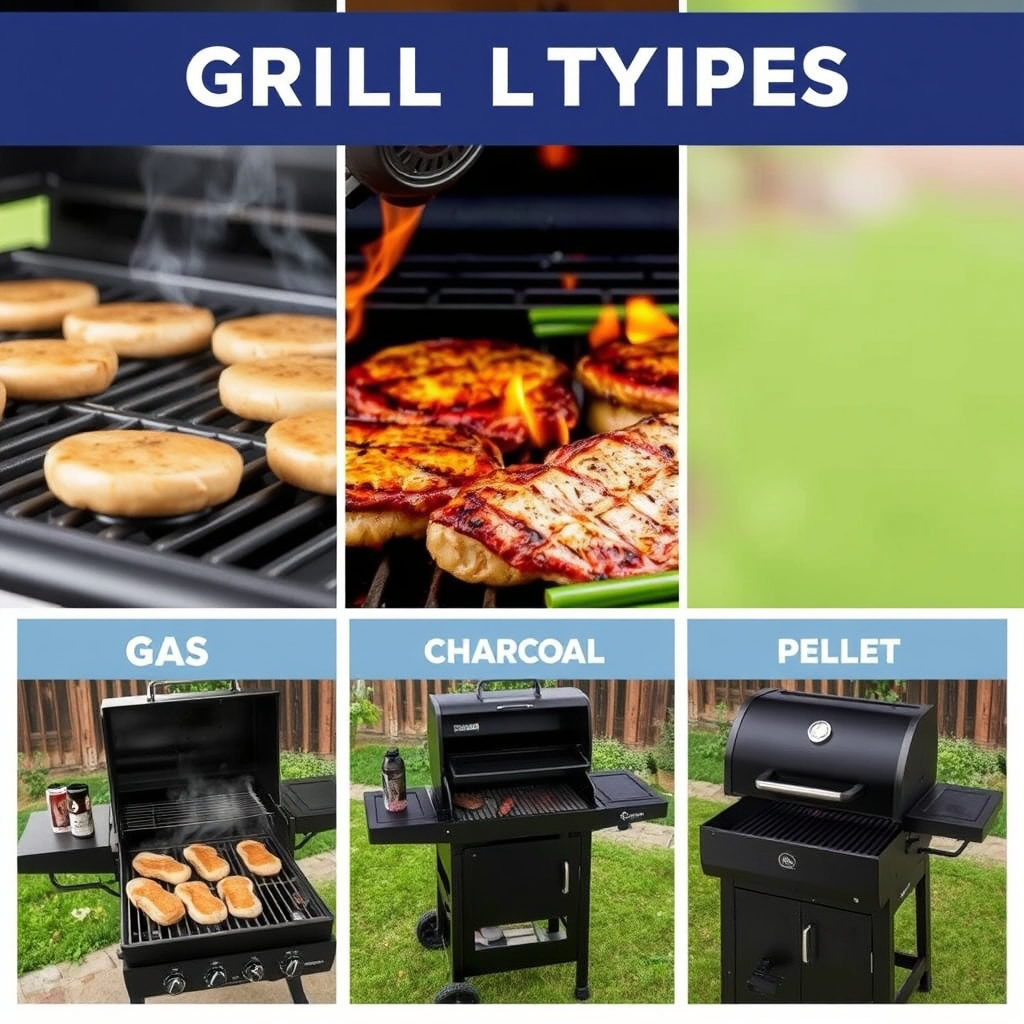
Using a Gas Grill for Precise Temperature Control
Gas grills offer easy temperature adjustment, making it simpler to maintain the ideal 350-400°F range for grilling pork chops. Turning burners on or off allows for creating direct and indirect heat zones.
This precision helps cooks avoid hot spots and overcooking. Preheating the grill thoroughly before placing the pork chops ensures consistent heat distribution.
- Quick temperature adjustment
- Easier heat zone setup
- Consistent cooking temperature
For more on this, see our related guide: How Long to Grill Pork Chops Perfectly Every Time.
Charcoal and Pellet Grills for Flavor and Temperature
Charcoal grills impart smoky flavor but require more attention to maintain 350-400°F temperature. Arranging coals to one side helps create zones for searing and slower cooking.
Pellet grills combine flavor with automated temperature control, useful for steady grilling. They often include digital thermostats to keep temperatures within target ranges.
- Charcoal adds smoky flavor
- Pellets offer precise control
- Heat zones help manage cooking
Techniques to Keep Pork Chops Juicy on the Grill
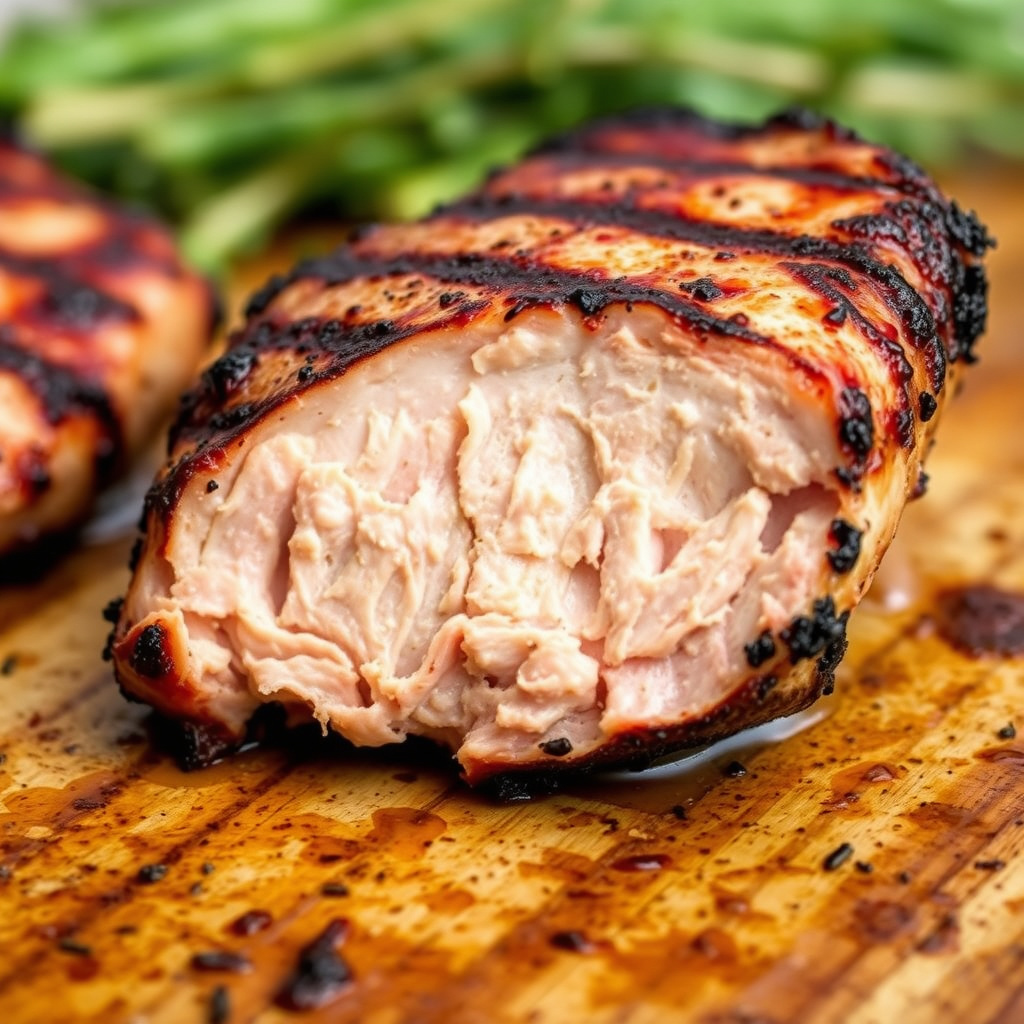
Brining and Marinating Tips
Brining pork chops in a saltwater solution before grilling adds moisture and flavor while preventing dryness during cooking. Typically, 30 minutes to 2 hours is sufficient depending on chop thickness.
Marinades containing acids like vinegar or citrus help tenderize meat but should be balanced to avoid toughening if used too long.
- Brine for 30 min to 2 hrs
- Use balanced marinades
- Rinse brine off before grilling
Resting and Slicing After Grilling
Allowing pork chops to rest for at least three minutes after removing from heat lets juices redistribute evenly. Cutting immediately can cause moisture loss and dry meat.
After resting, slicing against the grain produces tender bites and showcases the even cooking accomplished at the proper temperature.
- Rest chops 3+ minutes
- Slice against the grain
- Retains moisture and tenderness
How Thickness Affects Grilling Temperature and Time
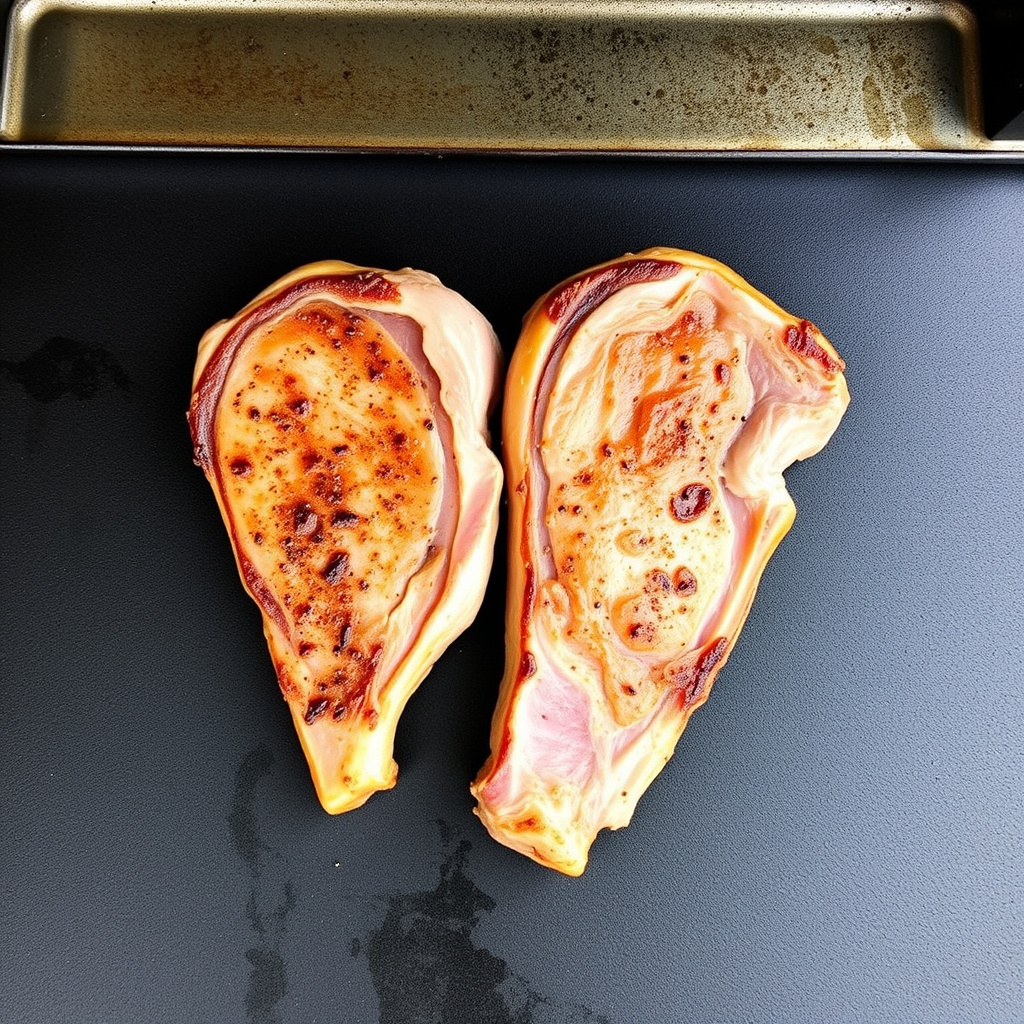
Cooking Thin Pork Chops Quickly and Evenly
Thin pork chops, less than 1 inch thick, cook faster and can dry out quickly if left on high heat too long. Using the lower end of the recommended temperature range and shorter grill times helps retain juiciness.
Flip chops frequently to avoid burning and pull them off the grill as soon as they reach 145°F internally.
- Use lower grill temp (350°F)
- Cook 3-5 minutes per side
- Flip frequently for even cooking
For more on this, see our related guide: How to Grill Potatoes Perfectly Every Time: Techniques and Tips.
Grilling Thicker Chops with Two-Zone Heat
Thicker pork chops (1 inch or more) benefit from two-zone grilling, starting over direct heat to sear and finish on indirect heat to reach the proper internal temperature evenly without burning the exterior.
Maintaining 375°F to 400°F helps develop crust while allowing the inside to cook gently.
- Sear on direct heat first
- Finish on indirect heat
- Monitor temperature closely
Maintaining the Grill Temperature for Consistent Pork Chop Cooking
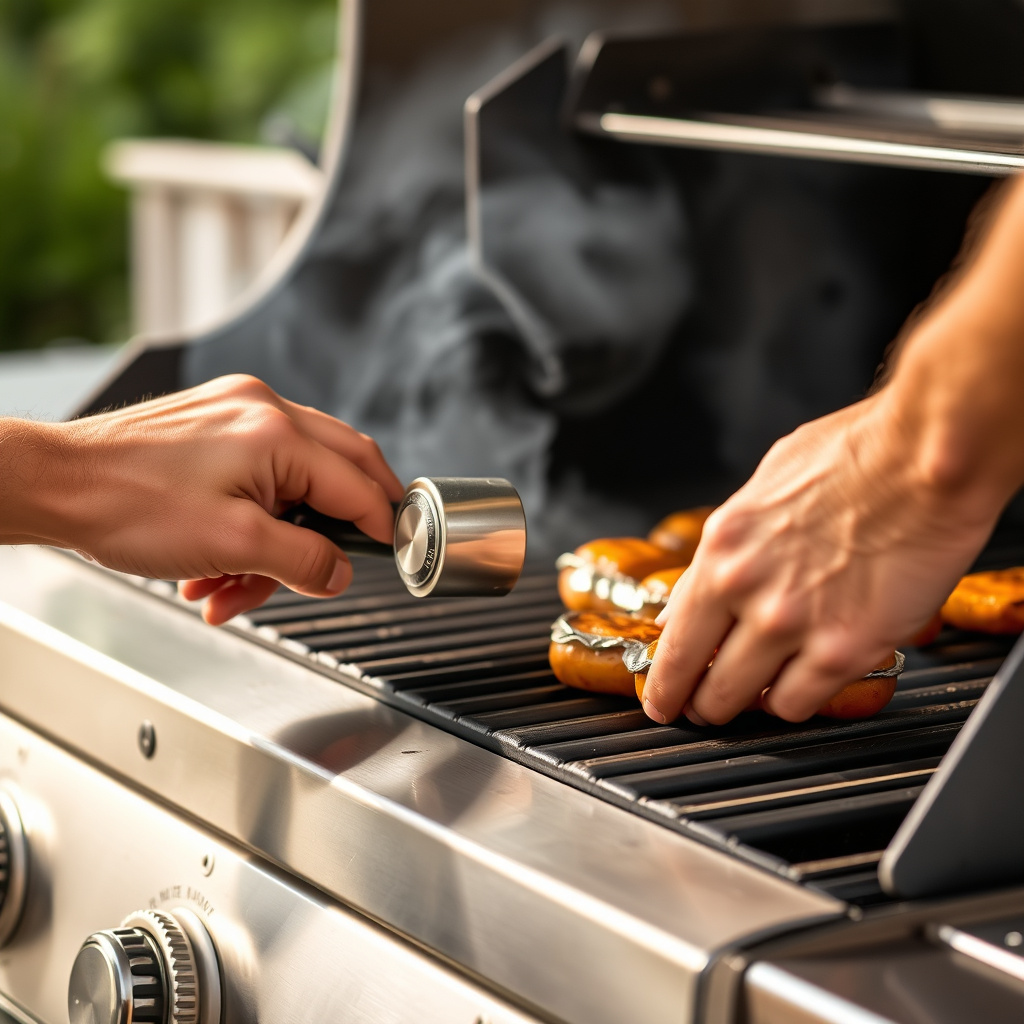
Managing Grill Vents and Fuel for Stability
On charcoal grills, controlling airflow with vents regulates temperature. Opening vents increases oxygen and heat while closing them lowers temperature. Adding coals periodically maintains steady heat.
For gas grills, adjusting knobs adjusts burner intensity, letting you fine-tune the grill temperature to stay within the best range for pork chops.
- Adjust vents carefully
- Add fuel as needed
- Monitor with grill thermometer
For official safety recommendations on cooking pork, refer to the USDA grilling pork chops guidelines. grilling pork chops USDA guidelines.
Using Accessories to Monitor Temperature
A quality grill thermometer is critical to keep surface temperature in the 350-400°F window. Some grills have built-in thermometers, but external probes offer more accuracy.
Wireless or instant-read thermometers also help measure internal pork chop temperature so timing can be precise.
- Use a reliable grill thermometer
- Check frequently during cooking
- Use internal meat thermometer
Grilling Method Category Comparison
Different grilling methods affect temperature control, flavor, and ease. Here's how gas, charcoal, pellet, and electric grills compare for pork chops.
| Grill Type | Temperature Control | Flavor Impact | Ease of Use | Recommended Pork Chop Thickness |
|---|---|---|---|---|
| Gas Grill | Precise and adjustable | Moderate smoky flavor | High convenience | Thin to medium (0.5-1 inch) |
| Charcoal Grill | Requires manual vent management | Strong smoky flavor | Moderate skill needed | Medium to thick (0.75-1.5 inch) |
| Pellet Grill | Automated temperature control | Mild smoke flavor | Easy once programmed | Medium (1 inch) |
| Electric Grill | Stable but limited heat | Minimal smoky flavor | Very easy and quick | Thin (under 1 inch) |
Frequently Asked Questions
What is the safe internal temperature for pork chops?
Pork chops are safe to eat when cooked to an internal temperature of 145°F, followed by a rest time of at least three minutes to ensure juiciness and safety.
Can I grill pork chops at high heat?
High heat above 450°F can cause pork chops to burn on the outside while remaining undercooked inside. Medium-high heat between 350°F and 400°F is better for balanced cooking.
Do thicker pork chops need different grilling temperatures?
Thicker pork chops benefit from a two-zone grilling method, searing at high heat then finishing on indirect medium heat to cook through evenly without burning.
How long should I grill pork chops?
Grilling time varies by thickness and heat; thin chops usually take 3-5 minutes per side, while thicker ones may need 6-8 minutes per side with indirect heat finishing.
Is it necessary to rest pork chops after grilling?
Resting pork chops for at least three minutes after grilling allows juices to redistribute, resulting in more tender, moist meat.
Key Takeaways
- Grill pork chops at 350-400°F for balanced cooking
- Use a meat thermometer to reach 145°F internal temperature
- Adjust grilling technique based on chop thickness
- Rest pork chops after grilling to retain juiciness
Conclusion
Choosing the right temperature to grill pork chops hinges on balancing surface searing and interior cooking to achieve juicy, flavorful results. Cooking between 350°F and 400°F allows you to develop a tasty crust while ensuring the pork reaches the safe internal temperature of 145°F without drying out. Controlling your grill’s temperature precisely and using tools like a meat thermometer help take the guesswork out of cooking pork chops to perfection.
Depending on the thickness of your pork chops and your grill type, you might combine direct and indirect heat to achieve even cooking. Thin chops cook quickly over medium heat, while thicker cuts benefit from an initial sear on direct heat followed by finishing on indirect heat to avoid burning. Gas grills offer precise temperature control for consistent results, while charcoal grills offer enhanced smoky flavors but require more manual adjustment. For effortless control, pellet grills provide automated temperature management suited for medium thickness pork chops.
The next step is to prepare your pork chops with a brine or marinade if desired and set your grill temperature in the ideal range. Invest in a reliable meat thermometer to keep track of doneness, and remember to let the chops rest after grilling. With these methods, grilling pork chops will become a dependable way to serve juicy, flavorful meals every time.



