
Grilling ribs properly usually takes between 3 to 6 hours depending on the type of ribs and grilling method used. For baby back ribs, plan on roughly 4 to 5 hours on low, indirect heat, while spare ribs can take closer to 5 to 6 hours. Achieving tender, juicy ribs is all about slow cooking at a controlled temperature rather than rushing with high heat.
This timing matters because ribs are tough cuts that contain connective tissue needing to fully break down for the meat to become tender. Cooking too quickly at high heat often leads to dry, chewy ribs instead of fall-off-the-bone perfection. Understanding the right grilling duration helps maintain moisture and develop smoky flavor.
This article covers different rib types, grilling techniques, temperature recommendations, and detailed timeframes. You’ll also find tips on wrapping methods, choosing wood chips, and how to test for doneness so you can grill ribs like a pro every time.
Understanding Rib Types and Their Impact on Grilling Time
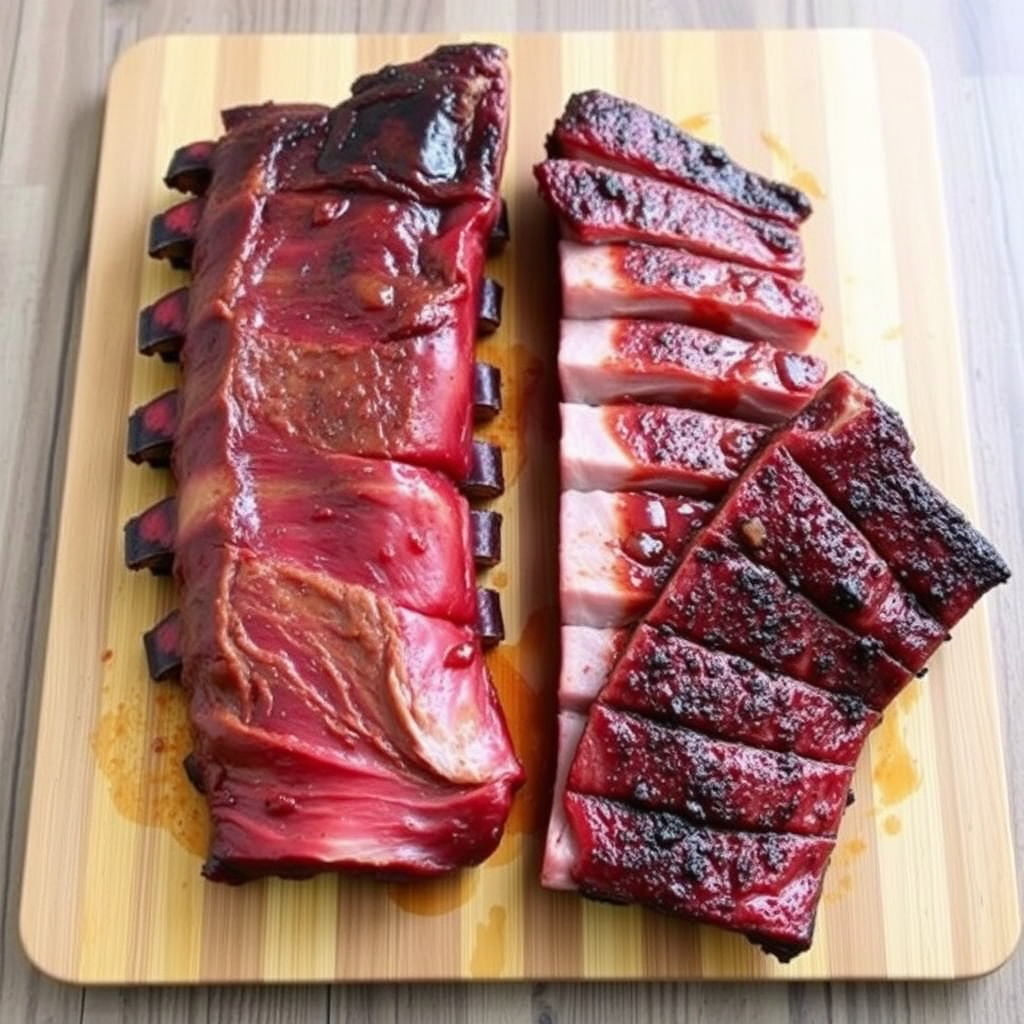
Baby Back Ribs: Size, Texture, and Cooking Duration
Baby back ribs are smaller, leaner, and meatier than spare ribs. Typically, they are more tender and require a shorter grilling time of about 4 to 5 hours over indirect heat at around 225°F (107°C). Because of their size, they cook more quickly and are less fatty.
When grilling baby back ribs, slow and low is key—this helps break down the collagen without drying out the meat. They also benefit from a final direct heat sear to add caramelized texture and flavor.
Spare Ribs: Larger Cut Means Longer Grilling Time
Spare ribs are larger, contain more fat and connective tissue, and usually need 5 to 6 hours of indirect grilling at similar temperatures. The extra cook time allows the tough cartilage and fat to render down, making the ribs tender and flavorful.
Spare ribs often require wrapping partway through grilling to lock in moisture and prevent flare-ups from dripping fat. Because they are richer, spare ribs develop deep smoky notes when cooked for longer durations.
Grilling Methods and How They Affect Rib Cooking Times
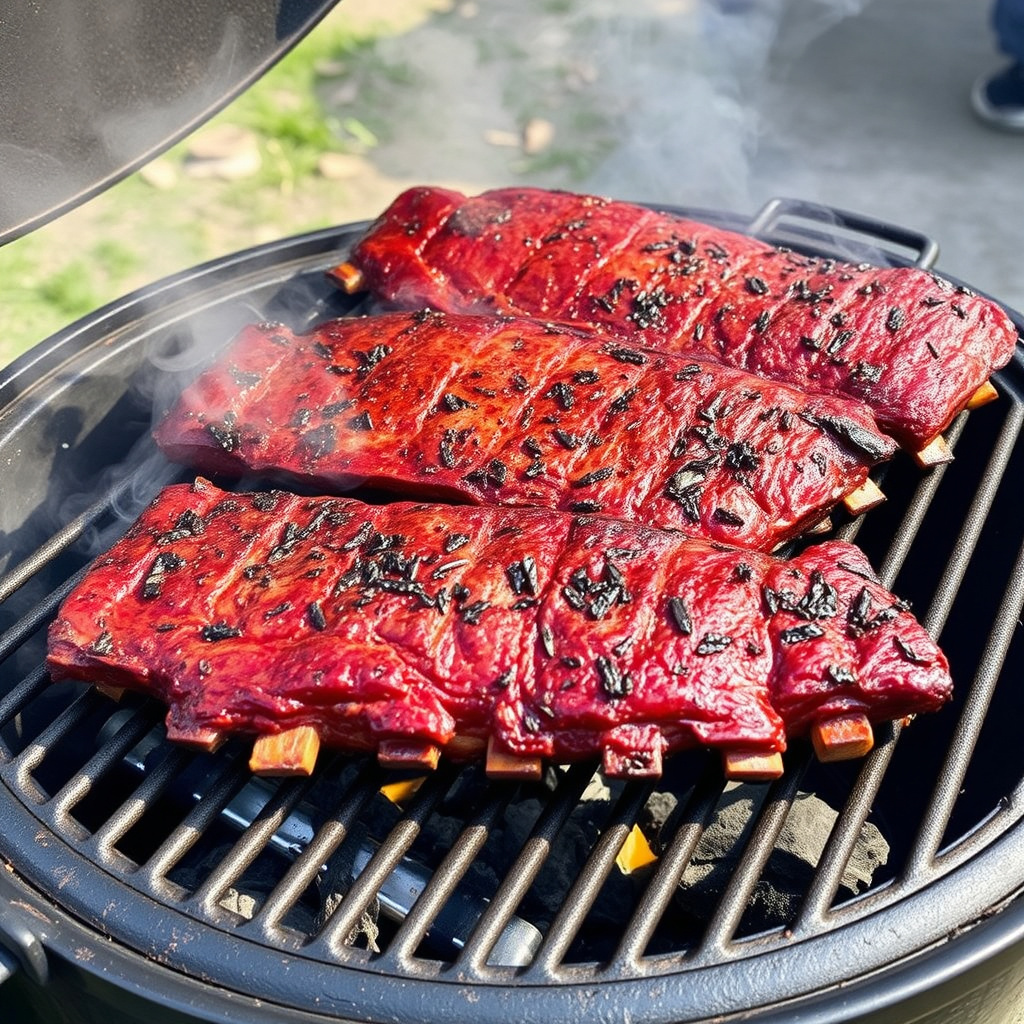
Indirect Heat Grilling: Low and Slow for Tenderness
Using indirect heat means placing the ribs away from direct flames or heat source and cooking them slowly. This method maintains a steady temperature, usually between 225°F and 250°F, allowing the collagen to break down and the meat to stay moist.
Indirect grilling generally takes 4 to 6 hours depending on the rib size. The longer duration allows smoke to penetrate the meat, enriching the flavor and creating that classic rib bark.
- Temperature: 225°F to 250°F
- Cooking time: 3 to 6 hours depending on rib type
- Indirect placement on grill
Direct Heat and Two-Zone Grilling
Direct heat grilling delivers fast cooking by placing ribs directly over flames, usually not recommended for the full cook time as it can dry out the ribs. However, it can be used at the end of cooking for caramelizing the glaze or adding grill marks.
Two-zone grilling combines both methods: ribs start over indirect heat for slow cooking and then are finished over direct heat for a flavorful crust. This hybrid approach balances tenderness with a smoky char.
- Start indirect, finish direct heat
- Use for searing and glazing in last 10–15 minutes
The Role of Temperature in Grilling Ribs
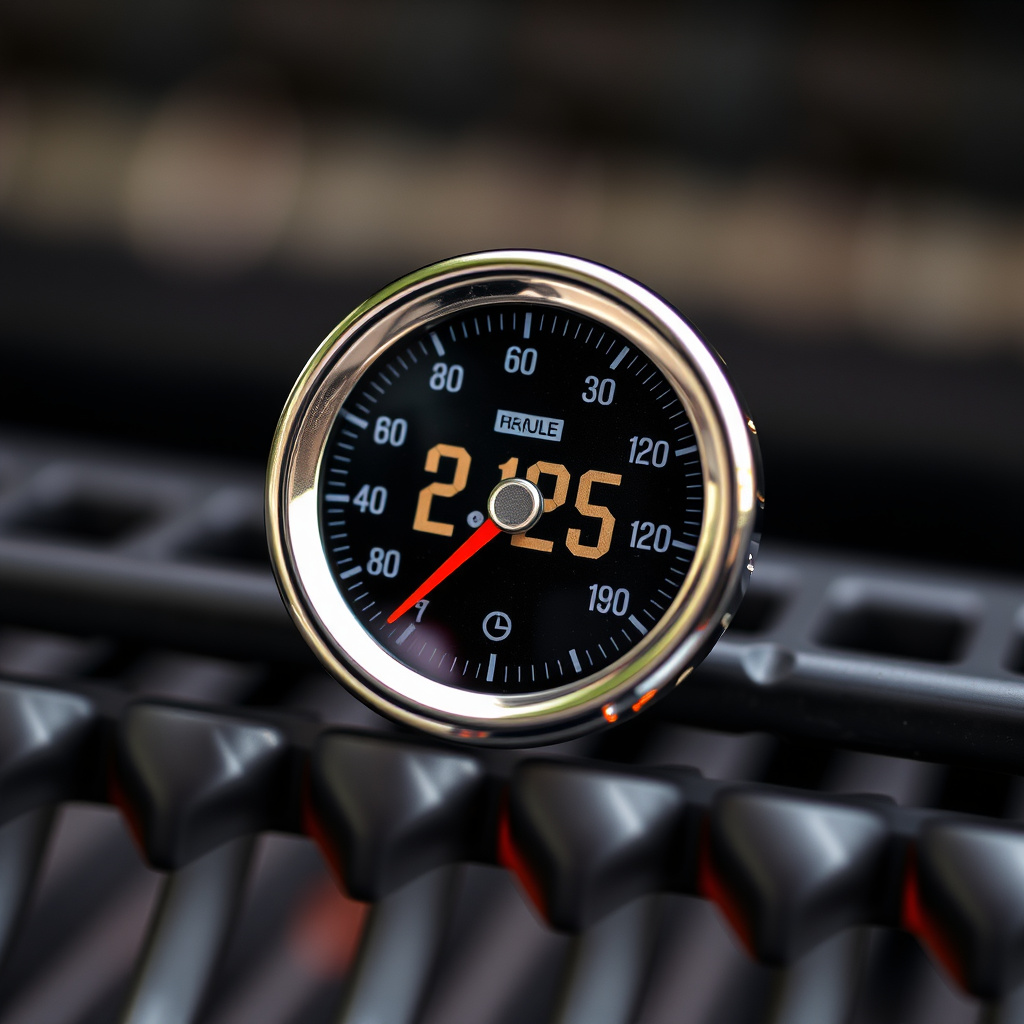
Ideal Temperature Range for Grilling Ribs
The best grilling temperature for ribs is low and steady between 225°F and 250°F. This range is hot enough to slowly cook through the meat and fat, but low enough to avoid drying it out or causing tough texture.
Constant temperature control is key for timing ribs correctly. Fluctuations above 275°F risk toughening the meat prematurely. Using a grill thermometer helps keep the cooking environment in that perfect window.
- 225°F to 250°F ideal slow cook range
- Avoid spikes above 275°F
- Use a reliable grill thermometer
For more on this, see our related guide: How to Grill Vegetables: A Step-by-Step Guide for Perfect Results.
How Temperature Influences Cooking Time and Texture
Maintaining low temperatures extends cooking time but yields tender ribs with rich flavors. Shorter high-temperature cooks result in a chewier bite and drier meat due to collagen not fully breaking down.
A gradual temperature rise during grilling can help render fat and soften connective tissue evenly. Wrapping ribs with foil partway allows some steam to accelerate tenderness while retaining moisture.
Wrapping Techniques and Their Effect on Grilling Duration
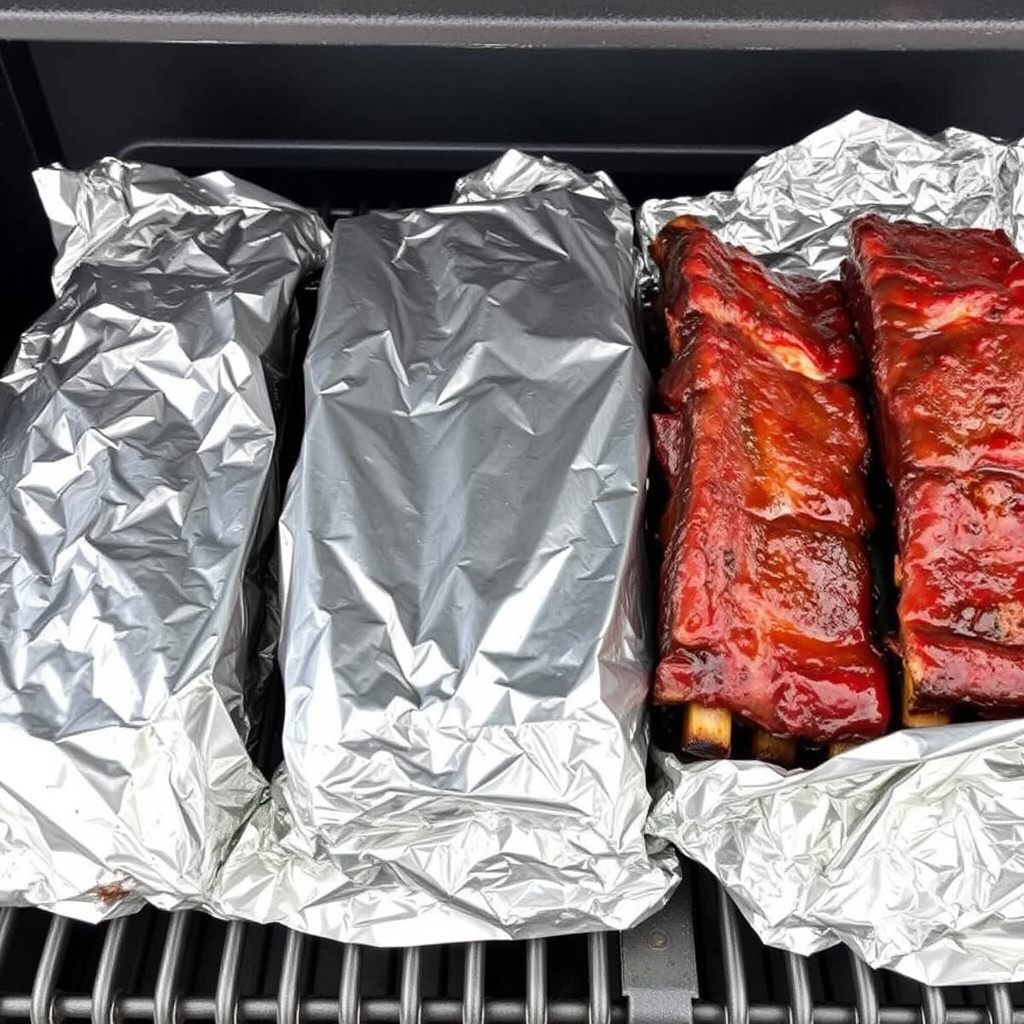
The Texas Crutch Method: Faster, Juicier Ribs
The Texas Crutch involves wrapping ribs in foil about halfway through cooking, often after 2 to 3 hours of grilling. This traps moisture and heat, softening the meat and speeding up the cooking process.
This method can reduce total grill time by up to an hour. It also steams the ribs inside the foil, ensuring juicy texture while preventing excessive bark softening.
- Wrap after 2-3 hours grilling
- Use foil with a splash of liquid for steam
- Reduces cooking time by approx. 1 hour
When to Skip Wrapping for Crisper Bark
Skipping the wrap preserves the crispy bark formed by smoke and dry heat but extends grilling time. Unwrapped ribs need the full 5-6 hours to become tender without becoming tough.
If you prefer a firmer crust and stronger smoky flavor, grill unwrapped using indirect heat but closely monitor for drying. Spritzing periodically helps maintain moisture.
- Longer cook time needed
- Maintains crispy bark
- Spritz with liquid to prevent drying
Testing Ribs for Doneness and How to Adjust Cooking Time
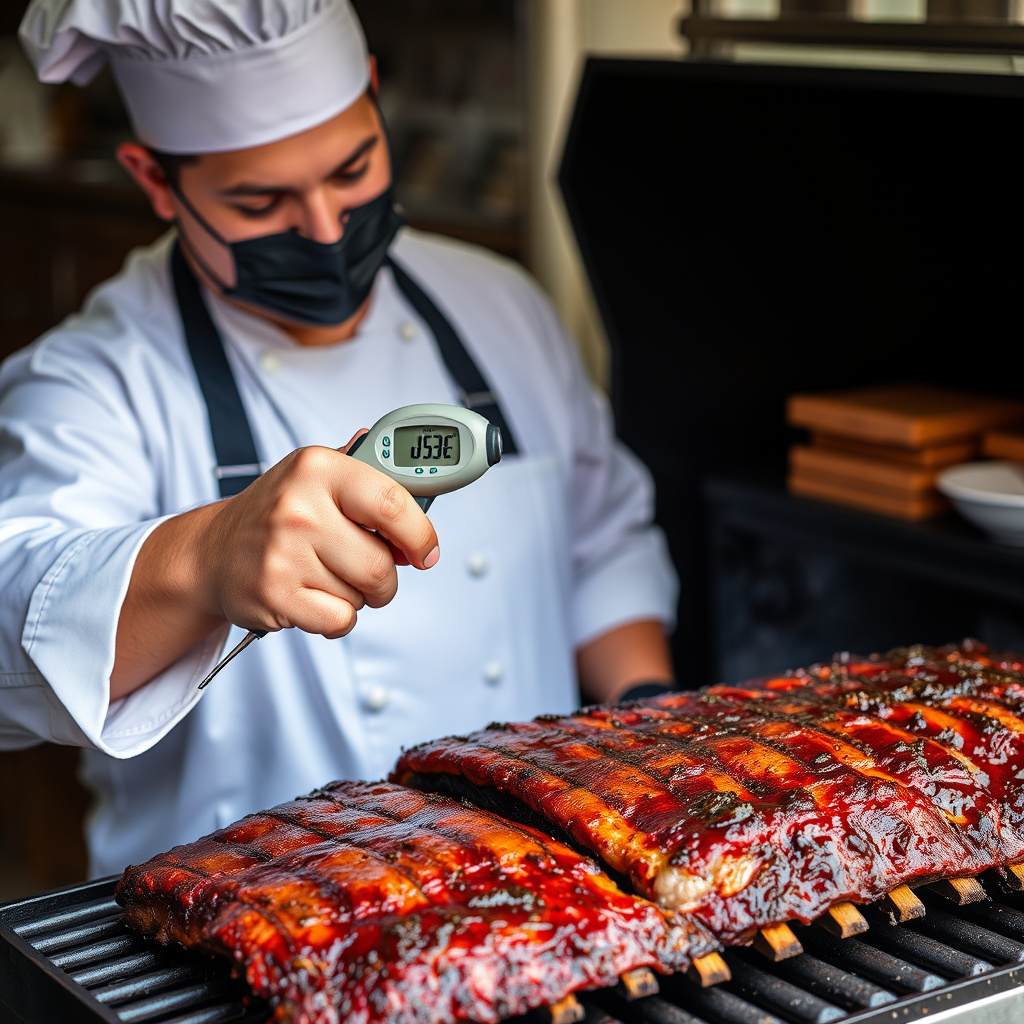
Visual and Tactile Signs of Perfectly Grilled Ribs
Tender ribs should show meat pulling back from the bones about a quarter-inch, with some bark cracking but not overly dry. When you pick up the rack, it should bend slightly without the meat splitting.
A toothpick or probe should slide in easily without resistance, indicating the collagen has broken down properly. These signals mean the ribs have reached ideal doneness and can be removed from the grill.
- Meat pulls away from bones
- Rack bends without breaking
- Probe slides in easily
For more on this, see our related guide: How to Grill Corn on the Cob: A Simple Step-by-Step Guide.
Using a Thermometer to Perfect Grill Timing
Meat thermometer use is the most reliable method. Ribs are typically done when the internal temperature reads around 195°F to 203°F, a range suitable for tender connective tissue breakdown.
Check temperature early and periodically, adjusting grill heat or wrapping as needed to reach this target. Avoid removing ribs too soon, as underdone ribs will be tough and chewy.
- Ideal internal temp: 195°F to 203°F
- Check temperature after 3 hours
- Adjust heat or wrap as necessary
Choosing Wood Chips and Their Influence on Rib Flavor and Grill Time
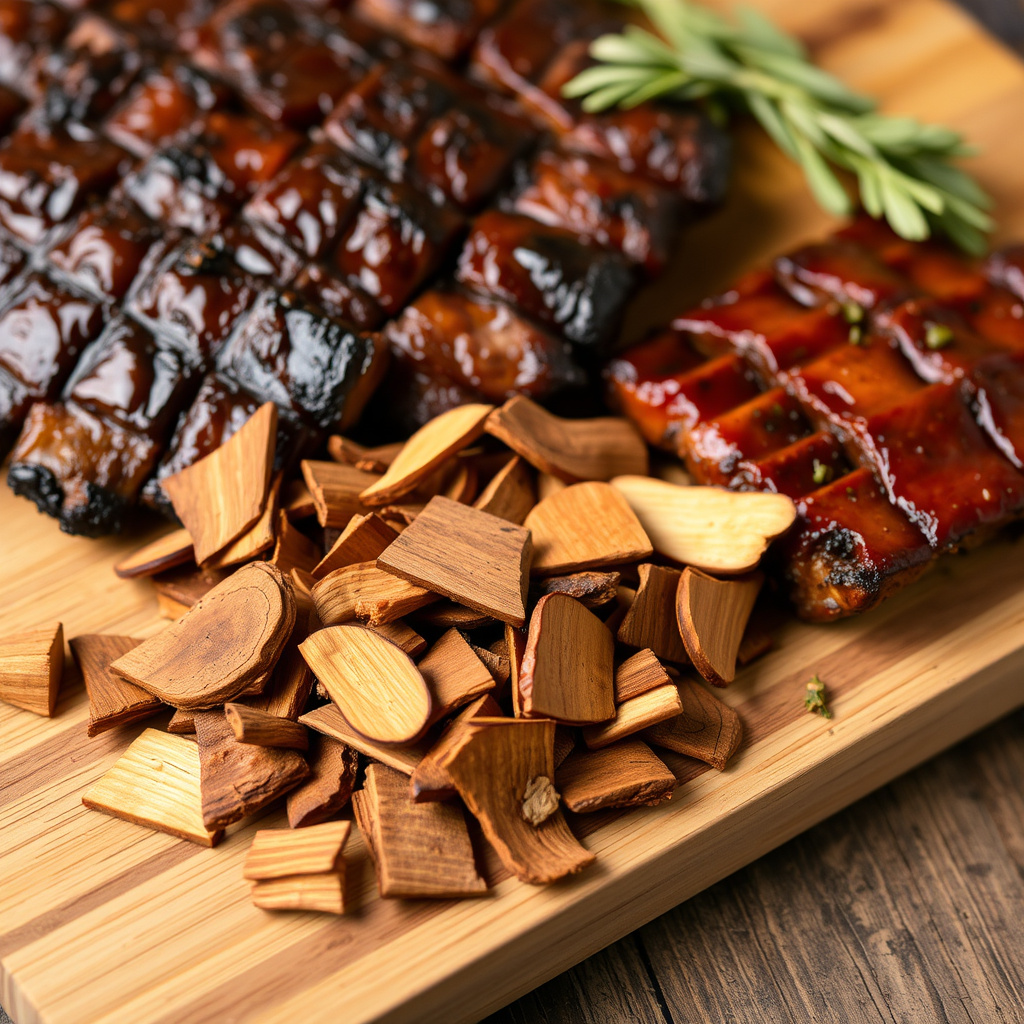
Popular Wood Types for Ribs and Their Smoke Profiles
Hickory wood chips provide a strong, savory smoke flavor that complements the rich taste of ribs well. Apple wood offers a milder, sweet smoke that works great for baby back ribs and shorter grilling times.
Mesquite is intense and fast-burning and best used sparingly or for finishing rather than the full cook. Match wood choice to rib type and grilling duration for balanced flavors.
- Hickory: strong, savory
- Apple: mild, sweet
- Mesquite: intense, best for finishing
For a detailed background on rib preparation and grilling techniques, see rib cooking techniques on Wikipedia. Rib cooking techniques on Wikipedia.
How Wood Smoke Affects Cooking Time and Temperature
Smoking inherently slows down cooking slightly due to lower typical grill temps from added smoke control and indirect heat. More smoke time at stable temp enhances flavor but requires patience.
Using soaked wood chips or chunks results in steadier smoke output, preventing flare-ups that could spike heat and dry ribs. Consistent smoke helps develop the distinctive bark over the long grilling session.
Grilling Ribs Timing and Technique Comparison
Here’s a comparison of common rib types and grilling approaches showing typical times, temperatures, and advantages.
| Rib Type | Temperature (°F) | Grill Time | Method | Flavor Profile |
|---|---|---|---|---|
| Baby Back Ribs | 225-250 | 4-5 hours | Indirect heat low and slow | Tender, slightly lean, mild smoke |
| Spare Ribs | 225-250 | 5-6 hours | Indirect heat with optional wrap | Rich, fatty, smoky bark |
| Baby Back Ribs | 225-250 | 3-4 hours | Texas Crutch (wrapping mid-cook) | Juicy, tender, less bark |
| Spare Ribs | 225-250 | 4-5 hours | Texas Crutch with final direct sear | Tender with caramelized crust |
Frequently Asked Questions
How do I know when ribs are done on the grill?
Ribs are done when the meat pulls back from the bone edges, they bend without breaking, and a probe slides in easily. An internal temperature of 195°F to 203°F also indicates perfect tenderness.
Can I grill ribs faster by using higher heat?
Grilling ribs faster with higher heat often results in dry, tough meat. Slow cooking at low heat is essential to break down connective tissues and retain moisture for tender ribs.
Is it necessary to wrap ribs during grilling?
Wrapping ribs, known as the Texas Crutch, helps lock in moisture and can shorten cooking time, but skipping it preserves crispy bark. Choose wrapping based on your texture preference.
What wood chips are best for smoking ribs?
Hickory offers a bold, smoky flavor, apple wood gives a milder sweetness, and mesquite is stronger and suited for finishing. Select based on desired smoke intensity and rib type.
Should I use a thermometer for grilling ribs?
Yes, a meat thermometer is the most accurate way to check doneness. Aim for an internal temperature of 195°F to 203°F to achieve tender, juicy ribs.
Key Takeaways
- Grill ribs low and slow between 225°F and 250°F for 3 to 6 hours depending on type.
- Baby back ribs cook faster (4-5 hours) than spare ribs (5-6 hours).
- Wrapping ribs mid-grill speeds cooking and retains moisture but softens bark.
- Use a meat thermometer aiming for 195°F to 203°F to test doneness.
Conclusion
Determining how long to grill ribs depends largely on rib type, grilling method, and temperature control. Taking a slow cooking approach at low and steady heat between 225°F and 250°F produces tender, juicy ribs by allowing time for collagen to break down naturally. Wrapping techniques and wood chip choices further influence timing and flavor. Monitoring for visual and temperature cues rather than relying on fixed timers is the best practice for consistent results.
If you want quicker results with moist ribs, the Texas Crutch method of wrapping mid-grill is effective for both baby back and spare ribs, reducing overall grilling time by around an hour. Conversely, unwrapped ribs develop a crispier bark but require the full 5 to 6 hour period on indirect heat. Using a reliable thermometer to measure internal temperature between 195°F and 203°F ensures perfect doneness regardless of your grilling approach.
For your next rib grilling session, start by selecting the right rib cut and preparing your grill with indirect heat setup at about 225°F. Experiment with wrapping or skipping it based on your texture preference, and don’t forget to use wood chips like hickory or apple for added flavor. With careful timing and attention to temperature, you can master grilling ribs that impress every time.



