
The ideal temperature to grill chicken depends on the cut, but generally, a medium heat between 350°F to 450°F is best. Maintaining this range ensures the chicken cooks evenly, develops a flavorful crust, and stays juicy without drying out. For bone-in pieces, grilling closer to 350°F allows thorough cooking without burning the outside.
Grilling chicken at the right temperature is essential to avoid undercooking or overcooking, both of which affect flavor and safety. Chicken must reach an internal temperature of 165°F to eliminate harmful bacteria, but hitting this target without sacrificing moisture is a skill that hinges largely on the grill temperature selection.
This article will explore how to set your grill for different chicken cuts, recommend temperature guidelines for direct and indirect grilling, and offer tips to monitor doneness so you can consistently enjoy tender, safe grilled chicken.
Understanding Grill Temperatures for Chicken
Direct vs Indirect Heat and Temperature Control
Direct heat is when chicken is placed right over the flame or heat source, hitting higher temperatures between 400°F and 450°F. This method is good for small pieces like boneless breasts or wings that cook quickly and need a nice char.
Indirect heat means moving the chicken to an area away from the flame, typically maintaining 300°F to 350°F. This slower cooking method suits larger bone-in parts or whole chickens, which require more time to cook safely without burning.
- Direct heat: 400°F – 450°F for searing
- Indirect heat: 300°F – 350°F for thorough cooking
Using a Grill Thermometer for Precision
Reliable temperature control starts with knowing your grill’s actual heat. Many grills have inaccurate built-in thermometers, so using a grill surface thermometer or digital probe can give a better reading.
Checking multiple spots on the grill helps identify hot and cool zones, allowing you to move the chicken as needed, adapting for even grilling and avoiding hot spots that char the surface too quickly.
Recommended Grill Temperatures for Different Chicken Cuts
Boneless, Skinless Chicken Breasts and Thighs
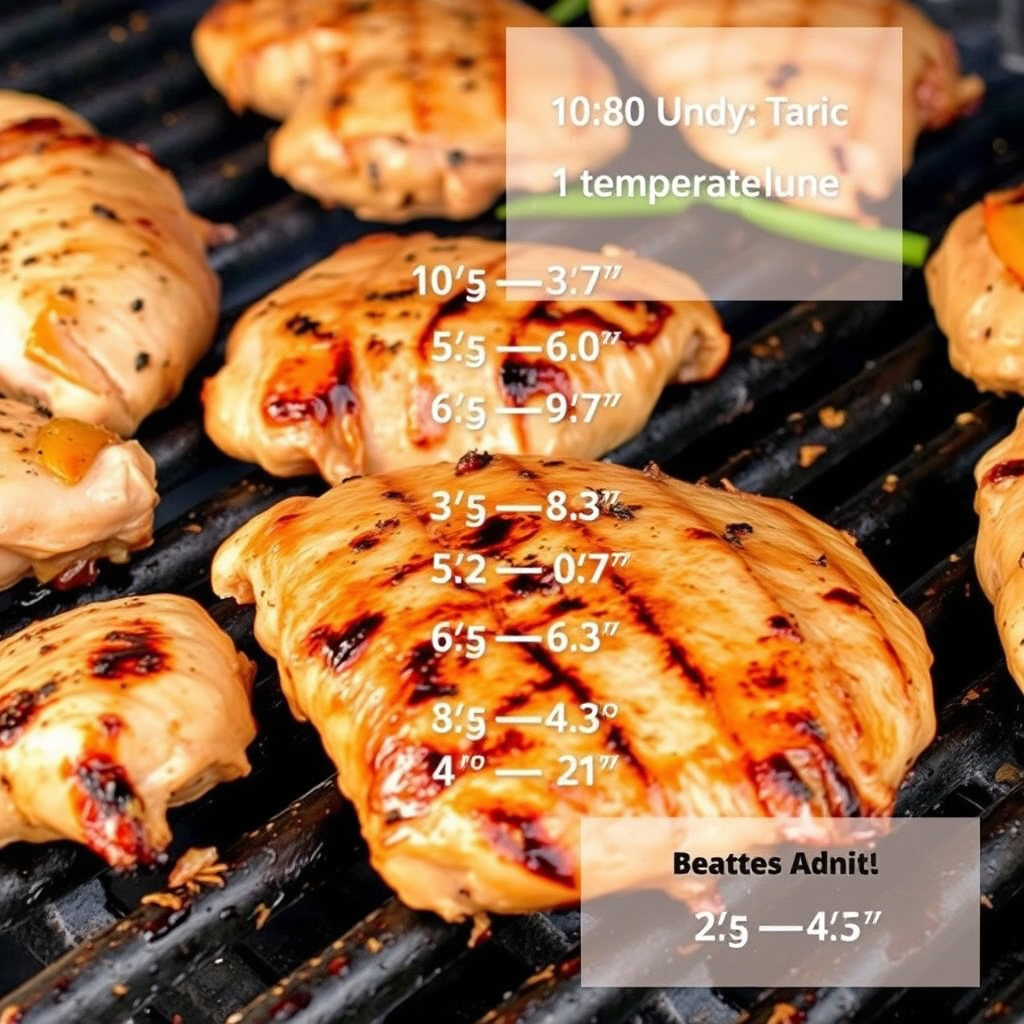
Boneless breasts and thighs benefit from grilling at medium-high heat, around 375°F to 400°F. This allows rapid cooking that keeps them juicy without excess drying.
The goal is to grill quickly for 6 to 8 minutes per side depending on thickness, while reaching the safe internal temperature of 165°F.
Bone-in Chicken Pieces and Whole Chicken
Bone-in thighs, drumsticks, and whole chickens should be grilled at medium heat, about 325°F to 350°F. Lower temperature gives the heat time to penetrate to the bone, cooking the meat evenly.
This slower approach can mean indirect grilling and occasional turning, helping avoid burnt skin while ensuring safe doneness throughout.
Monitoring Internal Temperature for Safety and Juiciness
Using a Meat Thermometer Effectively
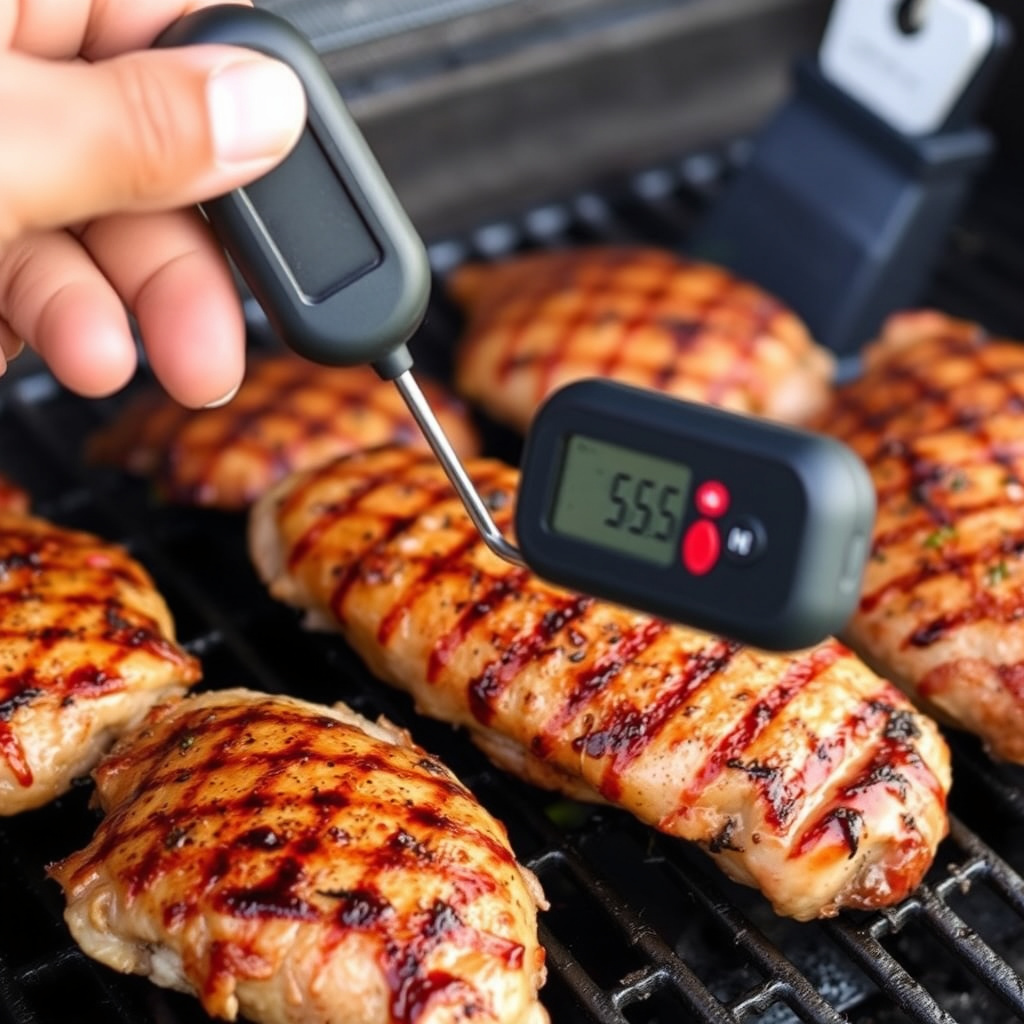
Insert a digital meat thermometer into the thickest part of the chicken, avoiding bone contact, to check doneness. The USDA recommends 165°F for safe consumption.
Regularly checking temperature during grilling can prevent under or overcooking, especially for varying thicknesses across chicken pieces.
For more on this, see our related guide: How Long to Preheat a Gas Grill for Perfect Grilling Results.
Resting Chicken after Grilling
Letting chicken rest for 5 to 10 minutes post-grill allows juices to redistribute, enhancing tenderness and flavor.
During resting, the internal temperature may rise slightly, so it's best to remove the chicken from heat a few degrees before hitting 165°F.
- Rest for 5-10 minutes before serving
- Carryover cooking raises internal temperature slightly
Grilling Techniques to Maximize Flavor and Texture
Marinating and Seasoning Before Grilling
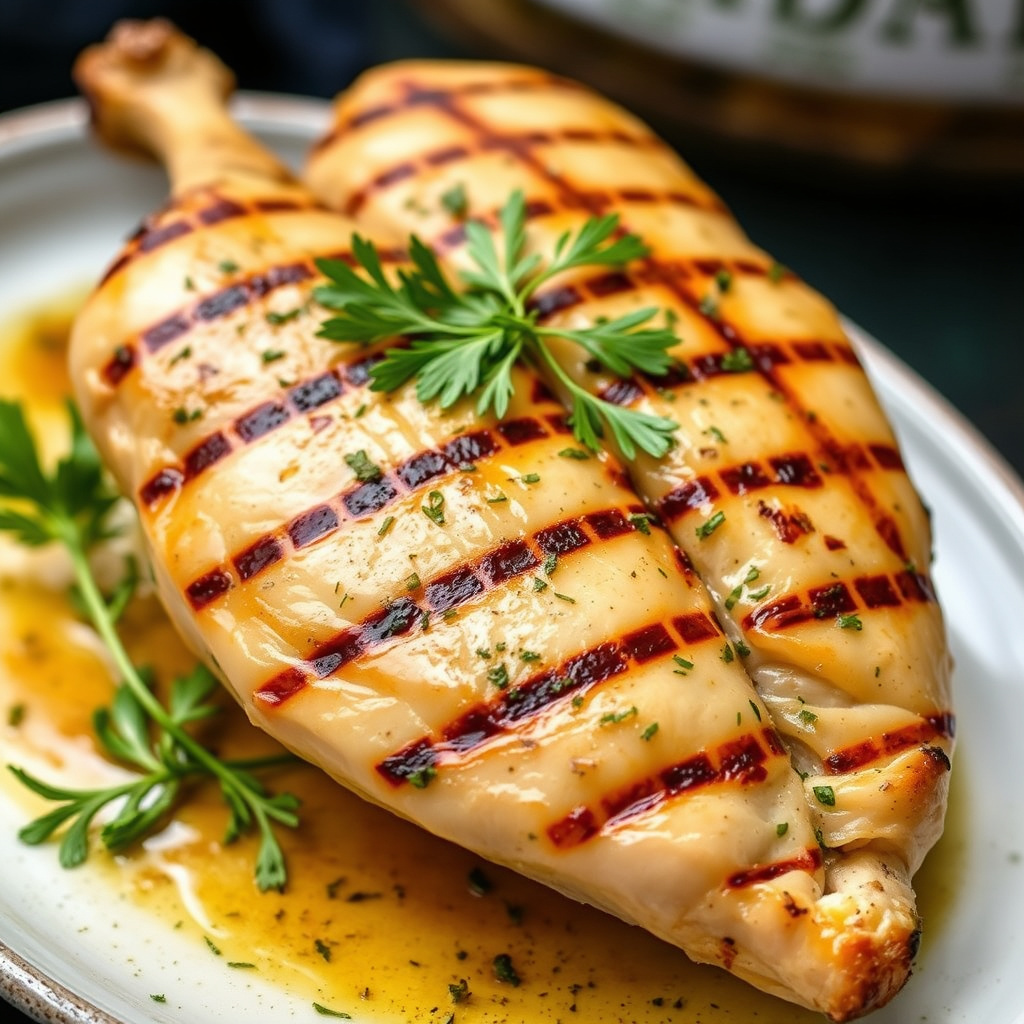
Applying a marinade or seasoning mix before grilling enhances flavor and can help keep the meat moist.
Acidic marinades with lemon or vinegar also mildly tenderize chicken but should be balanced to avoid mushy texture.
- Marinate 30 minutes to 2 hours
- Use herbs, spices, and acid for depth of flavor
Managing Flare-Ups and Avoiding Charring
Fat dripping onto flames causes flare-ups, which can burn chicken skin quickly and produce bitter flavors.
Keeping a spray bottle of water nearby to manage flames and positioning chicken away from direct flare zones helps maintain balanced cooking.
- Trim excess fat
- Use spray bottle for flare-ups
- Move chicken if flames are too high
Adjusting Grill Temperature for Different Cooking Environments
Grilling in Cold or Windy Weather
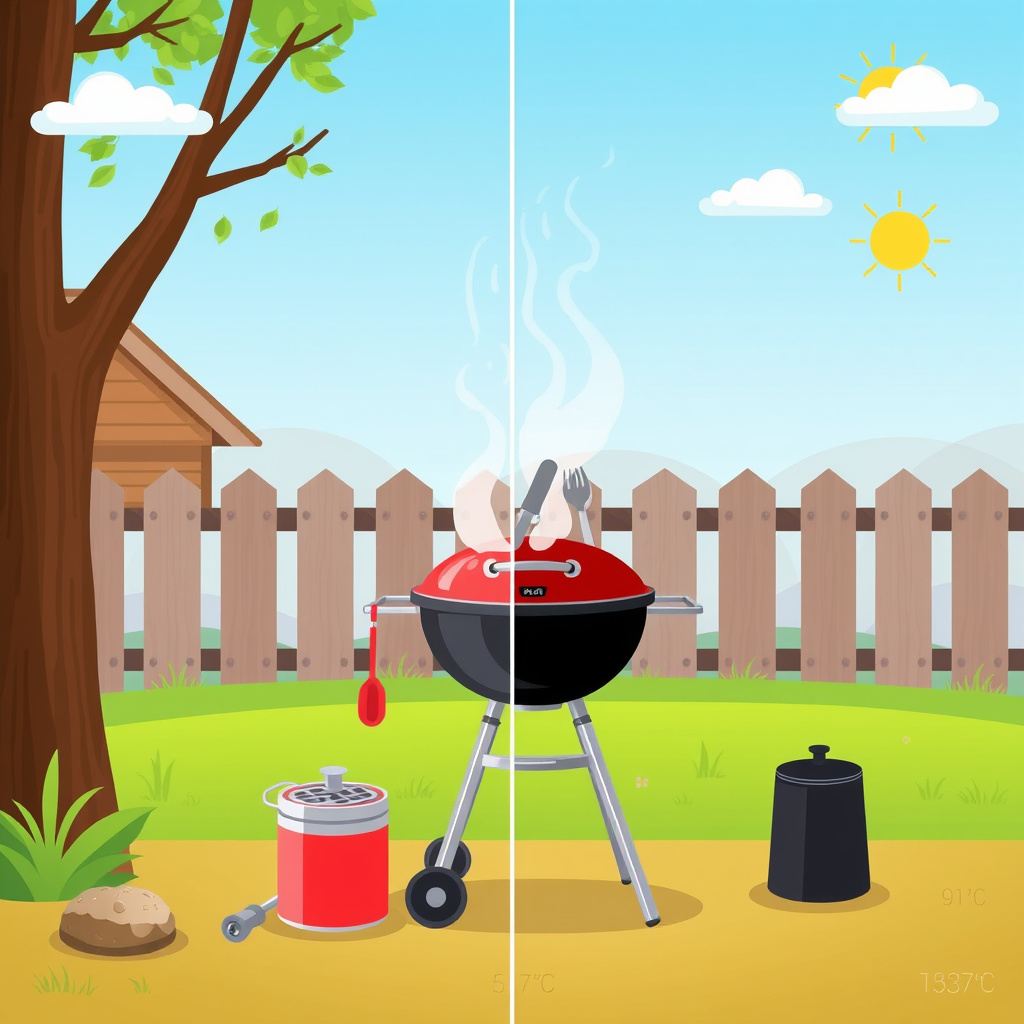
Ambient cold or wind can reduce grill temperature significantly, requiring you to increase fuel or preheat longer to maintain target temperatures.
Windy conditions may also cause uneven heating, so monitor grill zones closely and adjust chicken placement accordingly.
- Add charcoal or increase gas flame
- Use windbreaks around grill
For more on this, see our related guide: How Long to Grill Chicken Wings Perfectly Every Time.
Grilling in Hot, Humid Conditions
High temperatures outside may cause grills to overheat if not carefully monitored, potentially overcooking chicken quickly.
Opening vents or adjusting grill lids can help regulate internal heat, preventing burning while reaching proper cooking temps.
- Control airflow to lower temperature
- Use indirect heat methods if grill gets too hot
Cleaning and Maintenance to Support Consistent Grill Temperatures
Cleaning Grill Grates for Even Heat Distribution
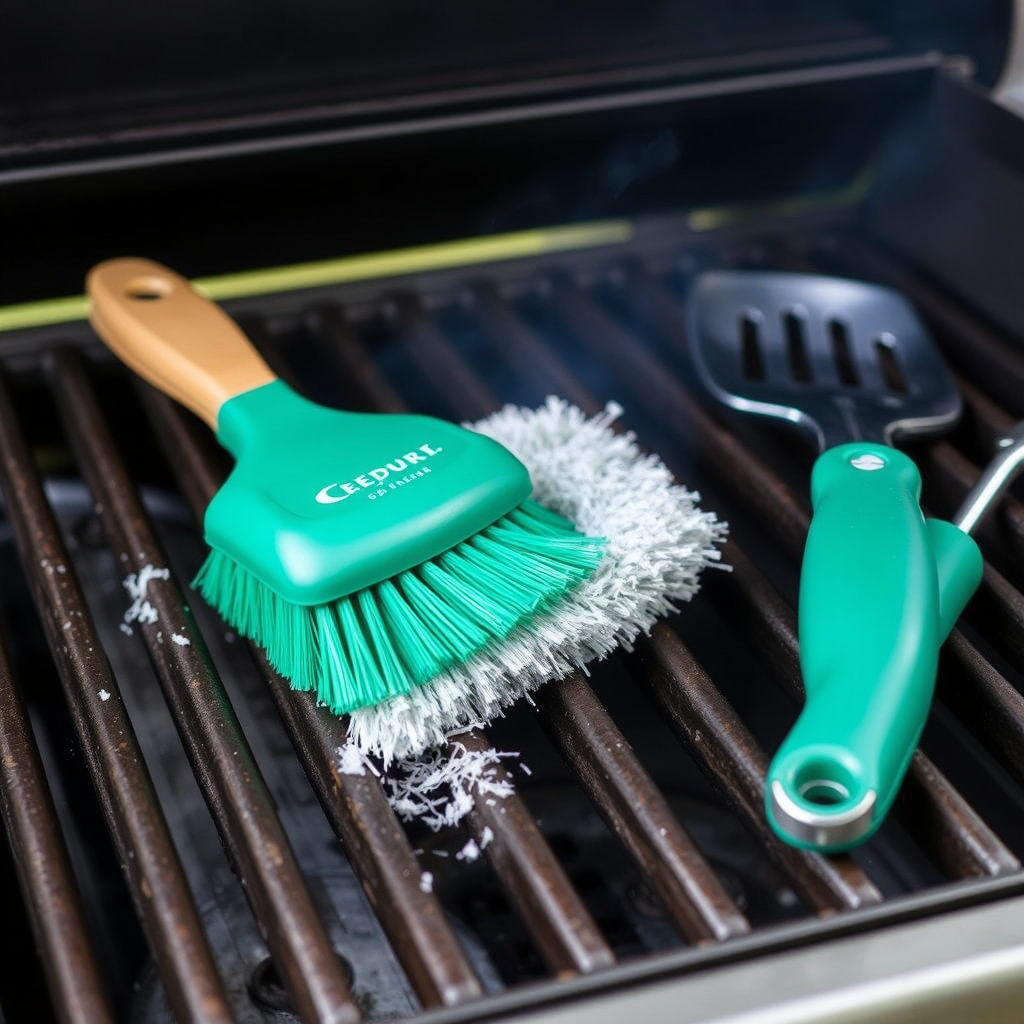
Regularly scraping and cleaning grates removes residue that can cause uneven heating and flare-ups.
A clean grill surface also reduces sticking and helps chicken develop even, attractive grill marks.
- Scrape after each use
- Deep clean monthly or as needed
For authoritative guidelines on safe cooking temperatures for poultry, refer to this government resource. safe cooking temperatures for poultry.
Inspecting and Maintaining Grill Components
Check burners, thermometers, and vents to ensure they function correctly since damaged parts can cause temperature fluctuations.
Replacing worn components keeps your grill running smoothly and retains predictable temperature control.
Chicken Grilling Temperature Category Comparison
Below is a comparison of common chicken cuts with their recommended grill temperatures and cooking methods for best results.
| Chicken Cut | Recommended Grill Temp (°F) | Grilling Method | Average Cook Time |
|---|---|---|---|
| Boneless Skinless Breast | 375-400 | Direct Heat | 6-8 minutes per side |
| Boneless Thighs | 375-400 | Direct Heat | 5-7 minutes per side |
| Bone-in Thighs or Drumsticks | 325-350 | Indirect Heat | 25-30 minutes total |
| Whole Chicken | 325-350 | Indirect Heat | 60-90 minutes |
| Chicken Wings | 375-450 | Direct Heat | 20-25 minutes |
Frequently Asked Questions
What is the safest internal temperature for grilled chicken?
Chicken is safe to eat when it reaches an internal temperature of 165°F, which kills harmful bacteria.
Can I grill chicken at very high heat quickly?
Very high heat can char the outside quickly but may leave the inside undercooked, so medium-high heat around 375°F to 400°F is preferred for best results.
Should I marinate chicken before grilling?
Marinating is optional but recommended to add flavor and help keep the chicken moist during grilling.
How do I prevent chicken from sticking to the grill?
Clean the grates well and oil them lightly before cooking. Also, avoid moving chicken too early to let a crust form naturally.
Does resting chicken after grilling matter?
Yes, resting lets juices redistribute, improving texture and keeping the chicken tender and juicy.
Key Takeaways
- Grill chicken between 350°F and 450°F depending on cut and method.
- Use a meat thermometer to confirm 165°F internal temperature for safety.
- Direct heat works for small, boneless pieces; indirect heat suits bone-in and whole chicken.
- Let chicken rest before serving to retain juiciness.
Conclusion
Choosing the right temperature to grill chicken involves balancing heat levels to reach a safe internal temperature of 165°F while preserving moisture and flavor. Medium to medium-high grill temperatures between 350°F to 450°F generally cover the range needed for all chicken cuts. Consistent temperature control with direct or indirect heat methods makes the difference between dry, overcooked meat and juicy, delicious grilled chicken. Using a reliable meat thermometer and grill thermometer helps monitor both internal and grill temperatures for precise cooking.
For quick-cooking boneless breasts and thighs, direct grilling at higher temperatures (375°F to 400°F) sears the exterior while locking in juices. Bone-in pieces and whole chickens benefit from indirect grilling at medium heat (around 325°F to 350°F) to gently cook through without burning the outside. Adjusting your approach depending on conditions and chicken size ensures even doneness every time. Additionally, marinating and controlling flare-ups aid in optimizing flavor and preventing charring.
To get started, set your grill thermometer accordingly and keep a digital meat thermometer handy. Monitor the heat zones on your grill for consistent temperatures. With experience, you can tailor your grilling times and temperatures to your taste preferences, confidently serving safe and juicy chicken for family and friends.



