
Grilling chicken wings usually takes between 20 to 30 minutes, depending on the heat of the grill and the size of the wings. For crispy skin and fully cooked meat, maintain a medium-high heat and turn wings frequently, cooking until the internal temperature reaches at least 165°F (74°C).
This timing is crucial because undercooked wings pose a health risk, and overcooked wings become dry and tough. Understanding the proper cooking duration and temperature ensures that your grilled wings come out moist, tender, and safe to eat every time.
This article will cover the ideal grilling times for various wing cuts, temperature tips to avoid flare-ups, marinating suggestions that affect cooking time, and how to tell when wings are perfectly done. We’ll also examine different grilling techniques that can enhance your results.
Grilling Time and Temperature Basics for Chicken Wings
Ideal Grill Temperatures for Wings
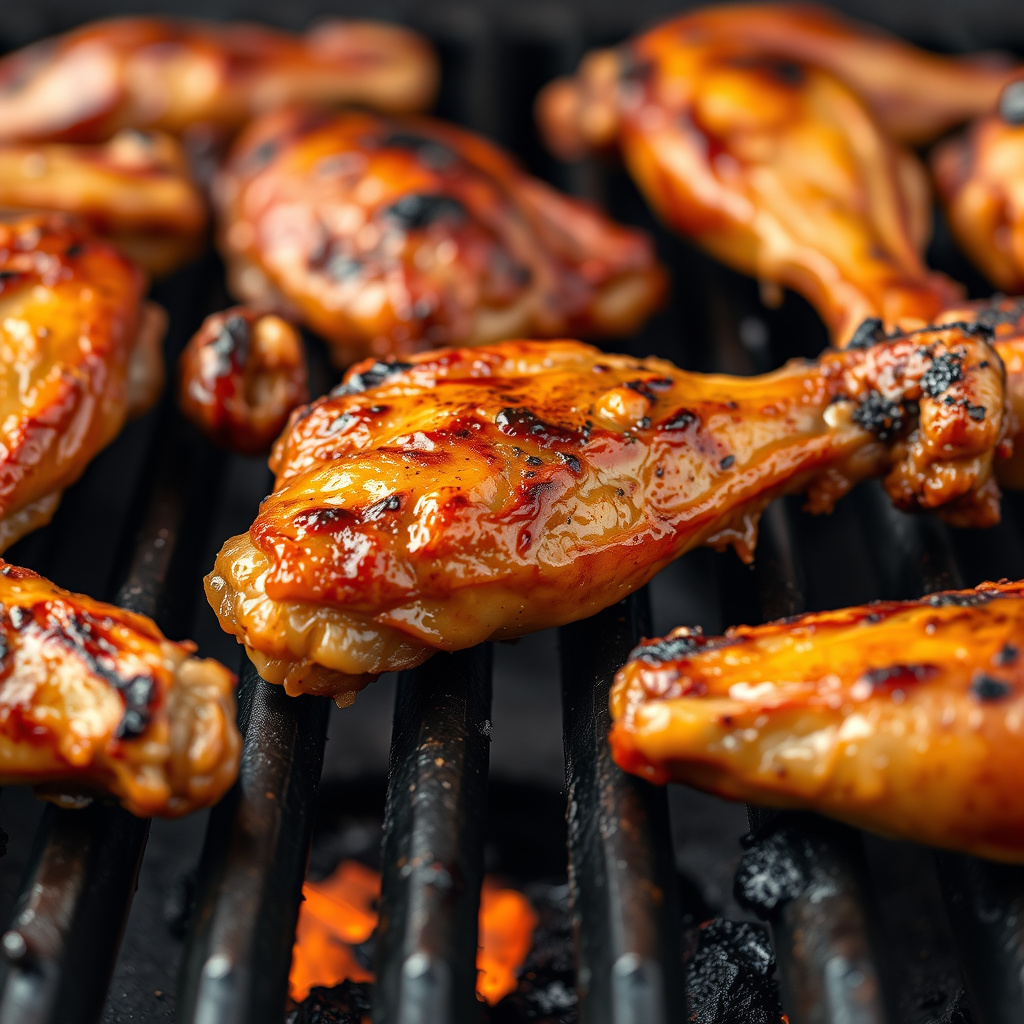
Most recipes recommend grilling chicken wings at a steady medium-high heat, around 350°F to 400°F. This temperature range allows the skin to crisp up without burning and cooks the meat thoroughly. Using a grill thermometer can help maintain this consistent heat.
Hotter grills at over 450°F might char the skin too quickly, leaving the inside undercooked, while lower temperatures below 300°F prolong cooking and can dry the wings out. Aim for a balance to achieve juicy wings.
- Medium-high heat: 350°F–400°F
- Avoid flare-ups for even cooking
- Preheat the grill for 10-15 minutes
How Wing Size Impacts Grilling Time
Smaller wings or wingettes take less time to cook, often 20-25 minutes, whereas larger whole wings may need 25-30 minutes. It's essential to flip wings regularly every 5-7 minutes to promote even cooking and prevent burning on one side.
Remember that bone-in wings take slightly longer than boneless since heat penetration is slower. Using a meat thermometer is the most reliable method to avoid guessing based on time alone.
- Small wings: 20-25 minutes
- Large wings: 25-30 minutes
- Flip every 5-7 minutes
Preparing Chicken Wings for Grilling
Marinating and Its Impact on Grill Time
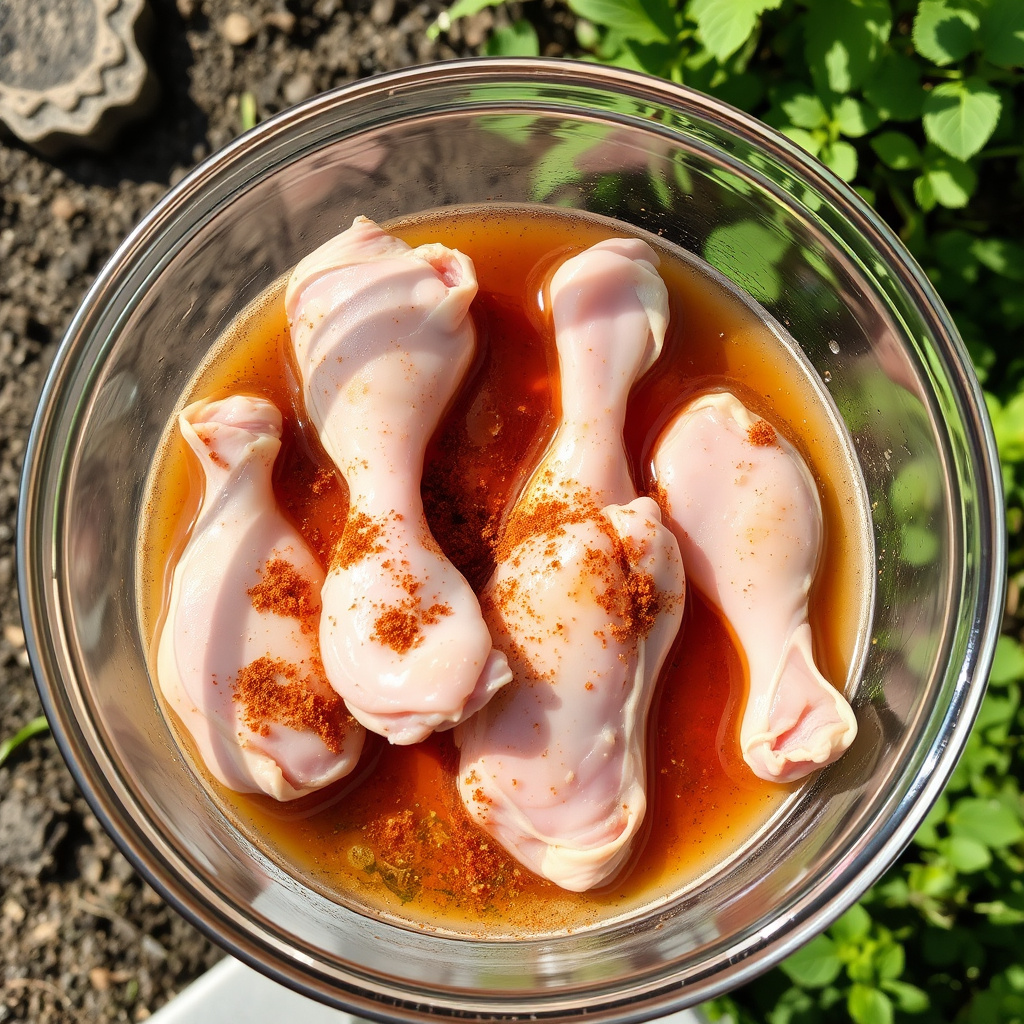
Marinating wings can add moisture and flavor but might slightly increase grilling time due to the additional surface moisture. Allow excess marinade to drip off before grilling to prevent flare-ups and uneven cooking.
Marinades with acidic ingredients such as vinegar or citrus soften the meat, which can speed cooking slightly, but overall, the difference is minor compared to unmarinated wings.
- Let excess marinade drip off
- Use oil-based marinades to reduce burning
- Avoid overly sugary sauces pre-grill
For more on this, see our related guide: How to Grill Potatoes Perfectly Every Time: Techniques and Tips.
Dry Rubs and Seasoning Tips
Applying a dry rub before grilling creates a flavorful crust that can enhance the overall texture. Since dry rubs don’t add moisture, they don’t change the grilling time significantly but improve taste and appearance.
Use a blend of spices like paprika, garlic powder, and cayenne pepper for balanced flavor. Season wings at least 30 minutes before cooking to let the spices absorb into the skin.
- Season 30 minutes ahead
- Paprika, garlic powder, cayenne recommended
- Avoid salt too early to prevent moisture loss
Techniques for Checking Doneness and Safety
Using a Meat Thermometer Accurately
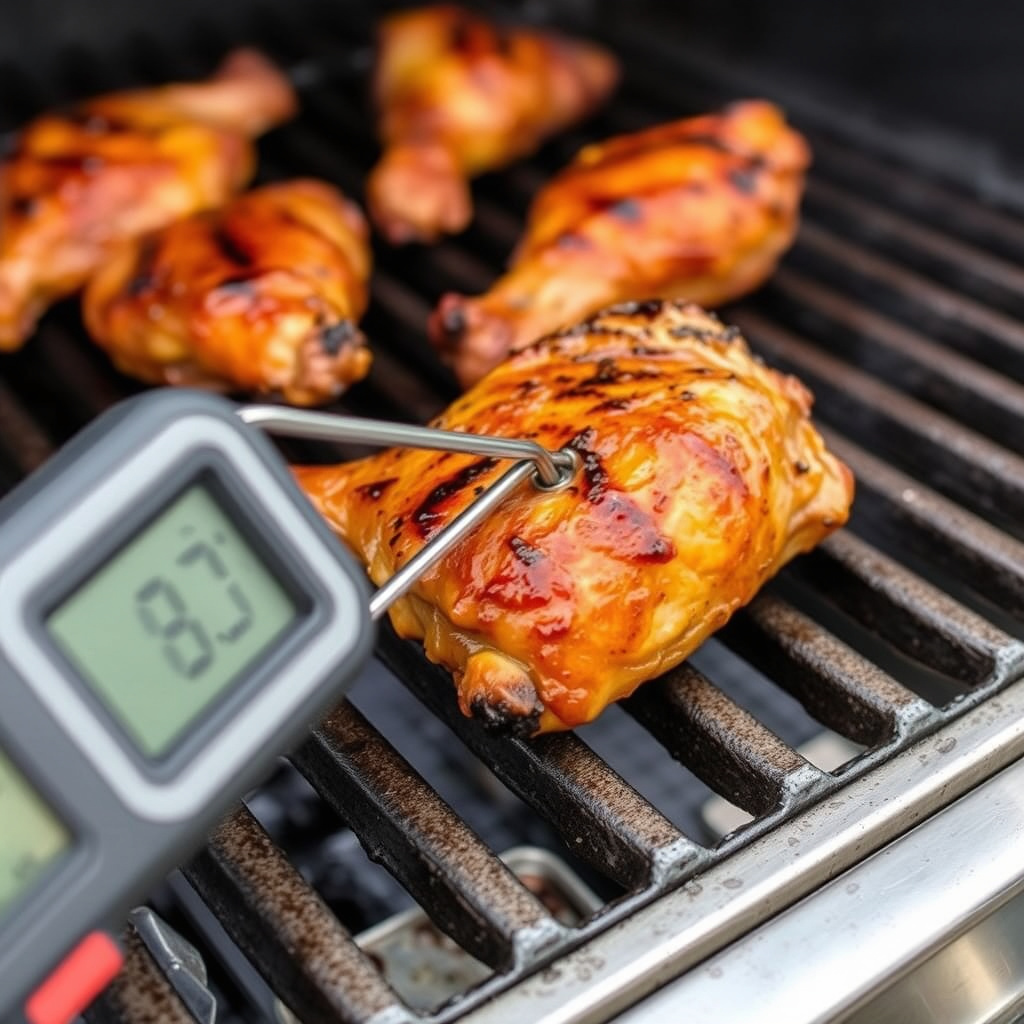
The safest and most accurate way to confirm chicken wing doneness is by using an instant-read meat thermometer. Insert it into the thickest part of the wing, avoiding bone, and look for a minimum internal temperature of 165°F (74°C).
Reaching this temperature ensures the chicken is free of harmful bacteria. Check multiple wings to be certain all pieces are cooked evenly, especially when grilling different wing sizes together.
- Target temperature: 165°F (74°C)
- Insert thermometer into thickest part
- Check multiple pieces
Visual and Tactical Clues Wings Are Done
Besides temperature, look for crispy, golden-brown skin and clear juices running from the meat. The wings should feel firm but not hard when pressed with tongs.
Occasionally piercing a wing with a fork to check juice clarity helps, but a thermometer remains the best check for food safety.
- Golden-brown crispy skin
- Clear juices when pierced
- Firm texture upon pressing
Grilling Methods: Direct vs Indirect Heat
Direct Grilling for Quick Crispiness
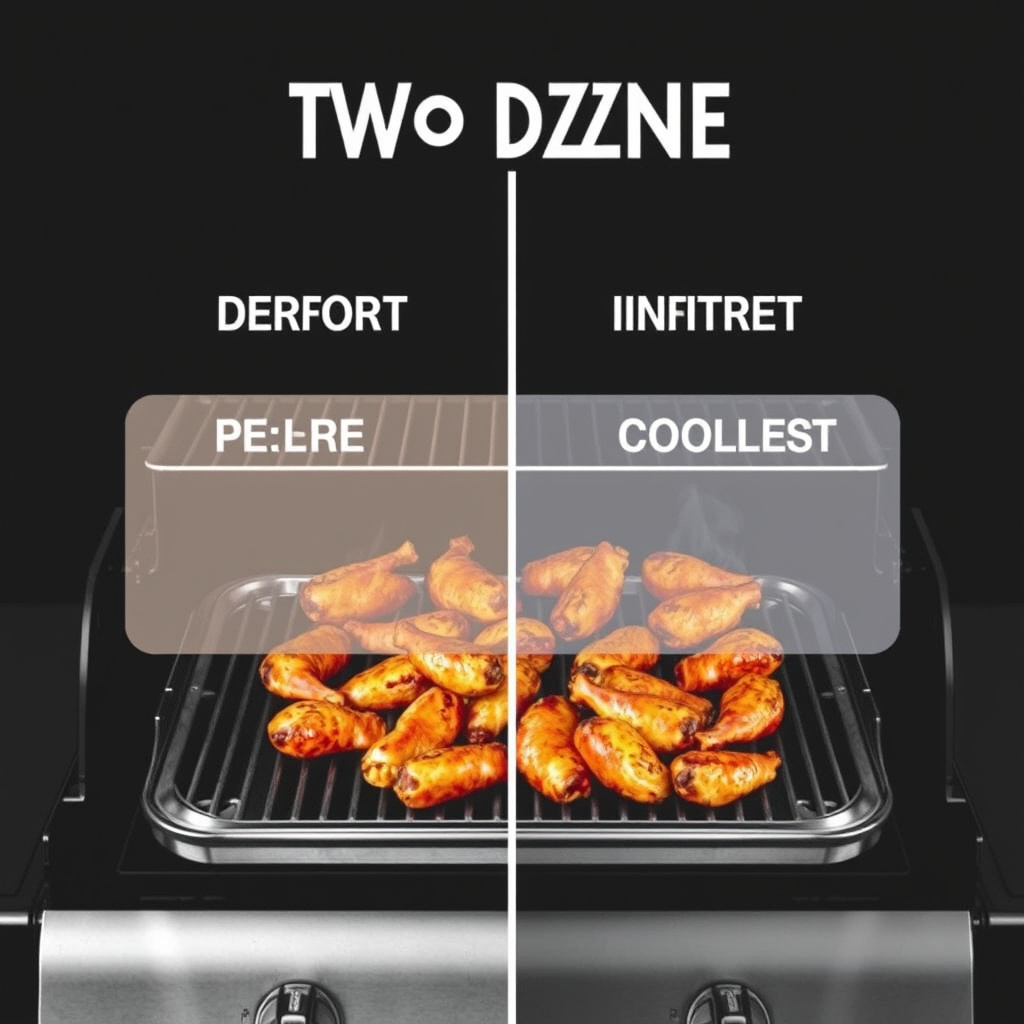
Cooking wings directly over the flame delivers intense heat that crisps the skin quickly. This method requires close attention to prevent burning and frequent flipping.
Direct heat is best for smaller wings or when grilling wings pre-cooked or parboiled for a short finishing sear.
- High heat for crisp skin
- Frequent turning needed
- Best for small or pre-cooked wings
For more on this, see our related guide: How to Grill Chicken Perfectly Every Time: A Complete Guide.
Indirect Grilling for Even Cooking
Placing wings away from direct flame allows slower cooking through indirect heat, preventing flare-ups and drying. This method is ideal for larger wings or whole wings that require thorough cooking without charring the exterior.
Combine indirect grilling with occasional direct heat for finishing touches like crisping the last few minutes.
- Slower more even cooking
- Prevents flare-ups
- Combine with direct heat finish
Additional Tips to Perfect Your Grilled Chicken Wings
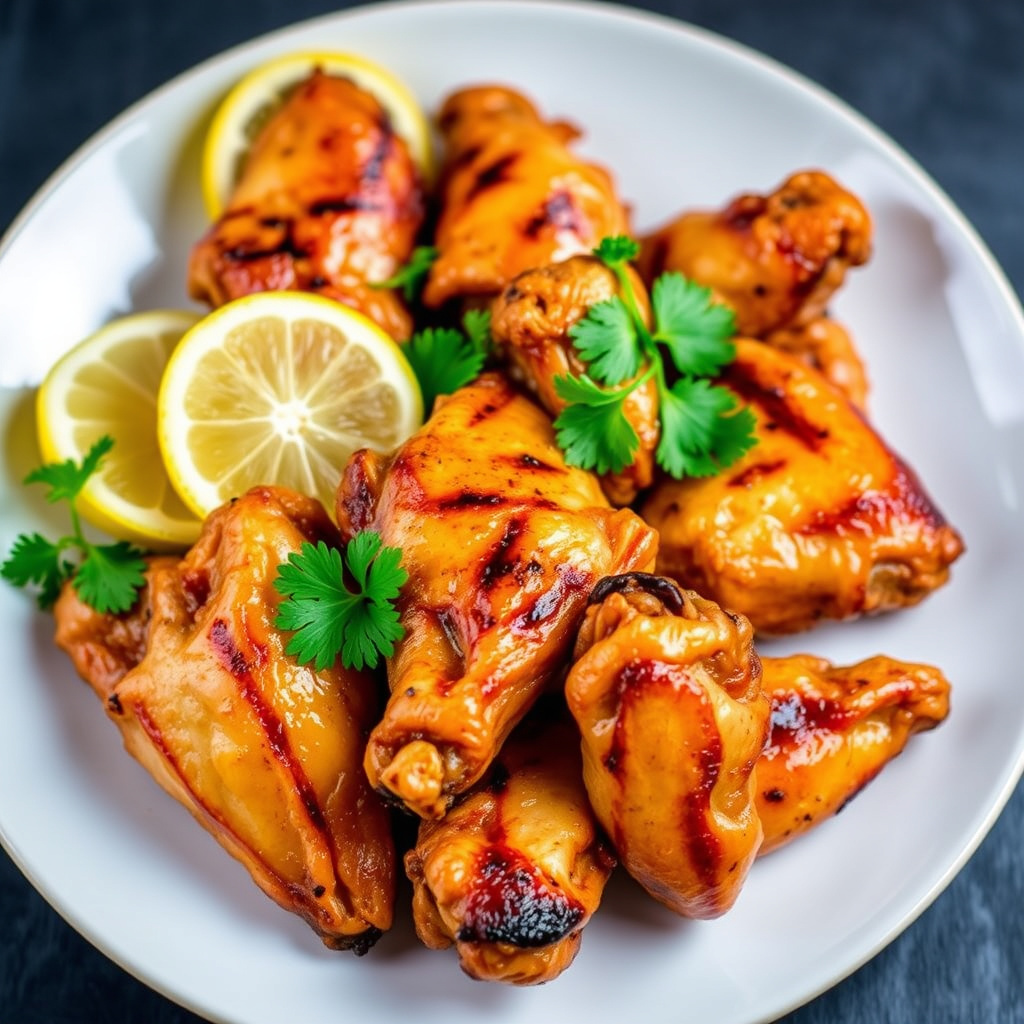
Avoiding Flare-ups and Burning
Fat dripping from wings can cause flare-ups when grilling over open flames, potentially burning skin. Trim excess fat and avoid overly oily marinades to reduce flare-ups.
Keep a spray bottle of water nearby for quick flare-up control or move wings to indirect heat until flames subside.
- Trim excess fat before grilling
- Use sauce sparingly during cooking
- Move wings away from flames if flare-ups occur
For authoritative food safety information on grilling chicken wings, consider these guidelines from the USDA. grilling chicken wings guidelines.
Resting Wings After Grilling
Allow wings to rest for 5 minutes off the heat after grilling. This helps juices redistribute within the meat, making wings juicier and more flavorful.
Cover wings loosely with foil while resting to retain warmth without steaming the crispy skin.
- Rest for 5 minutes post-grill
- Cover loosely with foil
- Enhances juiciness and flavor
Chicken Wings Grilling Methods Comparison
Here's how different grilling methods compare based on cooking time, flavor, and ease of use for chicken wings.
| Grilling Method | Cooking Time | Flavor Profile | Ease of Control |
|---|---|---|---|
| Direct Heat | 20-25 minutes | Crispy and charred flavor | Requires frequent attention |
| Indirect Heat | 25-30 minutes | Juicy and evenly cooked | More forgiving and stable |
| Combination (Indirect + Finish Direct) | 25-30 minutes | Balanced crispness and juiciness | Moderate control needed |
| Smoking | 1-2 hours | Smoky flavor, tender | Needs monitoring and prep |
| Oven Pre-cook + Grill Finish | 15+ minutes grill time | Even cooking with crisp skin | Good for consistency |
Frequently Asked Questions
What is the safest internal temperature for grilled chicken wings?
Chicken wings should reach an internal temperature of at least 165°F (74°C) to be safe to eat, ensuring harmful bacteria are destroyed.
Can I grill frozen chicken wings directly?
It's not recommended to grill wings from frozen as they cook unevenly. Thaw completely before grilling for best results.
How often should I turn wings on the grill?
Turn wings every 5 to 7 minutes to promote even cooking and prevent burning, especially when grilling over direct heat.
Does marinating chicken wings affect grilling time?
Marinating adds moisture and flavor and may slightly increase grilling time, but the difference is minimal if excess marinade is drained before grilling.
How do I avoid flare-ups when grilling wings?
Trim excess fat, avoid oily marinades, and manage grill heat carefully. Having water nearby to control flare-ups helps prevent burning.
Key Takeaways
- Grill chicken wings 20-30 minutes at medium-high heat (350°F–400°F).
- Use a meat thermometer to confirm 165°F internal temperature.
- Marinating affects flavor more than cooking time; drain excess marinade.
- Flip every 5-7 minutes and manage flare-ups to avoid burning.
Conclusion
Determining how long to grill chicken wings hinges on a balance of heat management, wing size, and technique. Cooking between 20 and 30 minutes on medium-high heat generally produces tender, juicy wings with crispy skin. Monitoring internal temperature with a meat thermometer is the most reliable method to assure safety and avoid undercooking. Regular turning ensures even grilling and prevents charring, while managing flare-ups contributes to both the wings’ appearance and flavor.
For smaller wingettes or boneless wings, a grilling time closer to 20 minutes suffices, while larger whole wings benefit from 25 to 30 minutes. Direct grilling works well for quick crisping though requires attention, whereas indirect heat helps cook wings evenly. Many find a combined approach—starting indirect then finishing over direct heat—delivers the best texture and doneness. Marinated or dry-rubbed wings add complexity without significantly changing cooking times if excess moisture is removed beforehand.
When preparing grilled chicken wings, start by preheating your grill to about 375°F and prepare your wings with seasonings or marinade as preferred. Grill using the method that suits your wing size and taste preference, monitoring internal temperature closely. After removing from heat, let wings rest briefly to lock in juices. This process leads to reliably delicious grilled wings ready to enjoy. For additional technical details and food safety standards, you can explore more resources to deepen your grilling skills.



