
The best temperature to grill steak depends largely on the steak’s thickness and the desired doneness. Generally, high heat around 450°F to 500°F is ideal for searing and creating a caramelized crust, while finishing at medium heat helps cook the steak evenly inside.
Grilling steak at the correct temperature affects both flavor and texture, ensuring a juicy interior and a perfectly charred exterior. Too low of a temperature can dry out the meat, while too high can burn the outside before the inside cooks to your liking.
This article covers the recommended grilling temperatures for different steak cuts and thicknesses, how to manage heat zones on your grill, and tips for achieving medium-rare through well-done steaks consistently and safely.
Understanding Ideal Grilling Temperatures for Steak
High Heat for Searing Steak
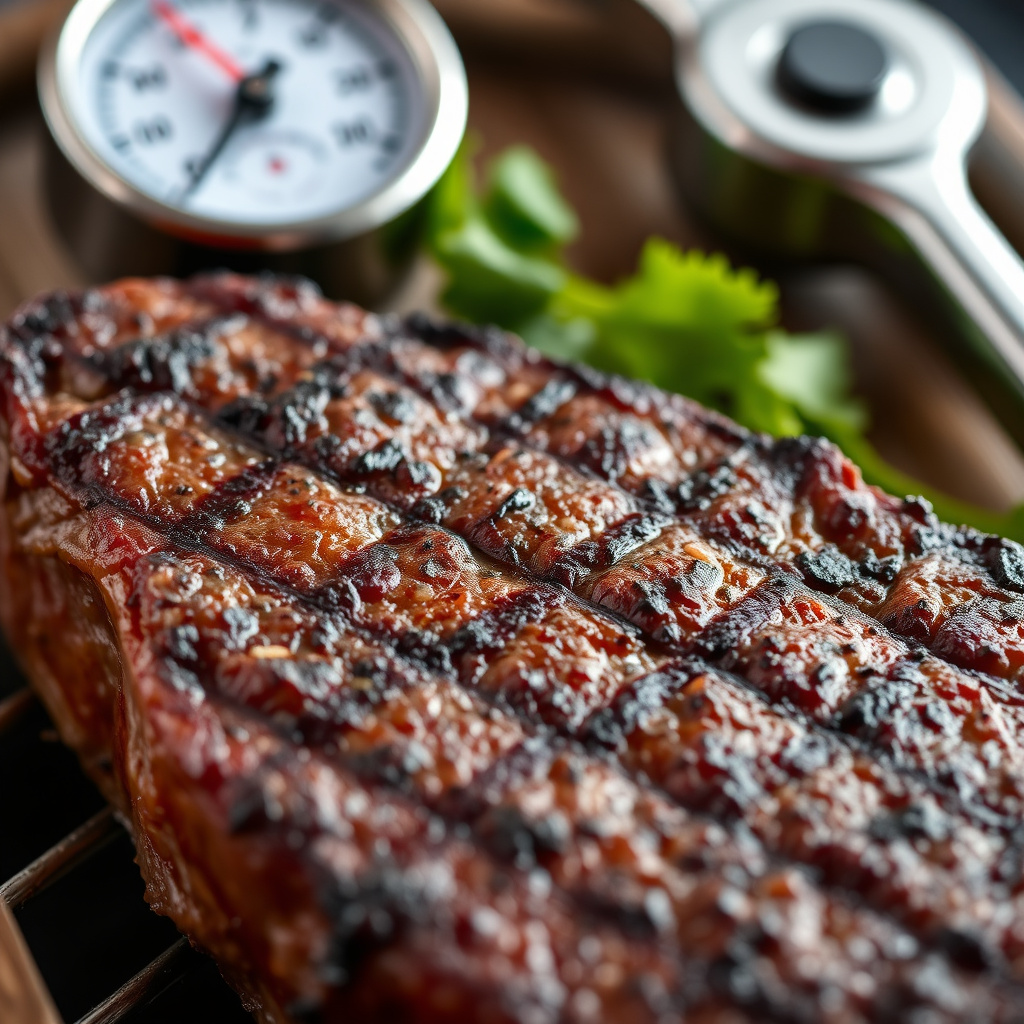
Searing steak at high temperatures, typically between 450°F and 500°F, is key for developing a flavorful crust. This intense heat quickly caramelizes the surface proteins and sugars via the Maillard reaction, locking in juices and enhancing taste.
Using direct heat zones on your grill allows you to sear the steak first and then move it to a cooler area for even cooking. Maintaining the grill’s lid closed helps retain heat and simulate oven-like conditions.
- Preheat grill to 450°F–500°F
- Sear each side 2-3 minutes
- Use direct heat for searing
Medium to Medium-Low Heat for Cooking Through
After searing, reducing the grill temperature or moving the steak to indirect heat zones, between 300°F and 350°F, finishes cooking without burning. This method gently brings the steak's internal temperature up to the desired doneness.
Steaks thicker than one inch benefit from this two-stage technique to avoid charring outside while the center remains undercooked. Using a meat thermometer ensures precise internal temperature monitoring.
- Indirect heat zone around 300°F–350°F
- Cook until internal temp reaches target doneness
- Use a meat thermometer for accuracy
Grilling Temperature Recommendations by Steak Thickness
Thin Steaks (Up to 1 Inch)
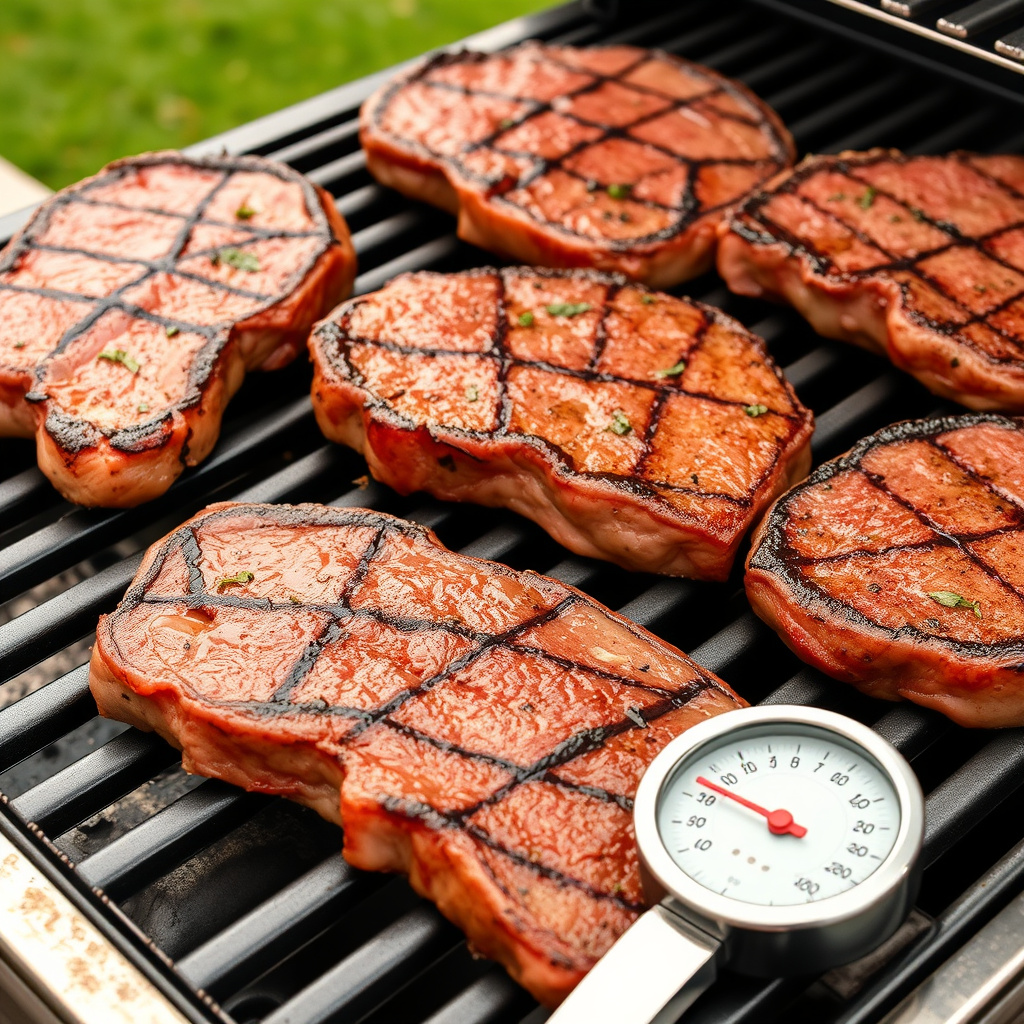
Thin steaks cook quickly and require very high heat to achieve a good sear without overcooking. Grilling at 500°F with quick flips prevents drying out.
Because thin cuts cook fast, monitoring closely and using direct heat for the entire cook usually suffices. The suggested internal temperatures guide final doneness stages.
- Set grill to 500°F
- Cook 2-4 minutes per side
- Use direct heat only
Thick Steaks (Over 1 Inch)
Thicker steaks benefit from starting on high heat (450°F-500°F) for searing and then moving to indirect medium heat zones for cooking through. This avoids excessive charring while ensuring the inside reaches preferred doneness.
Patience and temperature monitoring are essential with thick cuts to prevent an underdone center or dry texture.
- Sear at 450°F–500°F for 3-5 minutes
- Move to 300°F–350°F indirect heat
- Cook until internal temperature reaches 130°F–140°F for medium
How to Measure Steak Doneness Using Temperature
Internal Temperature Guide for Steak Doneness
Using an instant-read meat thermometer is the most reliable way to determine steak doneness. Temperature targets range from 120°F for rare up to 160°F for well-done, with medium rare sitting around 130°F to 135°F.
Check the thickest part of the steak to avoid inaccurate readings and remember carryover cooking may increase internal temperature by a few degrees after removal from the grill.
- Rare: 120°F–125°F
- Medium rare: 130°F–135°F
- Medium: 140°F–145°F
- Well done: 160°F+
For more on this, see our related guide: How Long to Preheat a Gas Grill for Perfect Grilling Results.
Tips for Using a Meat Thermometer Correctly
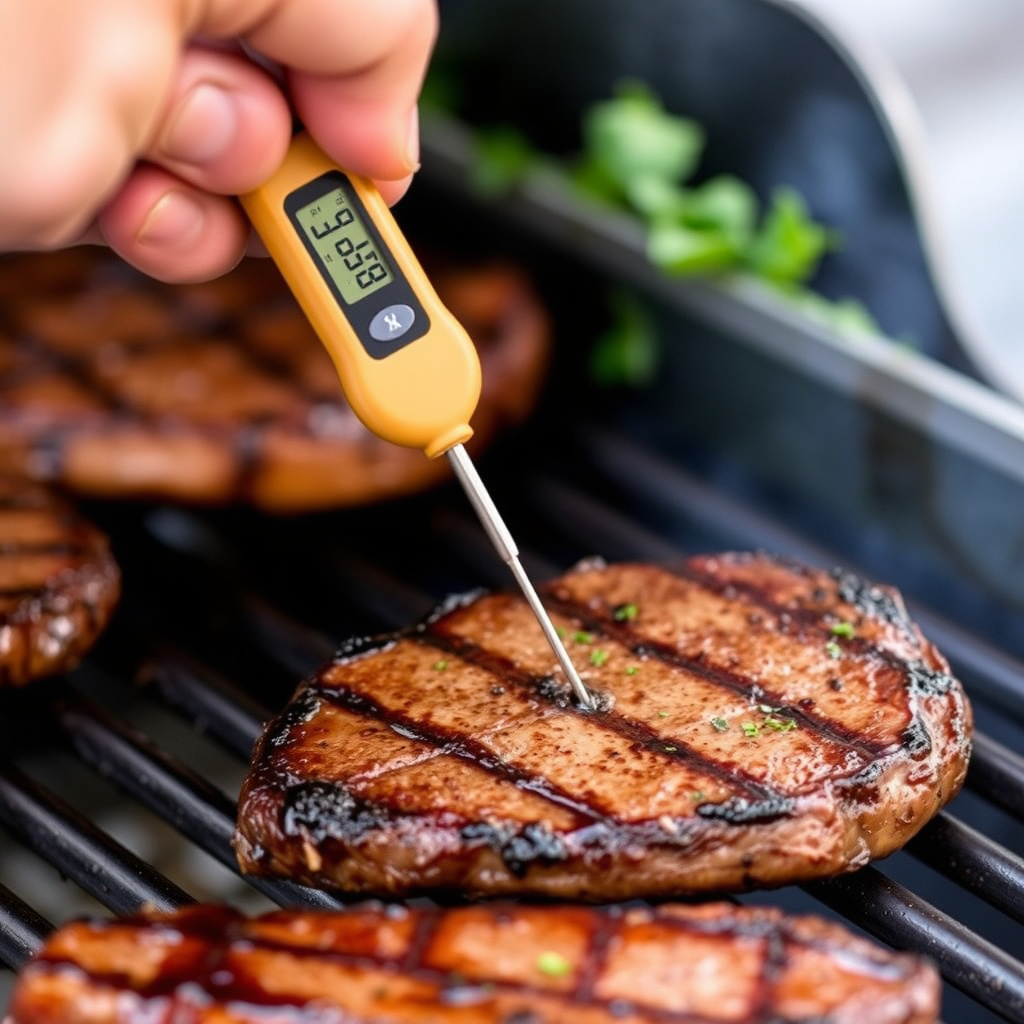
Insert the thermometer probe horizontally into the side of the steak to reach the center. Avoid touching bone or fat for accurate temperature readings.
Allow the thermometer to stabilize for a few seconds before reading the temperature. Frequent checks help avoid overcooking.
- Insert probe into thickest part
- Avoid bone and fat
- Hold steady before reading
Managing Your Grill for Consistent Steak Temperature
Creating Direct and Indirect Heat Zones
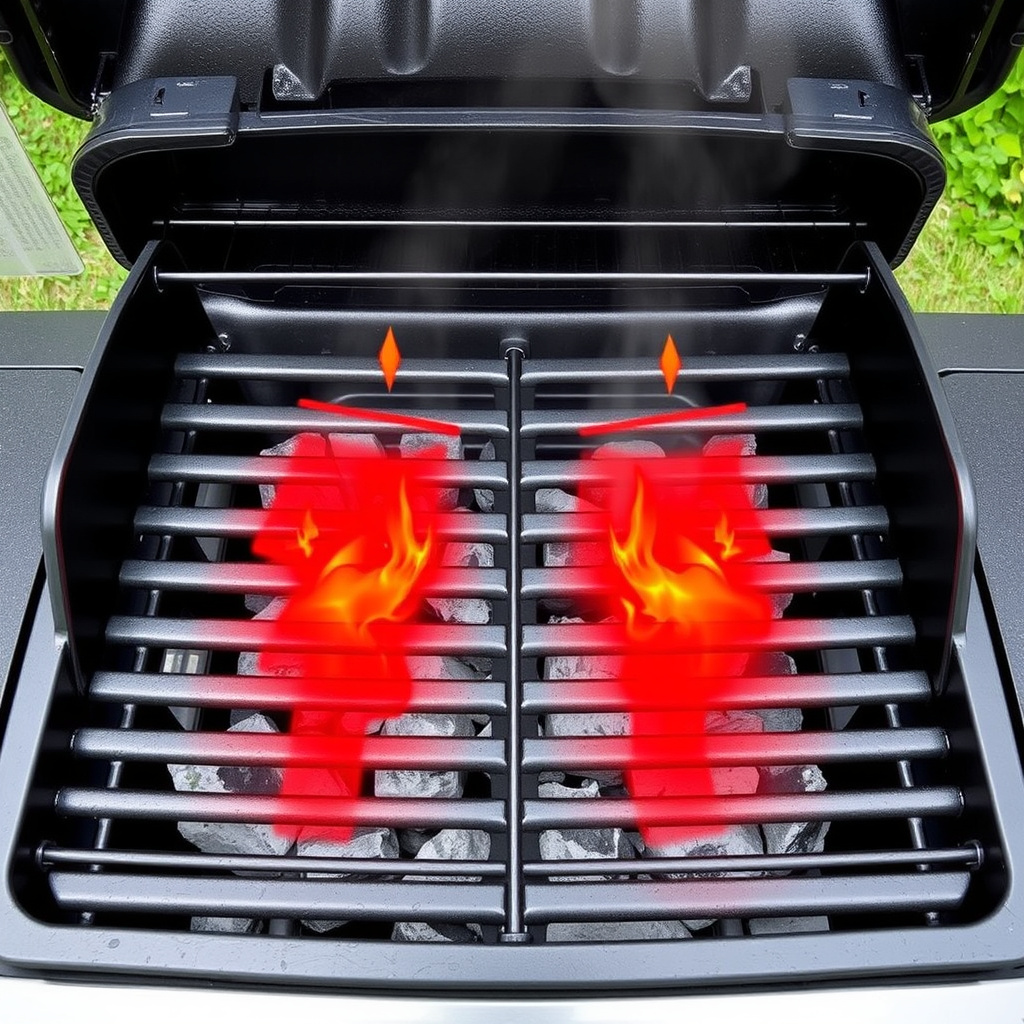
Dividing your grill into direct and indirect heat zones allows better control over cooking temperatures. Direct heat is for searing, while indirect heat gently cooks thicker cuts to avoid burning.
Lid position also affects heat balance; keeping it closed maintains temperature and reduces flare-ups, helping the steak cook evenly.
- Arrange coals/heat source on one side for zones
- Use grill lid to trap heat
- Monitor and adjust vents for airflow
Tools to Monitor and Control Grill Heat
Built-in grill thermometers provide approximate surface heat but using an external digital probe or infrared thermometer gives better precision. Adjustable vents or burners help maintain steady temperatures.
Regularly cleaning the grill grates avoids flare-ups that can spike temperatures unexpectedly, impacting steak quality.
- Use digital grill thermometer
- Adjust vents/burners for control
- Clean grates to prevent flare-ups
Best Practices for Resting and Serving Grilled Steak
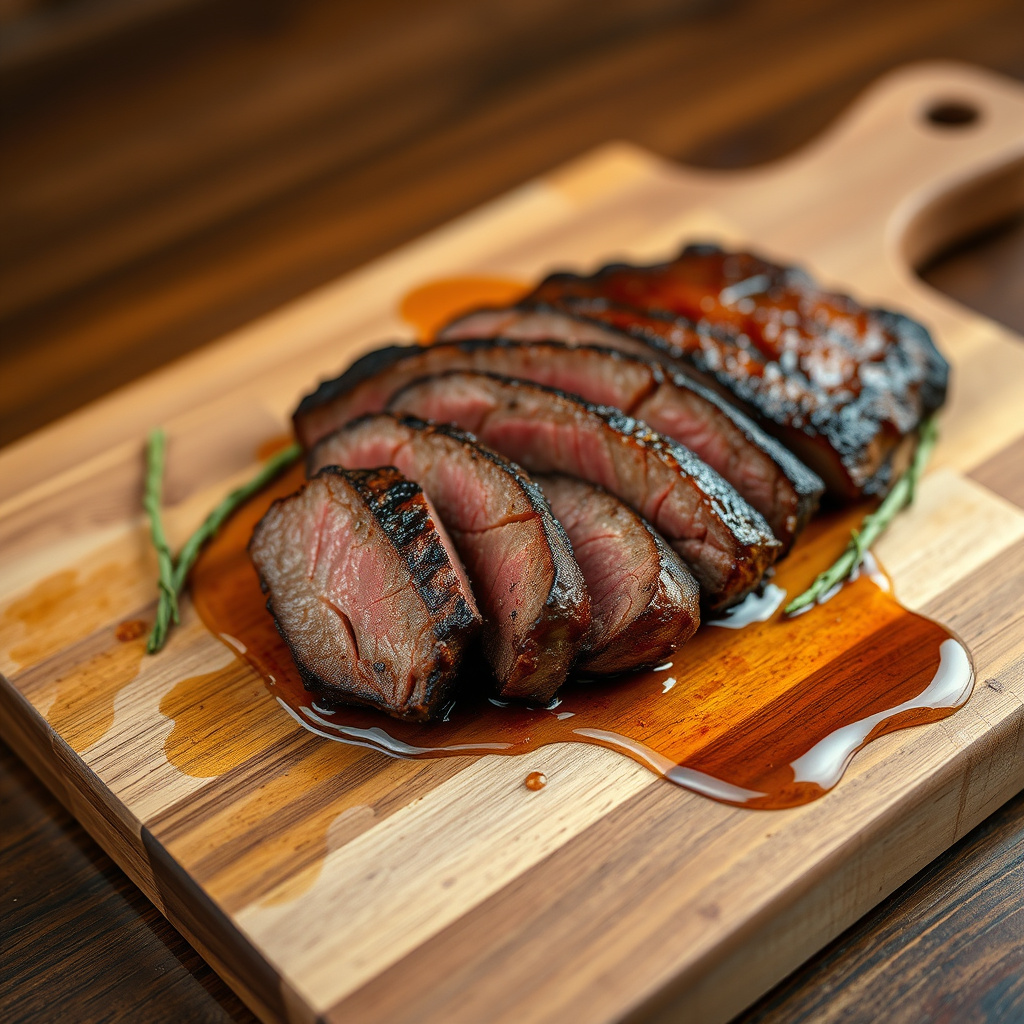
Why Resting Steak Matters Post-Grilling
Allowing steak to rest 5–10 minutes after grilling lets juices redistribute within the meat, improving tenderness and moisture retention. Cutting immediately can cause juices to run out, leading to drier steak.
Covering the steak loosely with foil during resting keeps it warm without steaming the crust.
- Rest 5–10 minutes before slicing
- Cover loosely with foil
- Avoid cutting too soon
For more on this, see our related guide: How Long to Grill Salmon: Perfect Timing for Juicy Flavor.
Serving Tips to Preserve Steak Temperature and Flavor
Serve steak on a warm plate to help maintain temperature. Slice against the grain to maximize tenderness and enhance mouthfeel.
Adding finishing touches like a pat of compound butter or fresh herbs enhances flavor without overwhelming the natural steak taste.
- Serve on warm plate
- Slice against the grain
- Garnish with butter or herbs
Using Alternative Grilling Methods and Their Temperatures
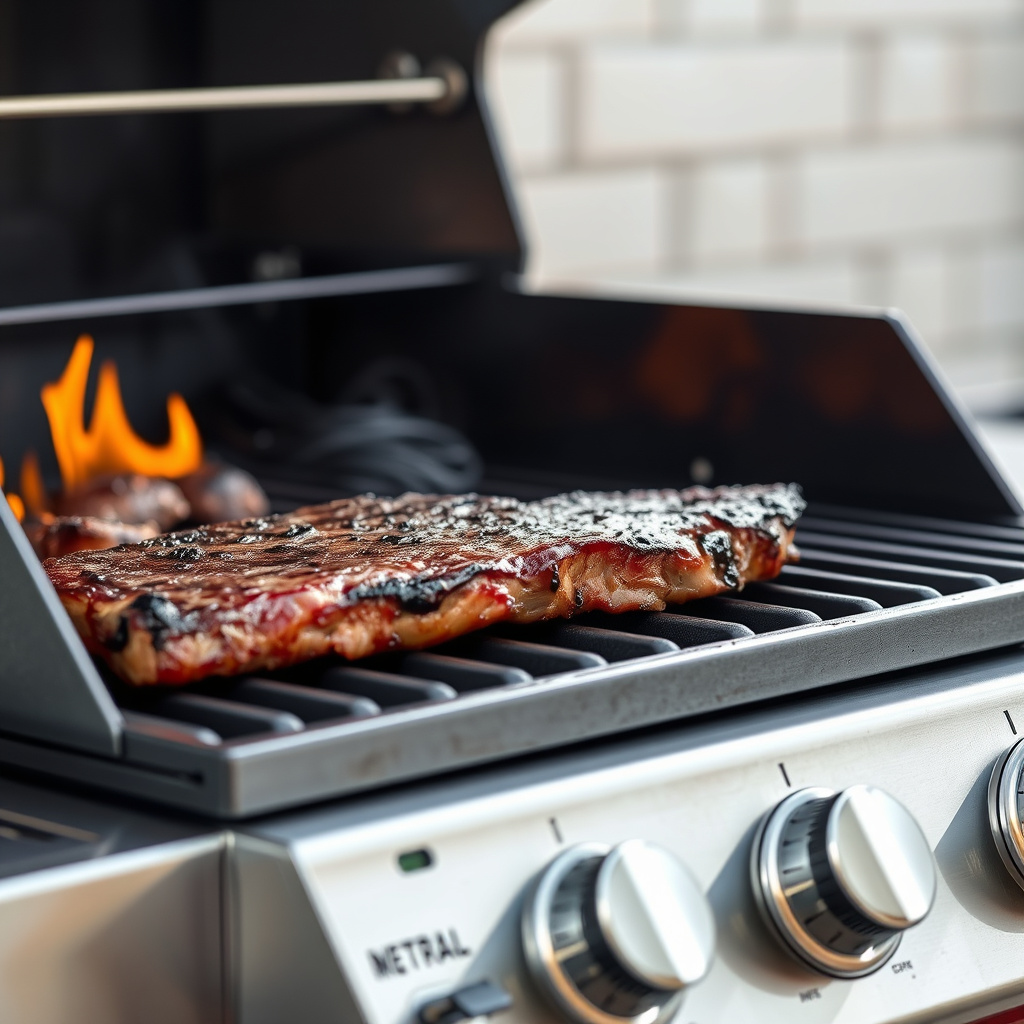
Gas vs. Charcoal Grilling Temperature Differences
Gas grills heat up quickly and offer precise temperature control, making it easier to maintain ideal grilling temperatures for steak. Charcoal grills create hotter initial sear temperatures but require more attention to maintain consistent heat zones.
Understanding your grill type helps adjust temperature strategies for best steak results.
- Gas: precise control, quick heat
- Charcoal: intense sear, needs heat management
For more detailed information about grilling methods and terminology, see the Wikipedia article on grilling. Wikipedia article on grilling.
Using a Cast Iron Pan on the Grill
Placing a cast iron skillet on the grill provides even, stable heat ideal for thick or delicate cuts. The pan absorbs and retains heat, giving a consistent cooking surface and reduces flare-ups from dripping fat.
Maintain grill temperatures around 400°F when using a cast iron pan for best searing and cooking control.
- Preheat cast iron on grill to 400°F
- Use for thick or delicate cuts
- Reduces flare-ups
Grill Temperature Category Comparison for Steaks
This table compares common grill temperature zones and their effects on steak cooking performance and suitability for different cuts.
| Temperature Range | Use Case | Ideal Steak Thickness | Advantages | Disadvantages |
|---|---|---|---|---|
| 450°F–500°F | Searing | Thin to Medium | Develops crust quickly, locks juices | Risk of flare ups if not monitored |
| 300°F–350°F | Cooking through | Medium to Thick | Even cooking without burning | Longer cook times |
| 400°F (Cast iron) | Pan searing on grill | Thick or delicate | Stable heat, reduces flare-ups | Requires extra equipment |
| 230°F–275°F | Slow and low finishing | Very thick cuts, large roasts | Tender and juicy finish | Not suitable for searing |
| 500°F+ | Quick searing | Thin cuts | Fast crust formation | Can easily overcook interior |
Frequently Asked Questions
What is the perfect grill temperature for medium-rare steak?
A medium-rare steak is best grilled initially at 450°F to 500°F for searing, then finished over indirect heat at around 300°F until the internal temperature reaches 130°F to 135°F.
Can I grill steak at a low temperature?
Yes, grilling at low temperatures around 230°F to 275°F works well for very thick steaks or roasts, allowing even cooking and tender results, but it won't create a seared crust.
How long should I grill a 1-inch thick steak?
For a 1-inch thick steak, sear each side for about 3-4 minutes on high heat (450°F–500°F), then move to medium heat (300°F–350°F) to cook through depending on desired doneness.
Should I use direct or indirect heat for grilling steak?
Use direct heat for quick searing to form a crust, then switch to indirect heat to finish cooking thicker steaks evenly without burning.
How do I avoid overcooking steak on the grill?
Monitor the internal temperature using a meat thermometer, create heat zones, and remove the steak from the grill slightly before it reaches target temperature due to carryover cooking.
Key Takeaways
- High heat (450°F-500°F) is essential for searing steak crust
- Use medium heat zones for cooking thick steaks through
- Internal temperature guides precise doneness levels
- Rest steak 5-10 minutes after grilling for best juiciness
Conclusion
Grilling steak to perfection revolves around controlling temperature to balance searing and cooking through. The best temperature to grill steak starts with a hot sear at 450°F to 500°F followed by finishing at a lower temperature to avoid burning while cooking the inside thoroughly. Knowing your steak's thickness and preferred doneness level guides this temperature management, resulting in consistently juicy and flavorful steaks.
Specific approaches vary depending on the cut and thickness. Thin steaks up to one inch fare well with direct high heat grilling alone, while thicker cuts benefit from initial searing and then moving to medium or indirect heat zones for gentle cooking. Gas grills offer precise temperature control, making them ideal for maintaining the best grill temperature for steak, while charcoal grills provide intense searing heat but require more manual adjustments.
A practical next step is monitoring internal temperature with a reliable meat thermometer, which ensures exact doneness every time. Additionally, remember to rest steak post-grilling to retain juices. Combining these temperature techniques with proper grill management and resting ultimately crafts the best steak grilling experience.



