
A grill typically lasts between 5 to 15 years, depending on the type, build quality, and how well it is maintained. Gas grills, which are more common, tend to last around 8 to 12 years, while charcoal grills can often last longer if cared for properly. The actual lifespan of your grill heavily depends on factors like materials, usage frequency, and exposure to the elements.
Understanding the durability of your grill matters because a well-chosen grill combined with proper upkeep can save you from premature replacement costs and ensure years of tasty barbecues. Grills exposed to harsh weather, negligent cleaning, or low-quality materials tend to wear out faster, whereas investing in a sturdy design and regular maintenance can extend its life substantially.
This article will explore the main factors influencing how long a grill lasts, examine the differences between grill types, discuss material impacts, maintenance essentials, and also compare some common categories to help you select the best grill for durability and your budget.
Grill Types and Their Typical Lifespans
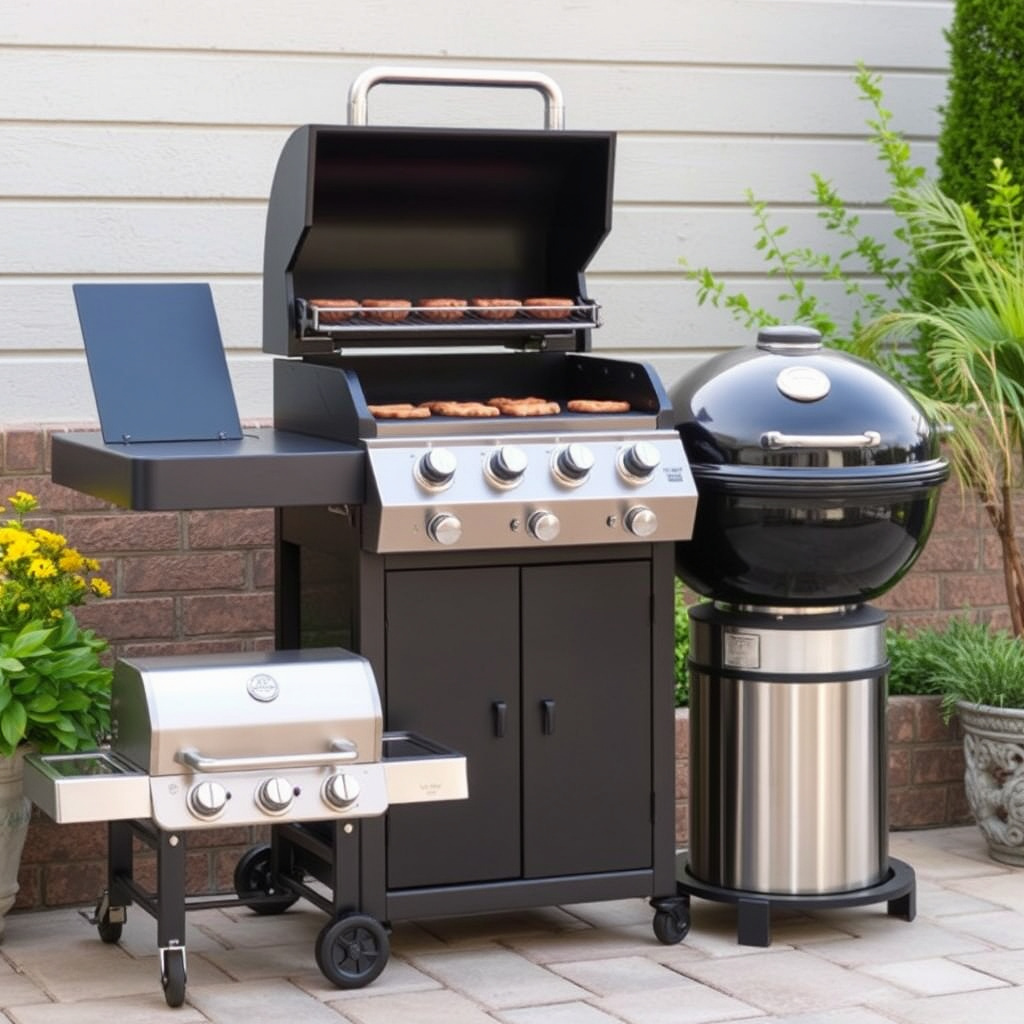
Gas Grills: Convenience and Expected Longevity
Gas grills offer quick ignition and temperature control, making them popular for routine backyard barbecuing. On average, a well-maintained propane gas grill can last from 8 to 12 years before major components need replacement or upgrades.
The burners and ignition systems are usually the first parts to degrade, especially if used frequently or exposed to moisture. Stainless steel burners increase lifespan, while budget models with cheaper metal parts may corrode faster.
- Lifespan: 8-12 years
- Key parts: burners, ignition system
- Materials influence durability
Charcoal Grills: Simplicity and Durability
Charcoal grills often have fewer mechanical components and fewer vulnerable parts, which means they generally last longer—up to 15 years or more with proper care. Their simple construction of steel or cast iron is robust but susceptible to rust without protection.
Regular cleaning of ash and protecting the grill from rain and snow preserve the shell and grate, extending the grill’s effective lifespan. Cast iron grates can be re-seasoned, improving longevity.
- Lifespan: 10-15+ years
- Less mechanical wear
- Requires rust protection
Material Matters: How Grill Construction Affects Lifespan
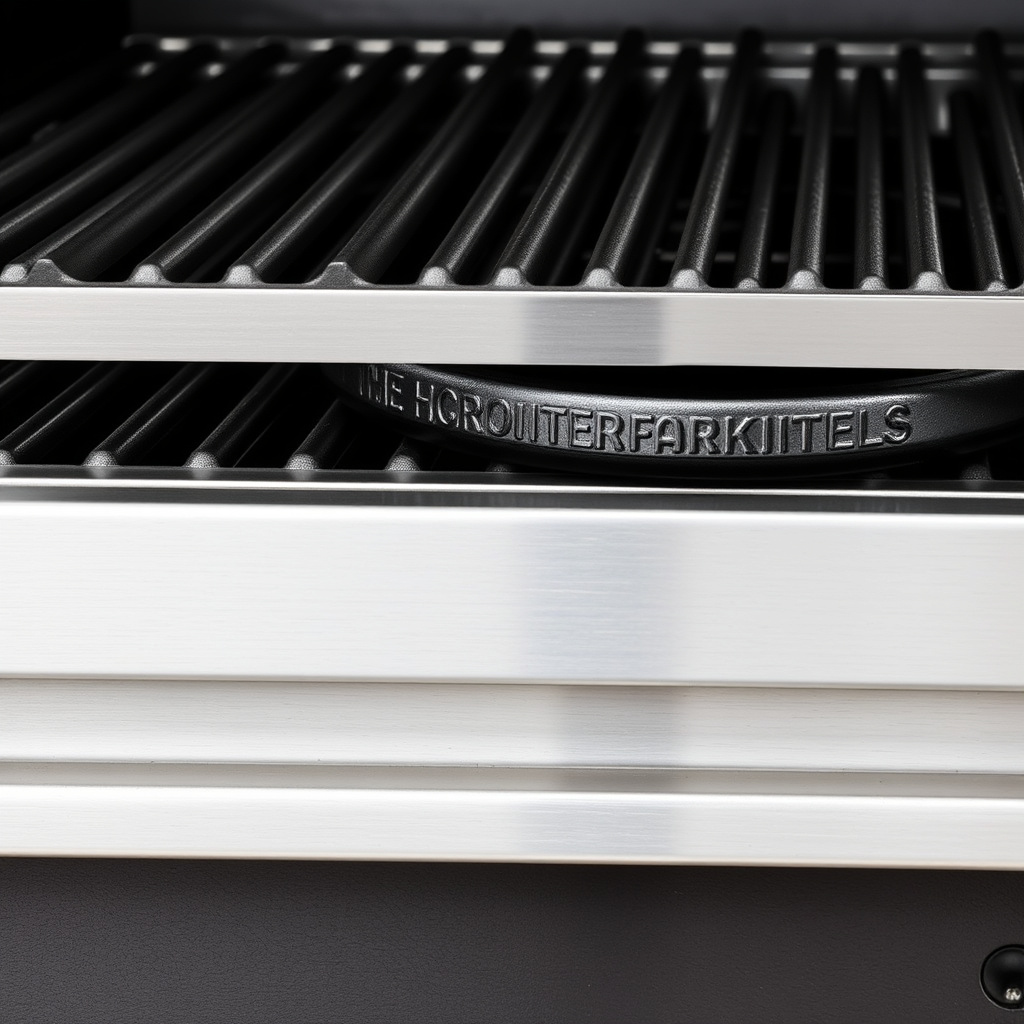
Stainless Steel for Corrosion Resistance
Stainless steel is favored in grills for its resistance to rust and attractive finish. High-grade stainless steel (304 or higher) parts offer increased durability, especially in humid or coastal regions where salt air speeds corrosion.
However, lower-grade stainless steel can still degrade over time, especially if subjected to frequent high heat cycles or abrasive cleaning methods.
- Highly resistant to rust
- Preferred for burners and shells
- Grades impact durability
For more on this, see our related guide: How Long Does a Propane Tank Last on a Grill? A Practical Guide.
Cast Iron and Porcelain: Strength and Care
Cast iron components, such as grates, retain heat superbly and offer lasting performance but require seasoning and protection from rust. Porcelain-coated steel provides an easier-to-clean surface and rust resistance but the coating can chip, exposing metal to corrosion.
Both materials add to the grill's lifespan when maintained, but chips in porcelain or rust spots on cast iron should be addressed promptly to avoid accelerated deterioration.
- Excellent heat retention with cast iron
- Porcelain coatings protect steel surfaces
- Maintenance needed to prevent rust and chipping
Maintaining Your Grill for Maximum Longevity
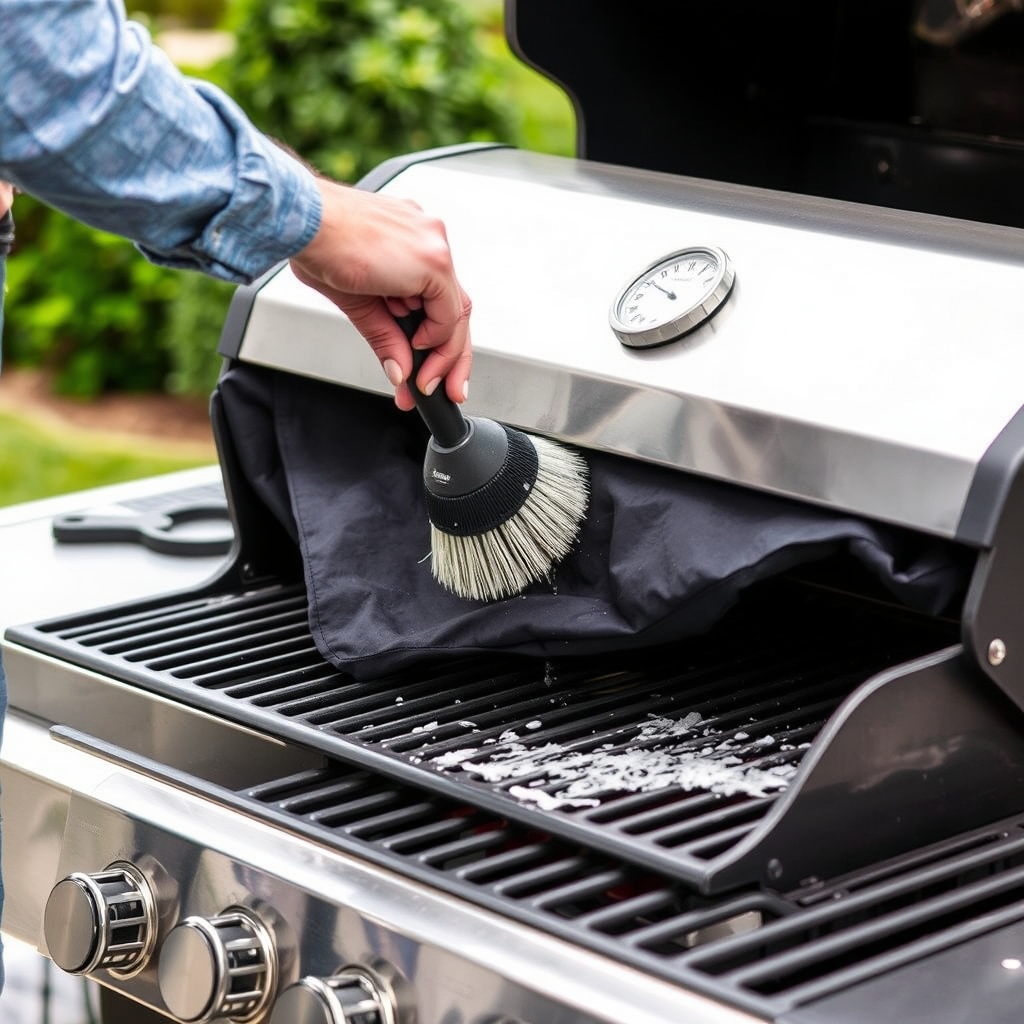
Cleaning and Protecting Your Grill
Routine cleaning after every use removes grease and food residues that can cause corrosion or attract pests. For gas grills, burner tubes and valves should be checked for blockages and cleaned annually.
Covering your grill during off-season or when not in use shields it from rain, sun, and debris. Storage in a dry location further guards against rust and wear.
- Clean grates after each use
- Inspect and clean burners yearly
- Use grill covers outdoors
Inspecting Components and Timely Repairs
Locate and replace worn or damaged parts like ignitions, hoses, or rusted panels promptly to avoid further damage. Many manufacturers supply replacement parts which can significantly extend the overall lifespan of your grill.
Scheduling periodic inspections of welds, seals, and connections improves safety while preventing small issues from becoming costly repairs or replacements.
- Replace rusted or faulty parts
- Check hoses and connections regularly
- Use manufacturer replacement parts
Environmental Factors Impacting Grill Durability
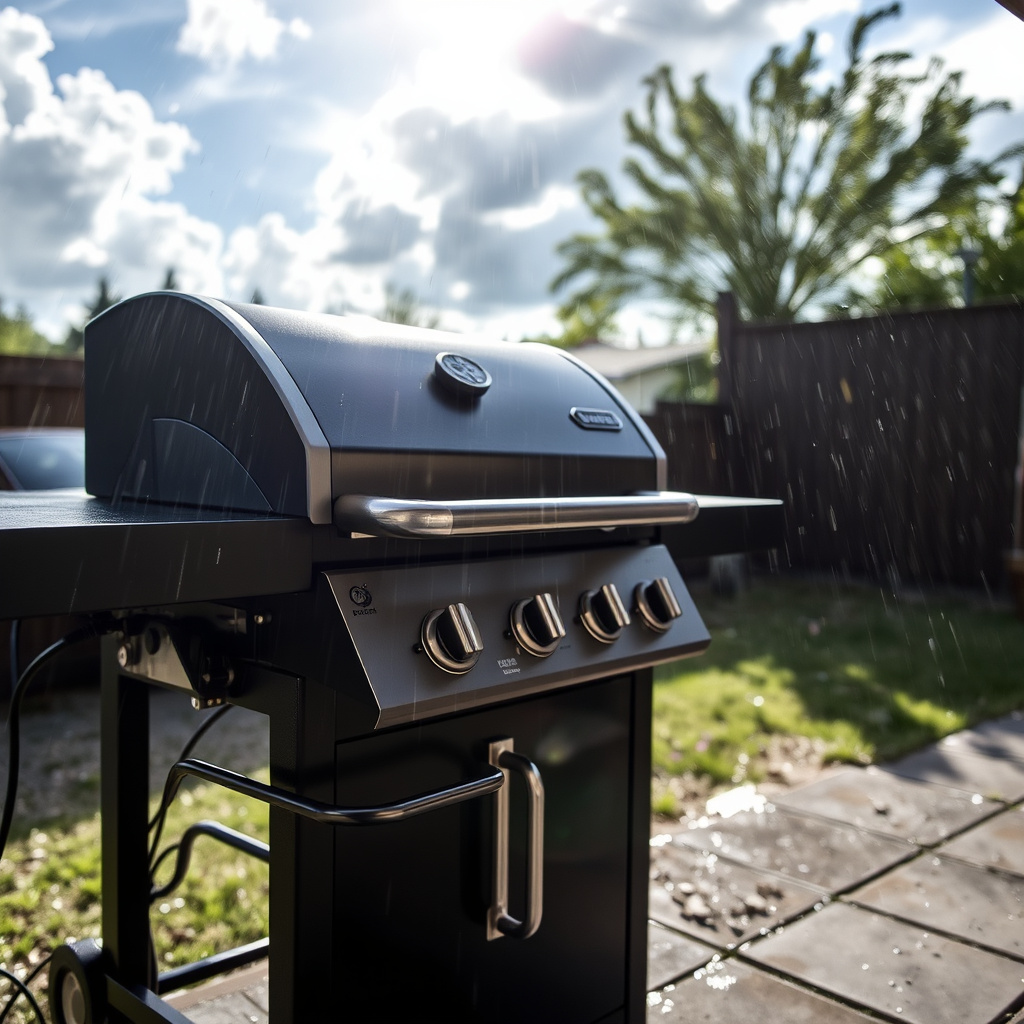
Weather Exposure and Its Effects
Constant exposure to rain, snow, humidity, and temperature fluctuations accelerates rust and material fatigue. Grills left uncovered outdoors tend to develop corrosion much faster than those sheltered in garages or under porches.
Windy and dusty environments introduce abrasive particles that can wear coatings and damage moving parts, shortening service life.
- Rain and humidity promote rust
- Temperature swings can cause metal fatigue
- Dust and wind abrade surfaces
For more on this, see our related guide: How Long Does Charcoal Burn? A Practical Guide for Grilling and Heating.
Location and Usage Patterns
Grills used seasonally with thorough cleaning and storage have longer lifespans than those left outside year-round. Frequent heavy use intensifies wear but can be balanced with diligent maintenance.
Urban pollution and coastal salt exposure also factor into degradation rates, requiring more protective measures in these environments.
- Seasonal use extends life
- Heavy use requires more upkeep
- Salt air demands corrosion-resistant materials
Choosing the Best Grill for Durability
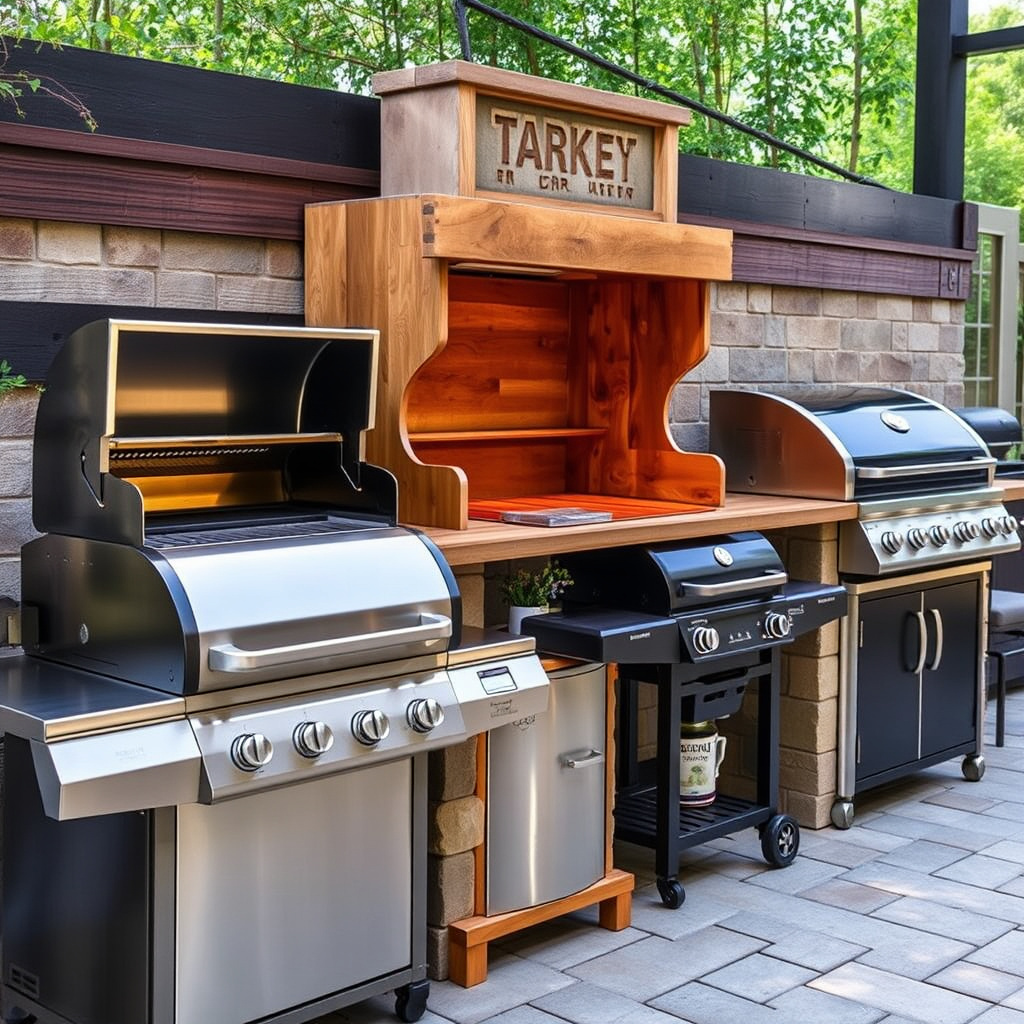
Evaluating Brands and Warranty Coverage
Leading grill manufacturers often offer better warranties that cover longer periods, reflecting confidence in durability. Brands with stainless steel construction and strong customer support usually deliver longer-lasting products.
Reviewing warranty terms can signal how resistant a grill is to typical failure points and how easily replacement parts can be obtained.
- Look for multi-year warranties
- Check brand reputation for durability
- Consider ease of obtaining parts
For a detailed overview of the history and types of grills, see the comprehensive grill article on Wikipedia. Grill article on Wikipedia.
Assessing Your Needs: Size, Features, and Durability
Choosing a grill that fits your typical cooking volume avoids excessive wear from overloading or insufficient use. Durable grills with fewer complex features tend to have longer lifespans than heavily accessorized, intricate models.
Balancing the ‘best grill for durability’ with your budget and usage habits ensures a satisfying purchase that holds up well over time.
- Match grill size to cooking needs
- Simpler designs last longer
- Balance durability with cost
Grill Types Longevity Comparison
Here’s a quick overview comparing the typical lifespan, maintenance, and durability of common grill categories.
| Grill Type | Average Lifespan | Material Durability | Maintenance Needs | Cost Range |
|---|---|---|---|---|
| Gas Grill | 8-12 years | Medium to High (stainless steel preferred) | Moderate (burner cleaning, gas parts) | $200-$1500 |
| Charcoal Grill | 10-15+ years | High (cast iron/steel) | Regular (ash removal, rust prevention) | $50-$700 |
| Electric Grill | 5-8 years | Low to Medium | Moderate (heating elements, cleaning) | $100-$400 |
| Portable/Compact Grills | 3-7 years | Low to Medium | Higher (storage, parts replacement) | $30-$300 |
| Built-In Grills | 10-15 years | High (stainless steel) | Moderate (covering and cleaning) | $1000-$4000 |
Frequently Asked Questions
How can I tell if my grill needs replacing?
Signs include persistent rust that weakens structural parts, malfunctioning burners or ignition systems that can’t be fixed with replacements, warped grates, and poor heat retention. If repairs cost more than a new grill, replacement may be advisable.
Does covering a grill prolong its life?
Yes, using a protective cover shields the grill from weather elements like rain, dust, and UV exposure, which significantly reduces corrosion and material degradation, extending the lifespan.
Are stainless steel grills really more durable?
High-quality stainless steel grills resist rust and corrosion much better than ordinary steel, making them more durable especially in humid or coastal environments, but quality grade matters.
How often should I replace grill parts to extend lifespan?
Inspect parts annually and replace burners, hoses, ignitions, or grates as soon as signs of wear or damage appear. Proactive replacement avoids further damage and keeps the grill functioning longer.
Can a charcoal grill last longer than a gas grill?
Generally, yes. Charcoal grills have fewer mechanical components that can fail, and with proper maintenance, they often last several years longer than gas grills.
Key Takeaways
- Grill lifespan varies between 5 to 15 years based on type and care
- Gas grills last around 8-12 years; charcoal grills may last longer
- Material quality like stainless steel significantly impacts durability
- Regular cleaning, inspection, and protective storage extend grill life
Conclusion
Deciding how long a grill lasts depends largely on understanding the combination of grill type, materials, environment, and maintenance habits. Evaluating these elements together helps set realistic expectations for durability and informed purchasing decisions. Keeping up with routine cleaning and part inspections plays a huge role in ensuring your grill maintains performance and safety over the years.
If you prioritize durability, choosing a gas grill with high-grade stainless steel burners or a well-maintained cast iron charcoal grill can offer many years of reliable use. Those who cook frequently outdoors in humid or coastal areas benefit from investing in corrosion-resistant materials and quality brand warranties. For occasional use, simpler models with fewer components may suffice, but regular maintenance remains key for all grill types.
Ultimately, applying consistent care—such as covering your grill when not in use, seasonal inspections, and timely replacement of worn parts—is the most effective way to maximize your grill’s lifespan. Start by implementing basic cleaning routines and ensuring protective storage to enjoy delicious barbecued meals without worry about premature equipment failure.



