
A standard 20-pound propane tank typically lasts about 18 to 20 hours of grill cooking time. This estimate depends on several factors like grill size, burner output, cooking temperature, and how often the grill is used, but most users find a tank enough for multiple grilling sessions before needing a refill.
Knowing the duration of a propane tank is helpful not only to prevent mid-cookouts from running out of fuel but also to plan your grilling schedule efficiently. Propane tanks’ longevity varies when grilling directly at high heat or using multiple burners, which means your fuel consumption can change significantly depending on usage.
This article examines the key variables influencing how long your propane tank lasts on a grill, reviews different tank sizes and grill types, discusses fuel consumption rates, and offers practical tips to extend your propane usage effectively.
Understanding Propane Tank Sizes and Capacity
Common Propane Tank Sizes for Grilling
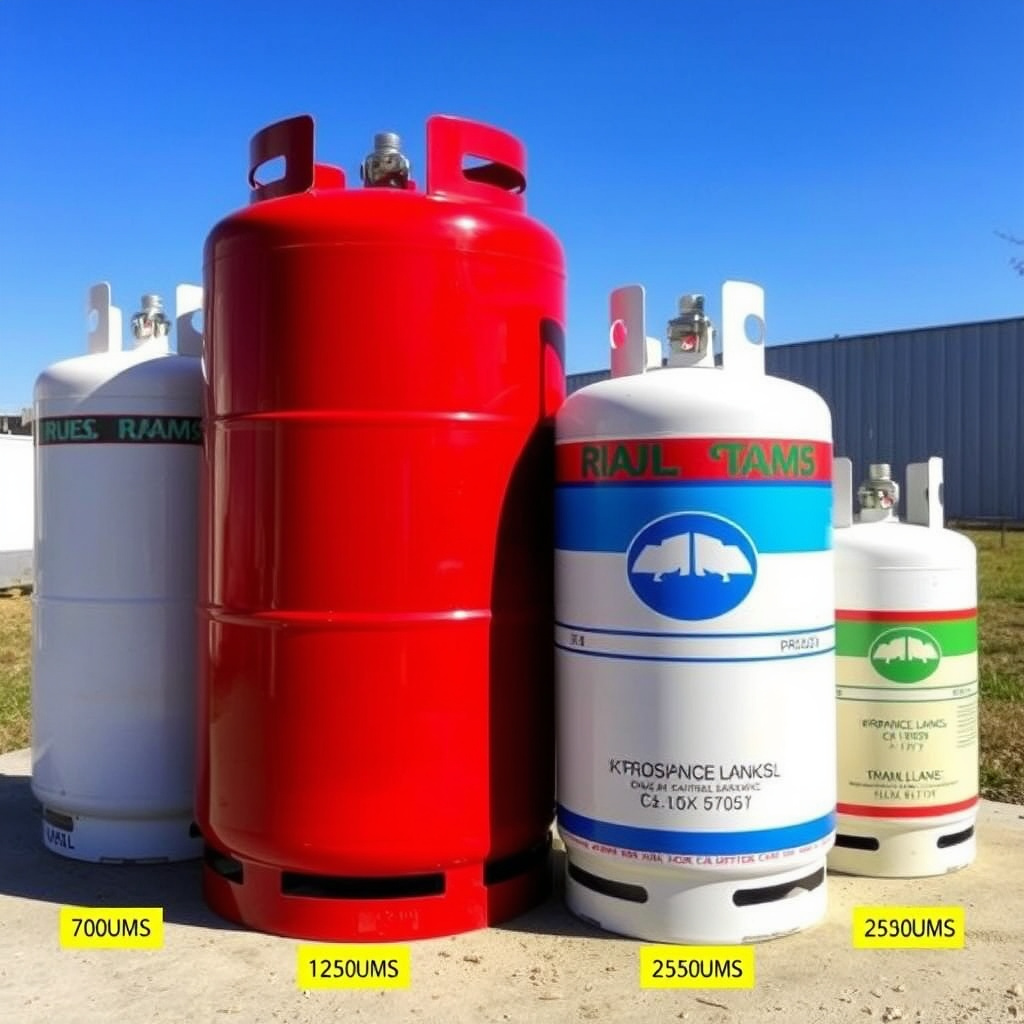
The most widely used propane tank for grilling is the 20-pound tank, holding approximately 4.7 gallons of propane. Other sizes include small 1-pound cylinders for portable grills and larger 30- or 40-pound tanks for heavy or commercial use. Knowing the tank size helps estimate how long you can grill before refilling.
A 20-pound tank generally suits most home grill needs, delivering enough fuel for several hours depending on usage patterns. Smaller tanks are easy to transport but offer limited grilling duration, while large tanks provide extended cooking but add bulk and require more careful handling.
- 1-pound cylinders: ideal for camping and portable grills
- 20-pound tanks: standard size for backyard grills
- 30- and 40-pound tanks: suited for frequent or large-scale grilling
Fuel Volume vs. Usage Time
The volume of propane in a tank does not directly translate to grilling time since usage depends on burner size and flame intensity. A 20-pound tank contains about 430,000 BTUs of energy, but how quickly this energy is used varies by the grill’s design and how high you set the heat.
Understanding the tank’s fuel volume helps set expectations, but to know how long a propane tank lasts on a grill, consider the grill’s BTU rating and your specific grilling habits—a grill rated at 30,000 BTUs will deplete a tank faster than a smaller model.
Factors Affecting How Long a Propane Tank Lasts on a Grill
Burner Size and Heat Output
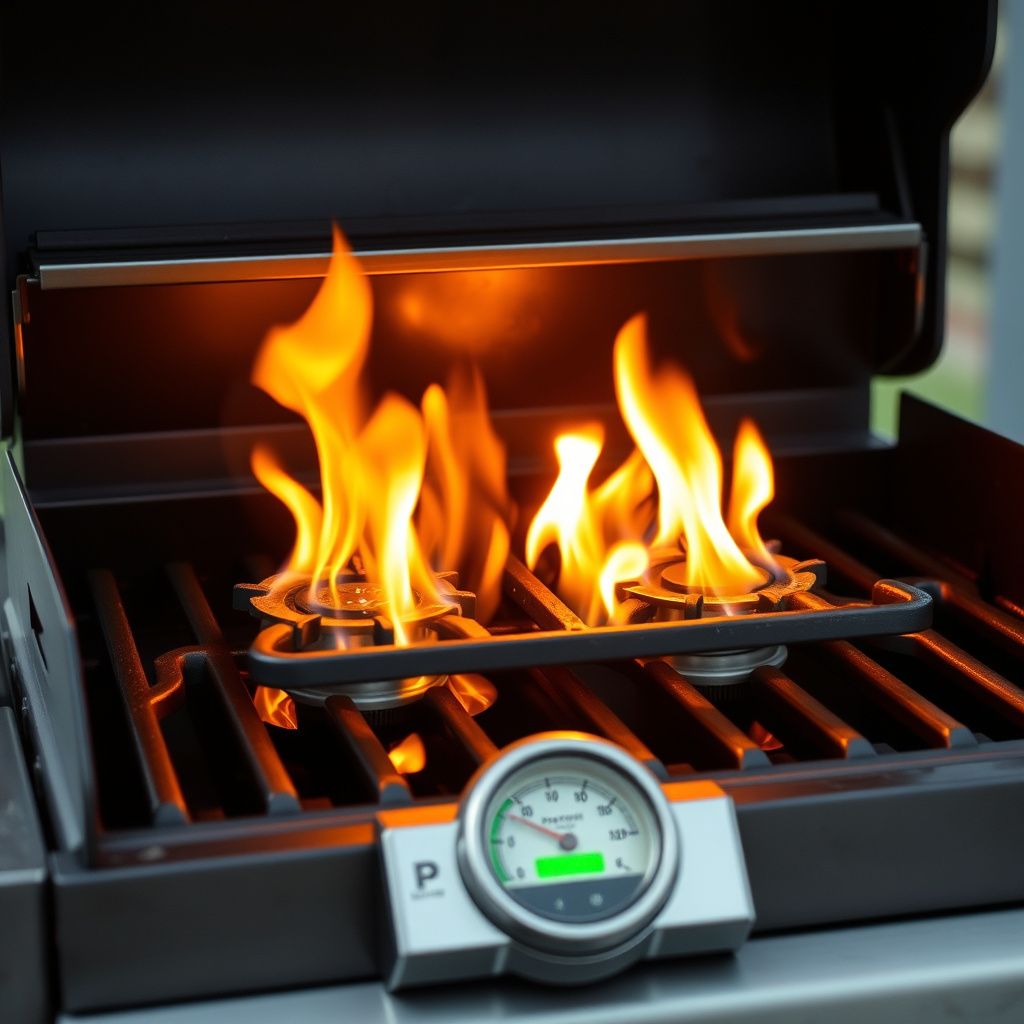
The grill’s burner size determines fuel consumption rate. Grills with higher BTU ratings burn propane faster, shortening how long a tank lasts. For instance, a 40,000-BTU grill will consume roughly twice the fuel per hour compared to a 20,000-BTU grill when running at maximum heat.
Adjusting burner flame to medium or low settings conserves propane, extending tank life. When grilling low and slow, you reduce fuel use, making a single tank last longer than when cooking on full blast.
- Higher BTUs = faster propane consumption
- Medium heat setting improves fuel efficiency
- Multiple burners increase total fuel usage
For more on this, see our related guide: How to Light a Gas Grill Safely and Effectively.
Cooking Style and Grill Usage
Grilling habits significantly influence propane tank duration. Quick searing at high heat will consume fuel faster than slow roasting or indirect grilling. Frequent opening of the lid also wastes heat and may cause longer cooking times, which uses more propane overall.
Regularly cleaning burners and maintaining efficient grill operation can prevent propane waste. Using a BBQ thermometer helps avoid overheating, optimizing fuel consumption according to the food's actual cooking needs.
Calculating Propane Usage and Grill Time
Estimating Burn Rate from BTUs
To estimate propane tank life, divide the tank’s total BTUs by the grill’s BTU per hour rating. For example, a 20-pound tank with roughly 430,000 BTUs and a 30,000 BTU grill will last about 14 hours when running at full capacity (430,000 ÷ 30,000 = 14.3 hours).
Keep in mind this assumes the grill is operating continuously at full flame, which is uncommon in typical grilling sessions. Real-world usage involves variation, so actual tank life can be longer depending on burner adjustments and cooking method.
Using Propane Grill Fuel Consumption Data
Many grill manufacturers provide information on fuel consumption which can help buyers gauge propane usage. Some consumer reports note average consumption scenarios for common grill models, aiding in more accurate predictions of how long a tank will last under varied cooking styles.
Acquiring or tracking your own usage experimentally—for example, timing tank depletion across different grilling projects—can help refine your expectations for propane grill fuel consumption.
- Review manufacturer BTU consumption specs
- Record usage times for personal reference
- Compare fuel consumption across grill models
Tips to Extend Your Propane Tank Life on the Grill
Efficient Grill Operation Practices
Lowering burner flames to medium or low when appropriate reduces propane usage and extends tank life. Avoid keeping burners on full blast longer than needed and use the lid to trap heat, speeding cooking and preserving fuel.
Practicing proper grill maintenance, like cleaning burners and checking for leaks, keeps the system working optimally, so propane burns more efficiently without wastage from malfunctioning components.
- Check for leaks regularly
- Clean burners before each grilling season
- Use grill lid to maintain heat
Choosing the Right Tank and Grill Type
Selecting a grill with an adjustable burner BTU range or a model known for fuel efficiency can impact propane tank lifespan. Smaller or portable grills typically have lower overall fuel consumption, making them suitable if long grill times are a priority.
If grilling frequently, consider larger propane tanks or exchange programs to avoid interruptions, but also balance tank size with storage and safety requirements.
Different Propane Tank Safety and Storage Considerations
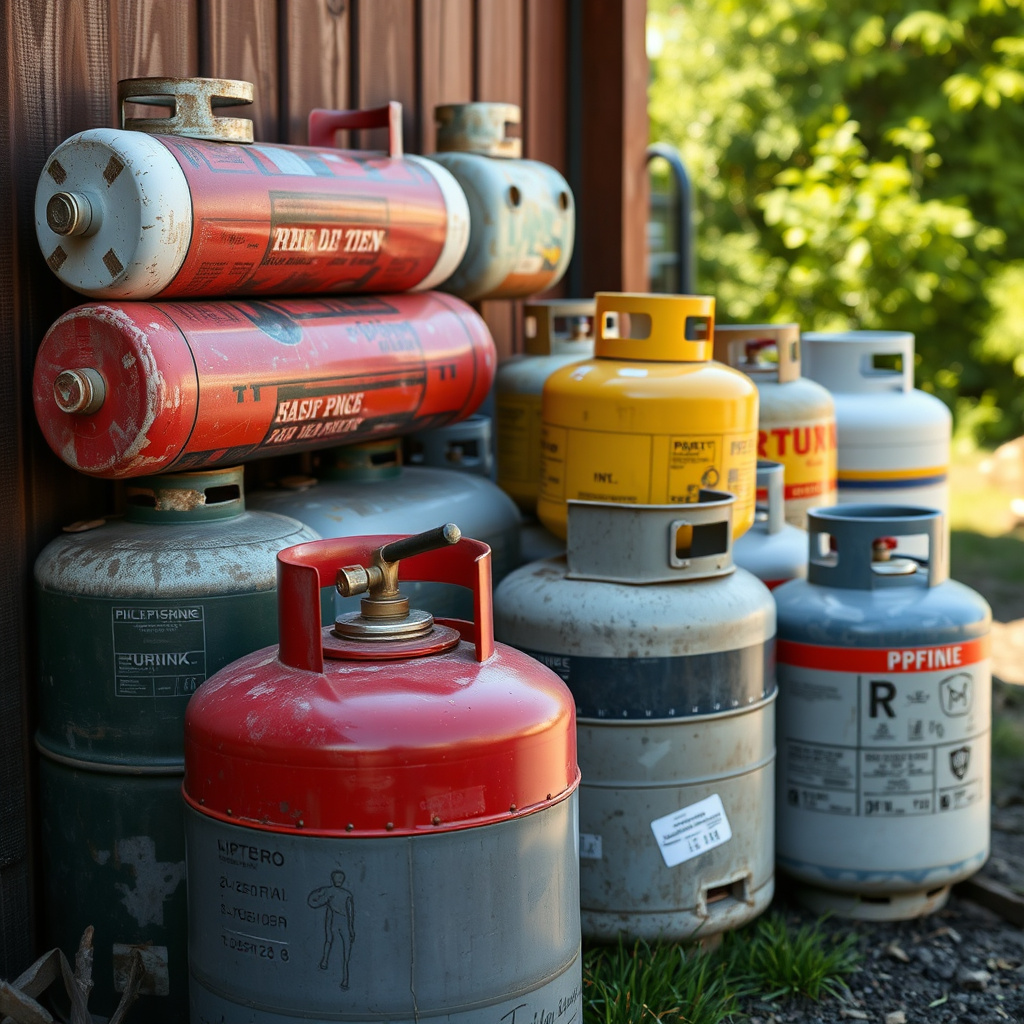
Safe Handling and Storage Practices
Always store propane tanks upright and outdoors away from direct heat or open flames. Check tanks regularly for rust, dents, or leaks to prevent potential hazards. Proper storage helps preserve tank integrity and helps maintain fuel quality.
Avoid extreme temperatures—both very hot and freezing conditions can affect propane tank performance and durability, impacting how long it can safely last on a grill.
- Store tanks upright in ventilated areas
- Inspect tanks before use
- Keep away from heat and ignition sources
For detailed information on propane and its properties, visit the Propane Wikipedia article. Propane Wikipedia article.
Regulatory and Replacement Guidelines
Propane tanks have regulations governing their lifespan and periodic inspection or recertification requirements, typically every 10-12 years. Knowing these can ensure safety and legal compliance when using tanks for grilling.
Replace tanks that show signs of damage or fail inspection. Keeping tanks up to date supports consistent and safe propane supply for grilling activities.
Propane Tank Size Comparison for Grilling
This table compares common propane tank sizes by volume, approximate grilling duration, and typical use cases for grilling convenience.
| Tank Size | Propane Volume (Gallons) | Estimated Grilling Time (Hours) | Best For |
|---|---|---|---|
| 1-Pound Cylinder | 0.24 | 1–2 | Portable camping grills |
| 20-Pound Tank | 4.7 | 18–20 | Standard backyard grills |
| 30-Pound Tank | 7.0 | 26–30 | Frequent home grilling |
| 40-Pound Tank | 9.4 | 35–40 | Extended heavy use |
| 100-Pound Tank | 23.6 | 85–90 | Commercial or large-scale grilling |
Frequently Asked Questions
How can I tell when my propane tank is running low?
You can use a propane tank gauge, pour hot water on the side of the tank to feel for temperature differences, or estimate usage based on cooking duration to judge if a refill is needed.
Does cold weather affect how long a propane tank lasts?
Cold temperatures can reduce propane pressure inside the tank, potentially leading to less efficient fuel flow and shorter effective grilling time until the tank warms up again.
Is it better to buy larger tanks to last longer?
Larger tanks last longer between refills but are bulkier and less portable. For typical backyard grilling, a 20-pound tank balances convenience and capacity effectively.
How do multiple burners affect propane usage?
Using multiple burners simultaneously increases propane consumption proportionally to the total BTU output, reducing how long the tank will last during a grilling session.
Can propane tanks expire or lose effectiveness?
Propane itself doesn’t expire, but tanks require periodic inspection and recertification. Damage or corrosion can affect tank safety and performance, so regular checks are vital.
Key Takeaways
- A 20-pound propane tank lasts about 18–20 hours of grilling on average.
- Grill burner size and cooking style heavily influence propane consumption.
- Regular maintenance and efficient grilling practices extend tank life.
- Different tank sizes cater to various grilling frequency and portability needs.
Conclusion
Determining how long a propane tank lasts on a grill requires attention to both tank size and grill specifications. The main factor is the grill’s BTU rating, which dictates consumption rate. Coupled with your cooking habits—whether you sear quickly or cook slow and low—the burn rate shifts accordingly. Making an informed choice on propane tank size and understanding your grill's fuel consumption ensures you plan refills around your grilling schedule, avoiding unexpected interruptions.
For most home grillers, the standard 20-pound propane tank delivers a reliable balance of capacity and manageability, often lasting through multiple cookouts if used judiciously. Larger tanks like 30- or 40-pound models work well for heavy users or those who prefer less frequent refills. Smaller cylinders suit portable grills but offer limited cooking duration. Pairing the right tank with grill models that have medium BTU outputs can maximize fuel efficiency and grilling satisfaction.
Start by assessing how frequently you grill and the typical duration of your sessions to select an appropriate propane tank size. Use efficient practices such as moderating burner intensity and maintaining your grill for energy savings. Watching fuel gauges or employing simple tests lets you track propane levels effectively. Taking these steps means you can focus on enjoying your grilling experience without fuel concerns, making propane a dependable companion for outdoor cooking.



