
Grilling burgers to perfection usually takes between 6 to 12 minutes, depending on the thickness and desired doneness. A standard ¾-inch thick burger generally requires about 4 to 5 minutes per side over medium-high heat to reach medium doneness, ensuring it stays juicy and flavorful.
The grilling time matters because undercooked burgers can pose health risks while overcooked ones turn dry and lose their appeal. Understanding how long to grill burgers helps maintain the ideal balance between safety and taste, maximizing enjoyment.
In this guide, you'll learn the recommended grilling times for various burger thicknesses and types, tips to monitor doneness accurately, essential prep and cooking techniques, and guidance on handling different grill setups to perfect your burgers.
Determining How Long to Grill Burgers Based on Thickness
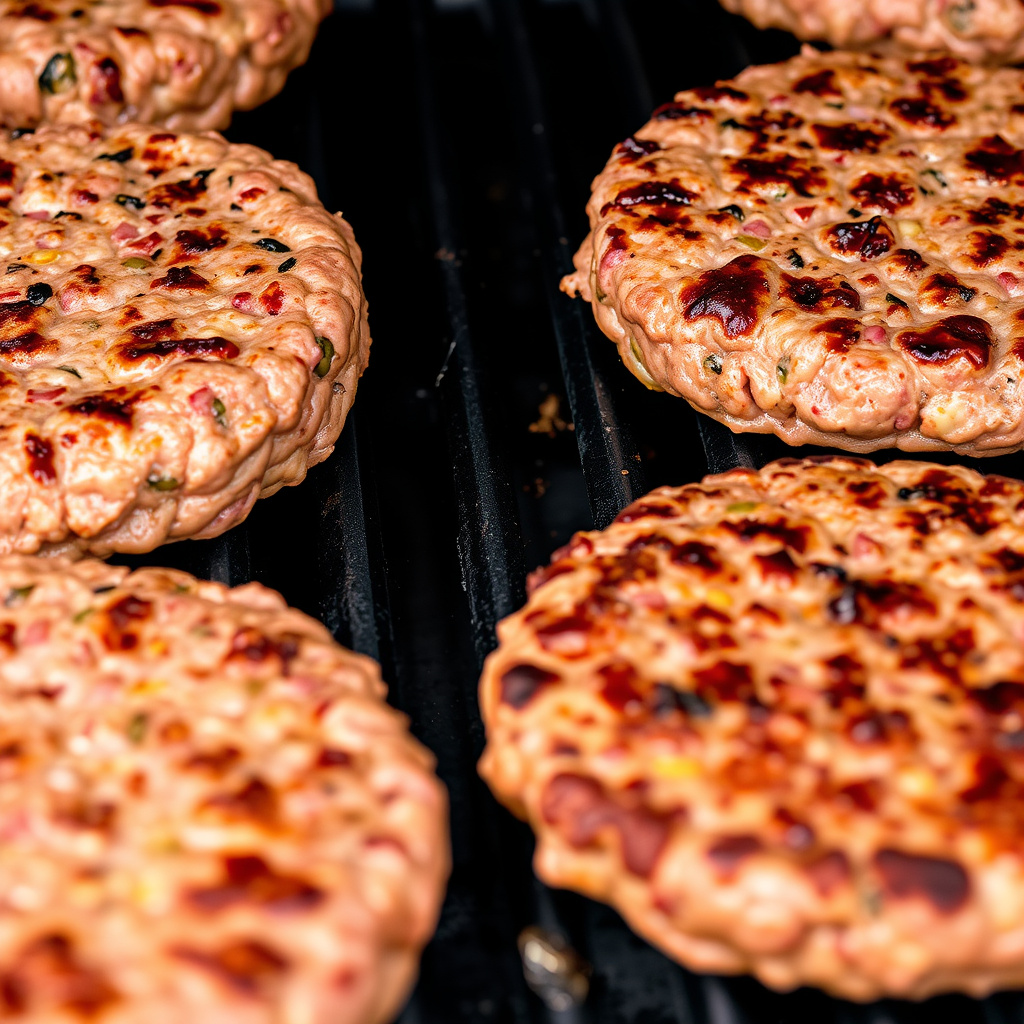
Grilling Time for Thin Burger Patties
Thin burger patties, typically around ¼ inch thick, cook very quickly, usually in about 2 to 3 minutes per side. This short cooking time helps prevent the patty from drying out and burning, making it essential to stay attentive while flipping.
Because thin burgers cook fast, the grill should be on medium to medium-high heat to ensure even cooking without charring the exterior. Thin patties are ideal when you want a crispier edge with a tender center.
Grilling Time for Thick Burger Patties
Thick burger patties, around 1 inch or more, require more time, typically 6 to 7 minutes per side. This allows the heat to penetrate to the center, cooking the burger evenly without burning the outside.
Using a meat thermometer to check the internal temperature helps avoid guesswork, aiming for 160°F for ground beef to be safely cooked. Adjusting grill temperature and flipping frequency can prevent flare-ups and uneven cooking for thick burgers.
Ideal Grill Heat Settings for Perfect Burger Cooking
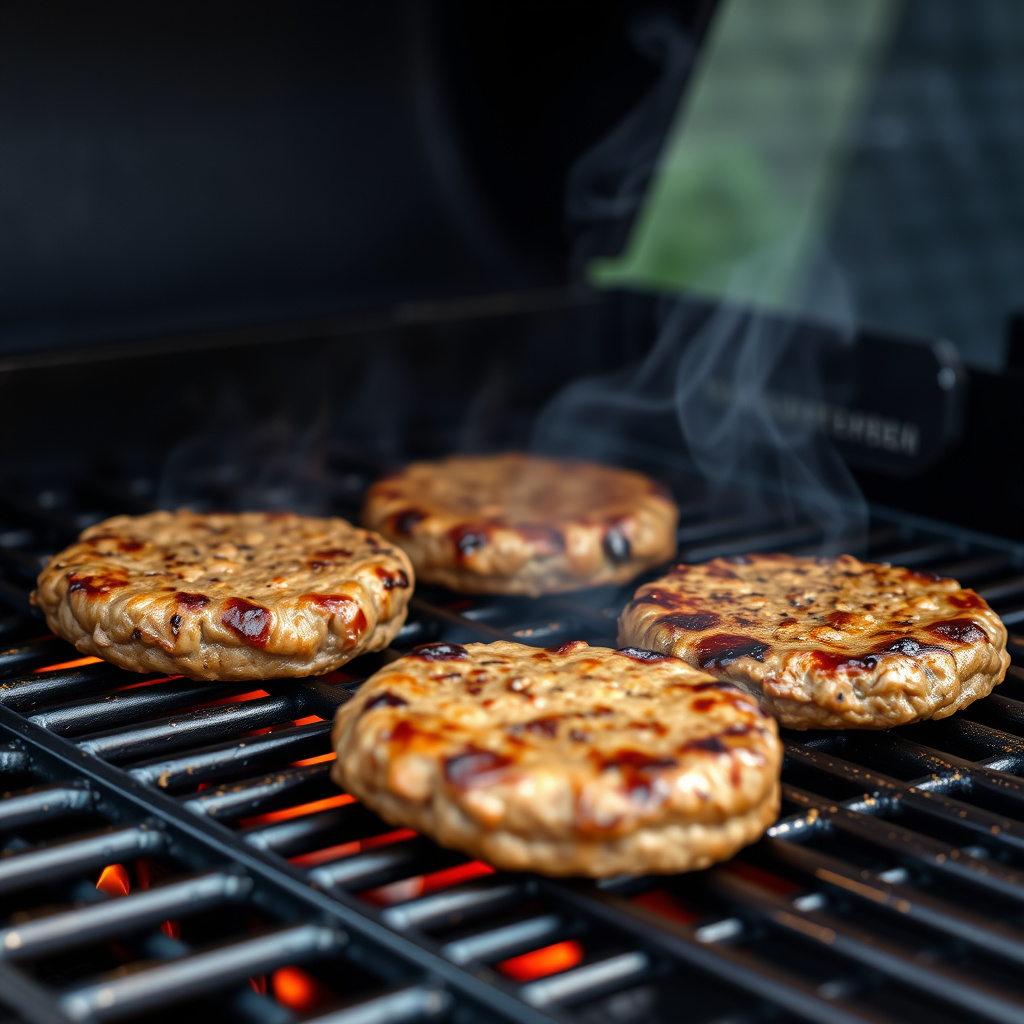
Using Medium-High Heat for Burger Grilling
Medium-high heat, roughly 375-450°F, is often the best setting to grill burgers because it sears the outside, locking in juices, and creates a flavorful crust. This temperature range cooks the burger evenly in the usual 6 to 12 minute timeframe depending on thickness.
Starting with medium-high heat prevents the burger from drying out and helps develop appealing grill marks without burning. This heat range is a balance of speed and control useful for most burger types.
Adjusting Grill Heat for Specific Cooking Preferences
If you prefer your burger well-done, lowering the heat slightly and extending grilling time can ensure thorough cooking without overly charring the surface. For rare or medium-rare burgers, a higher heat for a shorter time per side will work better but must be handled carefully for safety.
Different grills often vary in heat distribution, so adjusting based on your specific grill’s performance guarantees consistent results. Using indirect heat or a cooler zone on the grill can help cook thicker burgers through without burning.
Essential Tips to Monitor Burger Doneness
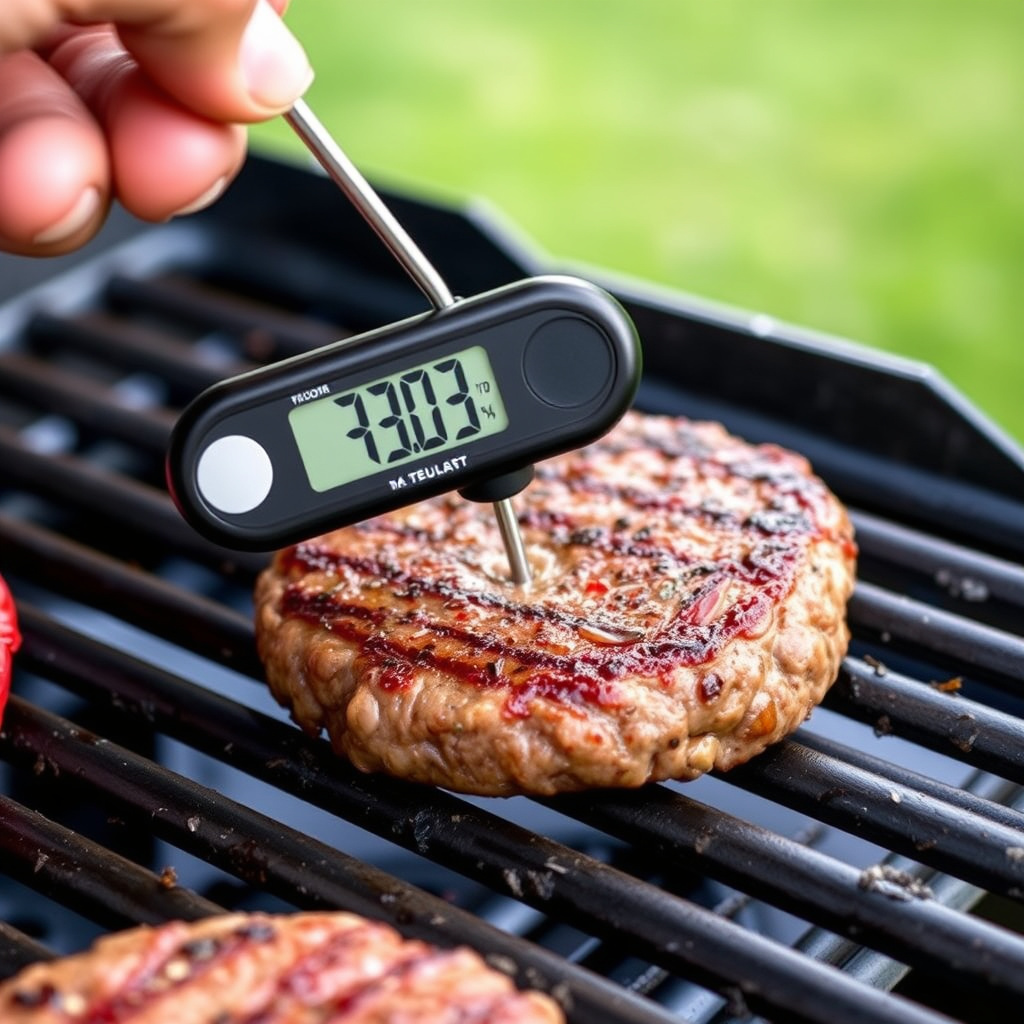
Using a Meat Thermometer for Accurate Cooking
A meat thermometer is the most reliable tool to understand how long to grill burgers by measuring internal temperature accurately. For safety, ground beef should reach an internal temperature of 160°F.
Insert the thermometer into the center of the patty, avoiding bone or fat pockets, to check doneness and prevent guesswork. This method ensures juicy results without overcooking.
- 160°F for ground beef
- 145°F for medium-rare beef (less safe)
- Use instant-read thermometers for quick checks
For more on this, see our related guide: How to Grill a Turkey: Step-by-Step Guide for Juicy Results.
Other Doneness Indicators Without a Thermometer
If you don’t have a thermometer, pressing the burger with your finger is a traditional method—firmer patties indicate more doneness. Cutting into the center to check color can also help but releases juices.
Visual cues like bubbling juices on the surface and color changes around the edges give clues, but these require experience and have less precision than using a thermometer.
Preparation and Cooking Techniques That Affect Grilling Time
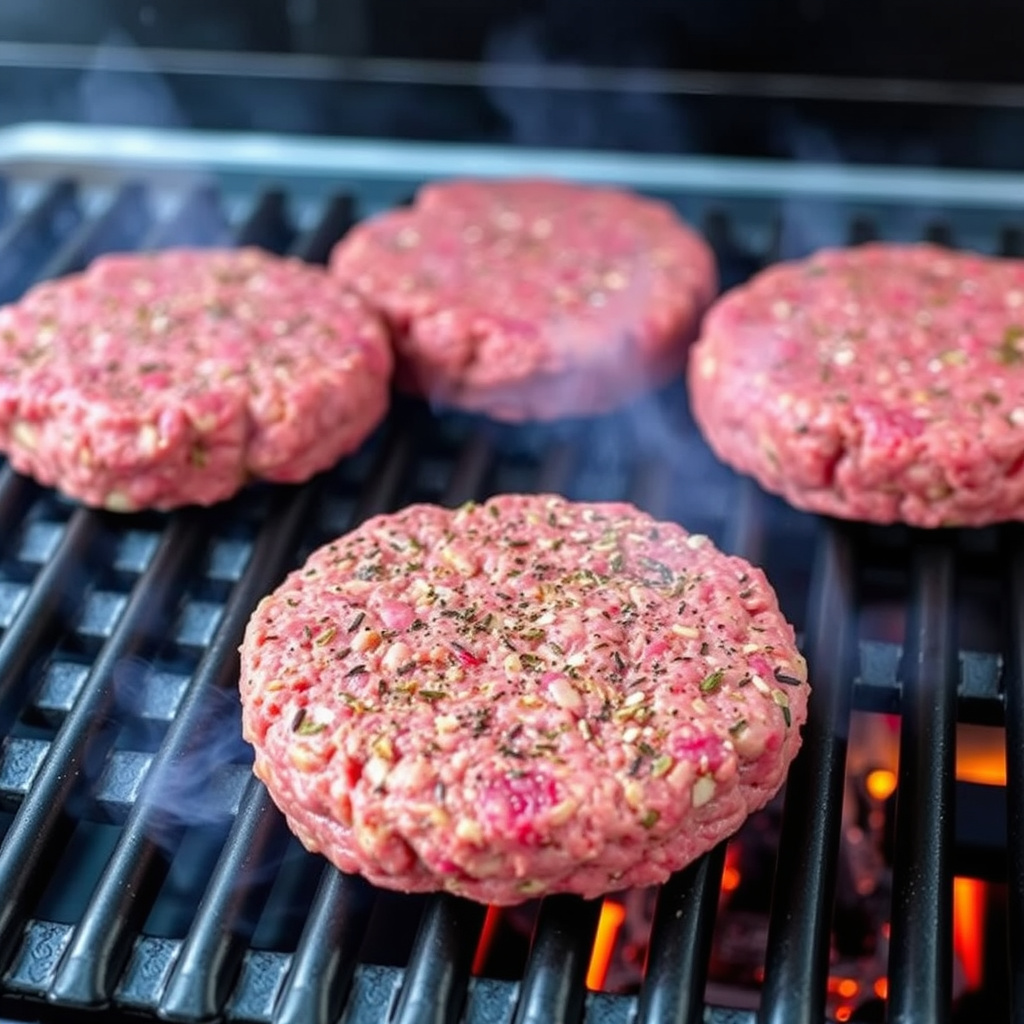
How Patty Composition Influences Grill Timing
Adding fillers like onions, breadcrumbs, or cheese can affect cooking time since these ingredients influence heat transfer and moisture retention within the burger. Higher fat content usually means quicker cooking and juicier results.
Lean hamburger blends will take slightly longer to grill as they lack fat that speeds cooking and adds flavor, so adjusting grilling time is necessary to avoid dry burgers.
Prepping Patties and Grill for Best Timing Control
Forming patties evenly and making a slight indentation in the middle reduces puffing and cooks more uniformly, helping maintain consistent grill times. Preheating the grill ensures that the burger starts cooking immediately.
Cleaning the grill grates and oiling them prevents sticking and tearing which can elongate cooking due to repeated repositioning, ultimately affecting timing and quality.
Different Grill Types and How They Influence Burger Cooking Time
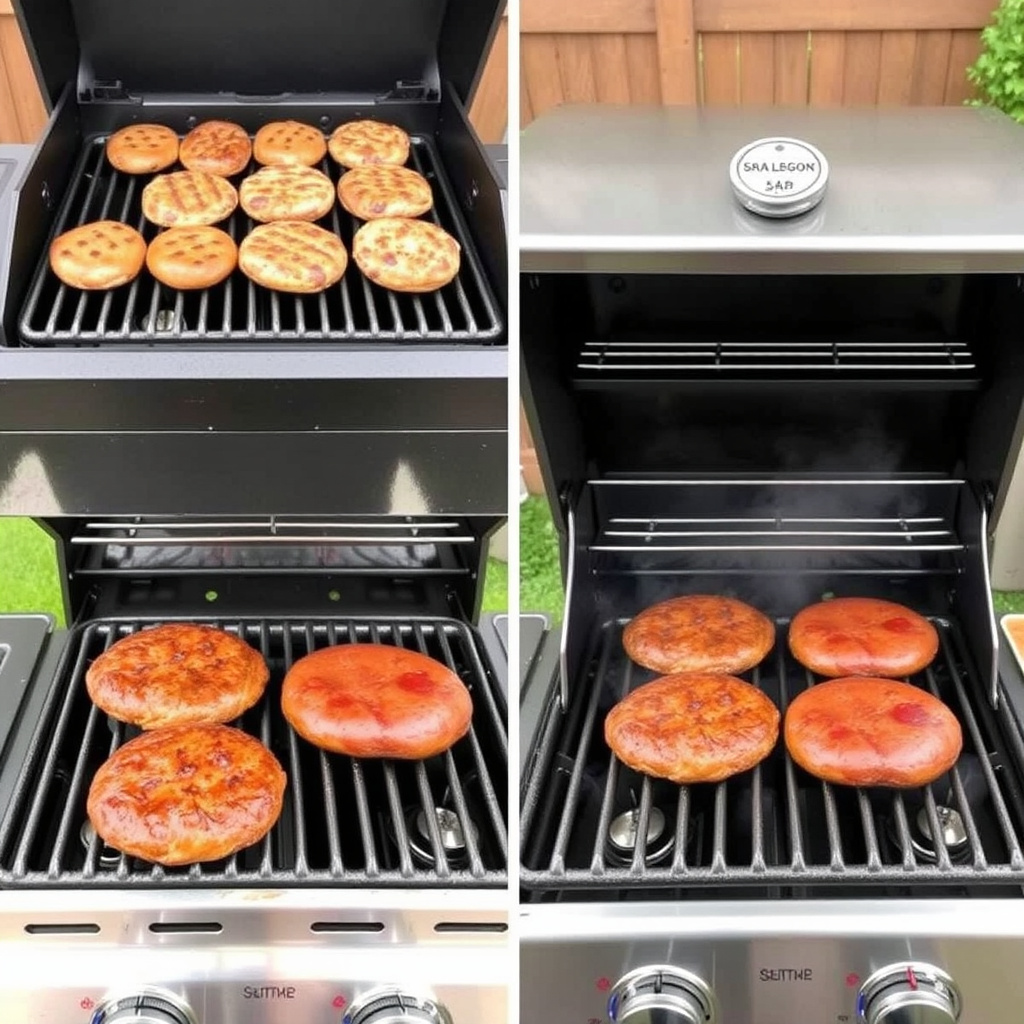
Grilling Burgers on a Charcoal Grill
Charcoal grills tend to produce higher, more uneven heat and impart smoky flavor, which can affect how long to grill burgers. Managing coals and grill distance is key to prevent flare-ups and burnt exterior with raw interior.
You may need to move patties between direct and indirect zones to balance char and cooking through, typically requiring careful timing and attention within the 6 to 14-minute window depending on thickness.
For more on this, see our related guide: How to Grill Frozen Burgers Perfectly Every Time.
Grilling Burgers on a Gas Grill
Gas grills offer more precise temperature control, making it easier to follow recommended grilling times. Typically, burgers cook more evenly, and adjusting burners allows for quick responses to flare-ups.
Gas grills can cook burgers within 6 to 12 minutes reliably but require proper preheating and occasionally rotating patties for even heating.
Serving and Resting Burgers After Grilling
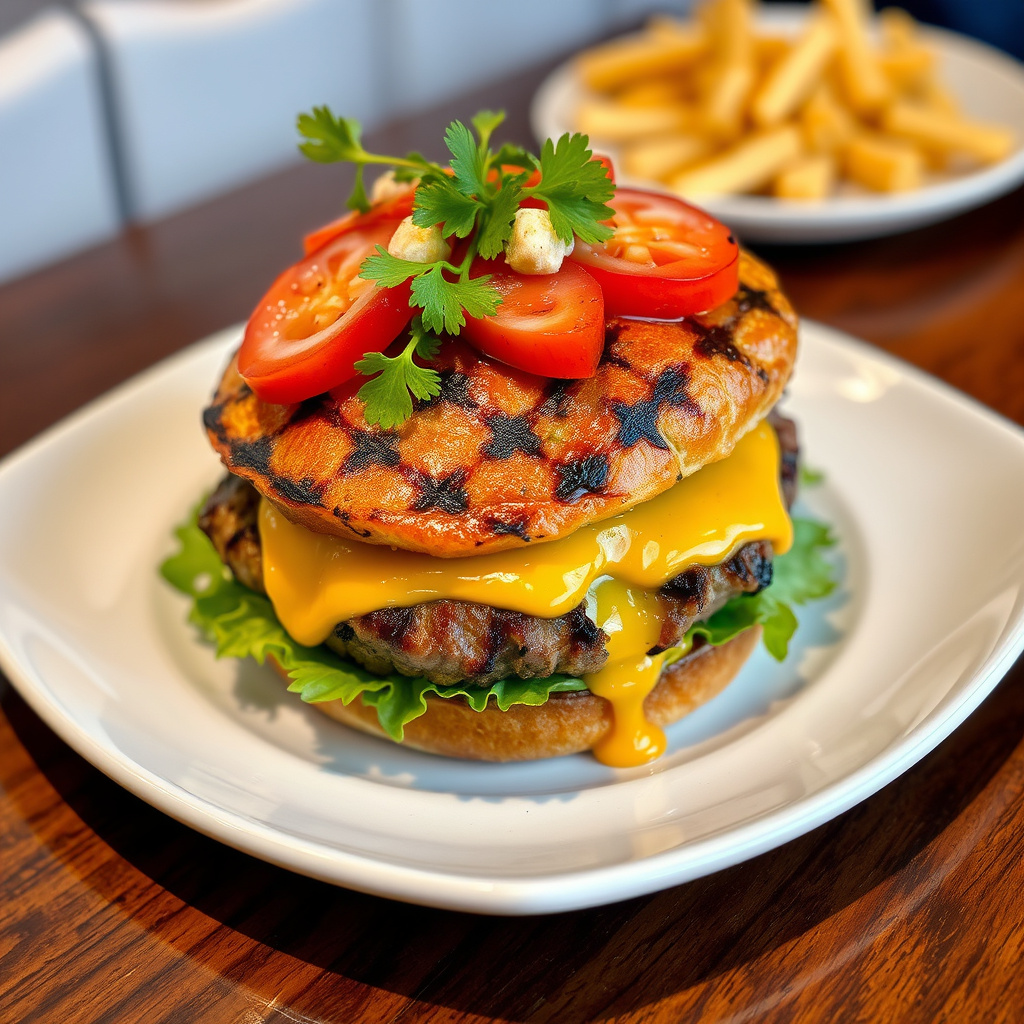
Why Resting Burgers Enhances Juiciness
Resting grilled burgers for 3 to 5 minutes after cooking allows juices to redistribute within the patty, preventing dry bites and enhancing flavor.
Skipping rest time results in juices running out immediately when cut or bitten, leading to a less satisfying texture and moisture level.
For official safety recommendations on grilling burgers and internal temperatures, consult these grilling burger guidelines from the USDA. grilling burger guidelines.
Serving Tips to Complement Your Perfectly Grilled Burgers
Using fresh buns, complementary toppings, and condiments enhances the overall experience. Toasting buns on the grill during the resting time adds texture and warmth without overcooking the patty.
Serving immediately after resting preserves the balance of juiciness and flavor built up from your attentive grilling timing.
Burger Grilling Time Category Comparison
A clear overview of grilling times, heat settings, and recommended internal temperatures helps match your burger style preferences.
| Burger Thickness | Grilling Time per Side | Recommended Heat Setting | Internal Temperature Target |
|---|---|---|---|
| Thin (¼ inch) | 2-3 minutes | Medium heat (350°F) | 160°F |
| Standard (¾ inch) | 4-5 minutes | Medium-high heat (400°F) | 160°F |
| Thick (1 inch or more) | 6-7 minutes | Medium heat with indirect zones | 160°F |
| Stuffed Burgers | 7-8 minutes | Medium heat | 160°F |
Frequently Asked Questions
How can I tell when my burger is fully cooked without a thermometer?
Press the center of the burger; a firm feel generally indicates done. Juices running clear and a brownish interior color when cut also signal doneness, but these methods are less exact than using a thermometer.
Should I flip my burgers multiple times while grilling?
Flipping once or twice is sufficient. Frequent flipping can disrupt cooking and prevent forming a good crust. A couple of flips help cook evenly without losing juices.
Is it better to grill burgers with the lid open or closed?
Closing the lid promotes even cooking and helps maintain consistent grill temperature, especially for thicker patties. For thinner burgers, open grilling can reduce risk of overcooking.
Does the type of meat affect how long to grill burgers?
Yes, lean meats may require slightly longer cooking times, while fattier blends cook faster and stay juicier. Adjust grilling duration accordingly based on the meat’s fat content.
Can I grill frozen burgers and how does that change cooking time?
Frozen burgers can be grilled, but will need 50% to 70% more cooking time. Cooking them on lower heat initially helps cook through without burning the outside.
Key Takeaways
- Burger thickness heavily influences grill time, ranging from 2 to 7 minutes per side.
- Medium-high heat is ideal for searing and even cooking of burgers.
- Using a meat thermometer eliminates guesswork and ensures safety.
- Resting burgers after grilling retains their juiciness and flavor.
Conclusion
Knowing how long to grill burgers comes down to understanding thickness, heat, and doneness preferences. While most standard patties cook within 8 to 10 minutes total over medium-high heat, variation in size and grill type can shift this. Using a reliable meat thermometer alongside attentive flipping and heat control simplifies choosing the right timing. This approach balances juicy, flavorful burgers that are safe and satisfying for everyone.
For quick weeknight burgers using thin patties, aiming for 2 to 3 minutes per side on medium heat will produce fast and flavorful results. When crafting thicker or stuffed burgers, plan for grilling times of 6 to 8 minutes per side using medium or indirect heat zones, monitoring temperature for safety. Gas grills offer precision for these timings, while charcoal can add smokiness but needs careful zone management. Overall, both grill types can yield excellent burgers when timed properly.
Start by selecting the right thickness and preparing your grill to medium-high temperature. Use a meat thermometer to know when your burgers reach 160°F internally, then allow them to rest briefly before serving. These steps help you master how long to grill burgers, ensuring delicious meals without stress or guesswork. Next time you fire up your grill, keep these timing guidelines in mind to enjoy perfectly cooked, juicy burgers every time.



