
A charcoal chimney starter is the fastest, safest way to ignite charcoal for your grill without using any lighter fluid. To use one, fill the top cylinder with charcoal briquettes, place crumpled newspaper or a fire starter under the chimney, and light it. Within 10-15 minutes, the coals will be glowing hot and ready to pour directly into your grill for consistent heat.
Using a chimney starter matters because it eliminates the chemical taste or smell sometimes caused by lighter fluid and simplifies the process of getting coals uniformly burned. It’s a favorite technique among grilling enthusiasts who value both flavor and efficiency when cooking outdoors.
This article covers everything from choosing the right chimney starter and preparing it correctly to tips on handling hot coals safely. We’ll also include variations in kindling options and recommended maintenance to make your grilling sessions smoother.
Understanding the Benefits of a Charcoal Chimney Starter
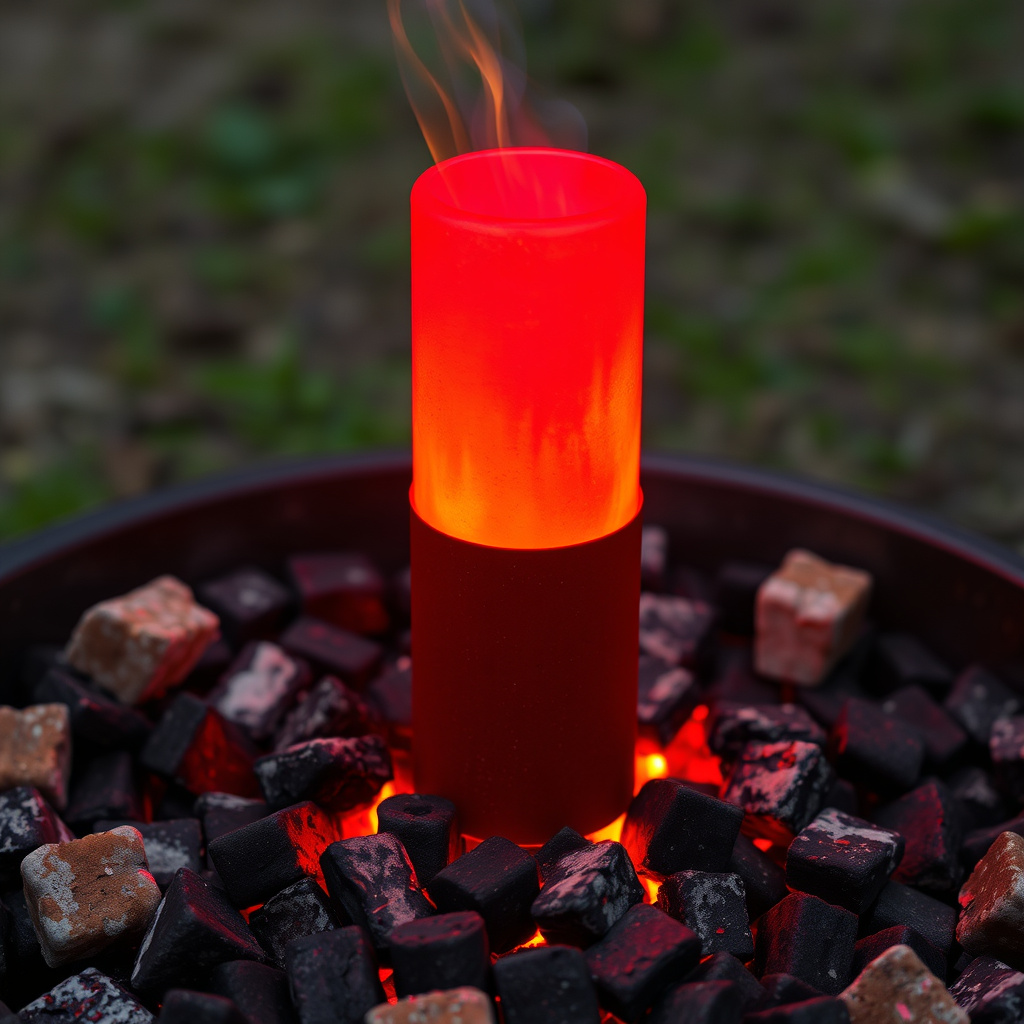
Why Use a Chimney Starter Instead of Lighter Fluid
A chimney starter boils down the ignition process to natural flames produced by paper or kindling, avoiding the chemicals found in lighter fluid. This means your food tastes better without residual fuel odors or flavors interfering.
It also ensures evenly lit coals, as heat rises to ignite briquettes gradually from the bottom up, fostering a more reliable and controllable fire setup compared to spotty flame patches from fluid.
- No chemical odor or taste
- More consistent coal lighting
- Safer than pouring lighter fluid
- Environmentally friendly method
How a Chimney Starter Works
The chimney starter consists of a metal cylinder with ventilation holes and a grate near the bottom holding coals above a heat source like newspaper. When the paper ignites, hot air travels upward, igniting charcoal evenly from below.
This simple yet effective design uses convection principles to get your coals glowing hot in about 10-20 minutes without added fuels or accelerants.
Selecting the Right Charcoal Chimney Starter
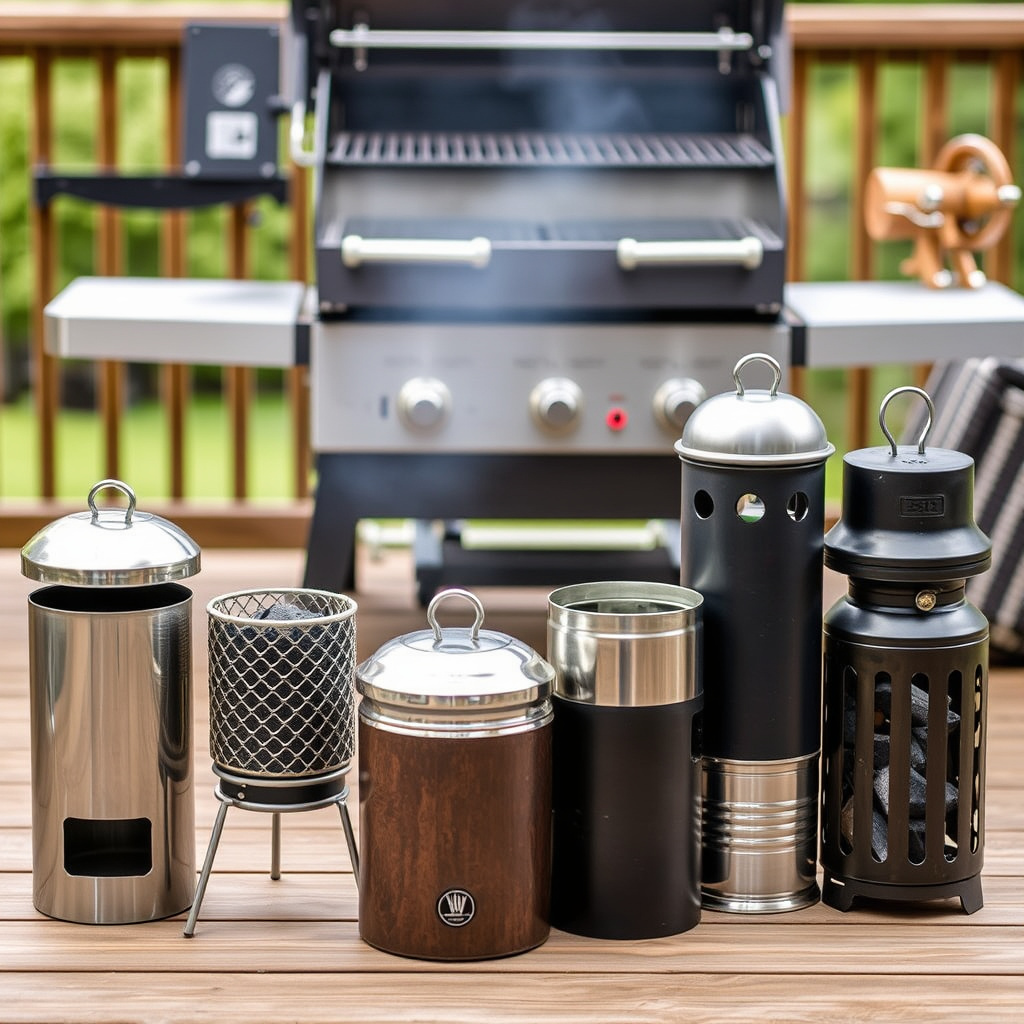
Choosing the Size Based on Grill Capacity
Chimney starters come in multiple sizes, typically measured in pounds of charcoal capacity. Small models hold around 5 pounds, suitable for portable grills or small cooking sessions. Larger units can contain up to 10 pounds or more for big backyard BBQs.
Match the chimney size to your grill’s charcoal capacity to avoid multiple loads or waste. For family cooking on a kettle grill, a 7-8 pound chimney is usually ideal.
- Small: ~5 lbs charcoal
- Medium: ~7-8 lbs charcoal
- Large: 10+ lbs charcoal
Material and Handle Features
Most chimney starters are made from steel or aluminum. Steel is durable and retains heat longer, while aluminum is lighter but can degrade faster. Look for heat-resistant handles built with insulation or double grips to protect your hands.
A sturdy handle system with a heat shield can prevent burns during coal pouring. Some models include a secondary handle or brace grip for better control.
Steps to Light Charcoal Using a Chimney Starter
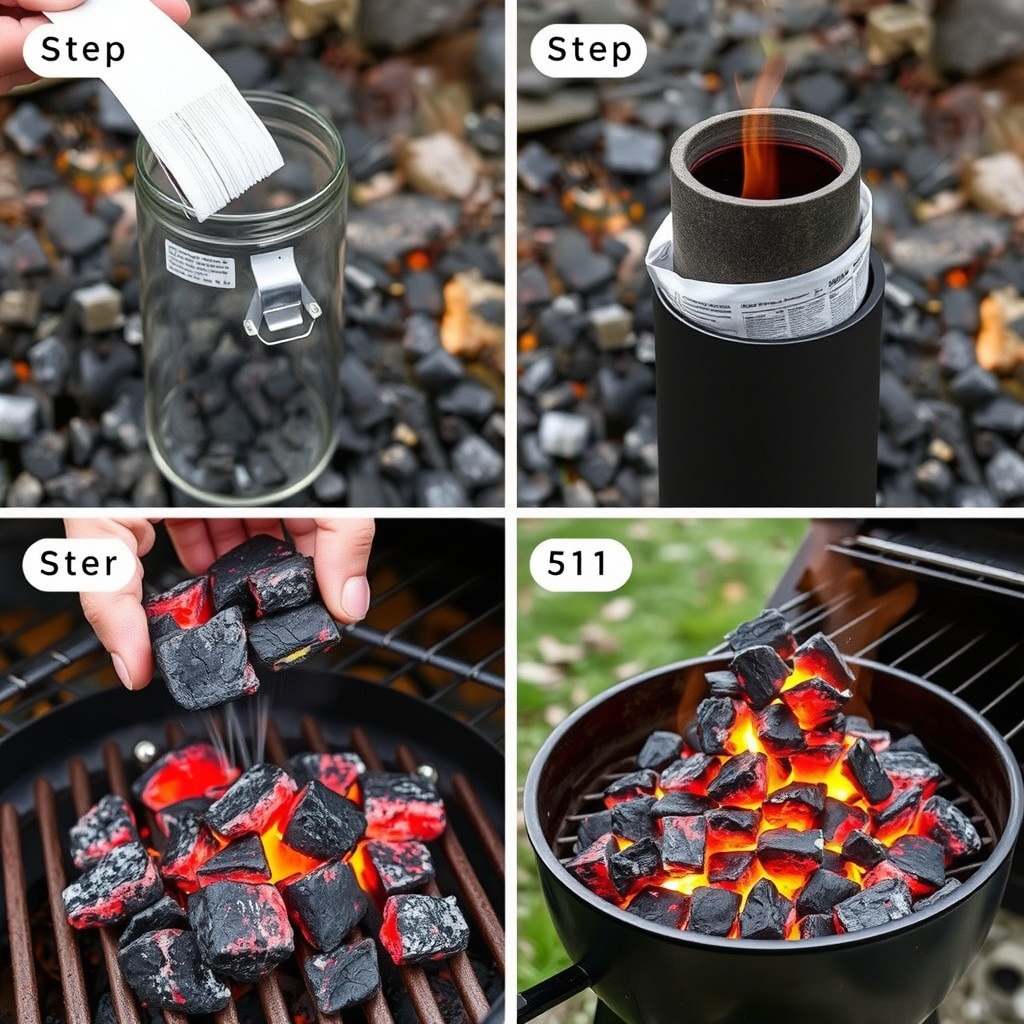
Preparing the Chimney Starter and Kindling
Begin by stuffing the bottom section of the chimney with tightly crumpled newspaper or use fire starter cubes. Fill the top with an even layer of charcoal briquettes without overpacking to allow air flow.
Ensure the chimney rests on a fireproof surface, like the grill grate or concrete, to keep it stable as the paper ignites and starts heating the charcoal.
- Use 3-4 sheets of newspaper
- Arrange briquettes loosely
- Place chimney on stable, heat-resistant base
For more on this, see our related guide: How to Use a Charcoal Grill for Perfect Barbecue Every Time.
Monitoring and Pouring the Hot Coals
Light the newspaper through the chimney’s bottom vents. Flames will begin to ignite the briquettes. Within 10-15 minutes, the top coals should be covered with white-gray ash and glowing hot.
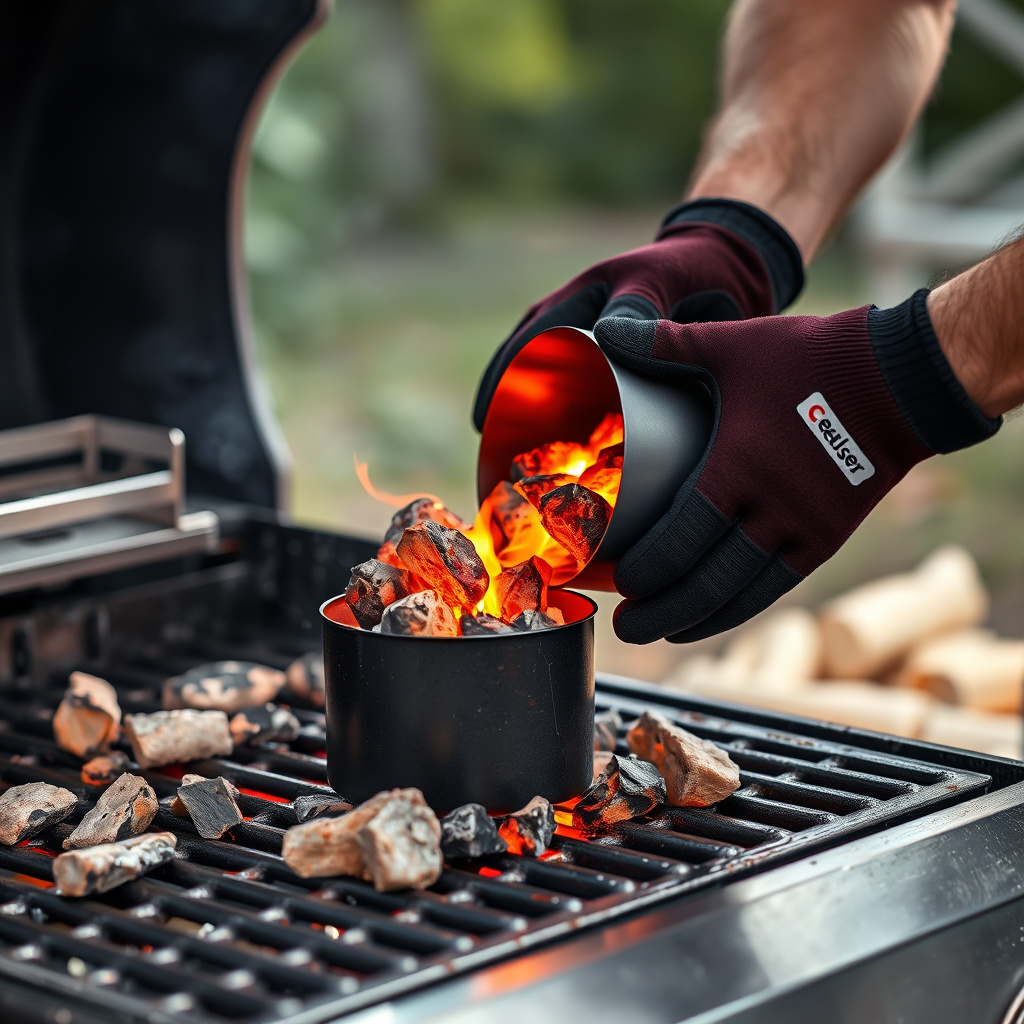
Carefully lift the chimney by the insulated handle and pour the coals evenly into the grill’s charcoal bed. Use grill gloves for safety. Arrange as needed for direct or indirect cooking.
- Look for ashen coating on coals
- Use heat-resistant gloves when handling
- Pour coals slowly and evenly
Alternative Kindling Materials and Tips
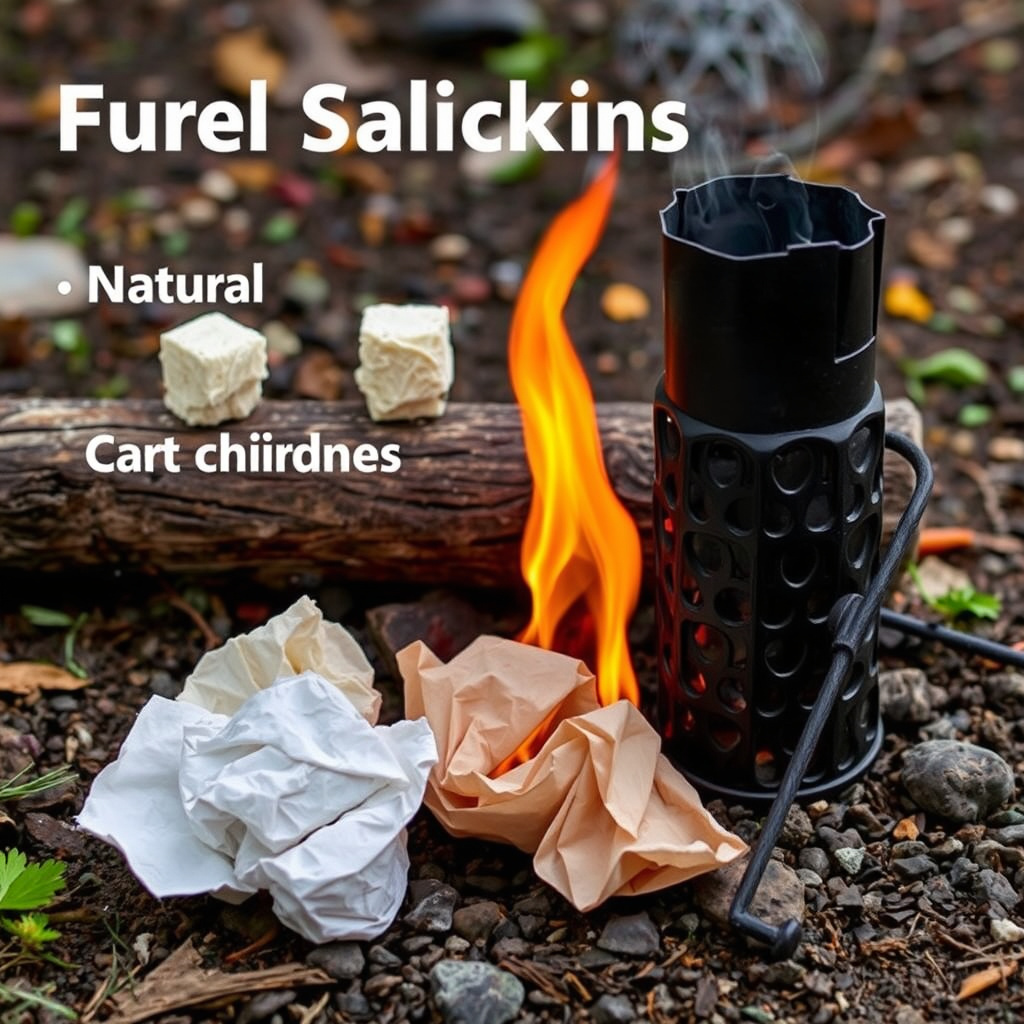
Using Natural Fire Starters and Wax Cubes
Natural fire starters, such as compressed sawdust blocks or soy-based cubes, provide a cleaner and quicker ignition than newspaper. They burn longer and produce less ash, which can be helpful if weather conditions dampen paper.
Wax cubes designed for chimney starters are easy to light and highly portable, making them excellent for tailgating or camping grills.
- Longer burn time than newspaper
- Produce steady flame
- Less residual ash
Avoiding Common Ignition Mistakes
Avoid packing charcoal too tightly, which restricts airflow and slows ignition. Also, don't use too little kindling, as the fire may not sustain. Make sure the chimney’s ventilation holes remain unobstructed for best airflow.
Never use lighter fluid inside the chimney starter; this can lead to dangerous flare-ups.
- Avoid tightly packed coals
- Keep ventilation holes clear
- Never add lighter fluid to chimney
Safety and Maintenance Tips for Your Charcoal Starter
Handling Hot Equipment Safely
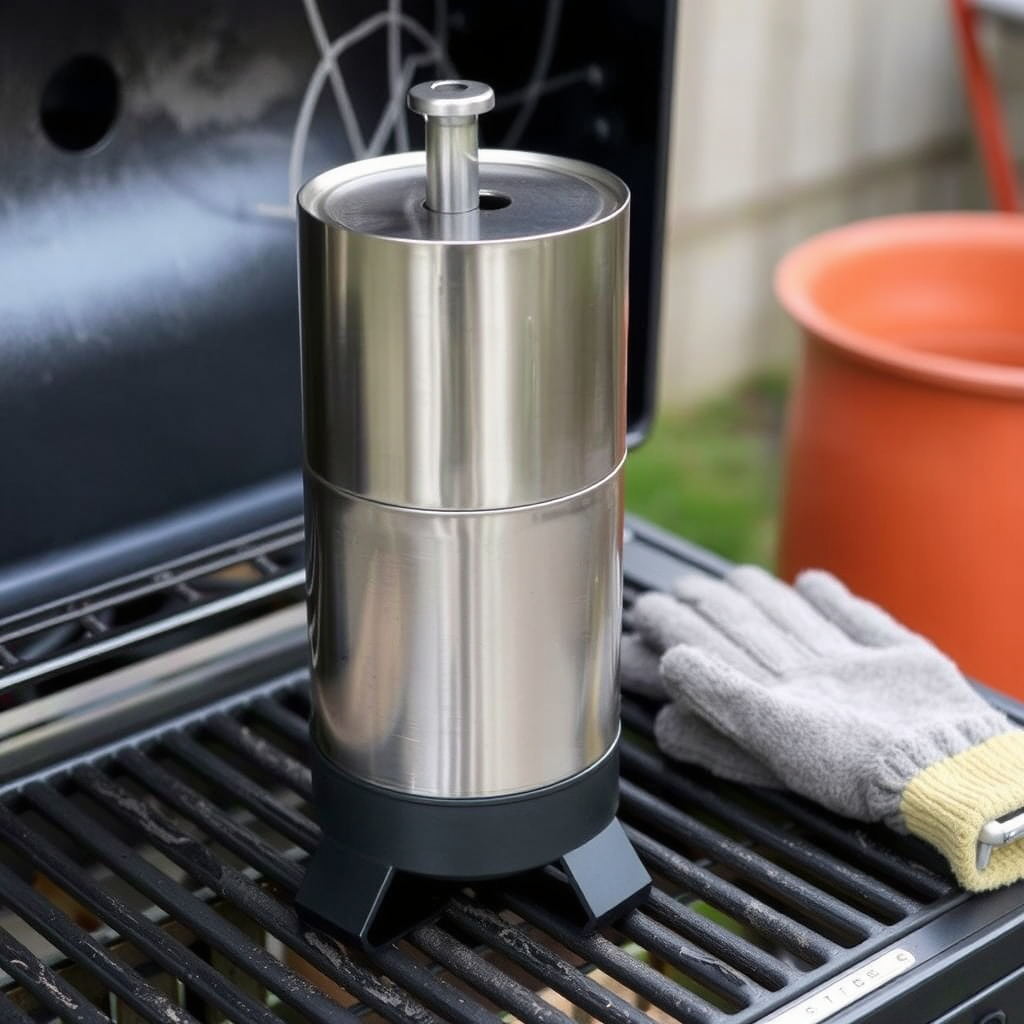
Wear heat-resistant gloves when handling the chimney starter during and after use to prevent burns. Always place the chimney on a fireproof surface away from flammable materials while igniting and cooling.
Keep a spray bottle of water nearby to manage flare-ups and never leave the chimney unattended while burning.
- Use gloves when touching the chimney
- Work on nonflammable surfaces
- Have water or extinguisher nearby
For more on this, see our related guide: How to Start a Charcoal Grill: A Step-by-Step Guide for Beginners.
Cleaning and Storing Your Chimney Starter
After each use, let the chimney cool fully before cleaning out ash residue. Use a wire brush to scrub the interior and exterior to prevent buildup and rust. Store it in a dry place to extend its lifespan.
Regular maintenance maintains performance and avoids contamination from old ash affecting charcoal ignition.
- Cool completely before cleaning
- Brush off soot and ash
- Store in a dry, sheltered area
Advanced Techniques with a Charcoal Chimney Starter
Starting Different Charcoal Types
Charcoal starters are effective with briquettes and lump charcoal, though lump charcoal ignites faster and burns hotter. For lump charcoal, reduce the quantity slightly to avoid overheating and burning food too quickly.
Adjust lighting time accordingly: lump charcoal may take 5-10 minutes to ignite fully compared to 15 for briquettes.
- Lump charcoal ignites faster
- Adjust amounts for heat control
- Monitor coals closely for lump
For more technical background on how chimney starters function, you can visit the charcoal chimney starter Wikipedia page. charcoal chimney starter Wikipedia page.
Customizing Coal Arrangements Using the Starter
Pour glowing coals into specific zones for direct grilling or create heat zones by piling coals on one side. You can also reserve unlit charcoal for slow cooking when needed. The chimney starter simplifies creating these arrangements evenly.
This flexibility helps control cooking temperature and manage flare-ups efficiently during grilling sessions.
- Create direct or indirect heat zones
- Reserve coals for lower heat cooking
- Even charcoal lighting improves heat control
Charcoal Chimney Starter Type Comparison
Here's a comparison of common charcoal chimney starter types to help you find the best fit for your grilling needs.
| Type | Material | Capacity | Weight | Special Features |
|---|---|---|---|---|
| Basic Steel Chimney | Steel | 5-7 lbs | 2.5 lbs | Heat shield handle, budget-friendly |
| Heavy-Duty Steel | Steel | 8-10 lbs | 3.5 lbs | Reinforced body, insulated grip |
| Aluminum Lightweight | Aluminum | 5 lbs | 1.8 lbs | Light for camping, corrosion resistant |
| Combination Handle Model | Steel | 7-8 lbs | 3.0 lbs | Dual handle design for better control |
Frequently Asked Questions
Can I use a charcoal chimney starter with lump charcoal?
Yes, chimney starters work well with lump charcoal. Lump ignites more quickly and burns hotter, so monitor it closely to avoid overheating your grill and adjust quantities as needed.
Is it safe to use lighter fluid with a chimney starter?
No, using lighter fluid inside a chimney starter is unsafe and can cause dangerous flare-ups. The chimney is designed to ignite charcoal naturally with paper or fire starters.
How long does it take for charcoal to be ready using a chimney starter?
Typically, it takes about 10-15 minutes for coals to become fully ignited and covered with ash when using a chimney starter, depending on charcoal type and kindling used.
What kind of paper is best for starting a chimney starter?
Crumpled newspaper works well as it lights easily and burns steadily. Natural fire starters or wax cubes are also effective alternatives that produce longer-lasting flames.
How do I clean and maintain my charcoal chimney starter?
After cooling, use a wire brush to remove ash and soot from inside and out. Store it in a dry area to prevent rust and prolong its lifespan.
Key Takeaways
- Charcoal chimney starters light coals quickly without lighter fluid.
- Proper size and handle features enhance safety and efficiency.
- Using natural kindling or fire starters improves ignition.
- Regular cleaning prolongs the chimney starter’s usability.
Conclusion
Choosing how to ignite your charcoal can significantly affect both your grilling experience and the flavor of your food. The method that balances speed, safety, and flavor preservation will serve you best over many cookouts. The charcoal chimney starter stands out as a reliable, chemical-free way to achieve uniformly hot coals, giving you consistent grilling results each time you fire up your grill.
For casual backyard barbecuers, a medium-sized steel chimney with insulated handles offers the best value and safety, lighting up to 7-8 pounds of briquettes effectively. If you often grill outdoors or camp, a lightweight aluminum model or one with a dual-handle system might provide better portability and control. Using natural fire starters within the chimney can speed ignition and reduce ash residue, useful for seasoned grillers looking to optimize every step.
If you haven't used a charcoal starter before, try starting with simple newspaper kindling to experience even coal heating without added chemicals. Pair your charcoal chimney starter with appropriate gloves and a sturdy, fireproof surface to handle coals safely. Once you've mastered that process, experiment with coal arrangements for direct and indirect heat cooking. This small investment in technique goes a long way toward making grilling more efficient, safe, and flavorful.



