
Grilling kabobs well means mastering a few key techniques to get tender, flavorful meat and crisp veggies cooked evenly on skewers. Start by choosing the right ingredients, marinating for flavor and tenderness, then threading them properly before grilling over medium-high heat to achieve perfect char and juicy interiors.
Kabobs are a versatile and popular choice for grilling that combines meat, vegetables, and sometimes fruit on skewers, offering a quick, tasty option for outdoor cooking. Knowing how to grill kabobs properly ensures a meal that’s delicious, visually appealing, and evenly cooked without drying out or burning.
This guide covers everything from selecting the best ingredients and marinades to prepping skewers and grill temperature tips. You'll also find advice on timing and turning kabobs, so you can create restaurant-quality kabobs at home with ease.
Choosing Ingredients for Your Kabobs
Selecting the Best Meat Cuts
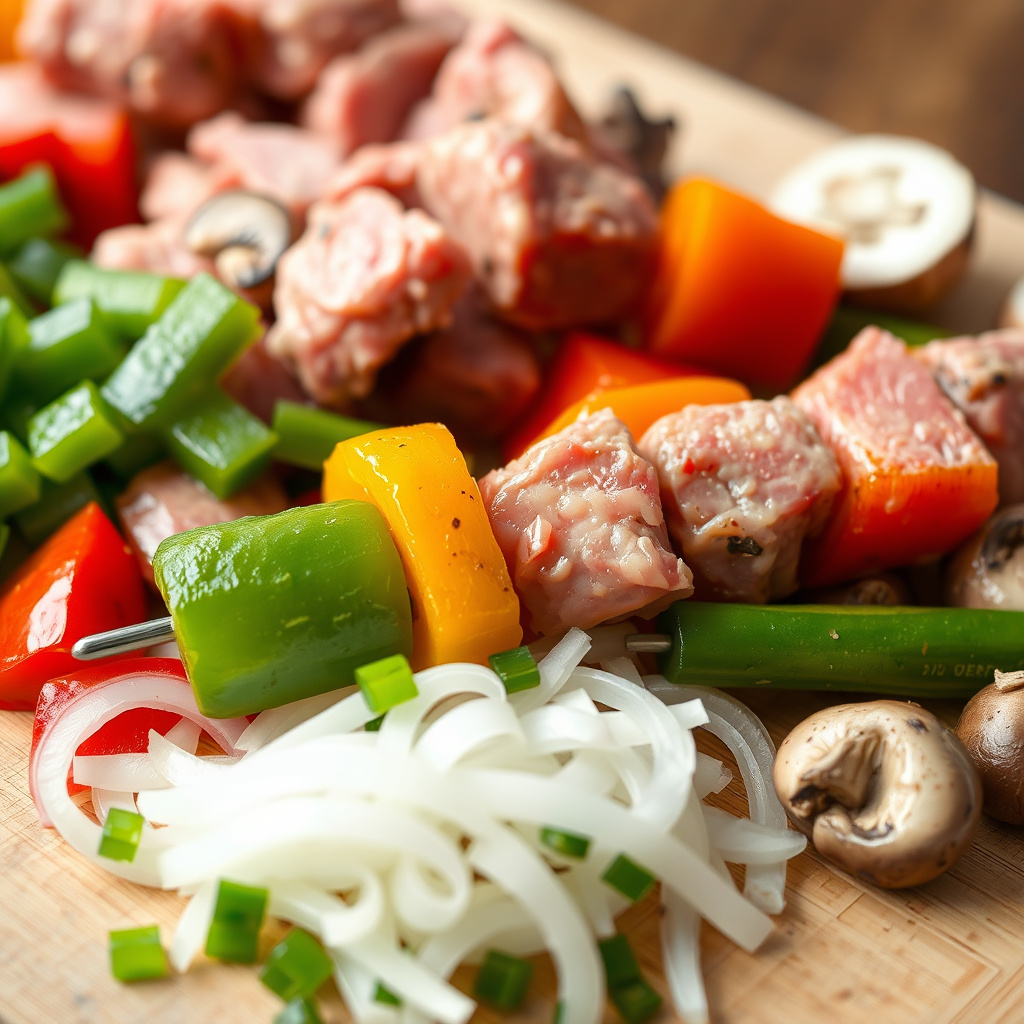
Choosing the right cut of meat is essential for kabobs. Tender cuts like sirloin, chicken breast, or pork loin work well due to their quick cooking times and consistent texture. Avoid tough cuts that require long cooking as they can become chewy on the grill.
Cubing meat into uniform pieces about 1 to 1.5 inches ensures even cooking. Trim excess fat to reduce flare-ups but leave a little marbling to enhance juiciness and flavor.
- Sirloin or ribeye for beef
- Chicken breasts or thighs
- Pork loin or tenderloin
- Firm fish like salmon or swordfish
Selecting Vegetables and Other Add-Ins
Vegetables that hold their shape and cook evenly are ideal for kabobs. Bell peppers, onions, cherry tomatoes, zucchini slices, and button mushrooms are classic choices. Avoid watery vegetables like cucumber or lettuce that lose texture on the grill.
You can also thread fruit pieces like pineapple or peaches for a sweet contrast. Cut all vegetables into chunks similar in size to the meat to keep cooking times uniform.
- Bell peppers
- Red onions
- Cherry tomatoes
- Zucchini or summer squash
- Pineapple chunks
Marinating Kabobs for Deep Flavor
Key Components of Effective Marinades
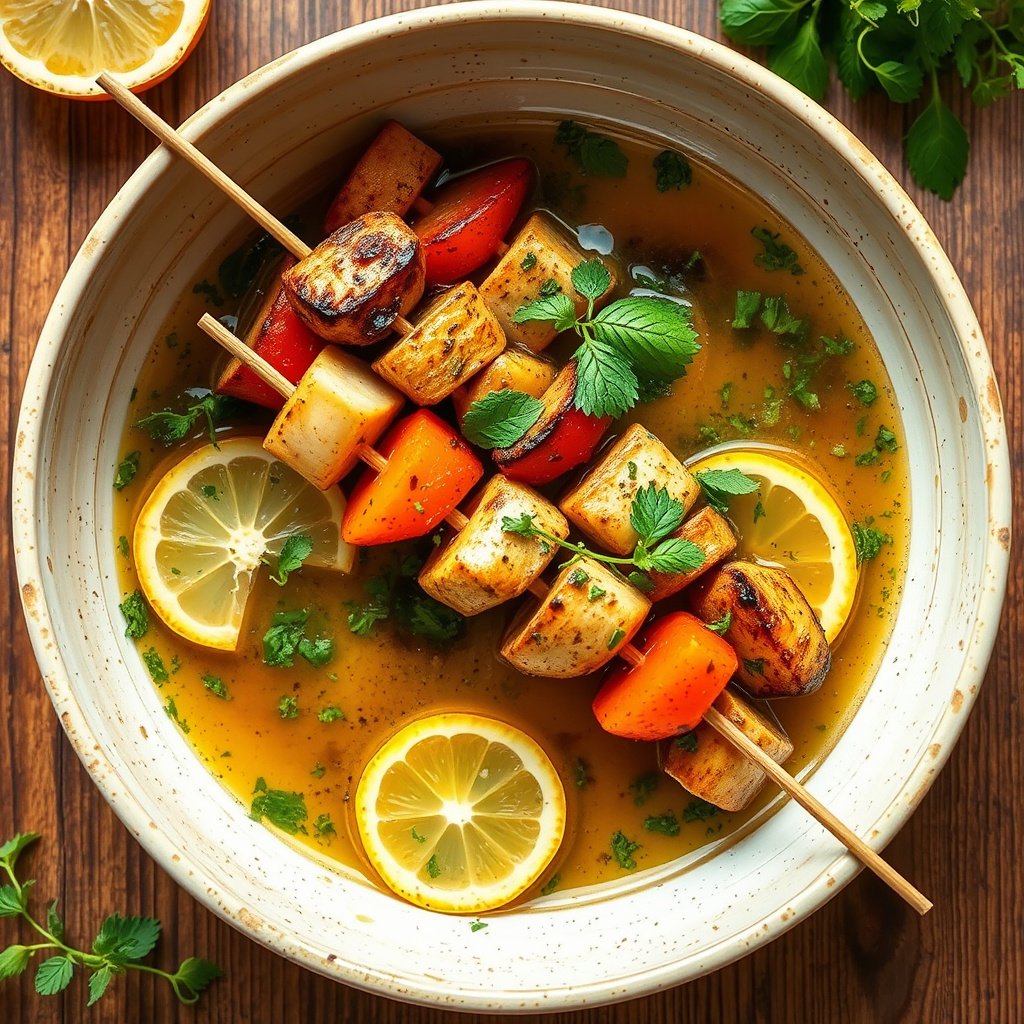
A good marinade balances acid, oil, and herbs or spices to tenderize and flavor the meat. Common acidic ingredients include lemon juice, vinegar, or yogurt. Oil helps keep moisture in and fosters a good grill sear.
Adding garlic, fresh herbs like rosemary or thyme, and spices such as cumin or paprika will complement the natural flavors of your ingredients, enhancing your kabobs without overpowering them.
- Acid (lemon juice, vinegar, yogurt)
- Oil (olive, vegetable)
- Herbs (rosemary, thyme, parsley)
- Spices (paprika, cumin, black pepper)
Marinating Times and Tips
Marinate meats for at least 30 minutes, but up to 4 hours for beef or chicken for best flavor and tenderness. Avoid over-marinating fish or delicate proteins, as acids can break down the flesh too much.
Keep kabobs refrigerated while marinating and discard any leftover marinade that touched raw meat. Using the best kabob marinade recipes can dramatically elevate your grilling outcomes.
- 30 min to 4 hours for beef/chicken
- 15-30 min for fish or seafood
- Keep refrigerated during marination
- Discard used marinade to avoid contamination
Preparing and Threading Kabobs
Choosing Skewers and Safety Tips
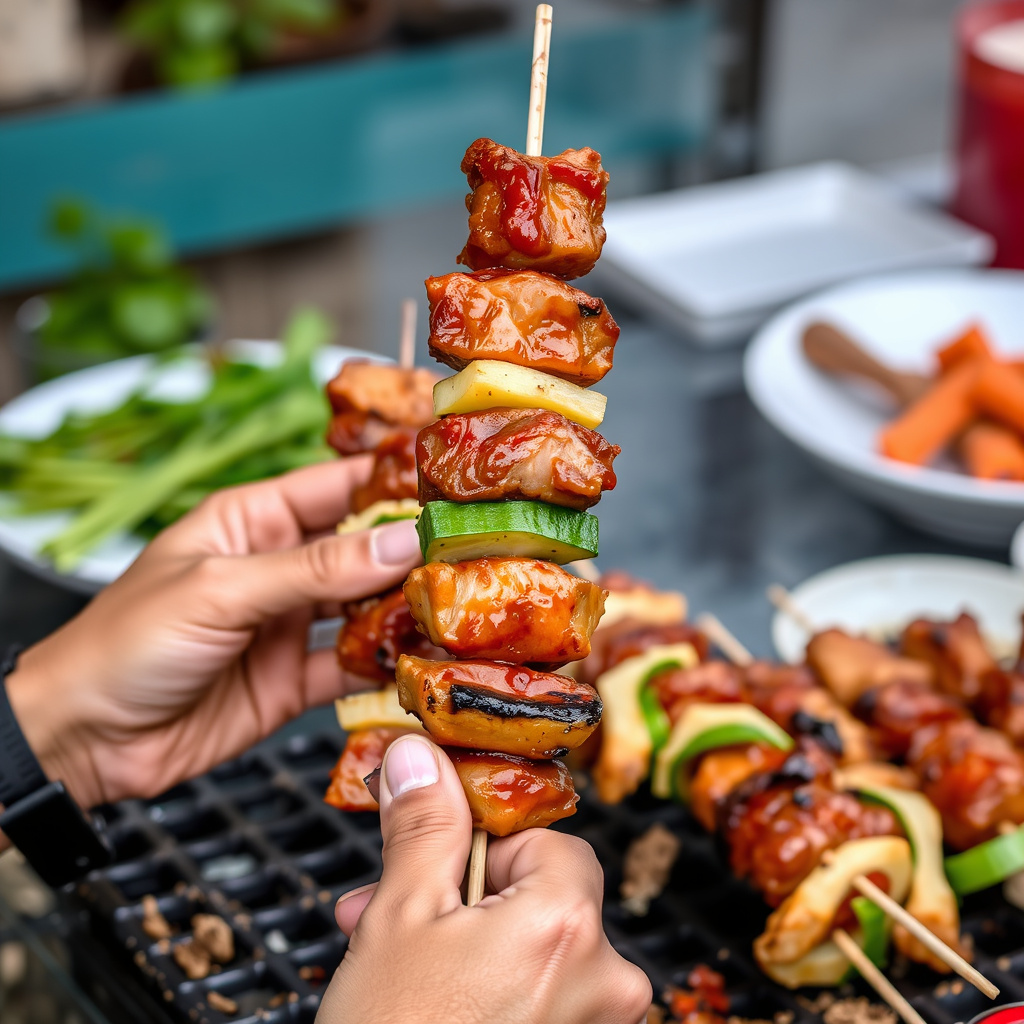
Metal skewers heat up faster and are reusable but be careful handling them while grilling. Wooden skewers are popular but should be soaked for at least 30 minutes to prevent burning on the grill.
Use skewers that are long enough to hold 4-6 pieces of meat and vegetable chunks with a little space between pieces for even cooking and air circulation.
- Metal skewers heat quickly, reusable
- Soak wooden skewers 30+ minutes
- Leave space between pieces
- Use appropriate skewer length
Techniques for Threading Kabobs
Alternate meat and vegetables to maximize flavor and color contrast on each kabob. Make sure pieces are roughly the same size so everything cooks at the same rate.
Don’t pack the pieces too tightly together. Small gaps allow heat to circulate and cook the ingredients uniformly, reducing steaming and improving char development.
- Alternate meat and veggies
- Uniform chunk size
- Avoid overcrowding on skewer
- Include a variety of colors
Grilling Techniques for Perfect Kabobs
Setting the Right Grill Temperature
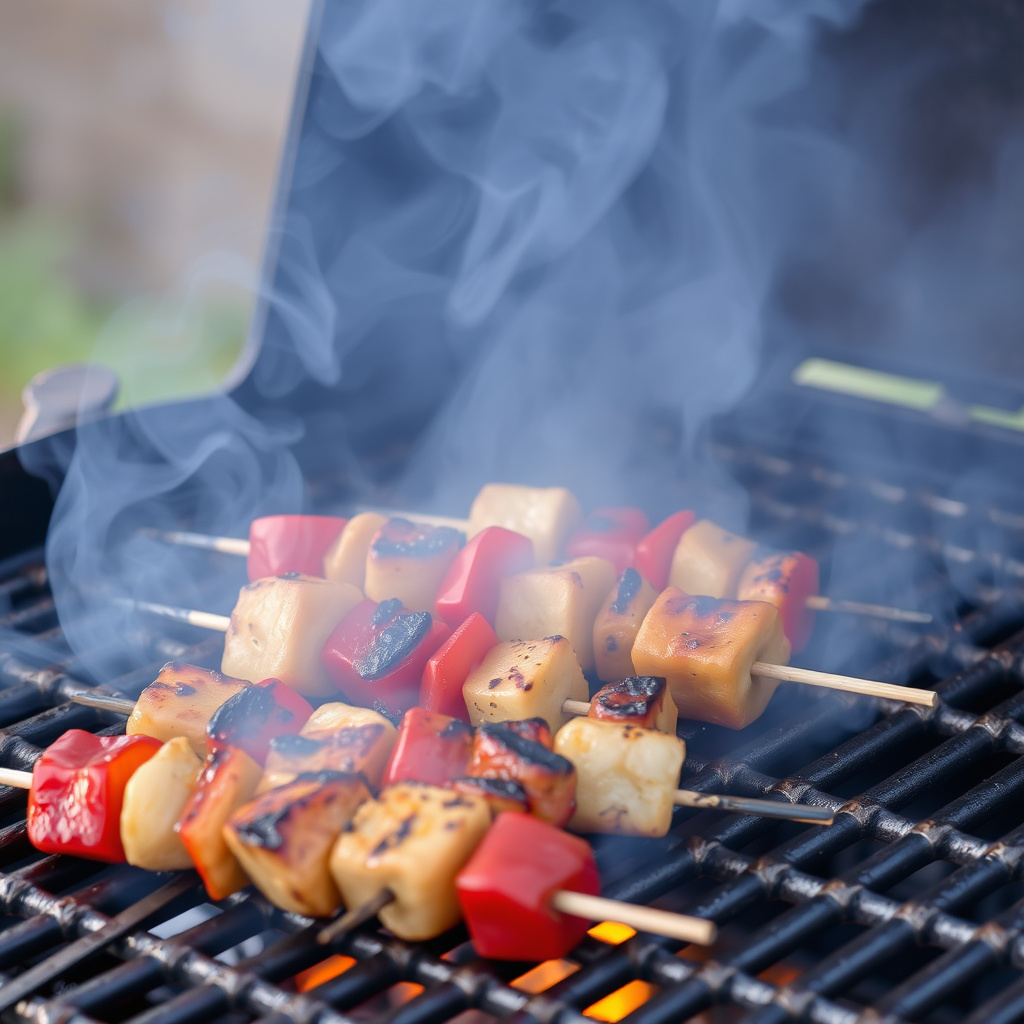
Preheat the grill to medium-high heat, about 375°F to 450°F. This temperature range cooks the kabobs quickly and develops desirable grill marks without burning the exterior.
If using charcoal, arrange coals to create a hot zone and a cooler zone for managing flare-ups, allowing you to move kabobs as needed during cooking.
- Medium-high heat (375-450°F)
- Create hot and cooler zones
- Preheat grill well before cooking
Timing and Turning Kabobs
Grill kabobs for 10-15 minutes total, turning every 2-3 minutes to ensure even cooking on all sides. Look for nicely browned meat and vegetables that are tender-crisp without being mushy.
Use tongs gently to handle kabobs, avoiding piercing the meat which can cause juices to escape and dry out the protein.
- Cook 10-15 minutes total
- Turn every 2-3 minutes
- Avoid piercing meat with fork
- Remove when internal temp reaches safe level
Serving and Storing Kabobs
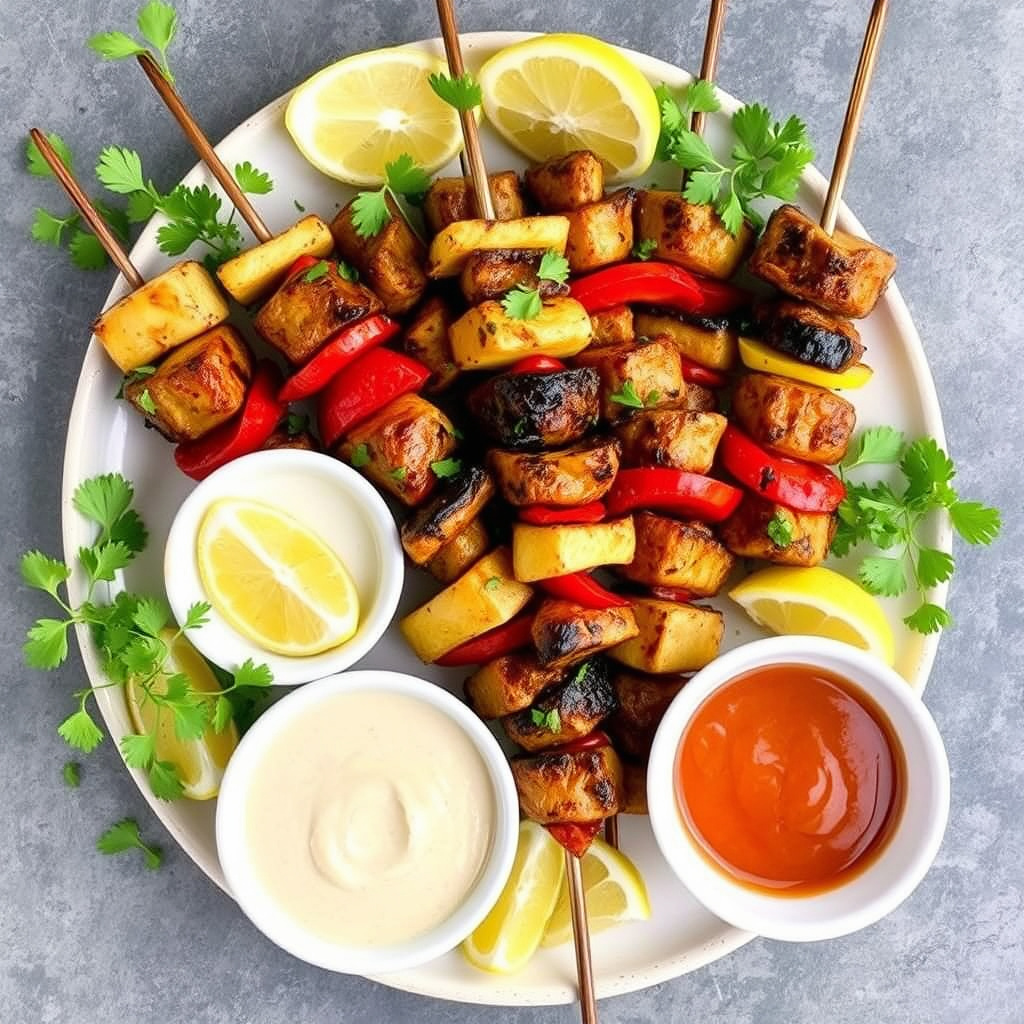
Presentation and Accompaniments
Serve kabobs hot off the grill on a platter garnished with fresh herbs like parsley or cilantro for a pop of color. Lemon wedges add brightness and complement grilled flavors.
Common side dishes include rice, pita bread, or a fresh salad. Consider offering sauces like tzatziki, chimichurri, or garlic yogurt for extra flavor.
- Garnish with herbs and lemon
- Serve with rice or bread
- Offer complementary sauces
- Use colorful platter for visual appeal
For a detailed understanding of kabob history and styles, consult this kabob cooking techniques overview. Kabob cooking techniques overview.
Storing and Reheating Leftovers
Store leftover kabobs in an airtight container in the refrigerator for up to 3 days. Separate meat and vegetables if possible to preserve texture best.
Reheat kabobs gently in a skillet or oven at low heat to avoid drying out. Avoid microwaving as it can make them tough and unevenly heated.
- Refrigerate up to 3 days
- Separate meat and veggies for storage
- Reheat in oven or skillet
- Avoid microwave reheating
Kabob Types and Their Best Uses
Here’s a quick comparison of popular kabob types highlighting their ideal ingredients, cooking times, and flavor profiles.
| Kabob Type | Typical Ingredients | Grill Time | Flavor Profile |
|---|---|---|---|
| Beef Kabobs | Sirloin, bell peppers, onions | 12-15 minutes | Rich, hearty, savory |
| Chicken Kabobs | Chicken breast, zucchini, cherry tomatoes | 10-12 minutes | Mild, juicy, tender |
| Pork Kabobs | Pork loin, pineapple, bell peppers | 12-15 minutes | Sweet and smoky with tang |
| Seafood Kabobs | Shrimp, salmon, cherry tomatoes | 6-8 minutes | Delicate, fresh, slightly sweet |
| Vegetable Kabobs | Mushrooms, zucchini, onions, peppers | 8-10 minutes | Earthy, fresh, crisp |
Frequently Asked Questions
Can I use frozen meat for kabobs?
It's best to use fresh or fully thawed meat for kabobs. Partially frozen meat won't thread easily and can cook unevenly, resulting in an inconsistent texture.
How do I prevent kabobs from sticking to the grill?
Brush both the grill grates and the kabobs with oil before grilling. Also, let the grill preheat well; food releases more easily once seared properly.
What’s a safe internal temperature for grilled kabobs?
Chicken should reach 165°F, pork 145°F with a 3-minute rest, and beef varies by preference but at least 145°F is recommended for safety.
Are wooden skewers better than metal ones?
Wooden skewers need soaking to prevent burning and are disposable, while metal skewers conduct heat, cooking the meat internally, and are reusable. Choice depends on convenience and cooking style.
Can I make kabobs vegetarian?
Absolutely. Combine firm vegetables such as bell peppers, mushrooms, onions, and zucchini on skewers. Marinate with herbs and spices for added flavor.
Key Takeaways
- Use uniform, tender meat cuts and sturdy vegetables for even cooking
- Marinate kabobs for flavor and tenderness but avoid over-marinating delicate proteins
- Grill over medium-high heat with regular turning to avoid burning
- Serve kabobs hot with fresh garnishes and complementary sides
Conclusion
Grilling kabobs is a straightforward process when you combine the right preparation and cooking techniques. Focusing on quality ingredients, balanced marinades, and proper skewer methods ensures kabobs cook evenly with great taste and texture. Understanding timing and grill temperature keeps the kabobs juicy while getting that sought-after caramelized exterior.
Different kabob types have distinct flavor profiles and cook times, making them adaptable for various occasions. Beef and pork kabobs suit longer grilling and bold flavors, chicken gives a versatile middle ground, seafood offers quick cooking and delicateness, and vegetable kabobs provide a vibrant side or main course. Using the best kabob marinade recipes enhances all of these options for crowd-pleasing results.
To make your own perfect kabobs, plan your ingredient selections, prepare adequate marinade time, and maintain control of your grill temperature and turning schedule. Whether for a casual barbecue or special meal, practicing these steps will elevate your kabobs to impressive, flavor-packed dishes worth repeating.



