
Grilling chicken thighs typically takes about 20 to 30 minutes depending on their size and whether they are bone-in or boneless. For bone-in thighs, plan on grilling for around 25 to 30 minutes, turning every 5 to 7 minutes to ensure even cooking. Boneless thighs cook a bit faster, usually within 15 to 20 minutes. The key indicator is an internal temperature of 165°F (74°C) to guarantee safety and juiciness.
Chicken thighs are favored for grilling because of their rich fat content and tenderness, which help prevent drying out. Knowing the correct grill time is vital to avoid either undercooking, which risks food safety, or overcooking, which leads to dry, tough meat. Precise timing combined with controlled heat will produce flavorful, succulent chicken.
This article will guide you on grilling methods, temperature controls, and timing specifics for both bone-in and boneless chicken thighs. You'll also discover tips on preparation, cooking styles, and tools to help achieve the best grilling results.
Understanding Grill Heat and Its Impact on Chicken Thighs
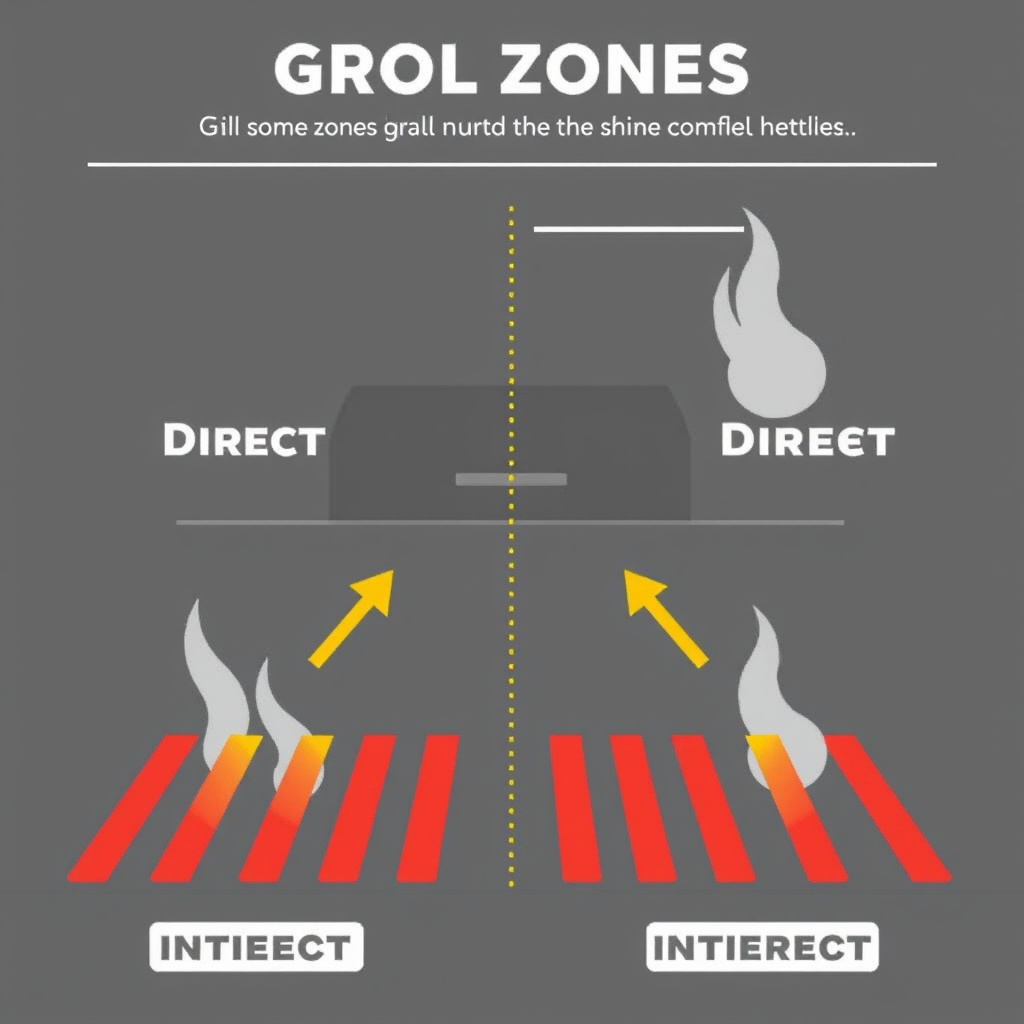
Direct vs Indirect Heat for Grilling Chicken
Direct heat grills cook chicken thighs quickly and create a crispy, charred exterior, but they can lead to uneven cooking if the heat is too high. Indirect heat surrounds the meat with gentler warmth, allowing slower, more even cooking which is better for thicker, bone-in thighs.
Using both heat zones can optimize grilling. Start over direct heat to sear the skin and lock in juices, then move the chicken to indirect heat to finish cooking without burning.
- Direct heat for searing
- Indirect heat for thorough cooking
- Combine both for best results
Recommended Grill Temperatures for Chicken Thighs
Maintain grill temperatures between 350°F and 450°F. Higher heat at 450°F is great for boneless thighs for fast cooking, while 350°F suits bone-in pieces to prevent drying out during the longer cook time.
Monitoring grill temperature avoids flare-ups and burnt skin, helping meat cook evenly and reach the safe internal temperature of 165°F.
- 350°F for bone-in thighs
- 400-450°F for boneless thighs
- Use a thermometer to check
Timing Guidelines for Grilling Chicken Thighs
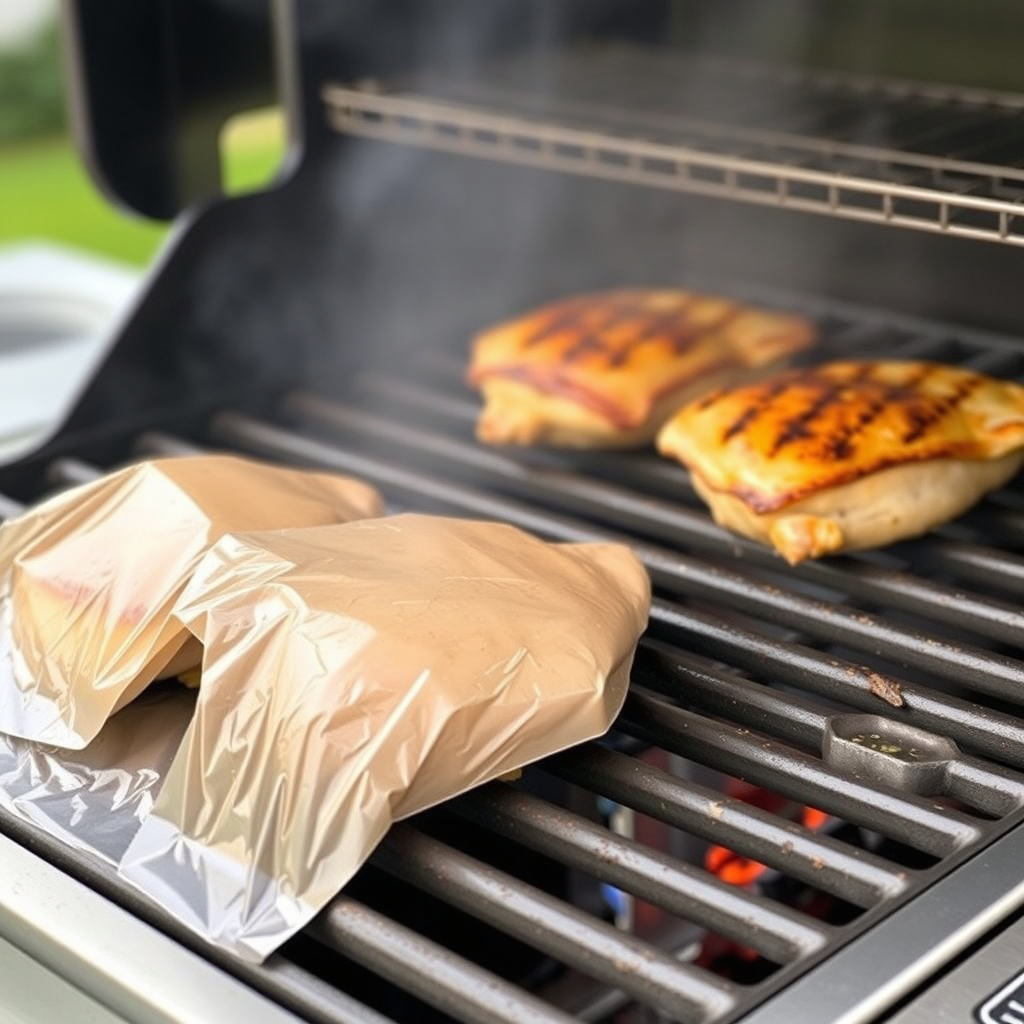
Grilling Bone-in Chicken Thighs
Bone-in chicken thighs require around 25 to 30 minutes to grill properly. Turn the thighs every 5 to 7 minutes to avoid burning and to ensure all sides are cooked evenly.
Insert a meat thermometer to confirm the internal temperature has reached 165°F. Cooking times may vary slightly based on thickness and grill heat stability.
- Grill time: 25-30 minutes
- Turn every 5-7 minutes
- Use a thermometer
Grilling Boneless Chicken Thighs
Boneless chicken thighs cook faster due to lack of bone mass. Grill them for approximately 15 to 20 minutes, flipping every 4 to 5 minutes for even browning and cooking.
Check internal temperature with a probe to reach 165°F, preventing undercooking or drying out the meat with prolonged heat exposure.
- Grill time: 15-20 minutes
- Flip every 4-5 minutes
- Thermometer recommended
Preparation Tips Before Grilling Chicken Thighs
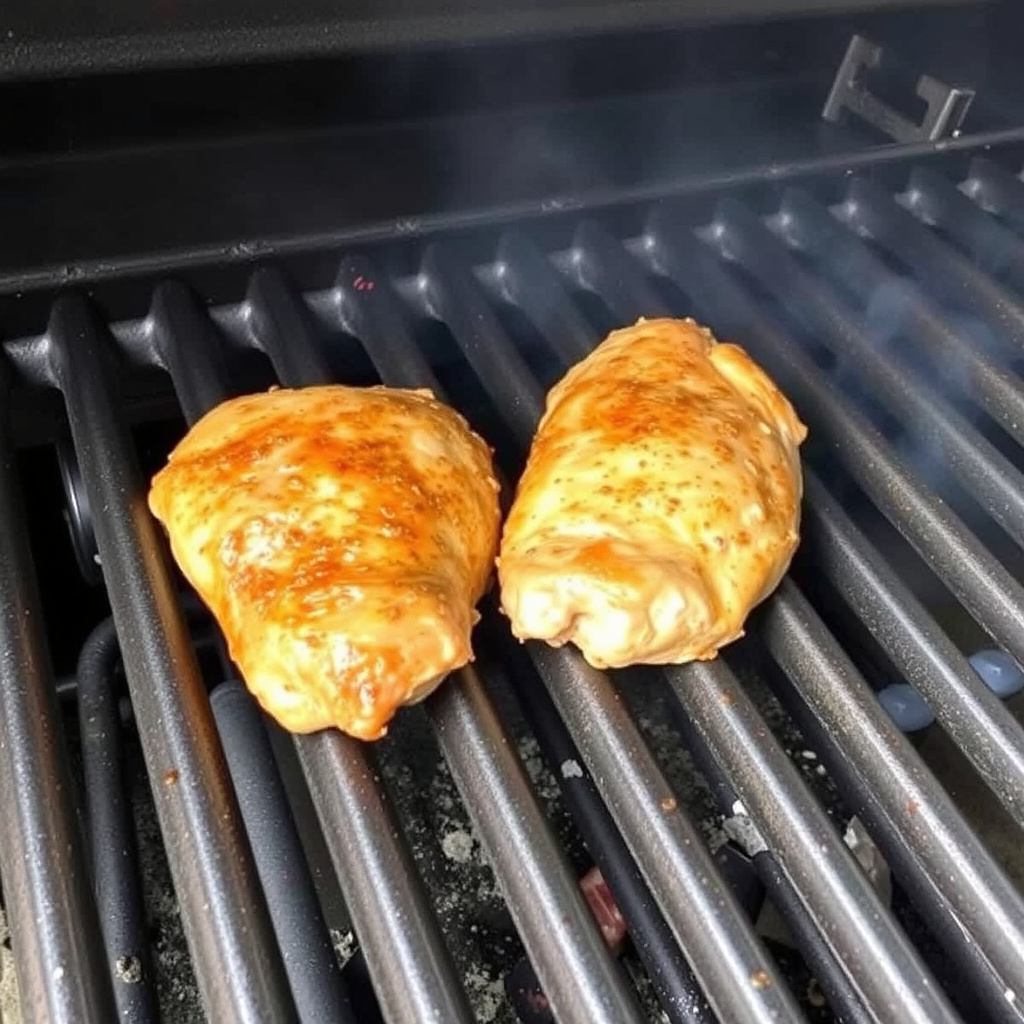
Marinating and Seasoning Approaches
Marinating thighs adds flavor and can tenderize the meat. Use acidic ingredients like lemon juice or vinegar combined with oil and herbs. Marinate for at least 30 minutes, up to overnight for deeper taste.
If short on time, dry rubs of salt, pepper, garlic powder, and smoked paprika can enhance flavor without needing long marination.
- Use acidic marinades
- Marinate 30 minutes or longer
- Dry rubs for quick prep
For more on this, see our related guide: How to Grill Kabobs Perfectly Every Time: A Step-by-Step Guide.
Bringing Chicken to Room Temperature
Let chicken thighs sit out for 15-20 minutes before grilling to ensure more even cooking. Cold meat placed on a hot grill can cook unevenly and result in dry spots or raw centers.
Room temperature meat interacts better with grill heat, producing consistent results and helping the skin crisp up nicely.
Tools and Equipment for Perfect Grilled Chicken
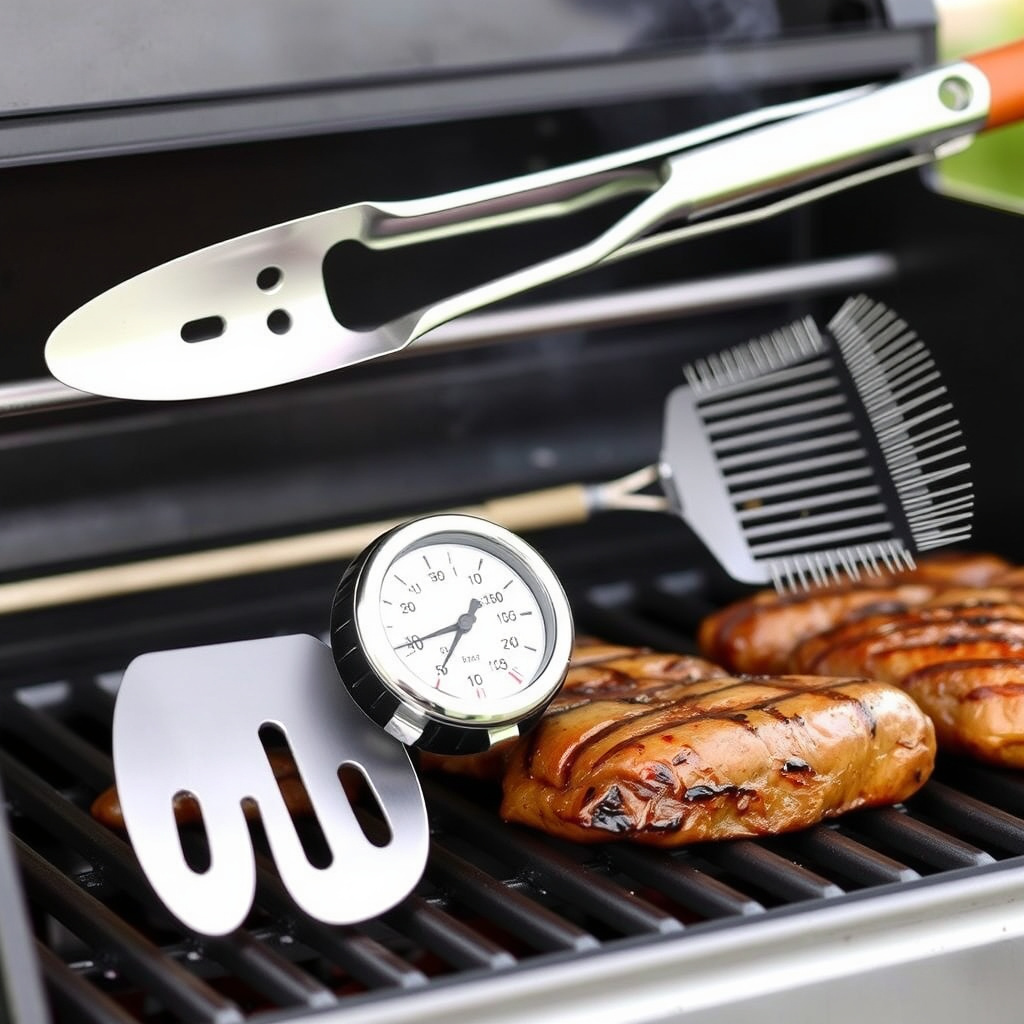
Using a Meat Thermometer
A digital instant-read thermometer is essential for perfectly grilled chicken thighs. Checking internal temperature avoids guesswork and helps you pull the meat off the grill at exactly the right time.
Insert the probe into the thickest part, avoiding bone, to get an accurate reading confirming it has reached 165°F.
- Instant-read digital thermometer preferred
- Measure thickest part of the thigh
- Avoid bone contact for accuracy
Other Useful Grilling Tools
Long-handled tongs allow safe and easy flipping of thighs without piercing the meat, helping keep juices in. A grill brush will keep grates clean and prevent sticking, enhancing grill marks and flavor.
A timer or phone alarm helps track turnaround times for consistent cooking and prevents forgetting when to flip or check temperature.
- Long-handled tongs
- Grill brush
- Timer or cooking app
Common Mistakes When Grilling Chicken Thighs
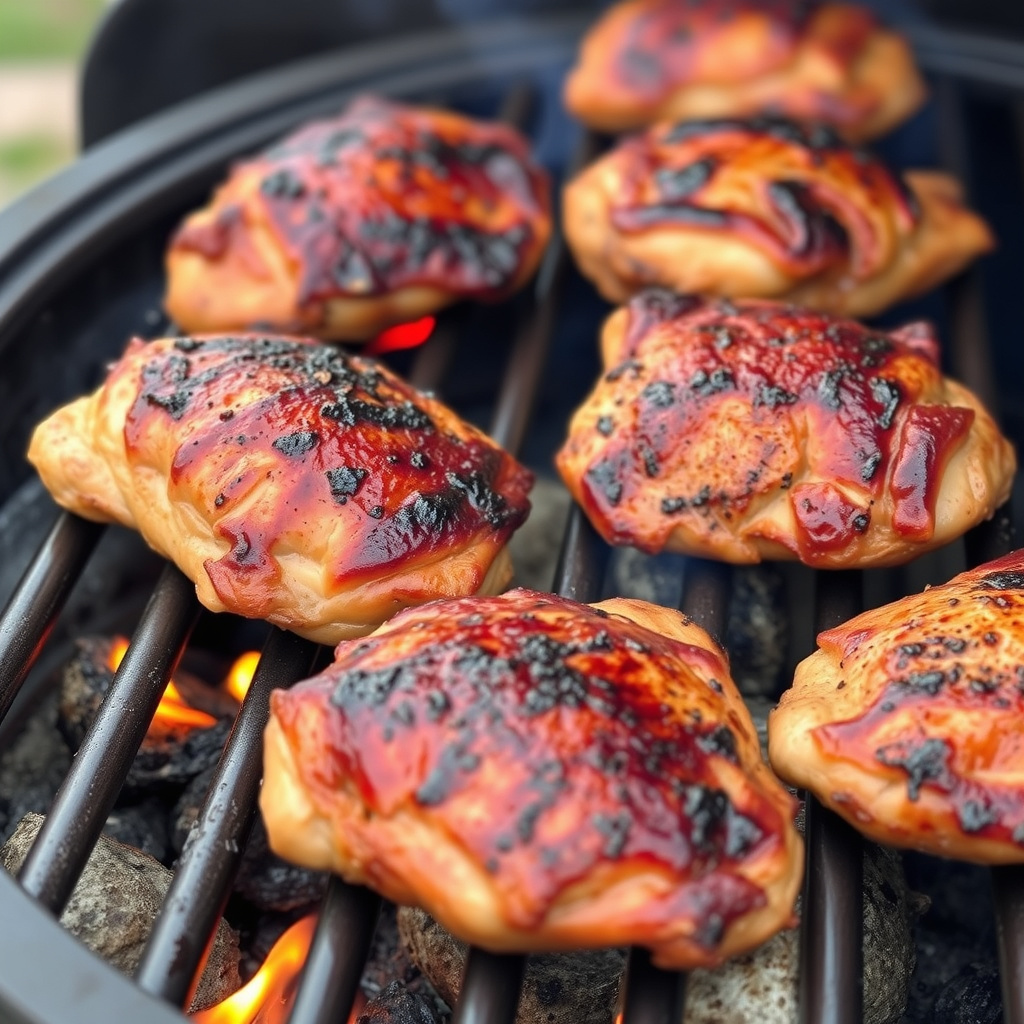
Overcooking Leading to Dryness
Grilling chicken thighs too long or at excessively high heat often dries out the meat. Although thighs are forgiving due to fat content, overcooking will still toughen muscle fibers and lose juiciness.
Use moderate heat settings and rely on a thermometer rather than time estimates to prevent overdone meat.
For more on this, see our related guide: How to Grill Chicken Thighs for Juicy, Flavorful Results.
Uneven Cooking with Thick Thighs
Thick bone-in thighs risk uneven cooking, especially if placed exclusively over direct heat. The outside may char before the center fully cooks.
Using indirect heat after searing and flipping frequently helps cook the meat evenly, avoiding raw sections.
Serving and Resting Grilled Chicken Thighs
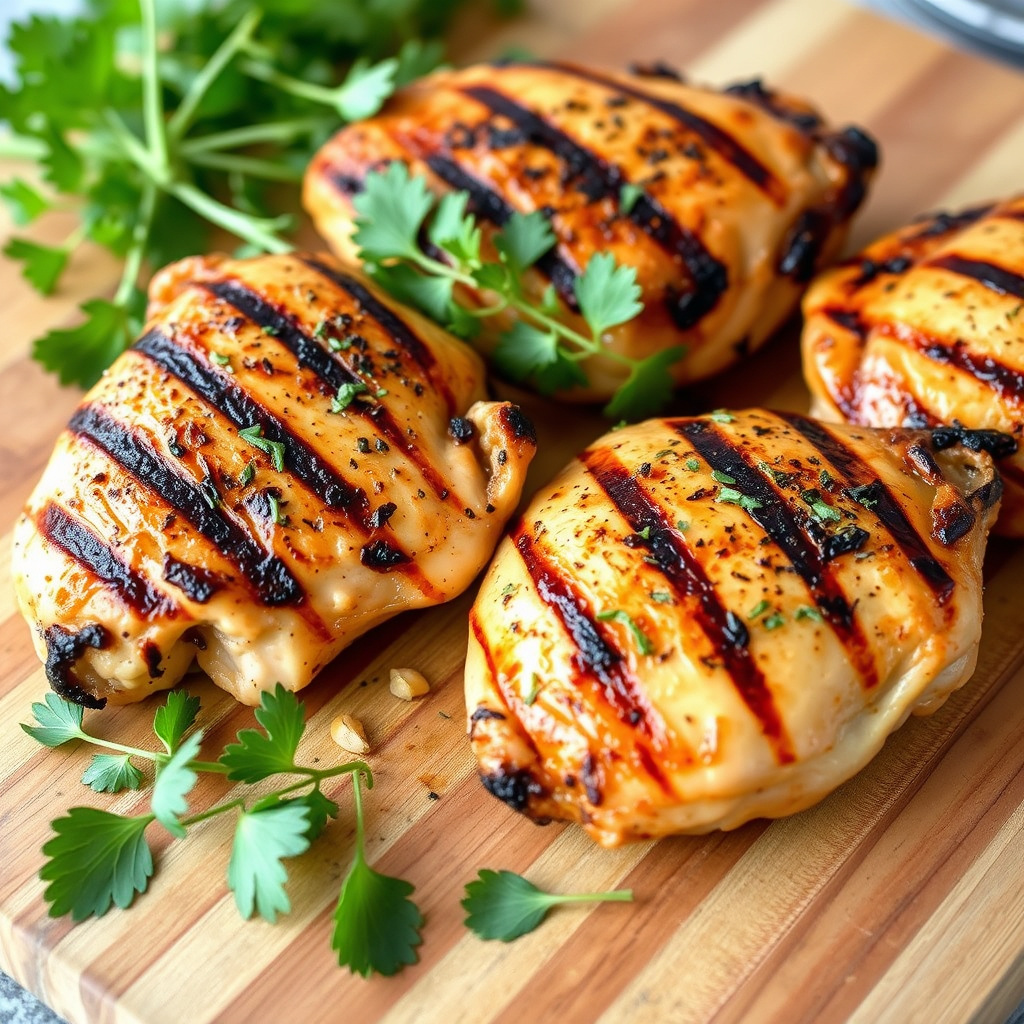
Importance of Resting Meat After Grilling
Allow grilled chicken thighs to rest for 5 to 10 minutes after removing from the grill to let juices redistribute. Cutting too early causes juices to escape, resulting in drier meat.
Resting also finishes internal cooking slightly, ensuring tenderness and flavor enhancements.
- Rest for 5-10 minutes
- Cover loosely with foil
- Prevents juice loss
For authoritative advice on chicken thigh cooking temperatures, visit the USDA's food safety guidelines. chicken thigh cooking temperatures.
Best Sides and Serving Suggestions
Grilled chicken thighs pair well with fresh salads, grilled vegetables, or starches like rice and roasted potatoes. Adding a squeeze of lemon or a drizzle of chimichurri sauce can brighten flavors further.
Serving while still warm maintains ideal texture and savory notes.
Chicken Thigh Grilling Methods Comparison
Here’s a side-by-side look at different grilling approaches to match your cooking style and desired results.
| Method | Typical Grill Time | Heat Level | Ideal For |
|---|---|---|---|
| Direct Heat Only | 15-20 min | High (400-450°F) | Boneless thighs, quick grilling |
| Indirect Heat Only | 30-40 min | Medium (300-350°F) | Bone-in thighs, slow cooking |
| Two-Zone Grilling | 25-30 min | High + Medium | Bone-in thighs, balanced sear and cook |
| Closed Lid Grilling | 20-30 min | Medium-High | General grilling, retains heat and flavor |
| Open Lid Searing | 10-15 min | High | Fast searing, best for thin cuts |
Frequently Asked Questions
How do you know when grilled chicken thighs are done?
Use a meat thermometer to check the internal temperature; it should read 165°F (74°C) in the thickest part. Properly cooked thighs will have clear juices and no pink near the bone.
Can you grill chicken thighs frozen?
Grilling from frozen is not recommended as it leads to uneven cooking and safety risks. It's best to thaw chicken thighs completely before grilling to ensure even temperature throughout.
Should I marinate or season chicken thighs before grilling?
Marinating adds flavor and tenderness, especially with acidic mixtures, but dry rubs are great for quick seasoning. Both methods improve taste and help form a flavorful crust when grilled.
Is skin-on or skinless better for grilling chicken thighs?
Skin-on thighs tend to stay juicier and develop a crispy, flavorful exterior. Skinless cooks faster but can dry out more easily, requiring careful monitoring of grill time.
Why do my grilled chicken thighs sometimes burn on the outside but are raw inside?
This often happens when grill heat is too high or meat stays long over direct flame without turning. Use a two-zone grill setup or indirect heat after searing to cook thighs more evenly.
Key Takeaways
- Grill bone-in chicken thighs for 25-30 minutes, boneless for 15-20 minutes.
- Use a meat thermometer to check for 165°F internal temperature.
- Start with direct heat for searing, then finish over indirect heat.
- Rest thighs 5-10 minutes after grilling for juicy results.
Conclusion
Grilling chicken thighs perfectly relies on balancing grill temperature, cooking time, and technique. Emphasizing internal temperature over guesswork leads to safe and juicy meat consistently. Employing both direct and indirect heat zones during grilling provides the right sear and thorough cooking, especially for bone-in thighs with variable thickness.
For quick weeknight meals, boneless thighs grilled over higher heat are excellent, yielding tender meat in 15 to 20 minutes. Those who prefer deeper smoky flavor should choose bone-in pieces, using a two-zone setup to sear then slow-cook for 25 to 30 minutes. Marinating or seasoning beforehand further enhances taste and texture.
Begin by prepping chicken and your grill with the recommended tools like tongs and a thermometer. Monitor temperatures carefully during cooking and always allow the meat to rest before serving. This step-by-step approach helps you gain confidence in timing and technique for delicious grilled chicken thighs every time.



