
Grilling pork chops to the right level of doneness generally takes between 12 and 16 minutes, with exact timing depending on thickness and grill temperature. A common guideline is to cook 3/4-inch thick pork chops for about 6-8 minutes per side over medium-high heat. Using a meat thermometer to reach an internal temperature of 145°F ensures tender, juicy results.
Understanding how long to grill pork chops matters because overcooking can lead to dry, tough meat while undercooking risks food safety. Thickness, bone presence, and the cut type all influence the grilling duration. Mastering this timing makes for consistently delicious meals that highlight the pork’s natural flavor without sacrificing moisture.
In this article, we will explore different grilling times based on pork chop thickness, tips for preparation and marinating, methods for monitoring doneness including using thermometers, and how variations in grill types affect cooking. We'll also compare quick cooking versus slow grilling approaches and answer common grilling questions.
Grilling Time Based on Pork Chop Thickness
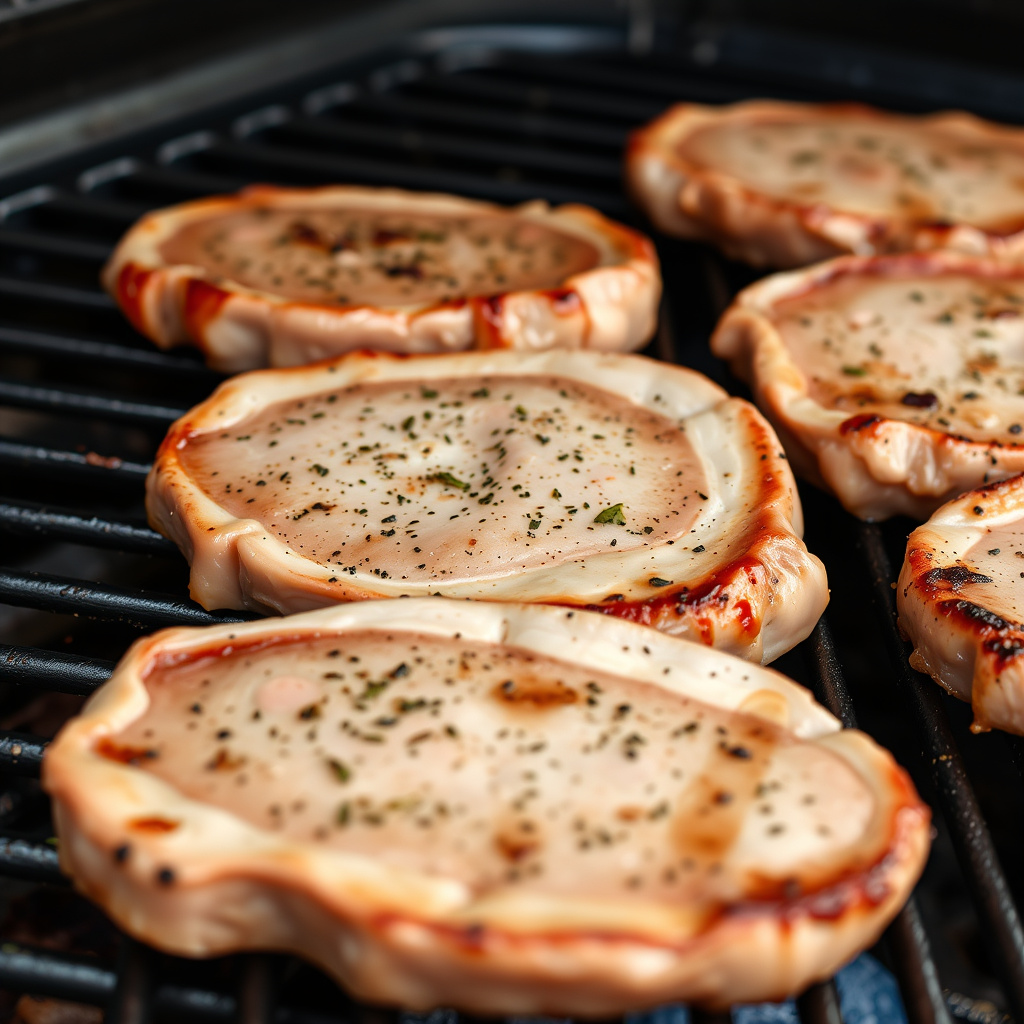
Thin Pork Chops (1/2 Inch or Less)
Thin pork chops require shorter grilling times to avoid drying out. Typically, they take about 3-4 minutes per side on medium-high heat. They cook quickly due to reduced thickness, making them ideal for fast meals.
Because thin chops cook fast, it’s important to monitor grill temperature closely and turn the chops promptly to get even cooking without burning.
- Grill on medium-high heat
- 3-4 minutes per side
- Use instant-read thermometer
Thicker Pork Chops (3/4 Inch to 1 Inch)
Chops around 3/4 to 1 inch thick usually need 5-7 minutes per side with direct grilling followed by a few minutes indirect heat to ensure thorough cooking without charring.
Using a meat thermometer here can quickly show when the internal temperature hits 145°F, the USDA’s recommended safe temperature for pork.
- Start over direct heat
- Finish with indirect heat if thick
- Target 145°F internal temperature
Preparation Tips for Perfectly Grilled Pork Chops
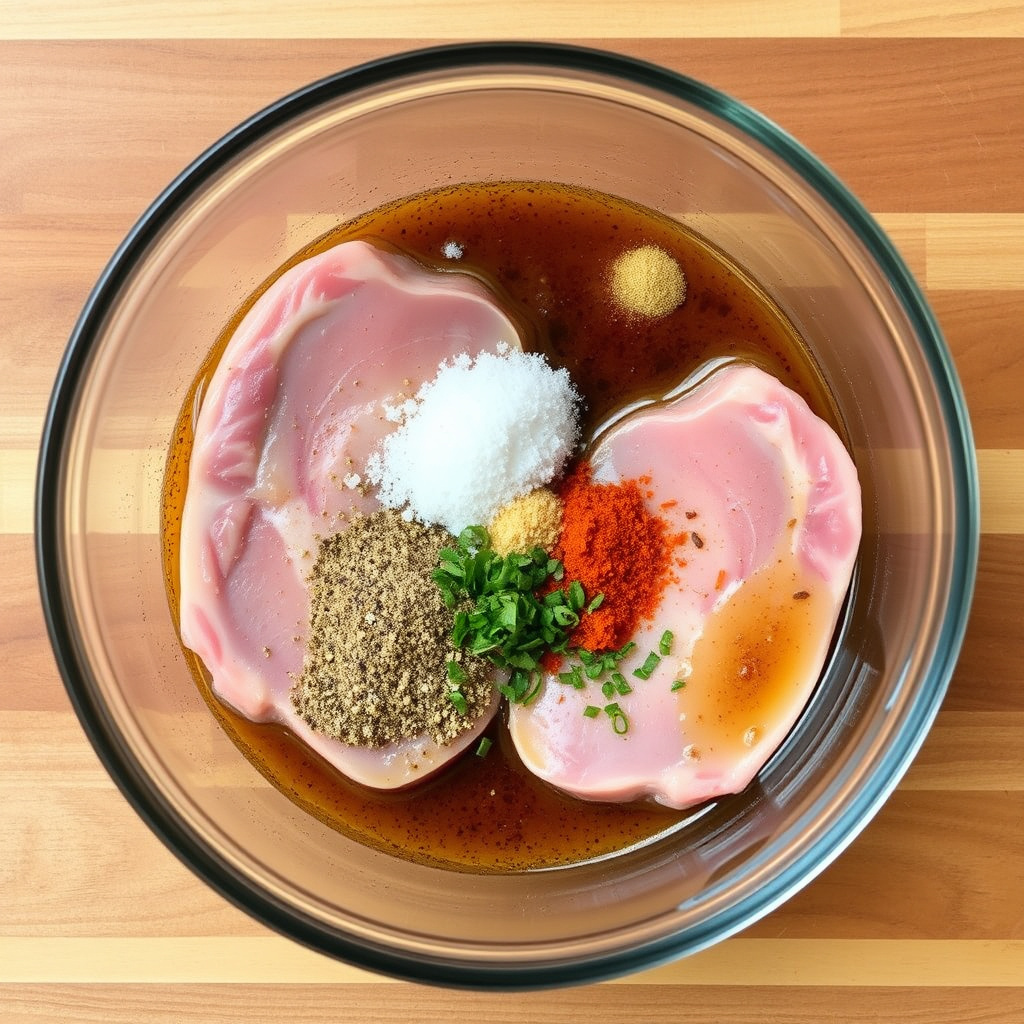
Marinating and Seasoning
Marinating pork chops before grilling not only enhances flavor but also helps retain moisture. A simple marinade might include olive oil, garlic, herbs, and acid like lemon juice or vinegar.
Dry rubs with salt, pepper, and spices can also add taste and create a flavorful crust during grilling. Season about 30 minutes before cooking for the best results.
- Use oil + acid marinades
- Apply dry rubs 30 mins ahead
- Avoid salty marinades for too long
For more on this, see our related guide: How to Grill Potatoes Perfectly Every Time: Techniques and Tips.
Bringing to Room Temperature
Letting pork chops sit at room temperature for 20-30 minutes before grilling promotes even cooking. Cold chops can cause uneven grill marks and prolonged cook times.
This small step ensures the pork heats through uniformly, reducing the risk of overcooked edges and undercooked centers.
Monitoring Doneness and Avoiding Overcooking
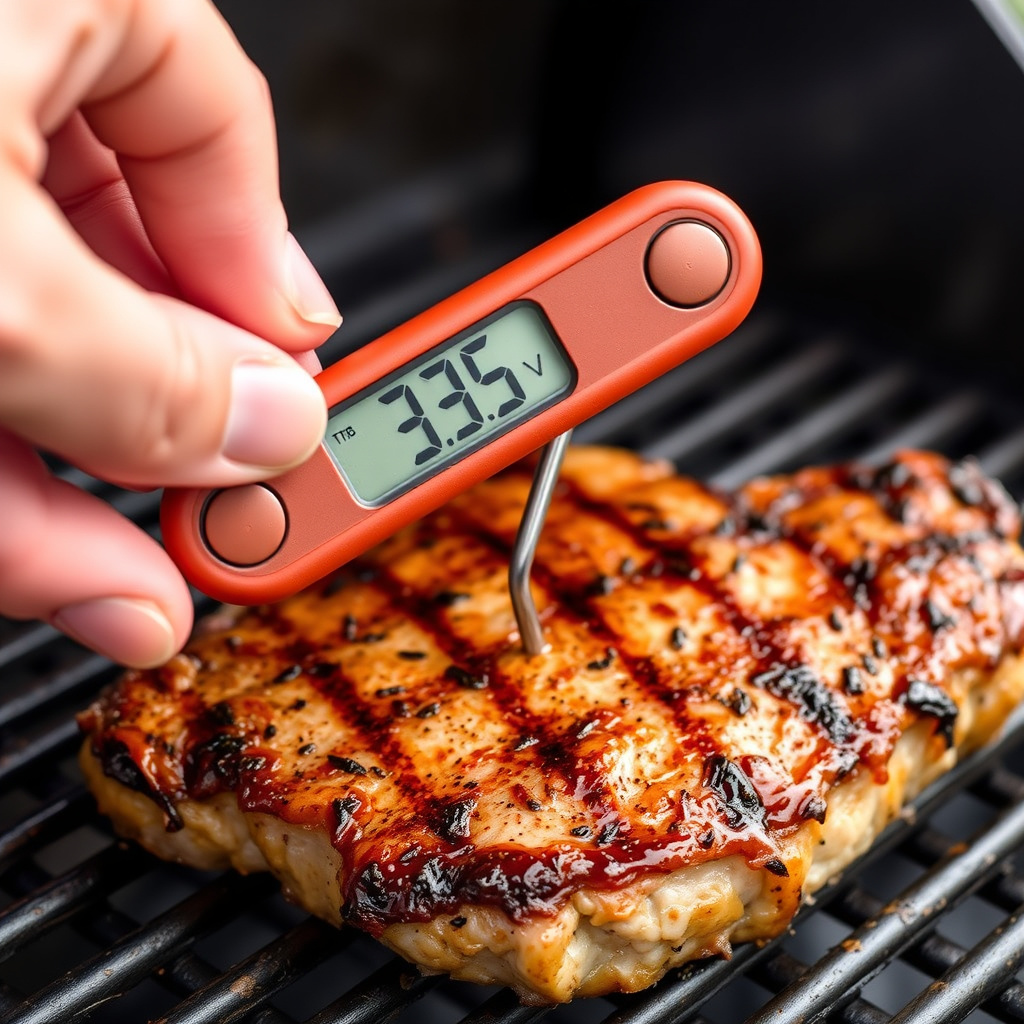
Using a Meat Thermometer
The most reliable method to determine doneness is checking the internal temperature with a meat thermometer. Insert it into the thickest part avoiding bone.
Once the thermometer reads 145°F, remove the pork chops from the grill and let them rest for 3-5 minutes before serving to allow juices to redistribute.
- Insert thermometer into thickest part
- Remove at 145°F
- Rest for 3-5 minutes after grilling
Visual and Tactile Cues
While less precise, some rely on firmness and color changes. Properly cooked pork chops feel slightly firm but still springy, with juices running clear when pierced.
Avoid grayish-brown color and dryness which indicate overcooking. Experience helps develop a feel for doneness alongside thermometer readings.
Impact of Grill Type and Heat Control
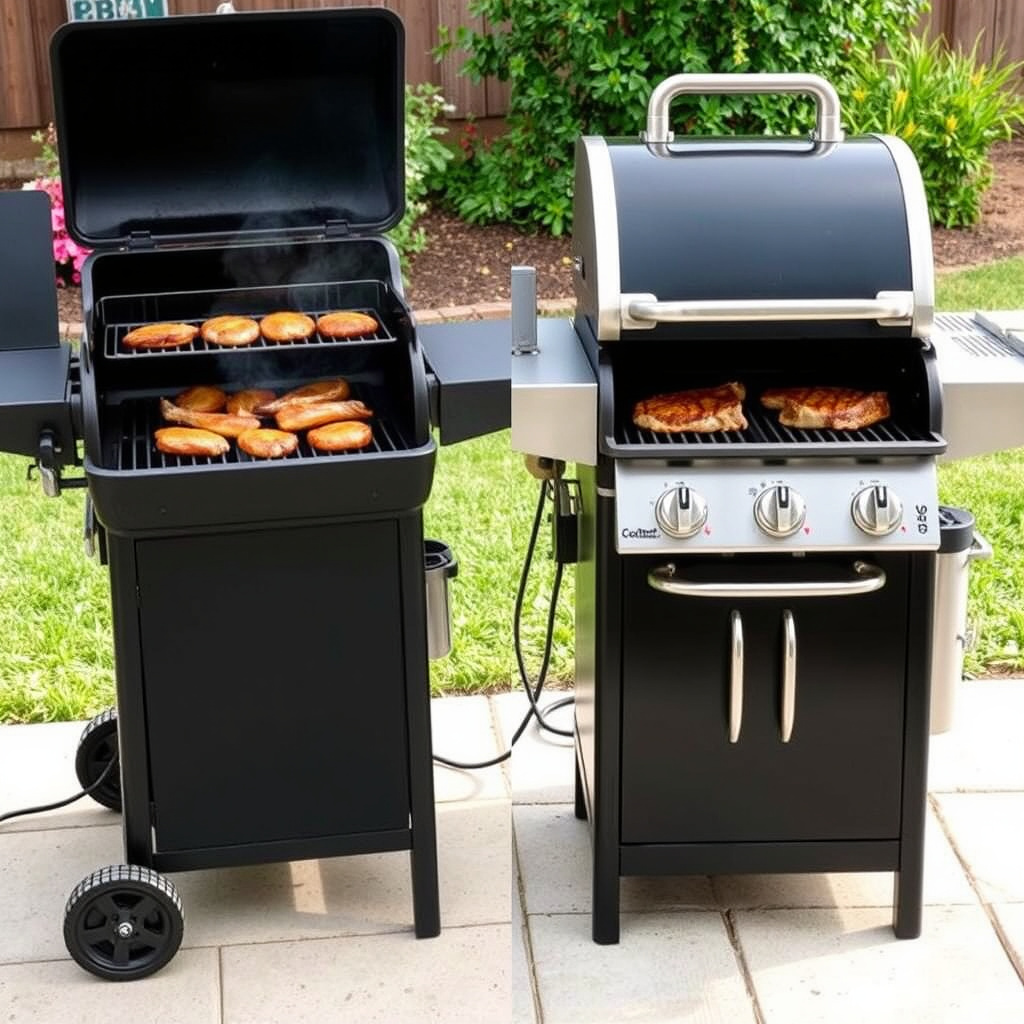
Charcoal Grilling
Charcoal grills provide intense, smoky heat resulting in a rich flavor that many prefer. However, temperature control requires skill, so keeping an eye on direct and indirect heat zones helps manage grilling times effectively.
Charcoal typically produces hotter spots, so flipping chops more frequently may prevent flare-ups and burning.
- Provides smoky flavor
- Requires managing indirect zones
- Flipping prevents flare-ups
For more on this, see our related guide: How to Grill Pork Chops: Expert Tips for Tender, Juicy Results.
Gas Grilling
Gas grills offer precise temperature control and faster heat-up times. They are ideal for cooks who prefer convenience and consistent heat levels when grilling pork chops.
Medium-high heat settings generally mean 6-8 minutes per side for 3/4 inch chops, with less risk of uneven cooking compared to charcoal.
- Fast heat up
- Precise temperature control
- Ideal for even cooking
Comparing Direct and Indirect Grilling Methods
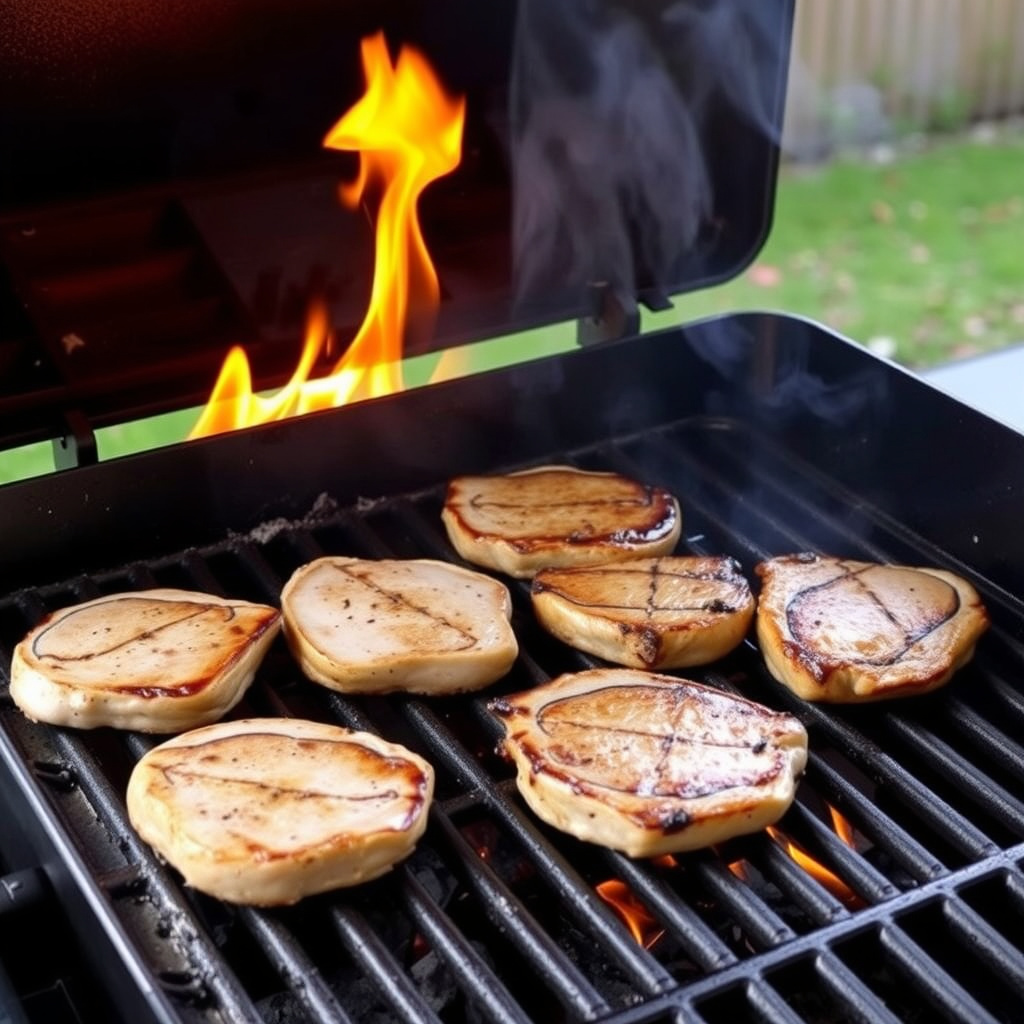
Direct Grilling for Quick Cooking
Direct grilling uses the flame or coals directly beneath the pork chops. It’s perfect for thinner cuts or when searing to create a flavorful crust.
Because of high heat, chops can quickly become overdone inside if not watched carefully. Ideal for chops under 1 inch thick.
- High heat
- Fast cooking
- Creates crust quickly
For safe cooking temperatures and guidelines, refer to the USDA guidelines for cooking pork. USDA guidelines for cooking pork.
Indirect Grilling for Thorough Cooking
Indirect grilling means placing chops away from direct flame, allowing slower, more even cooking. This suits thicker cuts that require gentle heat to prevent burning outside before inside is done.
Often combined with initial searing over direct heat then moving to indirect for finishing.
- Lower heat zone
- Slower, even cooking
- Prevents charring thick chops
Pork Chop Grilling Time Categories Compared
Here’s a quick comparison of grilling times based on pork chop thickness and cooking method for easy reference.
| Pork Chop Thickness | Direct Grill Time (min per side) | Indirect Grill Time (min) | Internal Temp (°F) |
|---|---|---|---|
| Thin (1/2 inch or less) | 3-4 | 0-2 | 145 |
| Medium (3/4 to 1 inch) | 5-7 | 3-5 | 145 |
| Thick (1 to 1.5 inches) | 6-8 | 5-7 | 145 |
| Bone-in Chops | 6-8 | 4-6 | 145 |
Frequently Asked Questions
Can I grill pork chops frozen?
Grilling pork chops from frozen isn’t recommended as it leads to uneven cooking. It’s better to thaw completely in the fridge before grilling for more consistent results and safety.
Should I cover pork chops while grilling?
Covering pork chops on the grill helps retain moisture and cook evenly, especially for thicker pieces. Using a lid creates an oven-like environment to finish cooking inside.
Is it okay if pork chops are slightly pink inside?
Yes, pork chops can be safely eaten when cooked to 145°F even if there is a slight pink hue inside. The USDA states this temperature ensures safety and optimal juiciness.
How long should I rest pork chops after grilling?
Rest pork chops for about 3-5 minutes after removing them from the grill. This resting time allows juices to redistribute, resulting in tender, flavorful meat.
Key Takeaways
- Grill pork chops 12-16 minutes total depending on thickness
- Use a meat thermometer to check for 145°F internal temp
- Thin chops grill faster; thick ones benefit from indirect heat
- Marinate and rest chops before grilling for best flavor
Conclusion
Getting pork chop grilling time right is about balancing thickness, heat level, and internal temperature. Using a meat thermometer to reach 145°F with controlled cooking removes guesswork and prevents dryness. The difference between quickly grilling thin chops and combining sear and indirect heat for thicker cuts makes all the difference for texture and juiciness.
For quick weeknight meals, thin pork chops grilled directly for 3-4 minutes per side with a flavorful dry rub work great. Thicker or bone-in chops benefit from searing on direct heat and finishing over indirect heat to avoid burnt exteriors before the interior cooks through. Charcoal grills infuse smoky flavor but require more attention to heat zones, while gas grills offer dependable temperature control for beginners.
Start by prepping your pork chops with seasoning or marinade and bringing them to room temperature. Monitor doneness with your thermometer and allow proper resting time after grilling. With a little practice adapting these grilling principles, you’ll consistently achieve tender, juicy pork chops that satisfy every time.



