
Grilling chicken thighs is a straightforward process that delivers tender, juicy meat with a crispy, smoky exterior when done right. Start by prepping the thighs—either boneless or bone-in—seasoning or marinating them, preheating your grill to medium-high, and cooking each side for about 5-7 minutes until the internal temperature reaches 165°F. This method locks in moisture and enhances flavor.
Getting chicken thighs right on the grill matters because they have more fat than breasts, which makes them more forgiving and flavorful if cooked correctly. Unlike leaner cuts, thighs stay moist and take seasonings well, but they require attention to prevent flare-ups and uneven cooking due to skin and fat.
In this article, we'll cover everything from selecting the right chicken thighs and prepping them with marinades or rubs to mastering grill temperature control and cooking times. We'll explore techniques for both direct and indirect grilling and share tips on resting, serving, and storing grilled chicken thighs.
Choosing the Right Chicken Thighs for Grilling
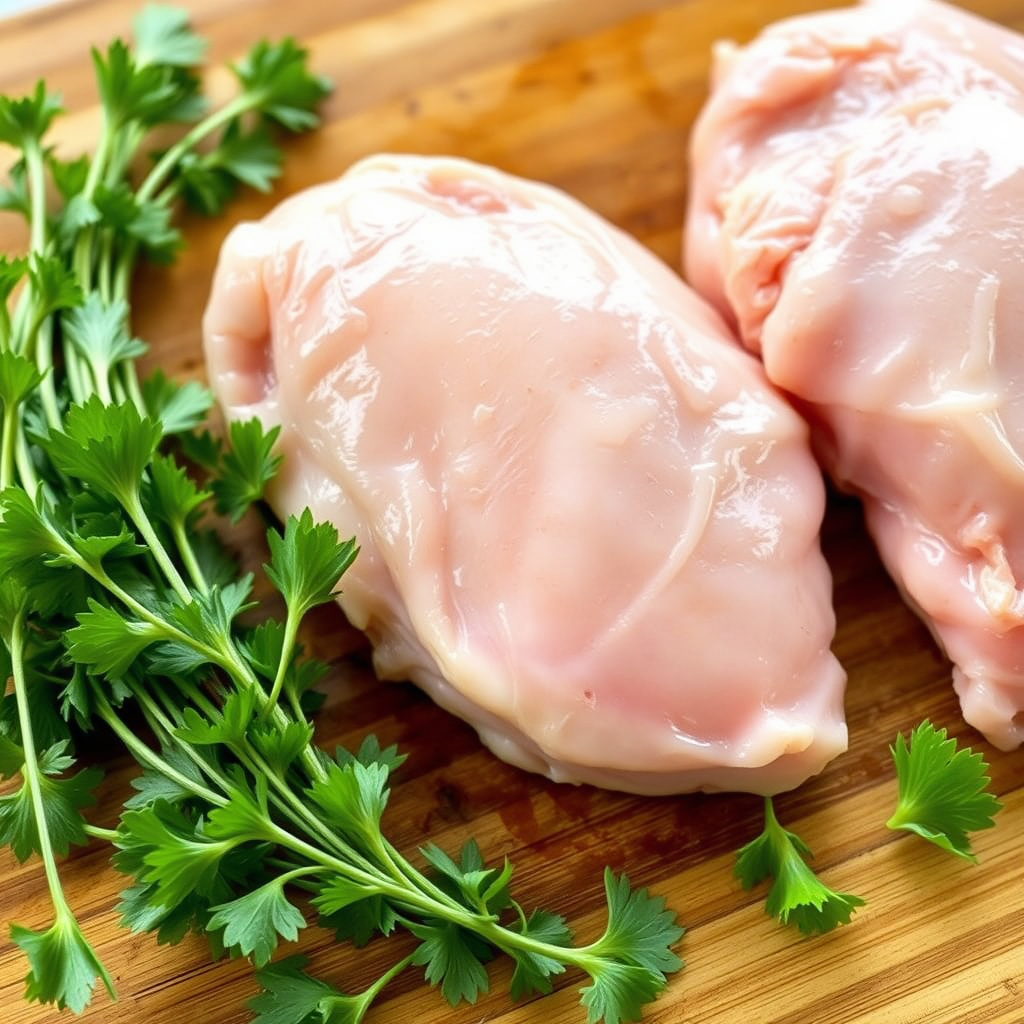
Bone-In vs. Boneless Chicken Thighs
Bone-in chicken thighs typically retain more moisture and offer a richer flavor due to the bone and extra fat, but they require longer cooking times and careful heat management to cook through evenly.
Boneless thighs grill faster and are easier to handle and serve, making them ideal for quicker meals or skewers. However, they can dry out more quickly if overcooked, so attentive timing is essential.
- Bone-in: juicier, more flavorful, longer cook time
- Boneless: quicker cook, easier to handle, watch for dryness
Fresh vs. Frozen Chicken Thighs
Fresh chicken thighs usually grill more evenly and have a better texture compared to frozen ones that sometimes suffer moisture loss during thawing. When using frozen thighs, always thaw them fully in the refrigerator before grilling.
Proper thawing prevents uneven cooking and reduces the risk of bacterial growth. Avoid defrosting at room temperature; instead, plan ahead to maintain food safety and optimal grilling results.
Prepping Chicken Thighs with Marinades and Seasonings
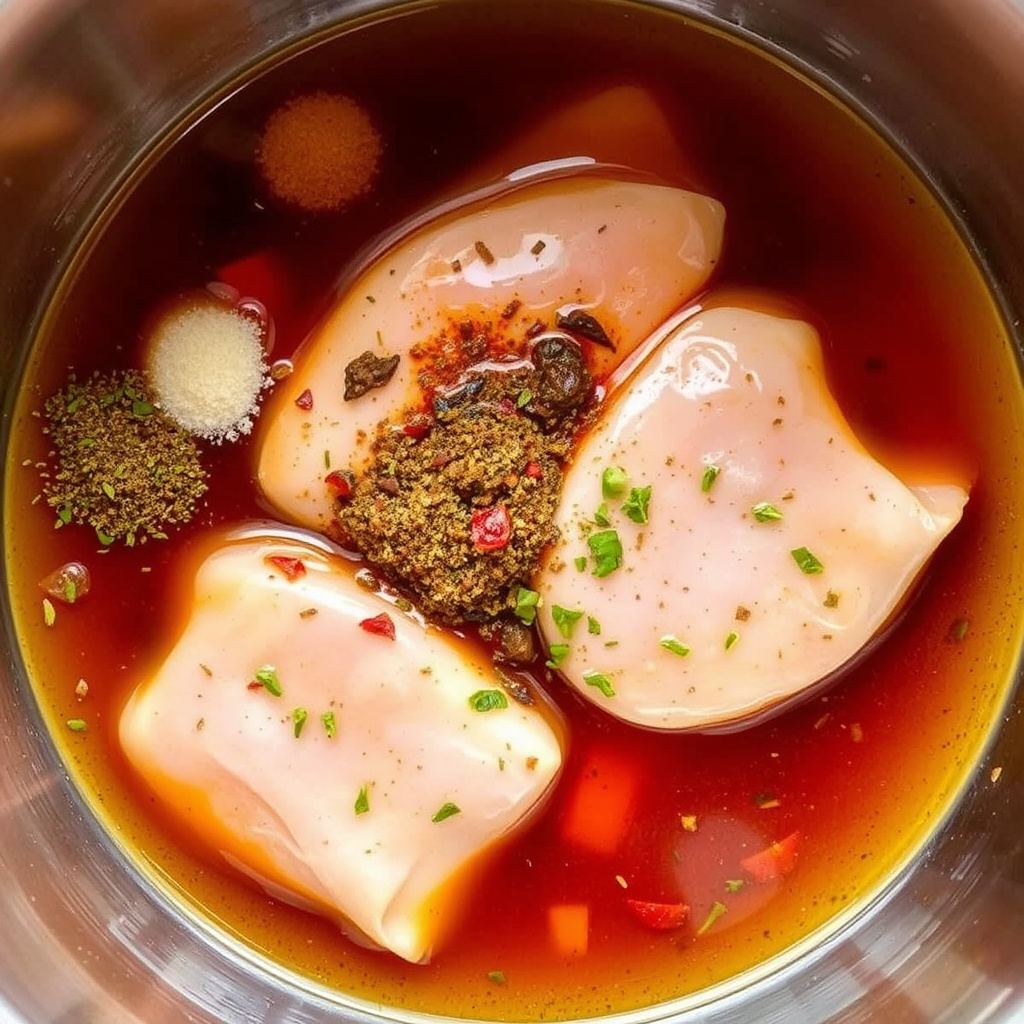
Best Marinade for Chicken Thighs
Marinating chicken thighs enhances juiciness and adds layers of flavor. Acidic ingredients like lemon juice or vinegar help tenderize, while oil prevents sticking and promotes even cooking. A balanced marinade often includes garlic, herbs, salt, and some sweetness like honey.
For best results, marinate thighs for at least 30 minutes and up to 8 hours. Over-marinating can break down texture unfavorably, so avoid exceeding this window.
- Use acidic base (lemon, vinegar)
- Include oil for moisture
- Add herbs and spices for flavor
- Marinate 30 min to 8 hours
Dry Rubs and Seasoning Techniques
Dry rubs offer a faster alternative to marinades, providing a flavorful crust with spices like paprika, cumin, garlic powder, and black pepper. Apply generously to dry chicken thighs before grilling.
Letting seasoned thighs rest at room temperature for 15-20 minutes before grilling helps the rub bind and promotes even cooking.
- Combine spices for balanced flavor
- Apply to dry skin/muscle
- Rest 15-20 minutes pre-grill
Mastering Grill Setup and Temperature Control
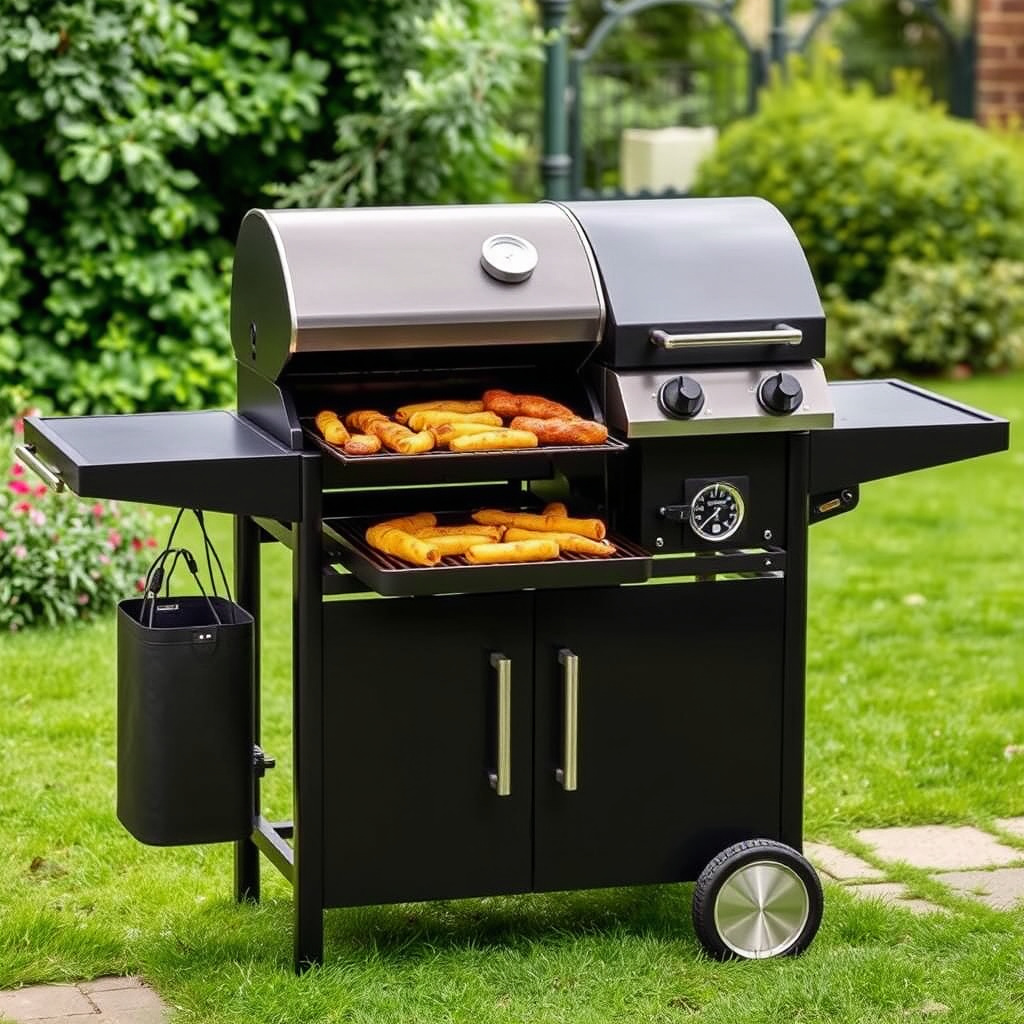
Direct vs. Indirect Grilling of Chicken Thighs
Direct grilling involves cooking chicken thighs over direct flame or heat, perfect for a crispy skin and char marks, but it requires close monitoring to avoid flare-ups.
Indirect grilling places the thighs away from direct heat, allowing slower, more even cooking that’s ideal for thicker or bone-in thighs to ensure doneness without burning.
- Direct: high heat, fast cooking, skin crisp
- Indirect: moderate heat, cooks through evenly
For more on this, see our related guide: How to Grill Chicken Perfectly Every Time: A Complete Guide.
Ideal Grill Temperature and Tools
Maintain a grill temperature around 350°F to 400°F to balance cooking speed and moisture retention. Too hot risks charring outside while undercooking inside, too low can cause dryness.
Use a reliable grill thermometer and a meat thermometer to track internal temperature, aiming for 165°F for safe consumption.
- Maintain 350°F–400°F grill temp
- Use grill and meat thermometers
- Target internal temp: 165°F
Cooking Process: Timing and Techniques
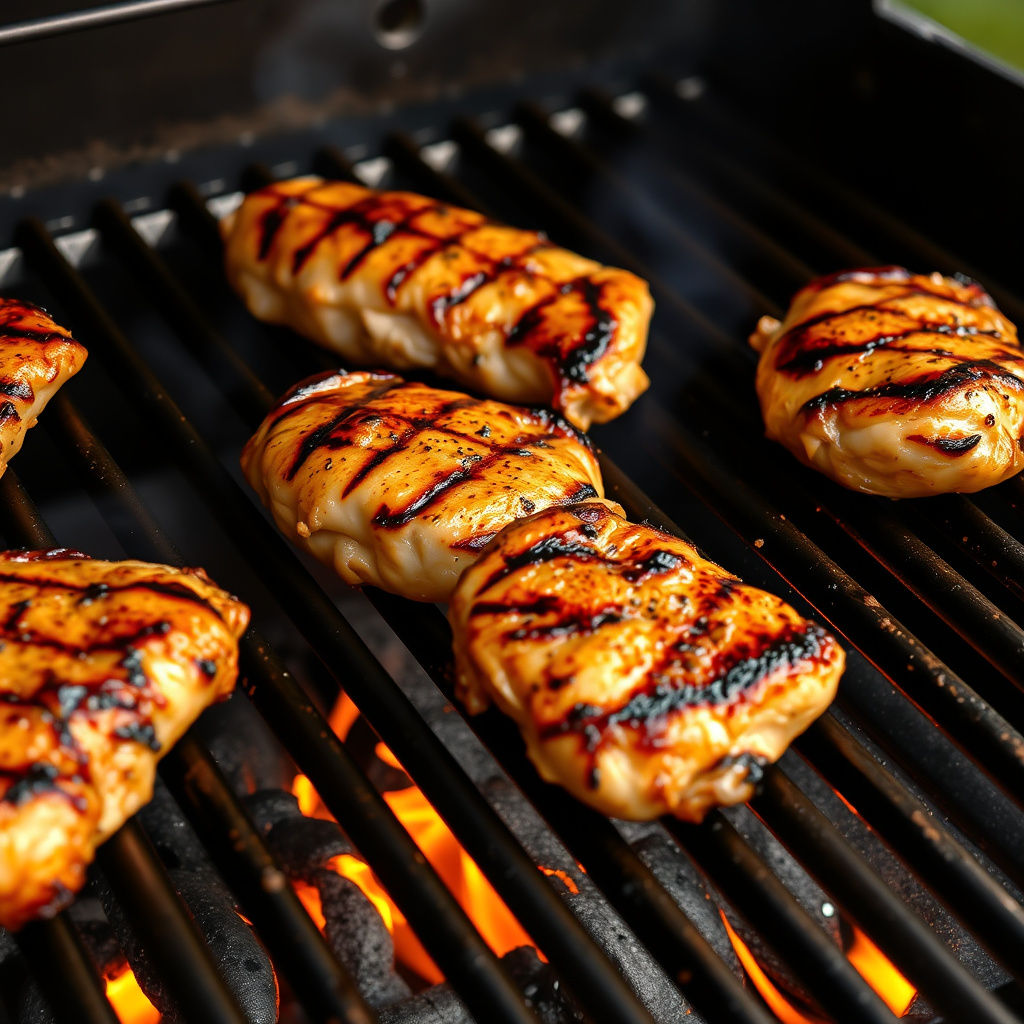
Flipping and Monitoring Chicken Thighs
Flip the thighs once, halfway through cooking to develop an even char and prevent drying out. Most thighs take 10-14 minutes total depending on size.
Avoid piercing the meat with a fork to keep juices intact. Use tongs to gently handle the pieces without damaging the skin.
- Flip once mid-cook
- Avoid piercing meat
- Use tongs carefully
Checking Doneness Without Cutting
Use an instant-read meat thermometer inserted into the thickest part to check for 165°F internal temperature, indicating safe and juicy chicken.
Alternatively, the thigh will feel firm but springy when pressed. Juices running clear is another visual cue signaling doneness.
- Insert thermometer into thickest area
- Aim for 165°F internal temp
- Check for firm, springy texture
Resting, Serving, and Storing Grilled Chicken Thighs
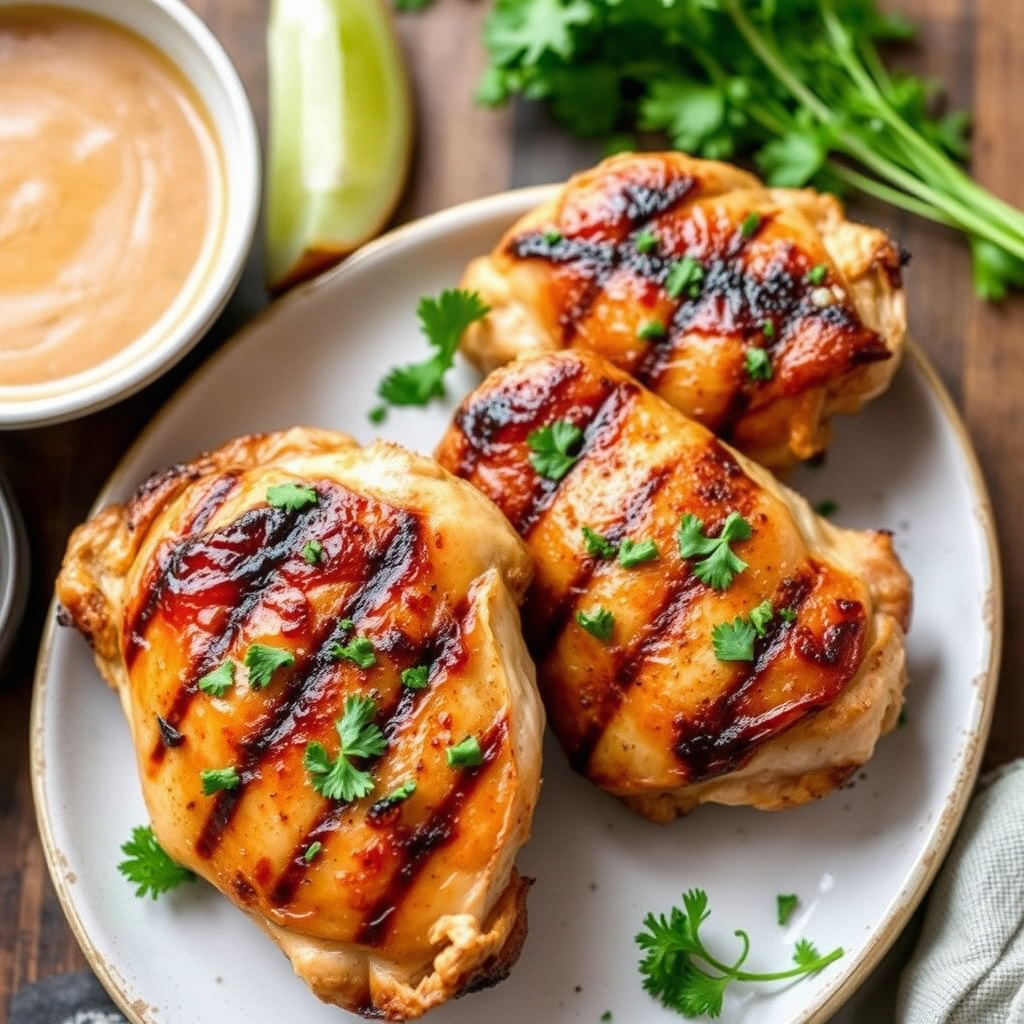
Resting to Retain Juices
After grilling, let chicken thighs rest covered loosely with foil for 5-10 minutes. This step allows juices to redistribute evenly within the meat for a moist bite.
Serving immediately can cause juices to spill out when cut, leaving drier meat.
- Rest 5-10 minutes post-grill
- Cover lightly with foil
Storage and Reheating Tips
Store leftover grilled chicken thighs in an airtight container in the refrigerator for up to 3-4 days. Reheat gently in an oven or skillet to preserve moisture and prevent drying.
Avoid microwave reheating which often dries the meat out quickly.
- Keep in airtight container
- Reheat with oven or skillet
- Avoid microwaving
Common Mistakes to Avoid When Grilling Chicken Thighs
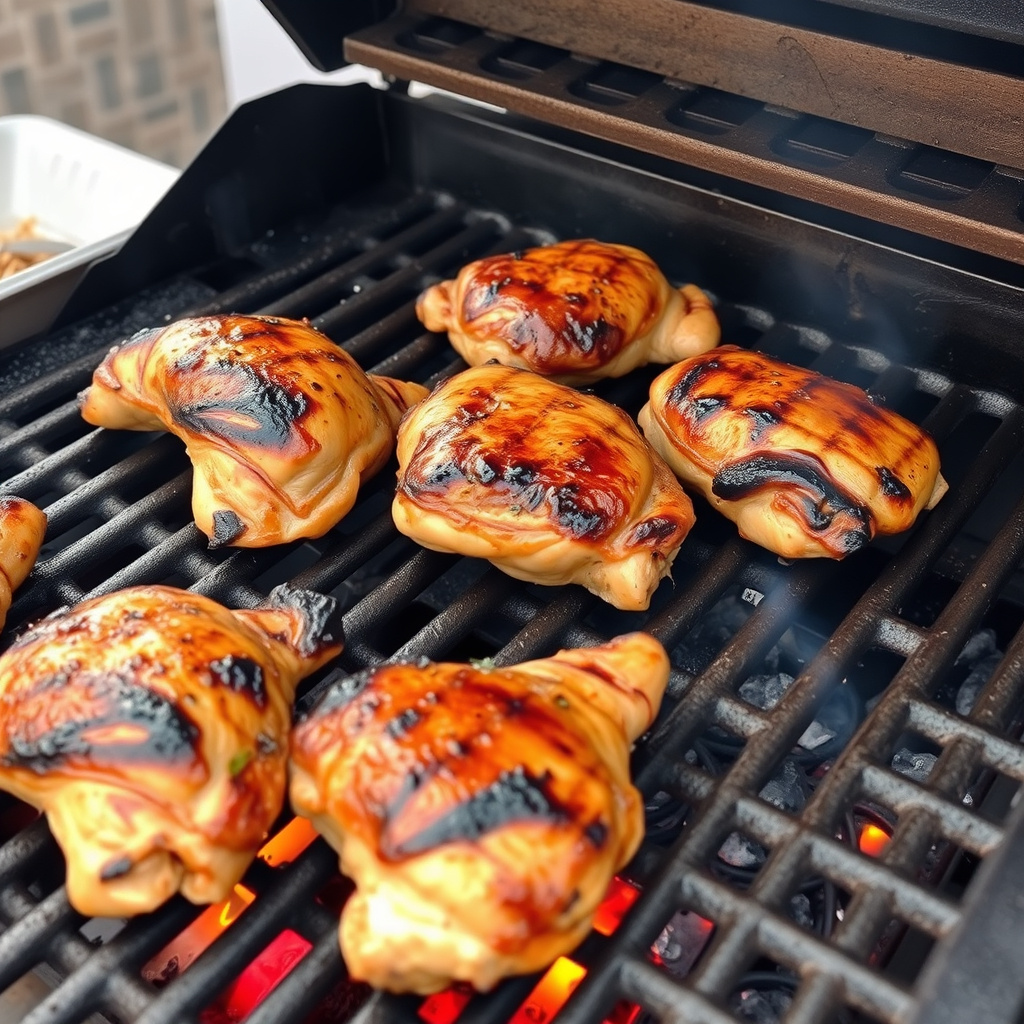
Overcooking and Drying Out the Meat
Chicken thighs can dry out if cooked too long, especially boneless cuts. Using a thermometer helps prevent overcooking. Staying attentive to grill times and temperatures keeps thighs juicy.
Avoid high flames causing flare-ups that burn skin while leaving the inside undercooked.
- Don't overcook beyond 165°F
- Manage flare-ups carefully
For official recommendations on grilling chicken thighs safely, consult the USDA's grilling chicken thighs guidelines. grilling chicken thighs guidelines.
Skipping Prepping Steps
Failing to marinate, season, or bring the thighs to room temperature can result in bland, unevenly cooked meat. Prepping enhances flavor and ensures even grilling.
Dry chicken skin won't crisp well without proper seasoning and oiling.
- Always season or marinate
- Let rest at room temp before grilling
Chicken Thighs Grilling Category Comparison
Here’s a comparison of common chicken thigh categories to help you decide which suits your grilling plans best.
| Category | Flavor | Cook Time | Moisture Retention | Best Use |
|---|---|---|---|---|
| Bone-In Skin-On | Rich and juicy with crispy skin | 14-18 minutes | High | Slow grilling, smoky flavor |
| Boneless Skin-On | Tender with crispy skin | 10-14 minutes | Moderate | Quick grilling, skewers |
| Boneless Skinless | Lean and quick cooking | 8-12 minutes | Moderate-Low | Faster meals, salads |
| Marinated | Enhanced flavor and tenderness | Varies with marinade | High | Flavorful dishes, parties |
| Dry Rubbed | Spiced crust, robust flavor | Standard grilling time | Moderate | Quick prep, direct grilling |
Frequently Asked Questions
Can I grill chicken thighs frozen?
It's best to fully thaw chicken thighs before grilling to ensure even cooking and safety. Grilling frozen thighs leads to uneven heat penetration and food safety risks.
How can I prevent chicken thighs from sticking to the grill?
Oil the grill grates well and brush the chicken with oil before grilling. Preheating the grill and using a clean grate also reduces sticking.
Is it better to marinate chicken thighs overnight?
Marinating overnight can deepen flavor, but 4-8 hours is usually sufficient. Avoid exceeding 12 hours to prevent mushy texture from acid breakdown.
Should I remove the skin before grilling chicken thighs?
Leaving the skin on helps retain moisture and crisps beautifully on the grill. Removing skin reduces fat and flavor, though preferences vary.
How do I know when grilled chicken thighs are fully cooked?
Use an instant-read thermometer; the internal temperature should reach 165°F. Alternatively, juices should run clear when pierced with a knife or skewer.
Key Takeaways
- Choose bone-in or boneless thighs based on cooking time and flavor preference
- Marinate or season thighs to boost flavor and moisture
- Maintain grill temperature around 350°F–400°F for even cooking
- Use a meat thermometer to confirm doneness at 165°F
Conclusion
Successfully grilling chicken thighs requires balancing several factors including cut choice, seasoning, and grill temperature. Bone-in thighs offer more flavor and moisture but take longer to cook, while boneless is faster and convenient. Proper marinade or dry rub application enhances taste and keeps the meat juicy. Monitoring grill heat and timing prevents burning or drying out, producing chicken that’s crispy on the outside and tender inside.
Specific scenarios help guide your decision: for a weekend barbecue with smoky depth, bone-in skin-on thighs cooked indirectly at moderate temperatures work best. If time is short, boneless skin-on with a quick dry rub and direct grilling yields flavorful results. Marinated thighs suit gatherings where bold flavors and juiciness are priorities, while dry rubs offer a straightforward option for weeknight dinners.
The next practical step is to experiment with marinades and rubs that appeal to your palate, and invest in a good meat thermometer for consistent results. Whether you go with bone-in or boneless, resting the meat after grilling makes a noticeable difference. With these techniques, grilling chicken thighs will become a dependable way to serve delicious, satisfying meals.



