
Grilling a turkey involves carefully managing heat and preparation to get tender, juicy meat with a smoky flavor. The key is to properly season the bird, maintain consistent indirect heat, and allow enough time for slow cooking. Unlike roasting, grilling adds a unique char and aroma that sets grilled turkey apart.
Many people shy away from grilling a whole turkey because it seems complicated, but with the right technique and tools, you can grill a turkey that’s moist on the inside and crisp-skinned on the outside. This method is especially appealing in warmer months and offers a nice alternative to traditional oven roasting.
This guide covers selecting the right type of grill, prepping the turkey, controlling grill temperatures, exploring seasoning options, monitoring doneness, and serving suggestions. By following these detailed steps, you’ll confidently grill a delicious turkey for your next barbecue or holiday feast.
Choosing and Preparing Your Turkey for Grilling
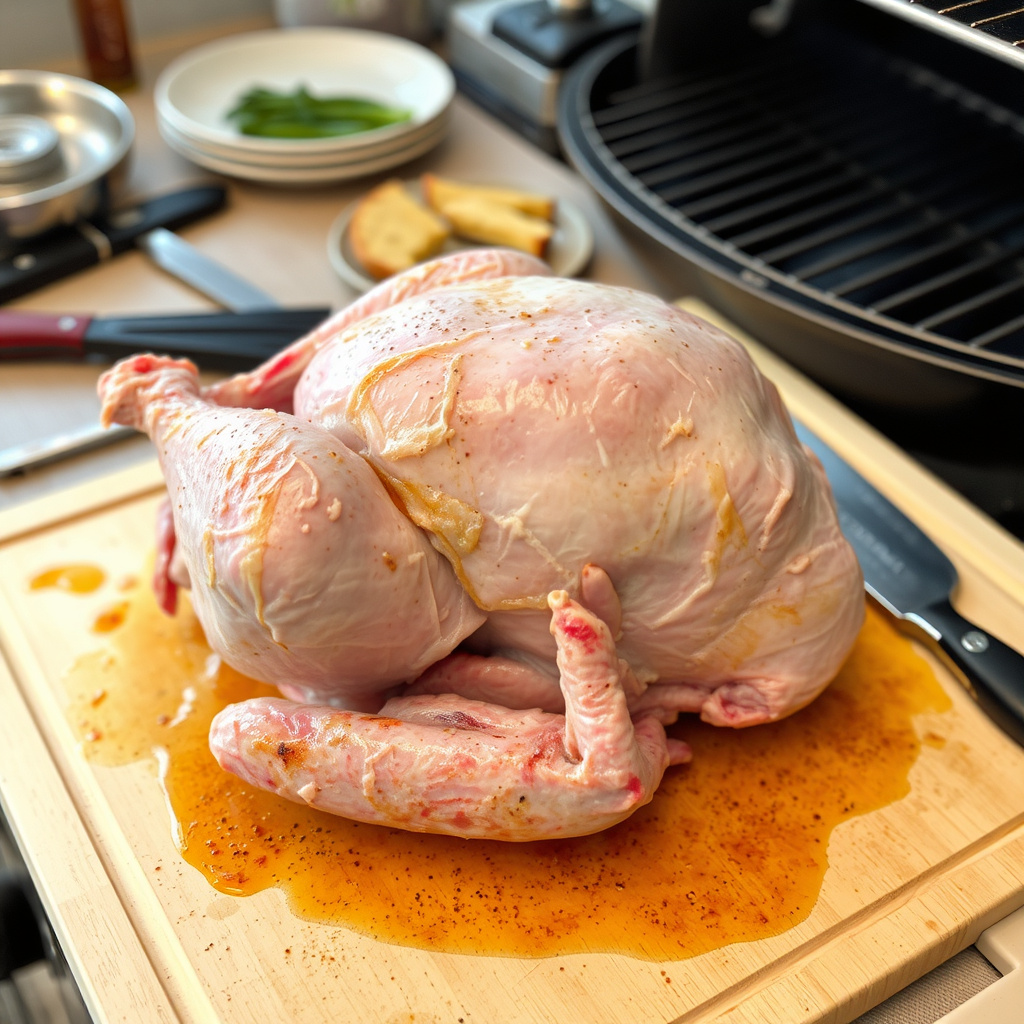
Selecting the Right Turkey Size and Type
Picking the right size turkey is important for grilling success. A 12 to 16-pound bird fits well on most grills and cooks evenly. Avoid very large turkeys over 20 pounds as they require more grill space and longer cooking time, which can lead to uneven results. Organic or free-range turkeys tend to have firmer texture and richer flavor, but standard turkeys work well too.
Consider whether you want a fresh or thawed frozen turkey. Fresh requires less prep but may be more expensive and seasonal. Thawing frozen turkey fully before grilling is essential to prevent uneven cooking and unsafe temperatures.
- Ideal weight: 12-16 pounds
- Choose fresh or fully thawed frozen
- Consider organic or free-range for better flavor
Cleaning and Seasoning the Turkey
Start by removing the giblets and excess fat from the turkey cavity. Rinse the bird under cold water and pat dry with paper towels to remove moisture, which helps the skin crisp up on the grill.
Apply a dry rub or wet marinade to the turkey, focusing on the skin and cavity. Simple seasoning blends of salt, pepper, garlic powder, and herbs like rosemary or thyme complement turkey well. Brining the bird for 12 to 24 hours before grilling helps retain moisture and enhances flavor.
- Remove giblets and excess fat
- Dry the skin thoroughly
- Use a dry rub or brine for seasoning
Setting Up the Grill for Turkey Cooking
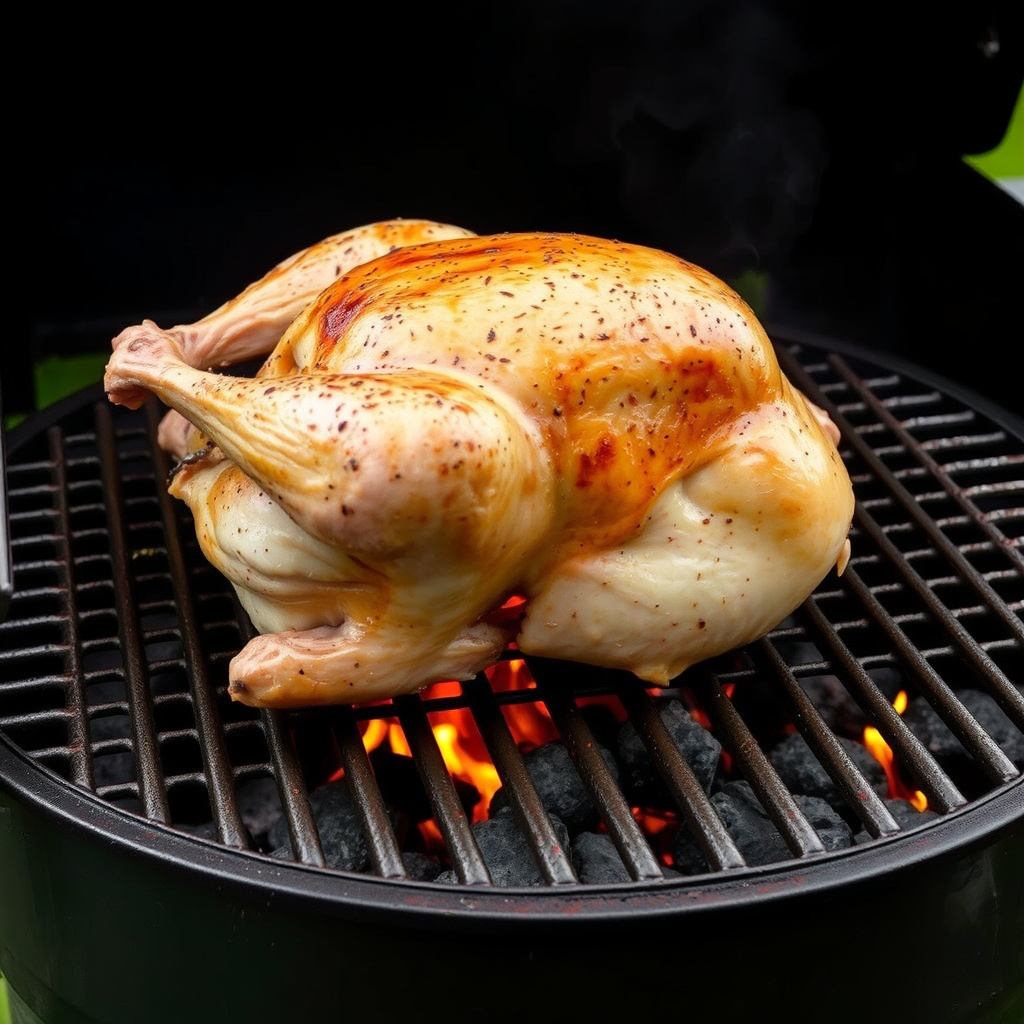
Gas vs. Charcoal Grilling Setup
Both gas and charcoal grills can produce excellent grilled turkey but require different setups. Gas grills offer precise temperature control and convenience, while charcoal grills provide a smoky flavor and higher heat potential.
For gas grills, preheat and set burners to low or medium on one side to create indirect heat. For charcoal grills, arrange coals on one side and leave the other side empty to create a cooler zone. This indirect heat method cooks the turkey evenly without burning.
- Gas grill: use low to medium burners on one side
- Charcoal: bank coals to one side for indirect heat
- Preheat grill to 325-350°F
For more on this, see our related guide: How to Grill Hot Dogs: A Simple Guide for Perfect Results Every Time.
Tools and Accessories Needed
Having the right tools makes grilling a turkey easier and safer. A reliable meat thermometer is essential for monitoring internal temperature. Use a large grilling pan or drip tray under the turkey to catch drippings and prevent flare-ups.
Grill gloves, tongs, and a sturdy basting brush are also useful. A rotisserie attachment can be an excellent option for even cooking if your grill supports it. Additionally, wood chips soaked in water add extra smoky flavor when used with charcoal grills.
- Instant-read meat thermometer
- Drip tray for catching juices
- Grill gloves and tongs
- Optional rotisserie or wood chips
Grilling the Turkey: Timing and Temperature Control
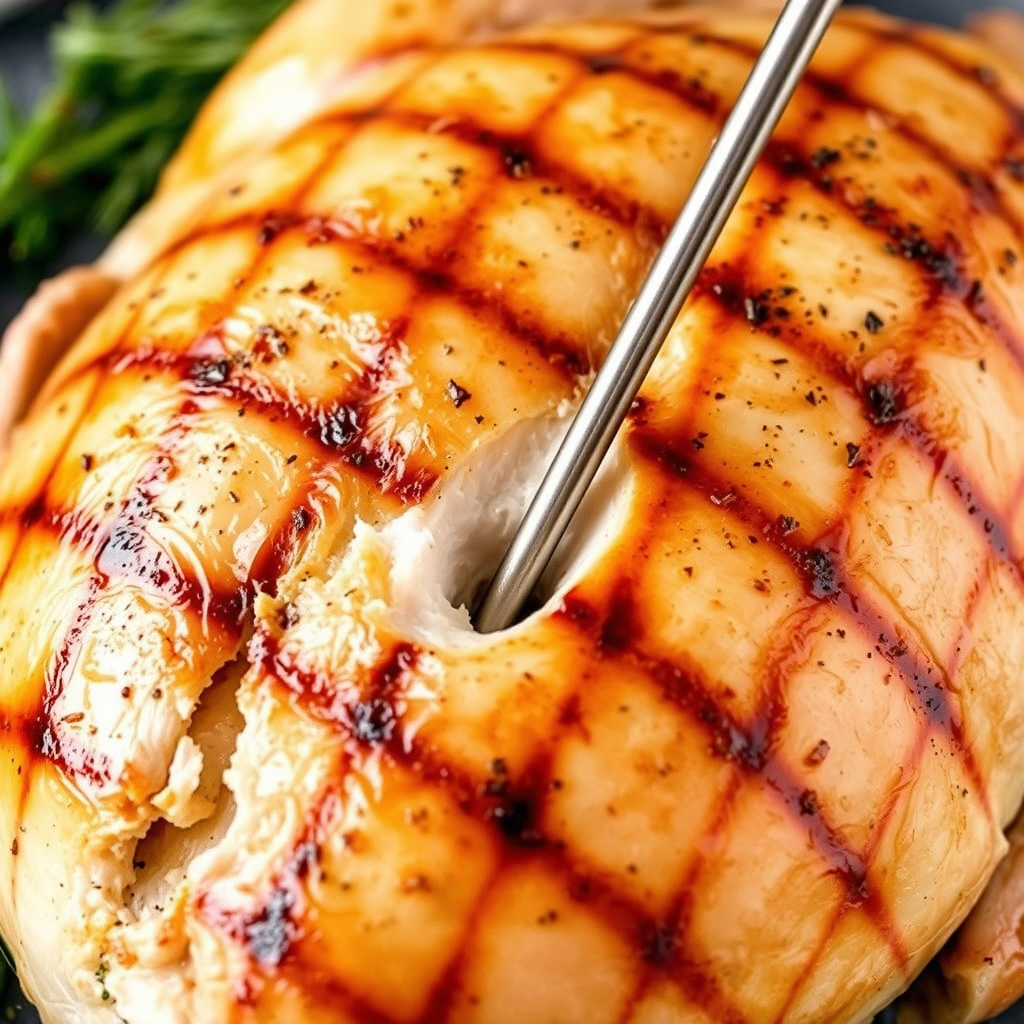
Maintaining Steady Indirect Heat
Keeping the grill temperature steady between 325°F and 350°F is critical for evenly cooking the turkey without drying it out. Indirect heat allows the turkey to roast gently while the skin crisps without burning.
Monitor the grill temperature regularly and adjust burner knobs or add coals as needed. Avoid opening the grill lid too often to prevent heat loss. Cooking times generally range from 11 to 13 minutes per pound.
- Target temp: 325-350°F
- Use indirect heat zone
- Monitor and adjust heat carefully
- Limit lid openings
Using a Meat Thermometer for Doneness
Checking internal temperature with a meat thermometer is the safest way to confirm doneness. Insert the probe into the thickest part of the thigh without touching bone. The USDA recommends 165°F as the safe minimum temperature for turkey.
Removing the turkey promptly once it reaches 165°F prevents overcooking. Let the bird rest for 20 to 30 minutes before carving to allow juices to redistribute, resulting in moist slices.
- Target internal temperature: 165°F
- Check thigh without touching bone
- Rest turkey 20-30 minutes after cooking
Enhancing Turkey Flavor and Texture
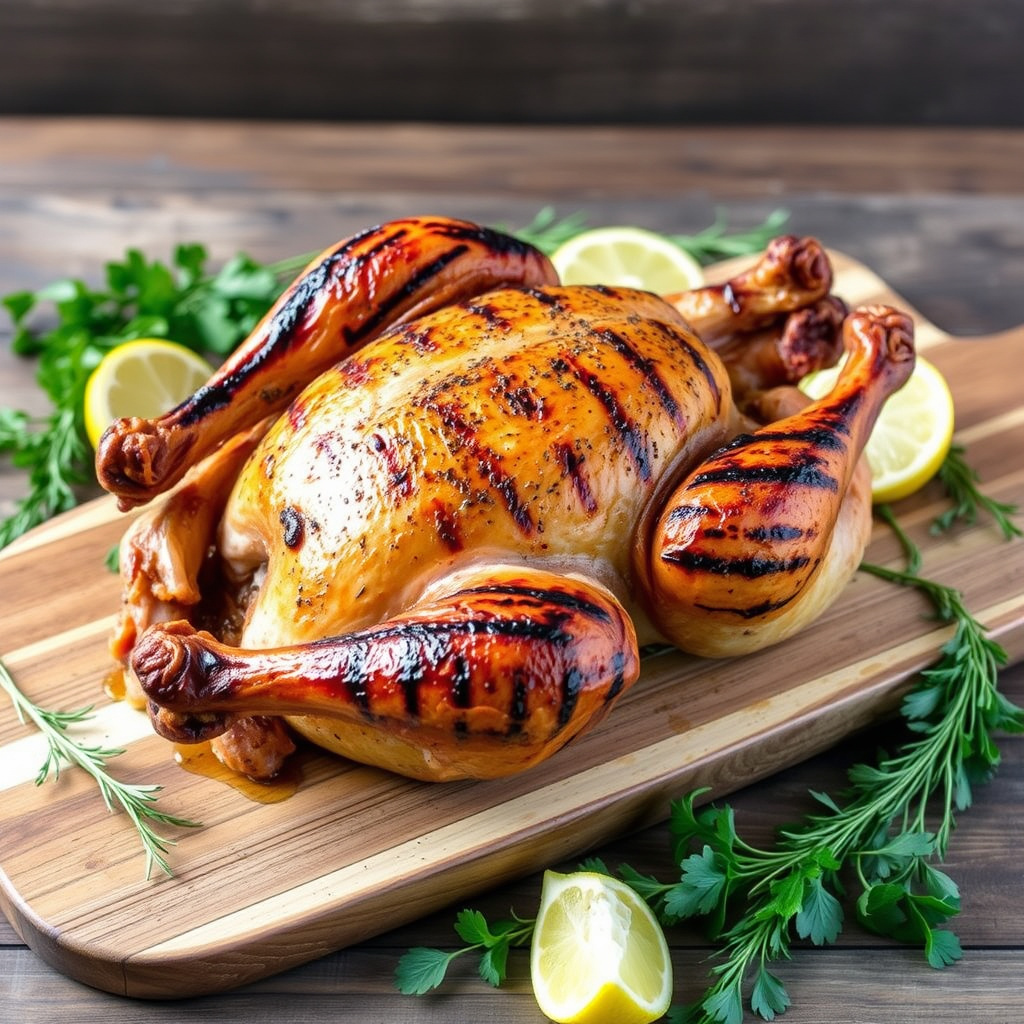
Basting and Herb Infusions
Basting the turkey periodically with melted butter, olive oil, or a marinade helps keep the skin moist and flavorful. Adding fresh herbs like rosemary, sage, and thyme in the basting liquid or inside the turkey cavity elevates the aroma and taste.
Some grillers also add citrus slices or garlic cloves inside the bird for subtle infusions that complement the smoky grilled flavor.
- Baste every 30 minutes
- Use butter or herb-infused oil
- Add citrus or garlic inside cavity
For more on this, see our related guide: How to Grill Burgers Perfectly Every Time.
Achieving Crispy Skin
Dry skin is essential for crispy, golden-brown turkey skin. Pat the skin dry before seasoning, and avoid covering the turkey tightly during grilling. Leaving the grill lid slightly ajar near the end can help dry out the skin further.
High heat bursts or finishing the turkey over direct heat for a few minutes adds extra crispness, but be careful to avoid burning.
- Dry turkey skin thoroughly before grilling
- Avoid tight foil wrapping
- Finish over direct heat carefully
Resting, Carving, and Serving Your Grilled Turkey
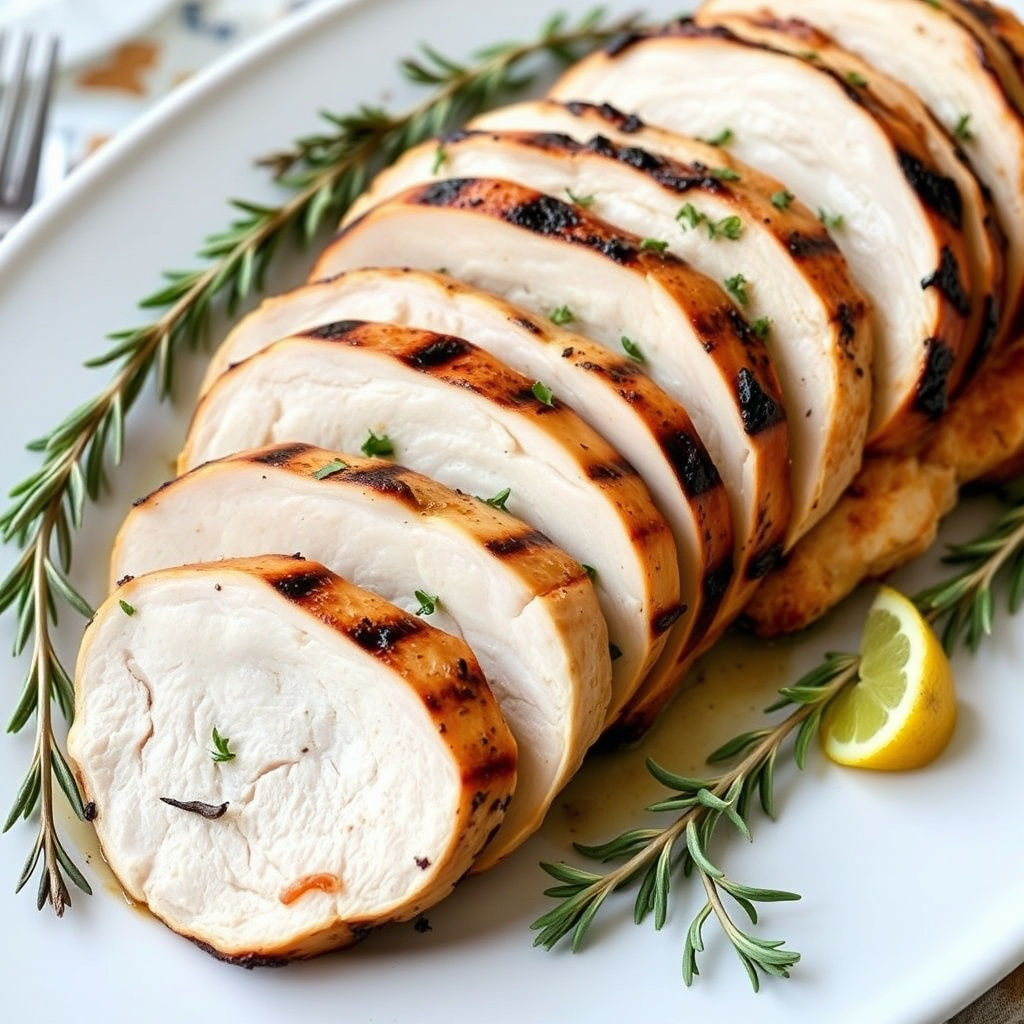
Proper Resting Techniques
Once off the grill, allow the turkey to rest loosely tented with foil for 20 to 30 minutes. This resting period lets the juices redistribute from muscle fibers back into the meat, yielding tender, juicy slices.
Avoid cutting into the bird too soon as it causes valuable moisture to drip out, resulting in dry turkey.
- Rest 20-30 minutes tented with foil
- Do not carve immediately after grilling
For additional background on grilling methods and history, visit the Grilled Turkey Techniques on Wikipedia. Grilled Turkey Techniques on Wikipedia.
Carving Tips for Even Slices
Use a sharp carving knife and start by removing the legs and wings. Slice the breast meat against the grain for extra tenderness. Arrange slices neatly on a warm serving platter and garnish with fresh herbs or cranberry sauce for presentation.
Carving soon after resting preserves texture and temperature. Keep leftover turkey refrigerated promptly to prevent spoilage.
- Remove legs and wings first
- Slice breast against the grain
- Serve warm with garnishes
Grill Types for Cooking Turkey: A Comparison
Here’s a breakdown of common grill categories highlighting their pros and cons for grilling turkey.
| Grill Type | Flavor Impact | Heat Control | Set-Up Ease | Ideal Turkey Size |
|---|---|---|---|---|
| Gas Grill | Mild smoky flavor | Precise and easy | Quick and convenient | Up to 16 pounds |
| Charcoal Grill | Rich smoky flavor | Requires monitoring | More setup and cleanup | Up to 20 pounds |
| Pellet Grill | Enhanced smoky depth | Automated control | Moderate setup | Up to 18 pounds |
| Smoker | Strong smoky infusion | Temperature regulated | Long cook time setup | Up to 16 pounds |
Frequently Asked Questions
Can I grill a frozen turkey?
It’s unsafe to grill a frozen turkey because the inside will remain undercooked while the outside thaws. Always fully thaw the turkey in the refrigerator before grilling to ensure even cooking and food safety.
How long does it take to grill a 14-pound turkey?
Grilling a 14-pound turkey usually takes about 2.5 to 3 hours over indirect heat at 325-350°F. Cooking times vary, so use a meat thermometer to check for an internal temperature of 165°F.
Should I brine my turkey before grilling?
Brining helps retain moisture and adds flavor to grilled turkey. A saltwater brine for 12 to 24 hours before grilling can significantly improve juiciness, especially for lean meats like turkey breast.
What’s the best way to add smoke flavor when grilling?
Using soaked wood chips in a smoker box or foil pouch placed on hot coals or burners adds smoky aroma. Common woods like hickory, apple, or cherry work well for complementing turkey.
How do I avoid flare-ups while grilling turkey?
Position the turkey over indirect heat to prevent fat from dripping directly onto flames. Use a drip pan to catch juices and avoid excessive openings of the grill lid, which can cause temperature spikes.
Key Takeaways
- Use indirect heat and maintain 325-350°F for even cooking
- Season or brine turkey for flavor and moisture retention
- Monitor internal temperature with a meat thermometer
- Rest turkey before carving to retain juices
Conclusion
Grilling a turkey successfully means balancing heat management, preparation, and timing to produce a flavorful, tender bird. Focusing on indirect cooking and steady temperatures allows thorough roasting without drying the meat. Using seasoning techniques like brining or herb rubs enhances the taste and juiciness distinctive to grilled poultry. Employing a quality meat thermometer is essential to guarantee the turkey reaches a safe internal temperature while avoiding overcooking. Each step—from preparation to carving—contributes to the final presentation and eating experience.
For beginners, a gas grill offers ease of control and predictable results, especially when handling medium-sized turkeys around 12 to 16 pounds. Charcoal grills introduce a richer smoke profile suited for those comfortable with manual heat adjustments and longer cook times. Pellet grills and smokers offer automated temperature control and intense smoky flavors but need more equipment familiarity. Selecting a grill that fits your experience level and desired flavor profile will allow you to master grilling turkey successfully. Brined, seasoned, and grilled with patience, the turkey will be a centerpiece for any gathering.
Once confident in grilling basics, experimenting with flavor infusions like wood chips, citrus, or herb basting can personalize your turkey. Resting the meat before carving ensures juicy slices every time. The next step is to gather your ingredients, prepare the grill following guidelines, and enjoy the process of cooking your own grilled turkey. This method will impress guests and create delicious memories beyond traditional oven roasting.



