
Grilling a whole chicken results in a delicious, juicy meal that brings out rich flavors and crispy skin. The key to success is proper preparation, maintaining steady heat, and knowing when to turn and baste the bird. By grilling whole, you preserve moisture better than cutting it into parts before cooking.
This method matters because it allows the skin to get crispy all over, and the meat remains tender inside unlike some other cooking methods that dry it out. Grilling imparts a subtle smoky flavor not achieved with oven roasting, and can be done on charcoal or gas grills with good results.
In this article, you'll learn step-by-step how to prepare your whole chicken for the grill, how to set up your grill for indirect cooking, tips on timing and temperature, seasoning and marinades including suggested flavors, and how to test for doneness so your chicken comes out perfect every time.
Preparing Your Whole Chicken for Grilling
Cleaning and Trimming the Chicken
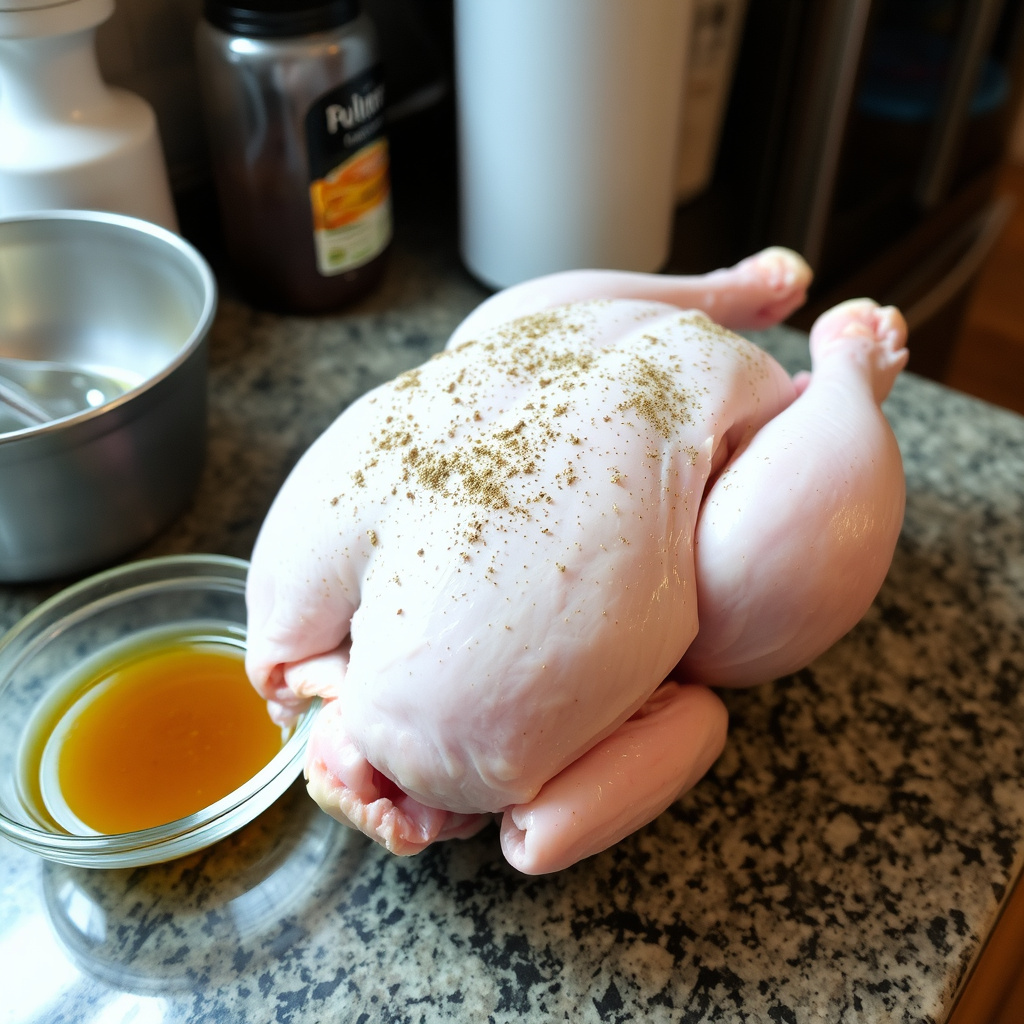
Start by removing any giblets from the cavity and patting the chicken dry with paper towels. Trimming excess fat or skin from the neck and back can help prevent flare-ups on the grill.
Patting the chicken completely dry is essential for getting crispy skin. Avoid rinsing as it can spread bacteria; instead, use a clean dry towel.
- Remove giblets
- Trim excess fat
- Pat dry thoroughly
Seasoning and Marinating Options
For grilling, a simple dry rub or a wet marinade works well. Dry rubs focus on seasoning the skin for a crispy finish, while marinades add deeper flavor and moisture to the meat.
Consider marinades with ingredients like lemon juice, garlic, soy sauce, or herbs. The best marinade for grilled chicken will balance acidity and sweetness to tenderize the meat while adding flavor.
- Dry rub: salt, pepper, paprika
- Marinade: lemon, garlic, herbs
- Marinate for 2-4 hours or overnight
Grill Setup for Perfect Whole Chicken Cooking
Choosing Between Gas and Charcoal Grills
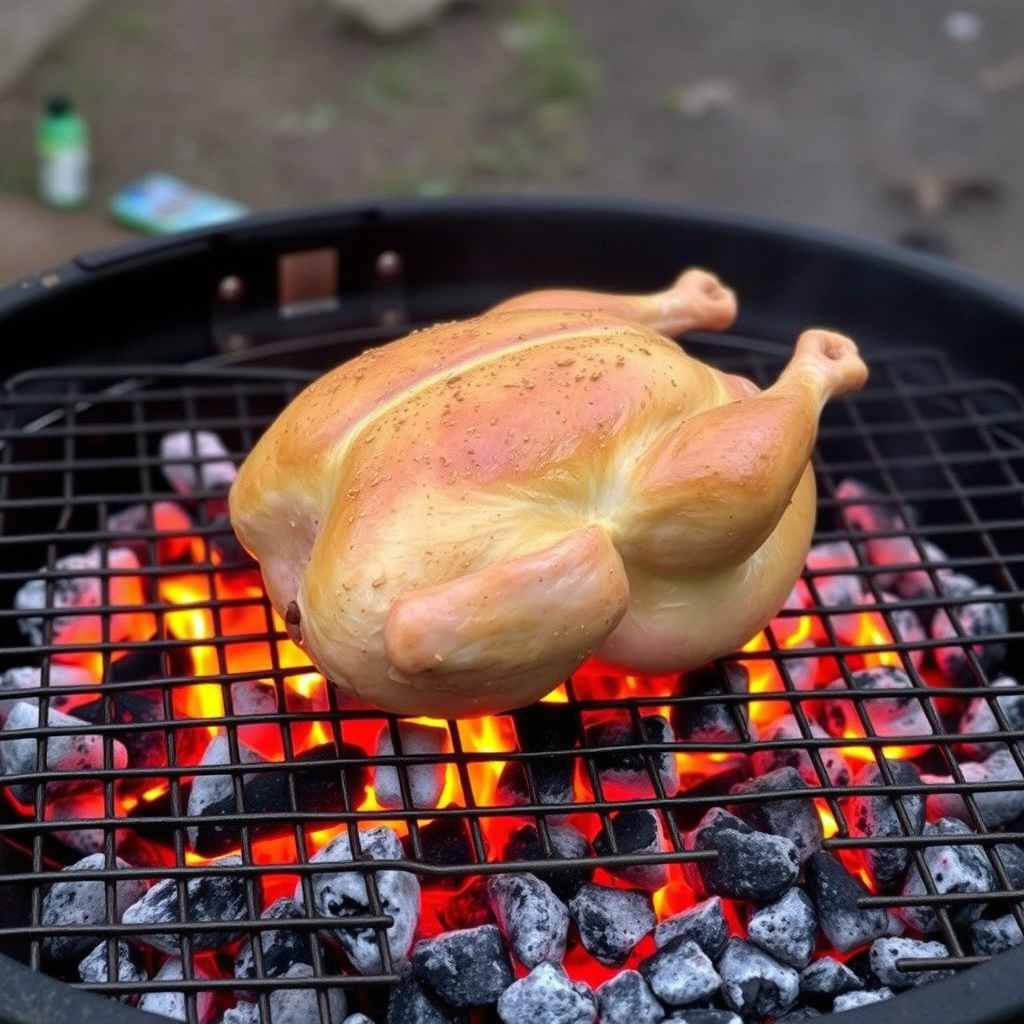
Both gas and charcoal grills can produce excellent grilled chicken. Charcoal grills add a smoky flavor from the wood or briquettes, while gas grills make it easier to control temperature precisely.
If using charcoal, arrange coals to one side for indirect cooking. For gas grills, light burners on one side and leave the other side off to create a two-zone cooking area.
- Charcoal: smoky flavor, less control
- Gas: precise control, quick light
- Set up two zones for indirect cooking
For more on this, see our related guide: How to Grill Potatoes Perfectly Every Time: Techniques and Tips.
Setting Up for Indirect Heat Cooking
Grilling a whole chicken requires indirect heat so the meat cooks through without burning the skin. Position the chicken on the cooler side of the grill, away from direct flames.
Close the lid during cooking to trap heat and cook evenly. Monitor grill temperature to maintain a range of 350°F to 375°F for best results.
- Place chicken away from direct flame
- Keep grill temperature between 350°F and 375°F
- Use lid to maintain even heat
Grilling Technique to Achieve Juicy Whole Chicken
Timing and Turning the Chicken
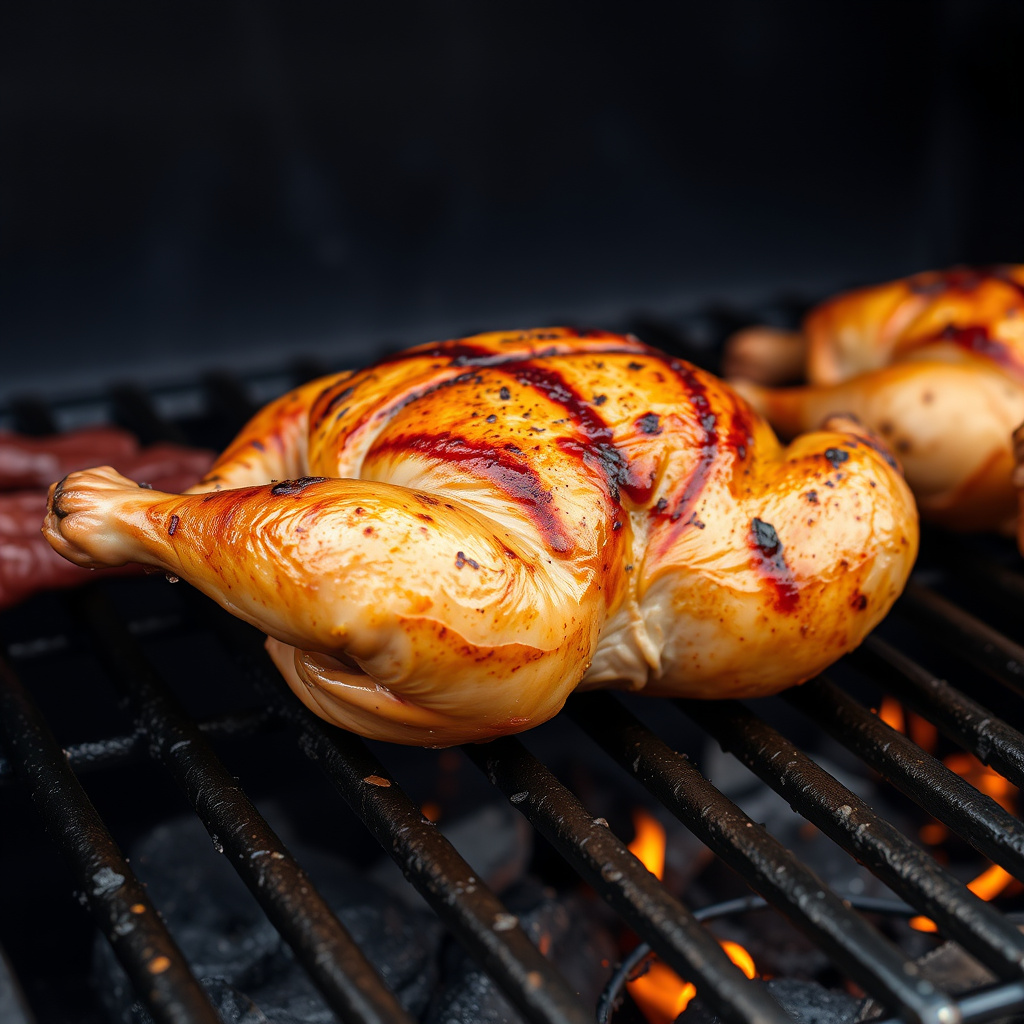
Place the chicken breast side up on the grill and cook for about 45 minutes to 1 hour, depending on size. Turn the chicken every 20 minutes to promote even cooking and avoid flare-ups.
Applying any basting sauce during the last 10-15 minutes enhances flavor without burning sugars prematurely.
- Cook 45-60 minutes
- Turn every 20 minutes
- Baste in final 10-15 minutes
Checking for Doneness and Resting
Use a meat thermometer inserted into the thickest part of the thigh—without touching bone—to check doneness. The safe internal temperature is 165°F. Let the chicken rest for 10-15 minutes after grilling to redistribute juices.
Resting ensures the meat stays moist when cut and finished. You can tent the chicken loosely with foil while resting.
- Check internal temp: 165°F
- Rest 10-15 minutes
- Use foil tenting for resting
Flavor Variations and Marinade Ideas
Classic Herb and Citrus Marinade
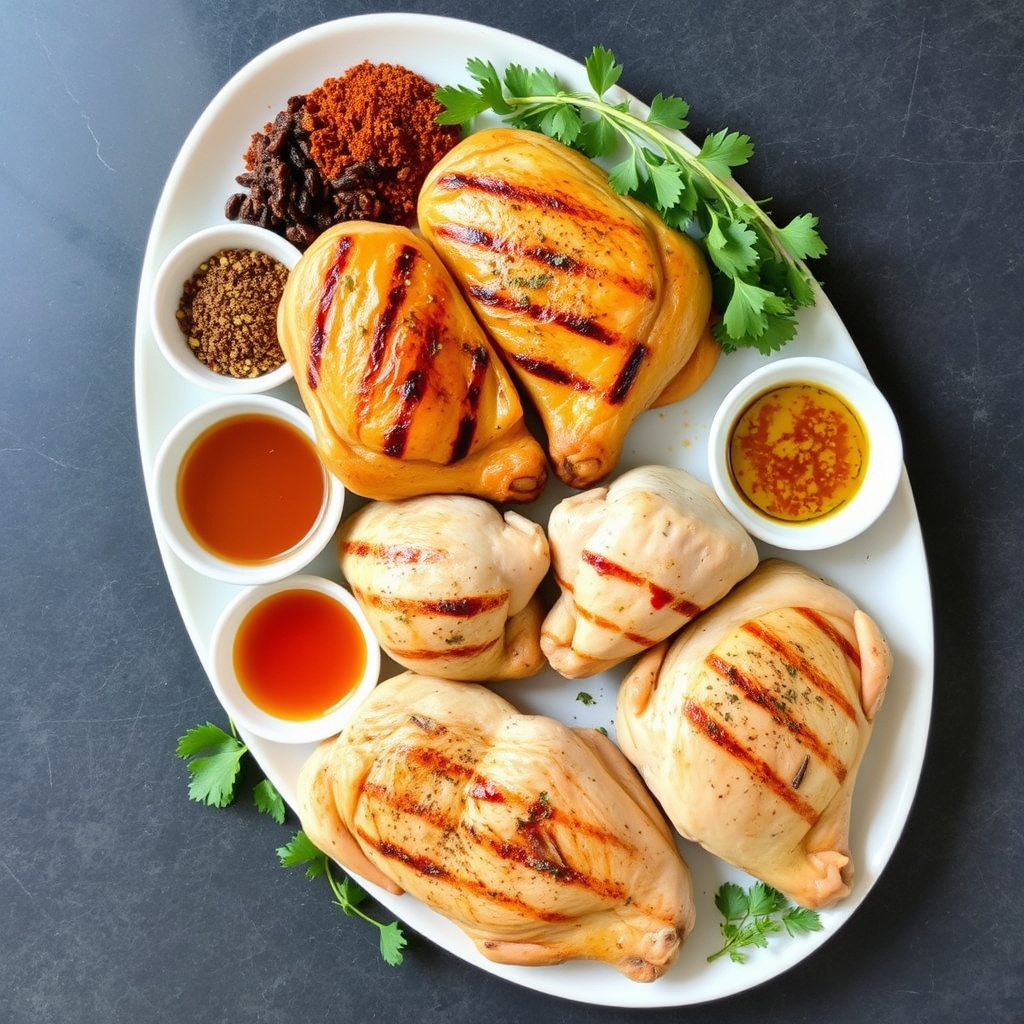
A mix of lemon juice, olive oil, garlic, thyme, and rosemary creates a fresh and zesty marinade that complements chicken well. Marinate for several hours to develop the aromatic profile.
This combination brightens the grilled flavor and keeps the meat tender throughout the cooking process.
- Lemon juice
- Olive oil
- Garlic
- Thyme and rosemary
For more on this, see our related guide: How to Grill Chicken Perfectly Every Time: A Complete Guide.
Spicy BBQ and Smoky Rubs
For a bold taste, try a spicy rub with smoked paprika, chili powder, brown sugar, and cumin. The sugar caramelizes on the skin for a flavorful crust, while spices add heat and smokiness.
Pairing this with a smoky BBQ sauce applied near the end of grilling creates layers of intense flavor.
- Smoked paprika
- Chili powder
- Brown sugar
- Cumin
Tools and Tips for Better Grilling Experience
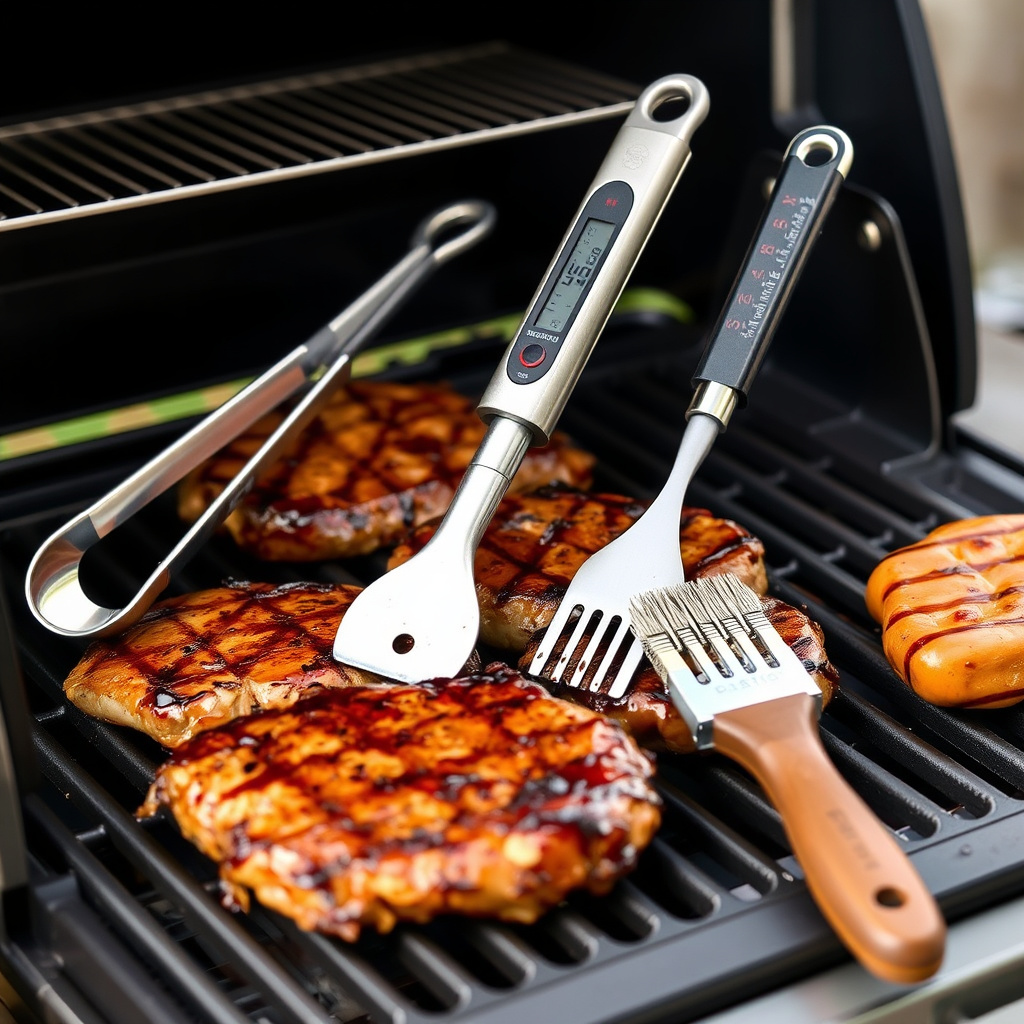
Essential Grill Accessories
Having a good meat thermometer is critical to avoid under- or overcooking. Long-handled tongs and a brush for basting make handling easier and safer when working with hot grills.
A sturdy grill grate or roasting basket helps hold the chicken steady during cooking, and a drip pan can minimize flare-ups.
- Meat thermometer
- Long tongs
- Basting brush
- Drip pan
For additional insights on grilling chicken, these grilling whole chicken guidelines offer useful background and safety details. grilling whole chicken guidelines.
Managing Flare-Ups and Heat Control
Fat dripping onto flames can cause flare-ups that char the skin. Manage this by keeping a cooler zone and moving the chicken there if flames flare up.
Adjust vents on charcoal grills or burners on gas grills to maintain even heat and prevent temperature spikes.
- Use cooler side for flare-ups
- Adjust vents/burners
- Trim excess fat
Types of Whole Chicken Grilling Methods Compared
Here's a quick comparison of different common approaches to grilling whole chicken.
| Method | Flavor Profile | Ease of Use | Cooking Time | Best For |
|---|---|---|---|---|
| Direct Heat Grilling | Smoky, charred flavor | Moderate | 30-40 minutes | Small chickens or spatchcocked |
| Indirect Heat Grilling | Juicy, evenly cooked | Easy | 45-60 minutes | Whole chickens |
| Rotisserie Grilling | Evenly roasted, tender | Advanced | 60-90 minutes | Whole chickens with equipment |
| Smoker Grill Method | Deep smoky flavor | Challenging | 3-5 hours | Slow cook enthusiasts |
Frequently Asked Questions
Can I grill a frozen whole chicken?
It's not recommended to grill a frozen whole chicken. Thaw it fully in the refrigerator first to ensure even cooking and reduce the risk of undercooked meat.
How do I avoid dry breast meat when grilling whole chicken?
Cooking the chicken over indirect heat and monitoring the internal temperature closely helps prevent the breast from drying out. Resting the chicken before carving also helps retain moisture.
Is it better to marinate or dry rub a whole chicken before grilling?
Both methods work well. Marinades penetrate deeper for moistness and flavor, while dry rubs create a crispier skin and concentrated seasoning on the surface.
How do I clean my grill after cooking whole chicken?
Allow the grill to cool slightly, then use a grill brush to remove residue. Wiping with a damp cloth afterward keeps the grates clean and ready for next use.
What is the best temperature to grill a whole chicken?
Maintain a grill temperature between 350°F and 375°F for indirect cooking to cook the whole chicken evenly without burning the skin.
Key Takeaways
- Grill whole chicken over indirect heat between 350°F and 375°F for best results.
- Use a meat thermometer to confirm an internal temperature of 165°F in the thigh.
- Marinate or apply dry rubs for balanced flavor and crispy skin.
- Rest the chicken after grilling to keep it juicy and tender.
Conclusion
Grilling a whole chicken successfully demands attention to preparation, grilling technique, and timing. By starting with a well-prepped bird—cleaned, trimmed, and seasoned—you set the foundation for flavorful results. Using indirect heat helps the chicken cook evenly while maintaining crispy skin. Monitoring the grill temperature and turning the chicken periodically ensures thorough cooking without burning. The key to moist, tasty chicken lies in careful timing, controlling flare-ups, and using a good meat thermometer to verify it’s done.
If you want simplicity and beginner-friendly success, indirect grilling on a gas or charcoal grill is your best bet. For flavor variations, try classic herb and citrus marinades or go bolder with smoky spicy dry rubs depending on your taste preferences. Those with rotisserie attachments can opt for rotisserie grilling for even roasting. Slow smoker methods produce deep, rich flavors but require more time and skill. Adjust your approach based on your grill type, time constraints, and flavor goals.
Next time you plan a backyard meal, consider grilling a whole chicken using these steps. Gather your favorite marinade or spice rub ingredients, set up your grill with two-zone heat, and cook slowly while keeping an eye on the temperature. Letting the chicken rest before carving will impress your guests with juicy, tender results. With practice, grilling whole chicken can become a simple, reliable way to serve delicious meals any season.



