
Grilling a pork tenderloin to juicy perfection starts with choosing the right preparation and grilling method. Pork tenderloin should be cooked over medium-high heat until it reaches an internal temperature of 145°F, followed by resting. This ensures tender, flavorful meat with a slight pink center and crispy exterior.
Getting the balance of heat and cooking time right is key to avoiding dry or overcooked pork. The tender size allows for quick grilling but calls for steady attention to avoid flare-ups or uneven cooking. Proper seasoning and marinating amplify the flavor while the resting period lets juices redistribute for maximum tenderness.
This article will guide you through the steps of preparing, seasoning, and grilling pork tenderloin, explain how to monitor temperature and timing precisely, and offer tips on different grilling techniques and tools to use. We will also compare grilling methods and answer common questions to help you grill pork tenderloin confidently.
Preparing Your Pork Tenderloin for Grilling
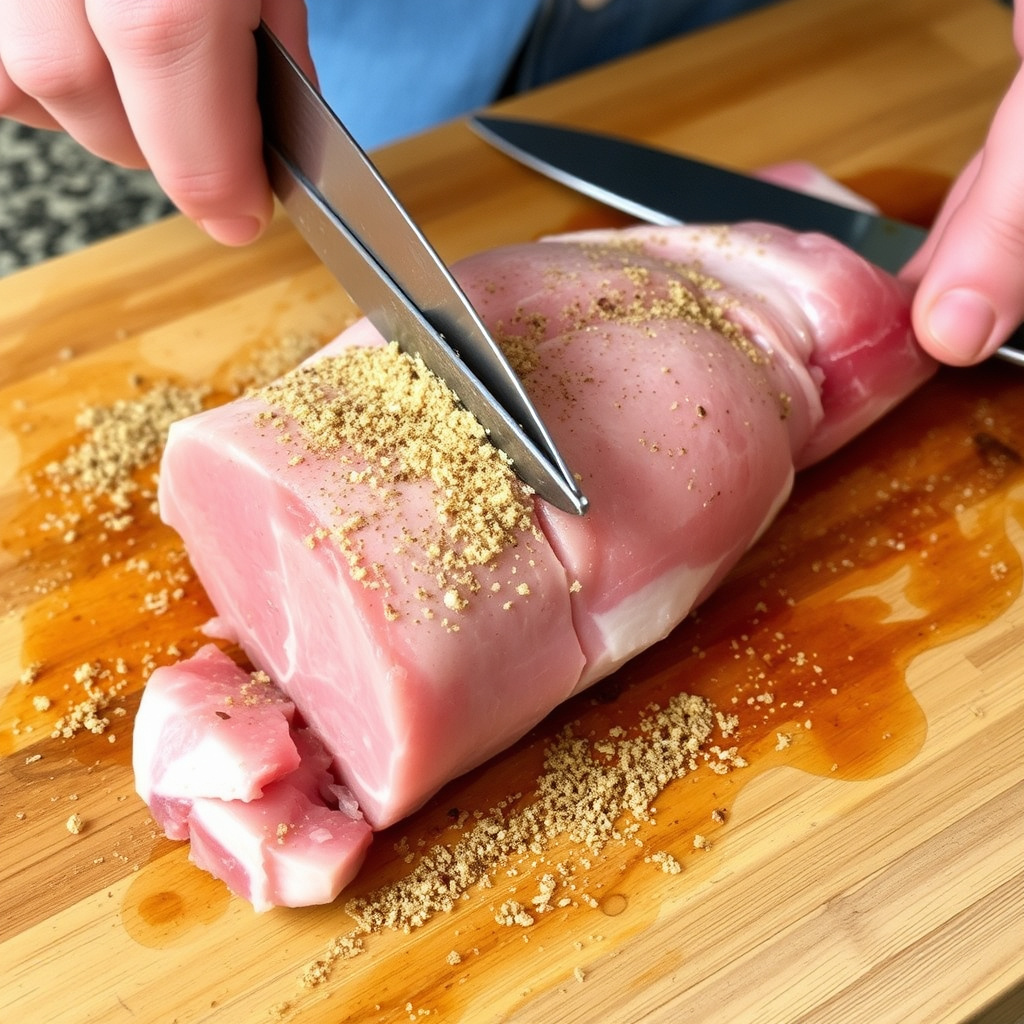
Trimming and Cleaning the Tenderloin
Start by removing the silver skin and any excess fat from the pork tenderloin. The silver skin is a tough, silvery membrane that won’t break down during cooking, making the meat chewy if not removed. Use a sharp knife to carefully slide under the silver skin and peel it away without cutting too much of the meat.
After trimming, rinse the tenderloin lightly and pat it dry with paper towels. Dry meat sears better and helps the seasoning stick more effectively during grilling.
- Identify and remove visible silver skin
- Trim excess fat from surface
- Dry with paper towels before seasoning
Marinating and Seasoning Techniques
Marinating adds moisture and infuses flavor. A simple marinade might include olive oil, garlic, soy sauce, and herbs like rosemary or thyme, applied for at least 30 minutes up to 4 hours. Avoid overly acidic marinades longer than this to prevent texture changes.
If short on time, dry rubs with spices such as paprika, cumin, salt, and pepper work well. Season evenly on all sides before grilling. Let the tenderloin sit at room temperature for 15-20 minutes after seasoning to reduce chill for even cooking.
- Use olive oil and herbs for marinade
- Apply dry rub evenly as an alternative
- Marinate 30 minutes to 4 hours
- Bring meat to room temperature before grilling
Grilling Techniques for Pork Tenderloin
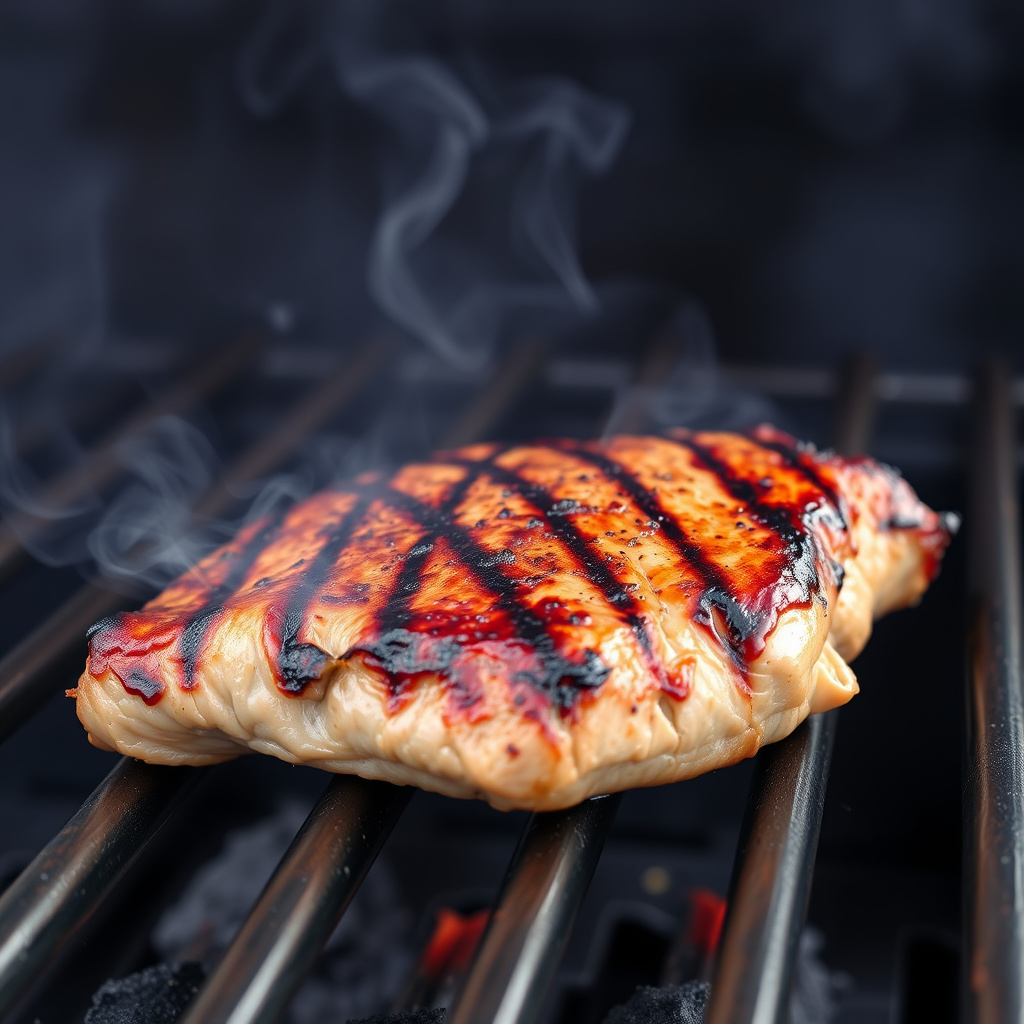
Direct vs Indirect Heat Grilling
Direct heat grilling means cooking the tenderloin directly over the flames to develop a caramelized crust. This method suits thinner cuts and quick cooking but risks burning if unattended. Indirect heat involves placing the meat beside, not above, the heat source, cooking it more gently and evenly through ambient heat.
A common approach is to sear the pork quickly over direct heat for 3-4 minutes per side, then move it to indirect heat to finish cooking through without charring. This two-zone method balances a crusty exterior with a tender interior.
- Direct heat for searing — about 3-4 minutes each side
- Finish over indirect heat to avoid flare-ups
- Use two-zone setup for best results
Managing Grill Temperature and Timing
Maintaining a grill temperature of about 375°F to 400°F works well for pork tenderloin, providing enough heat for a sear without burning. Use a grill thermometer and adjust vents or burners accordingly to stabilize heat.
Cooking time varies by thickness but usually ranges from 15 to 20 minutes total. Using a meat thermometer is essential; pull the pork from heat at 145°F internal temperature, then rest 5-10 minutes to let carryover cooking finish while juices settle.
- Target cooking temperature: 375°F to 400°F
- Monitor with grill and meat thermometers
- Rest meat 5-10 minutes after grilling
Tools and Equipment for Grilling Pork Tenderloin
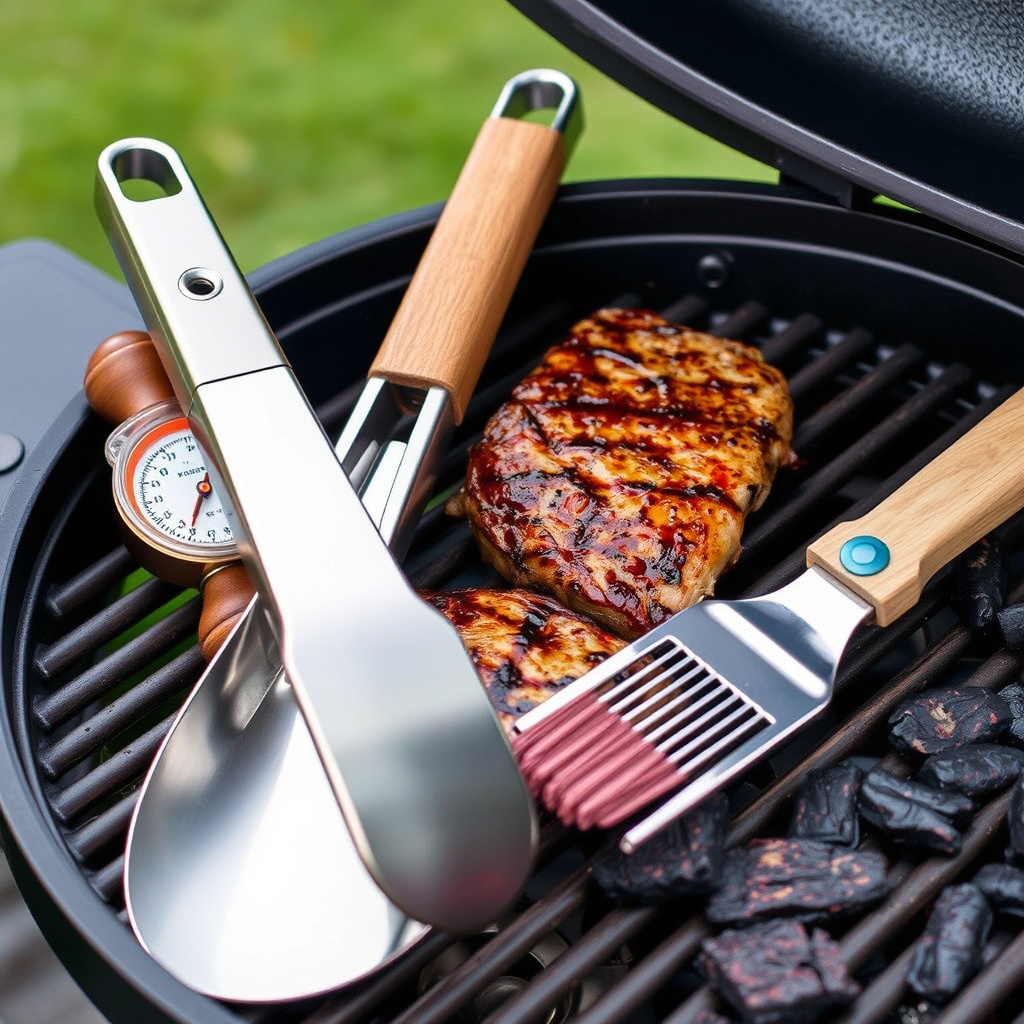
Essential Grilling Tools and Accessories
Using long-handled tongs lets you turn tenderloin safely without piercing the meat and losing juices. A reliable meat thermometer is indispensable for checking doneness. Grill brushes help clean grates for proper searing and avoiding stuck meat.
Heat-resistant gloves improve safety for handling hot components, and a drip pan placed beneath indirect heat zones can catch drippings to prevent flare-ups and make cleaning easier.
- Long-handled tongs for turning
- Instant-read meat thermometer
- Grill brush for cleaning
- Heat-resistant gloves
- Drip pan for indirect grilling
Choosing Between Gas, Charcoal, and Electric Grills
Gas grills offer quick heat control and clean burning, ideal for steady temperature needed to grill pork tenderloin evenly. Charcoal grills provide smoky flavors and higher heat, enhancing crust development but requiring more skill with temperature adjustments.
Electric grills are convenient for indoor or apartment use but generally do not reach the high temperatures or impart as much char flavor. Your preferred grill type affects cooking technique and flavor profile.
- Gas grills for precise temperature control
- Charcoal grills for smoky flavor and high heat
- Electric grills for convenience and indoor use
Resting and Serving Your Grilled Pork Tenderloin
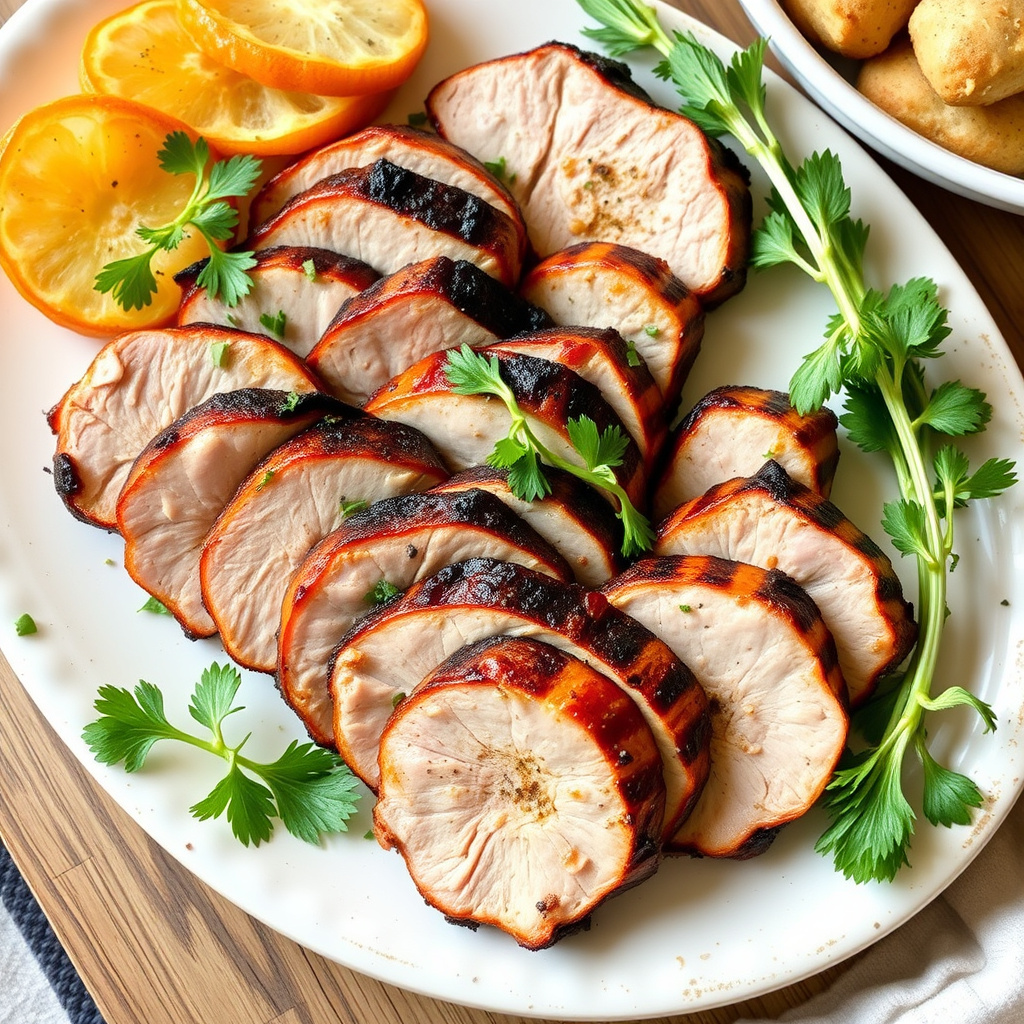
Why Resting Meat Matters
After grilling, resting pork tenderloin 5-10 minutes before slicing lets juices redistribute throughout the meat. Cutting immediately causes moisture to pour out, resulting in a dry bite.
Cover the pork loosely with foil while resting to keep it warm. This brief pause improves tenderness and flavor, making the effort spent grilling noticeable with every bite.
- Rest for 5-10 minutes post-grilling
- Cover loosely with foil to retain heat
- Prevents juice loss and dryness
Best Slicing and Serving Suggestions
Slice the tenderloin at a slight diagonal across the grain for the most tender bites. Serve with fresh herbs, grilled vegetables, or a light sauce such as chimichurri or mustard glaze to complement the smoky pork flavor.
Grilled pork tenderloin also pairs well with sides like roasted potatoes, salads, or grilled fruit depending on your meal style.
- Slice against the grain diagonally
- Offer complementary sauces or herbs
- Pair with grilled vegetables or fresh sides
Troubleshooting Common Grilling Challenges
Preventing Flare-Ups and Charring
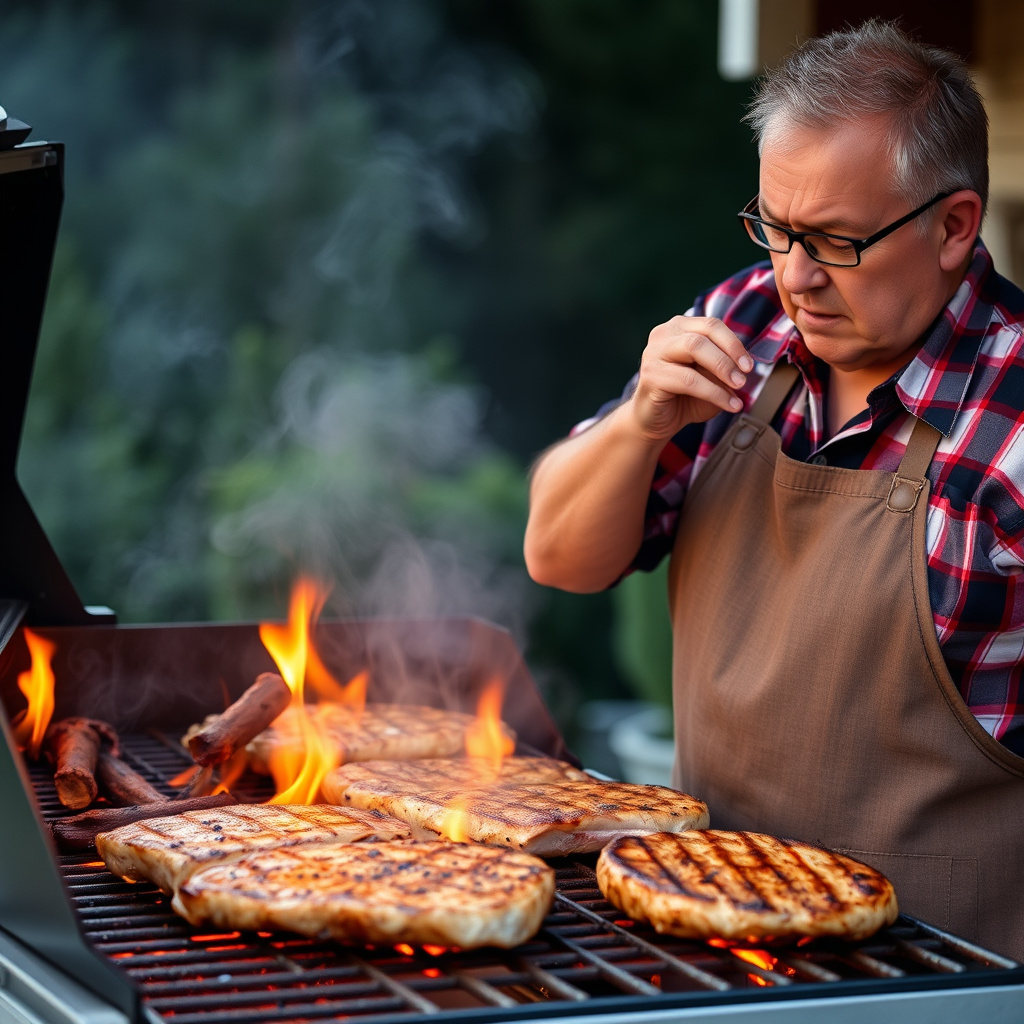
Flare-ups occur when dripping fat ignites, causing flame bursts that can burn meat. Use lean tenderloin cuts trimmed of excess fat to reduce drips. Control flare-ups by moving meat to indirect heat zones and keeping a spray bottle of water handy to calm flames.
Keeping the grill lid closed as much as possible also helps regulate temperature and limits exposure to direct flames.
- Trim excess fat to reduce drippings
- Move meat away from flames during flare-ups
- Have water spray bottle ready
- Keep grill lid closed often
For detailed safety standards on cooking pork tenderloin, refer to the USDA's official pork tenderloin grilling guidelines. pork tenderloin grilling guidelines.
Dealing with Undercooked or Overcooked Pork
Undercooked pork poses a safety risk; always rely on an instant-read thermometer rather than guesswork. If undercooked, move pork to indirect heat and cook until it reaches the safe 145°F internal temperature.
Overcooked pork becomes dry and tough. Avoid this by monitoring temperature closely and removing from heat on time. Resting meat helps retain juices and provide some margin after cooking.
- Use thermometer for doneness
- Cook under indirect heat if underdone
- Remove promptly when done to avoid dryness
Pork Tenderloin Grilling Methods Comparison
This table compares popular pork tenderloin grilling methods based on heat control, flavor, and ease of use to help you decide which suits your needs best.
| Grill Type | Heat Control | Flavor Profile | Ease of Use |
|---|---|---|---|
| Gas Grill | Excellent | Mild, clean | High |
| Charcoal Grill | Moderate | Smoky, rich | Medium |
| Electric Grill | Good | Neutral, less smoky | Easy |
| Pellet Grill | Precise | Smoky with wood flavor | Medium |
Frequently Asked Questions
What internal temperature should pork tenderloin reach when grilling?
Grill pork tenderloin until it reaches an internal temperature of 145°F for safe consumption while remaining juicy and slightly pink in the center.
How long should I rest pork tenderloin after grilling?
Let pork tenderloin rest 5-10 minutes covered loosely with foil to allow juices to redistribute for the best tenderness and flavor.
Can I marinate pork tenderloin overnight before grilling?
Yes, marinating pork tenderloin overnight in the refrigerator is safe and enhances flavor, but avoid very acidic marinades to prevent meat texture changes.
Is it better to use gas or charcoal for grilling pork tenderloin?
Gas grills offer better heat control and ease, while charcoal grills add deeper smoky flavor. Choose based on your preference for flavor versus convenience.
How do I prevent flare-ups while grilling pork tenderloin?
Trim excess fat, use two-zone grilling to move meat away from flames during flare-ups, keep the lid closed, and have water handy to control flare-ups.
Key Takeaways
- Trim silver skin and fat before grilling for even cooking
- Use medium-high heat around 375°F–400°F and monitor temperature
- Rest tenderloin 5-10 minutes after grilling to retain juices
- Choose grill type based on flavor preference and heat control needs
Conclusion
Grilling pork tenderloin successfully revolves around managing heat, timing, and preparation. Understanding how to prepare the meat by trimming and seasoning, controlling grill temperatures, and using direct and indirect heat methods will help produce juicy and flavorful results consistently. Monitoring internal temperature with a thermometer is an essential practice for both safety and optimal texture.
For those seeking quick and controlled cooking, a gas grill with a two-zone setup is highly effective. Charcoal grills appeal to flavor enthusiasts who enjoy smoky nuances and are comfortable adjusting temperature manually. Electric and pellet grills provide alternatives for indoor or wood-smoke flavor variations, respectively. Whichever approach you take, seasoning or marinating beforehand and resting post-cooking underscore every grilling success.
Start by trimming and seasoning your pork tenderloin, preheat your preferred grill to medium-high heat, and apply the method that fits your comfort level and flavor goals. Keep a reliable meat thermometer close, prevent flare-ups through fat trimming and heat zones, and rest before slicing. Following these practical steps can elevate your grilling skills and ensure your pork tenderloin turns out tender, delicious, and a highlight of any meal.



