
Grilling hot dogs is straightforward: preheat your grill to medium heat, place the hot dogs on the grates, and cook them for about 5 to 7 minutes, turning occasionally until they’re evenly browned and heated through. This basic technique yields juicy, flavorful hot dogs with those classic grill marks.
Mastering the art of grilling hot dogs matters because it can transform a simple sausage into a smoky, juicy delight that elevates any barbecue or casual meal. Achieving the right balance of heat and timing prevents the hot dogs from drying out or bursting while intensifying their flavor with caramelized grill marks.
This article covers the essentials of how to grill hot dogs, including grill preparation, types of hot dogs to use, different cooking techniques, doneness indicators, delicious topping suggestions, and cleanup tips, helping you serve perfect hot dogs that impress every time.
Preparing Your Grill for Hot Dogs
Choosing the Right Grill Temperature
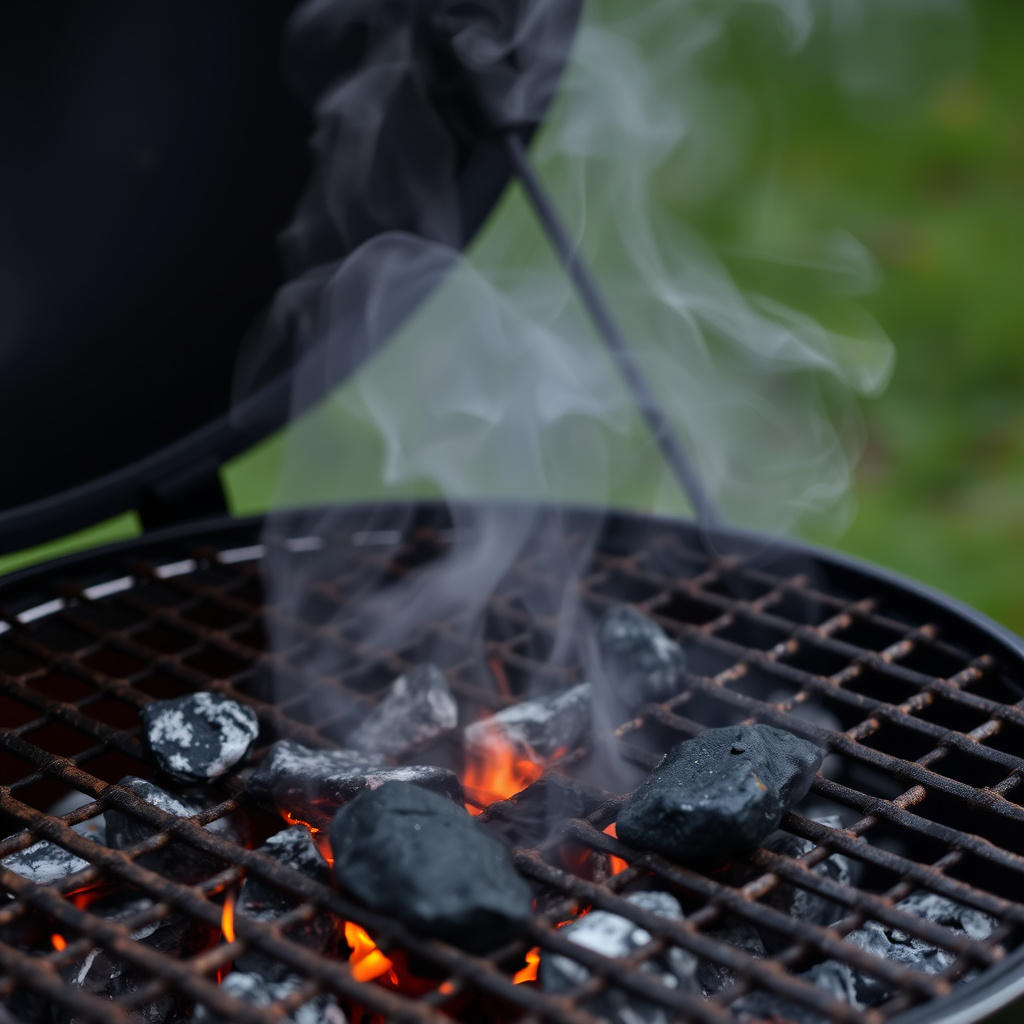
Setting your grill to a medium heat, about 350°F to 400°F, is ideal for cooking hot dogs evenly without burning the casing. Using a thermometer to monitor the temperature can help maintain this range.
A grill that is too hot can cause the skin of the hot dog to blister and split prematurely, allowing juices to escape and dry the meat. Lower heat leads to slower cooking but helps retain juiciness.
- Preheat grill for 10-15 minutes
- Aim for 350°F to 400°F medium heat
- Avoid direct intense flame contact
Preparing the Grill Grates
Before placing hot dogs on the grill, clean the grates thoroughly with a grill brush to remove residue. Lightly oiling the grates prevents sticking and ensures smooth cooking without tearing the hot dog skins.
Using a high smoke point oil like canola or vegetable oil to coat a folded paper towel and rubbing it on the grates is a quick way to create a non-stick surface.
- Use grill brush for cleaning
- Oil grates lightly with high smoke-point oil
- Avoid excessive oiling to prevent flare-ups
Selecting the Best Hot Dogs for Grilling
Types of Hot Dogs
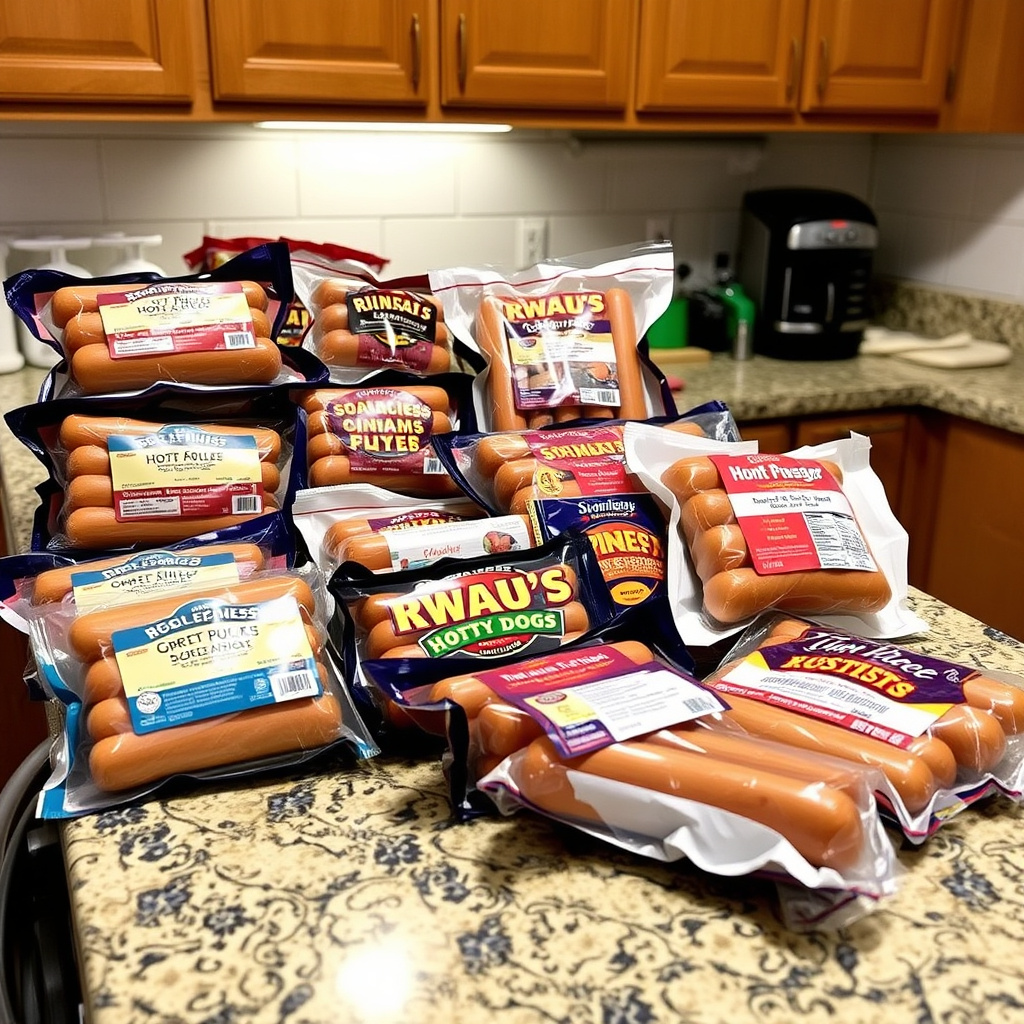
Hot dogs come in different varieties including beef, pork, turkey, and vegetarian. Beef hot dogs tend to have richer flavor and better grillability due to their fat content, while turkey or vegetarian options may require gentler heat to avoid drying out.
Artisanal or natural casing hot dogs offer a satisfying snap when bitten and typically respond better to grilling, making them a preferred choice for enthusiasts.
- Beef for rich flavor
- Pork for mild taste
- Turkey for lean option
- Vegetarian for meat-free grilling
Pre-Grill Preparation of Hot Dogs
Some grillers recommend lightly scoring hot dogs with shallow diagonal slashes to help them cook evenly and prevent bursting during grilling. Others prefer to grill without scoring to keep juices sealed inside.
Brushing hot dogs with a little oil before grilling can also add moisture and help develop attractive grill marks.
- Score diagonally if desired
- Lightly oil hot dogs before grilling
- Keep refrigerated until just before grilling
How to Grill Hot Dogs Perfectly
Direct Grilling Method
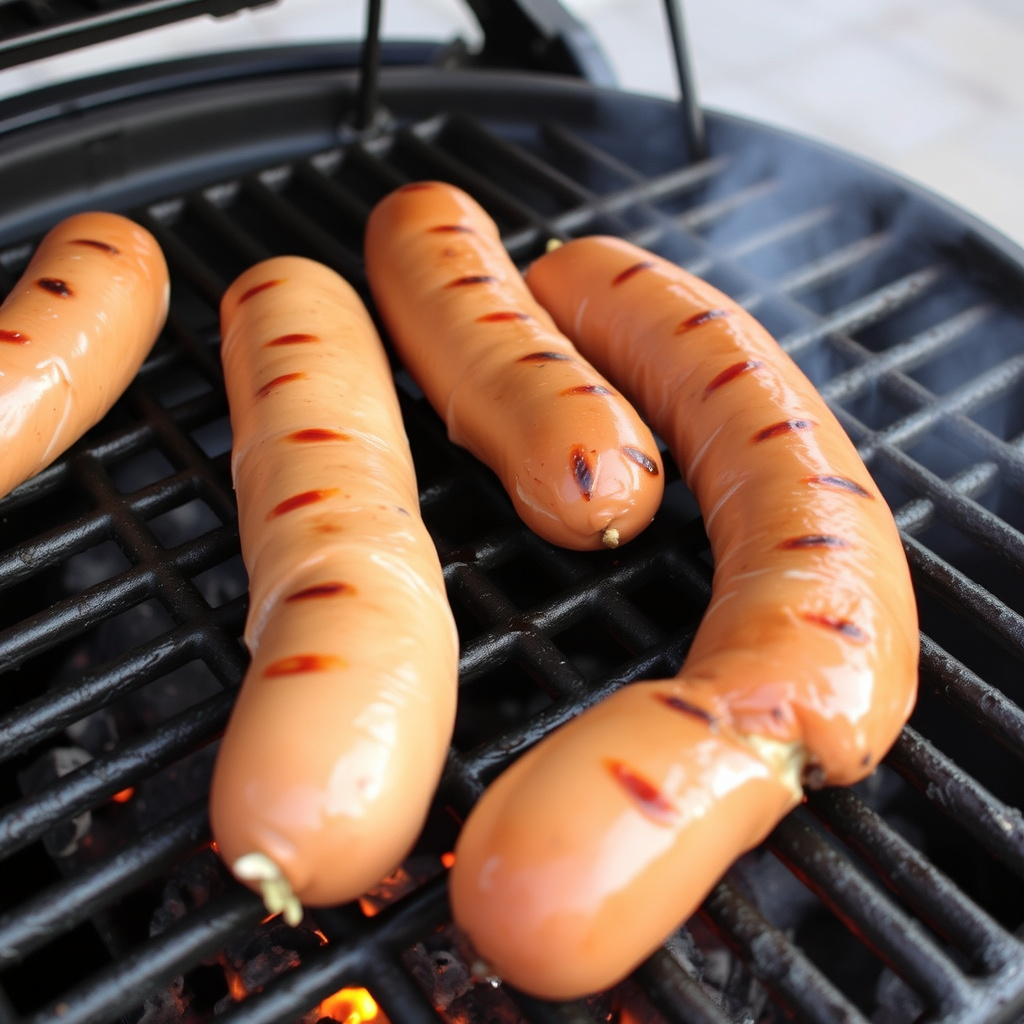
Place the hot dogs directly over the heat source and turn them regularly every 2 minutes to brown evenly and avoid charring. This method typically takes 5 to 7 minutes depending on heat and dog thickness.
Watch for skin blistering and light charring as signs of progress, but don’t let them blacken as it brings bitterness.
- Turn every 2 minutes
- Aim for even browning
- Avoid flame flare-ups
Using Indirect Heat for Gentle Cooking
If flare-ups or over-charring worry you, place the hot dogs on cooler parts of the grill away from direct flames. This slower approach takes about 8 to 10 minutes, resulting in juicier hot dogs with less risk of burning.
Indirect heat is especially recommended for lower-fat or vegetarian hot dogs that can dry out quickly with direct grilling.
- Place on cooler grill zones
- Turn occasionally
- Cook until heated through, 8-10 minutes
Recognizing When Hot Dogs Are Done
Visual and Textural Cues
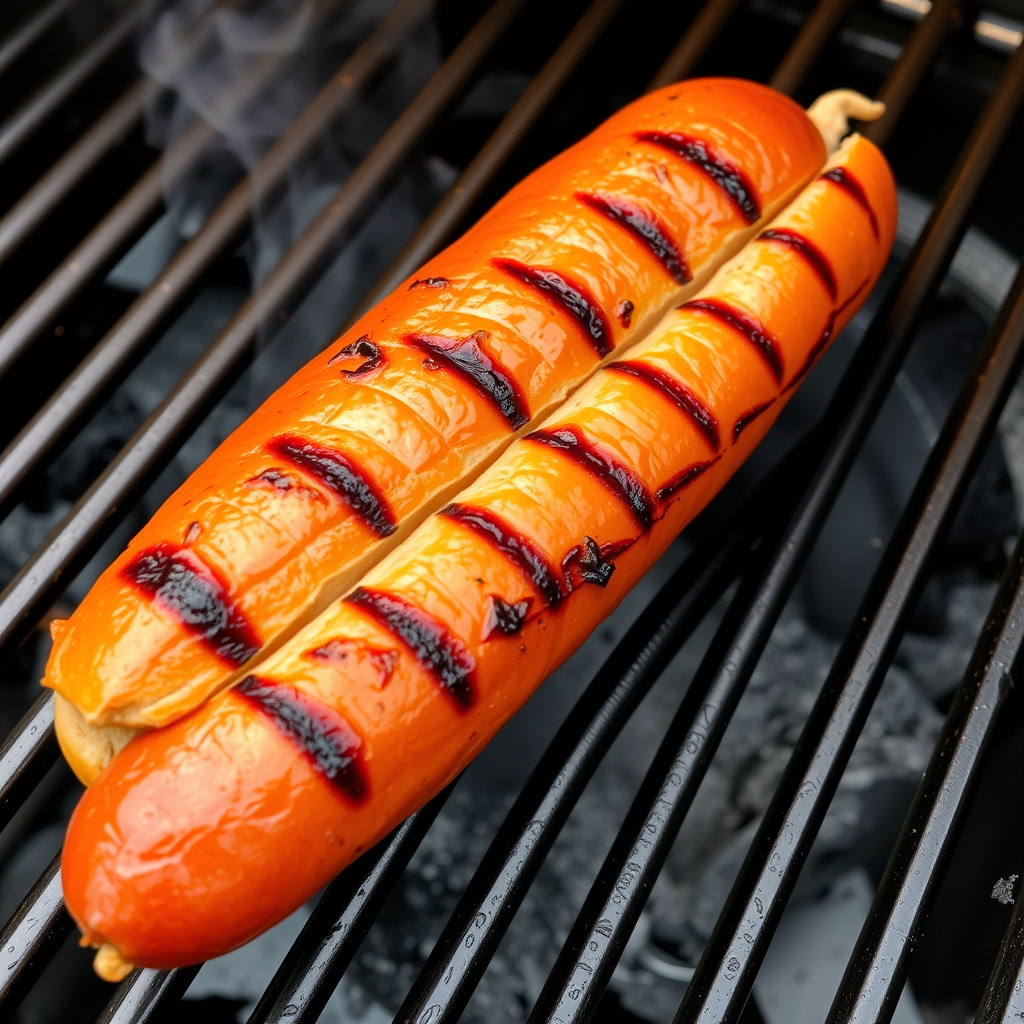
Visual signs include grill marks developing evenly, a slight split or blister in the casing, and the hot dog plumping slightly. The skin should be firm but not blackened or tough.
Pressing with tongs or a fork will give a slight springback indicating juiciness; a dry or hard feel means it’s likely overcooked.
Internal Temperature Guidelines
For food safety, grilled hot dogs should reach an internal temperature of 140°F. Using a digital meat thermometer inserted into the center confirms doneness precisely.
Poultry-based hot dogs require the same 165°F internal temperature as ground poultry products for safe consumption.
- Use a meat thermometer
- Aim for 140°F for beef/pork hot dogs
- 165°F for poultry varieties
Best Toppings and Serving Ideas for Grilled Hot Dogs
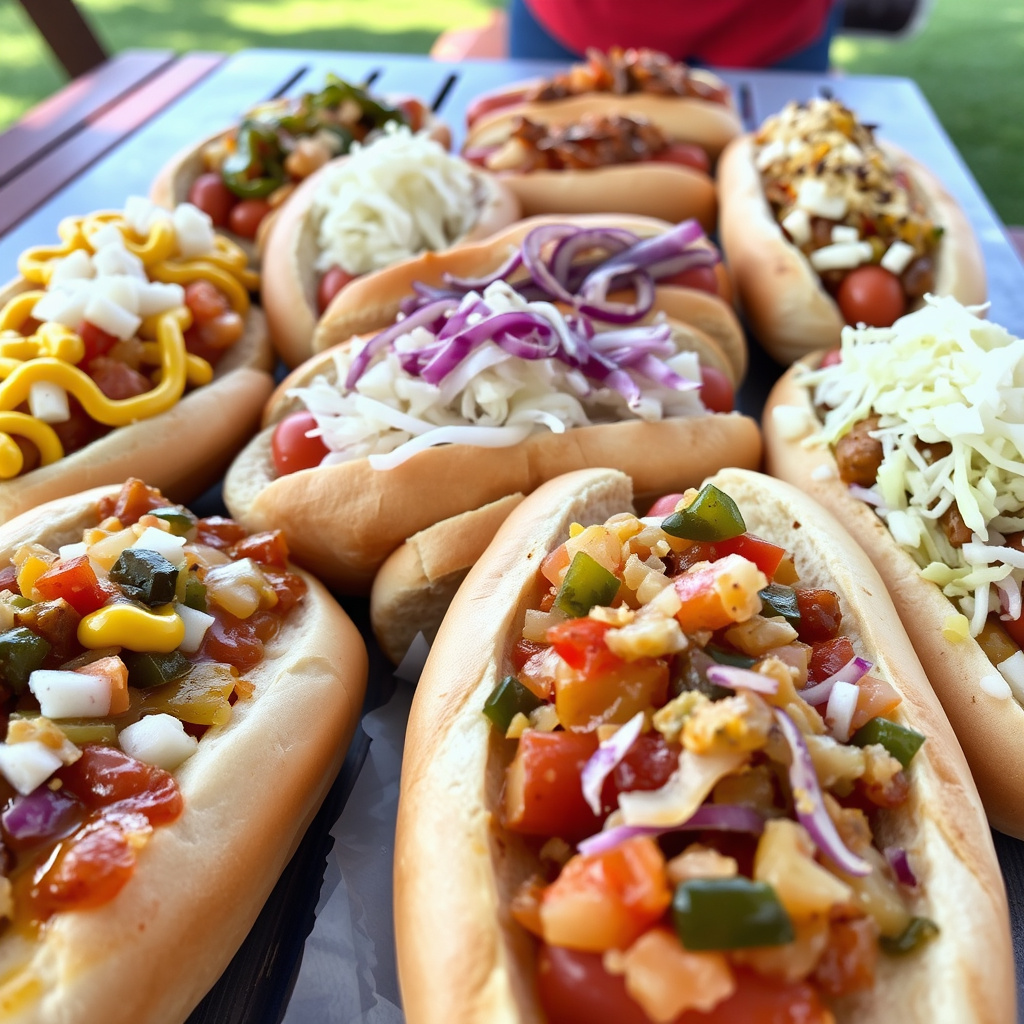
Classic Topping Combinations
Traditional toppings like yellow mustard, ketchup, chopped onions, and sweet relish enhance the rich flavor of grilled hot dogs without overpowering them. The balance of savory and sweet is a crowd-pleaser.
Adding sauerkraut or chili gives a tangy or spicy contrast that complements the smoky grilled flavor beautifully.
- Yellow mustard and ketchup
- Chopped onions and relish
- Sauerkraut or chili for variety
Creative and Gourmet Toppings
For adventurous eaters, toppings like avocado slices, jalapeño peppers, grilled pineapple, or specialty cheeses add an upscale twist to the grilled hot dog.
Combining textures and bold flavors elevates the experience, perfect for backyard gatherings or casual dinners that impress.
- Sliced avocado or jalapeños
- Grilled pineapple chunks
- Specialty cheeses like cheddar or pepper jack
Cleaning and Maintenance After Grilling
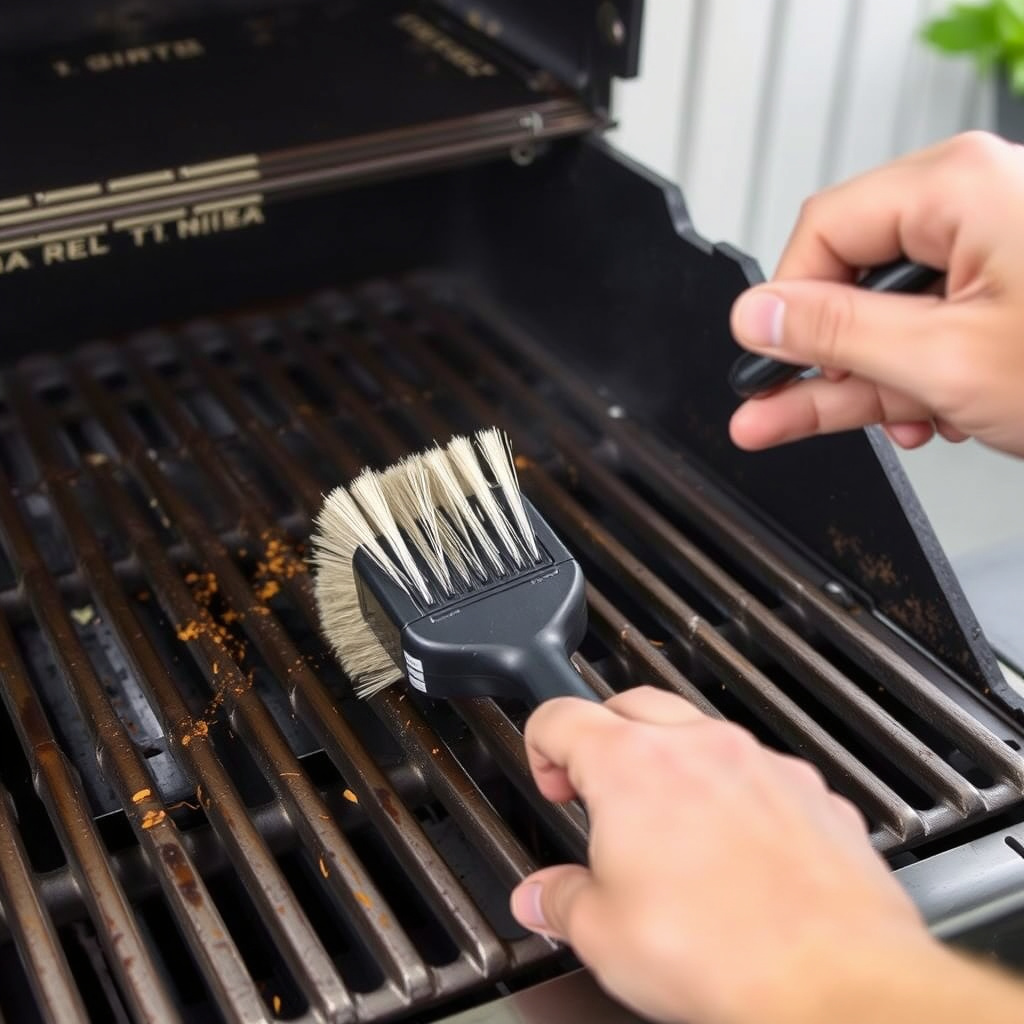
Post-Grilling Cleaning Tips
Cleaning grill grates soon after use prevents buildup that can impact future grilling sessions. While the grates are still warm, scrubbing with a wire brush loosens food residue easily.
Allow the grill to cool before wiping down handles, knobs, and surfaces with mild soap to keep your equipment in good shape.
For more details on cooking methods and history, you can read about grilling hot dogs on Wikipedia. Grilling hot dogs on Wikipedia.
Maintaining Your Grill for Longevity
Regular maintenance includes checking burners for clogs, inspecting propane tanks or charcoal supply, and storing your grill covered in dry conditions to prevent rust.
Routine upkeep guarantees consistent heat performance and safe grilling for many cookouts to come.
- Inspect and clean burners quarterly
- Store grill with cover in dry place
- Check fuel supply before grilling
Hot Dog Grilling Methods Comparison
Here’s a comparison of popular methods for grilling hot dogs, highlighting cooking time, flavor, and ease.
| Grilling Method | Cooking Time | Flavor Result | Ease of Control |
|---|---|---|---|
| Direct Grilling | 5-7 minutes | Smoky, crisp skin | Moderate |
| Indirect Grilling | 8-10 minutes | Juicy, less charred | Easy |
| Boiling then Grilling | Boil 5 min + Grill 2 min | Tender with grilled finish | Moderate |
| Skillet Grilling | 6-8 minutes | Caramelized with some crisp | Easy |
Frequently Asked Questions
Should I boil hot dogs before grilling?
Boiling before grilling can heat hot dogs evenly and reduce grilling time, but it may diminish the smoky flavor. It’s a personal preference for texture and convenience.
How do I prevent hot dogs from bursting on the grill?
Avoiding very high heat and turning hot dogs often helps prevent bursting. Some also lightly score the skin to release pressure evenly.
What type of buns are best for grilled hot dogs?
Soft, slightly toasted buns like potato or brioche buns complement grilled hot dogs well by adding warmth and flavor without overpowering the sausage.
Can I use a gas grill for hot dogs?
Gas grills provide even, controllable heat that works great for grilling hot dogs, making them easy to cook consistently without flare-ups.
How do I know when grilled hot dogs are fully cooked?
Look for even browning with slight casing splits and an internal temperature of around 140°F to ensure hot dogs are safely cooked and juicy.
Key Takeaways
- Grill hot dogs over medium heat for juiciness and perfect grill marks
- Choose hot dogs with natural casings for the best grilling experience
- Turn hot dogs regularly to avoid burning and bursting
- Use indirect heat for lean or vegetarian hot dog options
Conclusion
When deciding how to grill hot dogs, focusing on grill temperature, timing, and the type of hot dog you use creates the foundation for great results. Balancing direct heat to develop grill marks without burning ensures juicy, flavorful sausages that appeal to all tastes. Paying attention to proper preparation and turning techniques reduces flare-ups and moisture loss, which are key for any grilling session.
For casual backyard cookouts, the direct grilling method delivers that classic smoky flavor and pleasing texture favored by many, especially when using beef or natural casing hot dogs. If you prefer a gentler approach or are cooking leaner turkey or vegetarian dogs, indirect grilling provides a better outcome by preserving moisture. Experimenting with various toppings from classic mustard and onions to more creative choices can customize your hot dog to suit your guests and occasion.
Now that you know how to grill hot dogs properly, start by preheating your grill to medium heat and cleaning the grates thoroughly. Select hot dogs suited to your taste and remember to turn them regularly to achieve even browning. Incorporate the suggested toppings and enjoy this simple yet satisfying grilled treat anytime your cravings strike.



