
Using a grill thermometer is the most reliable way to cook meats to the ideal temperature, ensuring they are safe to eat and juicy rather than overcooked or underdone. Simply insert the thermometer probe into the thickest part of the meat and monitor the reading without repeatedly opening the grill lid.
Grill thermometers matter because grilling is unpredictable: heat can fluctuate, and judging doneness by time or appearance alone often leads to inconsistent results. A thermometer takes all the guesswork out of the process, so you get perfect steaks, chicken, or pork chops every time.
This article covers how to choose the right grill thermometer type, proper placement of the probe, common temperature guidelines for different meats, tips for maintaining your device, and explores different thermometer models to find the best fit for your barbecue style.
Choosing the Right Grill Thermometer
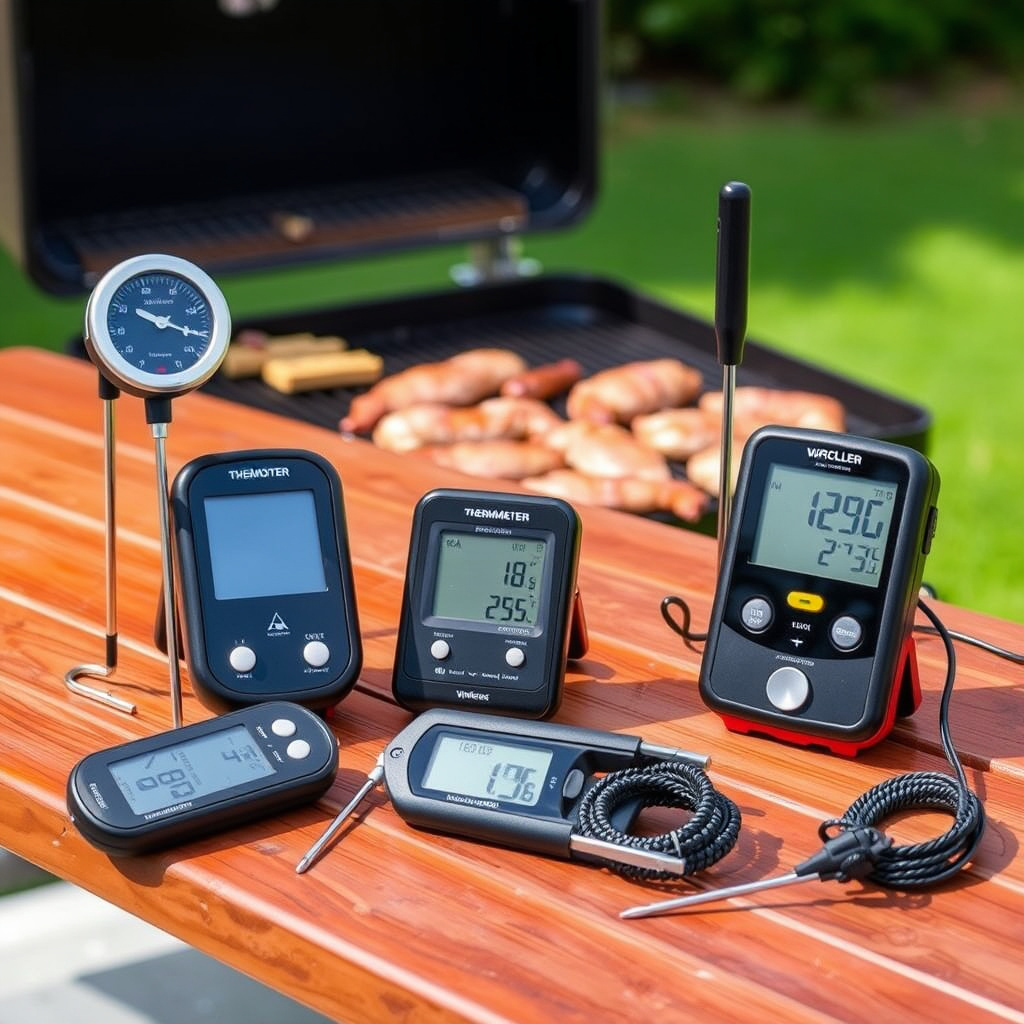
Instant-Read vs Probe Thermometers
Instant-read thermometers provide a quick temperature reading in seconds, ideal for those who want immediate feedback on their food’s doneness. They are handheld devices and require you to open the grill briefly to test the meat.
Probe thermometers feature a probe attached to a wire with a digital display outside the grill. They allow continuous monitoring without opening the grill, which helps maintain consistent temperature and prevents heat loss.
- Instant-read: fast, handheld, good for spot checks
- Probe: continuous monitoring, less heat loss
- Wireless probe models: allow remote temperature tracking
Features to Look for in a Thermometer
Look for models with a wide temperature range, quick response time, accuracy within 1-2 degrees Fahrenheit, and a clear digital display. Waterproof or weather-resistant designs are useful for grilling outdoors.
Additional features like preset temperature alarms for specific meats, backlit displays for low-light grilling, and wireless connectivity can enhance convenience, especially for longer cooking sessions or smokers.
- Wide temperature range (up to 572°F or 300°C)
- Fast read times (under 10 seconds)
- Preset temperature alarms
- Wireless and backlit options
Proper Use and Placement of the Grill Thermometer
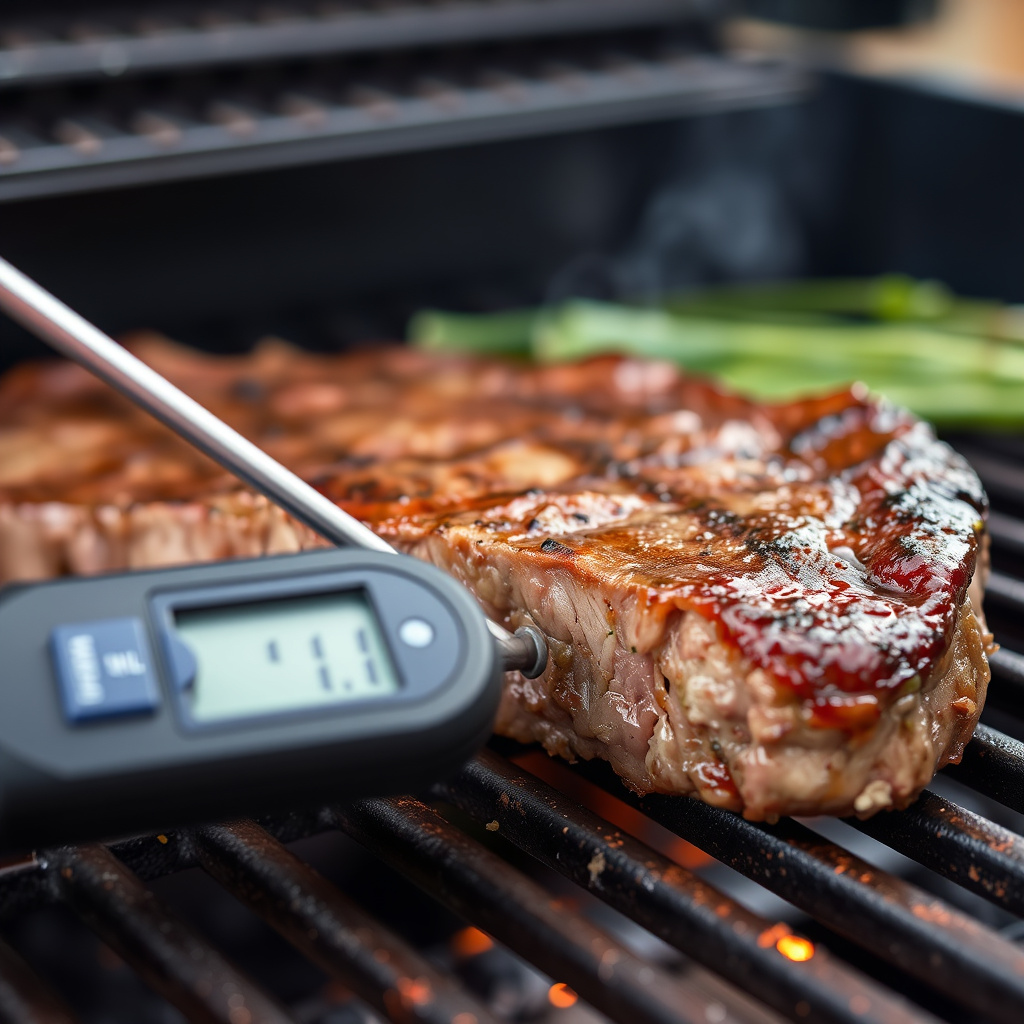
How to Insert the Thermometer Probe
Insert the probe into the thickest part of the meat, avoiding bone, fat, or gristle, which can give inaccurate high or low readings. Position the probe horizontally or from the side for even temperature detection.
When grilling whole cuts like roasts or poultry, it’s best to take multiple readings in different areas to ensure all parts have reached the safe cooking temperature.
- Avoid bones and fatty pockets
- Check multiple spots in large cuts
- Insert probe at least half an inch deep
For more on this, see our related guide: How to Use a Smoker Grill: A Practical Guide for Perfect BBQ.
Reading and Monitoring Temperature
Monitor the grill thermometer’s display during cooking without frequently opening the grill; probe thermometers help by showing temperature remotely. This maintains grill heat and helps prevent overcooking.
Set alarms or alerts if your model supports them, so you can tend to the meat exactly when it reaches the target temperature rather than guessing.
- Use grill thermometer alarms if available
- Avoid opening the grill unnecessarily
- Record temperatures for consistent results
Common Temperature Guidelines for Grilled Meats
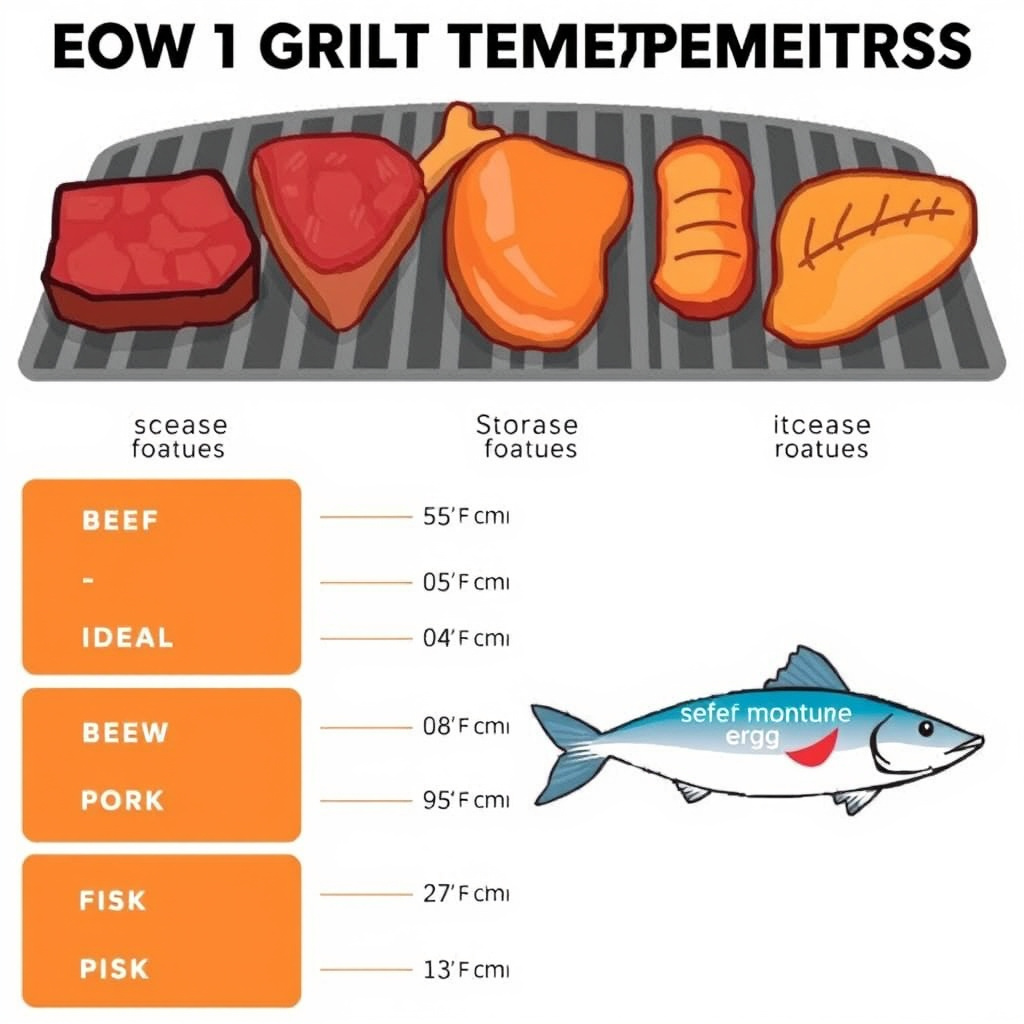
Recommended Internal Temperatures by Meat Type
Ground meats like beef or pork should reach 160°F (71°C) for safety, while whole cuts of beef or lamb are safe at 145°F (63°C) followed by a rest period. Chicken and turkey must reach 165°F (74°C) to eliminate harmful bacteria.
Fish and seafood are safely cooked at internal temperatures around 145°F (63°C), but texture preferences might vary. Using a grill thermometer helps hit those precise temperatures while avoiding dryness.
- Beef steaks/roasts: 145°F plus resting
- Poultry: 165°F
- Ground meats: 160°F
- Fish: 145°F
How Resting Time Affects Temperature
After removing meat from the grill, resting allows temperature to even out and juices to redistribute, improving flavor and juiciness. The internal temperature often rises a few degrees during resting, so this should be considered when removing food from heat.
A digital grill thermometer can help track when the meat reaches the target temperature including carryover cooking, preventing overcooking by removing food at the right moment.
- Rest beef for 3-5 minutes
- Rest larger roasts for 10-20 minutes
- Recognize carryover temperature rise
Maintaining and Calibrating Your Grill Thermometer
Cleaning After Use
Always clean the probe thoroughly after each grilling session with warm, soapy water to prevent contamination between different raw and cooked foods. Avoid submerging digital displays in water.
Use a soft cloth or brush designed for kitchen tools to remove stuck-on food, and dry the probe completely before storage to prevent rust or damage.
- Use mild soap and warm water
- Avoid harsh abrasives on probe surface
- Dry completely after washing
For more on this, see our related guide: How to Use a Gas Grill: A Step-by-Step Guide for Beginners.
How to Calibrate for Accuracy
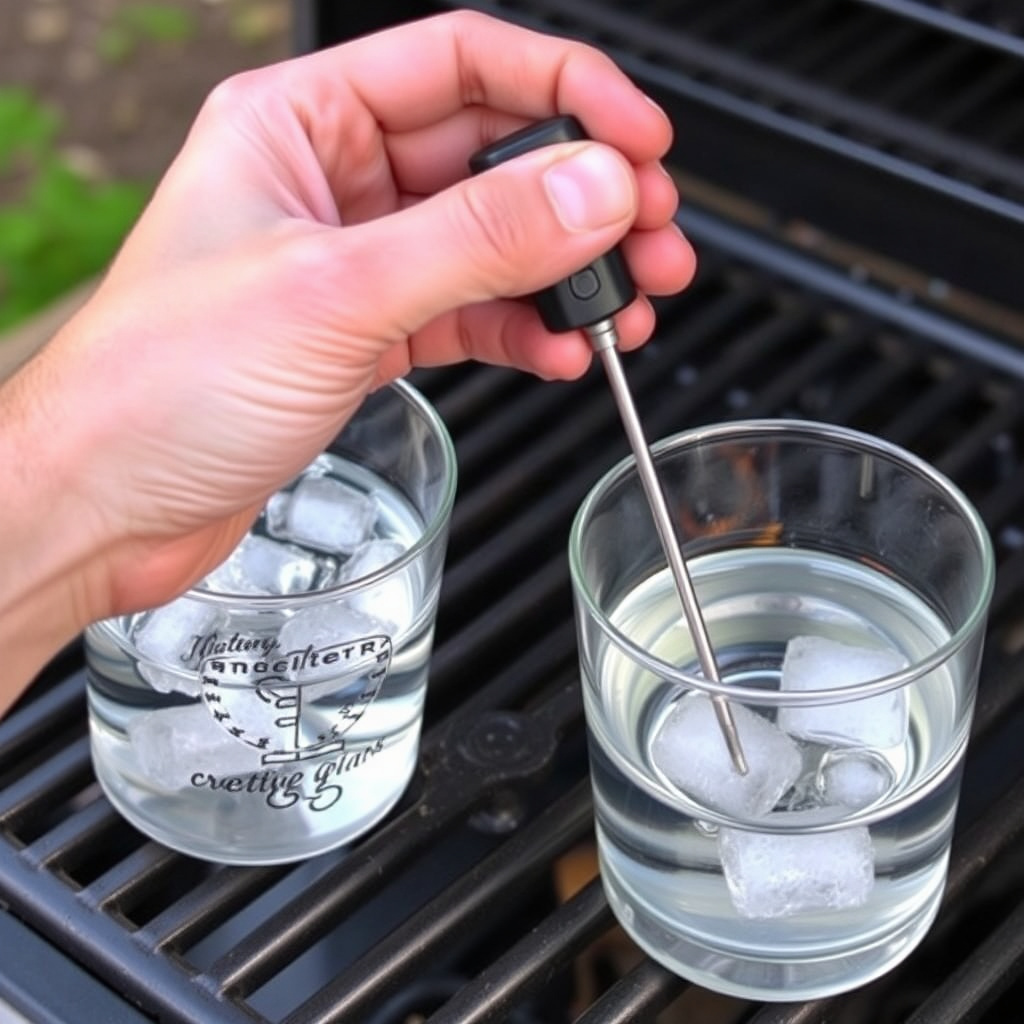
To calibrate, perform an ice water test: place probe in ice water and ensure it reads 32°F (0°C). If not, adjust if your model allows calibration or note the offset for accurate reading.
Occasionally test in boiling water (should read 212°F or 100°C at sea level). Regular calibration ensures your grill thermometer stays reliable and accurate.
- Ice water test for 32°F accuracy check
- Boiling water test for upper range
- Adjust or compensate for offsets
Comparing Popular Grill Thermometer Types
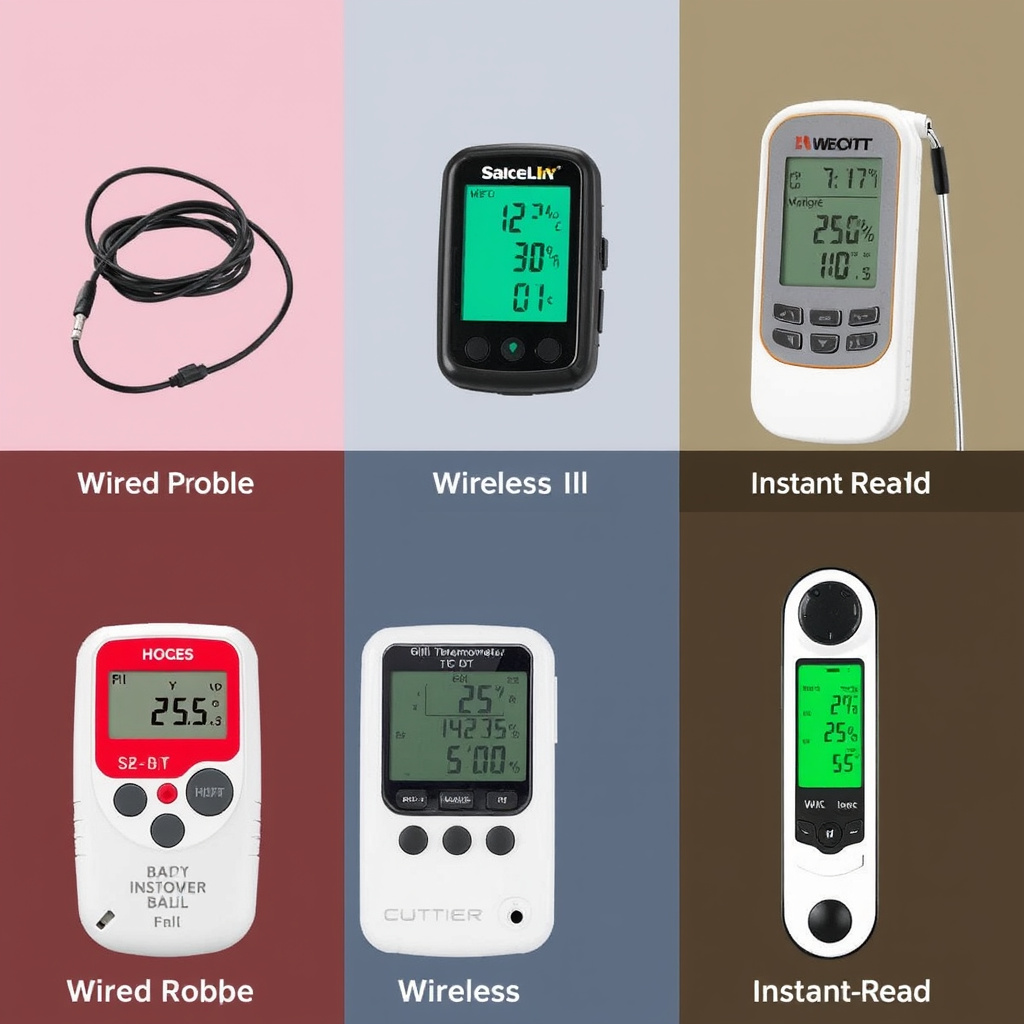
Wired Probe Models
Wired probe thermometers provide continuous temperature monitoring with probes placed in the meat and a cord connected to a display outside the grill. They allow minimal heat loss and hands-free checking.
They are excellent for smoking and long cooks, though cord length and durability can vary by model.
- Continuous temperature monitoring
- Minimal grill heat loss
- Probe cord length varies
For official safe cooking temperature recommendations, refer to this grilling temperatures guide from the USDA. Grilling temperatures guide.
Wireless and Instant-Read Models
Wireless thermometers connect via Bluetooth or Wi-Fi to your phone, allowing you to monitor grill temperature remotely. They often include apps with custom alerts.
Instant-read thermometers give quick spot checks but require opening the grill. They’re more affordable and compact but less convenient for long cooks.
- Wireless offers remote monitoring
- Instant-read is quick but manual
- Price ranges vary widely
Grill Thermometer Category Comparison
The following table compares common grill thermometer types based on key features to help you pick the best option for your cooking style.
| Thermometer Type | Continuous Monitoring | Accuracy | Price Range | Ideal Use |
|---|---|---|---|---|
| Instant-Read | No | ±2°F | $15-$60 | Quick checks, casual grilling |
| Wired Probe | Yes | ±1°F | $40-$150 | Smoking, long cooks |
| Wireless Probe | Yes | ±1°F | $70-$200 | Remote monitoring, multitasking |
| Analog Dial | No | ±3°F | $10-$30 | Basic grilling, budget option |
Frequently Asked Questions
How deep should I insert the grill thermometer probe?
Insert the probe at least half an inch into the thickest part of the meat, avoiding bones and fat pockets to get an accurate temperature reading.
Can I leave a probe thermometer in the meat while grilling?
Yes, wired and wireless probe thermometers are designed for continuous use during grilling, allowing you to monitor temperature without lifting the lid.
How often should I calibrate my grill thermometer?
Calibrate at least once per grilling season or if you notice inconsistent readings, using ice water and boiling water tests to check accuracy.
What’s the best temperature to cook chicken on a grill safely?
Chicken should be cooked to an internal temperature of 165°F (74°C) to ensure it is safe to eat and properly cooked.
Are wireless thermometers reliable for barbecue cooking?
Yes, wireless thermometers offer reliable and convenient temperature monitoring with features like alerts and remote display, making them ideal for multitasking chefs.
Key Takeaways
- Use the grill thermometer probe in the thickest meat part avoiding bones or fat
- Choose between instant-read and probe types based on your cooking style
- Know safe internal temperatures for different grilled meats
- Keep your thermometer clean and calibrated for precise readings
Conclusion
Using a grill thermometer is the definitive way to take guesswork out of outdoor cooking and achieve perfectly grilled meats every time. The key is selecting a device that matches how you grill—whether you need on-demand instant reads or continuous monitoring during long smokes—and then following proper probe use and temperature guidelines.
For routine backyard grilling of steaks and burgers, an instant-read thermometer offers speed and simplicity. For slow-cooked or smoked meats, wireless or wired probe thermometers provide ongoing temperature data that helps maintain consistent heat without opening the lid. Knowing the recommended safe cooking temperatures for poultry, beef, pork, and seafood will keep food safe while preserving juiciness.
Start by purchasing a dependable grill thermometer in your preferred style, practice probe placement in various meats, and calibrate it occasionally. With reliable temperature readings, your grilling confidence and food quality will noticeably improve, making your next barbecue more enjoyable and successful.



