
Grilling chicken successfully starts with selecting the right cuts and controlling the heat to achieve juicy, tender meat with a perfectly browned exterior. Direct heat and timing are key; cooking chicken at too high a temperature or for too long dries it out quickly, while using indirect heat helps ensure even cooking through to the bone.
Knowing how to grill chicken can turn backyard barbecues into flavorful feasts. Because chicken varies in thickness and composition—from breasts to thighs and wings—mastering the correct grilling method for each cut prevents undercooking or toughness. Whether you prefer boneless or bone-in pieces, simple preparation and heat management improve texture and taste.
This guide covers essential grilling methods, seasoning and marinades, safety tips, and tools needed for perfect chicken on the grill. You’ll also find comparisons of grill types and advice on resting and serving, all designed to make your next grilled chicken a hit.
Choosing the Right Chicken Cut for Grilling
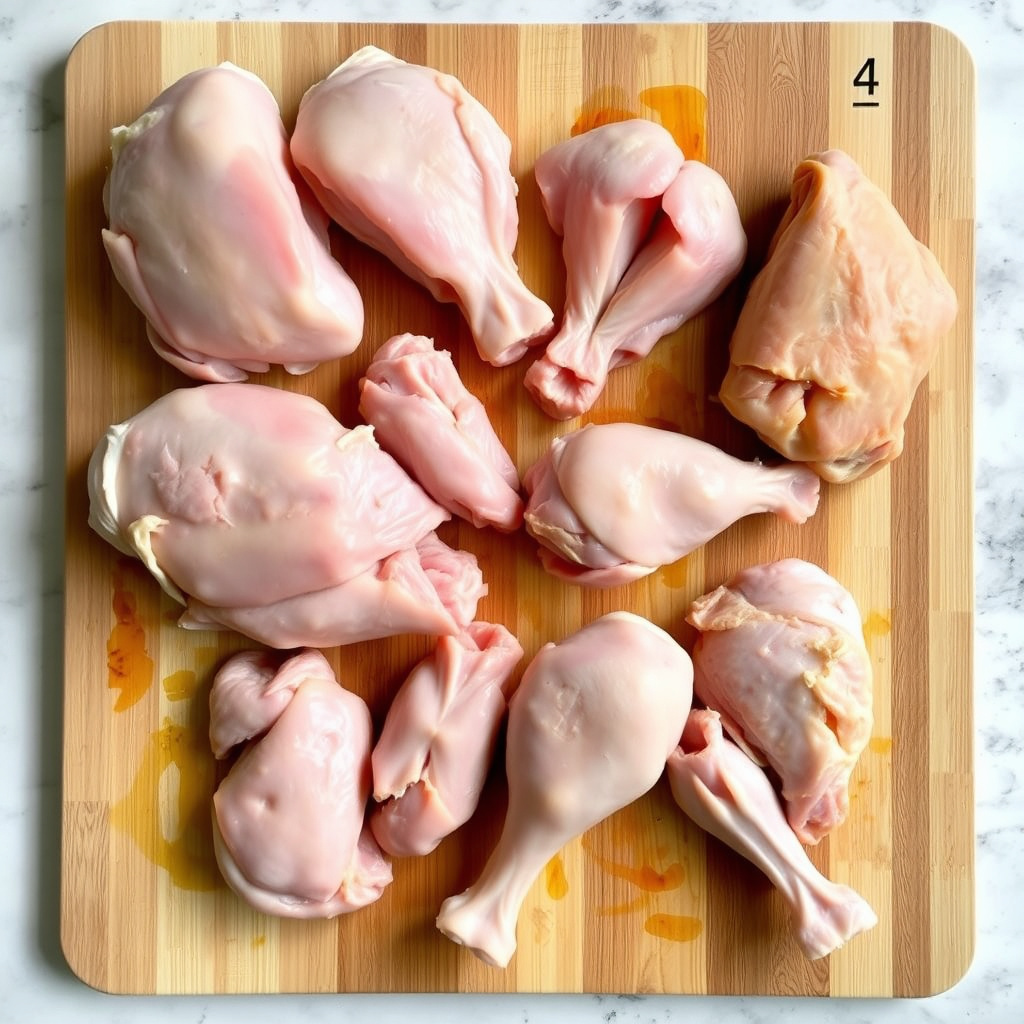
Boneless vs Bone-In Chicken
Boneless chicken breasts grill faster and more evenly but can dry out if overcooked. They’re ideal for quick grilling with direct heat and marinating to add moisture. Bone-in cuts such as thighs and drumsticks take longer but stay juicier due to the bone’s heat retention.
Bone-in pieces also offer more flavor because the marrow enriches the meat during cooking. When grilling bone-in chicken, indirect heat zones on the grill are helpful for cooking through without burning the skin.
Whole Chicken and Spatchcock Methods
Grilling a whole chicken requires slower cooking with low indirect heat to allow the thicker portion near the bone to cook thoroughly without charring. Spatchcocking, the process of removing the backbone and flattening the bird, reduces grill time and promotes more even cooking.
This method exposes more surface area to direct heat, leading to crisper skin and evenly cooked meat. It’s favored for those aiming to serve a whole bird quickly with a beautifully grilled texture.
Mastering Heat Control and Grill Setup
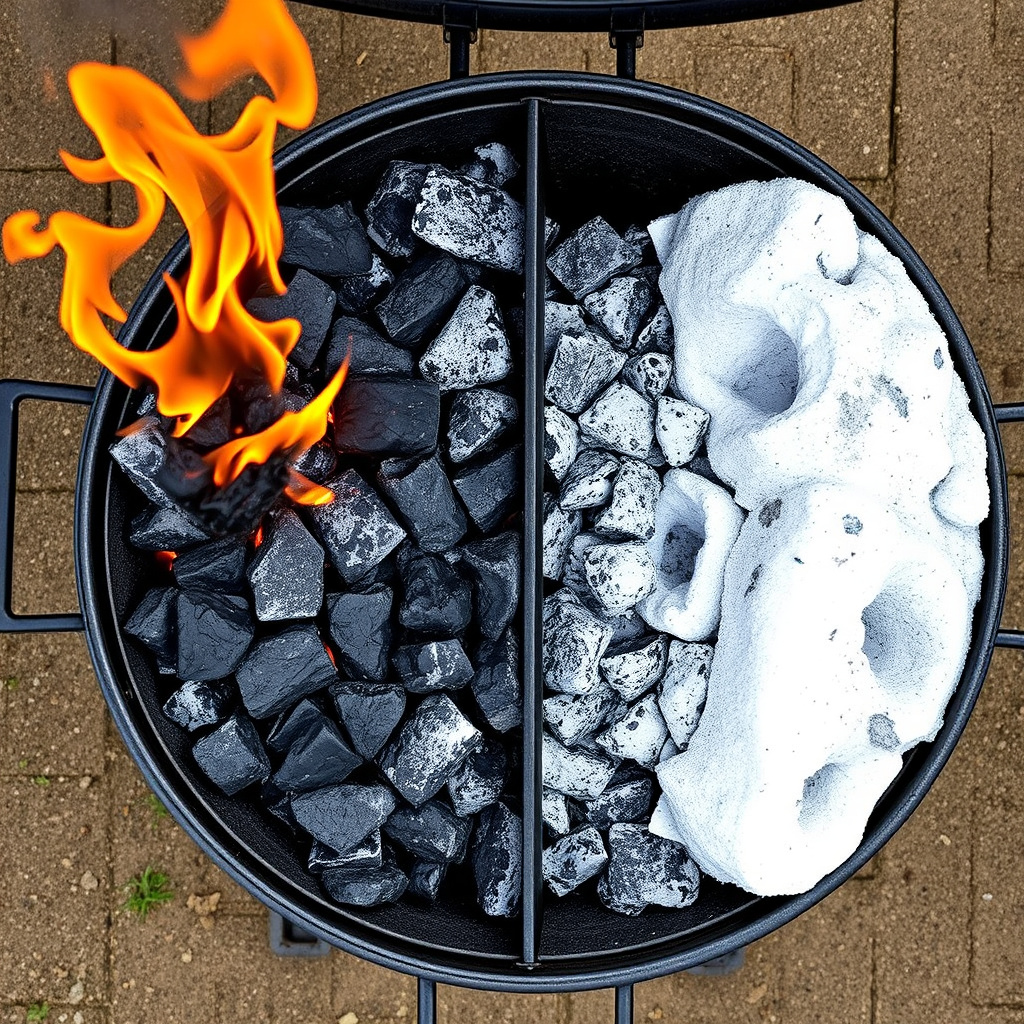
Direct vs Indirect Heat Grilling
Direct heat grilling cooks the chicken quickly over flames or hot coals, suitable for thin pieces like boneless breasts or wings. This method creates a tasty sear and grill marks but risks flare-ups that may char the meat.
Indirect heat grilling surrounds the chicken with heat without direct flame contact, ideal for thicker or bone-in pieces. Maintaining a steady medium temperature around 300-350°F allows the chicken to cook through evenly while preserving juiciness.
- Use a two-zone fire to combine direct and indirect grilling
- Start with direct heat for searing, then move to indirect for finishing
Gas vs Charcoal Grill Considerations
Gas grills offer simplicity and precise temperature control via knobs, making it easier to maintain consistent heat for chicken. They heat up quickly and are convenient for quick weeknight meals.
Charcoal grills provide smoky flavors that many grill enthusiasts prefer, though they require more time to manage fire and temperature. Charcoal is versatile for both direct searing and long, low indirect cooking needed for whole birds or bone-in pieces.
Seasoning, Marinades, and Flavor Enhancers
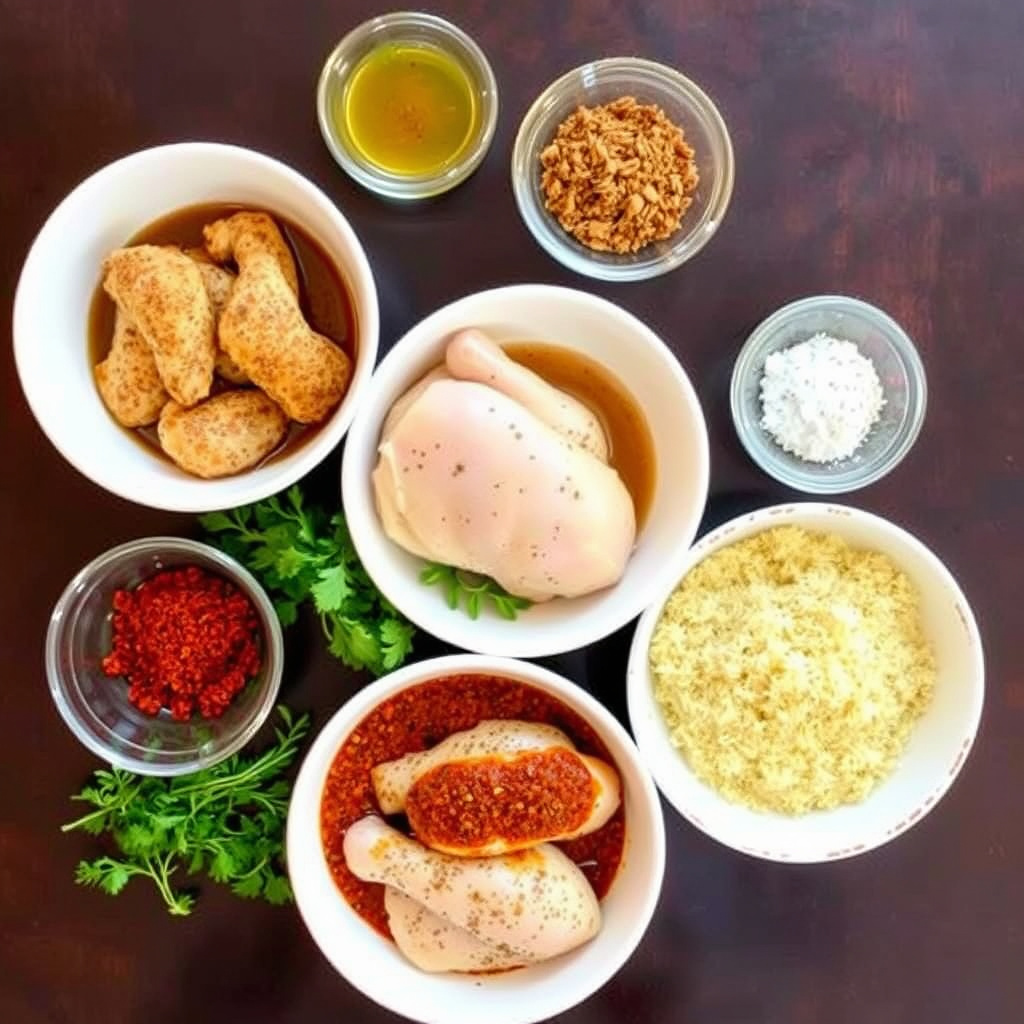
Choosing the Best Marinade for Grilled Chicken
Marinades combining acid, oil, herbs, and spices soften chicken fibers and infuse flavor. Common acids include lemon juice, vinegar, or yogurt. Marinate for at least 30 minutes up to 12 hours depending on the meat’s cut to avoid overpowering.
Avoid salt in the marinade if you plan to brine separately or use a salty rub. Marinated chicken should be patted dry before grilling to improve browning and reduce flare-ups from excess moisture.
- Balance acid and oil for tenderizing and moisture
- Include garlic, paprika, and black pepper for classic grilled chicken flavor
For more on this, see our related guide: How to Use a Smoker Box on a Gas Grill for Perfectly Smoked Flavors.
Dry Rubs and Brining for Texture
Dry rubs with paprika, cumin, garlic powder, and brown sugar add texture and deep flavor crusts when grilled over direct heat. Apply generously and let rest before cooking.
Brining chicken in saltwater solutions helps retain moisture during grilling by increasing the meat’s water-holding capacity, improving juiciness without needing added fat.
Techniques for Grilling Chicken Safely and Evenly
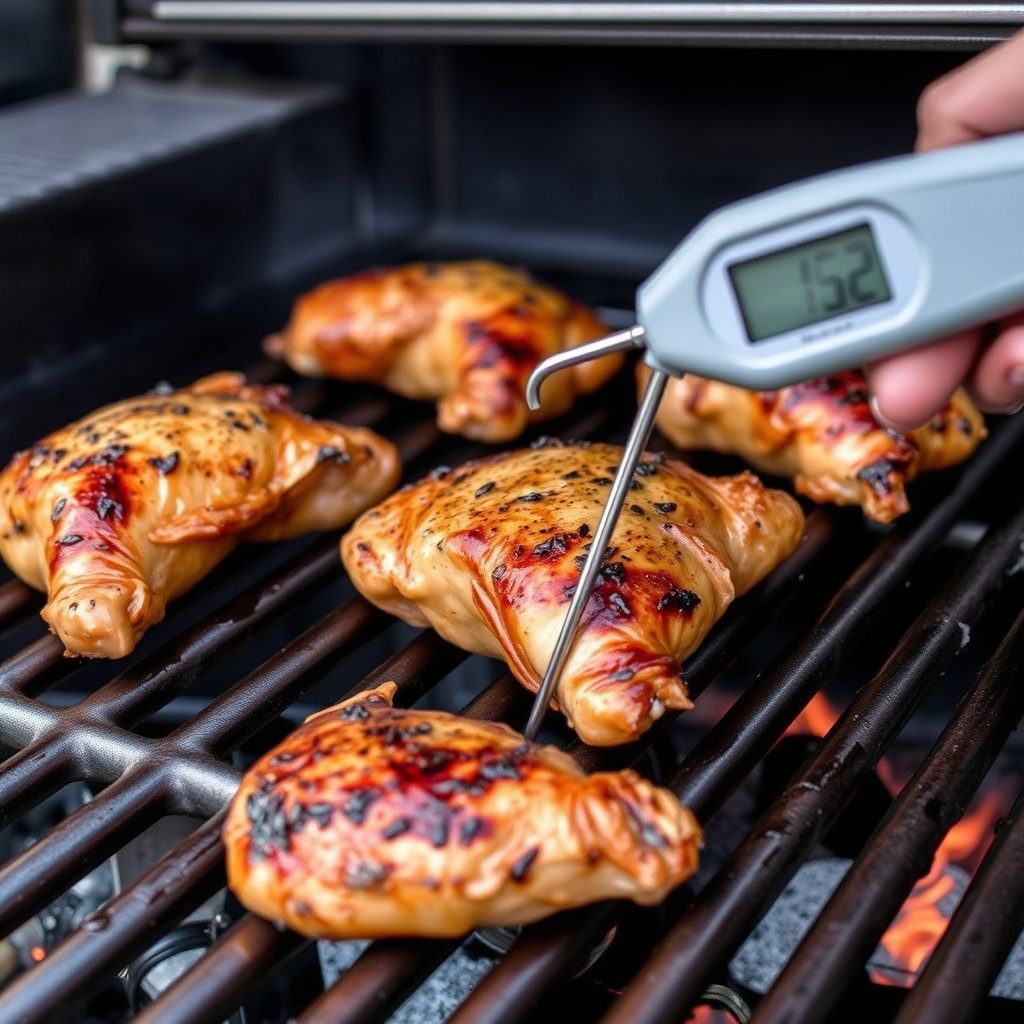
Using a Meat Thermometer Correctly
A thermometer ensures chicken reaches the safe internal temperature of 165°F without overcooking. Insert it into the thickest part avoiding bone for accurate readings.
Check temperature near the end of cooking and remove from heat immediately once done. Let the chicken rest so juices redistribute; this final step prevents dryness.
- Instant-read digital thermometers provide quick, reliable readings
- Calibrate thermometers regularly for accuracy
Preventing Flare-Ups and Burning
Flare-ups occur when fat drips onto flames, causing sudden high heat and uneven cooking. Trim excess fat and avoid sugary sauces early to reduce flare risk.
Move chicken to indirect zones when flames rise and keep a spray bottle of water nearby to manage flare-ups, preserving the chicken’s flavor without charring.
- Trim skin and fat for fewer drips
- Use indirect heat zones for thicker cuts
Resting, Carving, and Serving Grilled Chicken
Why Resting Chicken Matters
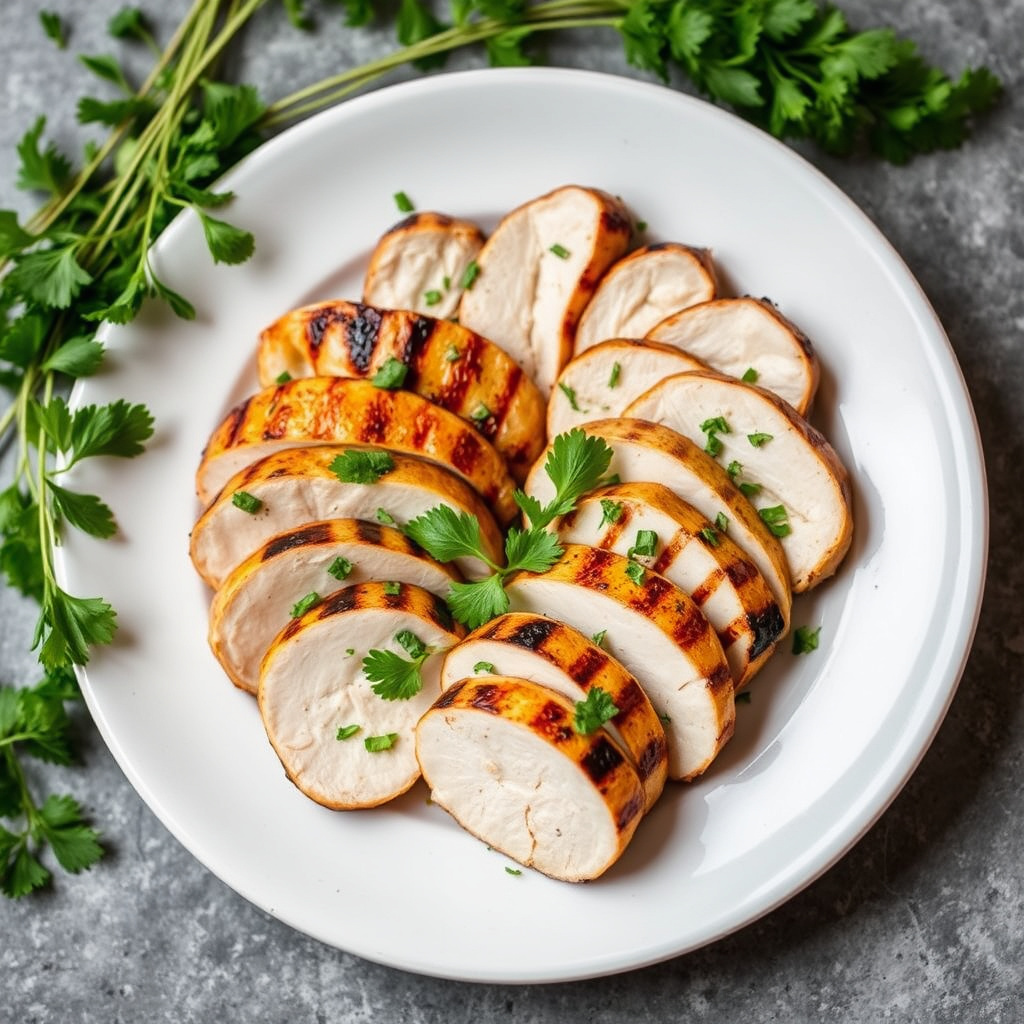
Resting grilled chicken for 5 to 10 minutes allows juices to redistribute internally, resulting in tender, moist meat. Cutting immediately causes juice loss and dryness.
Cover the chicken loosely with foil during resting to retain warmth but avoid steaming that softens crisp skin.
For more on this, see our related guide: How to Use Wood Chips on a Gas Grill for Enhanced Flavor.
Best Practices for Slicing and Presentation
Slice chicken against the grain to shorten muscle fibers, enhancing tenderness with each bite. For bone-in cuts, carve around the bone cleanly to maximize servings.
Presentation benefits from garnishing with fresh herbs, lemon wedges, or drizzling lightly with leftover marinades or a complementary sauce.
- Use a sharp chef’s knife for clean cuts
- Serve immediately after resting for best texture
Cleaning and Maintenance of Grilling Equipment
Proper Grill Cleaning Techniques
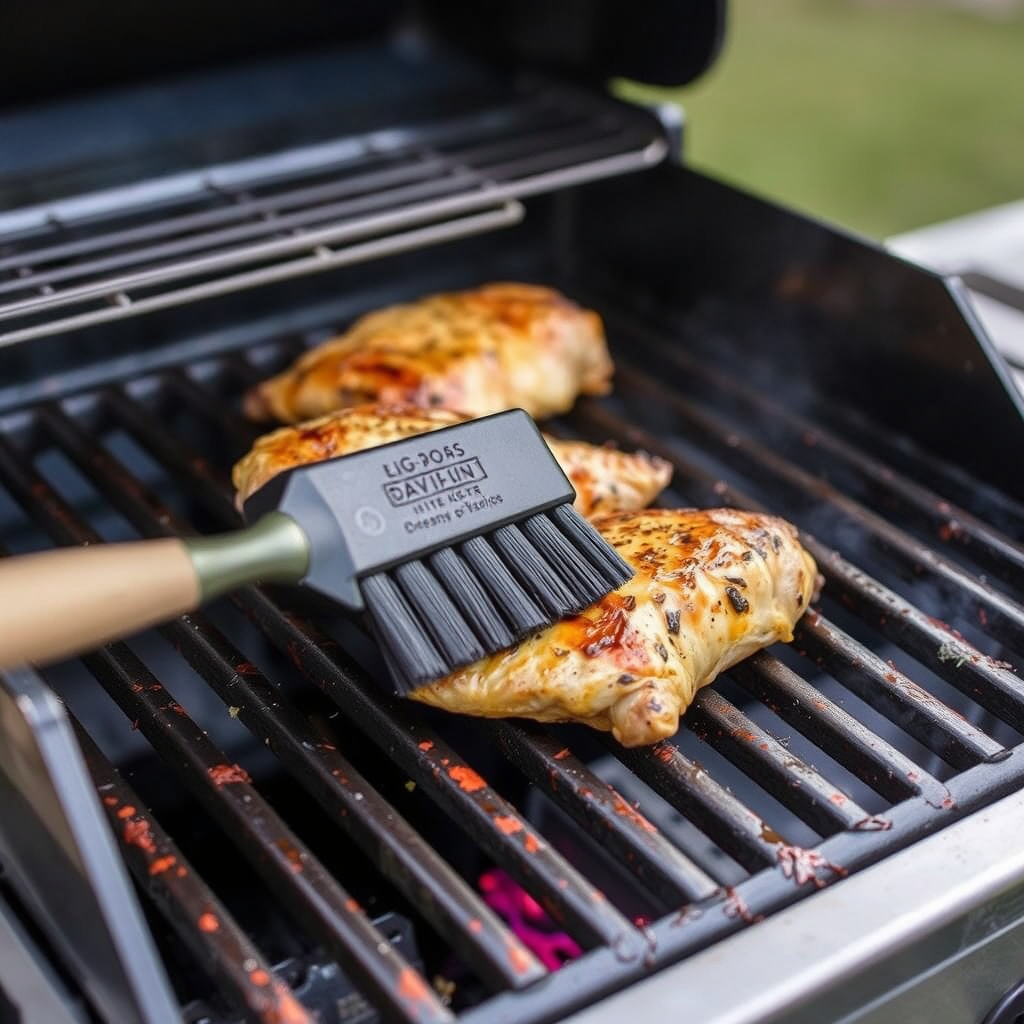
Clean grill grates after cooking chicken by heating the grill hot to loosen residue, then scrubbing with a grill brush. This prevents buildup that affects flavor and cooking performance.
Removing excess grease and charred bits reduces future flare-ups and improves grill longevity.
- Clean before and after cooking sessions
- Empty drip trays regularly
For official grilling chicken safety guidelines, the USDA’s Food Safety and Inspection Service provides detailed recommendations. grilling chicken safety guidelines.
Maintaining Grill Parts for Longevity
Inspect burners, flame tamers, and igniters periodically, replacing worn parts to keep your grill functioning well. Seasonal deep cleaning and covering the grill protect it from rust and weather damage.
Well-maintained grills offer consistent heat and better control, key elements for perfect grilled chicken.
Grill Types for Chicken: Gas vs Charcoal vs Electric
Here’s a quick overview comparing the main grill types to help you decide which suits your chicken-grilling style and preferences.
| Grill Type | Flavor Impact | Heat Control | Ease of Use | Cost |
|---|---|---|---|---|
| Gas | Mild smoky flavor | Precise, adjustable | Very easy, quick start | Moderate, mid-range |
| Charcoal | Rich smoky flavor | Less precise, manual | Requires effort to manage | Low to moderate, affordable |
| Electric | Minimal smoke, neutral flavor | Easy, consistent temp control | Convenient indoors/outdoors | Low to moderate, varies |
Frequently Asked Questions
How do I know when grilled chicken is fully cooked?
Use a meat thermometer to check that the internal temperature reaches 165°F (74°C) at the thickest part, avoiding bone. This ensures safety and prevents dryness.
Can I grill chicken directly from frozen?
Grilling chicken from frozen is not recommended because it cooks unevenly and risks undercooked centers. Thaw completely in the refrigerator before grilling.
What is the best way to avoid chicken sticking to the grill?
Oil the grill grates and the chicken lightly before cooking. Preheat the grill properly so the meat sears quickly, reducing sticking risks.
How long should I marinate chicken before grilling?
Marinate boneless cuts for 30 minutes to 2 hours; bone-in pieces benefit from longer, up to 12 hours. Avoid over-marinating to prevent texture changes.
Is it better to brine chicken before grilling?
Brining adds moisture and flavor depth, helping chicken stay juicy on the grill. A simple saltwater brine for 1-4 hours is effective for most cuts.
Key Takeaways
- Manage heat zones by combining direct and indirect grilling for best results.
- Choose marinades and dry rubs suited to your chicken’s cut and cooking time.
- A meat thermometer guarantees safe, juicy grilled chicken every time.
- Rest chicken before slicing to lock in juices and tenderness.
Conclusion
Approaching how to grill chicken with a clear strategy involves understanding your chicken cut, grill type, and heat control methods. Balancing direct and indirect heat ensures the chicken cooks evenly without burning outside or remaining raw inside. Paying attention to seasoning, using marinades or dry rubs thoughtfully, and employing a meat thermometer brings home the best flavor and texture.
For quicker meals with boneless breasts or wings, gas grills and direct heat grilling paired with a recommended marinade for grilled chicken deliver juicy results fast. When working with bone-in thighs, drumsticks, or spatchcocked whole chickens, charcoal grills combined with indirect heat offer deeper smoky flavors and juicier finishes.
To get started, pick your preferred grill type and chicken cut, prepare your seasonings, and acquire a dependable meat thermometer. Follow the outlined grilling and resting steps consistently, and you’ll master how to grill chicken that delights every time.



