
Grilling steak is about more than just throwing meat on a hot grill; it requires precise heat management, proper seasoning, and timing to lock in flavor and juice. To grill steak perfectly, start with a quality cut, bring it to room temperature, season it generously, and use high heat for searing before cooking it to your preferred doneness.
A well-grilled steak offers a balance of a flavorful crust and a tender, juicy interior, which transforms a simple meal into a memorable one. Whether you're grilling ribeye, sirloin, or filet mignon, understanding key factors like grill temperature, seasoning methods, and resting time fundamentally influences the outcome.
This article will cover essential topics such as selecting the best cut for grilling, seasoning approaches, grill setup and heat zones, cooking times for different thicknesses and doneness levels, and tips for achieving that perfect crust while maintaining a juicy inside.
Choosing the Right Cut for Grilling Steak
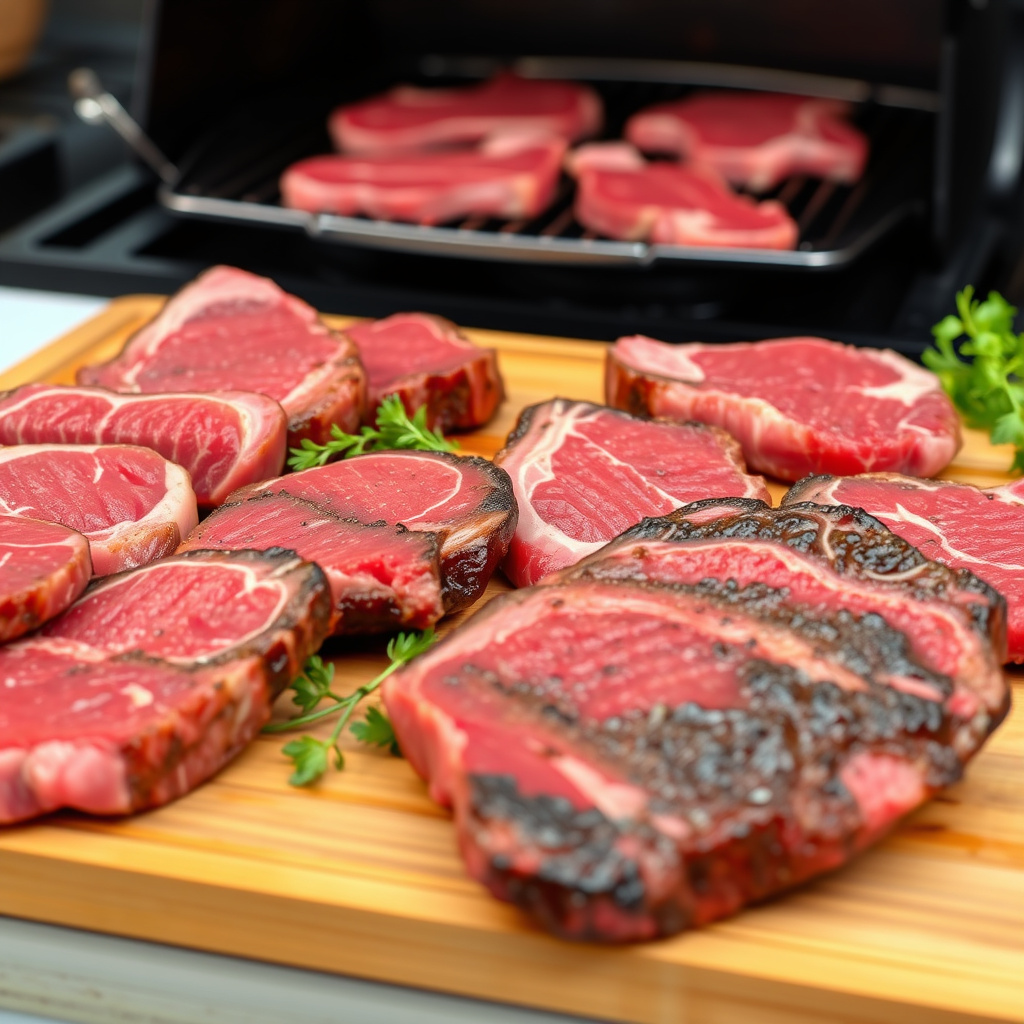
Popular Cuts Suitable for Grilling
Steaks like ribeye, striploin, and flank are favorites due to their balance of marbling and texture. Ribeye offers rich fat marbling for tenderness and flavor, while striploin provides a firmer bite with a robust beef taste. Flank is leaner and benefits from marinating before grilling.
Each cut cooks differently, so understanding their characteristics helps decide cooking times and seasoning. For example, thicker cuts like T-bone allow for varied doneness on each side, and thinner cuts like skirt steak cook rapidly, requiring close attention.
- Ribeye: well-marbled, juicy, flavorful
- Striploin: firm texture, balanced flavor
- Filet mignon: tender, mild, lean
- Flank: lean, best with marinade
Thickness and Steak Preparation
Thickness affects grilling time significantly. A steak between 1 to 1.5 inches thick is ideal for grilling as it allows a good sear while preventing overcooking. Thinner steaks cook quickly but can easily dry out.
Allowing the steak to come to room temperature before grilling promotes even cooking. Patting it dry removes surface moisture, which is essential for developing a caramelized crust during grilling.
- 1-1.5 inch thickness recommended
- Bring to room temperature before grilling
- Pat dry for better searing
Seasoning and Marinating Steaks
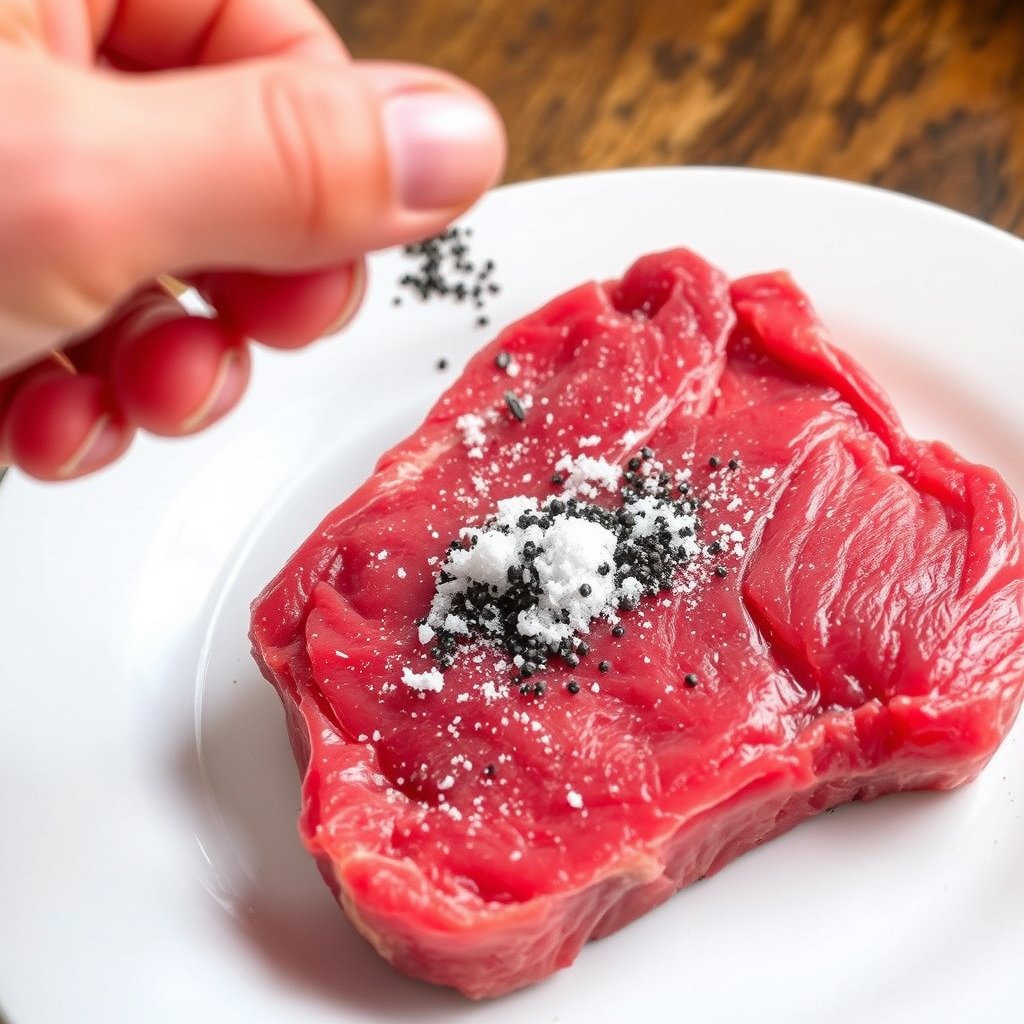
Simple Salt and Pepper Seasoning
A classic seasoning of kosher salt and freshly ground black pepper enhances the steak's natural flavors without overpowering them. Salt applied just before grilling draws moisture to the surface, which then evaporates to create a crust.
Apply the seasoning evenly on both sides and press gently to adhere. Avoid over-salting as some cuts are naturally well-flavored and too much salt can mask this.
- Use kosher salt for texture
- Season immediately before grilling
- Even distribution on both sides
Marinades and Rubs for Added Flavor
For leaner cuts or to introduce more complexity, marinades or dry rubs add flavor and sometimes tenderness. Acidic ingredients like vinegar or citrus can help break down muscle fibers.
Apply rubs generously and allow steaks to rest for at least 30 minutes before grilling. Marinades usually require 1-4 hours of soaking, depending on the cut's thickness and toughness.
- Marinate: 1-4 hours based on cut
- Use acidic components for tenderness
- Dry rubs add spices and bark
Setting Up Your Grill for Perfect Steak
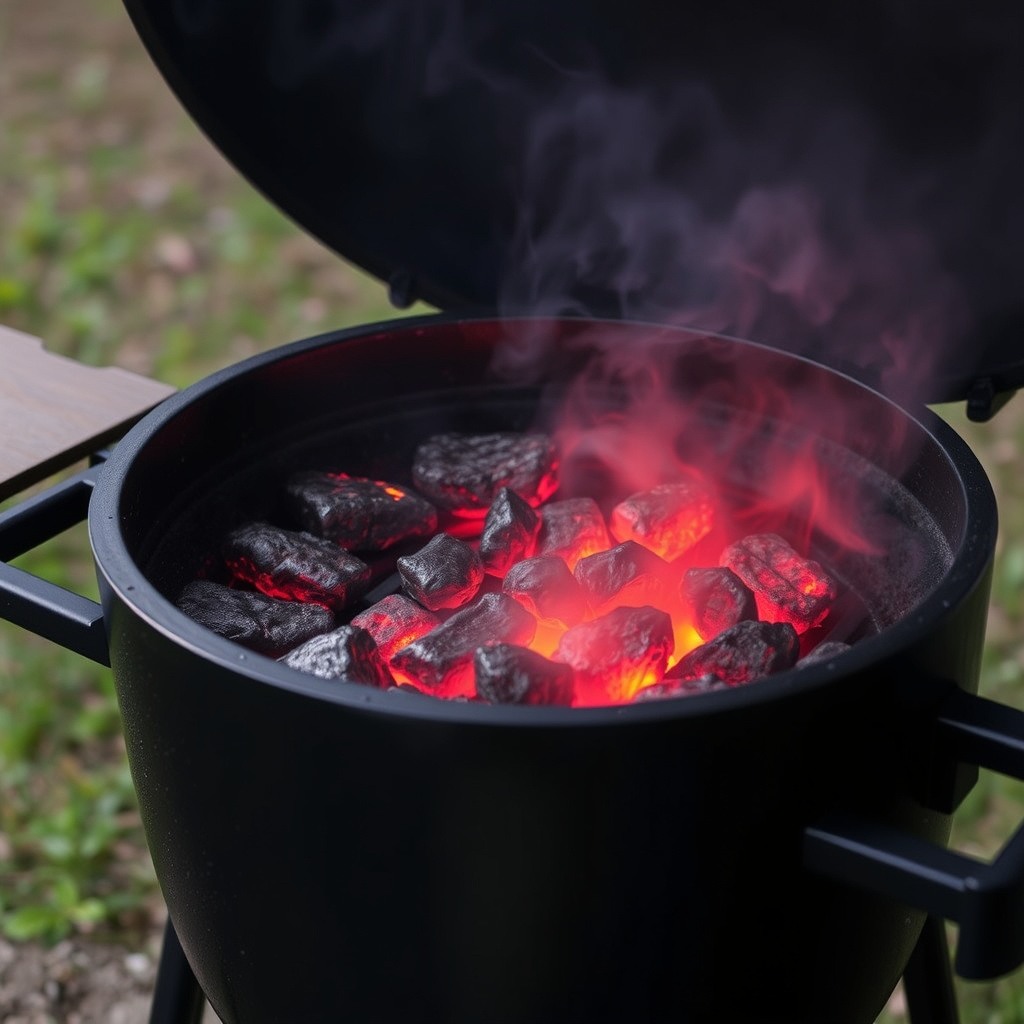
Creating Heat Zones on the Grill
Establishing distinct zones of direct high heat and indirect medium heat allows precise control during grilling. Start with a hot side for searing and a cooler side for finishing thicker cuts without burning.
On a gas grill, simply turn on one or two burners for direct heat, leaving others off for indirect. For charcoal, bank coals on one side creating a hot and cooler zone.
- Direct heat for searing
- Indirect heat for finishing
- Control flare-ups with zones
For more on this, see our related guide: How to Use a Meat Thermometer on a Grill for Perfectly Cooked BBQ.
Cleaning and Preheating the Grill
A clean grill grate prevents sticking and off flavors. Preheat the grill to a temperature of around 450-500°F for direct grilling zones.
Use a grill brush to scrape off residue and then oil the grate lightly with a high smoke point oil to facilitate a good sear and easy steak release.
- Preheat to 450-500°F
- Clean grate thoroughly
- Lightly oil the grate
Techniques for Grilling Steak to Desired Doneness
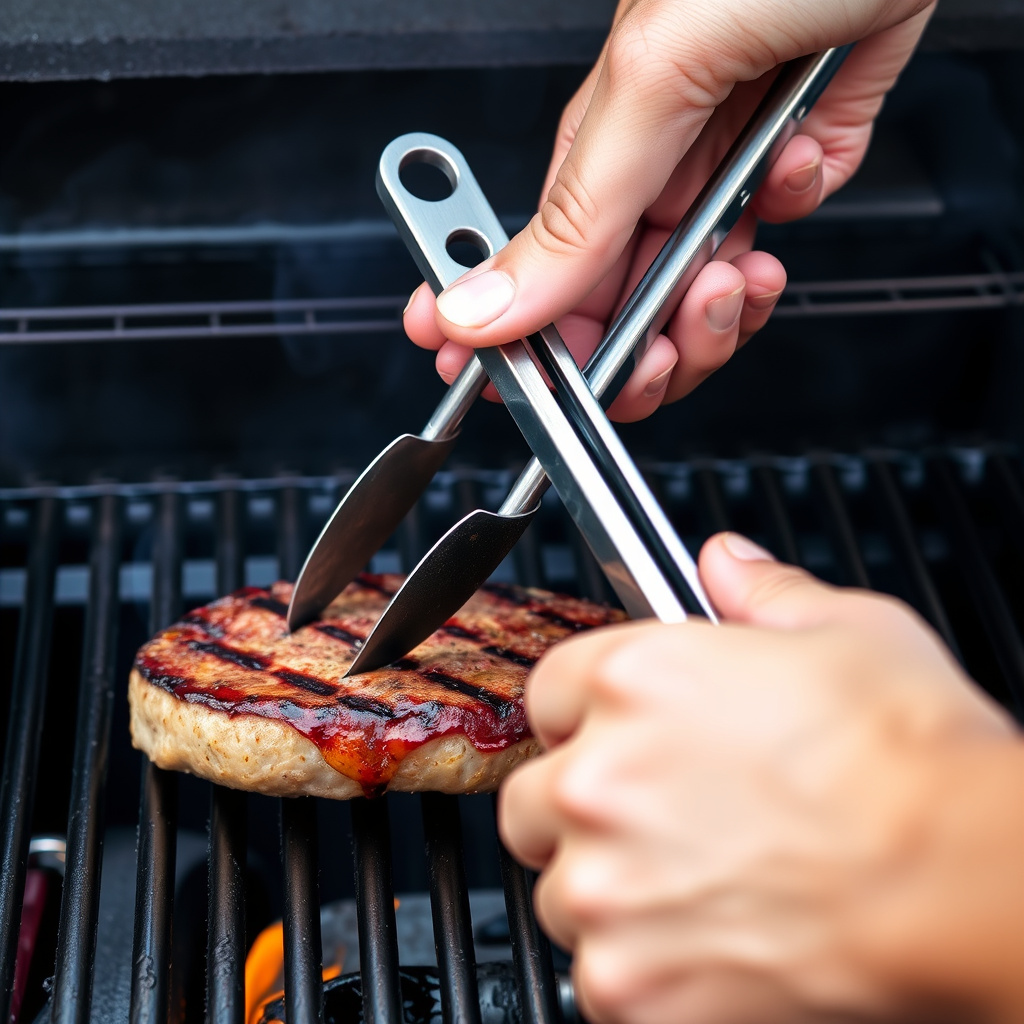
Searing and Cooking Times
Begin by placing the steak on the hottest grill zone and searing for 2-3 minutes per side to develop a rich crust. Avoid pressing down on the steak during cooking to retain juices.
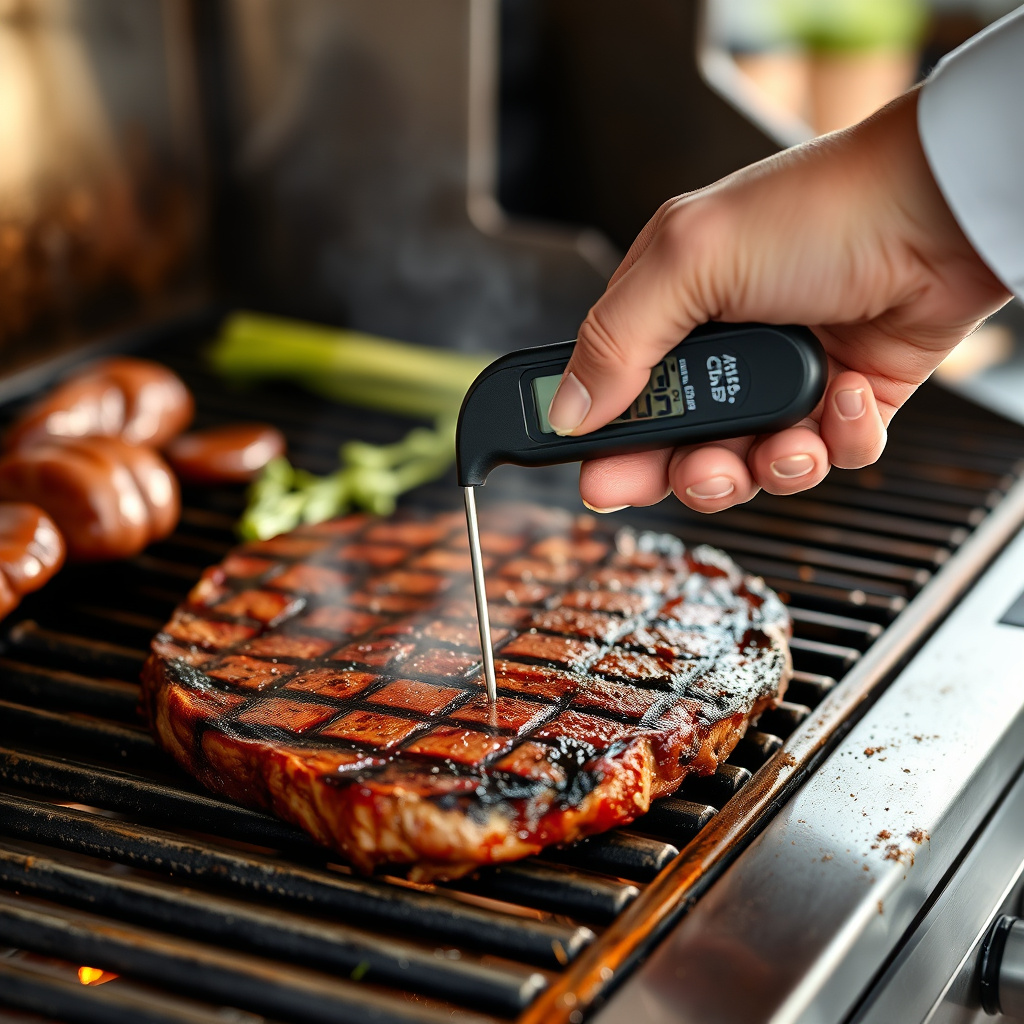
After searing, move the steak to indirect heat and cook until it reaches the target internal temperature. Use a meat thermometer for precision: 130°F for medium-rare, 140°F for medium.
- Sear 2-3 minutes per side
- Use indirect heat to finish
- Use thermometer to check doneness
Resting and Serving Tips
After grilling, let the steak rest for 5-10 minutes before slicing. Resting allows juices to redistribute, resulting in a more flavorful and moist eating experience.
Slice steaks like flank or skirt against the grain to maximize tenderness. Serve immediately after resting for best texture.
- Rest for 5-10 minutes
- Slice against the grain
- Serve promptly after resting
Common Mistakes to Avoid When Grilling Steak
Overcooking and Flare-Ups
Overcooking steak dries out the meat and can ruin its texture. Using a thermometer prevents guesswork and helps avoid this.
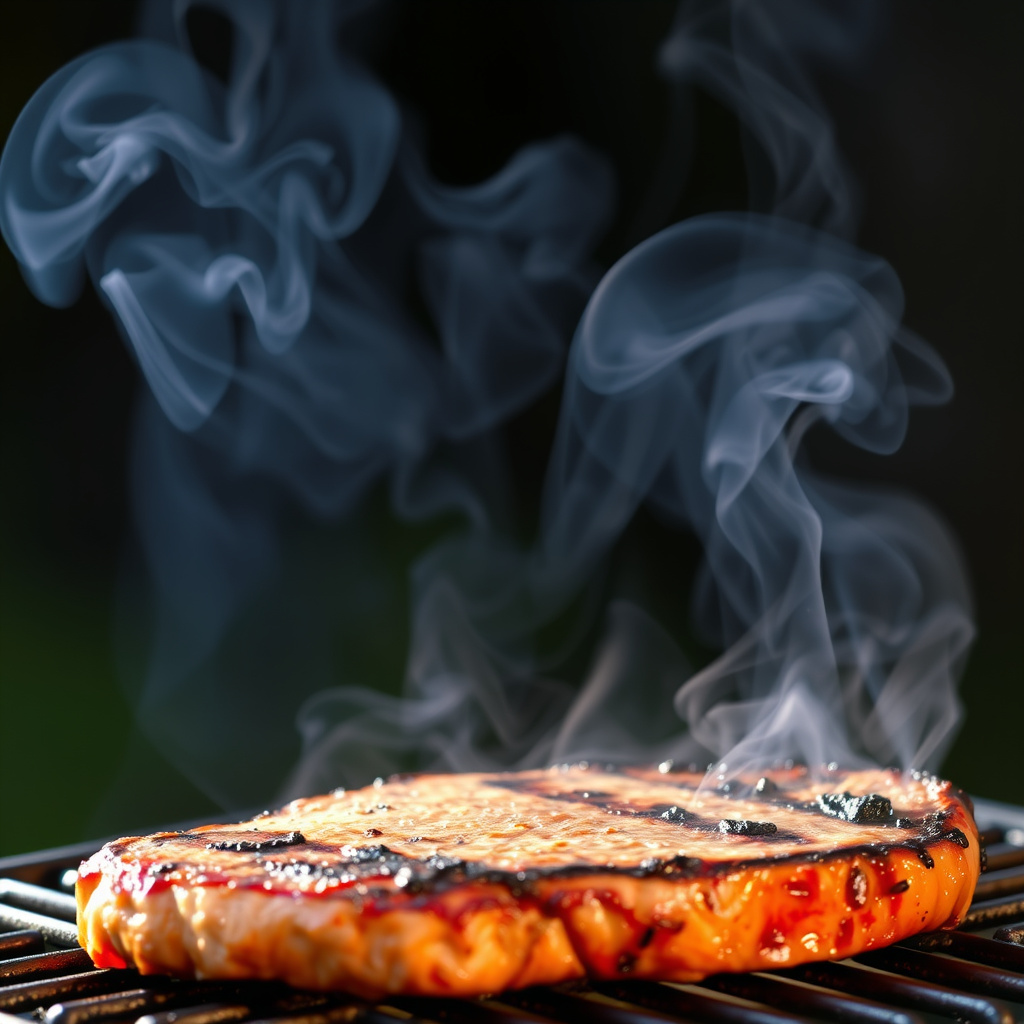
Flare-ups from dripping fat cause charring and bitter flavors. Managing heat zones and moving the steak away immediately during flare-ups is essential.
- Don’t guess doneness: use a thermometer
- Move steak away from flare-ups
- Trim excessive fat to reduce flare-ups
For more on this, see our related guide: How to Use a Grill Thermometer for Perfectly Cooked Meats Every Time.
Underseasoning and Not Resting
Underseasoning results in bland steak, missing the chance to deepen flavors. Generous seasoning with salt and pepper adds a savory crust.
Skipping resting causes juice loss on cutting, making the steak less juicy and flavorful.
- Season before grilling
- Always rest before slicing
- Avoid cutting immediately after cooking
Advanced Tips and Tricks for Grilling Steak
Reverse Searing Method
Reverse searing involves cooking the steak slowly over indirect heat first, then searing over high direct heat at the end. This technique produces an even cook throughout with a perfect crust.
It works especially well with thick cuts over 1.5 inches and offers greater control of internal temperature before finishing the crust.
For additional details on steak types and cooking methods, you can refer to steak grilling techniques on Wikipedia. steak grilling techniques on Wikipedia.
Using Wood Chips for Smoky Flavor
Adding soaked wood chips to charcoal or gas grills introduces subtle smoke that enhances the steak’s aroma and depth of flavor. Hickory and mesquite are popular choices for beef.
Place wood chips directly on coals or in a smoker box on gas grills to create smoke without overpowering the steak.
Grill Types for Steak: Charcoal vs. Gas vs. Electric
Comparing grill types helps decide which best matches your steak grilling needs, from flavor profiles to convenience.
| Grill Type | Flavor Impact | Ease of Use | Heat Control | Cost |
|---|---|---|---|---|
| Charcoal | Rich smoky, intense flavor | Needs more effort and prep | Difficult but effective | $$ |
| Gas | Moderate smoky flavor | Easy, quick startup | Precise heat control | $$$ |
| Electric | Limited smoky flavor | Very easy, indoor-friendly | Basic heat control | $$ |
| Pellet | Strong wood smoke flavor | Moderate complexity | Accurate digital control | $$$$ |
Frequently Asked Questions
How do I know when my steak is done on the grill?
Using an instant-read meat thermometer is the best way to check doneness: 130°F for medium-rare, 140°F for medium, and 160°F for well done.
Should I flip my steak multiple times while grilling?
Flipping once or twice during grilling helps develop even cooking and crust. Avoid flipping repeatedly as it prevents proper searing and crust formation.
Can I use frozen steak directly on the grill?
Grilling frozen steak is not recommended because it cooks unevenly. Thaw completely in the refrigerator and bring to room temperature before grilling.
What is the best way to prevent steak from sticking to the grill?
Make sure the grill is clean and preheated, then oil the grate lightly before placing the steak. Also, don’t try to move the steak too early; wait until it naturally releases.
How long should steak rest after grilling?
Let the steak rest for 5-10 minutes after removing it from the grill to allow juices to redistribute for a juicier and more flavorful result.
Key Takeaways
- Select a steak cut around 1-1.5 inches thick for ideal grilling
- Season simply with salt and pepper or use marinades for extra flavor
- Grill over high heat for searing, then use indirect heat for finishing
- Always rest steaks after grilling before slicing to preserve juiciness
Conclusion
Successfully grilling steak involves understanding the balance between heat, seasoning, and timing. The right cut combined with proper grill preparation and precise cooking ensures each steak has a delicious crust and tender interior. Using tools like a reliable meat thermometer and setting up heat zones allows better control, preventing undercooking or drying out the meat.
For those seeking straightforward results, classic salt and pepper seasoning followed by a quick sear and indirect cooking will produce excellent medium-rare steaks. If experimenting with flavors or tougher cuts, consider marinades or dry rubs, and techniques like reverse searing can elevate thick steaks. Choosing between charcoal, gas, or electric grills depends on your preference for smoky flavor and convenience.
To take your steak grilling to the next level, maintain a clean, well-oiled grill and monitor cooking temperatures closely. Practice makes perfect, so try different cuts and seasoning combinations until you find your favorite. Start grilling today with these guidelines and you’ll be rewarding yourself with restaurant-quality steak at home in no time.



